Tech
The HONOR Robot Phone feels like the first phone I’d actually buy for its weirdest feature

When I was at Computex earlier this year, I shot a lot of Reels using my DJI Osmo. And don’t get me wrong: that little camera is excellent. The stabilization is great, the video quality is good, and it is exactly the kind of thing you want when you’re running around a trade show trying to make content. But then came the annoying part: transferring all that footage to my phone or laptop, moving it to the cloud, and finally getting it onto the platform I actually wanted to use. At some point, I remember thinking, “Why are there so many steps?”
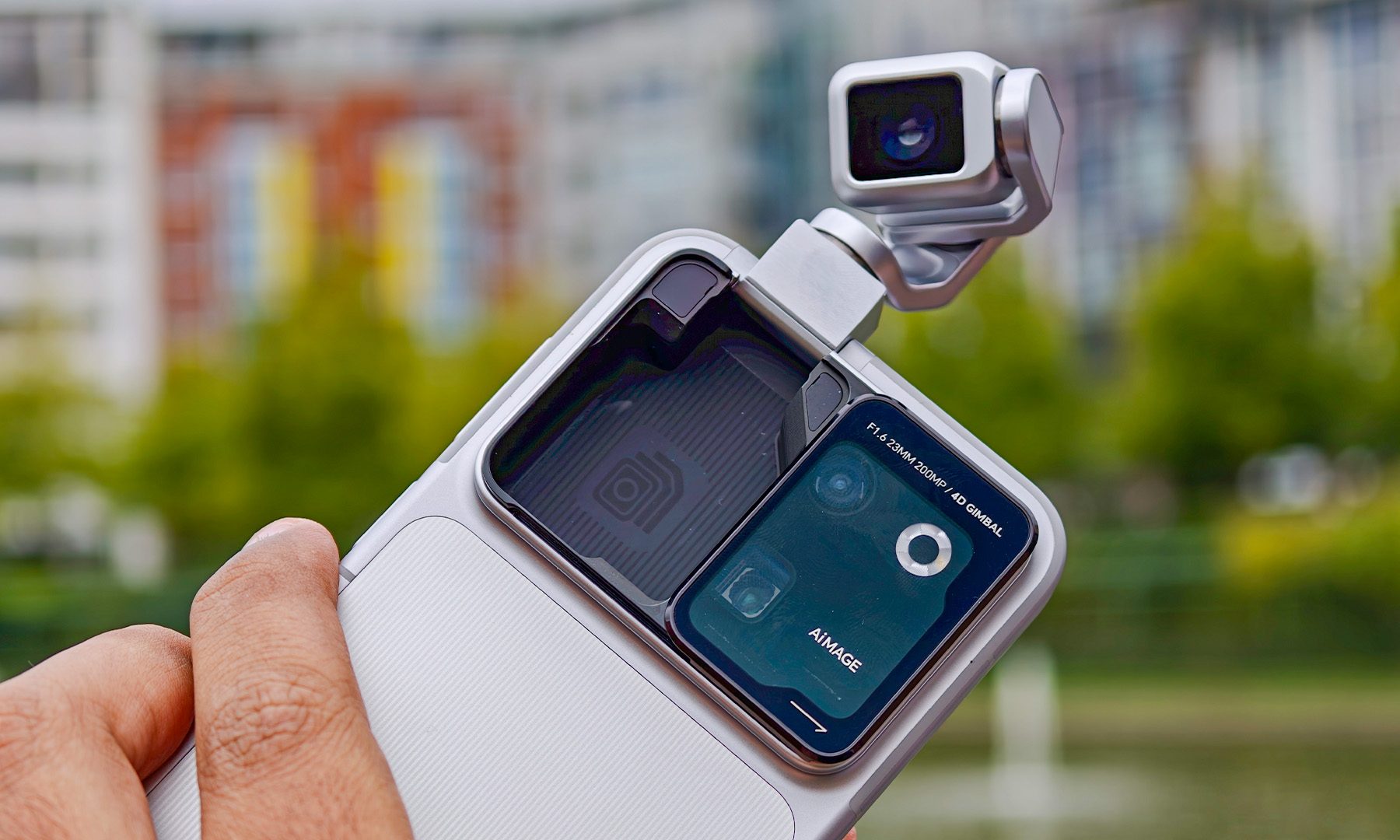

Apparently, HONOR had the same thought. The difference is that while I just complained about it, HONOR went ahead and built a phone around the idea. The HONOR Robot Phone is, admittedly, doing a lot. It’s a flagship Android phone, a miniature motorized camera gimbal, a robotic arm, and an AI playground all rolled into one. But after actually using it at IFA Berlin this year, I found myself caring far less about the novelty and far more about the camera. Because, honestly, this thing is really good.
The gimbal is the star of the show
HONOR calls it a 4-DoF Titanium Agile Gimbal, and the name sounds suitably ridiculous for a phone that can physically move its camera. It can pan, tilt, roll, and flip, and getting it going is surprisingly simple. You manually slide away the protective cover, tap the button in the camera app, and the robotic arm pops out. That’s basically the only manual intervention required.
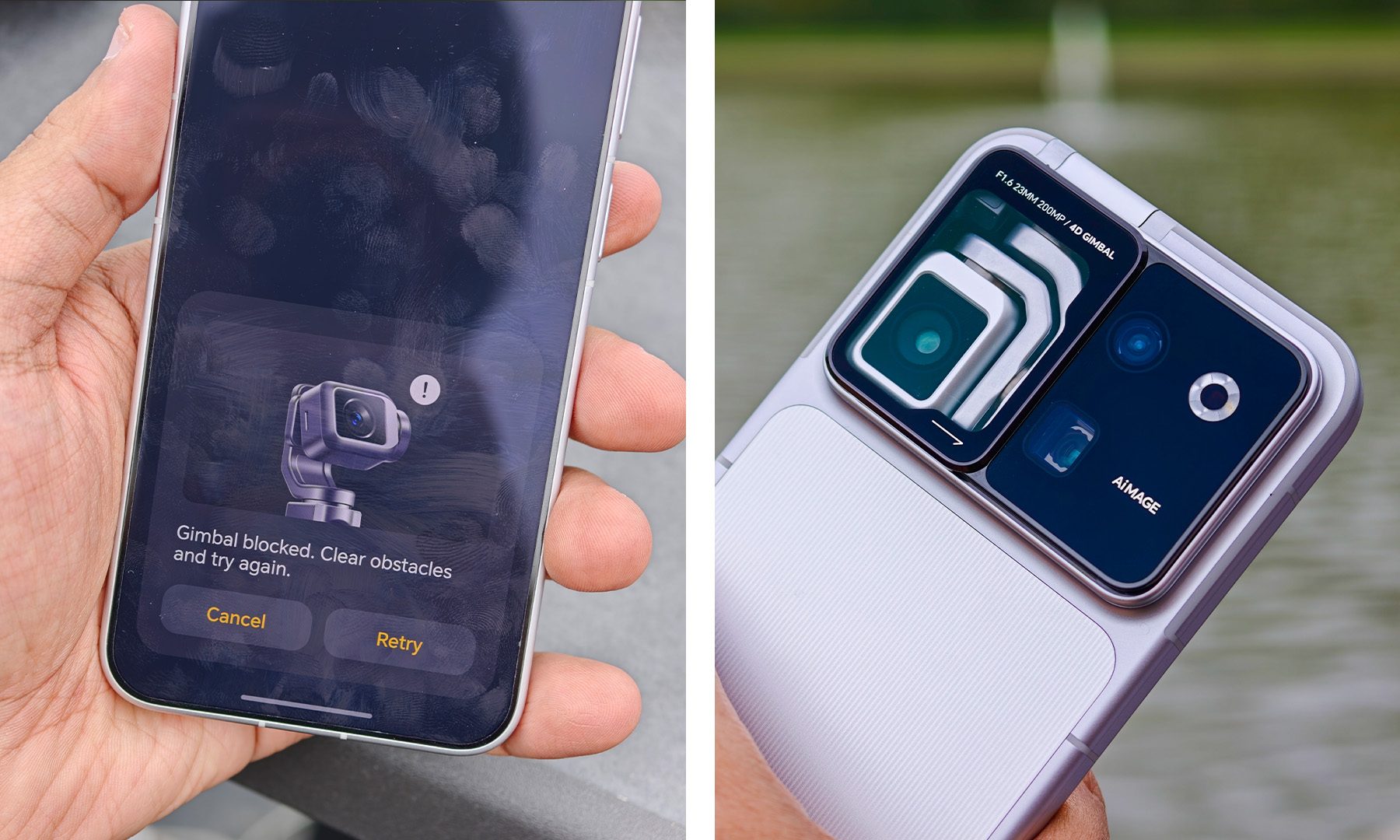
From there, it feels remarkably familiar if you’ve used a DJI gimbal. It has an on-screen joystick for manual camera control, different stabilization modes, and excellent subject tracking. The default stabilization is already impressively smooth when you’re just walking around, while Super-Steady is more useful when you’re throwing the phone into more chaotic, action-heavy situations. The important thing is that I never got the feeling that this was a first-gen mechanism desperately trying to prove itself.
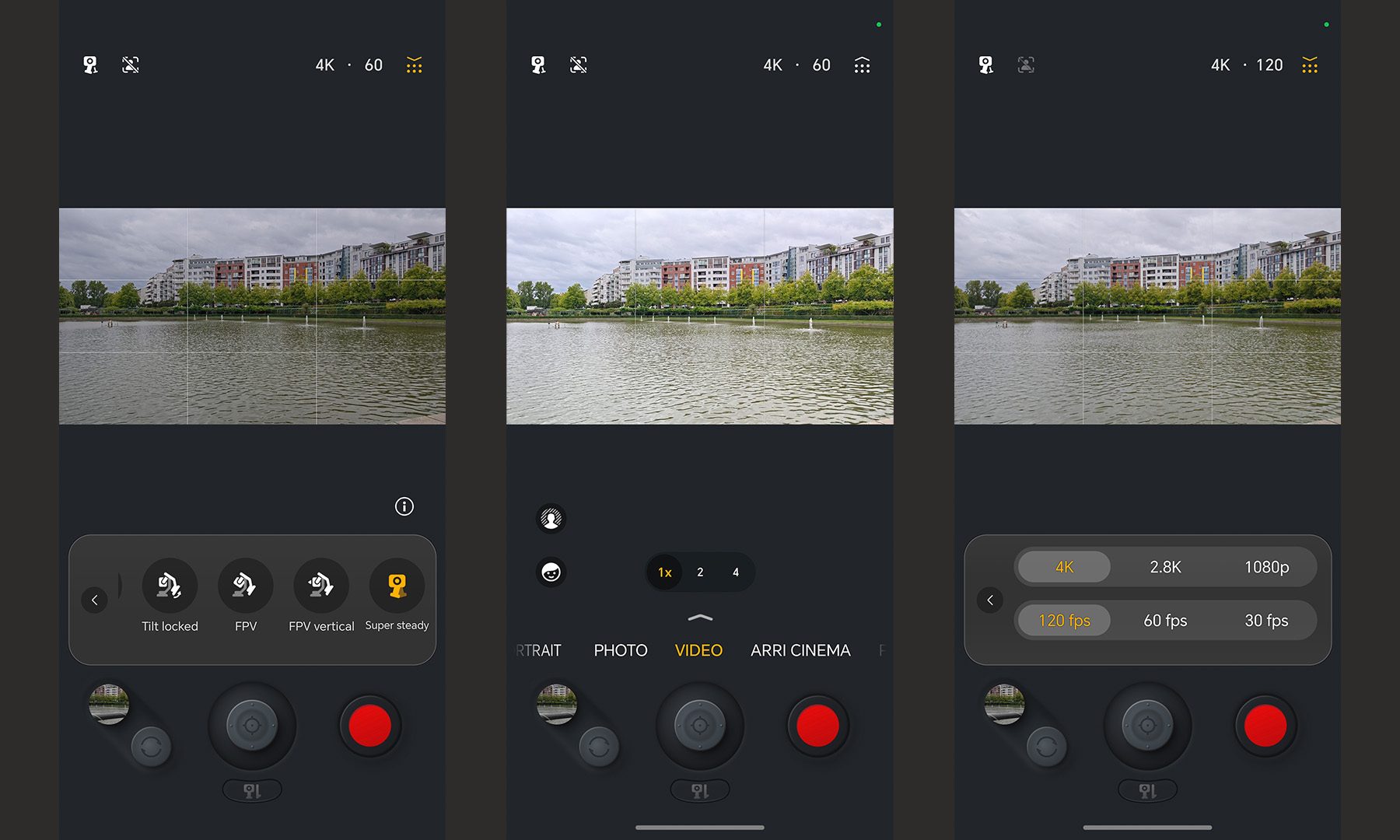
And then there is AI SpinShot, which is where the Robot Phone starts having fun. It can perform programmed 90- and 180-degree movements, including angled rotations, turning what could have been a gimmicky flip mechanism into something genuinely useful for cinematic B-roll. Add facial tracking to the mix, and you’ve got a phone that can quite literally follow you around while you shoot yourself. The 200MP gimbal main camera also makes the front-camera experience look almost unfair by comparison.
This is a creator’s phone, not just a weird phone
The biggest reason I think creators will love this isn’t actually the gimbal. It’s everything surrounding it. The Robot Phone lets you shoot up to 4K/120fps, while portrait gimbal video uses a crop and tops out around 2.7K. That’s still plenty for social media, but if you want the full-resolution experience, landscape is the way to go.


Then there’s the HONOR-ARRI collaboration, which takes this from “cool phone camera” to something I can actually imagine using for serious work. You can shoot 10-bit ARRI LogC3 footage, preview ARRI Looks, and retain the underlying Log footage even when a Look is applied. That means I can shoot something that looks great straight out of the phone, but still have the flexibility to take the footage into DaVinci Resolve or Premiere later and grade it properly.
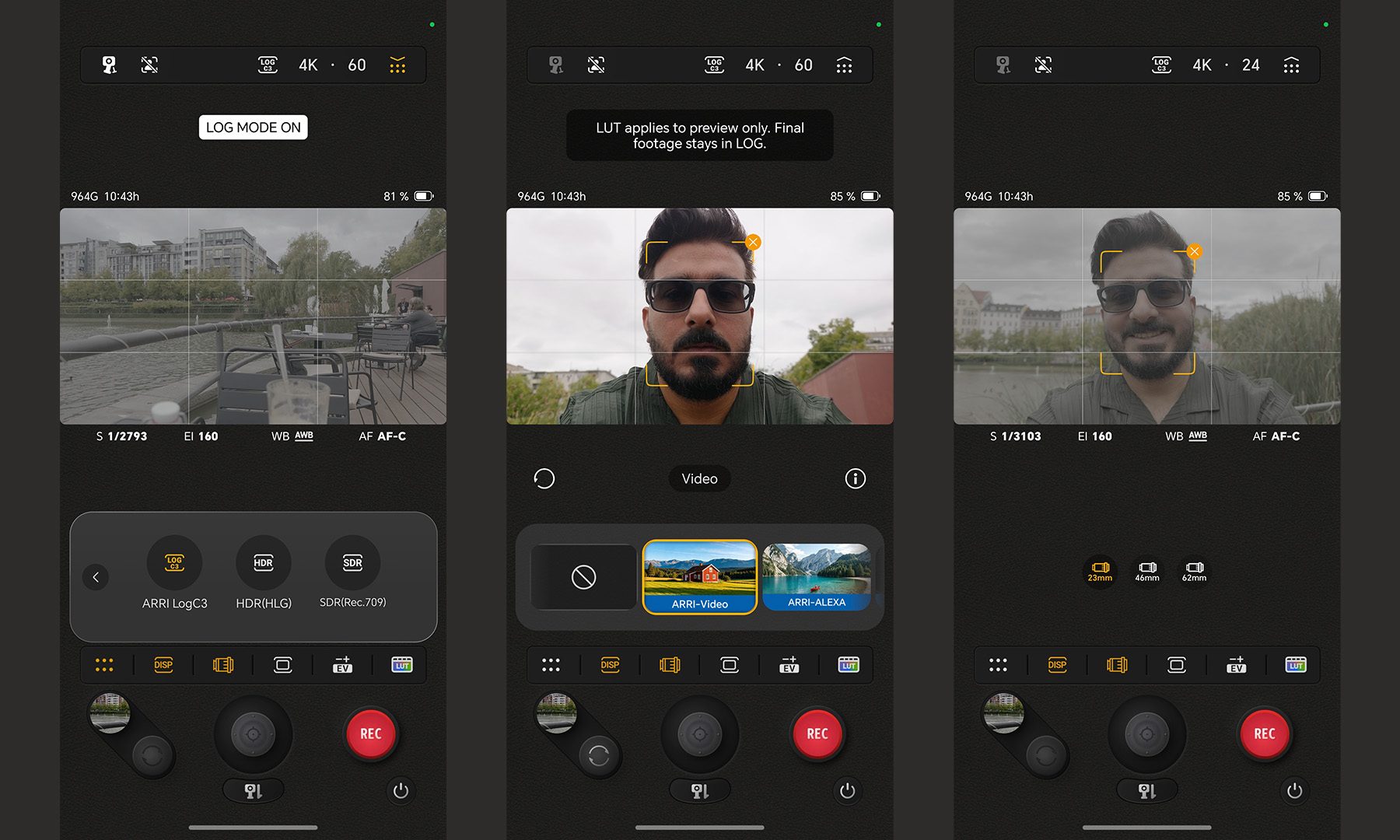
More importantly, I don’t have to think about the workflow afterward. The footage is already on my phone, the phone is already connected to Wi-Fi or mobile data, and sharing is just… sharing. No extra camera, no Bluetooth pairing, no second battery, no memory card shuffle, and no finding that USB cable nonsense. Even if Instagram doesn’t support the Robot Phone’s gimbal functionality directly, I can still shoot on it and upload normally. I just can’t use the gimbal for an Instagram livestream.
The robot part is weird — but weirdly useful
The AI side is where things get considerably stranger. HONOR’s YOYO Robot Mode can physically move the gimbal around, scan the environment, recognize objects, react to gestures, and generally make the phone feel less like a slab of glass and more like a tiny creature that has somehow acquired a smartphone.
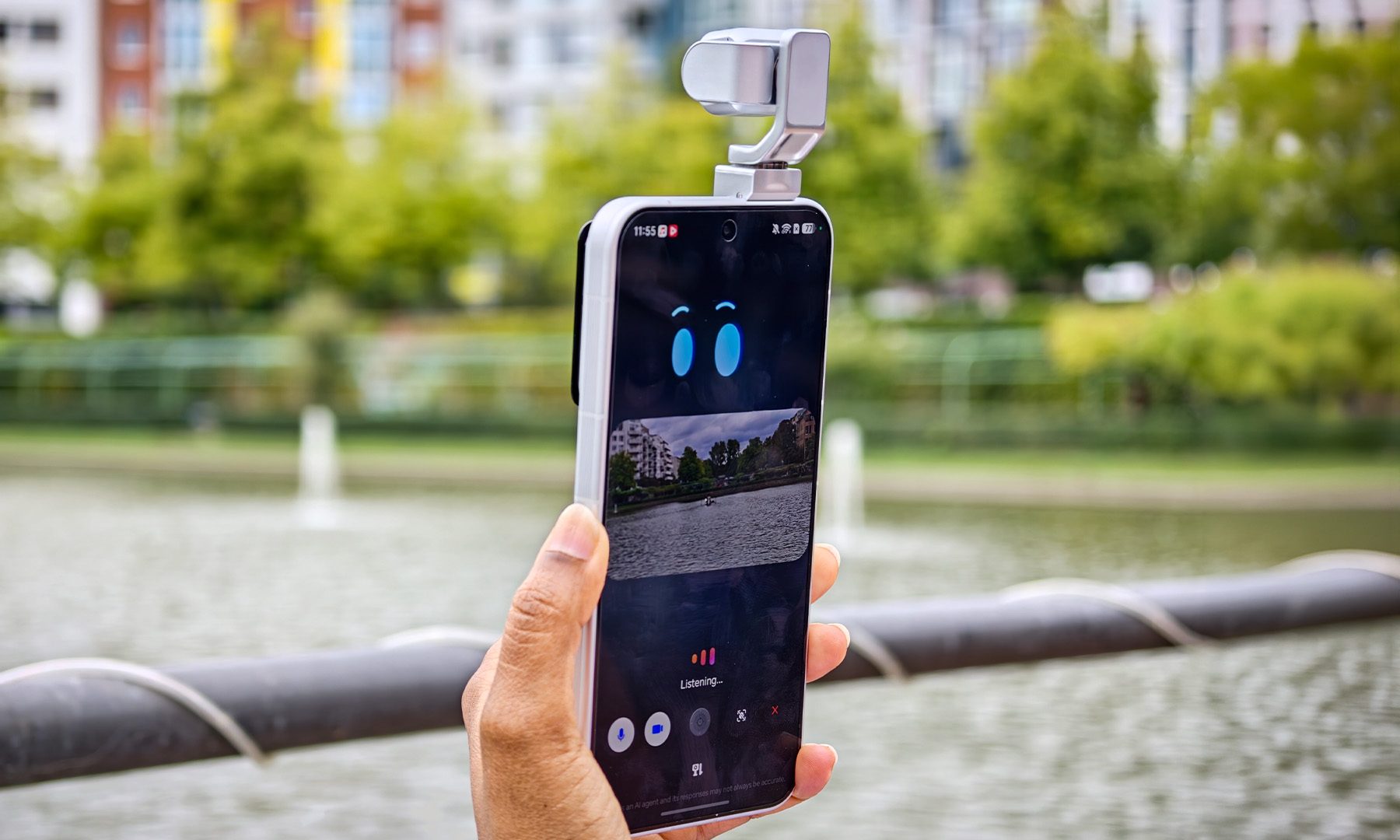
I got a small taste of this while sitting at a riverside cafe. The phone could look around, recognize the setting, identify my cappuccino, and even notice that someone nearby was recording me. There are also more playful tricks, including making the robot bob its head to music. I’m not entirely convinced that my productivity will improve because my phone can dance, but I can absolutely see kids being obsessed with it.
The gimmick that got me
The real surprise for me was just how refined the Robot Phone feels. We see plenty of first-gen products where the obvious reaction is, “Cool idea, maybe give them another year.” This wasn’t that. I picked it up, played around with it, and almost immediately thought, I’d actually buy this. Sure, the sliding cover adds another moving part, IP54 feels a little dated, and whether that tiny robotic arm can survive years of abuse is something only time will tell. But even the well-used demo unit I handled showed no obvious signs of giving up.
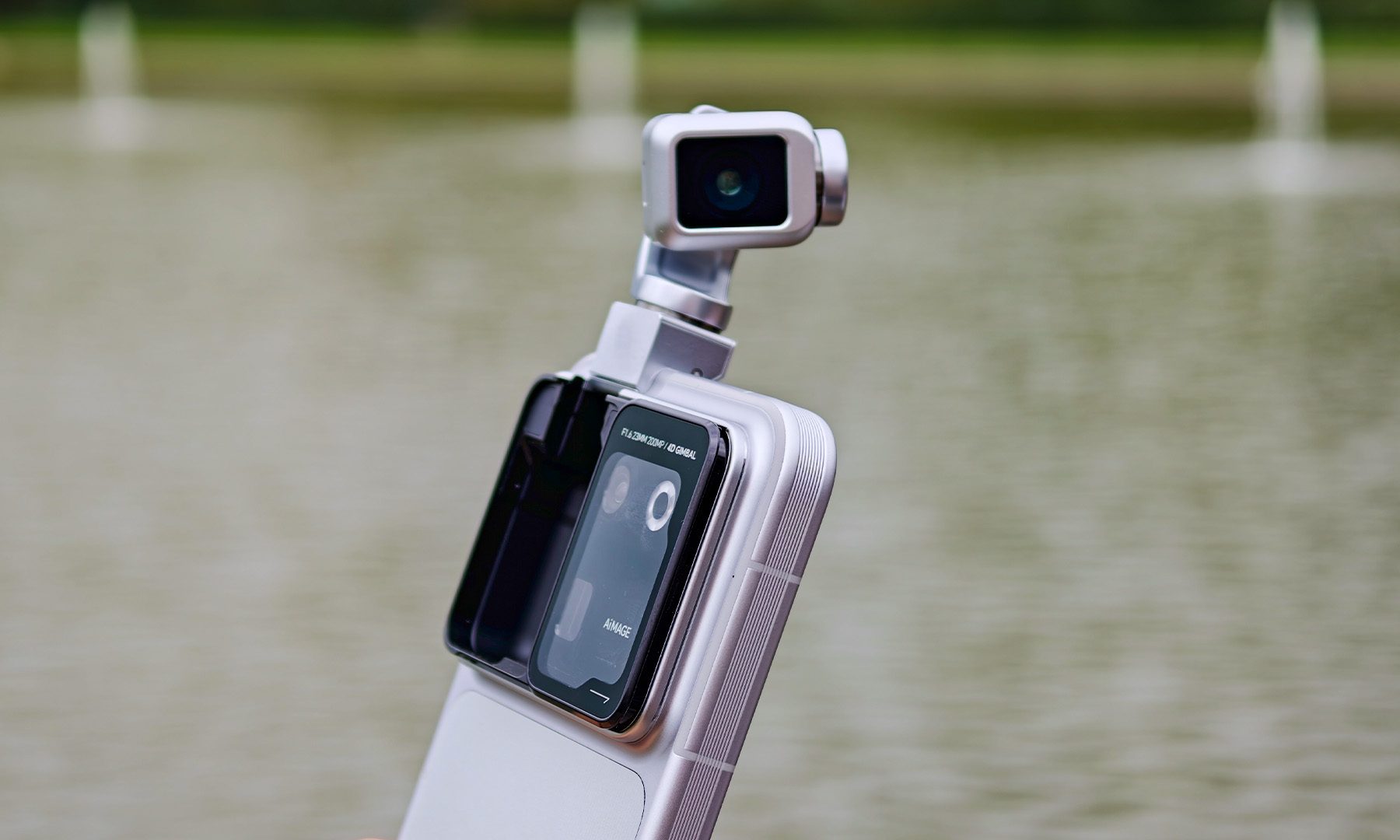
And that’s what stuck with me. HONOR took what sounds like a completely bonkers idea and somehow made it practical. It isn’t just a phone doing a robot impression; it’s a genuinely useful camera, a surprisingly capable gimbal, and a creator tool, all hiding inside something you can put in your pocket. The weirdest thing about the Robot Phone isn’t that it has a robot arm. It’s that, after using it, I actually want one.
You must be logged in to post a comment Login