

Tech
The iPhone 18 Pro’s signature color could be deep red

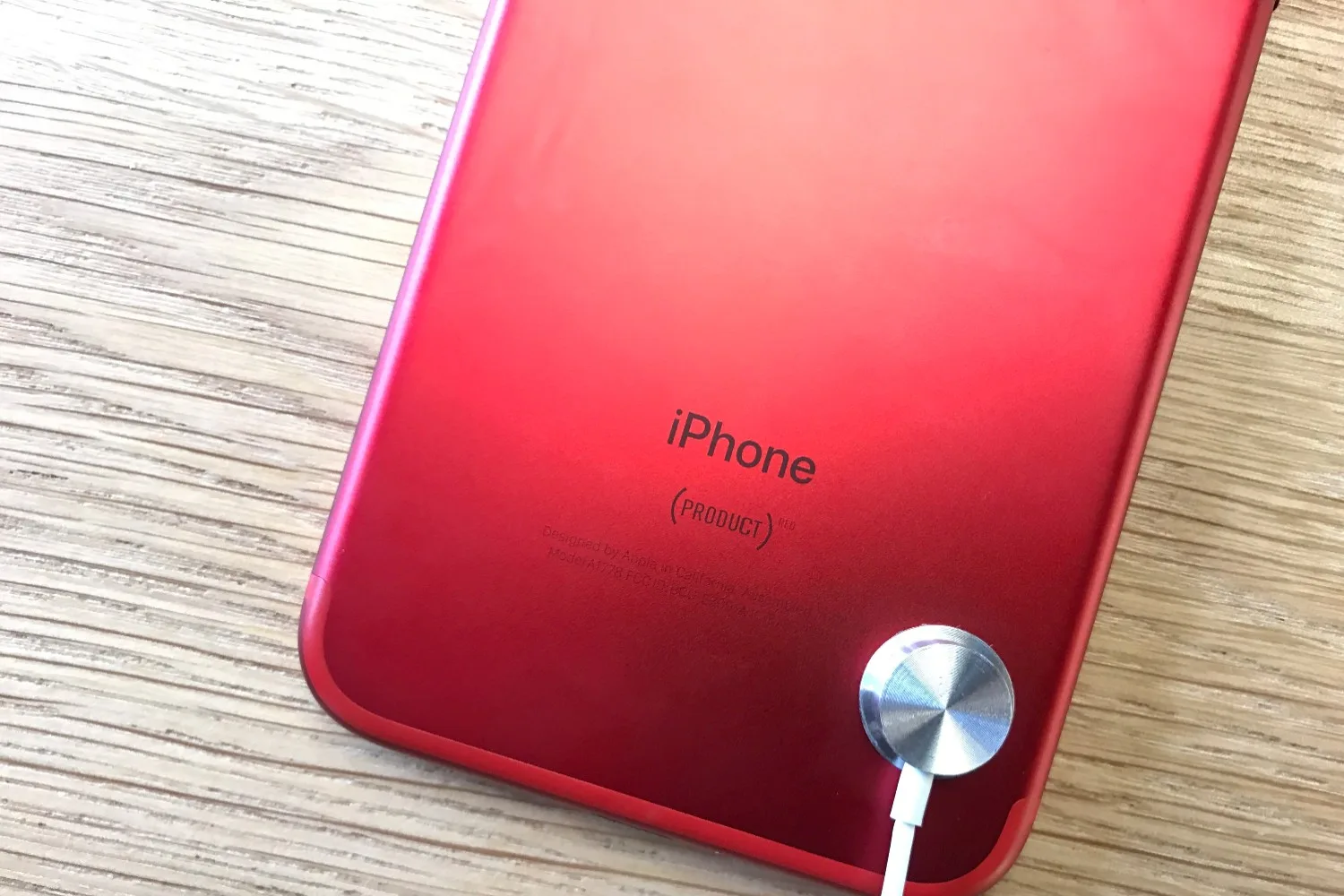
Apple has usually played it safe with the color options on its flagship iPhones. Aside from the usual silver, white, gold, and black, the company barely ever goes bold. That changed with the iPhone 18 Pro, which landed in an eye-catching Cosmic Orange color, and it proved to be quite popular. Apple is looking to replicate that success with the iPhone 18 Pro later this year, according to Bloomberg, and its next bet could be a shade of red.
What’s the big shift?
“Given the success of orange, I wouldn’t be surprised if the company keeps that option around and just adds the red as an additional choice,” reports the outlet, adding that “as of now, red is the new flagship color in testing for the next iPhone Pros.” Now, deep red is just one of the colors that Apple is eyeing for the iPhone 18 Pro, and it’s plausible that the company might ultimately decide on other colors. It’s also worth noting that Apple experiments with multiple colors years in advance, so there’s a possibility that we might ultimately see a red iPhone in a few years from now.

It was recently reported that Apple tried bold color options for the M2 MacBook Air, but eventually ditched the idea. Those colors are finally rumored to appear on the low-cost MacBook that is set to arrive in March, packing an A-series smartphone chip and a display smaller than 13 inches. It would be interesting to see if Apple also tries something new with the surface finish on the deep red shade of iPhone 18 Pro. Multiple iPhone 17 Pro users have reported the orange paint easily getting scratched and discolored.
A return to Red
Apple is no stranger to red iPhones. In fact, the company has a long history of releasing iPhones in a bright red shade, which the company markets as (PRODUCT)RED iPhone. The company has released iPhones donning this signature red shade, which is a reflection of a partnership with Red to raise awareness about HIV and rally support for the cause. Apple has predominantly released (PRODUCT)RED variants of iPhones and iPods, and as per the company, the initiative has raised $250 million to support HIV/AIDS programs.
As for the iPhone 18 Pro, it’s unclear whether the deep red shade will be a continuation of the partnership, or if it’s just the signature color for the Fall 2026 slate of iPhones. Other rumors suggest that chocolate brown and purple are also under consideration at Apple. As far as upgrades go, the iPhone 18 Pro is expected to feature a slimmer Dynamic Island, a camera with variable aperture, a next-gen modem with enhanced satellite connectivity, and a faster chip.

Windows Update Error 0x80070643 usually occurs when something goes wrong during an update. Unfortunately, since there can be several reasons behind this error, the troubleshooting tips can range from just a simple restart to repairing the .NET Framework. Let’s take a look at the solutions in detail.
What Causes The Windows Update Error 0x80070643?
The Windows Update Error 0x80070643 error usually occurs inside the Windows Update utility, and is accompanied by one of two messages:
- There were some problems installing updates, but we’ll try again later. If you keep seeing this and want to search the web or contact support for information, this may help: (0x80070643).
- Failed to install on [date] – 0x80070643.
Some underlying causes of the errors can include corrupted Windows system files, issues with the .NET Framework, corrupted registry entries, incomplete installations of previous Windows updates, and conflicts with Antivirus programs.
Troubleshoot Windows Update Error 0x80070643
Before proceeding, we recommend restarting your PC and trying the update again. A quick restart flushes the memory and can help solve issues relating to the RAM or storage. If the error still persists, here are some of the methods you can try:
1. Restart Windows Update Services
The most common cause of error 0x80070643 is a glitch in the Windows Update service. Restarting the service may resolve the issue. Here’s how:
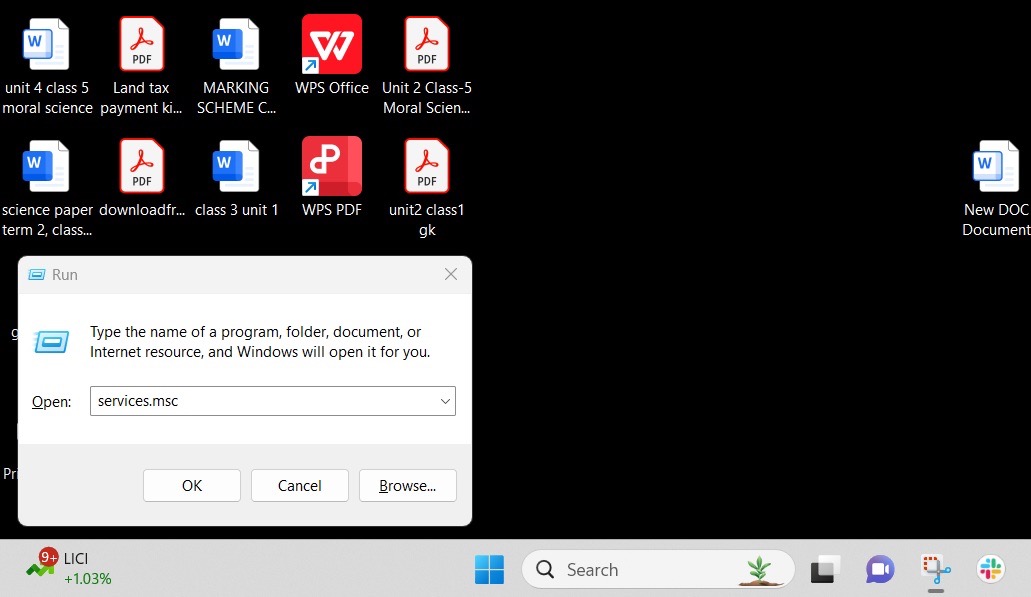
- Press Windows + R, then type services.msc, to open the Services app.
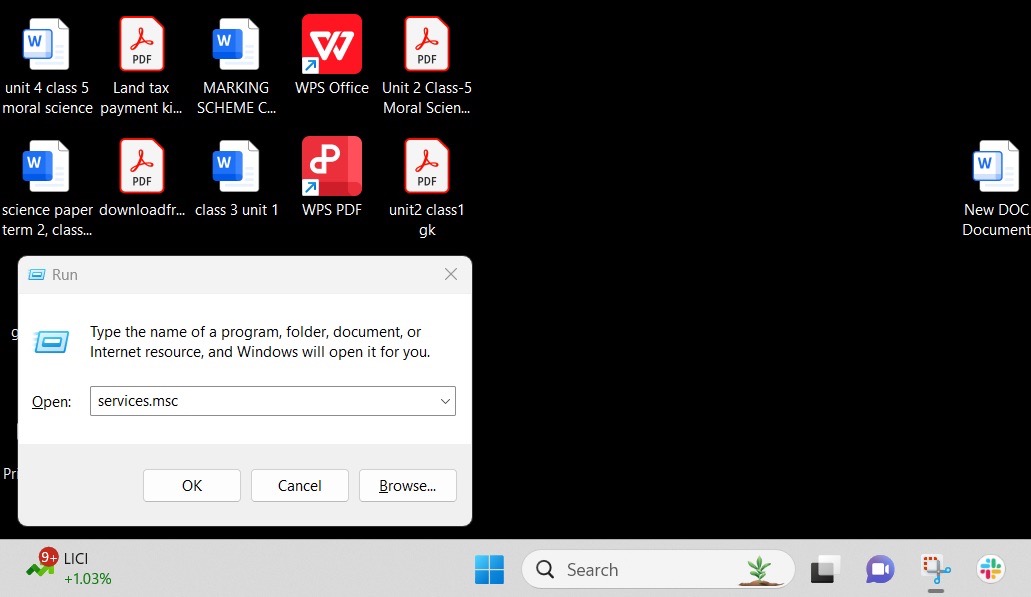
- Navigate to Background Intelligent Transfer Service (BITS) > Windows update.
- Right-click on the service and select Restart.
2. Run the Windows Update Troubleshooter
The Windows Error Troubleshooter scans your PC for potential issues that could be causing Windows updates to fail. To do so:
- Open the Settings app, and navigate to Update & Security > Troubleshoot > Additional troubleshooter.
- Select Windows Update and click Run the Troubleshooter.
The troubleshooter will now run and identify the root cause of the problem. Follow the on-screen instructions carefully.
3. Repair the .NET Framework
The .NET Framework is used for building and running applications on Windows. It provides a common platform consisting of a runtime environment and different libraries. But like any other software, the framework can get corrupted and cause errors with Windows updates. Fortunately, there is a framework repair tool for such cases. To use it:
- Head to the .NET Framework Repair Tool website and download it.
- Open the tool and follow the on-screen instructions.

- After the repair, restart your system.
4. Disable Antivirus Software
If you have a third-party antivirus software, such as McAfee, installed on your PC, it may be interfering with Windows Update and blocking key files from installation, which can cause the error.
We recommend temporarily disabling the anti-virus software and trying the update again. Remember to re-enable the program after updating.
5. Do a System File Check
As stated above, corrupted system files can be the root cause of the problem. Performing a system file check can identify missing files and help you fix them. Here’s how:
- Open Command Prompt with administrator privileges.
- Run the commands given below:
sfc /scannow
DISM.exe /Online /Cleanup-image /Restorehealth
This command will locate the missing system files and replace them with the appropriate ones from the internet.
Conclusion
That’s it. We hope one of our solutions helped you solve the infamous Windows Update Error 0x80070643. However, if the issue still persists, we recommend contacting Microsoft’s customer service and explaining the issue to them.
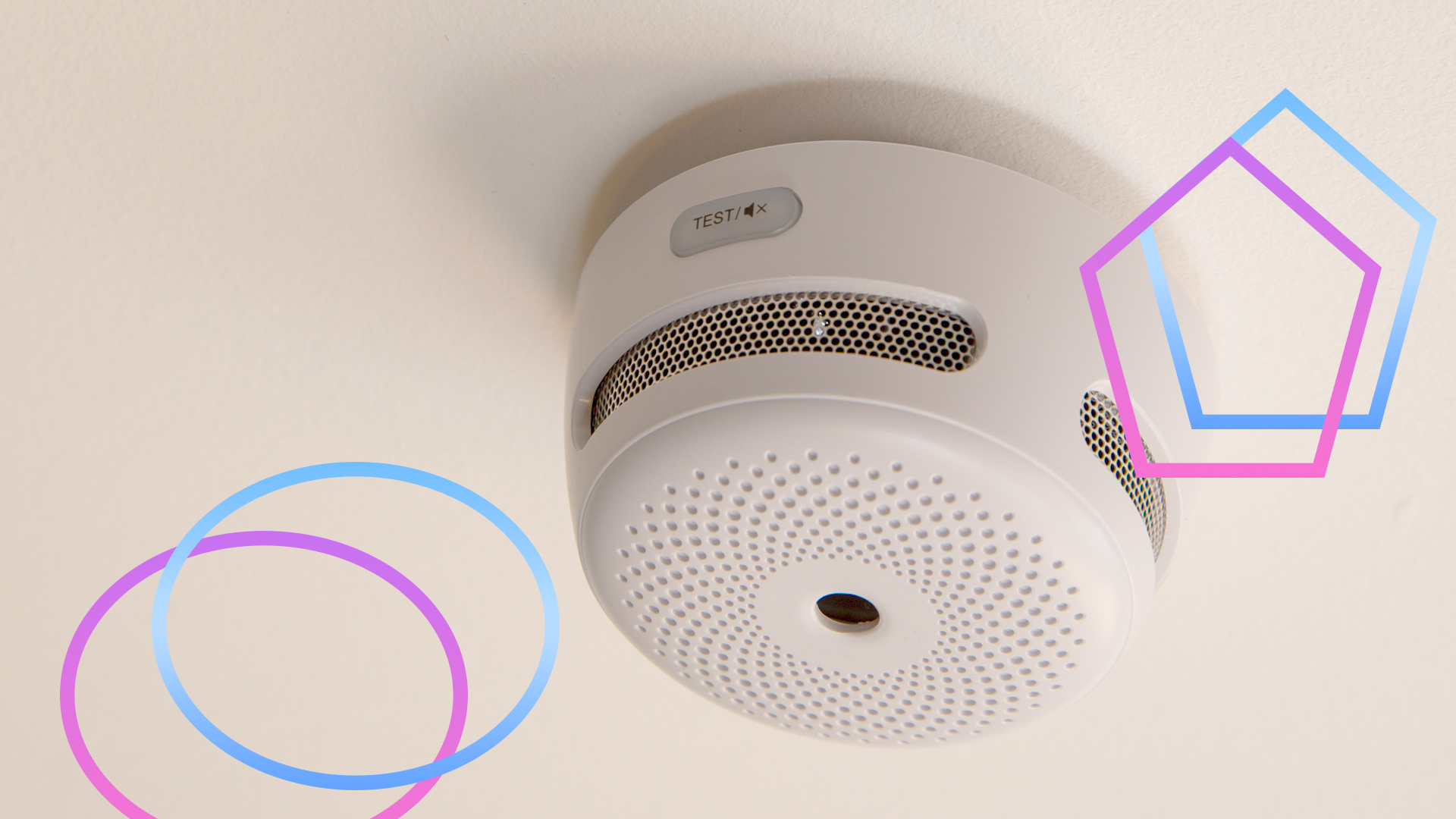
As a smart home reviewer, you can well imagine that my home is properly kitted out with connected devices.
What’s become clear over the years is the dearth of smart fire detection products that are actually suitable for UK homes. It’s a perplexing black hole.
It’s not just about smoke
There’s no shortage of smart smoke alarms, even after Google has killed off Nest Protect, perhaps the best-known device.
Hunt around, and it’s easy to find enough smart smoke detectors: the Aqara Smoke Detector, for example, or the Drayton Wiser Smoke Alarm, compatible with the company’s new bridge, which allows for a wider range of devices, not just the heating products (review coming shortly).
All of them have the issue that they’re just smoke alarms. That is, they detect smoke in the air, and then sound the alert.
For most rooms, this is fine. That old adage, “there’s no smoke without fire,” doesn’t actually apply to smoke detectors installed in kitchens, as their sensors can be fooled by cooking fumes and steam.
That’s particularly true of ionisation smoke detectors, which are more prone to false alerts; photoelectric smoke alarms are better, but can still be triggered by general cooking.
While photoelectric smoke alarms can be placed in a kitchen, it’s recommended that they be placed 3m from a stove or cooking appliance. Given that I live in a narrow Victorian terrace, and the hob is in the middle of one wall, and the ovens are in the middle of the opposite wall, it’s impossible to place a smoke alarm in the right place.
Heat alarms are best for kitchens
For kitchens, heat alarms are recommended. Rather than reacting to smoke, these alarms detect temperature changes: either when a fixed temperature is hit (typically, 58°C), or by measuring a rapid rate-of-rise (ROR) in the temperature.
In other words, heat alarms are looking for temperature signs that demonstrate there’s a fire, and ignore steam and smoke, so are ideal for kitchens. Or garages, in fact.
It’s the combination that counts
It’s safer to have fire detectors spread through you home, interlinked so that one alarm going off sets all off. By placing detectors around the house, you stand a greater chance of waking people in an emergency and detecting a fire at its origin.
In some cases, regulations even require multiple fire alarms. When I had a loft conversion, we were required to have a smoke detector in every habitable room and each corridor, and a heat alarm in the kitchen.
The ideal thing would be to have these as a smart system for two reasons. First, I can monitor them remotely and get warned of issues when I’m out. Secondly, a smart system tells you which alarm triggered the event, so I can check it out quickly.
Getting such a mixed system is far harder than you’d think. As mentioned, most companies only sell smoke detectors. And, you can’t mix-and-match components from different manufacturers if you need an integrated alarm system that triggers everything to go off at once.
As far as I’m aware, there are two main systems: the FireAngel Pro Connected system and X-Sense.
FireAngel is a system that hasn’t been updated in a long time, and the software and app aren’t very good, although the quality of the individual smoke, heat and CO detectors is excellent. I was originally happy with the system, as it replaced my old dumb system and gave me alerts, but when I had to change a couple of sensors, I found the app had duplicates and dead devices I couldn’t remove. Unless the app gets a major overhaul, I wouldn’t bother with it.
X-Sense is much better with a wide choice of wired and wireless detectors (smoke, CO and heat), all for very reasonable prices. It’s my smart fire detection system of choice, but I’d like it if the system were Matter compatible or at least a bit easier to port into other smart home systems.
This does leave a massive gap, and I don’t really understand why there’s no more competition. Heat alarms are a much-needed component, so why don’t more smart companies manufacture them?
Imagine you’re in a meeting, watching a movie at the cinema, or attending an event when your Apple Watch starts beeping or vibrating. It is very embarrassing when everyone around you is quiet. Thankfully, you silence the notifications and taps without missing a step. In this guide, we’ll show you a few different ways to silence your Apple Watch.
Different Methods to Silence Your Apple Watch
1. Quick Mute Using Your Palm
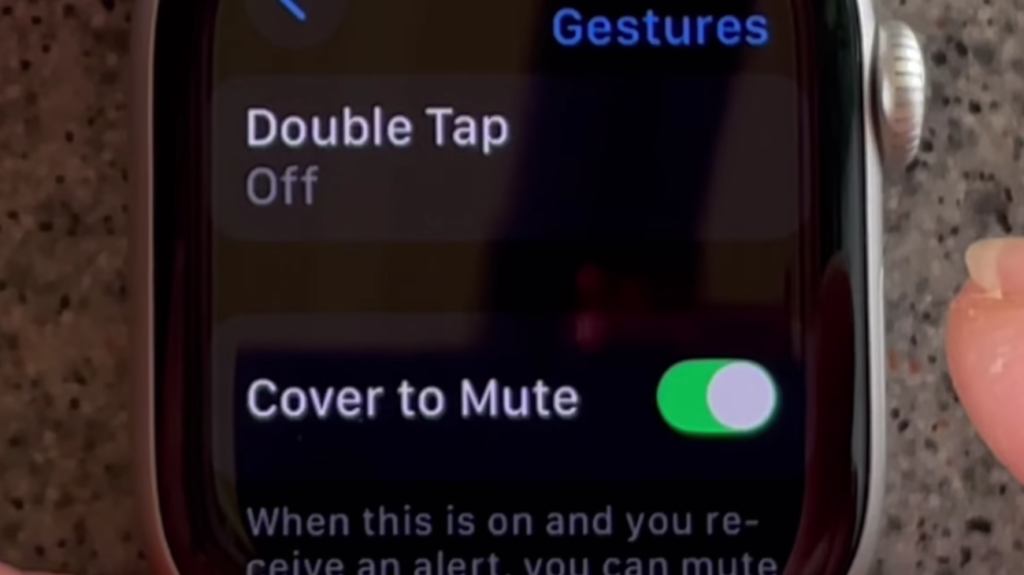
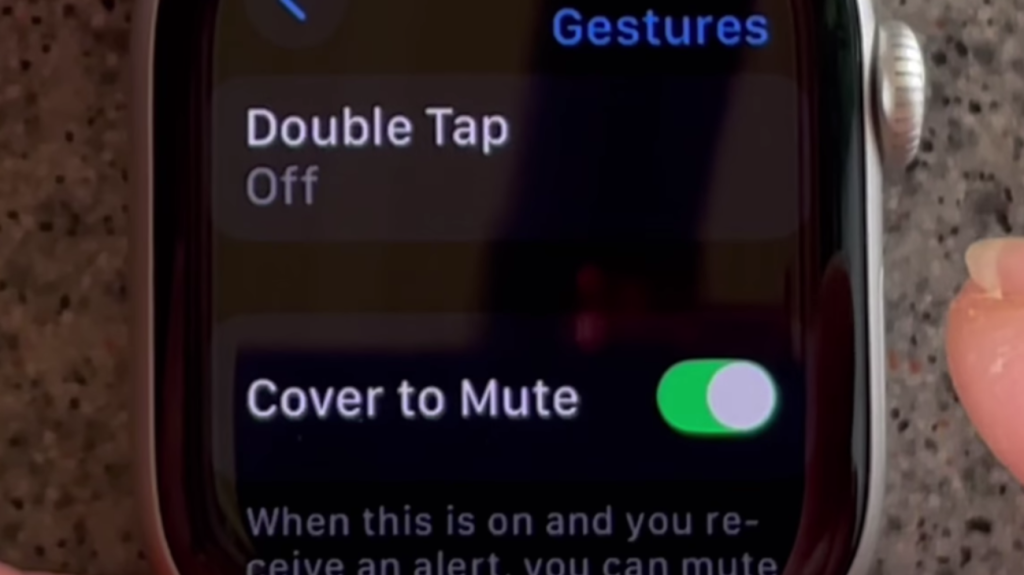
You don’t always have time to tap buttons when your watch goes off. Just cover the screen with your hand, and the sound will stop. However, you need to ensure that the gesture feature is enabled first. To activate this feature:
- Go to the Settings app on your Apple Watch.
- Tap on Gestures from the list.
- Turn on the Cover to Mute option.
2. Keep Things Quiet with Theater Mode
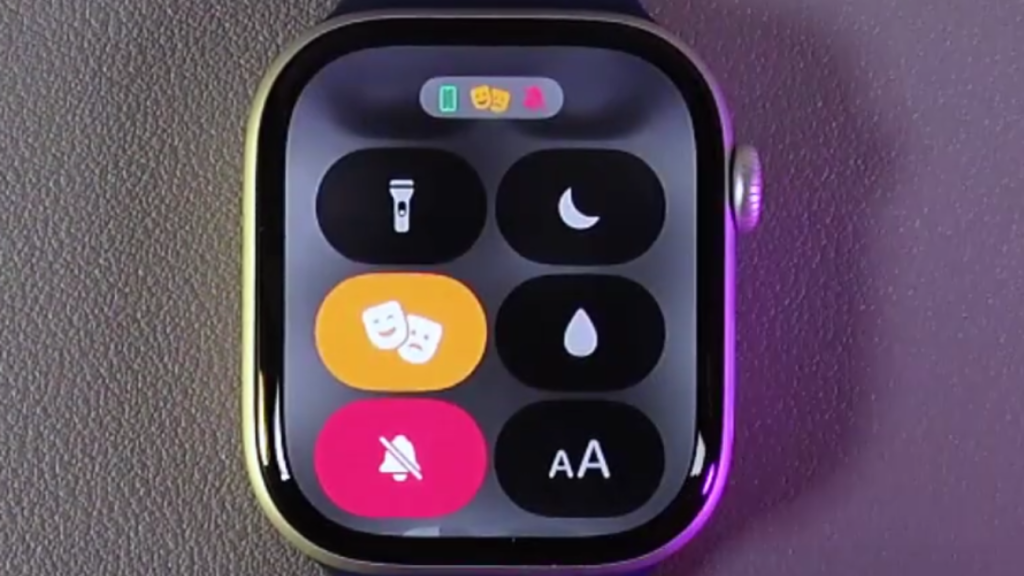
If you want your Apple Watch to remain quiet and not display notifications when you move your wrist, Theater Mode is ideal. It’s perfect for dark places like cinemas or late-night events. To turn it on:
- Open the Control Center by swiping up.
- Find the icon that looks like “Comedy and Tragedy Masks.”
- Tap it once. It will turn orange to show it’s active.
3. Quickly Silence Sounds with Control Center
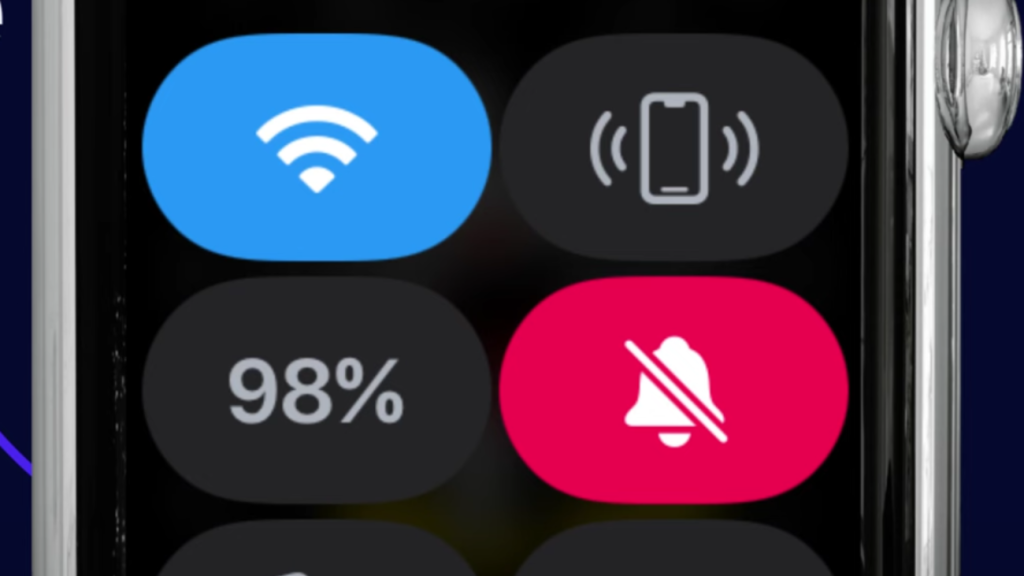
Unlike Do Not Disturb, Silent Mode has to be turned on directly from your Apple Watch. It’s great when you want a sound-free experience but still want to receive alerts quietly. To turn it on:
- Press the Side Button to open the Control Center.
- Tap on the bell icon once.
- When the icon shows a line through it, Silent Mode is active.
4. Keep Distractions Away with DND Mode
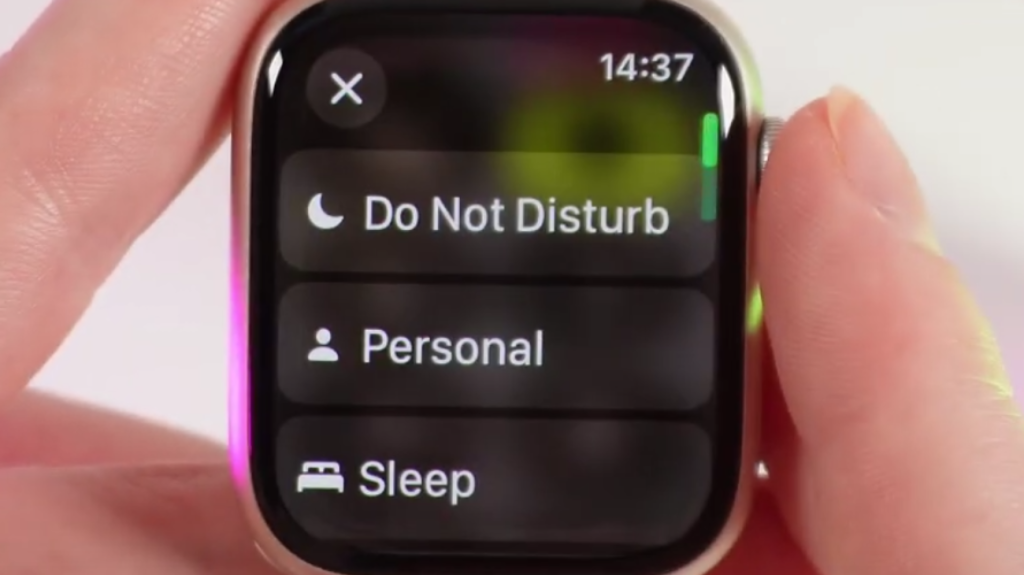
If you want complete silence from your Apple Watch, Do Not Disturb is a great option. It stops all notifications from making noise or lighting up the screen until you decide to turn it off. To turn it on:
- Swipe up from the bottom of your Apple Watch screen to open Control Center.
- Tap the Moon symbol.
- Select Do Not Disturb.
Each option provides something slightly different. Use Silent Mode for regular silencing, Do Not Disturb for quiet time, Theater Mode when darkness and quiet are preferred, and Cover to Mute for fast, in-a-hurry situations. Choose what suits you best, based on your current location and activities.
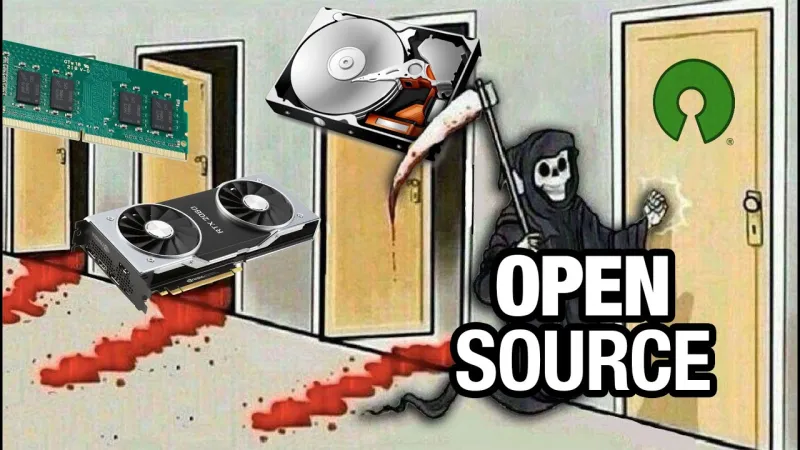
You might not have noticed, but we here at Hackaday are pretty big fans of Open Source — software, hardware, you name it. We’ve also spilled our fair share of electronic ink on things people are doing with AI. So naturally when [Jeff Greerling] declares on his blog (and in a video embedded below) that AI is destroying open source, well, we had to take a look.
[Jeff]’s article highlights a problem he and many others who manage open source projects have noticed: they’re getting flooded with agenetic slop pull requests (PRs). It’s now to the point that GitHub will let you turn off PRs completely, at which point you’ve given up a key piece of the ‘hub’s functionality. That ability to share openly with everyone seemed like a big source of strength for open source projects, but [Jeff] here is joining his voice with others like [Daniel Stenberg] of curl fame, who has dropped bug bounties over a flood of spurious AI-generated PRs.
It’s a problem for maintainers, to be sure, but it’s as much a human problem as an AI one. After all, someone set up that AI agent and pointed at your PRs. While changing the incentive structure– like removing bug bounties– might discourage such actions, [Jeff] has no bounties and the same problem. Ultimately it may be necessary for open source projects to become a little less open, only allowing invited collaborators to submit PRs, which is also now an option on GitHub.
Combine invitation-only access with a strong policy against agenetic AI and LLM code, and you can still run a quality project. The cost of such actions is that the random user with no connection to the project can no longer find and squash bugs. As unlikely as that sounds, it happens! Rather, it did. If the random user is just going to throw their AI agent at the problem, it’s not doing anybody any good.
First they came for our RAM, now they’re here for our repos. If it wasn’t for getting distracted by the cute cat pictures we might just start to think vibe coding could kill open source. Extra bugs was bad enough, but now we can’t even trust the PRs to help us squash them!


A transaction in October of 2024, between an American company and a Mexican one, resulted in a chain of U.S.-located gas station convenience stores being owned by the Mexican firm. The American company is Delek US Holdings, Inc., which sold its retail operations for $385 million. These retail operations consisted of 249 convenience stores that operated under the DK brand, located in New Mexico, Arkansas, and Texas. Delek is an energy company involved in petroleum and renewable fuels. As an oil products producer, it has a refining capacity of 302,000 barrels each day. It is also one of five owners of the 650-mile oil pipeline that goes from Wink to Webster in the Permian Basin in Texas, moving over one million barrels per day of crude oil and condensate to the Gulf Coast.
The Mexican company that bought the convenience stores at Delek’s gas stations is called FEMSA. It’s a huge conglomerate that includes the OXXO chain of 28,800 convenience stores located in Mexico, Chile, Peru, Brazil, and Colombia. FEMSA also owns the largest volume Coca-Cola products franchise bottler in the world. It has a total of over 392,000 employees located in 18 countries, including Europe, having purchased the food retail company Valora in 2022. FEMSA is also involved in many other business ventures, including retail drugstores and digital financial services.
How FEMSA’s acquisition affected DK convenience stores

FEMSA has now rebranded many DK stores, which now operate as OXXO, a well-known brand near the Mexican border. By 2027, all of the stores in the El Paso area, which adjoins the border, will be rebranded as OXXO stores. Once the OXXO brand starts to expand beyond its initial footprint, it may build even larger stores, following the trend of U.S. gas stations turning into massive convenience stores.
As far as the supply of fuel products to the stores, FEMSA has continued to purchase them from Delek after the ownership change. Delek continues to operate hundreds of gas stations under both the DK and Alon brands, positioning itself as a locally sourced, high-quality fuel supplier with a lower carbon footprint. While this acquisition may have been FEMSA’s first attempt to plant its flag in the U.S., the company has said it has plans to become a major player in the U.S. market. FEMSA is not the only foreign operator to land here; the Speedway gas station chain is owned by a Japanese company.

Get caught up on the latest technology and startup news from the past week. Here are the most popular stories on GeekWire for the week of Feb. 15, 2026.
Sign up to receive these updates every Sunday in your inbox by subscribing to our GeekWire Weekly email newsletter.
Most popular stories on GeekWire

Microsoft’s new RTO policy starts Feb. 23, bringing Seattle-area workers back 3 days a week
Microsoft’s three-day-a-week return-to-office mandate starts Monday, Feb. … Read More

Washington state has embraced data centers – but now it’s looking to set terms of engagement
Washington’s House on Saturday approved a slate of rules for data centers around energy costs and transparency. … Read More

New hacker house in Seattle area brings startup founders together under one creative roof
In addition to events such as demo nights, founder dinners, and hackathons, Bili House is looking into partnerships, perhaps with a venture capital firm that could help defer some costs for startup founders. … Read More

Former Avalara exec leads new Seattle-area startup inspired by Washington’s estate tax
The idea for Legata grew out of frustration with Washington’s estate tax and how little many families understand about the risk to their assets if they don’t plan. … Read More

PageMaker pioneer Paul Brainerd, 1947-2026: Aldus founder devoted his second chapter to the planet
Paul Brainerd, who coined the term “desktop publishing” and built Aldus Corporation’s PageMaker into one of the defining programs of the personal computer era, died Sunday at his home on Bainbridge Island. … Read More

Remitly CEO Matt Oppenheimer steps down, hands reins of fintech company to former Amazon exec
Veteran tech and finance executive Sebastian Gunningham will replace Oppenheimer as CEO of the Seattle-based company. … Read More

Seattle transit’s new ‘tap-to-pay’ feature goes live next week as region gears up for World Cup
The ubiquitous tap-to-pay technology that has become commonplace in grocery stores and coffee shops is coming to Seattle-area buses and trains beginning Feb. … Read More

Xbox chief Phil Spencer retiring after 38 years at Microsoft; Asha Sharma named new gaming CEO
Phil Spencer, who reshaped Xbox through landmark acquisitions and a bet on cloud gaming, is stepping down. … Read More

Cloud and AWS cost consultant Duckbill expands to software, raises $7.75M for new Skyway platform
Cloud cost consultant Duckbill, known for co-founder Corey Quinn’s sharp takes on AWS, raises $7.75M and launches Skyway, a financial planning and forecasting platform for enterprise cloud spending. … Read More

Temporal raises $300M, hits $5B valuation as Seattle-area infrastructure startup rides AI wave
The latest round, led by Andreessen Horowitz, doubles the company’s valuation from October and reflects surging demand for infrastructure that keeps AI running reliably in production as agentic systems move from pilot projects to mission-critical deployments. … Read More


If you’re wondering what happened to the Starship, then rest assured, SpaceX engineers are still working to get it airborne again soon.
In fact, in a post on X on Saturday, SpaceX chief Elon Musk confirmed an earlier stated target window for the 12th launch of the most powerful rocket: next month.
In that case, the Starship could be blasting off from SpaceX’s Starbase site in near Boca Chica, Texas, in a matter of weeks, treating onlookers and those watching online to a spectacular display of raw rocket power.
The 12th Starship flight is particularly special because it involves a new version — the third — of the first-stage Super Heavy booster, which lifts the upper-stage Ship to space.
Version 3 of the Starship rocket is 124.4 meters tall, making it just over a meter taller than its predecessor. Its engines have also been given a power upgrade, together with a number of design tweaks that will improve the rocket’s overall performance.
This year promises to be an exciting one for the Starship as SpaceX is heavily focused on getting it ready for a trip to the moon in the Artemis III mission.
First, it needs to achieve a number of important milestones, including getting the Ship to orbit, refueling the Ship in Earth orbit, and then landing it back at Boca Chica in a similar way to how it’s already landed the Super Heavy booster.
The Artemis III mission is currently set for 2027, though that date could slip due to technical challenges with the rocket. NASA wants to use a modified version of the Ship to land two astronauts on the lunar surface in what would be the first crewed moon landing since 1972.
The astronauts won’t travel to lunar orbit aboard the Ship, flying instead aboard an Orion spacecraft launched by NASA’s SLS (Space Launch System) rocket. Once in lunar orbit, they’ll transfer to SpaceX’s Ship and descend to the lunar surface.
The same Orion spacecraft is about to carry its first crew on a voyage around the moon in the Artemis II mission, which will pave the way for the Artemis III lunar landing in a few years’ time.
A political group funded by Anthropic is backing New York Assembly member Alex Bores in a high-profile House race that’s turned into a proxy fight over how AI should be regulated. (As of Feb 2026.)
What we know
- Anthropic says it is contributing $20 million to Public First Action, describing it as a bipartisan 501(c)(4) focused on public education and policy engagement around AI governance.
- Bloomberg reports Public First Action’s Democratic arm is spending $450,000 to boost Alex Bores in New York’s 12th congressional district.
- Bloomberg also reports that Leading the Future, a rival super PAC, has already spent $1.1 million on TV ads and messages attacking Bores.
- Leading the Future has been reported as backed by more than $100 million from prominent tech investors and executives, including Andreessen Horowitz and OpenAI President Greg Brockman.
- The dispute is tied to an ongoing policy fight over AI rules, including New York’s RAISE Act, which (per New York State) requires large AI developers to publish safety protocol information and to report AI incidents to the state within 72 hours of determining an incident occurred.
What’s not confirmed
- Whether Public First Action will expand spending beyond the reported $450,000 in NY-12, or move significant money into other specific races. (Watch for new filings, public statements, and follow-up reporting.)
- Whether Leading the Future will increase, pause, or redirect ad spending in response, and what the next wave of ad creative will claim. (Verify via ad libraries where available and reputable reporting.)
- How voters will respond, and whether this race becomes a durable template for AI-focused political spending in 2026. (This is outcome-dependent and can’t be stated as fact today.)
Timeline
- Aug 2025: TechCrunch reports Leading the Future’s pro-AI PAC network had backing of “more than $100 million,” including Andreessen Horowitz and OpenAI President Greg Brockman.
- Dec 18, 2025: New York Gov. Kathy Hochul’s office announces she signed the RAISE Act, describing reporting and transparency requirements for large AI developers and establishing an oversight office within the Department of Financial Services.
- Feb 11, 2026: Anthropic publishes a statement saying it is donating $20 million to Public First Action.
- Feb 12, 2026: Reuters reports on Anthropic’s $20 million contribution to Public First Action and frames it as backing candidates who support regulating AI.
- Feb 19, 2026: Bloomberg reports Public First Action’s Democratic arm spending $450,000 for Bores and notes $1.1 million already spent attacking him by Leading the Future.
Impact and why it matters (analysis)
This isn’t just a normal “outside money” story—it’s a preview of how the AI policy debate may be fought in 2026: by funding competing political operations that reward different regulatory instincts (stronger public oversight vs. lighter-touch rules).
For readers tracking AI regulation, the practical signal is that state-level legislation like New York’s RAISE Act is becoming a political flashpoint, not just a policy document—so future changes may be driven as much by elections as by technical risk arguments.
Updates
Last updated: Feb 21, 2026.
How to verify future changes: Look for (1) follow-up reporting from outlets with campaign-finance reporters, (2) official statements from the groups involved, and (3) public campaign-finance filings that match the spending claims.
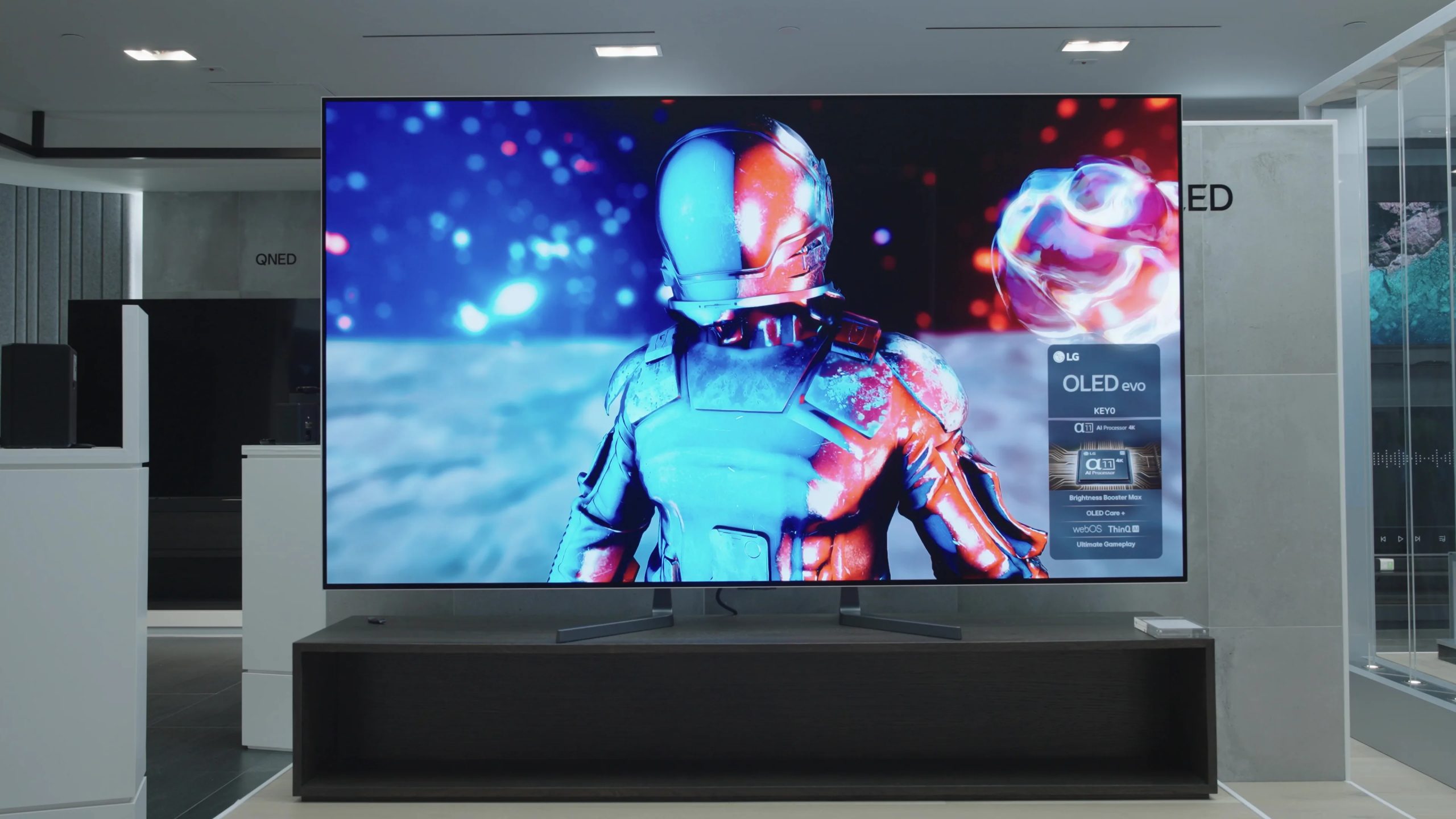
On today’s episode of You Asked, we cover what to do about an 83-inch TV that’s too bright, whether it’s time to upgrade a 10-year-old TV, and whether a calibration can extend the life of your OLED.
Is an 83-inch TV too bright?

@msbgone asks: I went with an 83-inch TV, and it’s so bright that at times I have to close my eyes. I love the size, but man, being so bright is not always great, and I do not have it at max brightness. Also, when there are shows with flashing, wow, it can be a hard watch. So would I go smaller? Well, I’m not sure. Larger seems overall better in most cases.
Well, to answer your last question first: Yeah. Larger is usually better when you want to be fully immersed in what you’re watching. However, I would say there is such a thing as too large of a TV. Like, if you’re within 10–12 feet, 83 inches feels like a little bit of overkill.
At that distance, 65 inches should be fine. 77 inches is probably all you need. And both would save you a considerable amount of money versus an 83-inch TV. And I’m gonna assume you’re talking about an OLED TV in response to a recent episode of You Asked.
Anyway, I think if you’re finding the TV too bright and you aren’t at max brightness, there could be a few things at play.
One: Picture mode matters a lot. Especially in a Vivid or Dynamic mode, but even sometimes just in its Standard or Eco mode out of the box, you’re getting a cooler or more blue color temperature than you would in a Movie or Filmmaker mode. Those modes, movie and filmmaker, tend to give you a warmer color temperature that’s easier on the eyes regardless of where your brightness is set. So if you’re not in one of those modes, it’s worth making that change and getting rid of that harsh blue light that can cause a little more eye discomfort.
Another thing could be your Local Dimming setting. Set to High, it’s going to push the highlights a little harder and darken the shadows to create more contrast. If you were to lower that setting, while it would take away a bit from the higher contrast HDR experience, it would probably be another step toward lowering the brightness.
And the third thing: it could just be the size. If it’s too big, it’s too big and there’s just too much light coming at you at a close distance. So maybe going smaller would be the answer.
Should you upgrade a 10-year-old TV?

@petekropf5335 asks: I need your help on if I would see a huge improvement buying a new low-cost TV versus my current 10-year-old TV. I currently have a 65-inch LG UH6150… that’s an LED TV if you didn’t know… Peter continues… It’s still working, but hard to see dark scenes in shows, and the ethernet / wireless have not worked in years. So I have not been able to update the TV. I was wondering if the picture quality would be worth it if I got a low-cost TV such as the TCL 75-inch Q671G or Hisense QD7N. When you have watched the same TV for a decade, it’s hard to know if the one I got has better picture quality than a cheaper new one. Any thoughts would be greatly appreciated. Thank you!
Hey Peter, before getting into the details, I would say straight up, yes, you’re due for a new TV. I know it’s a badge of honor for us to boast about how long we’ve had something and how well it’s aged, and how good of a value it is since you haven’t had to spend money on an upgrade in a decade. But at some point, if you do value picture quality and a lot of the quality of life improvements that have come in the last 10 years, it’s time to say a respectful farewell to the TV and upgrade. And this is coming from someone, me, who had the same LG LED TV in my living room from 2011 until 2023. I used a Roku streaming stick to keep up with the times and quickly access and update my favorite apps, but I was long overdue.
So, to you, I would say you can confidently upgrade and know that you’ll see a difference in picture quality and how quickly the TV operates and the smart TV interface.
In terms of the TVs you’re looking at upgrading to, I’m sure you’re well aware that as budget models, both have their compromises, but it really comes down to a few key differences, with a caveat I’ll mention at the end.

The TCL uses a VA panel, which will have better contrast, and that’s its biggest advantage.
The Hisense, on the other hand, is brighter and uses an IPS panel, which gives it a much wider viewing angle. But that comes at the cost of contrast.
So if you and your viewing party are primarily watching the TV from straight on and the room dimly lit, or better yet, just straight up dark, the TCL Q671G is probably the way to go. But if you’re in a brighter room or someone will be frequently watching TV from a side angle, I lean toward the Hisense.
The only potential flaw in this logic is this: in the United States, we have the TCL Q651G, which is what I’m basing my advice from. You’re talking about the Canadian Costco version, which is the Q671G. From what I can find, they’re pretty much the same, but just wanted to have that in there so you know in case you’re doing further research.
Can a calibration extend the life of your OLED?

John Craig asks: I have a Sony A8G OLED that I bought after watching a Digital Trends review. It’s been great, and I still enjoy it even more than the newer Sony X90L, which was also a Digital Trends recommendation. Recently, the A8G seems to have lost some of its pop. I’ve tried adjusting some settings based on YouTube channel recommendations, but it still seems like it has lost some of its luster. My questions: Would getting a professional calibration be worthwhile at this point? Can the picture on an older TV be revitalized through those adjustments? Or is the OLED just fading with age?
Oh this is a good one John. First of all, I think that speaks volumes about OLED TVs and how even older models still turn out a superior image compared to newer LED TVs. Glad to hear you’re still enjoying your A8G.
As for your question though, if you’ve gone through the suggested advice, which is probably some of the same stuff I’d say, I’ll save you the time and say that a professional calibration is the next logical choice, but is it worth it?
If you can really tell that it’s lost some of its pop, and you would know better than anyone online because it’s YOUR EYES that have been on it for more than half a decade, then maybe it is too far gone.

But a calibration from a professional can make a big difference. What a pro can do is adjust the TV to what best fits your room and viewing environment. Everything from color to black levels and brightness can be tuned to improve the image. And again, I think it would help.
But consider the price of the calibration and the age of the TV. That professional is probably gonna cost anywhere from 200 to 500 dollars… maybe more. It’s not cheap, but it is less expensive than a new Sony OLED. I’m just assuming you’re Team Sony since you have two of them and like the processing of the A8G.

At one point, I probably would’ve just recommended the Bravia 8 Mark 1 when it was on a bigger sale during the holidays, but a 65-inch model is nearly 2,000 dollars again, and that’s a lot more than it would cost you to get your current TV calibrated.
All that to say, I’d say go for the calibration if you want to see the improvement and put off buying a new OLED… OR… If you were to venture from Team Sony, check out the LG B5. At 65 inches, I’m seeing it for 1,000 dollars right now, and THAT might be worth it for a new OLED TV instead. I hope that helps.
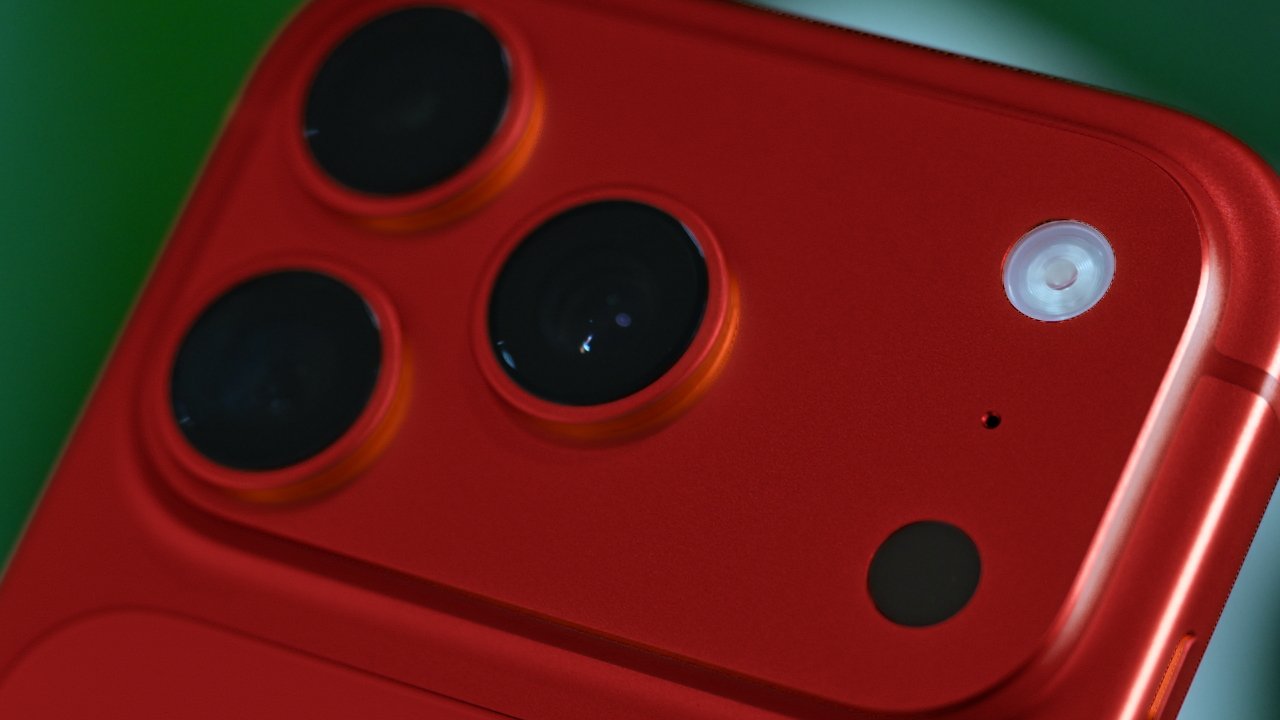
A new report claims that Apple will repeat the vibrant color of the iPhone 17 Pro Max and offer options including a return to a deep red for the iPhone 18 Pro Max, but not the iPhone Fold.
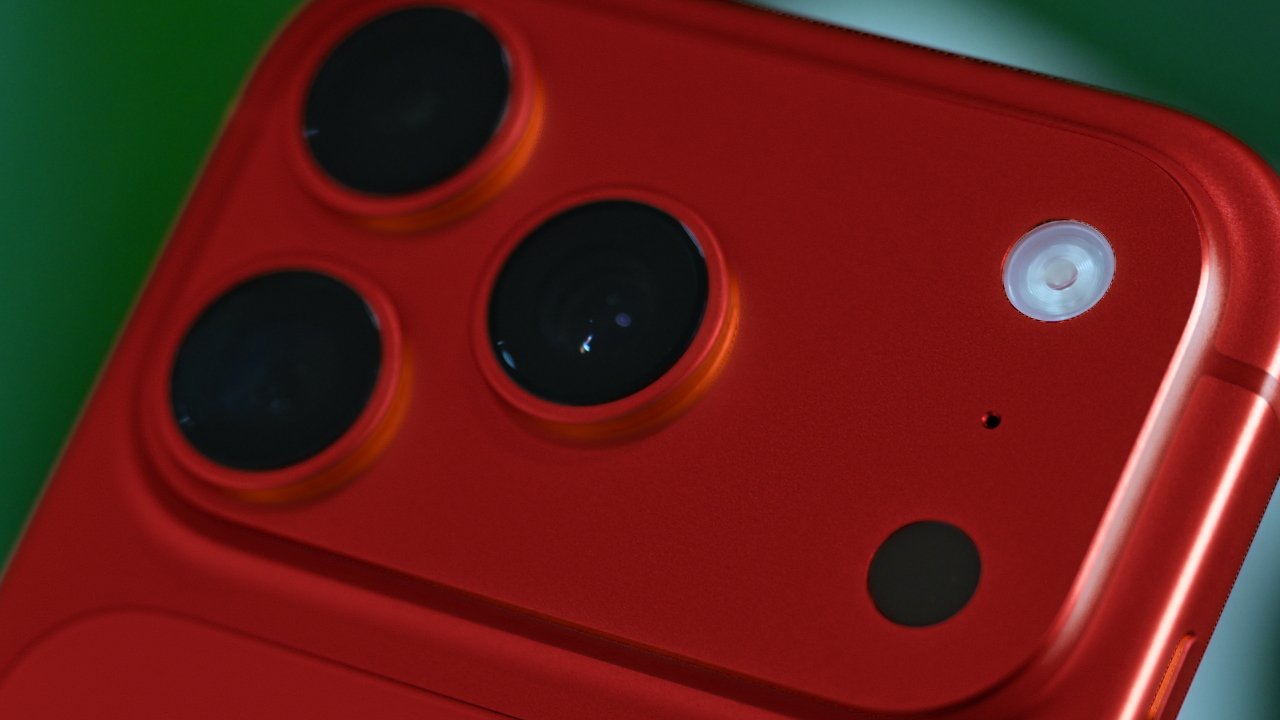
Mockup of a deep red iPhone 18 Pro Max
It has traditionally been that lower-end iPhones can get bright colors such as the purple iPhone 12, while with exceptions, the Pro models have more muted ones. Now according to Bloomberg, the iPhone 18 Pro line will also get stronger than usual colors.
This is said to be specifically because the orange iPhone 17 Pro Max has allegedly been particularly popular in China. Consequently, the claim is that deep red is in consideration as the color of the two Pro models in the iPhone 18 range.
Rumor Score: 🤔 Possible
Continue Reading on AppleInsider | Discuss on our Forums

10 Things You Must Know About Nemesio Oseguera Cervantes ‘El Mencho,’ the CJNG Cartel Boss

Disagreement Means a DAO Is Healthy: Curve Finance Founder
Mark Ruffalo fires back at James Cameron after filmmaker's letter slamming Netflix's bid to buy Warner Bros


-

 Video6 days ago
Bitcoin: We’re Entering The Most Dangerous Phase
-

 Crypto World5 days ago
Can XRP Price Successfully Register a 33% Breakout Past $2?
-

 Video3 days ago
XRP News: XRP Just Entered a New Phase (Almost Nobody Noticed)
-

 Fashion2 days ago
Weekend Open Thread: Boden – Corporette.com
-

 Sports6 days ago
GB's semi-final hopes hang by thread after loss to Switzerland
-

 Politics12 hours ago
Baftas 2026: Awards Nominations, Presenters And Performers
-
 Tech6 days ago
The Music Industry Enters Its Less-Is-More Era
-

 Business5 days ago
Infosys Limited (INFY) Discusses Tech Transitions and the Unique Aspects of the AI Era Transcript
-

 Entertainment4 days ago
Kunal Nayyar’s Secret Acts Of Kindness Sparks Online Discussion
-

 Video5 days ago
Financial Statement Analysis | Complete Chapter Revision in 10 Minutes | Class 12 Board exam 2026
-

 Tech4 days ago
Retro Rover: LT6502 Laptop Packs 8-Bit Power On The Go
-
 Sports4 days ago
Clearing the boundary, crossing into history: J&K end 67-year wait, enter maiden Ranji Trophy final | Cricket News
-

 Business6 hours ago
Mattel’s American Girl brand turns 40, dolls enter a new era
-

 Entertainment4 days ago
Dolores Catania Blasts Rob Rausch For Turning On ‘Housewives’ On ‘Traitors’
-

 Business2 hours ago
Law enforcement kills armed man seeking to enter Trump’s Mar-a-Lago resort, officials say
-

 Business4 days ago
Tesla avoids California suspension after ending ‘autopilot’ marketing
-

 Politics5 days ago
Eurovision Announces UK Act For 2026 Song Contest
-

 Tech2 hours ago
Anthropic-Backed Group Enters NY-12 AI PAC Fight
-

 Crypto World4 days ago
WLFI Crypto Surges Toward $0.12 as Whale Buys $2.75M Before Trump-Linked Forum
-

 Politics4 hours ago
Maine has a long track record of electing moderates. Enter Graham Platner.