Tech
The Jury In The OpenAI Case Has Ruled Against Elon Musk

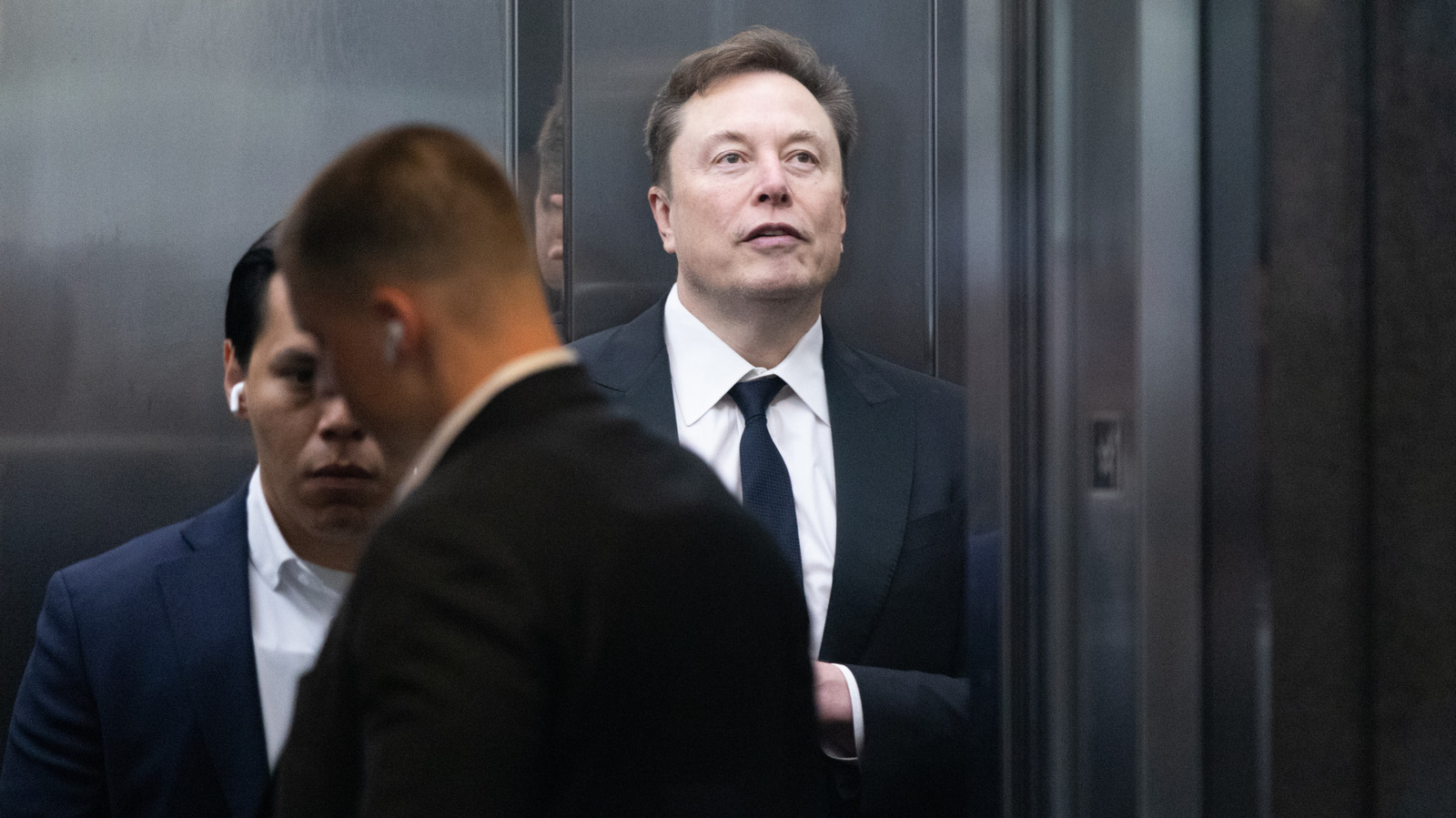

After three weeks of testimony and not much deliberation, a jury has ruled against Elon Musk, finding that Sam Altman and Greg Brockman were not liable in the case. The jury found that the statute of limitations had already passed when Musk sued the two executives.
Musk filed his lawsuit in 2024, accusing them of “stealing a charity” following his departure from the AI lab in 2018. Though the jury in the case served only an “advisory” role, Judge Yvonne Gonzalez Rogers agreed with the jury’s ruling. Musk’s claims of “breach of charitable trust and unjust enrichment are dismissed as untimely,” she said according to CNBC. Though Musk could still appeal the ruling, Rogers told his lawyer she would dismiss an appeal “on the spot.”
At the center of the case was OpenAI’s reorganization that saw it convert from a nonprofit to a public benefit corporation. Musk has maintained that the move, along with Microsoft’s $13 billion investment in the firm, was a breach of OpenAI’s original contractual agreements. A major question of the trial, though, was when Musk became aware of OpenAI’s for-profit ambitions due to the three-year statute of limitations in the case.
“The facts and the timeline in this case have long been clear, and we welcome the jury’s decision to dismiss these claims as untimely,” a Microsoft spokesperson said in a statement. “We remain committed to our work with OpenAI to advance and scale AI for people and organizations around the world.”
In testimony, Musk’s lawyers tried to paint Altman as a dishonest, lying person, even going so far as to reference his recent unflattering New Yorker profile. Altman often struggled to answer the allegations against him. Asked if he thought himself to be an honest person, Altman said, “I believe so.” Musk’s legal team immediately jumped on that answer. “You believe so?” asked Steven Molo, the lead lawyer for the world’s richest man. “I will just amend my answer to yes,” Altman responded.
When he was later questioned about statements from past OpenAI employees, including former CTO Mira Murati, who described Altman as someone who would say “one thing to one person and completely the opposite to another person,” Altman repeatedly claimed he had not seen their testimony. “You’ve repeatedly been called deceptive and a liar by people with whom you’ve done business, right?,” Molo asked. “I have heard people say that,” Altman responded.
Where Altman came off as meek during his testimony, Musk was combative and testy. “Your questions are not simple. They are designed to trick me, essentially,” Musk told William Savitt, OpenAI’s lead counsel. As the trial inched forward to its conclusion, Musk was absent, despite an order from Judge Yvonne Gonzalez Rogers that he remain in case he was called to testify again. “Mr. Musk isn’t here today. My clients are,” Savitt told the jury during closing arguments. “Mr. Musk came to this court for exactly one witness: Elon Musk. Now he’s in parts unknown.” Parts unknown, in this case, turned out to be by Trump’s side for his diplomatic trip to China.
Even before the trial began, Musk faced longshot odds at securing the remedies he sought. The billionaire sought to undo OpenAI’s for-profit conversion and force the removal Altman and Brockman from their positions on top of the company. There might have been a point early in OpenAI’s negotiations with the Attorneys General of California and Delaware where Musk might have had a chance to get his way, but it was clear Judge Gonzales Rogers was deeply hesitant to undo the work of public officials. When Musk filed a request for a preliminary injunction to stop the conversion, the judge said the request was “extraordinary and rarely granted.”
You must be logged in to post a comment Login