Tech
The memory crisis isn’t going to ease, and you will pay the price for it, says a research firm

If you were hoping the memory crisis was about to ease up, I have some bad news for you. It comes directly from Wall Street.
Your next smartphone, laptop, or tablet could cost even more, regardless of whether it has recently been subject to a price hike.


So how bad is it actually going to get?
Investment bank Jefferies has laid out the clearest and ugliest forecast yet.
Memory prices are expected to jump by 40-50% in the third quarter of 2026 compared with the current quarter. While it would have been great if they had stopped there, prices could rise by another 30-40% in the fourth quarter of the year.
For all of 2027, Jefferies projects a 40-45% year-on-year increase. Based on those sequential estimates, we’re looking at a compounded price increase of roughly 150-205% between today and the end of 2027. If I were in the market for a new smartphone or laptop, I’d be worried.
The only real relief comes in 2028, when roughly 15-20% of new manufacturing capacity is expected to come online. Even then, demand for AI and computing will continue to grow simultaneously. In other words, the new supply may not stretch as far (via Wccftech).
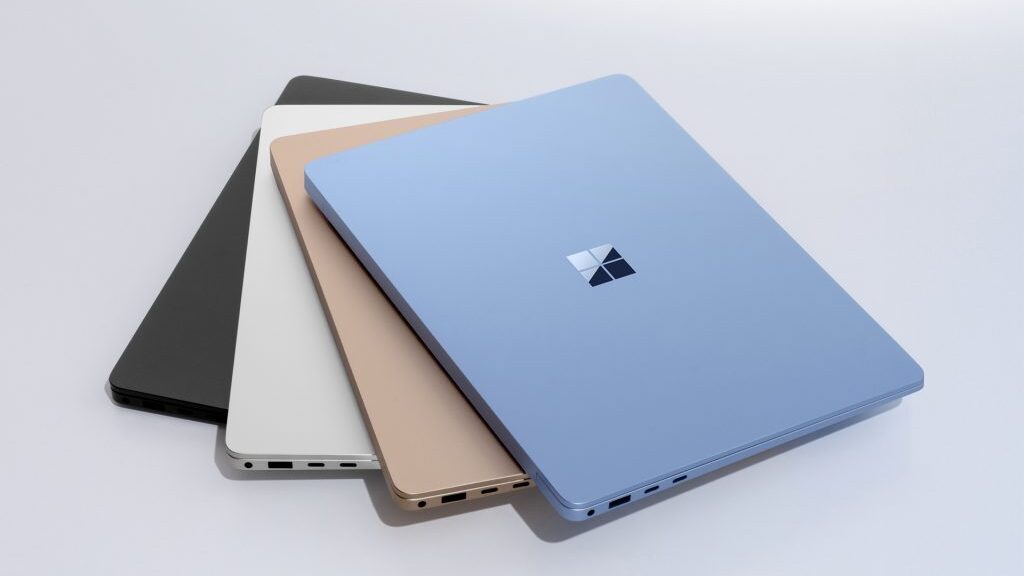

What does this mean for the price of your next phone or laptop?
Research firm Gartner had separately predicted that combined DRAM and SSD prices could surge 130% by the end of 2026, pushing average PC prices up 17% and smartphone prices up 13% compared to 2025 levels.
That 13%, when you do the math, on a $1,000 phone, amounts to an additional $130 on your bill. Gartner also warned that the entry-level PC segment, devices costing less than $500, could effectively disappear by 2028, simply because companies might not be able to recoup their component costs, let alone earn a healthy margin.
Making things worse, 50% of total memory capacity is already locked into long-term contracts with major tech firms, a figure that could increase even further to 70%, leaving even less supply for consumer devices (via CNBC).
You must be logged in to post a comment Login