Tech
The Pixel 11 is almost here, but I’m more excited about what could come with it

It’s August, which means one thing if you follow smartphones even remotely closely: new Pixels are almost here. Google is holding its next Made by Google event on August 12, and this year, we’re expecting another packed lineup of phones. The Pixel 11, Pixel 11 Pro, Pixel 11 Pro XL, and Pixel 11 Pro Fold are all expected to take the stage. Yes, that’s the same four-phone lineup Google gave us last year, but the interesting part will obviously be what’s changing underneath. Between the usual camera improvements, new hardware, and whatever AI tricks Google has been cooking up, there should be plenty to talk about.
And the phones may only be part of the story. Google is expected to have a few more announcements up its sleeve, making this one of its biggest hardware events of the year. So, if you’re planning to tune in, here’s when the Made by Google event starts, how you can watch it, and everything we expect Google to announce.
Google’s Pixels are getting their glow on
First up, and probably the reason most people will be tuning in, is the Pixel 11 series. At this point, though, Google may not have many surprises left to pull out of its pocket. The phones have leaked extensively over the past few months, and if those leaks are accurate, anyone hoping for a dramatic redesign might want to temper their expectations. From everything we’ve seen so far, Google appears to be sticking with the design language it established with the Pixel 10 family. That isn’t necessarily a bad thing — I quite like the current Pixel look. Still, the Pixel 11 series probably won’t be one of those upgrades you can immediately identify from across the room. There is one addition that could make it stand out, though. Google has already teased a new light built into the camera bar, reportedly called HiLight or Pixel Glow. It appears to borrow its look from Gemini’s rainbow-like visual language, potentially lighting up while you’re interacting with Gemini or waiting for the AI to finish thinking. But I’m much more curious about what Google does with it beyond AI. Imagine different colors appearing for notifications, charging status, timers, or even incoming calls. If Google gives developers access to it, that little light could end up being far more useful for users.
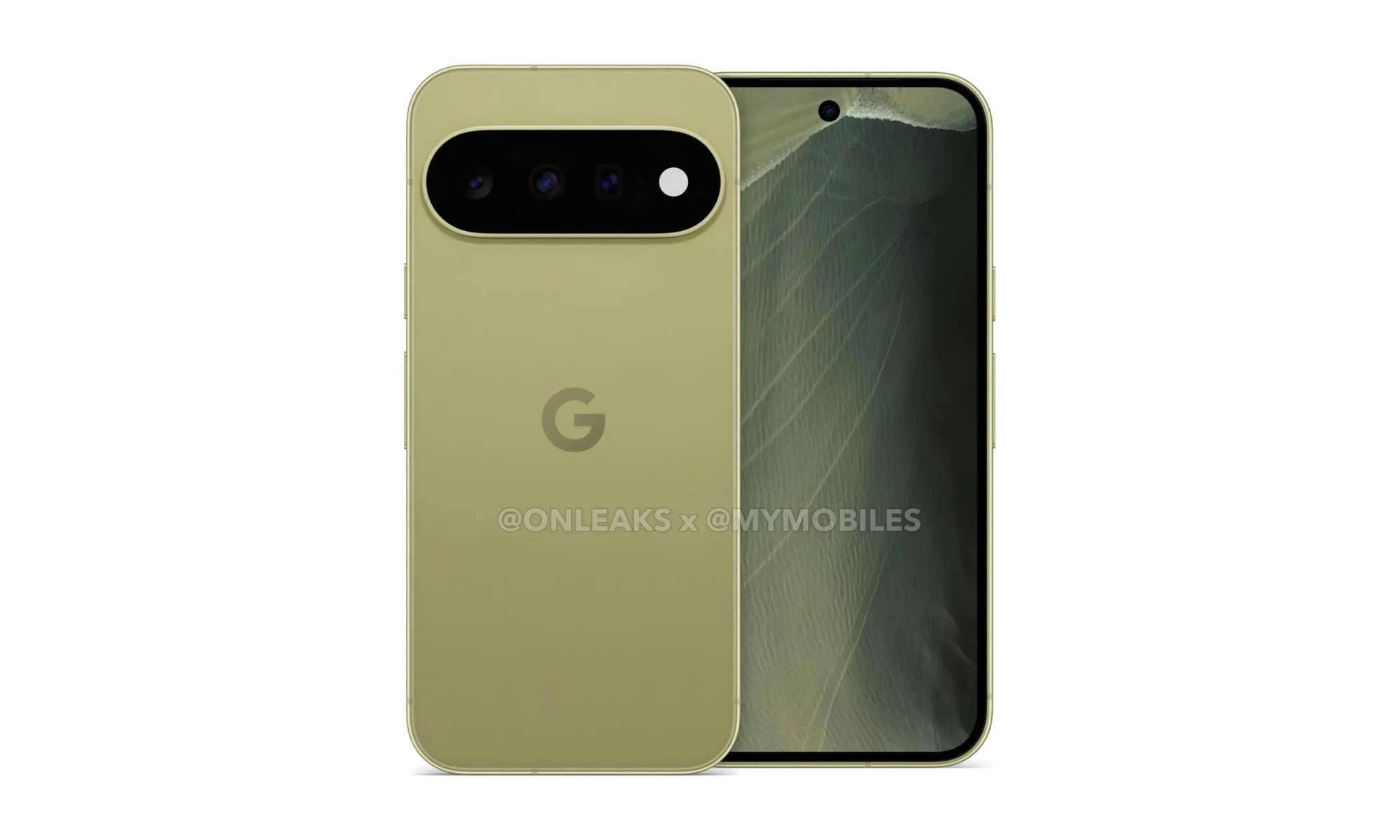

The bigger changes should be happening inside. Google’s new Tensor G6 chip is expected to power the Pixel 11 lineup, replacing the Tensor G5 from last year. A faster processor is always welcome, but raw performance isn’t really what I’m interested in here. After using recent Pixels extensively, I want to see how the G6 behaves when you’re actually pushing the phone — shooting photos and videos, navigating on mobile data, jumping between apps, or simply using it outside on a hot afternoon. Better thermal management would mean much more to me than another impressive-looking benchmark score. Battery life and charging are equally high on my list. Samsung has finally started embracing silicon-carbon battery technology and faster charging with its Galaxy Z Fold 8 series, so I’d love to see Google make similar progress rather than playing things safe for another generation. A phone can have all the AI features in the world, but none of them are particularly exciting when you’re hunting for a charger halfway through the day. Then there’s the price. Android Headlines has reported that the Pixel 11 Pro could start at $1,099 in the US and €1,199 in Europe. If accurate, that would make the US model $100 more expensive than the Pixel 10 Pro, which launched at $999. The reported colors are Dune, Light Fog, Midnight Haze, and Pine, although those names apparently aren’t finalized yet. Still, with Google’s event only days away, I wouldn’t treat any leaked pricing or naming as gospel. We won’t have to wait much longer to find out what the Pixel 11 series actually costs — and, more importantly, whether Google has done enough this year to justify paying more for one.
Finally, a Pixel for your keys
Next up is easily the announcement I’m most excited about: the Pixel Tag. Google has somehow gone this long without making its own Bluetooth tracker, but if the recent leak spotted by 9to5Google is accurate, that could finally change at this year’s event. And honestly, it’s about time. Apple has had AirTags for years, Samsung has its SmartTag lineup with a third-generation model reportedly on the way, while Pixel owners have largely had to rely on third-party trackers. A proper Pixel Tag could finally fill that rather obvious hole in Google’s hardware ecosystem.

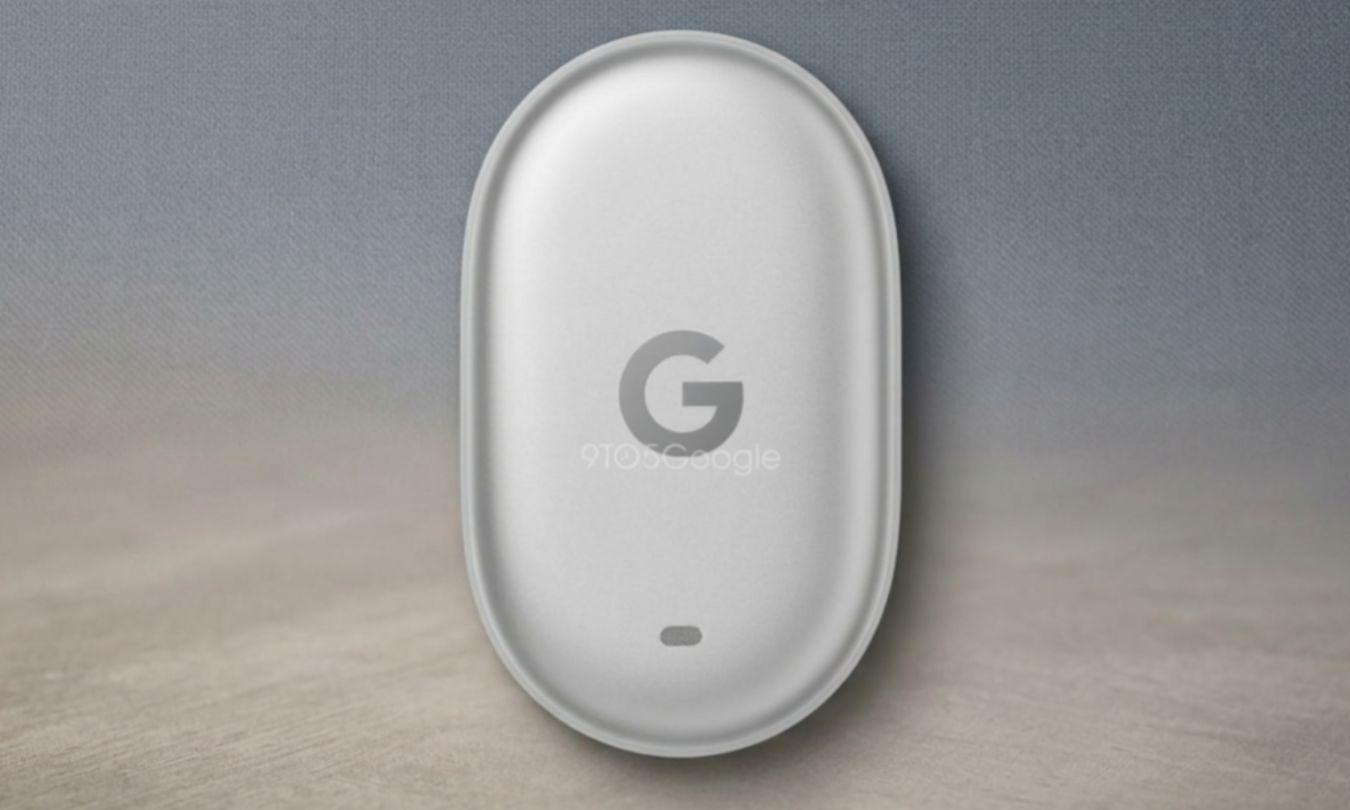
The leaked tracker has an oblong design and is expected to work with Google’s Find Hub network, which would allow nearby Android devices to help locate something you’ve lost anonymously. The feature I’m really hoping makes the cut, though, is Ultra-Wideband. That could give the Pixel Tag much more precise directional finding when you’re close to a lost item — the kind of experience that makes hunting for keys buried somewhere around the house considerably less annoying. There is one slightly amusing design choice, however. The Pixel Tag reportedly won’t have a built-in lanyard hole, meaning Google could follow Apple’s approach of making you use a separate accessory if you want to attach one to your keys or bag. Samsung’s rumored Galaxy SmartTag 3 is apparently heading in the same direction, too. So it’s quite clear that Bluetooth trackers have collectively decided that holes are no longer fashionable. Still, if Google gets the fundamentals right — particularly UWB tracking and tight integration with Find Hub — the Pixel Tag could be one of the smallest announcements at the event, but potentially one of the most useful.
Google’s little circle gets a bigger brain
Of course, it wouldn’t really feel like a Made by Google hardware event without a new Pixel Watch showing up, and this year, that should be the Pixel Watch 5. Visually, Google doesn’t appear to be tearing up the rulebook, but the upgrades happening underneath could be much more interesting. Battery life is the first thing I’ll be watching. The Pixel Watch 5 is expected to squeeze slightly larger batteries into both sizes, which is always welcome on something you’re supposed to wear all day, track workouts with, sleep in, and somehow still have enough juice left for the next morning. It’s also rumored to use a faster version of Qualcomm’s Snapdragon W5 Gen 2 chip, which should hopefully make everyday interactions feel quicker and smoother.
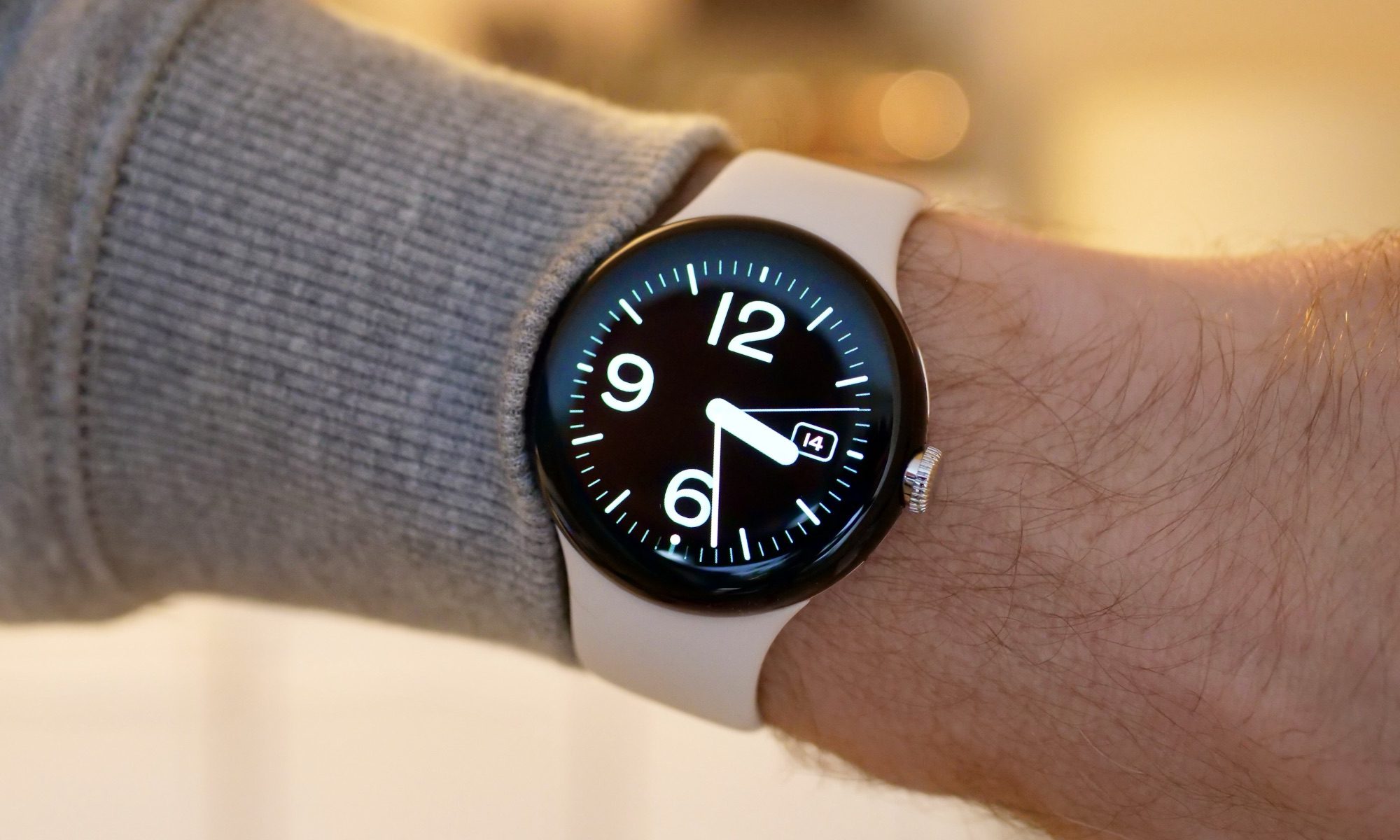
Storage could get a surprisingly big bump, too. Rumors point to the Pixel Watch 5 offering twice as much storage as its predecessor. That might sound excessive for a watch, but it starts making more sense when you consider how heavily Google is leaning into Gemini Intelligence. With Wear OS 7 pushing smartwatches toward becoming more contextually aware and capable of handling tasks on your behalf, that extra room could eventually become quite useful. As for the hardware itself, the familiar 41mm and 45mm sizes are expected to stick around, along with the same IP68 dust and water resistance and 5ATM rating. So, if you already like the circular Pixel Watch design, Google apparently sees very little reason to mess with it. Pricing could remain familiar as well. According to GSMArena, the 41mm Pixel Watch 5 is expected to start at $399, with LTE adding another $100, while the larger 45mm model could begin at $429.
But wait, Google might not be done
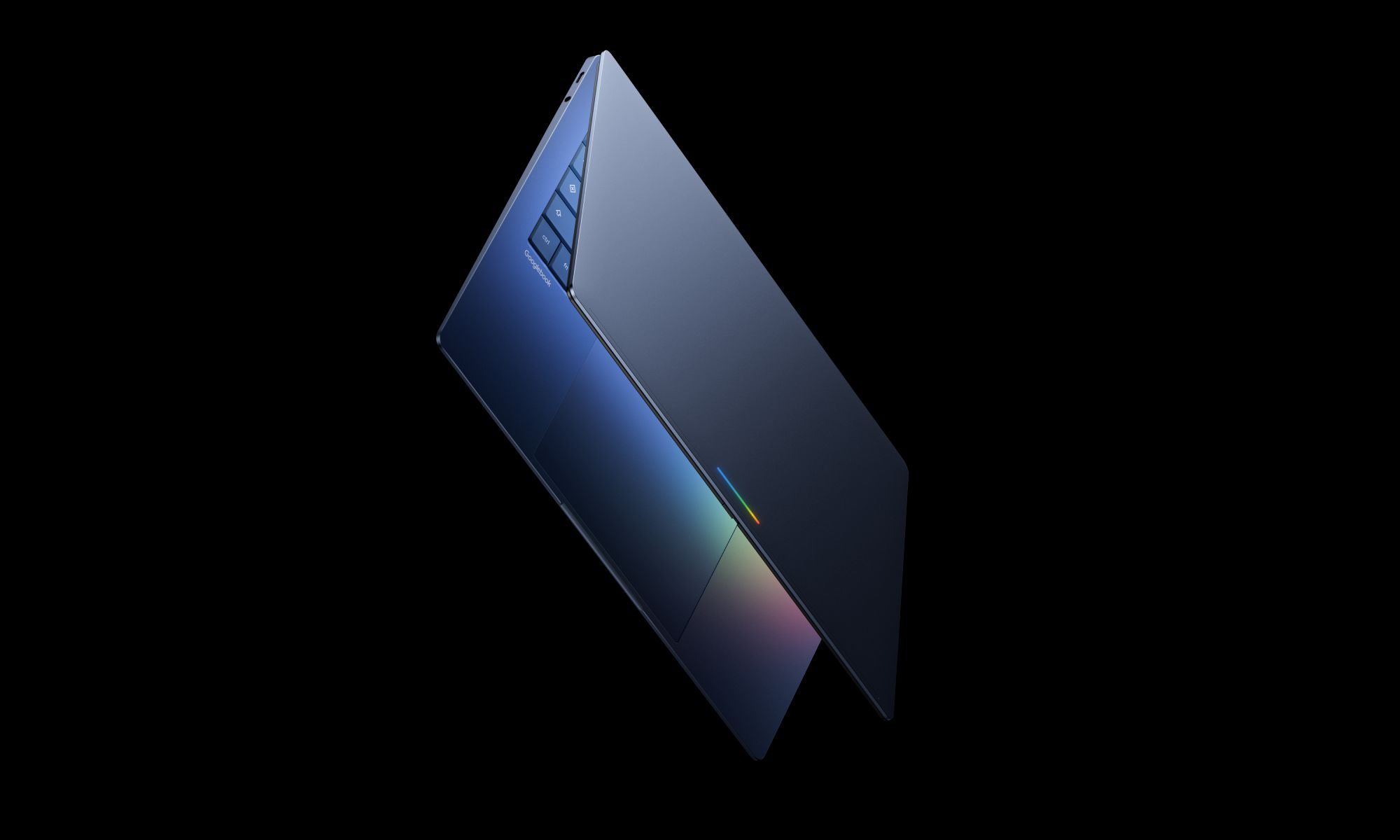
Those are the announcements I’d put firmly at the top of the list, but Google could still have a couple of surprises waiting in the wings. And this is where things get a little more interesting. Earlier this year, Google confirmed that it was working on a new generation of laptops that would bring Android and ChromeOS much closer together. We haven’t heard much about the project since, but Google previously pointed to a fall launch, which puts us awfully close to that window. I’m not necessarily expecting Google to roll out a laptop on stage on August 12, but a teaser, a name, or even a proper look at what it has been building certainly wouldn’t feel out of place. The interesting bit is that these so-called Googlebooks aren’t expected to replace Chromebooks. Instead, they could sit above them as a more premium option, built around a unified operating system and much tighter integration with Android phones.
Then there are smart glasses, because apparently every tech company has looked at Meta’s Ray-Bans and decided our faces are the next great computing platform. Samsung has already given us a glimpse of its own plans, and Google has been steadily building toward Android XR glasses as well. That makes the Made by Google stage a pretty tempting place to show them off again. I wouldn’t necessarily count on being able to buy a pair immediately, but a fresh demo or even a launch window would be enough to get my attention. And that’s what makes this event particularly interesting. We already have a pretty good idea of what’s coming from the Pixel 11 family, but it’s the things Google hasn’t spent the past few months leaking all over the internet that could end up providing the biggest surprises.
How to watch Google’s August 12 showcase?
All of that sounds exciting, but there’s one rather important detail left: how do you actually watch Google announce everything? Google is doing things a little differently this year — Google will share its announcements earlier in the day before holding the Made by Google show later that evening.

The event takes place on August 12 at 3 PM PT, and you’ll be able to watch the entire thing live on YouTube. So, whether you’re here for the Pixel 11 series, desperately waiting for the Pixel Tag like I am, or simply curious to see whether Google has a surprise tucked away for the end, you can tune in and watch everything unfold in real time. And considering how much hardware could be on the table this year, it might be worth sticking around until the very last announcement.
You must be logged in to post a comment Login