Tech
The Puzzle of LHS 1903 Reveals an Inside-Out World That Shouldn’t Exist

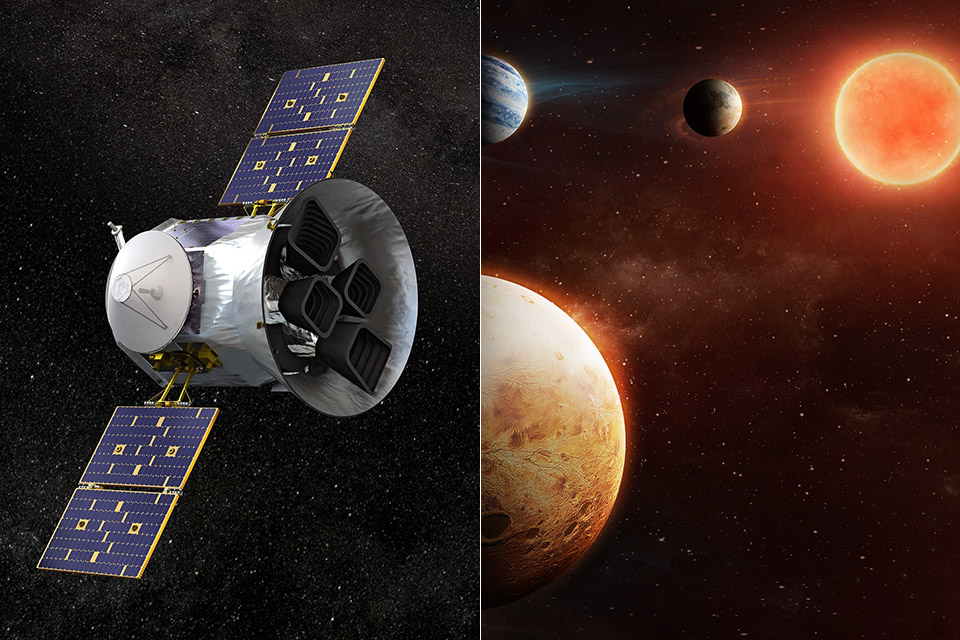
LHS 1903 is a tiny red dwarf star in the Lynx constellation, 116 light-years away. This small star is around half the mass of our Sun and emits a faint glow that is scarcely visible against the night sky. Nonetheless, subsequent observations have revealed a system of four planets, and what they’re exhibiting is a pattern that utterly contradicts our assumptions.

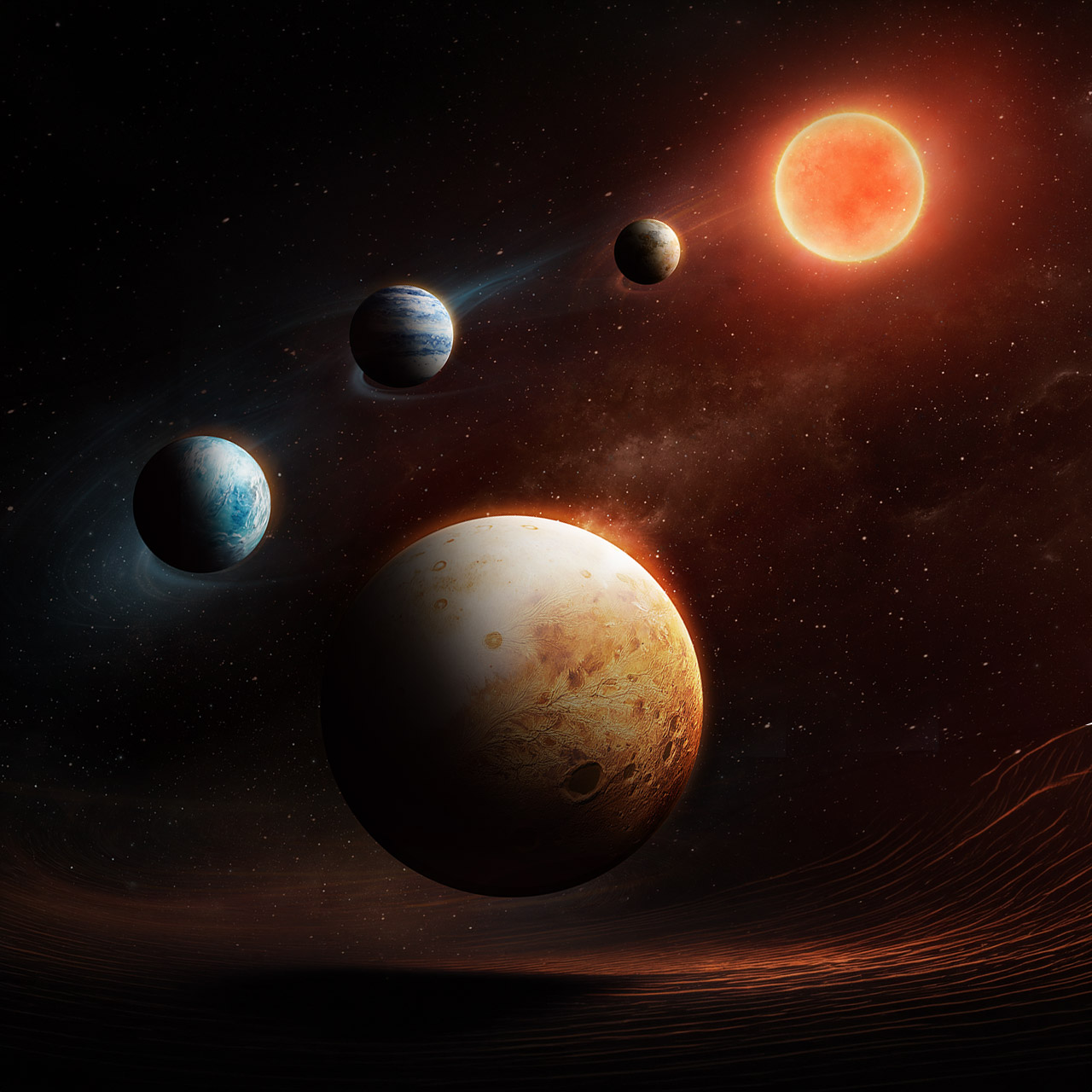
The planets are grouped in the opposite order you’d expect: rocky, gaseous, gaseous, rocky, from innermost to outermost. The innermost planet, LHS 1903 b, is a dense super-Earth roughly 40% larger in radius than our own Earth, and it orbits in a blistering hot loop that lasts a few days. Its neighbor, LHS 1903 c, is joined in its orbit by LHS 1903 d; both are sub-Neptunes with thick gaseous envelopes, but that makes them less dense than rocky worlds of a similar mass, and because they’re a bit farther out, they’re in a cooler zone where the gas probably hung around during their formation.


LEGO Icons Shuttle Carrier Aircraft Building Set for Adults – Spaceship & Airplane Model Kit for Adults…
- 2 AVIATION LEGENDS, 1 BUILD – Recreate the iconic Boeing 747 and NASA Space Shuttle Enterprise with the LEGO Icons Shuttle Carrier Aircraft…
- DEPLOY LANDING GEAR – Turn the dial to extend the massive 18-wheel landing system on your airplane model, just like real flight operations
- AUTHENTIC FEATURES & DETAILS – Remove the tail cone, engines, and landing gear from the NASA shuttle and stow them in the cargo bay during flight
Then there’s the surprise: LHS 1903 e, the outermost planet. At approximately 1.7 times the size of Earth, it is classified as a super-Earth, although density data indicate that it is composed of stony material with no major gaseous layer. Overall, it takes around 29 and a half days for this faraway globe to circle its star, which is far enough away to have a rather gaseous atmosphere, according to standard models.
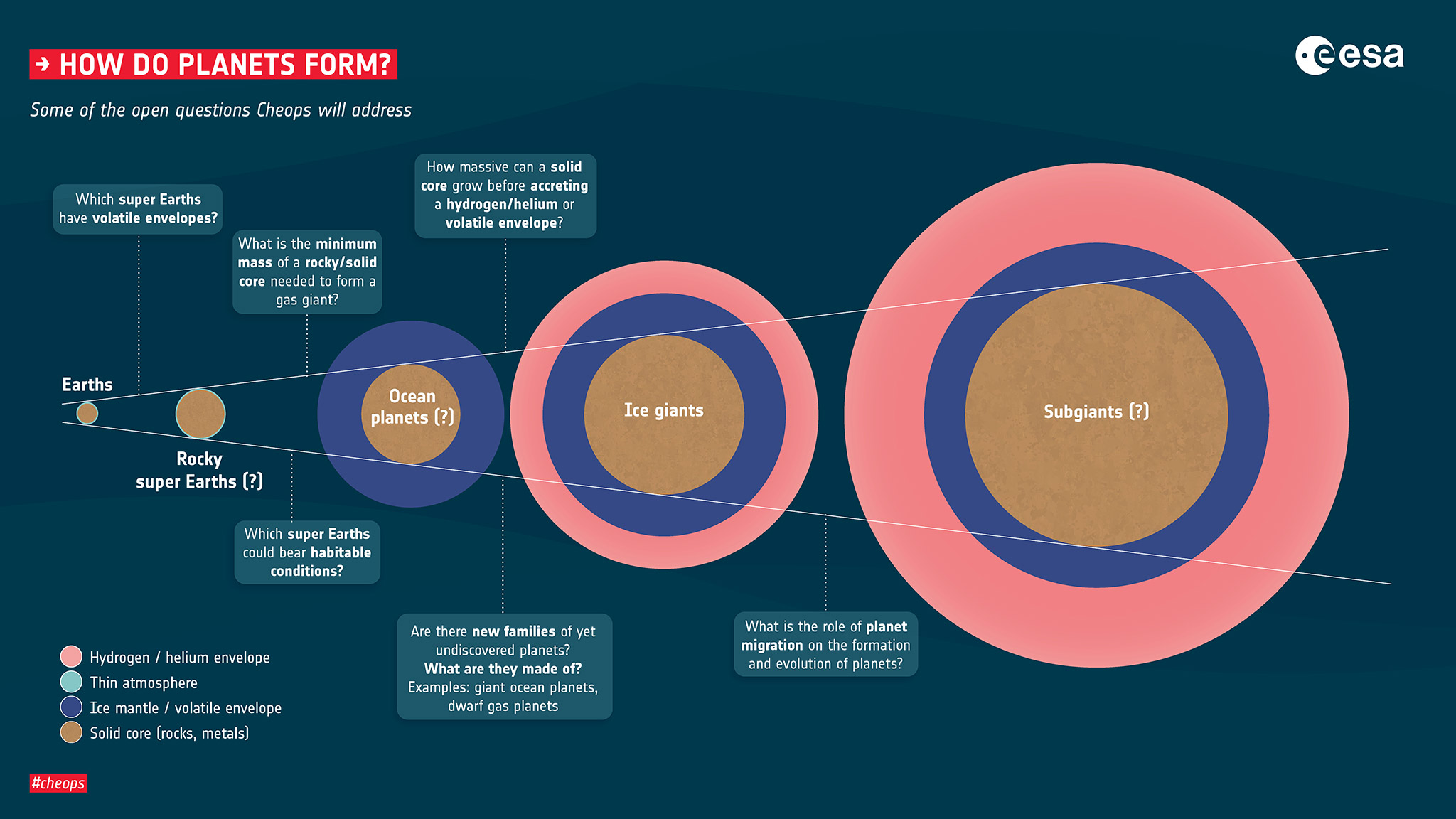
Astronomers discovered three of these planets using NASA’s Transiting Exoplanet Survey Satellite (TESS), which detects tiny dips in sunlight as a planet passes in front of its star. Ground-based telescopes were then used to pinpoint their presence. However, it took data from the European Space Agency’s CHEOPS satellite to establish the presence of that fourth planet, a precision sensor capable of measuring exoplanet transits and providing a more thorough perspective of faraway worlds.

Thomas Wilson of the University of Warwick, the lead author of a recent study published in Science, sees this arrangement as obvious indication of something unusual going on. Usually, rocky planets appear after gas-rich ones, but this time it’s the opposite. The scientists tested various theories to see if they could come up with a different explanation, such as planets moving orbits or colliding in ways that took away their atmospheres, but they just did not hold up to the evidence.
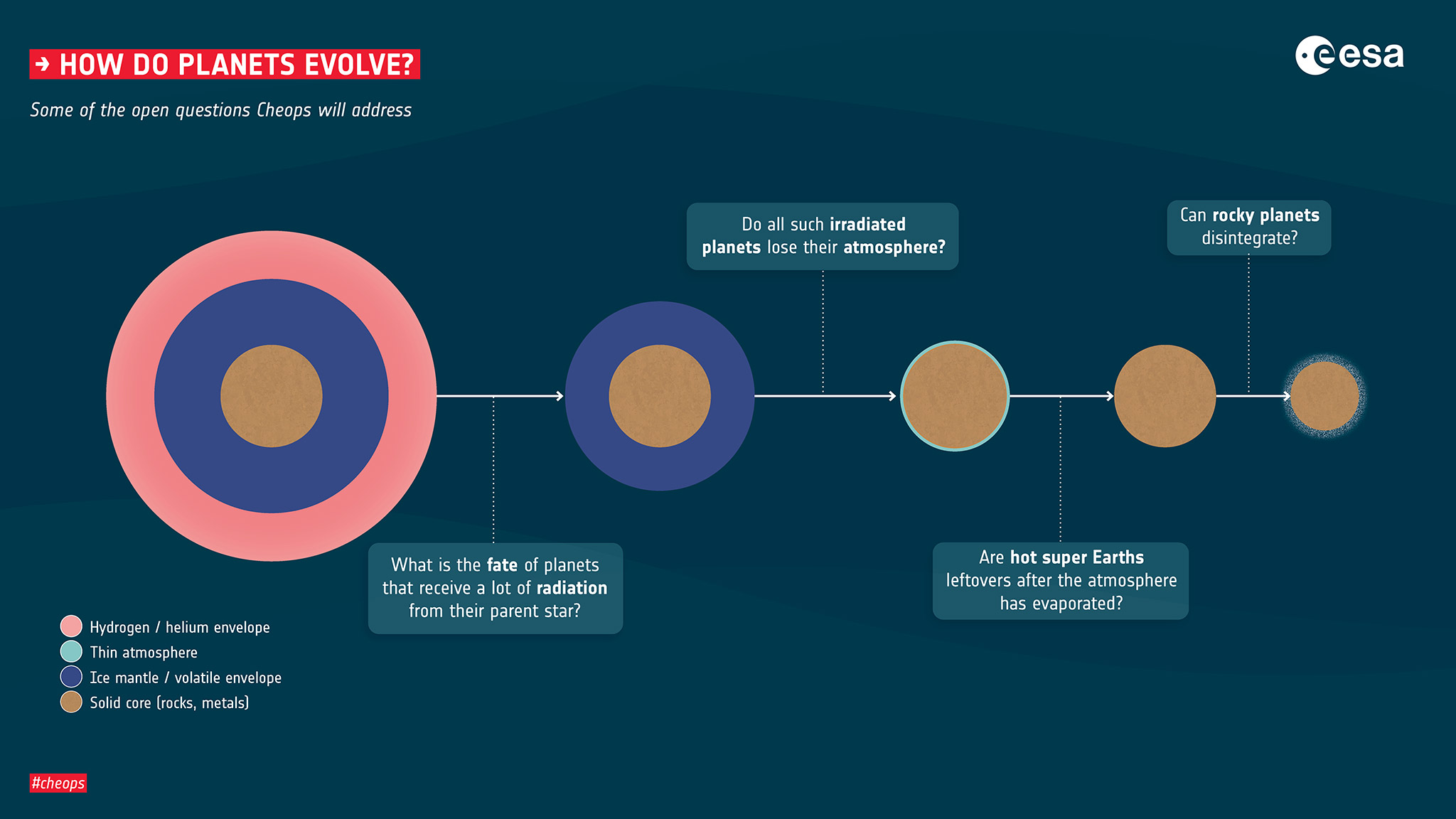
Instead, what they’re seeing appears to indicate an inside-out formation. Planets most likely formed one at a time from a swirling cloud of dust and gas, rather than simultaneously. The inner rocky planet most likely formed first and absorbed all of the neighboring material, followed by the two gaseous planets, which grabbed some gas while it was still plenty. By the time the outer rocky planet began to develop, the gas had nearly evaporated, leaving it with little alternative but to build entirely from solid material. This makes the outer planet a bit of a late bloomer, a process that previously seemed improbable, but now has direct evidence to back it up.
[Source]
You must be logged in to post a comment Login