Tech
The U.S. Army Just Acquired Its First High-Energy Laser System

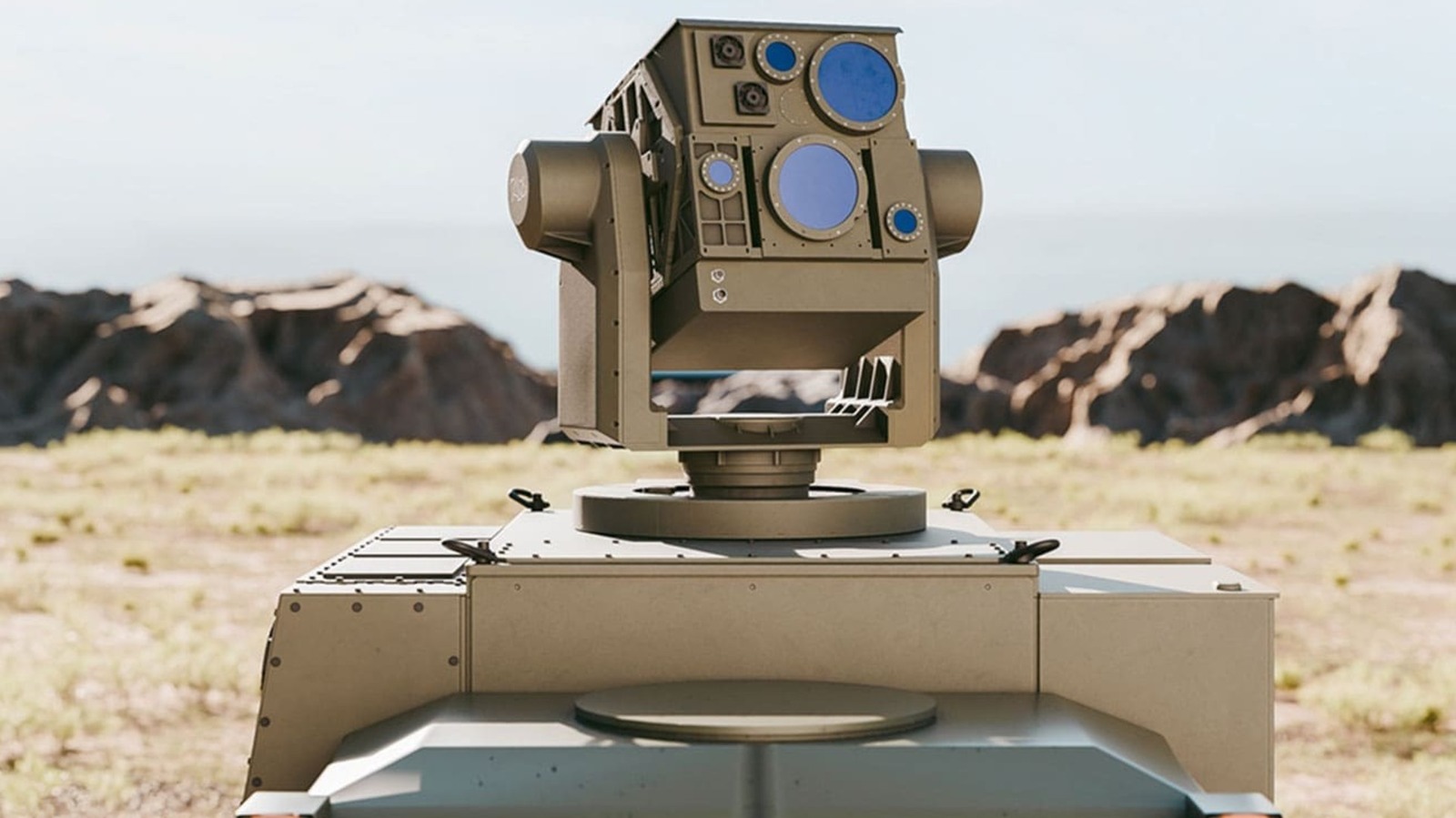

If there’s one thing that the world has learned from the Russo-Ukrainian War, it’s that drone warfare is the way of the future. While drones have been around for decades, low-cost, one-way attack drones have proven vital to Ukraine’s defense. They’ve been used to destroy countless tanks and other equipment, and with drone swarms becoming more common across the world’s battlespaces, defending against them is of paramount concern to the United States Army.
To that end, the Army has been looking to acquire a high-energy laser air defense system that can track and engage drones before they pose a threat. Part of the motivation is cost: firing a laser is much cheaper than, say, firing Patriot or THAAD missiles, which cost $3.7 million and $15.5 million, respectively. That’s a huge investment to take down a drone that cost just $1,000 or so, which is why laser defense systems are ideal for defending against drones.
While the Army has spent some time working with defense contractors to find an ideal laser system, it only awarded its first contract for such a weapon in September 2026. The $468.8 million contract went to AeroVironment, Inc., to bring its Locust X3 system into production. The U.S. Navy has successfully tested a high-energy military laser for drone defense, but the Army’s system is more mobile, cheaper, and is entering production. And, unlike some new contracts that keep the details under wraps, AeroVironment has released plenty of specs for the Locust X3.
The Locust X3 drone air defense system
The Locust X3 is a third-generation directed energy laser weapon system capable of 20 to 35-plus kW of power. This is enough energy to disable or destroy any Group 1-3 uncrewed aerial system. The U.S. Military classifies Group 1 through 3 drones as those weighing up to 1,320 pounds and flying at altitudes below 1,200 and 18,000 feet, respectively.
The new system can strike such targets before they pose a significant threat. It’s also modular and can be set up in various configurations to suit different tasks. It can be mobile, containerized, installed in fixed or semi-fixed setups, and even used at sea. The first two, especially, will be ideal for Army operations. The system is meant to mount on vehicles like the U.S. Army’s Joint Light Tactical Vehicle, which is gradually replacing the legendary HMMWV, better known as the Humvee. The Army is also investigating whether it will be compatible with the Infantry Squad Vehicle.
The system uses artificial intelligence to detect, track, and prioritize targets before engaging. It uses a standard Microsoft Xbox controller, which should make it easy for soldiers to get used to it. While neither the Army nor AeroVironment has disclosed the cost per shot, range, or other significant details, the decision to invest nearly half a billion in the Locust X3 suggests it meets the requirements of the Army’s Enduring High-Energy Laser program.
You must be logged in to post a comment Login