Tech
The US Air Force Has A Pricey Tactic To Address Pilot Shortages


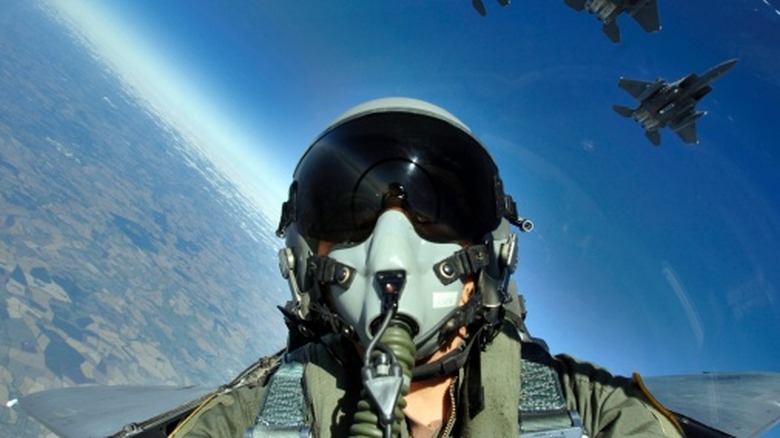
A lack of skilled workers has been a problem throughout many different industries in the United States over the past several years. Even the military is not immune to the problem, as the U.S. Navy can’t find workers to build warships. Believe it or not, there’s also a shortage of pilots as well. However, the U.S. Air Force is currently working to alleviate that problem to the tune of $50,000 per pilot.
This incentive program is designed to keep active-duty pilots in service with bonuses, thus helping to fill the shortage gap. Those bonuses are paid in exchange for longer commitments, and apply to eligible pilots, remotely piloted aircraft operators, air battle managers, and combat systems officers. The 2026 fiscal year aviation bonus can go as high as $50,000 per year depending on the role, and overall experience. There’s also a structure in place for higher payouts in exchange for shorter agreements, for fighter, bomber, and U-2 pilots (who wear space suits when they fly).
This incentive program isn’t new, and was recently used in 2025. It targeted pilots with one or two years left on their Undergraduate Pilot Training commitment and included a bonus of up to $50,000 annually, with an option of up to $200,000 up front. That option gave pilots the ability to select their preferred assignments. The 2025 program had separate bonus tiers in place for combat systems officers and navigators, ranging from $15,000 to $30,000 per year, with longer commitments reaching as high as $360,000.
Air Force pilot retention programs have existed for years
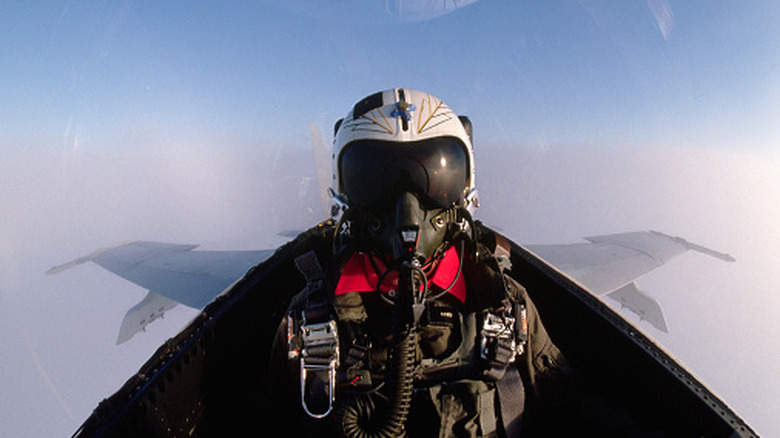
The U.S. Air Force’s modern push to retain pilots kicked into high gear back in 2017 with the Aviation Bonus Program. This was a tiered structure, and went beyond the retention pay program previously offered years prior. The program paid eligible fighter and drone pilots up to $35,000 per year. Bomber and special operations pilots received up to $30,000, while surveillance and rescue pilots got up to $28,000. Other roles, including combat systems officers, were paid anywhere from $10,000 to $20,000 per year.
The 2017 Aviation Bonus Program was authorized by Congress that year to address concerns over a lack of active-duty pilots. The new program was part of the National Defense Authorization Act (NDAA), which included input from senior Air Force leadership. The NDAA is congressional legislation that’s passed every year since 1961. It grants the Department of Defense (which very recently made a deal with OpenAI) the authority to operate, set personnel policies, and prioritize funding.
The Air Force has not publicly disclosed if the Aviation Bonus Program has successfully helped to retain pilots as intended. However, there have been indications from some pilots that money is only one part of the decision-making process. There are broader factors at play, including quality of service, mission experience, and long-term career fulfillment. All of these elements could help determine whether pilots choose to remain in service, or return to civilian life once their time is up.
You must be logged in to post a comment Login