Tech
The Warning Signs It’s Time To Replace Your Circular Saw Blade


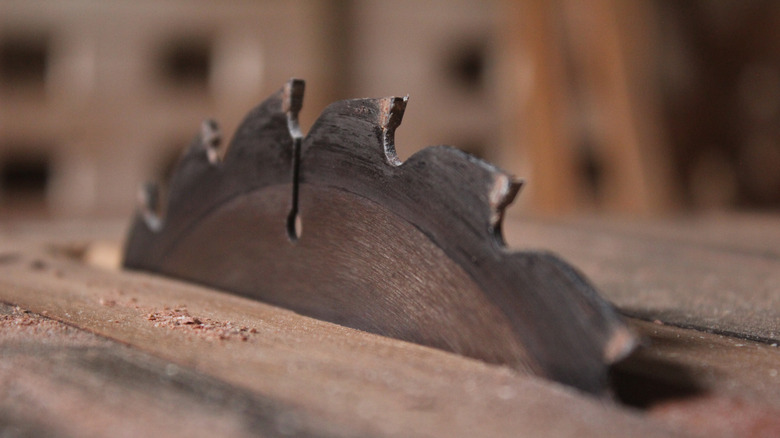
Even the best circular saws on the market are only as effective as their blades. As such, consistently getting ideal performance from your circular saw requires knowing when the blade needs to be sharpened or replaced. Learning about common problems with circular saw blades can also help you better determine how to potentially guard against such problems in the future.
What is the lifespan of a circular saw blade? Unfortunately, there’s no clear and universal answer to this question. Many factors can influence how long a circular saw’s blade lasts before it starts to deliver diminishing returns. These factors include the materials a blade is being used to cut, the blade’s manufacturer, whether an owner has prioritized maintenance, and even the technique and experience of an individual user.
In other words, a circular saw blade’s age may not tell you enough to help you confidently determine if you need a new one. Instead, you should monitor your saw and blade for red flags indicating the blade is no longer in top condition. If you’re new to using a circular saw, keep in mind that familiarizing yourself with circular saw beginner tips can also help you better understand how to use your saw in a way that maximizes the blade’s lifespan.
How to tell when you should replace your circular saw blade
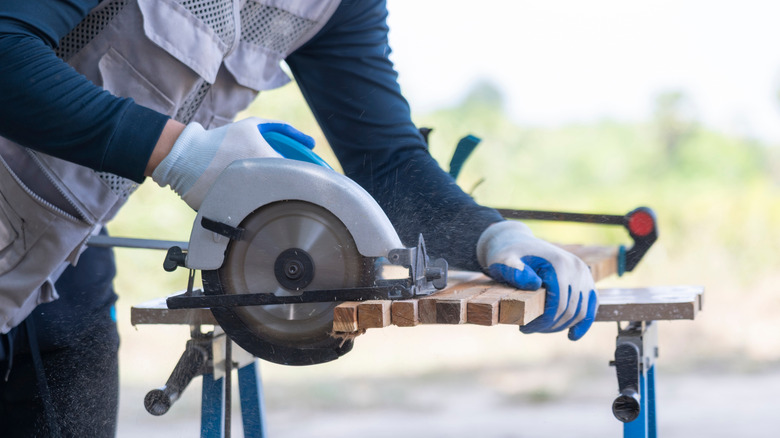
Monitoring a blade’s performance is perhaps the best way to determine if a circular saw blade needs to be replaced, or at least sharpened. Common warning signs that a circular saw blade is no longer performing optimally include slower-than-normal cutting speeds, a blade creating more tears or chipping than it used to, and a blade leaving behind burn marks on the wood it’s cutting.
The signs of a circular saw blade that needs replacing can also depend on the specific type of blade. For instance, slower cutting is a red flag that any type of circular saw blade is in poor condition and may no longer serve its purpose. However, if you have a diamond-edged blade, you should also keep an eye out for signs like an overall smooth appearance. This indicates the diamonds are worn off.
A similar cosmetic warning sign is the presence of rust spots on a circular saw blade. Although the quality of a circular saw blade can vary from one manufacturer and model to another, it’s common for these blades to be rust-resistant. The presence of rust thus indicates the blade may be quite old.
Listen to what a circular saw blade tells you
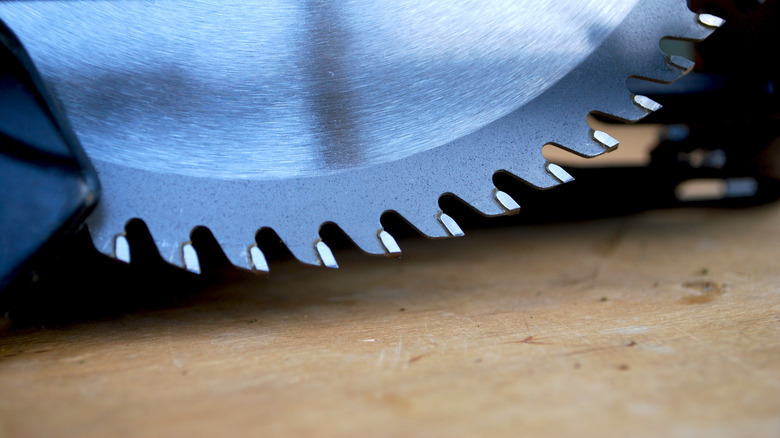
It can’t be reiterated enough: The warning signs of a circular saw blade that’s getting dull will typically be most apparent when you’re actually using the blade. For example, if you’re operating a circular saw properly, you shouldn’t encounter much resistance when cutting with it. Increased resistance is almost definitely a sign the blade has seen better days.
What you hear when operating your circular saw could also potentially be just as valuable as what you feel. When a circular saw blade no longer cuts as efficiently as it once did, the motor might need to work harder. This can result in the motor generating loud or unfamiliar noises.
Keep in mind that these warning signs don’t always indicate a blade needs to be completely replaced. You could try cleaning or sharpening a blade first before concluding a replacement is necessary. Just make sure you know how to do so safely. For more information on this topic, you can also brush up on basic circular saw safety tips.
You must be logged in to post a comment Login