Tech
Think music is the worst hit by slop? AI has deeply polluted podcasts, as well

AI slop has already flooded video feeds, gaming debates, software code, and search results. Now the same low-effort machine-made content is moving into podcasts.
Music usually dominates the AI slop debate, but the podcast problem may be harder to spot and harder to clean up. AI tools can now create, upload, and even monetize entire shows far faster than traditional podcast studios.


`
Is podcasting becoming the next slop factory?
A Bloomberg report points to how quickly this is spreading. According to the Podcast Index, 10,871 new podcast feeds were created over roughly nine days, and about 4,243 of them, or 39%, were likely AI-generated. One AI podcast startup now says it has more than 10,000 active shows and published 877 new shows in only 48 hours.
Podcasting becomes especially vulnerable at that scale because discovery works differently from music. A low-quality AI song can be skipped in seconds, but podcasts rely heavily on search, recommendations, and trust. If feeds are filled with machine-made shows, listeners may have to work harder to find real hosts, original reporting, or actual conversations.

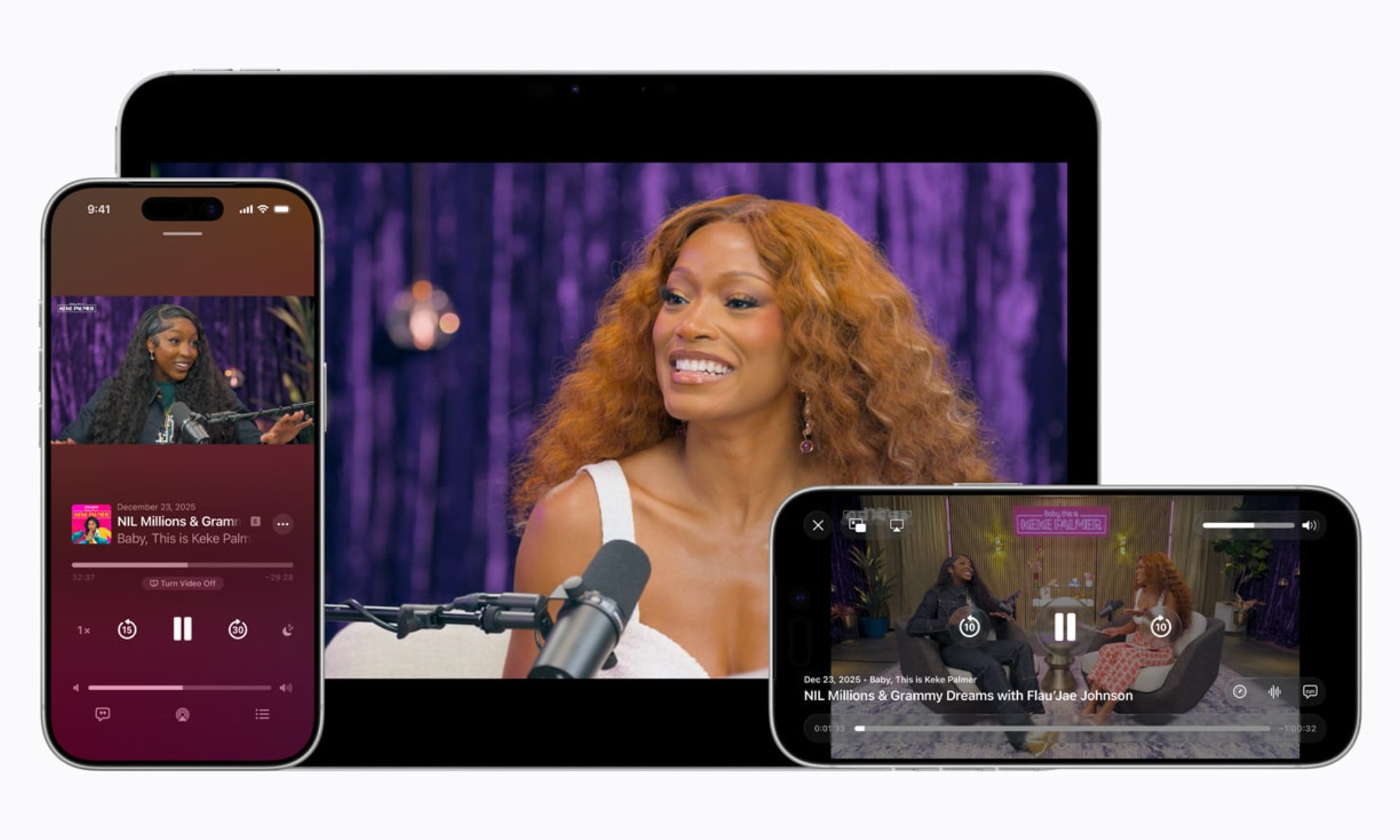
That pattern is already visible across other AI-hit formats. Video platforms are trying to deal with low-quality AI uploads while also promoting AI tools for creators. Gaming has seen backlash over AI-assisted visuals, with some players calling certain AI graphics features slop. Coding has a similar issue too. AI can help developers write more code faster, but that also means more bugs, weak fixes, security risks, and extra review work. In podcasts, the concern is not just volume, but also how easily that volume can be turned into money.
Who benefits when podcasts become automated?
Easy monetization is what makes podslop more than just a quality problem. Some hosting services allow free podcasts to join ad marketplaces with very few checks, so AI-made shows can still earn money from downloads even if the content is thin or barely reviewed. One platform shares 60% of ad revenue with creators, while another says it can pause ads or remove shows if they are found to be slop.
Apple Podcasts has at least started asking creators to disclose when a material part of a show uses AI. Spotify, on the other hand, relies on broader rules against misleading content and has not released a specific AI podcast policy yet. This leaves listeners and advertisers with a trust problem because AI has made audio easier to produce and harder to verify.
You must be logged in to post a comment Login