Tech
This 4.4-Millimeter Robot Switches Between Five Surgical Tasks in Under a Second

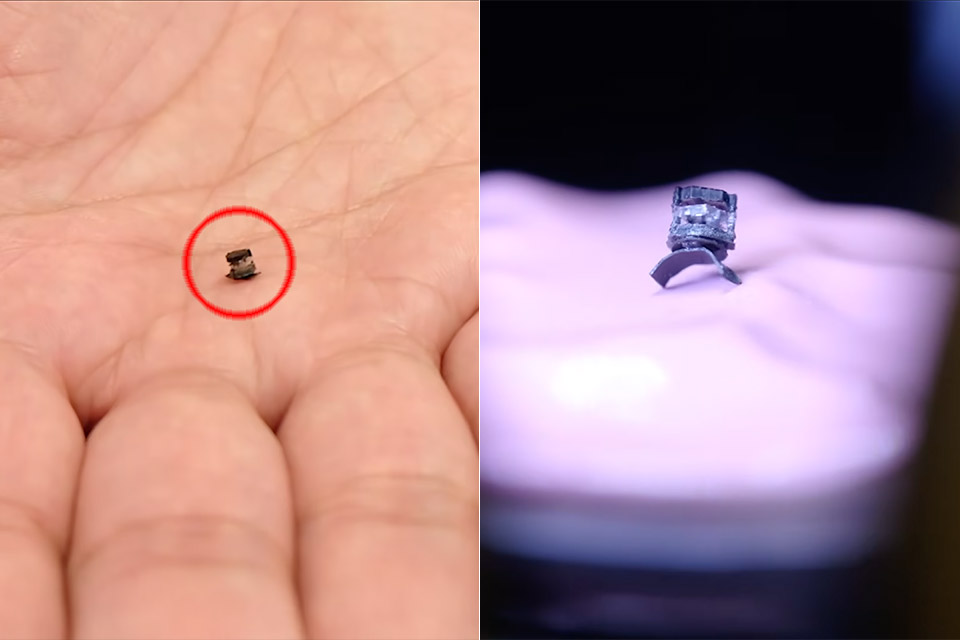
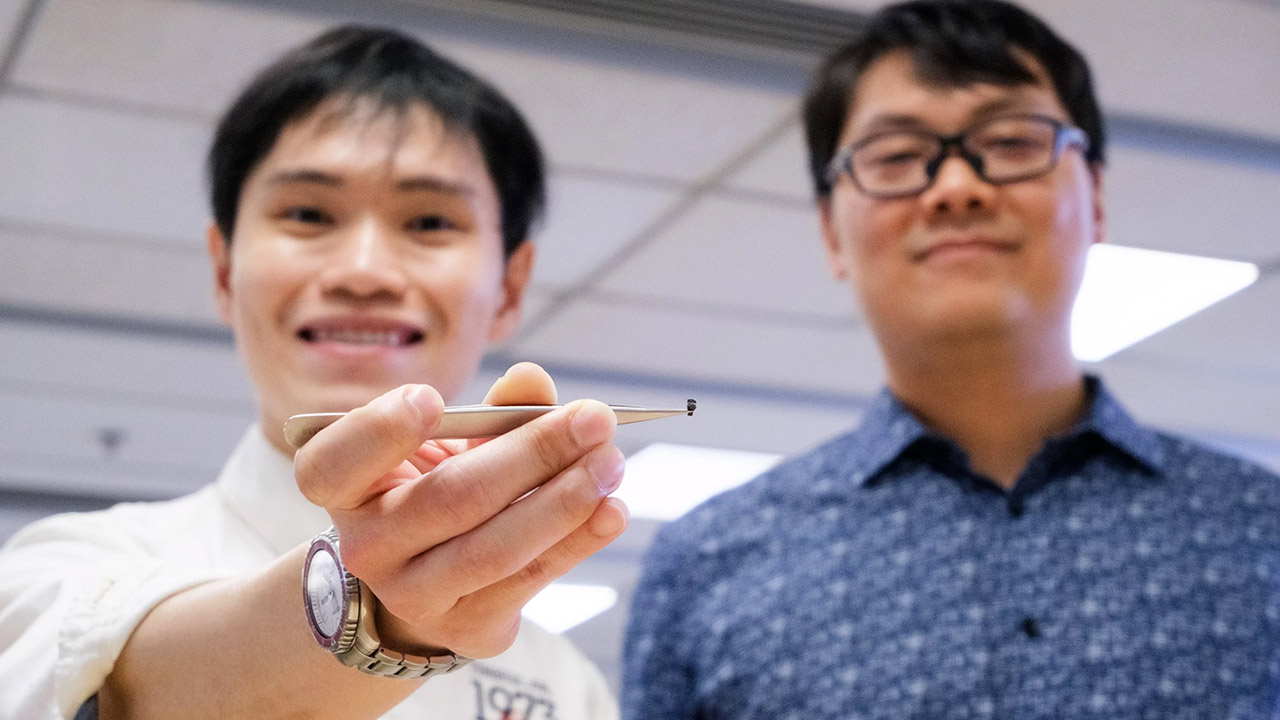
NTU researchers spent seven years building a magnetic robot just 4.4 millimeters long. The compact machine performs five surgical functions through external control alone. It travels across soft tissue, cuts when required, dispenses medicine, gathers samples, and creates localized heat. Work on the project took place in the School of Mechanical and Aerospace Engineering under Associate Professor Lum Guo Zhan.


Nicholas Yong Wei Foo, a PhD student, led the project’s hands-on development. Alumni and regulars, including Dr. Chelsea Shan Xian Ng and Yu Xuan Yeoh, made substantial contributions during the design and testing phases. The researchers published their findings in Advanced Materials after being funded by NTU funds, A*STAR, and the NHG Health group. NTUitive has received a technology disclosure and is poised to proceed. Almost every other magnetic robot of this size can only perform one or two tricks; this one can perform five, owing to a programmable core module.
Sale


LEGO Icons Optimus Prime 10302 Transformers Figure Set, Collectible Transforming 2-in-1 Robot and Truck…
- With this set, based on the legendary Transformers Autobot, adults build LEGO Optimus Prime figure that converts from robot to truck and back
- Relive the Transformers saga with accessories, including the ion blaster, Autobot Matrix of Leadership, an Energon axe, Energon cube and jetpack
- This unique collectible robot model makes a great home décor piece – top off the build with a unique display plaque with Optimus Prime facts
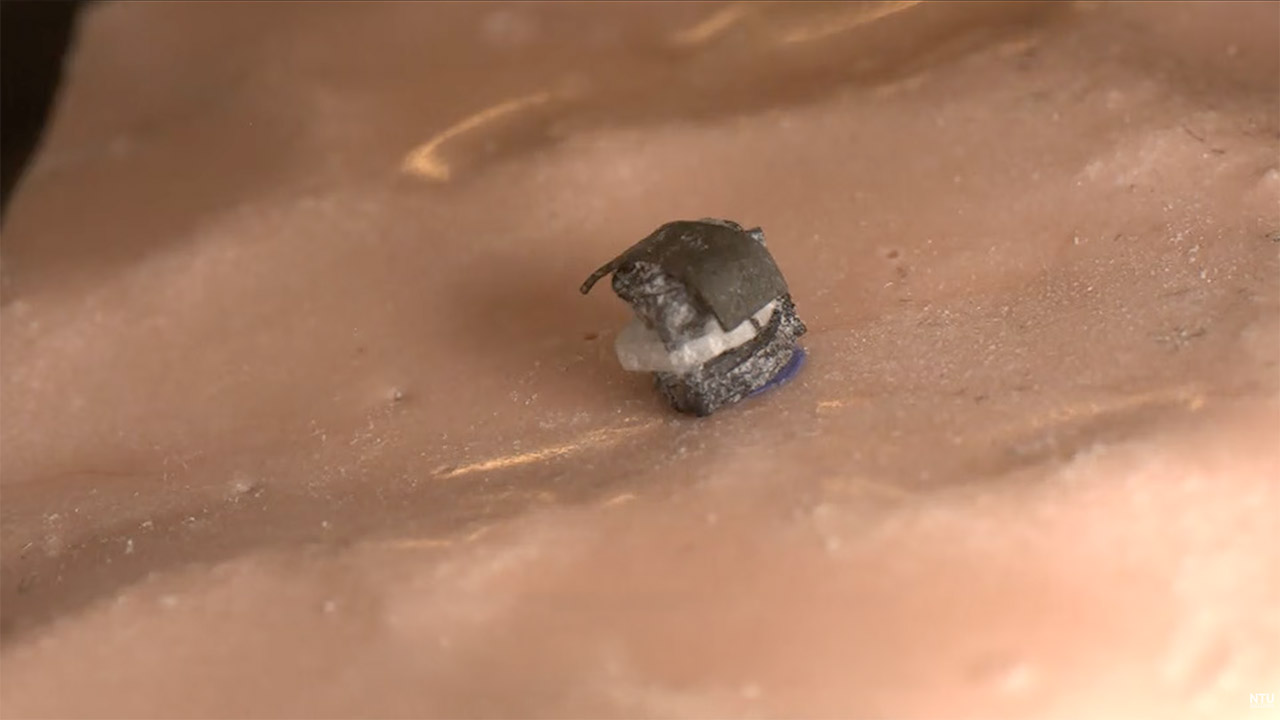
The module’s magnetic state can be changed with a few external coils; just magnetize, demagnetize, or reverse the direction, and each condition corresponds to a specific tool or action. The innovative aspect is that zones in the body are designed to only illuminate active areas while leaving the rest dark. According to tests, a complete flip takes less than a second. Getting around is the first trick, but it is far from the only one. This robot can crawl on soft, uneven ground that replicates surfaces found deep within the body. It can also rotate along its long axis, which is important for achieving perfect alignment when things become tight or the surface starts to slope and fold. There’s also a blade that pops out for cutting, and in lab tests, it effortlessly sliced through chicken liver and gelatin models, or at least models designed to imitate the inside of a human.
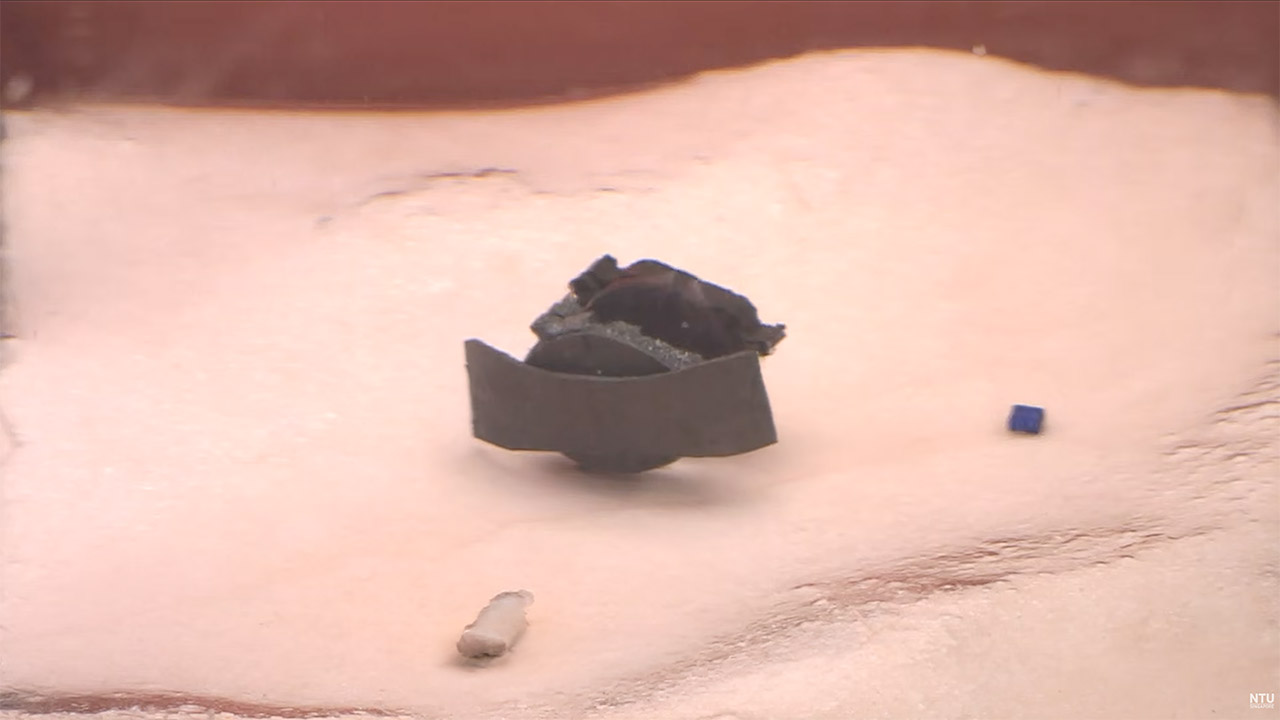
When it comes to medicine delivery, the robot’s dispensing arm simulates drug delivery by using preloaded particles. The operator merely needs to maneuver it to the right spot and then press the release. The robot collects samples by utilizing a gripper to grab and secure tissue until it is ready for laboratory analysis. Test results showed that the gripper performed effectively on the models tested.

Then there’s heat generation, which is a different magnetic process that warms up a small region by creating high-frequency alternating fields that force the particles inside to warm up. The idea is that this might be used for targeted therapy, raising the temperature in a specific area without damaging the surrounding tissue.
The robot’s body is a clever combination of two flexible silicones, PDMS and Ecoflex, with magnetic particles that are barely five micrometers across. It has just enough give to bend and twist as needed while yet preserving enough shape to complete the task. Because there are no batteries, wires, or electronics inside the robot, all guidance and tool activation occurs from the outside. Because the robot is designed to be tiny and simple, all commands are given from the doctor’s control station.
Lab studies on actual biological samples showed that the design choices worked successfully. The robot completed all of the tasks on the samples, and subsequent tests comparing the materials to human skin cells found that more than 99% of the cells were still alive and active, which is optimistic for future development. According to Associate Professor Lum, most magnetic robots this size can only do one or two tasks.
[Source]
You must be logged in to post a comment Login