Tech
This is the ABB Robot Behind Japan’s First 3D-Printed Railway Station

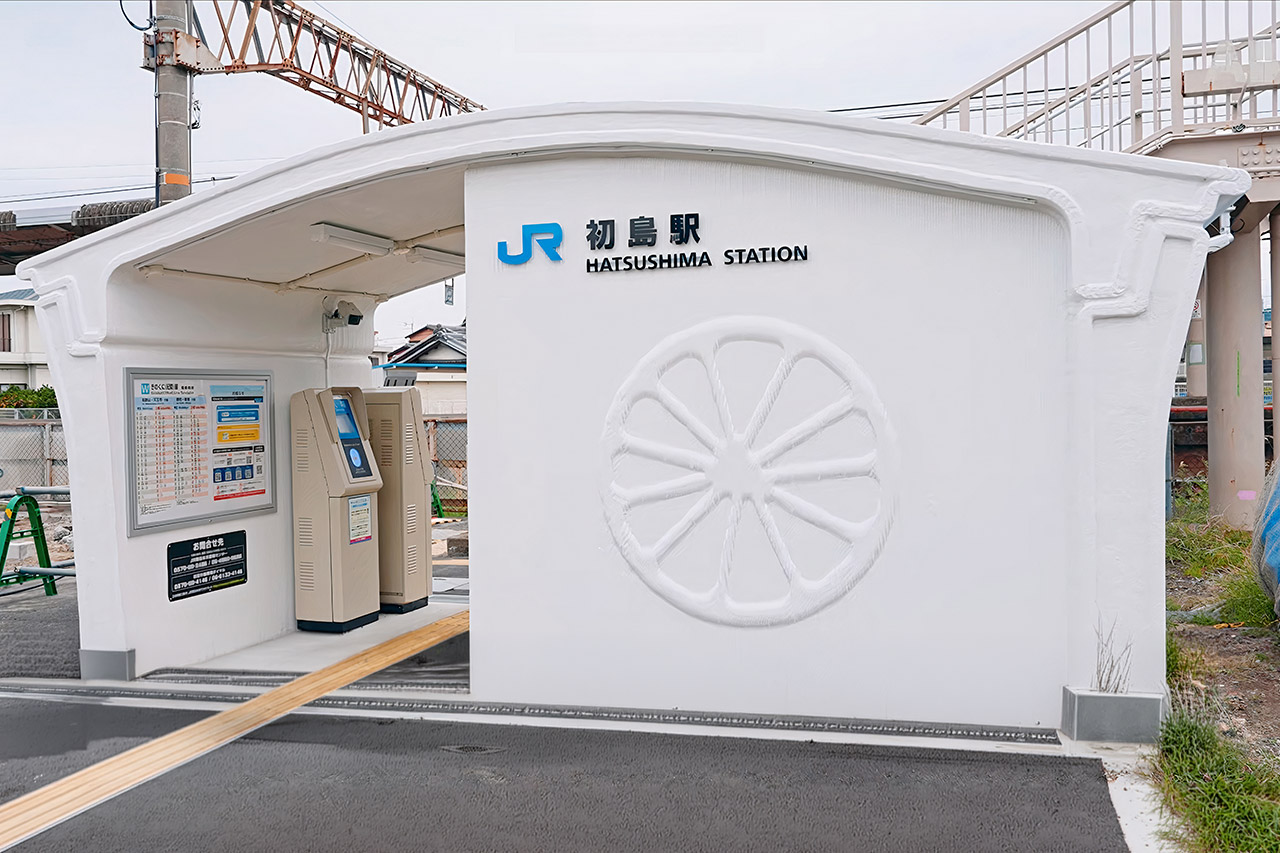
Years of steady usage and exposure to the elements have taken a toll on Japanese railway stations, making replacement a headache. Finding competent contractors is difficult, and construction wages are high. Serendix collaborated with ABB to help JR West restore a historic wooden shelter from 1948 at a station in Wakayama Prefecture. This site, a true relic, was only frequented by around 270 visitors every day in a tiny coastal village near Arida that few people had ever heard of.


The factory handled the heavy lifting, and the ABB IRB 6700 robot arm stole the show. It was producing concrete components out of mortar and did an excellent job. Their Vertico nozzle proved to be a game changer, since it is four times more accurate than any other nozzle they’ve used, and they were able to reduce mortar waste by half, which had to be a positive thing. They also increased the arm’s range of motion to seven axes, which is rather astounding. It can also handle building fairly complicated surfaces.


Bambu Lab A1 3D Printer, Support Multi-Color 3D Printing, High Speed & Precision, Full-Auto Calibration…
- High-Speed Precision: Experience unparalleled speed and precision with the Bambu Lab A1 3D Printer. With an impressive acceleration of 10,000 mm/s…
- Multi-Color Printing with AMS lite: Unlock your creativity with vibrant and multi-colored 3D prints. The Bambu Lab A1 3D printers make multi-color…
- Full-Auto Calibration: Say goodbye to manual calibration hassles. The A1 3D printer takes care of all the calibration processes automatically…
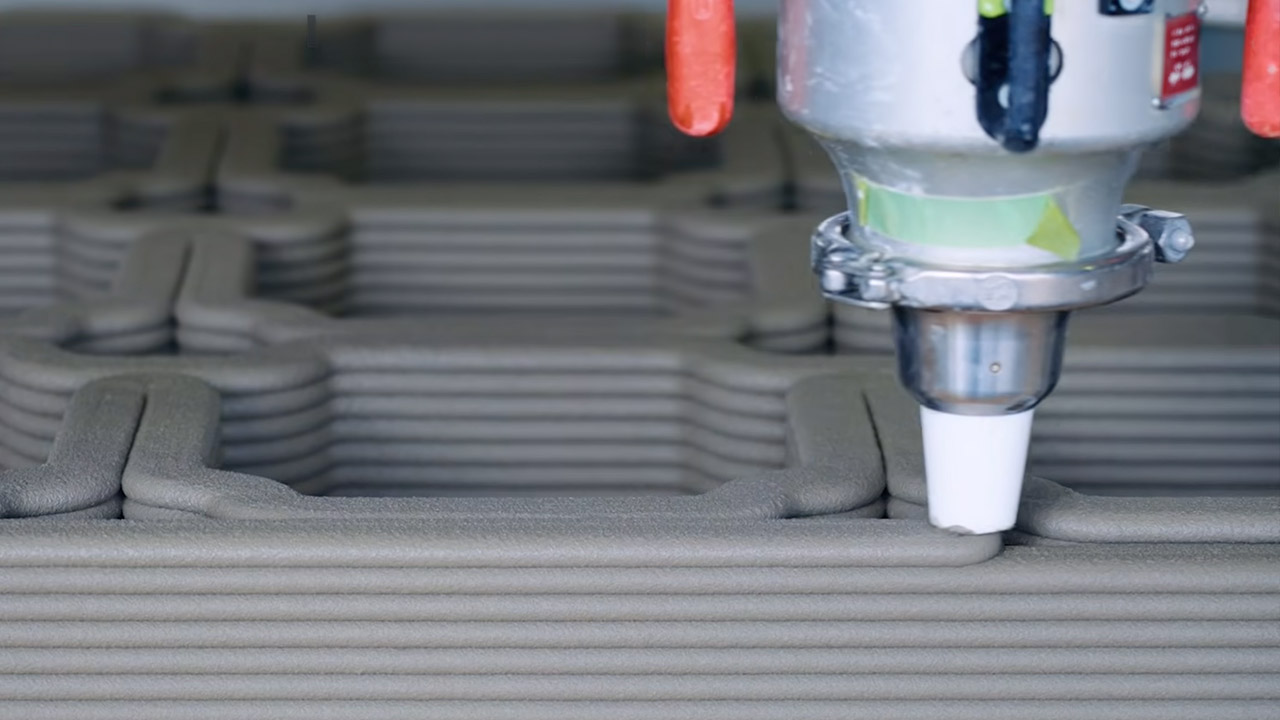
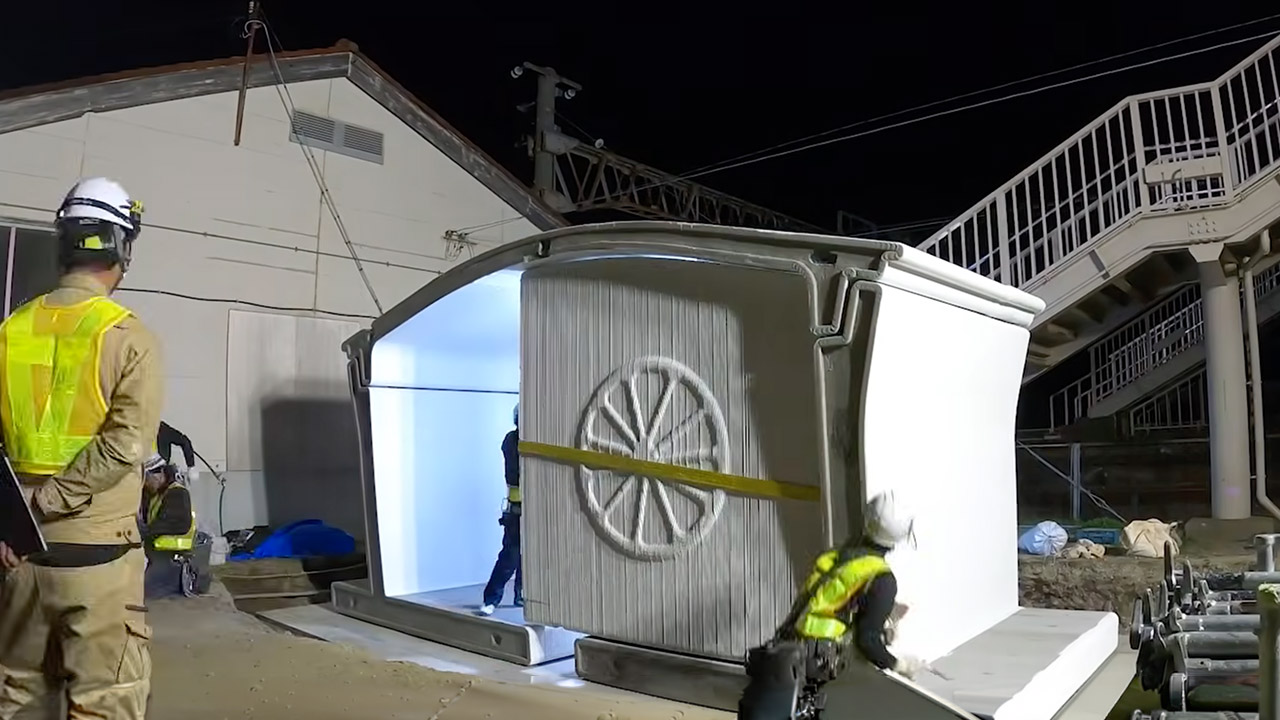
It took approximately a week to complete the printing process, but the important news is that all of the major components were completed and brought to the site, ready to be assembled. The designers chose an arched ceiling and even incorporated a few flourishes, and all of this was completed between the last train and the first the next morning. The crew then used the robotic equipment to assemble the pieces and create a completely new station in about six hours.

What truly sticks out is how much time and money they saved, and by saved, I mean that this printing method cut both time and cost in half. Furthermore, they used far less material. JR West stated that if this had been done the traditional way, the facility would have had to be shut down for months and would have cost double what they did, with the added benefit of reducing concrete and steel waste.
JR West executives stated that they had to complete this portion on the factory floor or the entire rail network would have come to a halt, and the Serendix employee was overjoyed with how the ABB arm performed, since his employer believes they can automate more of the procedure for the next job.
You must be logged in to post a comment Login