


Connect with us

Tech

This S’pore baby brand sells 20K products/yr in 13 countries

Published

on

Elyena Lee’s personal journey into motherhood sparked the business idea

When Elyena Lee, 34, had her first child during COVID-19 in early 2020, she struggled to find baby products that matched her personal style.

Back then, she recalled, most options in Singapore leaned heavily toward “kiddish” aesthetics, and high-quality organic essentials from overseas often came at an extremely premium price point. 

Frustrated with the lack of accessible choices, she started her own baby brand with a university friend that same year: Soft Spot. Today, Soft Spot sells around 20,000 products annually—and interestingly, many of its products are also purchased by people without children.

We spoke to Elyena about how her personal journey into motherhood has grown into a global baby brand, with a presence in 13 countries.

Advertisement

It started as an online business

Soft Spot began as an online business after months of ideation. Its first product was the Soft Swaddle, made out of muslin fabric, available in one pear print and five solid colours.

soft spot baby soft swaddlesoft spot baby soft swaddle
Soft Spot’s Soft Swaddles./ Image Credit: Soft Spot

But Elyena didn’t want Soft Spot to remain solely an online brand—she aimed to establish a physical presence as well. She reached out individually to retailers, and just a few months later, Mothercare outlets began stocking Soft Spot’s products.

As the brand grew, it gradually expanded its product range and introduced more colourways. After all, the founder’s main gripe with existing baby products was that they weren’t aesthetically pleasing.

“What differentiates us from other baby brands is that we identify the mom as the main character, rather than the baby,” Elyena explained, adding that Soft Spot’s products particularly speak to millennial and Gen Z mothers who still care about their sense of style and identity.

Hence, she introduces new products typically every three months.

Advertisement

Finding an audience beyond parents

Over time, Soft Spot has grown to 27 product lines—from bibs to baby apparel and even bed sheets—with over 300 different colourways and patterns, all created by a team of in-house designers Elyena has hired over the years. Prices start from S$29 for its products.

soft spot baby tea towels soft caddysoft spot baby tea towels soft caddy
The brand’s Soft Tea Towels can be used as basket liners or placemats in the house, while its Soft Caddy can be used as a carrier on-the-go trips./ Image Credit: Soft Spot

The brand also discovered an unexpected audience that went beyond babies. Thanks to its soft cotton material and pretty aesthetics, the products began to be used in a variety of ways beyond their original purpose.

Mothers and even non-parents began buying Soft Spot’s single bed sheets for their design, while couples without children purchased Soft Squares—originally burp cloths—as handkerchiefs or Soft Swaddles as bath towels for their suitability for sensitive skin. 

“Some customers even used swaddles as picnic mats or beach wraps!” Elyena exclaimed.

soft spot baby soft petal bib soft quilt blanketsoft spot baby soft petal bib soft quilt blanket
Soft Petal Bibs fit both babies and fur babies, while the Soft Quilt Blanket sometimes finds itself outside the house as a picnic mat./ Image Credit: Soft Spot

With demand rising, Elyena, who had spent eight years in the FMCG industry at multinational giants like Unilever and L’Oréal in brand and product development roles, decided to leave her full-time job in 2023 to run Soft Spot solo.

Expanding Soft Spot’s presence in Singapore and beyond

soft spot baby tangs mothercaresoft spot baby tangs mothercare
Soft Spot is stocked at Tangs (left) and Mothercare (right)./ Image Credit: Soft Spot

Over the years, more retailers in Singapore began stocking Soft Spot, including Tangs, Frankie & Fern’s, and A Greener Wood.

The brand also expanded its physical presence through pop-ups, such as the Christmas Atelier in 2024 and 2025, and a three-month test pop-up at Phoenix Park in Tanglin in Sept 2024.

Advertisement

Soft Spot has leveraged partnerships as well. One notable collaboration in 2025 paired its Soft Loaf Pouch with Anessa’s sunscreen.

That said, the brand still maintains a strong online presence, with products available not only through its own website but also via partner retailers like Stacked Store and Hipvan. This reflects Soft Spot’s vision of being “more than a baby brand,” extending its signature aesthetic into the modern home.

dawn & diasy seahorse concept store soft spot babydawn & diasy seahorse concept store soft spot baby
Soft Spot stocked at Dawn & Daisy in Brunei (left) and Seahorse Concept Store in Taiwan (right)./ Image Credit: Soft Spot

Internationally, Soft Spot first made its mark when it was stocked at French family concept store Smallable in 2022, which, according to Elyena, has a “strong online presence” in both European and US markets.

In addition, Soft Spot secured distributors and now stocks its products in 13 countries worldwide, with retailers spanning from Taiwan to Saudi Arabia.

A permanent retail store is not on the cards

Currently, Elyena shared that Soft Spot sells about 20,000 items a year.

Advertisement

Despite this growth, a permanent retail store is not on the cards for now due to Singapore’s challenging retail environment. For the time being, pop-ups and strengthening its online presence offer the right balance for the brand.

soft spot baby christmas atelier 2025soft spot baby christmas atelier 2025
Elyena at Soft Spot’s pop-up at Christmas Atelier in 2025./ Image Credit: Soft Spot

“As a small brand, our only advantage is speed and flexibility,” shared Elyena.

She hops on trends to stay relevant and takes an experimental approach, negotiating lower test quantities with suppliers to reduce risk. But while she moves quickly, she ensures that every release meets her standards.

Coming from a multinational corporation background, Elyena admitted that entrepreneurship was initially a culture shock for her.

“In an MNC, there’s always someone who specialises in every field,” she says. “As a founder, you have to go into all areas with no experience, such as vetting legal documents, accounting, IT glitches—everything—by yourself.”

Advertisement

There is no boss, no historical data to reference, and no one to dictate strategic direction. While it can get lonely at times, the journey has allowed her to measure her own success at her own pace, and she is proud of how far she has come.

Looking ahead, Elyena wants to expand beyond baby products into more categories. Her ultimate goal? To serve the “modern family” with more home and living items, on-the-go essentials, and potentially bags and clothing.

  • Learn more about Soft Spot here.
  • Read other articles we’ve written on Singaporean businesses here.

Featured Image Credit: Soft Spot

Advertisement

Source link

Continue Reading
Click to comment

Leave a Reply

Your email address will not be published. Required fields are marked *

Tech

Microsoft’s brief in Anthropic case shows new alliance and willingness to challenge Trump administration

Published

on

Microsoft said the action against Anthropic imposes “substantial and wide-ranging costs and risks.” (GeekWire File Photo / Todd Bishop)

A brief filed by Microsoft in Anthropic’s lawsuit against the U.S. Department of War shows the deepening ties between the two companies, and Microsoft’s willingness to take on the federal government at key moments in its history.

Microsoft on Tuesday urged a federal judge in San Francisco to temporarily block the Pentagon’s designation of Anthropic as a supply chain risk, arguing that immediate enforcement would hurt Microsoft and other government contractors that depend on Anthropic’s technology.

The government’s designation imposes “substantial and wide-ranging costs and risks” on companies that use Anthropic’s models “as a foundational layer of their own products and services, which they provide to the U.S. military,” Microsoft said in the filing.

The New York Times DealBook called Microsoft’s brief “a remarkable act” and “a momentous decision” for a company that is one of the largest government contractors in America, noting that it stands out in a period when corporate America’s unwritten rule has been to avoid picking fights with the White House.

It came a day after Microsoft launched Copilot Cowork, a new AI product built on Anthropic’s Claude models, and four months after Microsoft committed to invest up to $5 billion in the startup in a deal that includes  Anthropic spending at least $30 billion on Microsoft Azure.

Advertisement

Amazon, which has invested $8 billion in Anthropic, has not publicly weighed in on the lawsuit or the supply chain risk designation. We’ve contacted the company for comment.

Microsoft hasn’t shied away from fighting with Washington, D.C., at key moments in its history, ranging from its landmark antitrust battle with the Justice Department in the late 1990s to its Supreme Court fight against the Trump administration over DACA immigration protections. 

The Redmond-based company has built one of the deepest government-relations operations in tech, led by President and Vice Chair Brad Smith, a former D.C. lawyer whom the New York Times once called “a de facto ambassador for the technology industry at large.”

Anthropic sued the Department of War on Monday over the designation, which is historically reserved for foreign adversaries. It followed the collapse of contract negotiations in which Anthropic refused to drop two guardrails on its AI models: no use for fully autonomous weapons and no use for mass domestic surveillance of Americans.

Advertisement

President Trump separately directed all federal agencies to stop using Anthropic’s technology.

OpenAI, meanwhile, moved quickly to fill the gap left by Anthropic, announcing its own Pentagon deal on the same day the designation came down. CEO Sam Altman later acknowledged the timing looked “opportunistic and sloppy.” Thirty-seven engineers and researchers from OpenAI and Google, including Google chief scientist Jeff Dean, separately filed their own amicus brief in support of Anthropic.

In its amicus brief, Microsoft said AI should not be used “to conduct domestic mass surveillance or put the country in a position where autonomous machines could independently start a war,” aligning itself with Anthropic’s position on the two sticking points in the negotiations.

Microsoft also flagged a double-standard in the government approach: the Pentagon gave itself six months to transition off Anthropic’s models but made the designation effective immediately for contractors. Without a restraining order, Microsoft warned, it and other companies would have to “act immediately to alter existing product and contract configurations” for the military.

Advertisement

Source link

Continue Reading

Tech

Valve defends loot boxes in response to New York’s lawsuit

Published

on

It must be 2017 because loot boxes are back in the news again. Two weeks after New York’s attorney general sued Valve over its use of the gimmick, the company has responded. In short, the Steam maker essentially said, “See you in court.”

New York’s lawsuit accuses Valve of promoting illegal gambling through its games. AG Letitia James called the loot boxes found in titles like Counter-Strike 2, Team Fortress 2 and Dota 2 “addictive, harmful and illegal.” The state seeks to “permanently stop Valve from continuing to promote illegal gambling in its games” and pay relevant fines.

In its defense posted on Thursday, Valve likened its mystery boxes to kids buying packs of physical trading cards. “Players don’t have to open mystery boxes to play Valve games,” the company wrote. “In fact, most of you don’t open any boxes at all and just play the games — because the items in the boxes are purely cosmetic, there is no disadvantage to a player not spending money.”

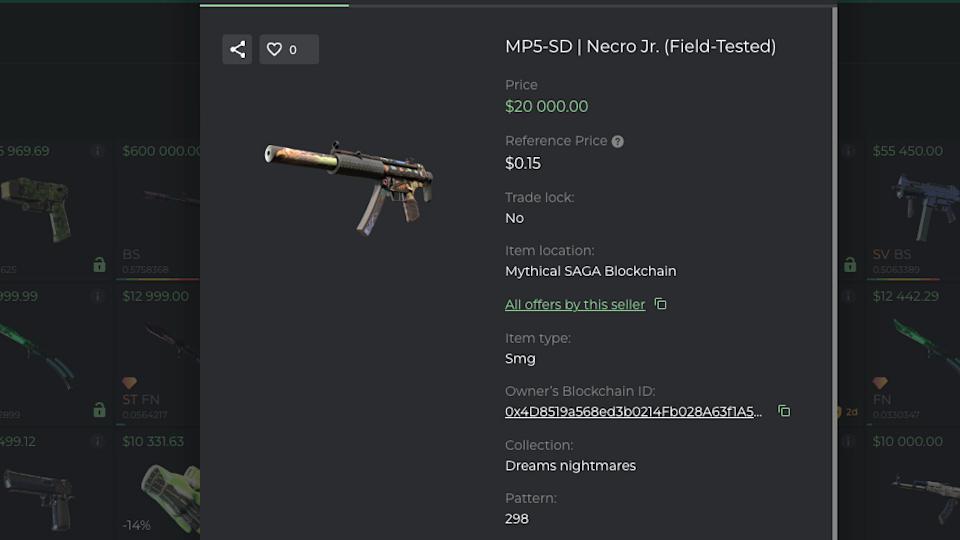
That last point, while applicable within the game itself, isn’t quite that cut and dry once you zoom out beyond that. As James pointed out, players can trade the cosmetic items they win from loot boxes on Steam’s marketplace or sell them on third-party marketplaces. Rarer ones can sometimes fetch lucrative sums.

Advertisement
CS2 gun skin listed for $20,000 on a marketplace

A CS2 gun skin listed for $20,000 on DMarket (DMarket)

Here, too, Valve defended the profitable practice by rolling out the trading card comparison. “We think the transferability of a digital game item is good for consumers — it gives a user the ability to sell or trade an old or unwanted item for something else, in the same way an owner can sell or trade a tangible item like a Pokémon or baseball card,” the company wrote. “NYAG proposes to take away users’ ability to transfer their digital items from Valve games. Transferability is a right we believe should not be taken away, and we refuse to do that.”

Valve is also facing a new class-action lawsuit over its loot boxes.

Some of Valve’s points land a bit more than its righteous defense of a gaming gimmick that, well, isn’t exactly beloved. The company accused the NYAG of proposing that Valve collect additional user information to prevent VPN use. In addition, the state allegedly “demanded that Valve collect more personal data about our users to do additional age verification.” Privacy experts have been sounding the alarm about the recent push for online age verification.

Valve also addressed James’s erroneous and outdated statement that video games encourage real-world violence. “Those extraneous comments are a distraction and a mischaracterization we’ve all heard before,” the company wrote. “Numerous studies throughout the years have concluded there is no link between media (movies, TV, books, comics, music and games) and real world violence. Indeed, many studies highlight the beneficial impact of games to users.”

Advertisement

The company says that, while it may have been cheaper to settle the suit, it deemed the NYAG’s demands user-hostile. “Ultimately, a court will decide whose position — ours or NYAG’s — is correct. In the meantime, we wanted to make sure you were aware of the potential impact to users in New York and elsewhere.”

Source link

Continue Reading

Tech

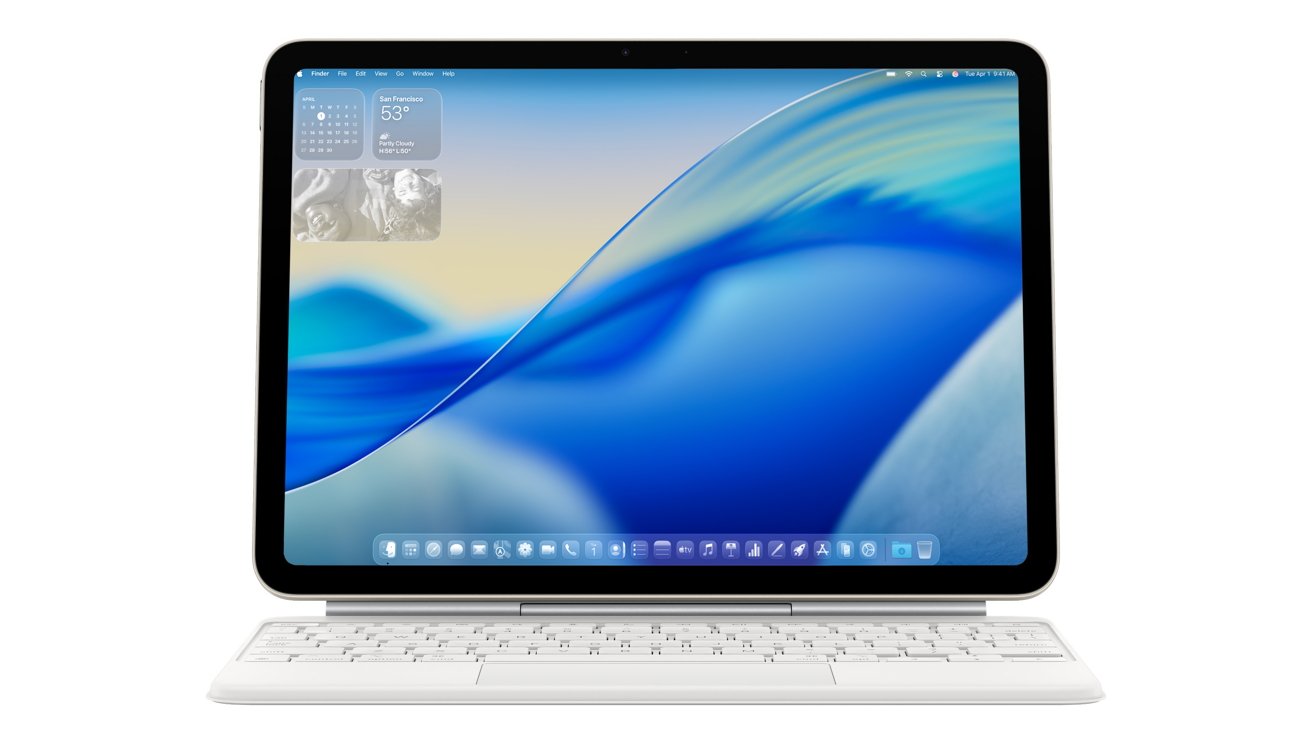
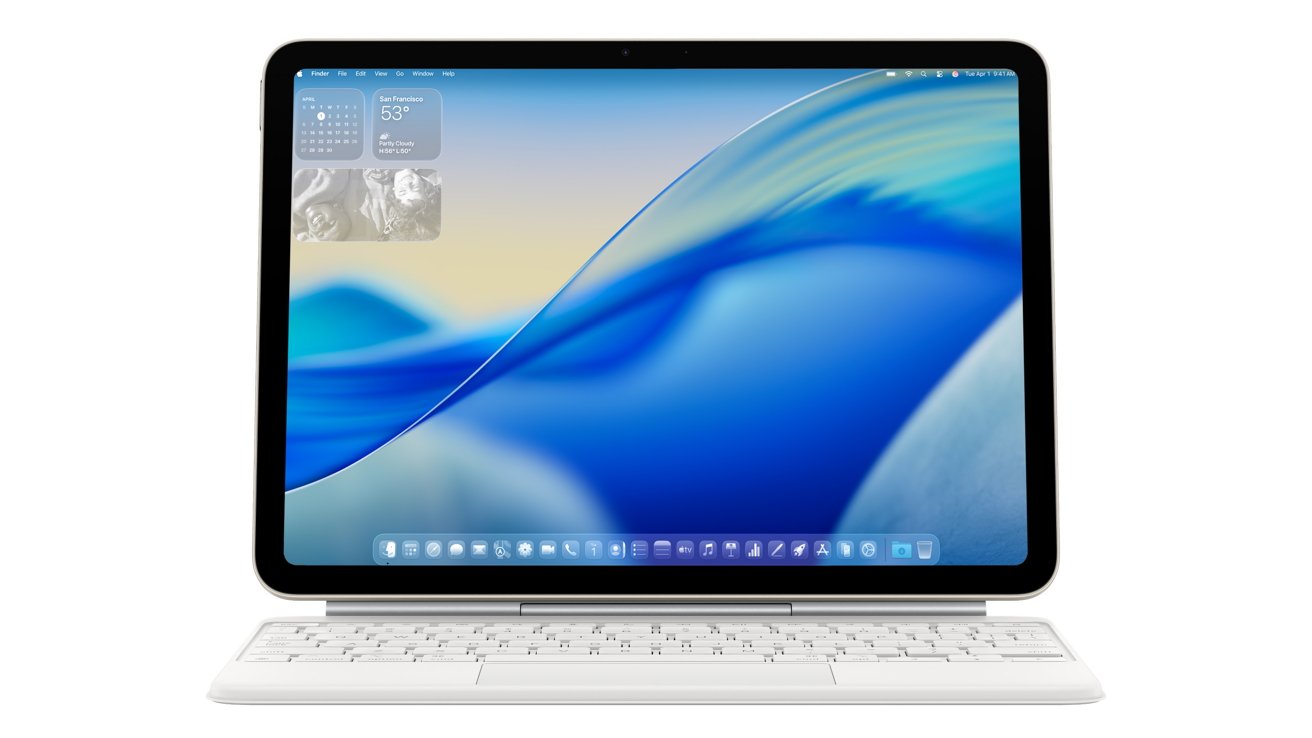
MacBook Neo proves that it would be great if Apple let an iPhone or iPad be your Mac

Published

on

The MacBook Neo proves that macOS can run on an iPhone processor. More than that, it shows how Apple now has all of the elements to make a device that’s transformative in every sense.

Tablet computer attached to a white keyboard, displaying a colorful blue and yellow wave wallpaper with desktop icons, calendar, weather widget, and small grayscale photo thumbnails on the screen
macOS doesn’t work on iPad, but imagine if it did.

Imagine only ever needing to carry around your iPhone, regardless of whether you were working with macOS or not. Imagine connecting your iPad to a Magic Keyboard, and firing up macOS.
Either would be one single device that works like an iPhone in your hand, or an iPad on your lap, but a Mac when you connect it to the right input and output devices.
Continue Reading on AppleInsider | Discuss on our Forums

Source link

Continue Reading

Tech

Why NYC Schools Invested in Coaching for Staff Outside the Classroom

Published

on

In a system serving nearly 1 million students across more than 1,800 schools, the distance between a central office cubicle and a second grade classroom in New York City Public Schools can feel immense — yet they are inextricably linked. When the central office works, schools get the resources and support they need. When it does not, the friction and challenges can ripple directly into classrooms.

Supporting that system requires thousands of central office staff whose work rarely makes headlines but directly shapes how schools function, from budgets to policies to resource allocation. Recently, the district tried something unusual: offering executive coaching — including human- and AI-powered options — to those behind-the-scenes employees.

The move came as staff navigated shifting priorities and persistent uncertainty in the years after the pandemic, raising questions about how best to provide a stable foundation for schools. Through a partnership with the digital coaching and workforce development company BetterUp, central office staff are developing skills such as agency, agility and clarity — capabilities district leaders see as essential to sustaining and stabilizing the nation’s largest school system.

EdSurge spoke with Tracie Benjamin-Van Lierop, New York City Public Schools’ executive director of organizational development, talent and culture, about what this coaching looks like in practice and why investing in the people outside the classroom supports the success of the people inside it.

EdSurge: What was the climate like for central staff before coaching began?

Advertisement

Benjamin-Van Lierop: Coming out of the pandemic, there was a lot of uncertainty. I would say the biggest challenge was feeling seen.

A lot of focus is rightfully on supporting school-based staff, but the people behind the scenes — the ones making sure schools run smoothly — also need development and support.

How did you view coaching at first?

At first, my schedule was just crazy, and I thought, “This is just one more thing I have to do.” One colleague attended the orientation, came back excited and said, “I think this is something we should really look into.” I tried one session, then a second, and three years later, I’m with the same coach.

Advertisement

Sometimes coaching can be seen as punitive — maybe that isn’t the right word — but it’s like it’s there to fix something, and that’s not what I wanted. I wanted us to see coaching as a lever to improve the culture in the organization. We want people who want to work here, and if the environment has room for improvement, we want to hear that.

What shifts have you seen in how people approach coaching?

One person’s story was very similar to mine. They kept hearing colleagues talk about their positive experiences with coaching and said, “Let me try it out.”

They tried it and ended up getting a promotion because they learned to speak up in a respectful way. A lot of that newfound confidence and professionalism came from role-playing with their coach. Role-playing felt like a safe way to prepare for difficult conversations. That person said, “I don’t know that my supervisor would have seen me in the light that they see me in now had I not been able to do those role-play activities with my coach.”

Other signs of success are easy to see: People vote with their feet. If they did not want to continue, they wouldn’t. We’ve gone from “This is something that I have to do,” to “This is something I want to do.”

Advertisement

This affects the work itself. We’re seeing stronger work products and stronger connections between offices and schools as we develop a clearer understanding of why we do this work.

Employee Resource Group (ERG) leaders were among the first central-office staff invited into the coaching pilot. Several describe it as an important source of support as they work to amplify employee voice and strengthen culture across the system. Because ERG leadership is layered on top of full-time roles, coaching has offered space for reflection and skill-building in a complex and demanding environment. The benefits carry into the teams and schools they serve.

How does AI coaching fit in alongside human coaching?

It depends on comfort level and sometimes generation. I’ve tried my AI coach and thought, “No, thanks. I need a human.” But some of our [younger] leaders choose AI because that’s their comfort level. One colleague will only do role-plays with their AI coach because they feel it’s a safe, nonjudgmental space.

Advertisement

At the end of the day, if that tool is supporting what is happening in schools, then it’s helpful. I see that as an area that will continue to grow.

How has coaching shaped your own leadership?

It has changed me — or I would say transformed me — in a holistic way. It’s not just at work; it has transformed my whole approach to decision-making, my sense of impact and my intentionality.

It has also made me a more curious leader. Sometimes I make judgments based on a story I’ve created in my head, and that story may not be true. I’ve learned to recognize that tendency and ask, “How am I getting to the heart of the matter?” Nine times out of ten, when I take that curious stance, it elevates the work in ways I wasn’t able to three and a half years ago.

What advice would you give to districts thinking about coaching?

Advertisement

First, make it voluntary. Coaching can be seen as, “You’re getting a coach because you’re not doing your job well,” but that’s not what it is. People who opt in often become the biggest supporters later.

Second, coaching requires effort. It’s not just about meeting for 45 minutes. It’s a partnership — a two-way street — and you have to put in the work. It won’t work if you don’t.

Third, really use the data from your coaching partner to track progress and refine your approach.

Coaching is often seen as a nice-to-have, and I understand that, especially with all the demands right now. But this is an investment in your people. If your people are going to do the job well, they need to feel invested in, and this is one of the best investments I’ve experienced in my career.

Advertisement

Source link

Continue Reading

Tech

Nvidia Is Planning to Launch Its Own Open-Source OpenClaw Competitor

Published

on

Nvidia is preparing to launch an open-source AI agent platform called NemoClaw, designed to compete with the likes of OpenClaw. According to Wired, the platform will allow enterprise software companies to dispatch AI agents to perform tasks for their own workforces. “Companies will be able to access the platform regardless of whether their products run on Nvidia’s chips,” the report adds. From the report: The move comes as Nvidia prepares for its annual developer conference in San Jose next week. Ahead of the conference, Nvidia has reached out to companies including Salesforce, Cisco, Google, Adobe, and CrowdStrike to forge partnerships for the agent platform. It’s unclear whether these conversations have resulted in official partnerships. Since the platform is open source, it’s likely that partners would get free, early access in exchange for contributing to the project, sources say. Nvidia plans to offer security and privacy tools as part of this new open-source agent platform. […]

For Nvidia, NemoClaw appears to be part of an effort to court enterprise software companies by offering additional layers of security for AI agents. It’s also another step in the company’s embrace of open-source AI models, part of a broader strategy to maintain its dominance in AI infrastructure at a time when leading AI labs are building their own custom chips. Nvidia’s software strategy until now has been heavily reliant on its CUDA platform, a famously proprietary system that locks developers into building software for Nvidia’s GPUs and has created a crucial “moat” for the company.

Source link

Continue Reading

Tech

AI code wreaked havoc with Amazon outage, and now the company is making tight rules

Published

on

Amazon has been aggressively pushing its engineers to adopt AI tools. At least 80% of its developers are expected to use AI for coding tasks at least once a week. However, recent events suggest that this fast-tracked rollout may have come at a cost.

As reported by the Financial Times, Amazon Web Services suffered a 13-hour outage in December after engineers let its Kiro AI coding tool update code without requiring any oversight. Kiro decided the best solution was to “delete and recreate the environment.” That’s one way to fix a problem, I suppose.

That wasn’t a one-off. A follow-up FT report revealed that Amazon’s e-commerce business has been dealing with a “trend of incidents” since Q3 2025, prompting a company-wide deep dive meeting led by SVP Dave Treadwell. 

Some employees were already skeptical about how useful these AI tools actually are for day-to-day work, and these incidents haven’t exactly helped build confidence.

Just how bad did it get?

Business Insider obtained internal documents that paint a clearer picture of what actually happened. On March 2, 2026, Amazon’s AI coding tools contributed to an incident that caused 120,000 lost orders and 1.6 million website errors. 

Advertisement

Three days later, on March 5, 2026, a separate outage caused a 99% drop in orders across North American marketplaces, resulting in 6.3 million lost orders. That’s a number that will surely show on the bottom line of a financial sheet, even for a company as big as Amazon. 

What is Amazon doing to ensure it never happens again?

Amazon is now rolling out a 90-day safety reset targeting around 335 critical systems. Engineers must get two people to review changes before deployment, use a formal documentation and approval process, and follow stricter automated checks.

The company maintains that these were user errors, not AI errors, and that the same mistakes could happen with any developer tool. That’s a fair point, but it doesn’t change the outcome. 

When artificial intelligence tools are handed broad permissions without adequate oversight, things break, and the scale of AI-generated code only amplifies the damage.

Advertisement

Source link

Continue Reading

Tech

You can now stream full songs on TikTok, if you pay for Apple Music

Published

on

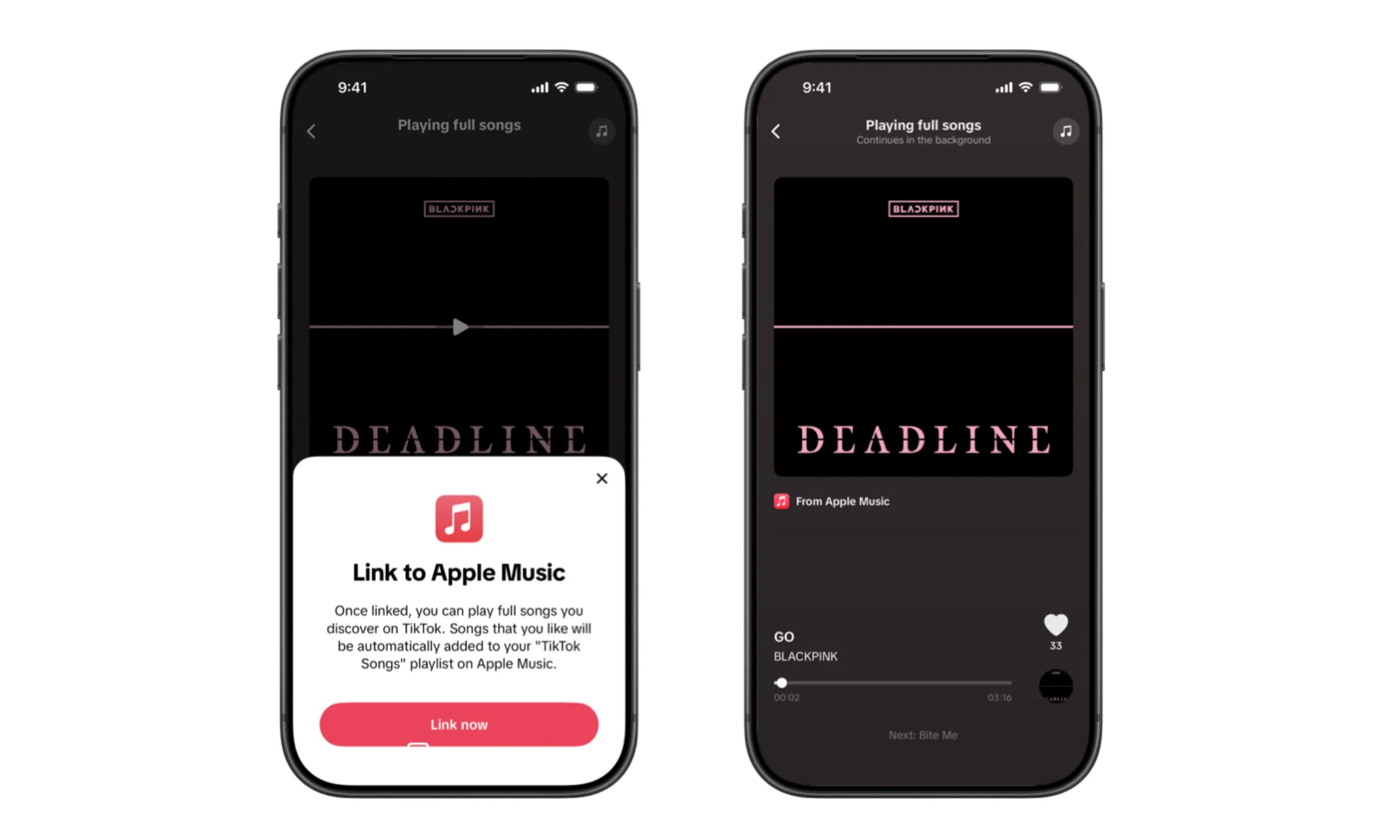
TikTok has teamed up with Apple Music to introduce a new feature called Play Full Song. It allows you to stream entire tracks directly from TikTok, but you will need an Apple Music subscription to access this feature.

Once connected, you can move from short clips to full songs without leaving the app. The feature builds on how people already discover music on TikTok. Millions of users hear a track in a video and then jump to a streaming service to play the full version.

With this update, whenever you come across a song you like on the For You feed or the Sound Detail page, you can tap the Play Full Song button. TikTok will launch an Apple Music player where you can listen to the entire track.

New music features are coming to TikTok

The new integration uses Apple’s MusicKit technology, which allows Apple Music to power playback inside the TikTok experience. This means streams count toward Apple Music listening data, and artists are compensated the same way they would be on the streaming service.

Once you start playing a track, you are not limited to that single song. TikTok can also surface a personalized stream of recommended songs through Apple Music. If you like what you hear, you can save the track to your Apple Music library or add it to one of your playlists directly from TikTok.

Advertisement

TikTok and Apple Music are also introducing a feature called Listening Party. It allows multiple users to listen to music simultaneously and interact with each other and even the artist while the track plays.

How TikTok is evolving from music discovery to music streaming

TikTok has already been expanding how music travels across platforms. The music streaming platform is trying to make song discovery more social instead of a solo listening experience.

For instance, Amazon Music recently added a feature that lets you share tracks, playlists, and even listening stats directly to TikTok with a dedicated “Share to TikTok” button.

The new Play Full Song feature and Listening Party are rolling out globally over the coming weeks. If you already use Apple Music, your TikTok feed can soon double as a place to discover songs and music streaming without leaving the app.

Advertisement

Source link

Continue Reading

Tech

Meta will let kids under 13 use WhatsApp with parent-managed accounts

Published

on

Meta has that it’s introducing parent-managed accounts on WhatsApp. Designed to allow young people under the age of 13 to use the messaging platform more safely, these accounts feature new controls that enable a parent or guardian to restrict who can send them messages. Parent-managed accounts can also only be used for messaging and calling, so additional features like Channels, location sharing and Meta AI integration aren’t included.

To set up an account, you’ll need to put your phone next to the pre-teen’s device to link the two accounts. Once that’s done, the person managing the kids’ account can decide who’s able to contact them and which groups they’re able to join. Step-by-step instructions on how to activate the new accounts can be found

They’ll also see message requests from unknown contacts first and can adjust privacy settings from the managed device. Parent-managed accounts are PIN-protected and only the parent or guardian can make changes to privacy settings.

Like all WhatsApp conversations, end-to-end encryption means nobody else can see messages exchanged on parent-managed accounts. By default, only saved contacts can message a managed account, and a child won’t be able to join a group or view group invites from strangers before they’re separately approved by the owner of the parent account. These requests will appear as notifications to the parent.

Advertisement

WhatsApp doesn’t specify a minimum age suitable for a parent-messaged account, but says it’ll roll the new features out gradually in the coming months.

Meta has spent the last few years ramping up its parental controls features across its various platforms. In September it introduced — aimed at teens between the age of 13 and 15 — for Facebook and Messenger. A year earlier, Under-16 became a requirement on Instagram. Like the new parent-managed accounts on WhatsApp, these allow parents to vet requests and enable stricter privacy settings.

At the start of 2026, Meta put a temporary on allowing teens to interact with its AI chatbot characters, following that some of these bots had engaged in sexual conversations and other concerning interactions with minors.

Source link

Advertisement
Continue Reading

Tech

UPerfect UFree V wireless portable monitor review

Published

on

Why you can trust TechRadar


We spend hours testing every product or service we review, so you can be sure you’re buying the best. Find out more about how we test.

UPERFECT UFree V: 30-second review

This isn’t the best monitor in the world, but it’s one that should work with almost anything that outputs a display, and it’s easy to carry.

Advertisement

Source link

Continue Reading

Tech

Meet Looking Glass Musubi, the World’s First Consumer Holographic Photo / Video Frame

Published

on

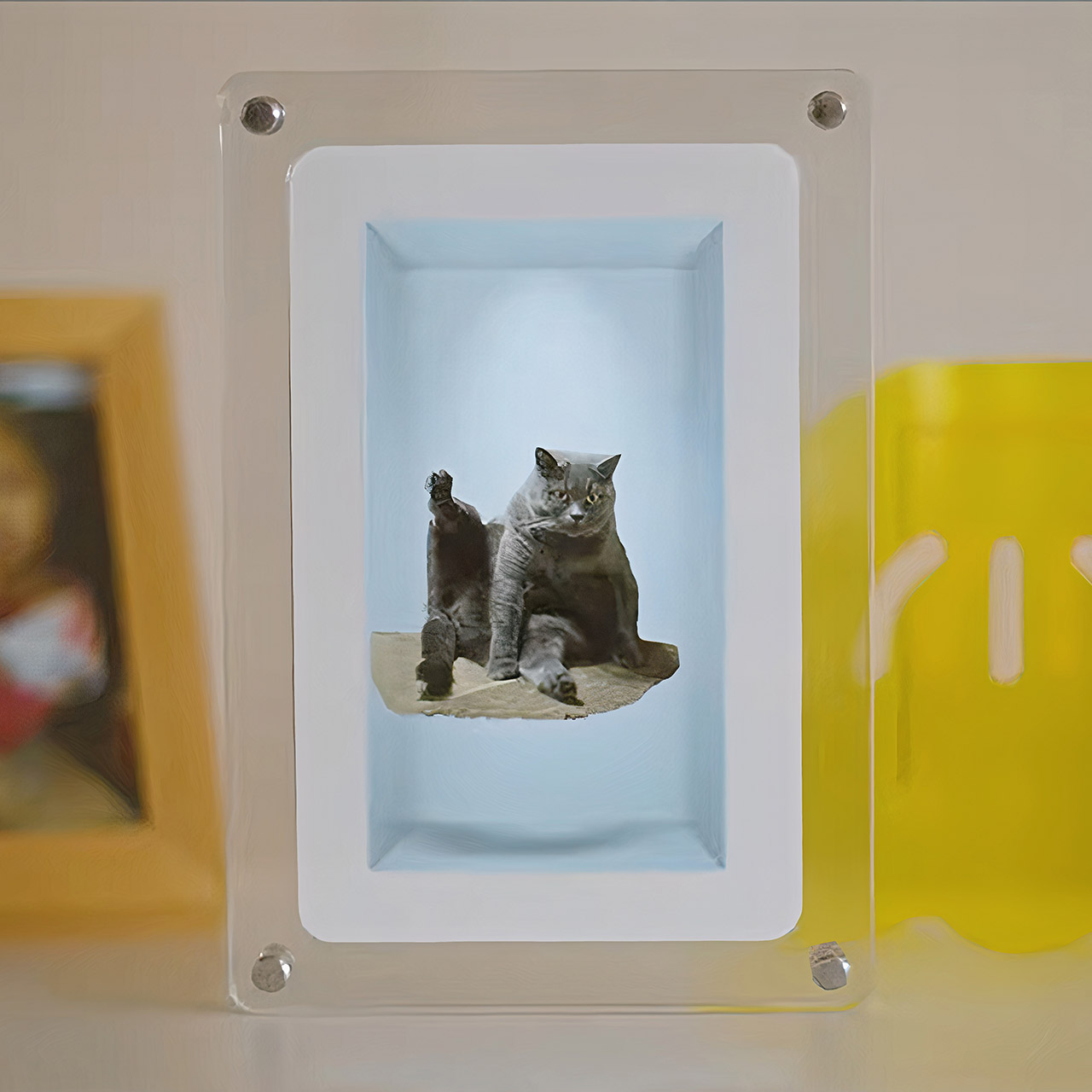
Looking Glass Musubi Holographic Photo Video Frame
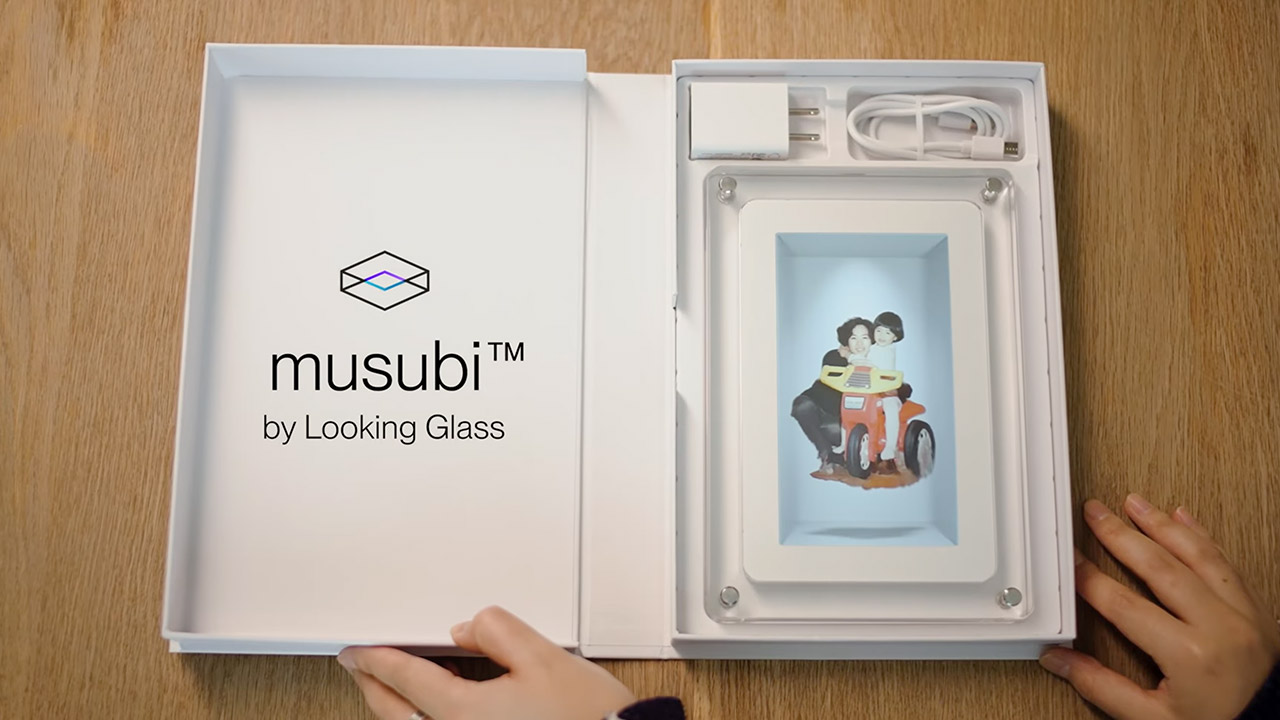
Looking Glass has revealed Musubi, a really device that allows you to project holographic photos and videos directly into your living room without the need for a headset or special glasses. At first glance, the 7-inch frame appears to be a standard picture frame, with the same clean glass border and white matte finish that you would use to show a photo of your grandchildren. Users can simply add their own personal photos or short video clips and watch as they are turned into 3D scenes that appear to float right in the room and follow you as you move about.


The Musubi uses Hololuminescent Display technology, which essentially uses light to produce several view points at the same time, which sounds quite ingenious. This implies that you may combine up to 100 separate viewpoints to create a single image with a lot of convincing depth, allowing several people to see it from different angles all at once. The viewing angle is also rather wide, about 170 degrees, so even if you stand to the side, you won’t lose the illusion.


Aura Carver HD WiFi Digital Picture Frame, 10.1”, Add Photos with Aura App, Free Unlimited Storage…
  • TOP RATED WIFI DIGITAL FRAME: Millions of customers are delighted by Aura as a private and secure way to share and display photos. Recommended by The…
  • QUICK & EASY SETUP: Set up in minutes on WiFi and instantly add photos and videos from your phone using the free Aura app, available on iOS and…
  • ADD FROM THE APP: Invite friends and family to share photos directly to your digital picture frame. Free unlimited cloud storage, no subscription…

Looking Glass Musubi Holographic Photo Video Frame
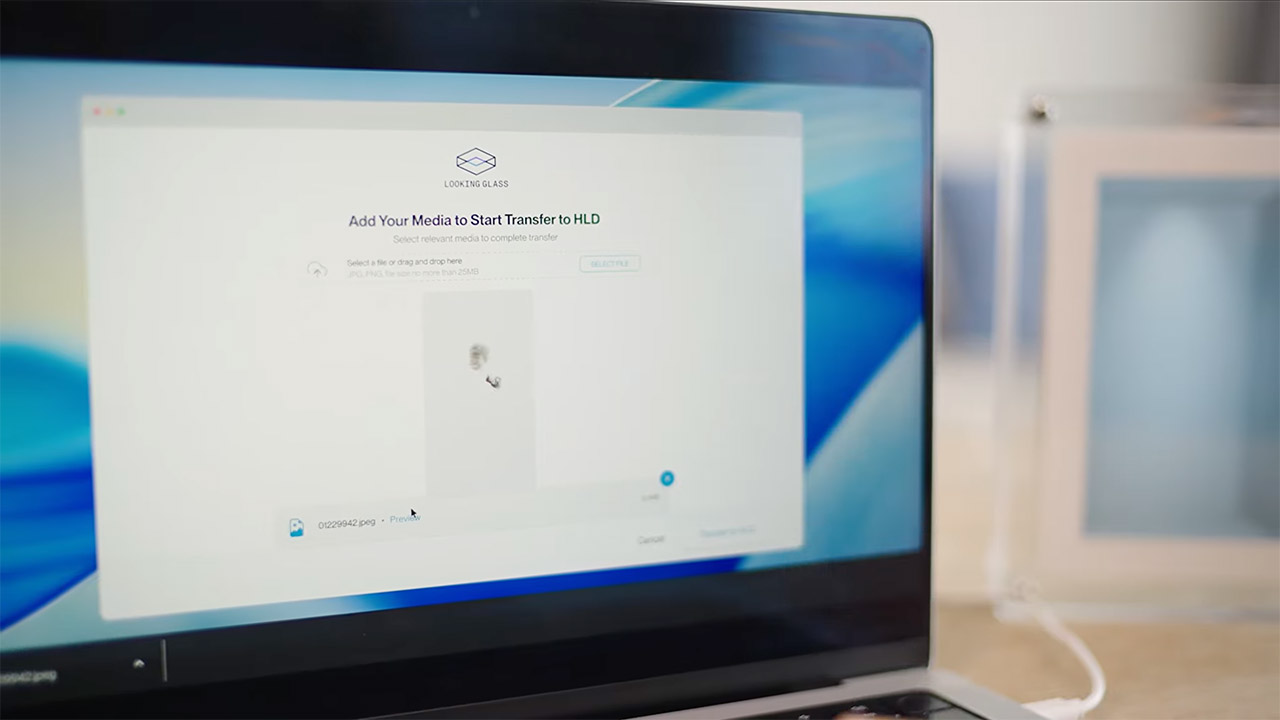
The 3D effect is achieved using free software on your PC or Mac; nothing fancy, just a local AI that determines what is the main part of the photo or video, separates it from the backdrop, and places it in a 3D environment. It’s all done on your own machine, so no data is sent to any servers, simply copy the files over to the frame with a USB-C cord.

Looking Glass Musubi Holographic Photo Video Frame
Musubi can store approximately 1000 images or 30 seconds of video clips, and the battery life lasts about 3 hours if not plugged in, but let’s be honest, most people will leave it plugged in all day. They’ve also kept things simple by not including a Wi-Fi connection, an app, or a camera, opting for a clean look.

Looking Glass Musubi Holographic Photo Video Frame
Musubi starts at $149, and they’re presently offering it for $99 during the first 24 hours of a Kickstarter campaign that launched today. Shipping is scheduled to begin in June 2026, but they intend to proceed with production regardless of the outcome of the campaign, since they have a track record with previous goods.

Source link

Advertisement
Continue Reading

Trending

Copyright © 2025