Tech
This Tabletop Machine Turns Scrap Plastic Into Working Pens

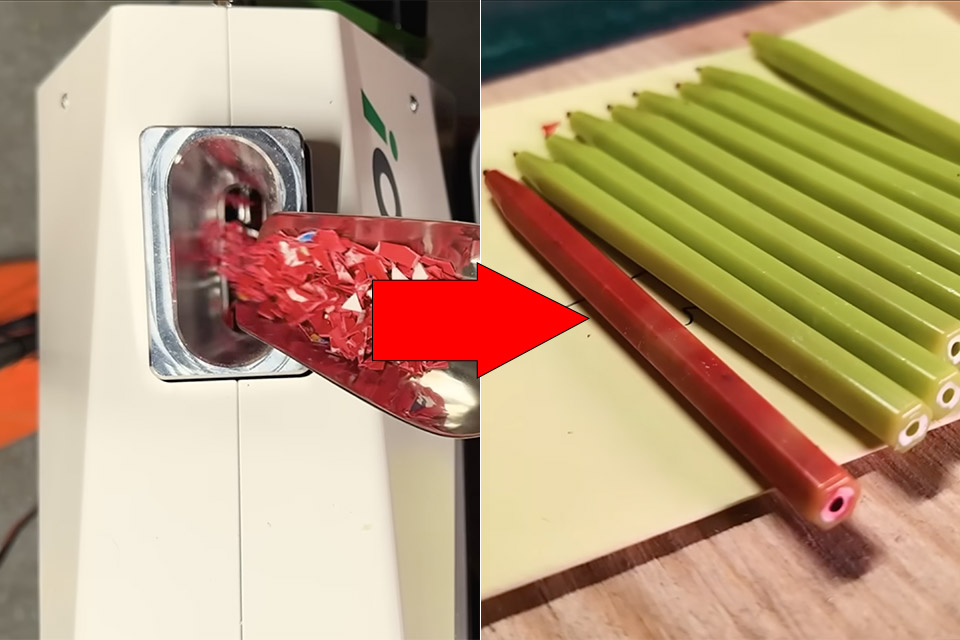
Most people toss broken baskets, empty food tubs, and leftover packaging without a second thought. Brothers Make decided to keep a pile of that material and feed it into a compact new machine called the DEGO. In one afternoon they turned the scraps into a set of usable pens, complete with unintentional swirl patterns, even when the colors refuse to stay neat.


The DEGO plastic extruder is the creation of plasticpreneur, an Austrian business that has spent years refining large recycling equipment for workshops and schools, but this new version is small enough to fit on a workbench at home. Weighing around 20 kilograms and measuring approximately 21cm by 55cm by 39cm, all you have to do is plug it in, put on a mold, and you’re ready to begin. A built-in fume extraction mechanism directs any unpleasant vapors directly through a filter, keeping the entire arrangement more cleaner than prior open versions.
Sale


Bambu Lab A1 mini 3D Printer + LED Lamp Kit, Set Up in 20 Mins, High Speed & Precision, Full-Auto…
- A1 mini + LED Lamp Kit for Creative Light Projects: Bring your ideas to life with the included LED Lamp Kit. Simply print compatible lamp models and…
- The Perfect 3D Printer for Beginners: A1 mini 3D Printer is designed to make 3D printing easy from day one with automatic calibration, simple setup…
- Experience the Bambu Lab Ecosystem: Access MakerWorld’s huge library of ready-to-print models, manage prints through the Bambu Handy app, and enjoy…
For those who like simplicity, the process is straightforward: shovel chopped-up plastic flakes in from the top and turn the hand crank. The crank cranks a screw inside a heated barrel, pulling the flakes forward, melting them down with friction and electric heat, and pushing the gooey plastic out the front nozzle. Put a mould on the nozzle, keep rotating the handle, and the cavity will fill; once finished, just open the mold, pull out your freshly created pen, and start again. The guys in the video built a bunch with a pen barrel mold and were churning them out one by one in only a few minutes.
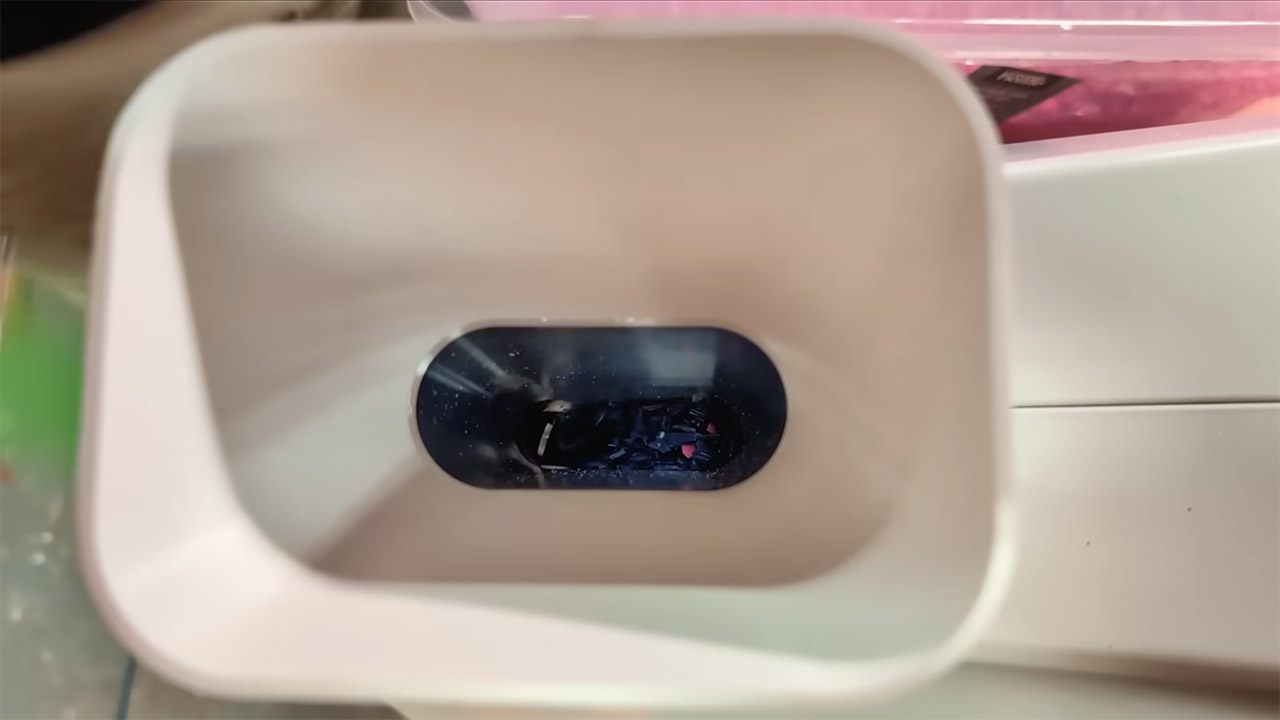
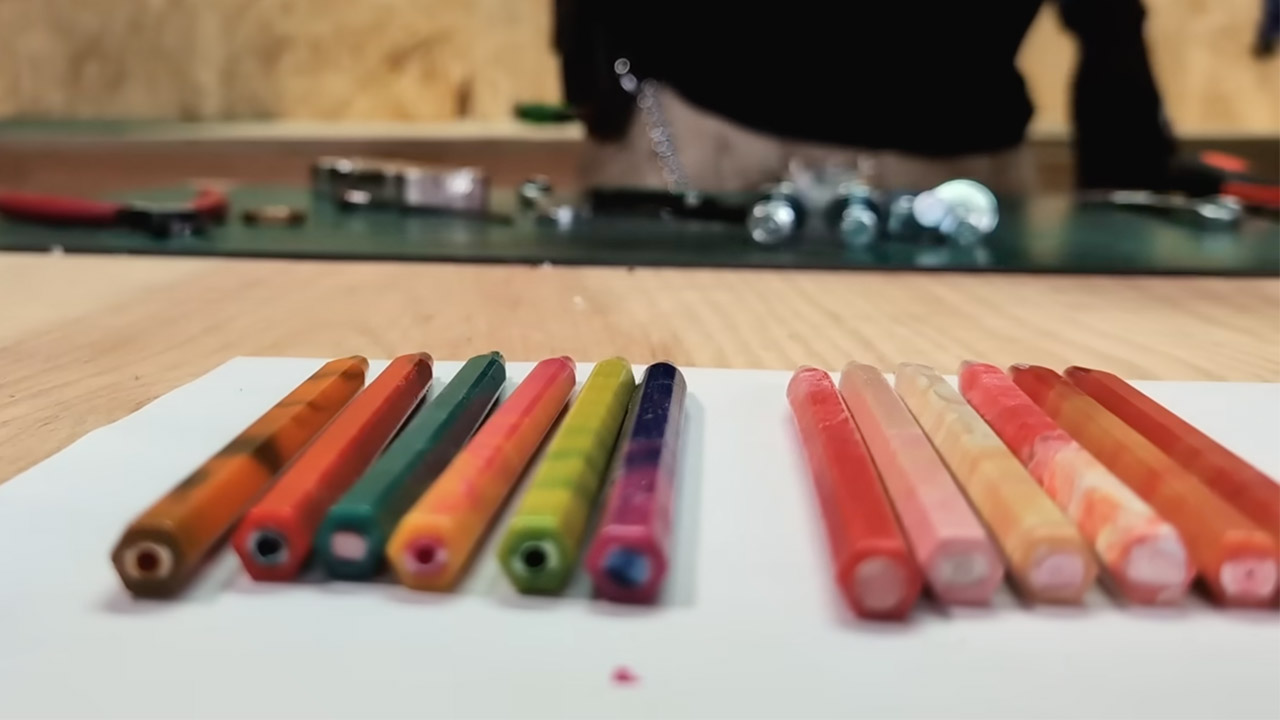
They were largely experimenting with high-density polyethylene, the hard plastic used in laundry baskets, chocolate tubs, fishing rope, marker cases, and cracker containers. Each type of plastic had its own distinct color; a pale yellow-green basket looked great paired with bright red tubs, teal rope contrasted nicely with black pen barrels, and orange cracker packaging was a beautiful addition to the mix. They also added some white flakes for a little more contrast here and there. Because of the way the screw mixes the plastic, it is uncommon to achieve pure color blocks. Instead, you’ll see nice streaks, marbling, and delicate color transitions as you walk from one piece to the next.

Of course, there is still some preparation to be done before you can begin. You’ll need to remove any stickers and cut up any large pieces of plastic with scissors, shears, or a guillotine, and having a dedicated shredder to speed up the process is a major help, but the DEGO itself can run on plain old plastic flakes with no extra processing. Once the material is clean and dry, the machine does the rest, as the temperature is high enough to melt the plastic smoothly while remaining low enough not to burn most common varieties. It’s still a manual process, which keeps the learning curve low and safety concerns at a minimum.
The base model will cost roughly 3500 euros, with additional molds for pens or carabiners costing slightly more. When compared to a full industrial extruder, the DEGO is a bargain. It takes up almost no space, requires no compressed air or fussy hydraulics, and can be up and operating in a matter of minutes. Cleanup is a breeze; simply pass any residual material through till the barrel is empty.
You must be logged in to post a comment Login