Tech
Tito’s Full Restoration of the Sharp X68000 Helps a Pricey Console Go from Dusty Import to Arcade Powerhouse

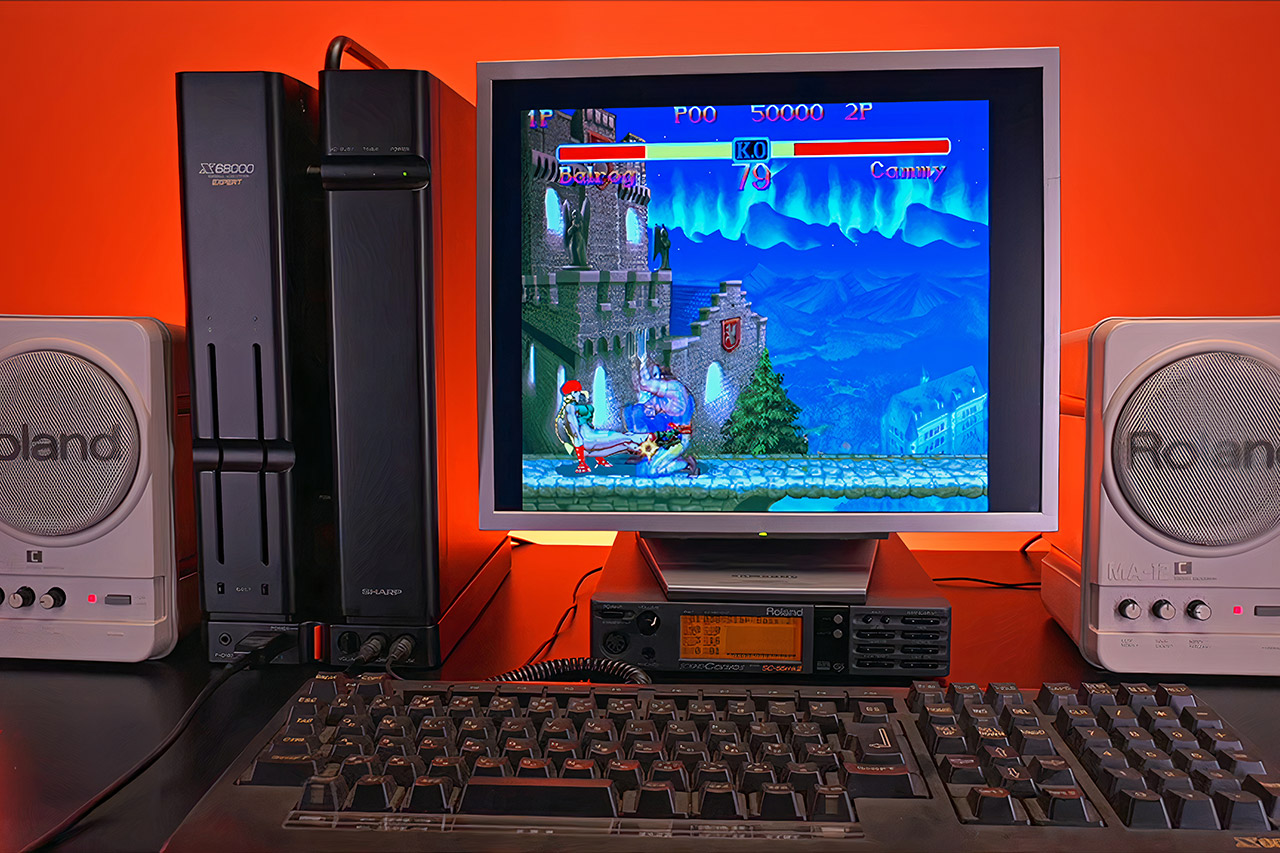
Most people who spent the 1990s chasing perfect arcade ports never got the chance to sit in front of a Sharp X68000. Japan kept the machine almost entirely for themselves, and the admission cost made it prohibitively expensive for everyone else. A basic model was introduced in 1987 costing several thousand dollars ($8,818) today. What you got for your money was a Motorola 68000-based system with unique graphics and sound hardware that resembled modern arcade boards rather than any home computer. Capcom used these machines as development kits. Ports of Final Fight, Street Fighter II, and countless shooters arrived with fidelity that still surprises people who only know the console versions.


Tito from Macho Nacho Productions stopped by BEEP in Akihabara in 2023 and purchased one. After all those decades, that old beauty was still humming along, but the dust on it indicated that it had seen better days. He wanted to bring that machine back to life, so he disassembled it fully, removing the side panels, shielding, ribbon cables, and boards, which was inconvenient. Let me tell you, that machine had accumulated a lot of dust over the years, but you wouldn’t have realized it by looking at the circuit boards, because there was no major corrosion or battery damage to be detected, which is exactly the type of trouble that destroys classic systems.


Arcade1Up The Fast and the Furious Deluxe Arcade Machine, Steering Wheel
- Authentic Racing Experience: Features rumble steering wheel, gas and brake pedals, and 4-position gear shift for immersive, high-speed arcade-style…
- Two Classic Games Included: Race in The Fast & The Furious and The Fast & The Furious: Drift with built-in games that bring the film franchise to life
- Link Up To 4 cabinets: Connect up to four machines on the same local network for intense head-to-head multiplayer racing action at home
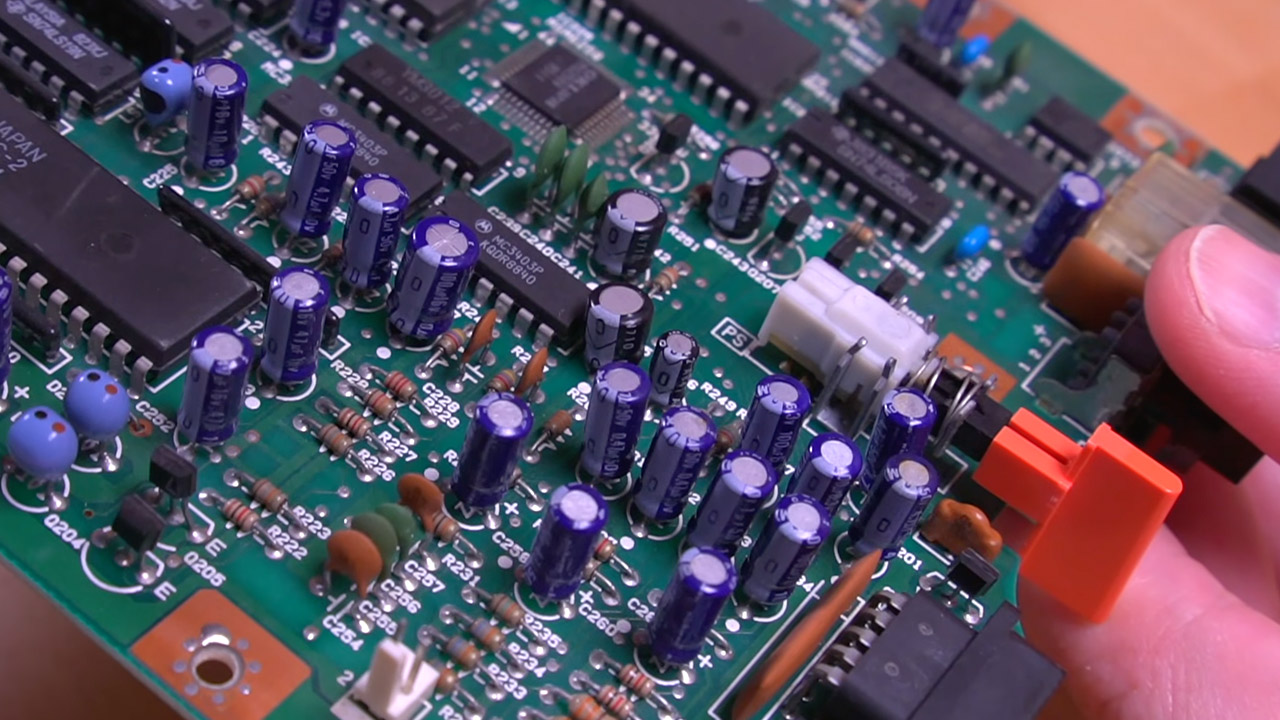
After removing all of the parts, he moved on to the capacitors, as over 40 years of use had worn down the machine’s electrolytics to the point that practically every one of them needed to be replaced. Console5 provided him all the gear he needed for the project, including a desoldering tool and a complete capacitor upgrading kit. This wasn’t a small task, however, as it would take some time to remove all of the old capacitors and replace them with brand new ones, before reinstalling everything on the motherboard, video board, power board, RF shielding, and other smaller assemblies. Almost 60 capacitors later, it was time to take a big breath and continue with the rest of the refurbishing.

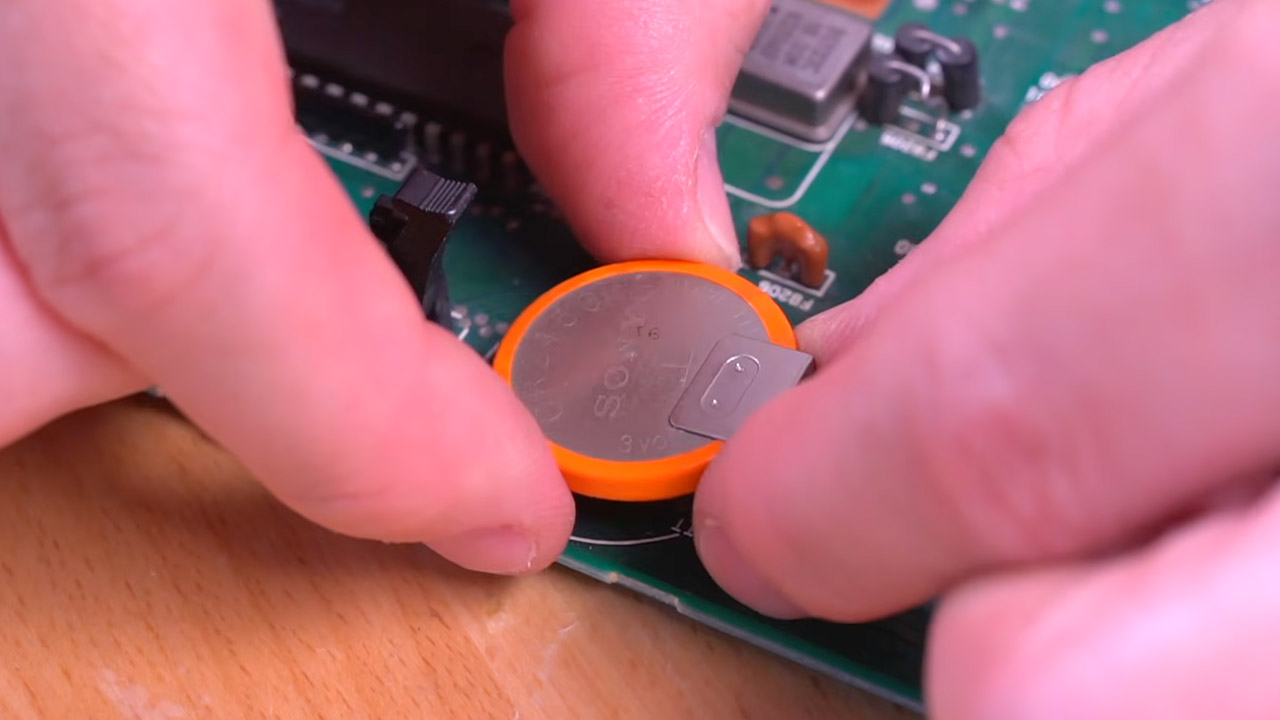
Then it was time to deal with the old Sony SRAM battery, which contained those critical system settings. Tito just removed it and soldered a small JST connector to the board. A brand new CR2032 holder is now securely secured to the RF shielding using double-sided tape. So replacing the battery will no longer be a hassle because no soldering iron or disassembly is necessary. The power system had already been updated to a picoPSU, but it appeared too large, so Tito replaced it with a simpler, open source design from Mattsoft. A Mean Well AC-to-DC supply is now contained inside the original power supply container, powering the pico board.
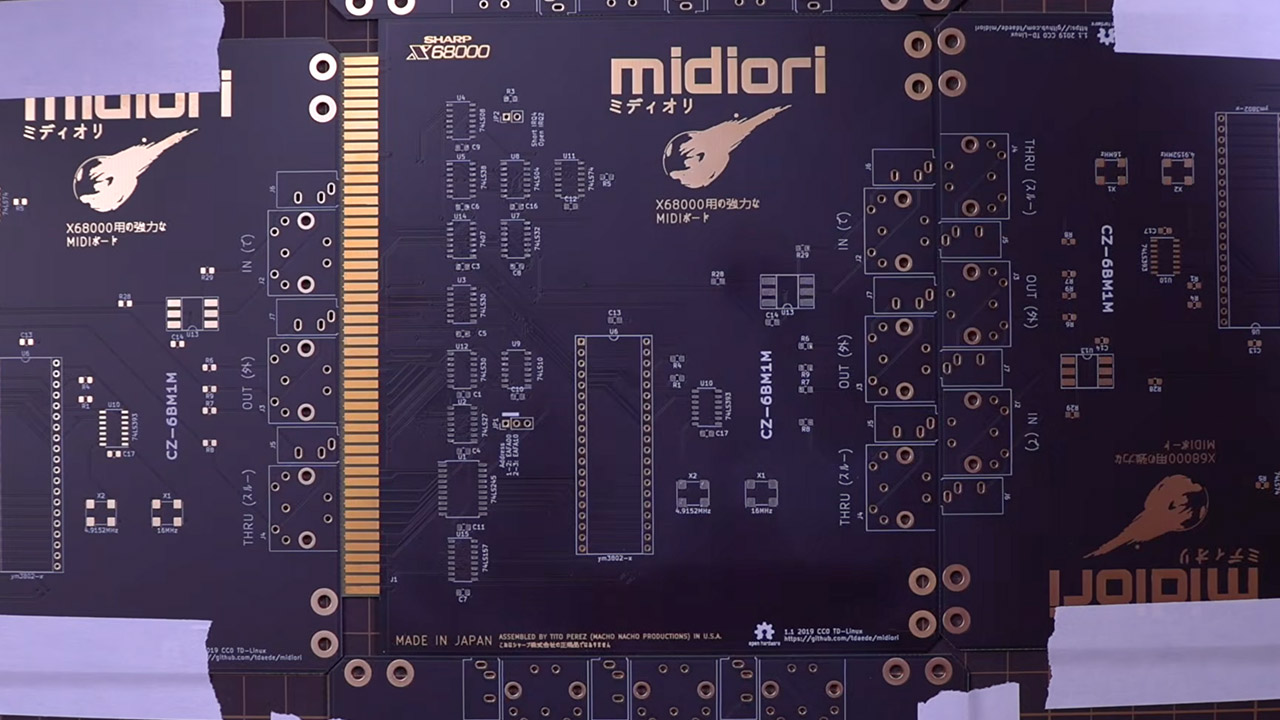
The next step was to add additional expansion cards, the first of which was a MIDI interface called the Midiori, which was designed based on a friend’s NFG forum remarks. After a long hunt, he finally found a Yamaha YM3802X chip. He modded the boards on a PCBWay with some gold features, then the surface-mount parts were applied using solder paste and a hot-air station. The through-hole connectors were carefully trimmed to ensure proper fit in the expansion bay. He also included some 3.5mm jacks for good measure. After he programmed and installed it, the card allowed the X68000 to control external MIDI modules.
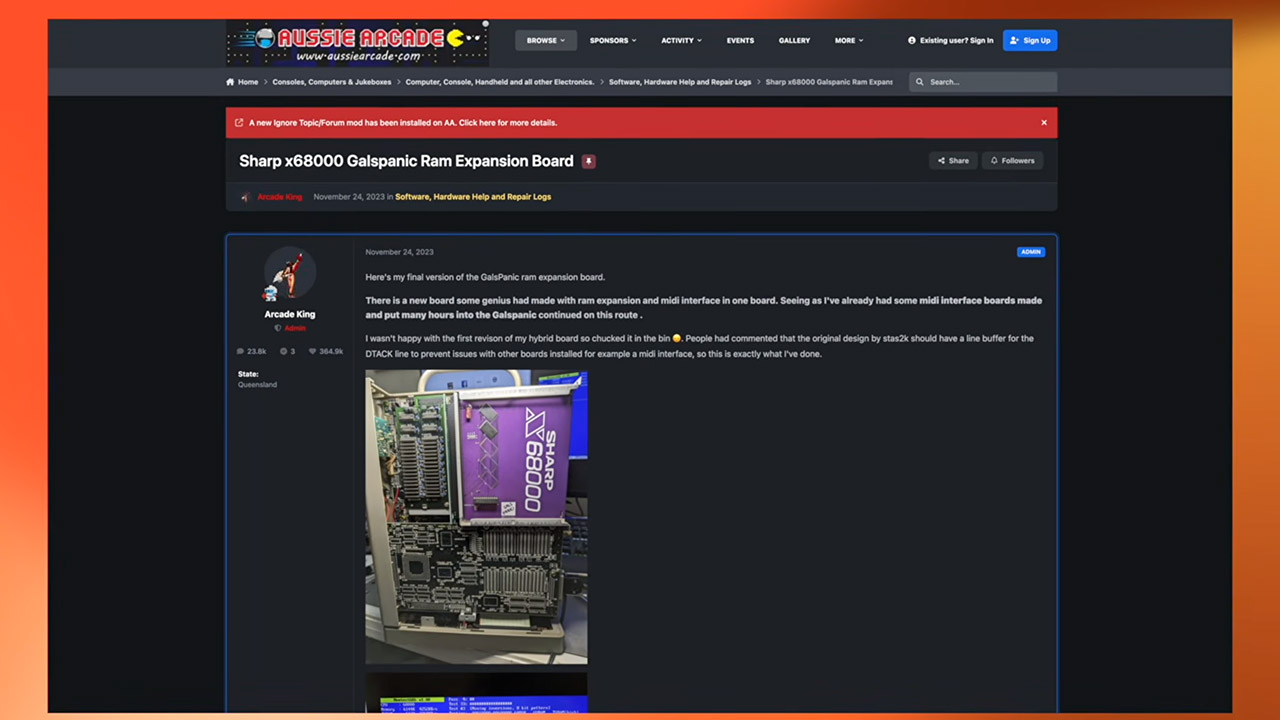
The second card contains a redesigned GALSPANIC RAM expansion. Arcade King contributed to the refinement of an earlier open design, resulting in a larger board capable of accommodating enough memory chips to bring the system to its full 12 MB capacity. The assembly method is the same as before: paste-and-reflow, followed by programming the GAL logic chip, which handles the extra addressing. Early on, a jumper error reduced the system’s memory to about 3 MB. However, once the jumpers were sorted out, the machine immediately sprung to life, with approximately 11.5 MB of free memory after the OS had taken its part.
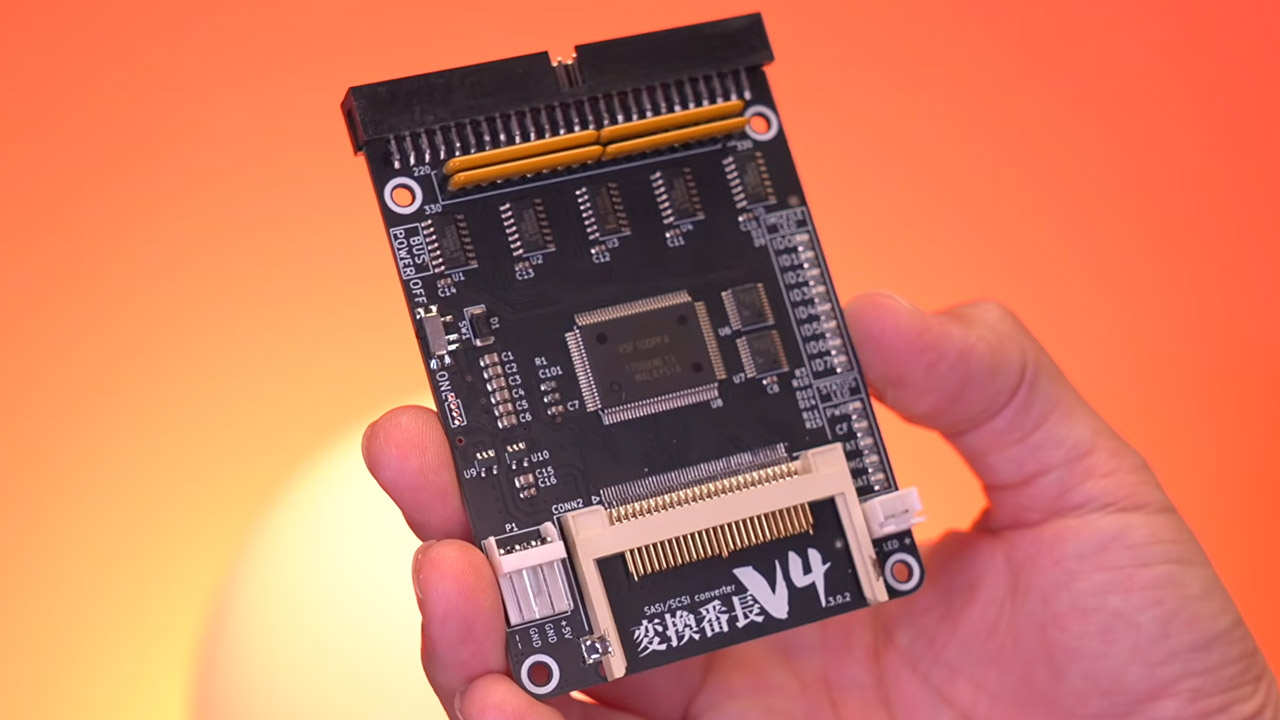
Storage now exists in the twenty-first century, with hard drives and floppies consigned to the trash of history. Tito has fitted a Hanken Bancho SASI converter together with a CF-to-SD adaptor and mounting plate, all neatly ensconced where an internal drive used to be. Some fancy ribbon cables and a convenient JST connection for the activity LED keep everything looking nice and tidy. And getting everything set up is a breeze; simply load a master disk and follow the prompts. After that, you’ll have a 4 GB image from Incredible Hark to load onto your SD card. This is a carefully chosen collection of games, homebrew, utilities, and media organized across virtual drives, making it easy to locate what you’re looking for.

The first time you boot it up, you see this clear menu. Games can be launched with two keystrokes, and several that were formerly memory hogs, such as Valis II, are no longer an issue. Cotton, which features horizontal shooting, and Cho Ren Sha 68k, a typical vertical shooter, both operate at full steam with the speed and color you’d expect from this hardware. Then there’s the MIDI output, which, when routed thru a Roland SC-55, breathes faresh life into Akumajo Dracula’s music. That FM synth isn’t quite as good as those rich, sampled instruments, so seeing it in its complete glory is a tremendous delight.
You must be logged in to post a comment Login