Tech
Too many tools are slowing network incident response

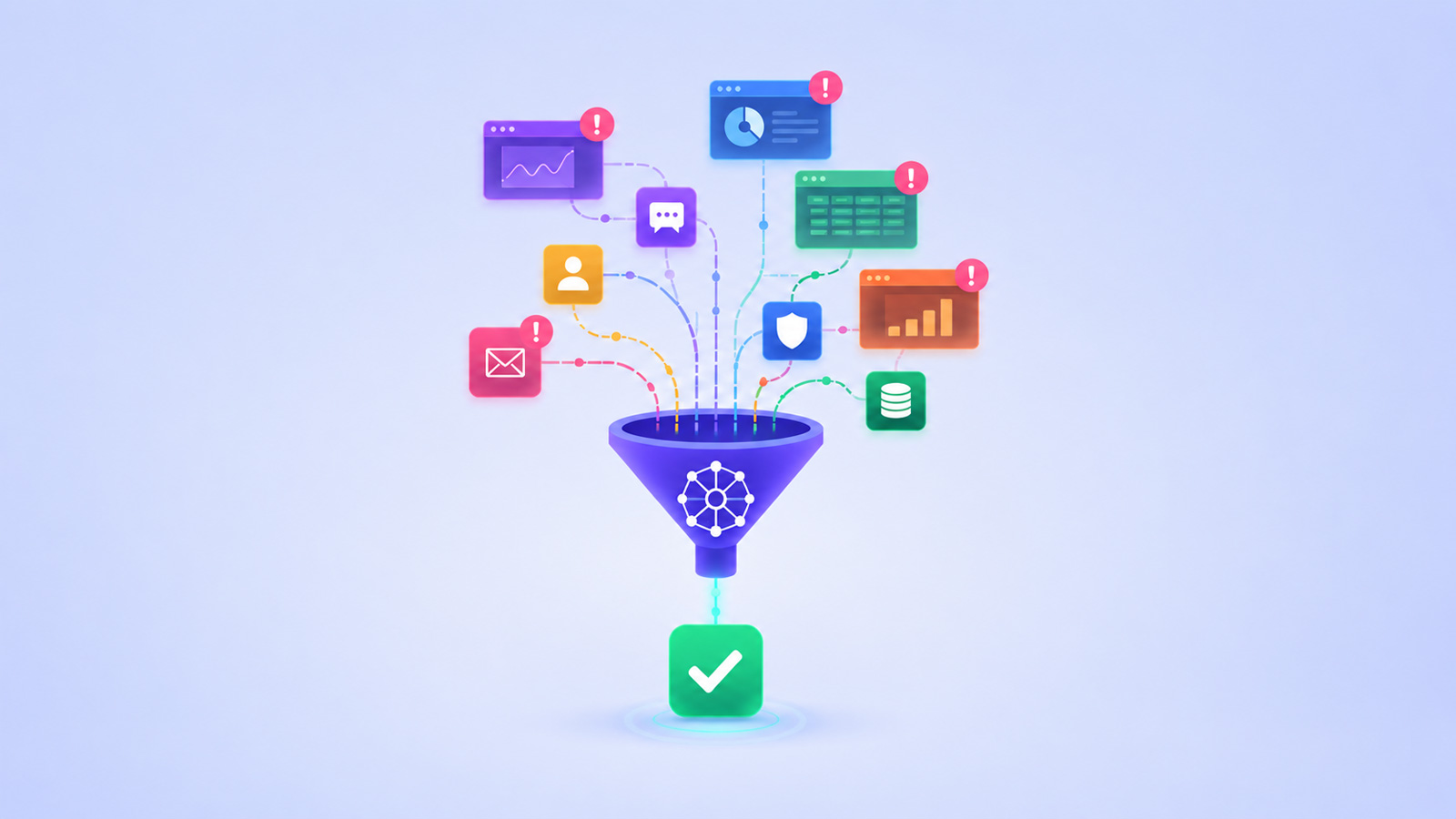

Network incidents often force IT teams to move between monitoring dashboards, infrastructure tools, ticketing platforms, identity systems, and communication platforms just to understand what happened and coordinate a response.
On June 2, 2026, BleepingComputer will host a live webinar titled “From alert to resolution: Fixing the gaps in network incident response” with Edgar Ortiz, a Solutions Engineering Leader and Computer Scientist at Tines.
The webinar will explore why network incident response workflows still slow down during high-pressure incidents and how automation and AI-assisted workflows can help IT teams reduce delays and improve operational coordination across complex environments.
As organizations continue adopting additional monitoring, infrastructure, and operational platforms, responders are increasingly required to manually collect context, determine ownership, prioritize incidents, and coordinate actions between teams. These fragmented workflows can slow response times and increase the risk of outages and service disruptions.
Tines helps organizations build intelligent workflows that connect systems, automate repetitive operational tasks, and streamline incident response processes.
Attendees will learn how automation, AI, and intelligent workflows can help reduce investigation delays and simplify incident coordination across multiple platforms.

Fragmented workflows continue to slow response times
Network incidents often require IT teams to manually jump between monitoring systems, infrastructure dashboards, ticketing platforms, and communication tools to investigate alerts and coordinate next steps.
The webinar will show how automation and AI-assisted workflows can help teams reduce manual coordination, streamline investigations, and respond more efficiently during incidents.
The upcoming webinar will cover:
- How network incidents typically evolve from initial alert to service impact
- Where triage, enrichment, and routing break down in real-world workflows
- How to automatically enrich alerts with network, identity, and threat context
- Techniques to prioritize and route incidents without manual intervention
- How to move from fragmented response to coordinated resolution across systems
Learn how IT teams can reduce response delays and improve operational coordination with automation and AI-assisted workflows.
You must be logged in to post a comment Login