Connect with us
DAPA Banner

Tech

‘Toons, Tunes and Blonde Buffoons: A Blu-ray Roundup

Published

on

Adding to a home entertainment library is largely about the intentionality of the deep dive. While the digital landscape offers a wide, often fleeting pool of content, physical media remains the gold standard for those who value archival quality, creative and historical context, and the quiet joy of a well-curated shelf. We’re celebrating that spirit of discovery with a mix of recent titles, from high-energy animation to meticulously restored musical treasures to a couple of complete sets of television series that might have flown under your radar. Whether you’re looking for a Technicolor escape or a laugh at the expense of a lovable oaf, these releases offer the permanence and performance that only Blu-ray can provide.

Looney Tunes Collector’s Vault Volume 2 Blu-ray (Warner Archive)

Looney Tunes Volume 2 Blu-ray Disc Warner Archive

Given the whims of HBO Max and other purveyors of Looney Tunes over the decades, nothing beats having them on physical media in some of their finest quality ever. Disc One proudly presents 26 shorts* that have never before been released on DVD or Blu-ray in remastered form, while Disc Two packs 25 more, remastered in HD for the first time as part of a WB cartoon collection. There are ample helpings of Bugs (every one a gem), Daffy, Porky and the Road Runner, a couple with favorites Ralph & Sam and some fascinating one-offs, too. The list of creators is a who’s-who of animation: Chuck Jones, Friz Freleng, Robert McKimson, one each from Tex Avery and Bob Clampett, among other legends, totaling some six solid hours. Keep in mind, these are unrated, uncensored cartoons for the adult collector, with a handful of previously recorded/released audio commentaries from animation historians.

*It would have been a nice round 25, but an extra ‘toon is included here to make up for an oversight on last year’s Volume 1.

Where to buy: $27.33 at Amazon


Scott Pilgrim Takes Off The Complete Limited Series Blu-ray (Universal Pictures Home Entertainment)

Scott Pilgrim Takes Off Blu-ray Disc

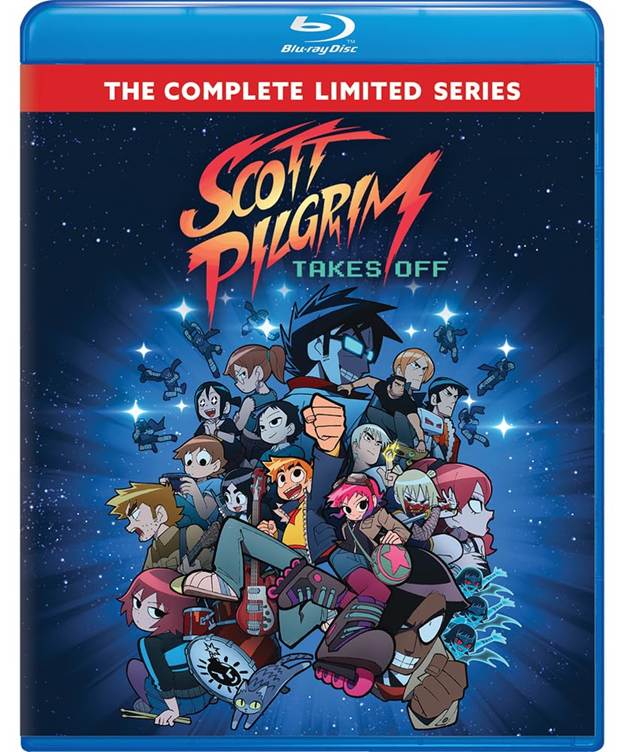
The 2010 cult favorite Scott Pilgrim vs. the World was apparently so much fun to make, the ensemble cast remained friends ever since. That might have been the only way to gather a lineup of this magnitude which includes Michael Cera, Mary Elizabeth Winstead, Kieran Culkin, Chris Evans, Anna Kendrick, Brie Larson, Alison Pill, Aubrey Plaza, Brandon Routh, Jason Schwartzman, and Mae Whitman for an anime on Netflix. Scott Pilgrim Takes Off is neither a remake nor a direct adaptation of a specific volume from Bryan Lee O’Malley’s manga. Instead, it functions as a “remix” of the original film, unfolding in an alternate timeline that reimagines the story.

Scott (Cera) once again battles the seven evil exes of girlfriend Ramona (Winstead), but he disappears after losing a fight, and she investigates. Across its 3.5-hour runtime, the story spends more time exploring the exes, while the Asian-inspired source material naturally complements the over-the-top anime style of this wild saga. The high-energy soundtrack by Anamanaguchi and Joseph Trapanese sounds fantastic in DTS-HD Master Audio 5.1, and Bryan Lee O’Malley and series co-creator BenDavid Grabinski provide audio commentaries for all eight episodes.

Advertisement

Where to buy: $27.99 at Amazon


Broadway on the Big Screen Collection Blu-ray (Warner Archive)

Broadway on the Big Screen Collection Blu-ray Disc

These high-value (and slim, shelf-friendly!) repackagings make it easy to catch up on some all-time great toe-tappers you might have missed the first time around, boasting the lovely restorations for which the Warner Archive is so well-known. “Broadway” assembles an eclectic half-dozen adaptations spanning almost two decades in what might have been the heyday of the Hollywood musical:

  • Brigadoon (1954) – Romance transcends time for Gene Kelly and Cyd Charisse in this dance-filled fantasy, with a surreal “Metrocolor” palette and wide 2.55:1 frame, both meticulously preserved.
  • Guys and Dolls (1955) – Frank Sinatra and Marlon Brando shine, but for me it’s Frank Loesser’s magnificent lyrics that make G&D such a treasure.
  • The Pajama Game (1957) – Doris Day stars and Bob Fosse choreographs, and everything we need to know about him is right there in the “Steam Heat” number.
  • Damn Yankees (1958) – Fosse stages once again, this time providing his only onscreen appearance with future wife, Gwen Verdon, starring as the temptress Lola.
  • Gypsy (1962) – Rosalind Russell and Natalie Wood attack their roles as a mother-and-daughter stage family, with timeless Stephen Sondheim/Jule Styne songs and grand Technirama cinematography.
  • The Boy Friend (1971) – The stage musical that catapulted young Julie Andrews to stardom, boldly reimagined as only Ken Russell could do it, restored to its full length and in 5.1 to recreate the 70mm six-track experience from the British premiere.

Across the six discs we’re given a range of bonus content, from basic trailers to modern and vintage featurettes to quite a few deleted musical numbers.

Where to buy: $59.99 at Amazon


Fred Astaire Collection Blu-ray (Warner Archive)

Fred Astaire Collection Blu-ray (both Warner Archive) Blu-ray Disc

The Fred Astaire set meanwhile hones in on the legendary hoofer, specifically the years following his iconic partnership with Ginger Rogers, all of these in glorious Technicolor:

Advertisement. Scroll to continue reading.
  • Easter Parade (1948) – This one-and-done pairing of Mr. Astaire and Judy Garland is joyful from beginning to end, with irresistible dance numbers highlighted by the slow-mo/full-speed wonder “Steppin’ Out with My Baby.”
  • The Band Wagon (1953) – Widely regarded as one of the finest movie musicals ever, with must-rewatch numbers including “Girl Hunt Ballet,” “A Shine on Your Shoes” and the mesmerizing “Dancing in the Dark.”
  • Silk Stockings (1957) – This remake of Ninotchka is considered Astaire’s last full-on musical role, showcasing both his versatility and still-got-it legwork alongside Cyd Charisse.
  • Finian’s Rainbow (1968) – Directed by a pre-Godfather Francis Ford Coppola (assisted by George Lucas), it’s a bit more whimsical and psychedelic than Astaire’s earlier films, trippy and a total hoot, presented here in its full roadshow A/V splendor.

The bonus content in this four-disc set is particularly generous, with multiple documentaries, classic cartoons and short subjects, audio rarities, as well as commentaries for three of the titles: Fred’s daughter Ava Astaire McKenzie on Easter Parade, director Vincente Minelli’s daughter Liza on The Band Wagon, and Coppola himself on Finian’s Rainbow.

Where to buy: $41.04 at Amazon

Advertisement

Cobra Kai The Complete Series Blu-ray (Sony)

Cobra Kai The Complete Series Blu-ray Disc Set

The show I didn’t know I needed in my life, this unabashedly comedic return to the world of The Karate Kid centers largely on erstwhile bad boy Johnny Lawrence (William Zabka, a revelation), who peaked in high school and is still living in the ’80s. He’s a strangely endearing loser with a dark side that ebbs and flows across six seasons, alternately allied and at odds with his perceived nemesis, Daniel-san (Ralph Macchio). Throw in a whole bunch of deep-cut guest stars, new characters and a modern generation of teen drama, and Cobra Kai turns out so much better than it could have in lesser hands. Thank superfans Josh Heald, Jon Hurwitz, and Hayden Schlossberg, who created the show out of an obvious love for the franchise.

Cobra Kai began its run in 2018 as the flagship scripted series on YouTube Red (now YouTube Premium), ironically to compete with Netflix, which is where it completed its tenure with huge viewership, higher production values and a globetrotting scope. Sony’s six-season boxed set is the only way to get any of them on Blu-ray, porting the extras from the legacy DVDs (deleted scenes, bloopers, featurettes), in addition to brand-new creator commentaries on both the pilot and the finale.

Where to buy: $116.21 at Amazon


Resident Alien The Complete Series Blu-ray (Universal Pictures Home Entertainment)

Resident Alien Blu-ray Disc

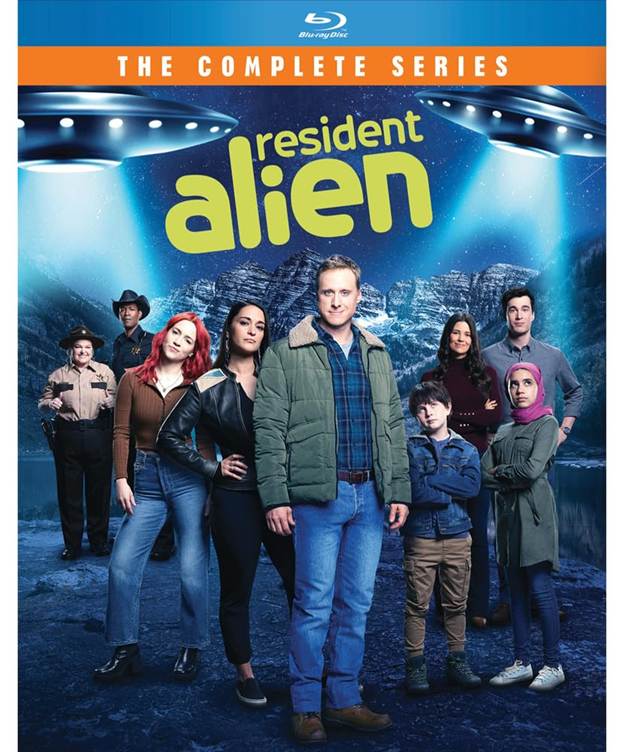
Harry Vanderspeigle is an extraterrestrial visitor on a mission to destroy humanity when he crash-lands in the quiet mountain town of Patience, Colorado. As the title character, he’s a fish out of water whose growing connection to the locals complicates his objective, all while he displays a slapstick awkwardness in his social ineptitude and more than a little heart. It takes one hell of an actor to pull off Harry for four Syfy/USA seasons, and fortunately they cast Alan Tudyk, the Juilliard-trained performer who makes the role endlessly watchable with his what-will-he-do-next comedic brilliance. Tudyk is also widely known as the voice of K-2SO in the film Rogue One: A Star Wars Story and its prequel series Andor, and has voiced a wide range of characters over the years, including Optimus Prime and The Joker.

We see him evolve from reluctant invader into a loyal protector, bonding with his new neighbors to defend Earth against other out-of-this-world threats, all while balancing some engaging subplots backed by a strong supporting cast. The ten discs arrive slipcased, in individual season cases, supplemented with featurettes and an assortment of deleted scenes, including several from the 2025 series finale.

Where to buy: $66.99 at Amazon

Advertisement

Source link

Continue Reading
Click to comment

You must be logged in to post a comment Login

Leave a Reply

Tech

RAM crisis: Micron CEO forecasts spending increase to meet demands

Published

on


  • Micron CEO says company is unable to meet current demand
  • DRAM production is being prioritized for AI and datacenters
  • Consumers are reeling for the cheap RAM of yesteryear

Micron Technology Inc. CEO Sanjay Mehrotra has said that the company “are only able to supply, for our key customers in the midterm, about 50% to two-thirds of their requirements.”

Mehrotra’s statement reflects the growing demand by datacenters for components related to AI compute that will likely worsen the supply of memory.

Advertisement

Source link

Continue Reading

Tech

Australia’s Teen Social Media Ban Is Just Training A Generation In The Art Of The Workaround

Published

on

from the the-kids-are-alright dept

We’ve been covering Australia’s under-16 social media ban since before it went into effect, first noting the confusion and obvious implementation problems as pretty much everyone realized it was a total mess, and then documenting how the ban was actively harming kids with disabilities by cutting them off from critical support communities.

None of this was even remotely surprising. Critics around the world warned about all of it. The government went ahead anyway because doing something tends to poll better than doing something that actually works, especially when the thing that works is harder to explain. And government officials insisted (incorrectly) that the only ones who were complaining were the big tech companies or their proxies.

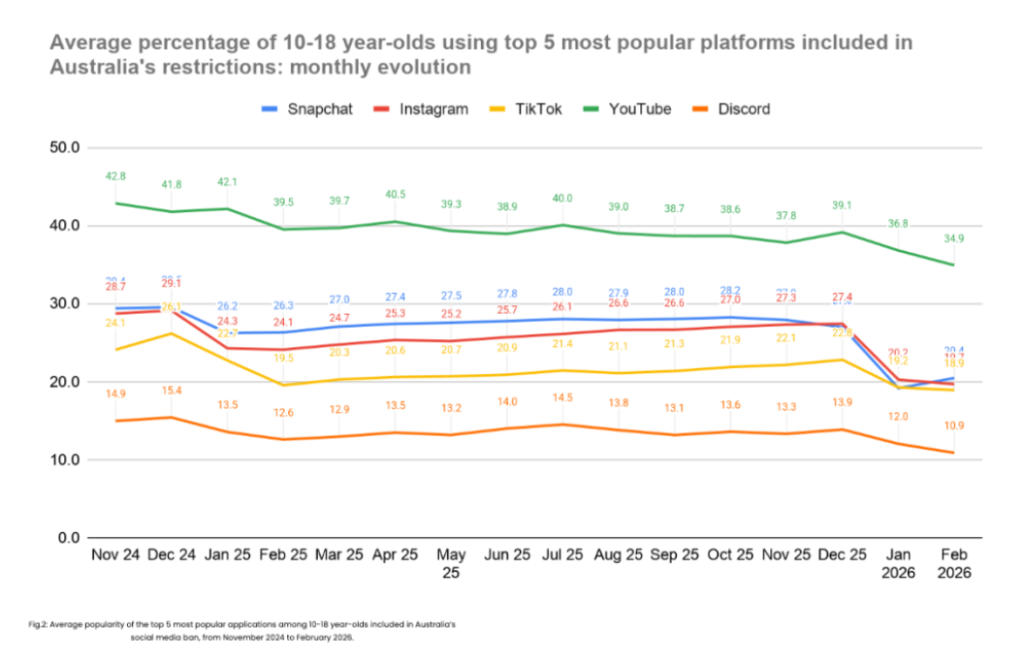
Now, three months in, the data is starting to arrive, and it confirms what should have been obvious from the start. New data from parental monitoring company Qustodio, provided to Crikey, shows that the ban has barely moved the needle:

While TikTok, YouTube and Snapchat all saw a decrease in use by Australians aged 10-15, the majority of teens who had been using the social media platforms pre-ban remained on the services afterwards.

That’s according to a new snapshot of data provided to Crikey by parental monitoring company Qustodio, adding to early evidence that there’s widespread circumvention of the government’s flagship tech policy.

Advertisement

The usage drop was only marginally larger than the normal seasonal dip that happens every year. In other words, the “world-first” ban achieved roughly the same effect as summer ending. There was definitely a drop, but it’s just not a particularly big one:

For what it’s worth, others are reporting the same thing. The Courier Mail found that the majority of teens who were using these apps before the ban were still using them afterwards.

Defenders of the ban will usually say something along the lines of: “We had to do something. Children were at risk. Even if it’s imperfect, at least we tried.” That argument might hold some water if the ban merely failed — if it just didn’t work and left things roughly where they were before. A swing and a miss. You dust yourself off and try something else.

But that’s not what happened. The ban didn’t leave things where they were. It made things actively worse, through a mechanism that was entirely predictable.

The ban is basically a test of technical sophistication, rather than a test of vulnerability. The kids who can’t figure out how to get around it — or who don’t have friends or older siblings to help them — are the kids who are already isolated or lack the technical skills to bypass a block. Those are the kids with disabilities who lost their support communities, the ones we wrote about last month. Those are the kids in rural areas or difficult home situations who relied on these platforms for connection. The ban selected for vulnerability and filtered against resourcefulness.

Advertisement

That’s a hell of a result for a child safety measure.

Meanwhile, the vast majority of kids — the ones the ban was supposedly protecting — just learned to route around it. Rather than learning responsible usage and digital literacy, they learned that age verification systems are obstacles to be defeated… which, congratulations, is probably the single least useful lesson you could teach a teenager about their relationship with technology.

Actually, it’s worse: Australian adults now have a false sense of security — the comfortable belief that they’ve magically protected kids from the evils of the internet.

When you pass a ban and declare the problem solved, you eliminate the political pressure to do the things that would actually help. Why fund digital literacy programs when kids aren’t supposed to be on social media at all? Why push platforms to develop better age-appropriate tools and experiences when under-16s are “banned”? Why have conversations with kids about healthy usage of something they’re not supposed to be using?

Advertisement

The ban creates a fiction — kids are off social media — that every politician and regulator has an incentive to maintain, even though the data says the fiction is exactly that. Kids are still using these platforms. They’re just doing it without guidance or access to real safety tools, and with the realization that the adults in charge don’t actually understand how any of this works.

So you end up with the worst possible outcome: nearly universal continued usage combined with policy complacency and zero institutional incentive to teach kids how to use these platforms safely. Kids using social media without supervision or education, while the government pats itself on the back for a ban that exists only on paper.

This was all foreseeable. It was all foreseen. Critics said so publicly, repeatedly, before the law passed. And the Australian government did it anyway, because “ban the thing” is a satisfying political narrative, even when — especially when — it doesn’t work.

And now that it’s failed, rather than admit that the plan was bad and dangerous… they’re doubling down by blaming the tech companies:

Advertisement

An eSafety spokesperson said that social media platforms need to take “continuous action” to find underage users on their platforms, including those who’ve created new accounts.

“eSafety is aware of reports some under-16s continue to access social media accounts and is actively engaging with platforms and their age assurance providers to probe weaknesses and encourage continuous improvement of implementation and settings while continuing to monitor for any systemic failures that may amount to a breach of the law,” they said.

The spokesperson foreshadowed further announcements in the coming weeks, adding: “We will provide further updates on age restricted platforms’ progress in meeting their obligations when it is appropriate to do so but we must be careful to not compromise the regulatory process currently underway or prejudice any enforcement action we may undertake in future.”

The blame will keep flowing toward the platforms. The kids will keep routing around the ban. And the adults will keep congratulating themselves for solving a problem they made worse.

Filed Under: australia, esafety, esafety commissioner, kids, safety, social media, social media ban, teens

Advertisement

Source link

Continue Reading

Tech

Report: Amazon is making another phone, this time for the AI era

Published

on

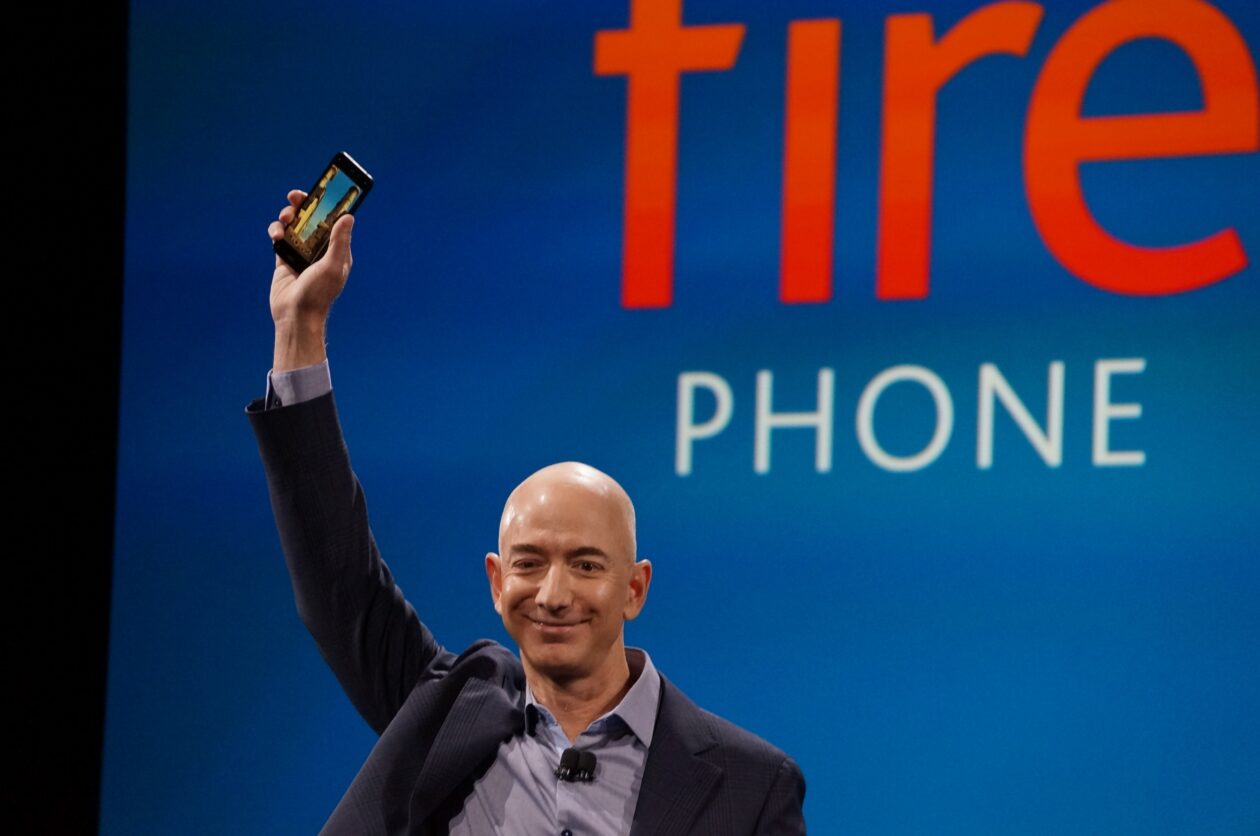
Different this time? Jeff Bezos unveils the Amazon Fire Phone in June 2014. (GeekWire File Photo / Todd Bishop)

Amazon is working on another phone.

That’s the jaw-dropper from Reuters this morning, reporting that the company is developing a new smartphone codenamed “Transformer” within its devices and services unit. 

The project is reportedly led by an internal team known as ZeroOne, a year-old group whose mandate is to create “breakthrough” gadgets, headed by J Allard, a former Microsoft executive known for his work on Xbox and Zune.

GeekWire first reported on Allard joining Amazon back in October 2024, working under another Microsoft veteran, Panos Panay, who leads Amazon’s broader devices and services organization.

The phone is envisioned as an AI-driven mobile personalization device that syncs with Alexa and serves as a persistent connection to Amazon’s ecosystem, including shopping, Prime Video, Prime Music, and food delivery through partners like Grubhub, according to the report.

Advertisement

A key focus is integrating AI capabilities, potentially sidestepping or bypassing standard app marketplaces, according to the sources cited by Reuters.

Of course, it’s not the first time Amazon has tried to crack the smartphone market. The company launched the Fire Phone in 2014 under the direct oversight of Jeff Bezos, packaging it with features like aa 3D display system and vision technology for identifying objects.

It flopped. The proprietary Fire OS lacked popular apps, the multi-camera 3D feature drained the battery and caused overheating, and consumers weren’t interested. Amazon slashed the price from $649 to $159, killed the phone after 14 months, and took a $170 million writedown.

This time, Amazon appears to be taking a different approach. According to Reuters, the company has explored both a conventional smartphone and a stripped-down device with limited features, aimed at countering screen addiction.

Advertisement

Alexa would be central to the experience but wouldn’t necessarily serve as the phone’s main operating system, Reuters reported. The company hasn’t started talks with wireless carriers yet, and the project’s timeline and budget remain undefined, according to the report.

Amazon declined to comment in response to GeekWire’s inquiry. 

Sources told Reuters the project could still be canceled.

Source link

Advertisement
Continue Reading

Tech

AMD bets Agentic AI will transform decades-old PCs into autonomous machines that work while users sleep

Published

on


  • Agentic AI enables PCs to autonomously execute multiple tasks in parallel
  • Persistent local AI reduces reliance on cloud computing for sensitive workflows
  • Professionals can delegate urgent tasks and wake to completed project summaries

The personal computer has been central to work and creativity for four decades, allowing users to write, build, design, and analyze with professional-grade tools – but PCs have largely remained tools operated directly by humans, opening apps and performing tasks manually.

However, AMD now suggests that Agentic AI could be the killer app for even decades-old PCs, transforming them into systems that autonomously execute tasks and manage workflows.

Source link

Advertisement
Continue Reading

Tech

Google is removing the hassle of remembering SIM codes on Android 17

Published

on

Google is working on a feature in Android 17 that could quietly remove one of the most annoying security steps on your phone. If you use a SIM PIN, you may soon not have to remember it or enter it every time you restart your device.

According to Android Authority, the feature, called automatic SIM lock protection, first appeared in Android 17 beta and is now live in the latest Canary build.

How does automatic SIM lock protection work?

A SIM PIN is different from your phone’s unlock PIN. It protects your SIM card itself and is required when you reboot your phone or insert the SIM into another device. Without it, your SIM cannot be used for calls, texts, or mobile data.

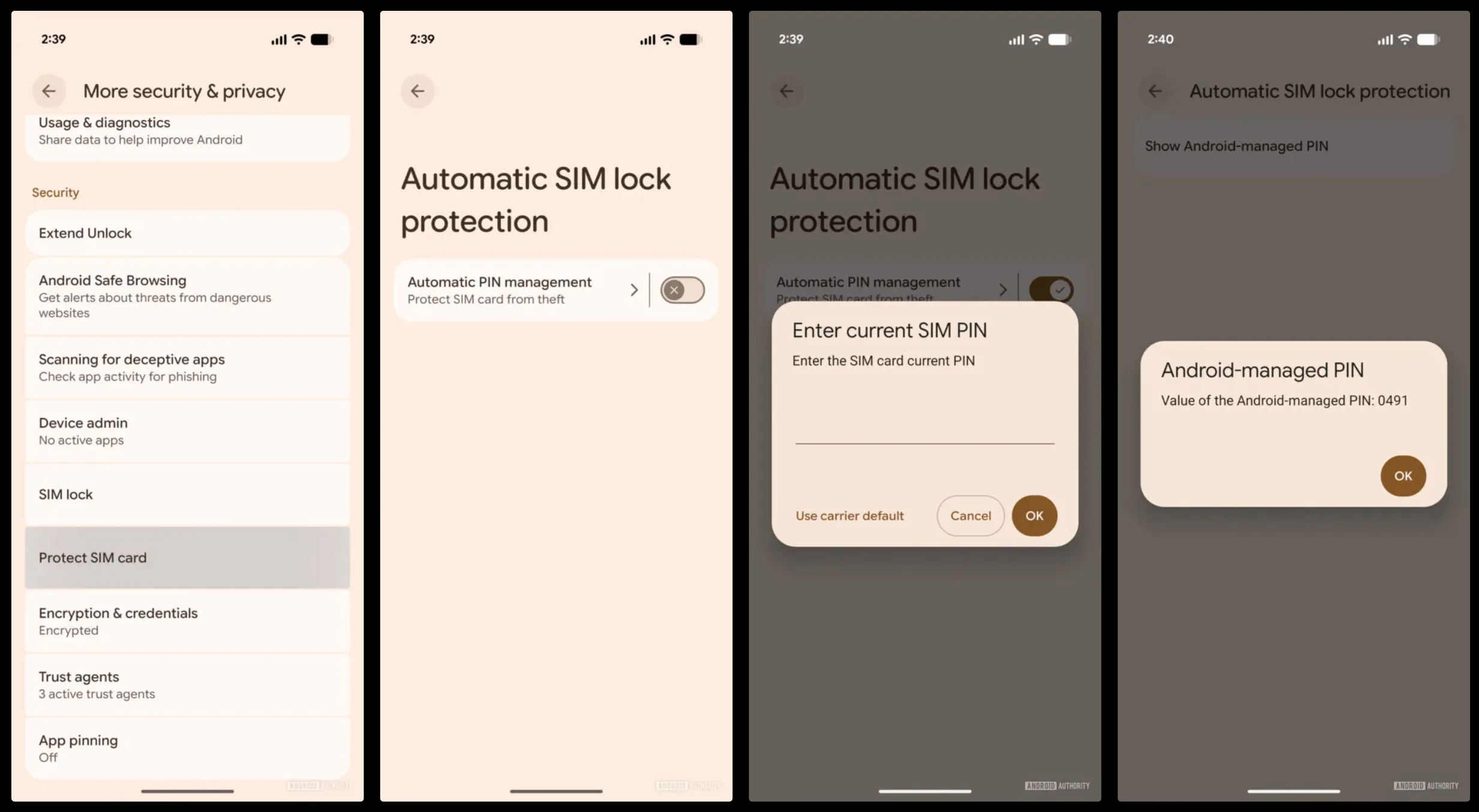
To set up the new feature, you enable Automatic PIN management, confirm your identity with your passcode or biometrics, and then enter your SIM’s current PIN. If you have not set one, you can use your carrier’s default code, which is usually something simple like 0000, 1111, or 1234.

Advertisement

You can find it by heading to Security and Privacy, > More security & privacy > Protect SIM card. You can also view the stored PIN inside the settings by using the ‘Show Android managed PIN’ option.

Once this is done, Android takes over. When you restart your phone and unlock it, the system automatically enters the SIM PIN for you.

Why does this matter?

The biggest issue with SIM PINs has always been convenience. You are already juggling multiple passwords, so remembering another code feels like a hassle. Automatic SIM lock protection removes that burden while keeping the protection in place.

Importantly, the SIM PIN still works as intended if your card is moved to another phone. In that case, the PIN must be entered manually, which helps protect your number from misuse in case of theft.

That makes this feature especially useful if you are worried about someone accessing your calls, messages, or two-factor authentication codes. It is a small change, but one that could make SIM level security more practical for everyday use.

Advertisement

Source link

Continue Reading

Tech

Android Finally Has A True Competitor To Apple’s iPad Pro

Published

on


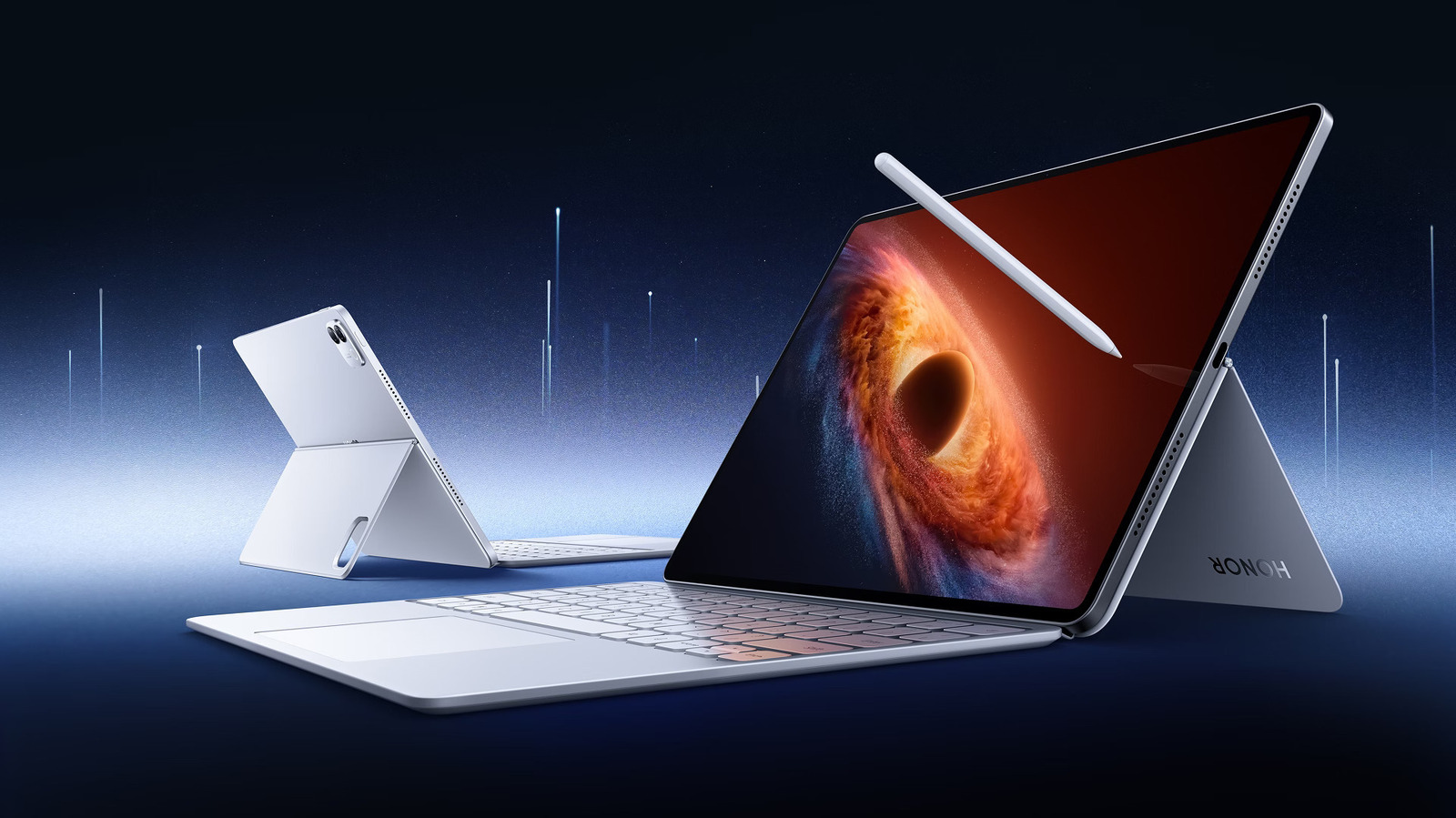
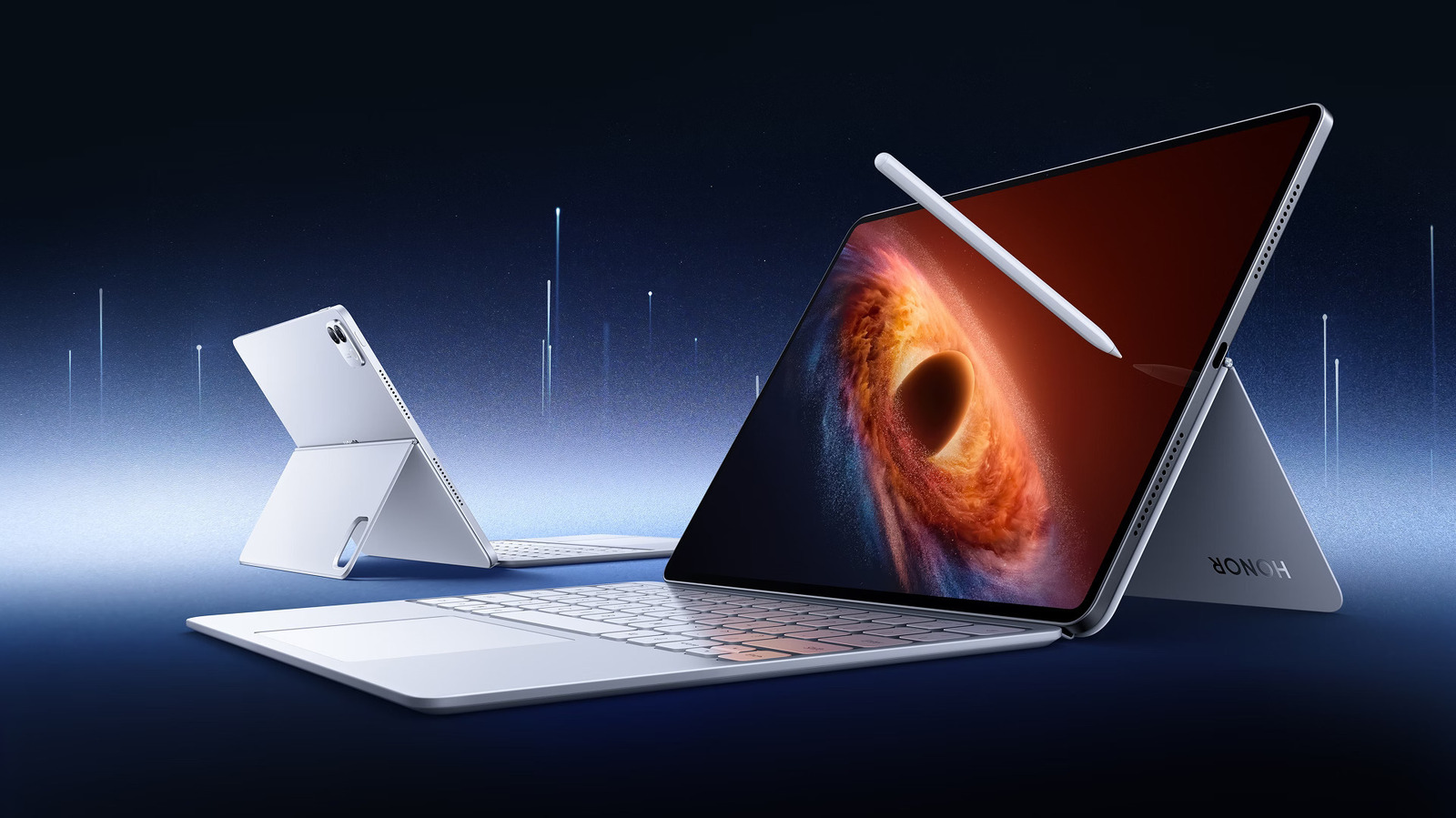
With a little over 50% share of the worldwide tablet market, Apple — with its formidable lineup of iPads — dominates the segment by a considerable margin. The only semblance of competition comes from Samsung, which has a respectable 26% share. The rest of the space in the tablet market share pie is taken up by players like Amazon, Xiaomi, Huawei, Lenovo, and Acer — all of them accounting for considerably less than 10% of the market. Honor is another company that regularly makes it onto the list, thanks to its decent lineup of affordable and mid-range tablets, though the company has been trying its hand in the premium tablets space for a while now, and its latest flagship grade tablet — the Honor MagicPad 4 — is the newest culmination of that effort, and succeeds last year’s MagicPad 3.

The Honor MagicPad 4 was unveiled a few weeks ago at MWC 2026, and has since then gone on sale in several markets globally. While not officially available in the U.S., it has grabbed the attention of tech enthusiasts and general consumers thanks to its impressive spec sheet. 

Advertisement

In several aspects, it even tops flagship offerings from Samsung and Apple. That’s why the MagicPad 4 is being touted by many as being a “true” Android-based competitor to the iPad Pro. In fact, a quick look at the spec sheet of the product would almost make it seem like the MagicPad 4 was designed from the ground up to topple the iPad Pro in terms of hardware specs. And the surprising thing is that Honor has almost managed to do that.

Advertisement

Honor Magic Pad 4 vs Apple iPad Pro: How the specs square up

When launched in October 2025, Apple touted the new M5-powered iPad Pro as one of the thinnest tablets ever. The 13-inch model was just 5.1mm thick at the edges. The Honor MagicPad in comparison is 4.8mm thick making it substantially thinner than the already thin iPad Pro. With its 12.3-inch display, it is a little over a half inch smaller than the 13-inch iPad Pro. As for display specs, the MagicPad 4’s 3,000 x 1,920 pixel OLED display offers a peak brightness of 2,400 nits, and claims a higher refresh rate (165Hz). In comparison, the iPad Pro gets a 2,752 x 2,064-pixel OLED panel that has a lower peak brightness value of 1,600 nits. The Honor also gets a higher screen-to-body ratio.

The Honor MagicPad 4 is powered by the Snapdragon 8 Gen 5 chipset, which is among the latest and most powerful SoCs currently available for Android based devices. That being said, the iPad Pro — which is powered by Apple’s self-designed M5 chip — finds itself in a performance league of its own. In terms of sheer performance, the M5 chip leaps ahead of the current Qualcomm offering. However, given that the MagicPad 4 is already equipped with the best available Android offering, this is more of an ecosystem restriction than a vote against the product itself.

In terms of camera specs, the iPad gets by with a single 12MP camera at the rear with 4K video support, and a 12MP selfie camera. The Honor’s camera setup includes a 13MP rear-facing camera with 4K video support (limited to 30 fps) and a 9MP selfie camera.

Advertisement

Honor tries hard, but Apple wins the ecosystem battle

There is no doubt about the fact that the Honor MagicPad 4 is a commendable effort from the Chinese consumer electronics manufacturer. Not only does it comfortably match the iPad Pro in several aspects, it actually does several things better. Like Apple, which touts support for the Apple Pencil as a revolutionary feature, Honor has its own stylus called the Honor Magic Pencil 3. The company offers consumers the option to bundle the aforementioned pencil along with Smart Keyboard at the time of purchase. The battery capacity is almost identical to that of the iPad, and at 450g, it is considerably lighter, and therefore easier to carry around.

Nevertheless, despite “losing” to the MagicPad 4 in some aspects, the iPad Pro will remain an overall better product for most people. And it all boils down to the fact that the iPad Pro will almost instantaneously become part of an existing Apple ecosystem. Honor has no such ecosystem pedigree to boast of, and despite excelling as a standalone device, its success is constrained by the weaknesses of Android as a platform and Honor as a brand

Advertisement

The Honor MagicPad 4 is already on sale in several countries across the globe, but isn’t available in the U.S. Offered in 12GB RAM + 256GB storage and 16GB+512GB options, UK prices start at £599.99 ($800), going up to £699.99 ($940) for the 512GB option. Additional purchase options include an Honor MagicPad 4 keyboard as well as the Honor Magic3 Pencil which cost an additional £31 each.


Advertisement

Source link

Continue Reading

Tech

User Repair Of A Not User-Repairable Victron CCGX Issue

Published

on

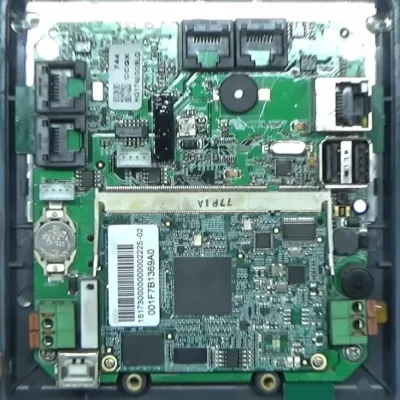
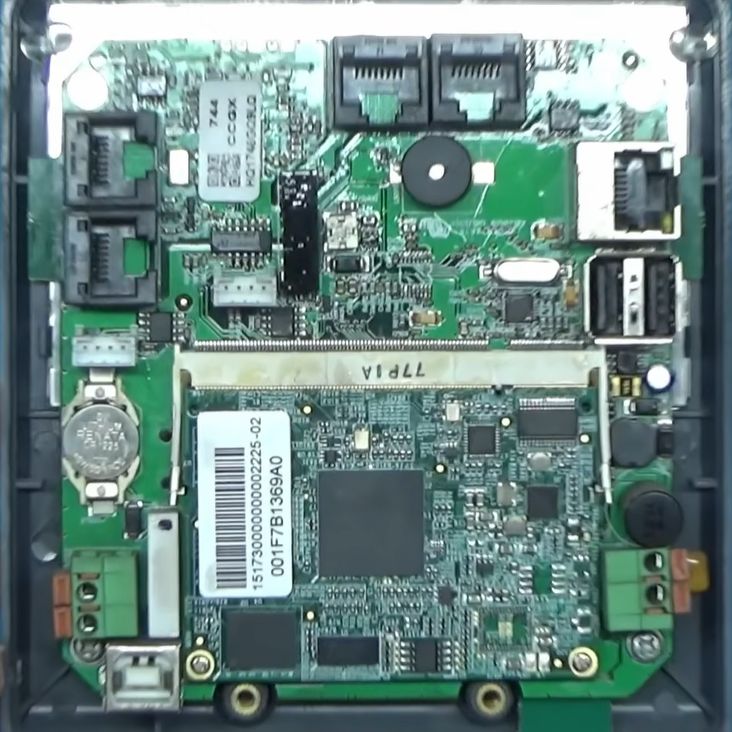
Power banks come in many sizes, and those that target construction sites are probably among the largest. The massive four ton unit based around lead-acid batteries which the [Buy it Fix it] YouTube channel got handed is a good example. Inside it are Victron CCGX inverters among a lot of other Victron electronics, with the control panel for the system throwing up an error that was deemed to be not user-serviceable. Naturally, this makes for a good challenge.

The exact error as thrown up on the central control panel is error #42, indicating a storage corruption issue on the device. According to the manual this means an issue with the internal flash memory that stores settings, serial numbers and WiFi credentials, requiring it to be shipped back to the manufacturer.

To further diagnose the issue, this Color Control unit was taken out of the power bank and coaxed onto a repair bench. This device has a whole host of Ethernet, CAN and other buses on the back, along with a USB host feature, but using the latter to reflash the firmware made no difference. Fortunately it’s just an embedded Linux system running on the System-on-Module and gaining remote SSH access was a snap due to easy root access.

Advertisement

Interestingly, running a diagnostic on the flash IC showed it to be still in good condition. Instead an ECC issue was logged that caused it to be marked as bad. This seems to have been due to the flash IC requiring 4 bits of ECC per 528 bytes, but the software using only a single bit. After reformatting and clearing the error it seems to have fixed the issue. Apparently it was just a weird configuration error that soft-bricked the device, raising the question of how that happened.

Advertisement

Source link

Continue Reading

Tech

OpenAI Plans to Combine Its AI Tools in a Desktop ‘Superapp’

Published

on

OpenAI is working toward creating a desktop “superapp” that will consist of its three tools: ChatGPT, the coding platform Codex and the Atlas browser, according to a report by The Wall Street Journal. OpenAI executives said the goal behind this new desktop app is to improve the user experience.

AI Atlas

The move comes after the Journal reported earlier this week that OpenAI CEO of applications Fidji Simo told employees the company wanted to focus on its core business instead of side projects.

In a Thursday memo to staff reported by the Journal, Simo, who leads development of the new app, said the company was spreading its “efforts across too many apps and stacks, and that we need to simplify our efforts.”

Advertisement

ChatGPT is the signature chatbot from OpenAI, Codex is a coding platform designed for software developers, and Atlas is the AI-first browser from the company, which acts like a traditional internet browser, but with ChatGPT as an assistant.

(Disclosure: Ziff Davis, parent company of CNET, in 2025 filed a lawsuit against OpenAI, alleging it infringed Ziff Davis copyrights in training and operating its AI systems.)

By creating a single app, OpenAI hopes to better compete with rivals like Anthropic. Responding to the Journal report in a post on X, Simo said the move is intended to build on the recent success of Codex, a competitor to Anthropic’s Claude Code.

“Companies go through phases of exploration and phases of refocus; both are critical,” Simo said. “But when new bets start to work, like we’re seeing now with Codex, it’s very important to double down on them and avoid distractions. Really glad we’re seizing this moment.”

Advertisement

A representative for OpenAI did not immediately respond to a request for comment.

Earlier this week, OpenAI announced its new GPT-5.4 mini and nano, smaller and faster versions of its ChatGPT 5.4 model. These coding models also highlight the company’s focus on supporting coders and enterprises instead of dabbling in various projects.

Source link

Advertisement
Continue Reading

Tech

This Compact Bose Soundbar Is $80 Off

Published

on

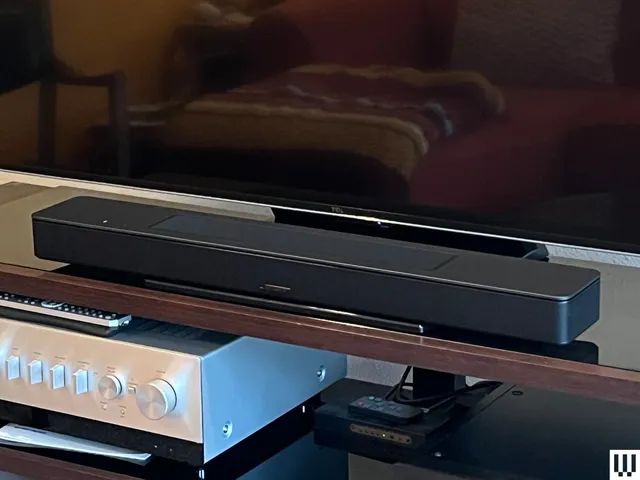
If you’re looking for an upgrade to your home audio, but you don’t have a lot of room to spare, the Bose Smart Soundbar is an excellent option. Normally $499, it’s currently marked down to just $419 on Amazon. With full Dolby Atmos spatial audio, a unique musical profile, and all the features you’d expect from a modern soundbar in a small package, there’s a reason it’s our favorite compact soundbar.

Bose Smart Soundbar, a long narrow black device, sitting at the base of a large flatscreen tv

The biggest selling point here is the design. The Bose Smart Soundbar has an impressively small footprint, perfect for apartment-sized entertainment centers and cramped living rooms. It’s just 2.2 inches tall, making it easy to slide under basically any screen, and its 27-inch width even makes it a viable option for smaller panels. There are a surprising number of speakers inside, including a pair of proper up-firing drivers, so you get real spatial audio and full Dolby Atmos support, something fairly uncommon for soundbars.

Despite the size, the Bose Smart Soundbar has a great audio profile and feature set that’s just as good as any full-size bar. It has a more musical quality than most, which works just as well for an action movie or catching up on your favorite show as it does for listening to some music while you hang out on the couch. If you have a pair of Bose Ultra Open Earbuds, you can even pair them up for a personal surround setup, a feature unique to the Bose.

If you often have trouble catching what characters are saying, there’s an AI Dialogue mode that boosts the clarity and volume of speech. It’s a feature we’ve seen on other soundbars, but it stands out here with its excellent implementation, bringing any dialog into sharp focus at the push of a button. You can really hear the difference when switching the feature on and off.

If you have a little more space under your TV, or you’re just curious what other options are out there, make sure to check out our full guide to the best soundbars. Otherwise, you can head to Amazon to grab the Bose Smart Soundbar for just $419.

Advertisement

Source link

Continue Reading

Tech

AMD releases Adrenaline 26.3.1 driver, adding FSR 4.1 support for Radeon RX 9000 GPUs

Published

on


FSR 4.1 builds on the FSR Redstone framework by enhancing image reconstruction quality, particularly in older games that natively support only lower-resolution input. It also delivers sharper visuals for machine learning – based upscaling, improving detail reconstruction and reducing artifacts in scenes with foliage and other fine textures. However, a…
Read Entire Article
Source link

Continue Reading

Trending

Copyright © 2025