Tech
Top phone brands should learn how to deck out a flagship without nuking our wallets

I’ve always had a soft spot for devices that lean heavily into one aspect as their main identity. From phones that aim to replace a dedicated camera to devices with batteries larger than some power banks, these products know exactly what they were made for. They do not chase the same all-rounder brief as a typical flagship.
The Red Magic 11S Pro is a great example of this. I’ve always had a soft spot for devices that lean heavily into one aspect as their main identity. From phones that aim to replace a dedicated camera to devices with batteries larger than some power banks, these products know exactly what they were made for. They do not chase the same all-rounder brief as a typical flagship.


The Red Magic 11S Pro is a great example. It drops all subtlety with RGB lighting, a visible liquid-cooling loop, a physical fan, and dedicated gaming performance modes. Underneath all that gamer excess sits one of the most capable hardware packages available on any phone.
$799 buys an outrageous amount of hardware

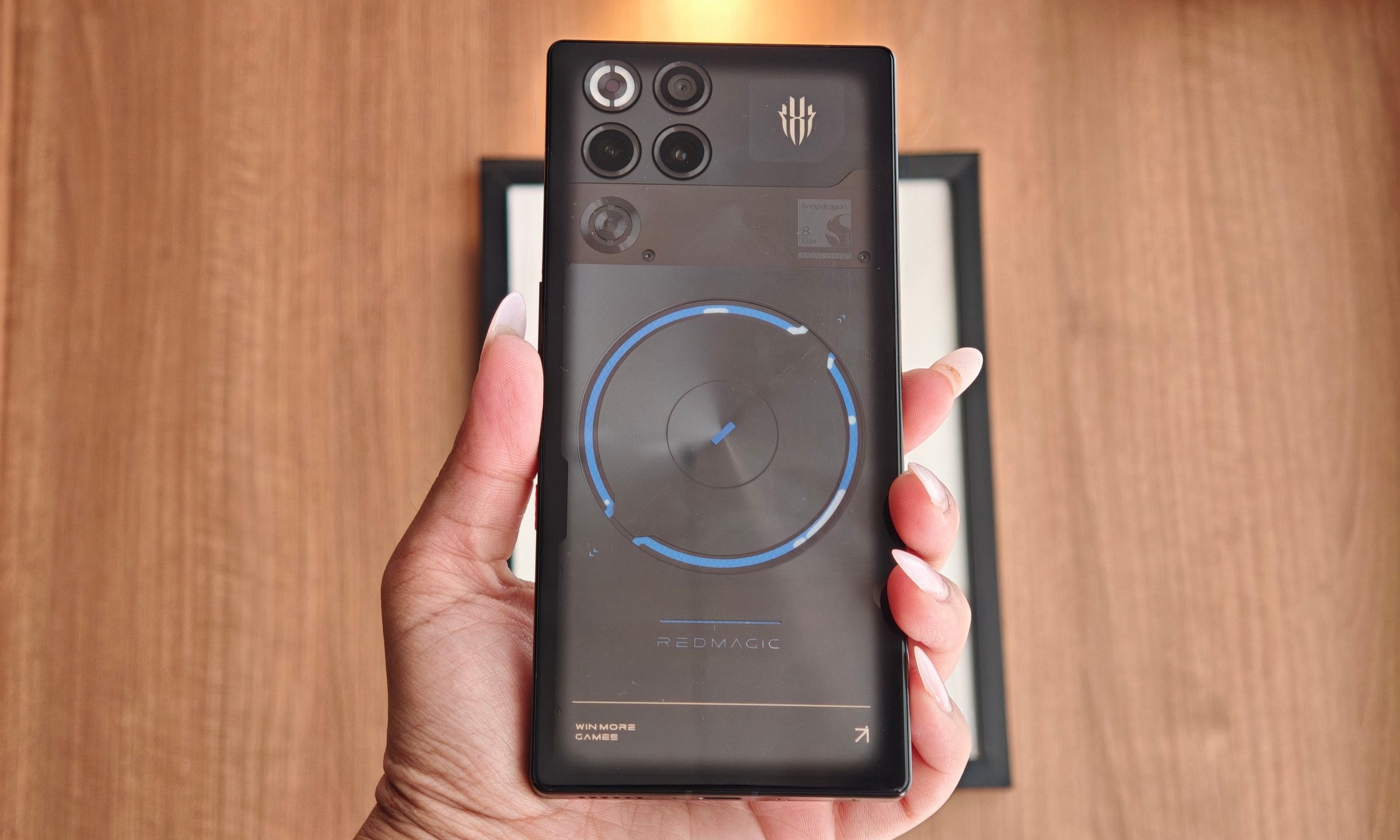
The Red Magic 11S Pro costs $799, which still puts it in premium territory. However, it sits hundreds of dollars below some mainstream flagships. That money goes toward a flagship processor, active cooling, a liquid-cooling system, shoulder triggers, a 144Hz AMOLED display, a 7,500mAh battery, and 80W wired and wireless charging. It also keeps the headphone jack, strong stereo speakers, and a charger in the box.
After reviewing this gaming phone, I kept wondering why more major brands do not take a similar approach. A heavily equipped phone can skip some prestige features and still deliver excellent hardware where its purpose demands it, along with sensible compromises elsewhere.


The Snapdragon 8 Elite Gen 5 Leading Version tore through Android games during my testing. It also gave me enough headroom to run Ghost of Tsushima Director’s Cut through GameHub, an experiment that reached more than 40fps after a bit of tweaking.
A large vapor chamber, liquid metal, an active fan, and flowing liquid cooling help sustain that performance. Most flagship phones still depend primarily on passive cooling, which can lead to performance dropping during longer gaming sessions. Vapor chambers are becoming more common on newer models, though their effectiveness varies between devices.
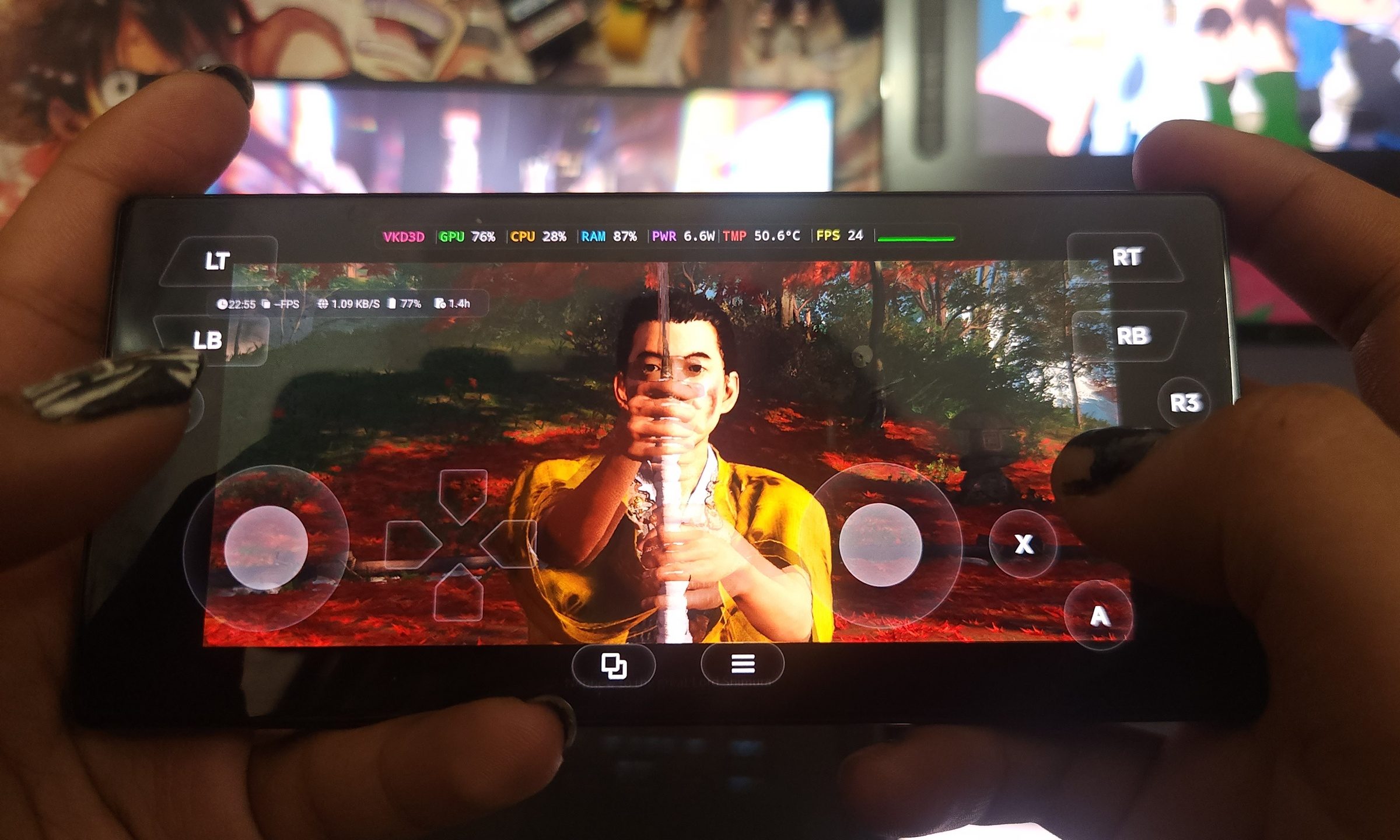
The rest of the specifications are similarly loaded. You get up to 16GB of fast memory, UFS 4.1 storage, a responsive 144Hz display, touch-sensitive shoulder buttons, and that massive 7,500mAh battery. Every part serves the same goal: running games quickly, at high frame rates, for longer periods.
Red Magic spends according to its priorities
Mainstream flagships have a much broader job description. They are expected to deliver premium materials, advanced camera systems, long software support, ecosystem integration, AI features, slim bodies, and broad carrier availability. In fairness, that is a difficult balancing act. It takes years of research, development, and impressive engineering to achieve what modern flagship phones can do.
Fitting every one of those goals into a single product also costs money. Buyers eventually pay for the entire checklist, even when their own priorities cover only a fraction of it. Red Magic takes a narrower approach. The 11S Pro concentrates its budget around performance, cooling, battery capacity, and gaming-focused hardware and software.
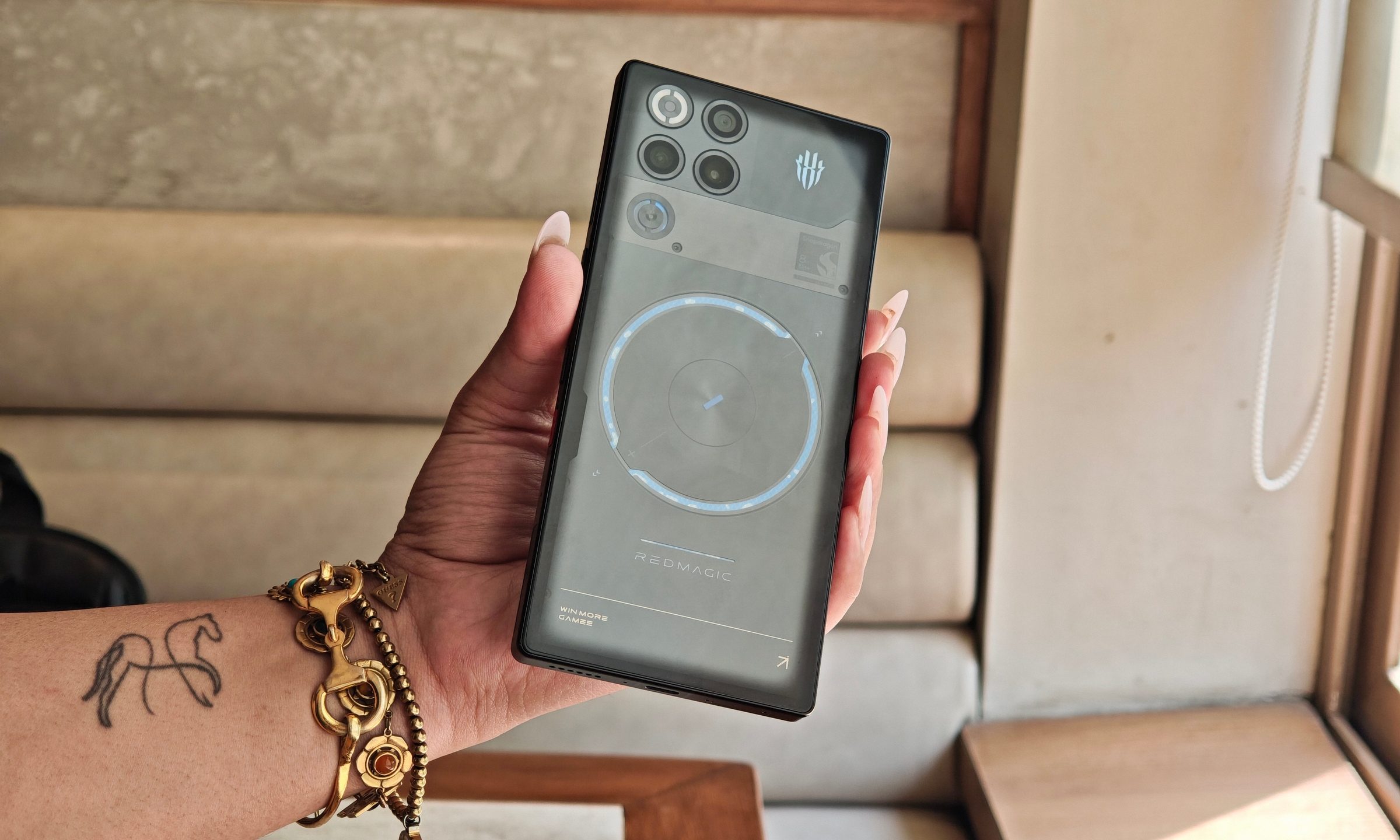
Even with that specialization, the phone’s versatility surprised me. The giant battery helps during gaming and regular daily use. Fast charging shortened the time I spent near an outlet, while bypass charging helped reduce the additional battery heat and stress created during longer gaming sessions.
The high-refresh display kept everyday navigation and gaming smooth and responsive. Performance was also one area I never had to worry about, regardless of whether I was playing a demanding game or simply moving through regular smartphone tasks.
The cuts are easy to spot, and somehow easier to live with
Reaching $799 requires compromises, and those cuts become much easier to accept when you know what you want from the device. The cameras land somewhere around midrange territory. Its 50MP main camera can take decent daylight pictures, and the ultrawide adds some flexibility. Photography-focused flagships still offer better processing, zoom, portraits, and low-light results. The under-display selfie camera also sacrifices image quality to preserve an uninterrupted screen.

Overall software polish trails behind the likes of Samsung and Apple. RedMagic OS has some rough edges, and the official support policy promises only two major Android upgrades. Major competitors now support their phones for considerably longer. The device is also large, heavy, and visually loud. There is no official dust-resistance rating, and a basic feature such as eSIM is missing.
But do any of these features really matter to someone just looking to game on their phone? I’ve met plenty of people searching for a phone that can run games reliably at high frame rates. This does not only apply to competitive shooters. There are huge audiences for MOBA titles such as Mobile Legends, along with demanding action games, emulation, and increasingly ambitious mobile releases.
Big brands could learn from specialization
Apple and Samsung do not need to build phones with RGB fans or shoulder triggers. The real trick is how well Red Magic allocates its budget. Many premium phones chase universal appeal, creating packed specification sheets and steadily rising prices. A clearer identity could give buyers more affordable options without reducing every component to midrange quality.

Imagine a creator-focused phone that spends heavily on cameras, storage, microphones, and display calibration while using a simpler design. Similarly, a battery-first flagship could trade an elaborate camera array for extreme endurance and faster charging. Even a compact performance phone could prioritize cooling and battery density.
Every model would make visible compromises. Buyers could then choose the expensive hardware that matches their actual needs instead of paying for a universal flagship package. In spite of all of its flaws, particularly around cameras and software support, the Red Magic 11S Pro never comes across as hollow or stripped down. Its extravagance stays focused on the areas that define it.
Give a phone a purpose, spend aggressively around it, and make cuts that don’t degrade the experience. A decked-out device can stay within reach when every dollar has somewhere useful to go.
You must be logged in to post a comment Login