

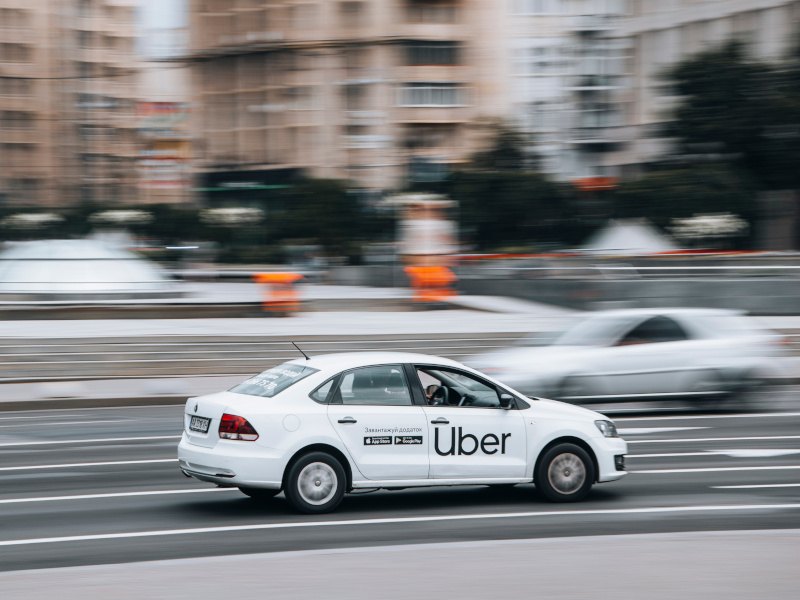
The company expects AVs to unlock a ‘multitrillion-dollar’ opportunity.
Uber said it will roll out autonomous vehicles (AV) in London, Madrid, Munich, Hong Kong and a number of US cities, including in California, as the ride-hailing platform eyes leadership in robotaxi services by 2029.
The announcement came alongside a reasonably strong quarter from the company. Revenue for Q4 2025 grew by 20pc to $14.4bn – though short of analyst expectations – while its consumer base grew to more than 200m monthly users completing more than 40m trips daily.
“We enter 2026 with a rapidly growing topline, significant cash flow, and a clear path to becoming the largest facilitator of AV trips in the world,” said Uber CEO Dara Khosrowshahi. The company expects AVs to unlock a “multitrillion-dollar” opportunity.
Uber currently operates its AVs in Abu Dhabi, Dubai and Riyadh, alongside US cities Atlanta, Austin and Dallas. It reported that AV operations in Austin and Atlanta are among its fastest-growing areas in the US.
The expansion marks Uber’s full entry into Europe and Asia with its self-driving taxis. An Uber spokesperson told Bloomberg that the company will partner with previously announced technology providers.
Uber has existing partnerships with the US’s May Mobility, Lucid, and Nuro, China’s Baidu and WeRide, and the UK’s Wayve to test and deploy AVs across metropolitan areas worldwide. It also works with Nvidia – which recently unveiled open-source AI models for self-driving vehicles – to develop the tech behind its robotaxis.
Uber benefits from its established identity as a ride-hailing service provider, but it faces competition in the AV space. Earlier this week, self-driving car company Waymo announced a $16bn funding round, taking it to a $126bn valuation. It plans to grow its services within the US and expand internationally to 20 new cities, including London and Tokyo.
This came after a San Francisco power cut last December shut down Waymo cars in the city, causing gridlock.
Meanwhile, Tesla reported a quarterly revenue drop of 3pc, the first time it has ever reported a revenue decline. The company has been slow to experiment with self-driving taxis, launching a pilot service in Austin last year complete with human safety supervisors. Last month, the company said that it had removed some of the supervisors from its Austin fleet.
Don’t miss out on the knowledge you need to succeed. Sign up for the Daily Brief, Silicon Republic’s digest of need-to-know sci-tech news.
You must be logged in to post a comment Login