Tech
Unitree H1 Humanoid Robot Sets Fresh Mark By Sprinting At 10 Meters Per Second

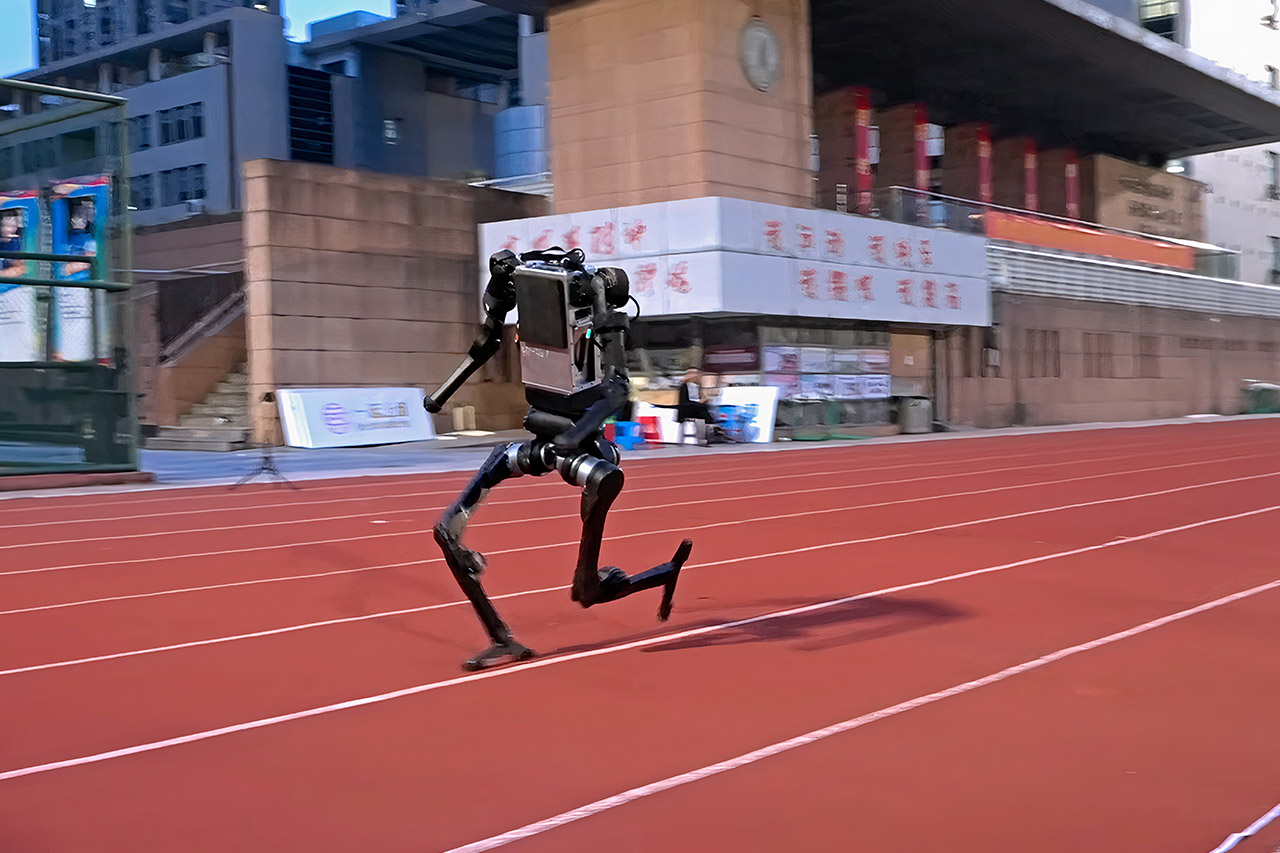
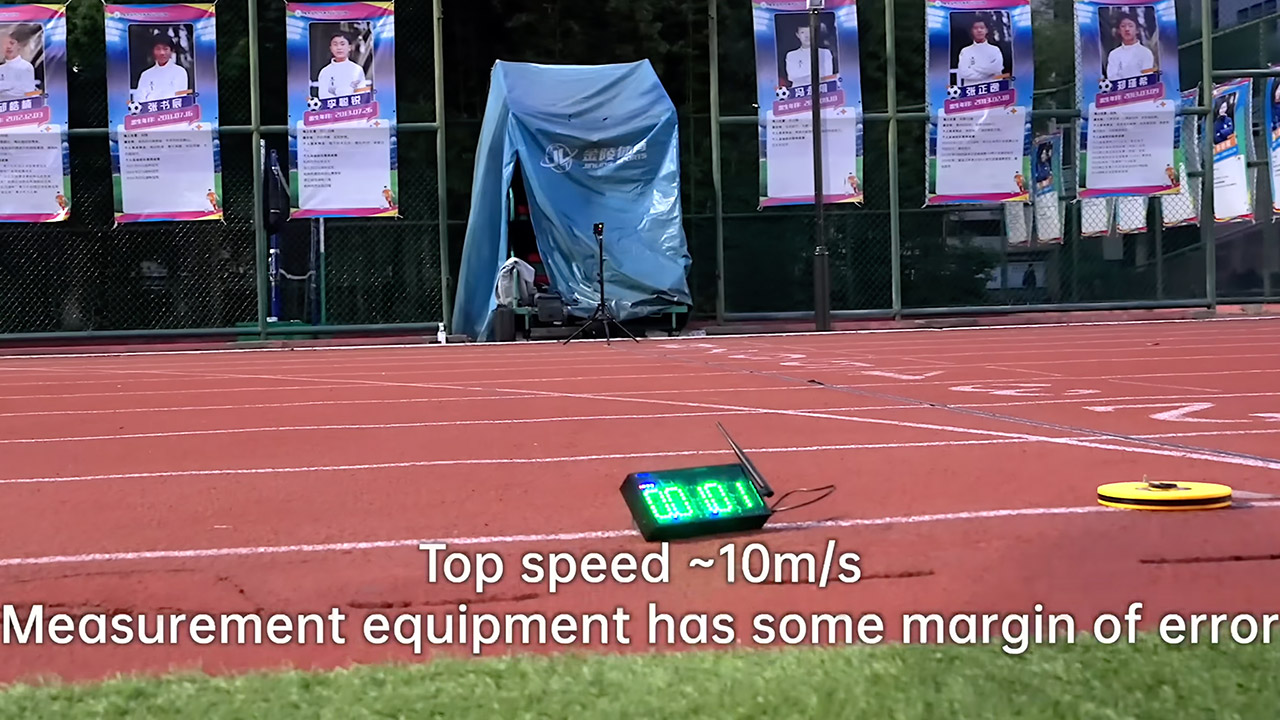
In the company’s most recent video, Unitree’s H1 humanoid bot is seen speeding down a typical athletic track and passing a speed sensor at a scorching 10 m/s (22.3 mph), with an error margin of up to 10.1 m/s. His average speed was close to the 200-meter sprint record (23.3 mph) that Usain Bolt achieved in 2009.


The company’s employees insist that although the H1 is nearly identical to human proportions and build, it can compete with the best athletes in the world. How so? The H1 weighs a comparatively trim 62 kilograms and has a total thigh and calf length of 80 cm.


Unitree G1 Humanoid Robot(No Secondary Development)
- Sleek & Durable Design: Standing at 132cm tall and weighing only approx. 35kg, the G1 is constructed with aerospace-grade aluminum alloy and carbon…
- High Flexibility & Safe Movement: Boasting 23 joint degrees of freedom (6 per leg, 5 per arm), it offers an extensive range of motion. For safety, it…
- Smart Interaction & Connectivity: Powered by an 8-core high-performance CPU and equipped with a depth camera and 3D LiDAR. It supports Wi-Fi 6 and…
To be honest, the person recording from the side appeared to be working far harder than the robot, yet the H1 just powered through the short run without even requiring any cables or support to stay upright. However, it’s important to remember that even the initial iterations of this platform were already pushing the boundaries; in 2024, for example, it was still the fastest full-sized humanoid in existence, reaching a speed of 3.3 meters per second.
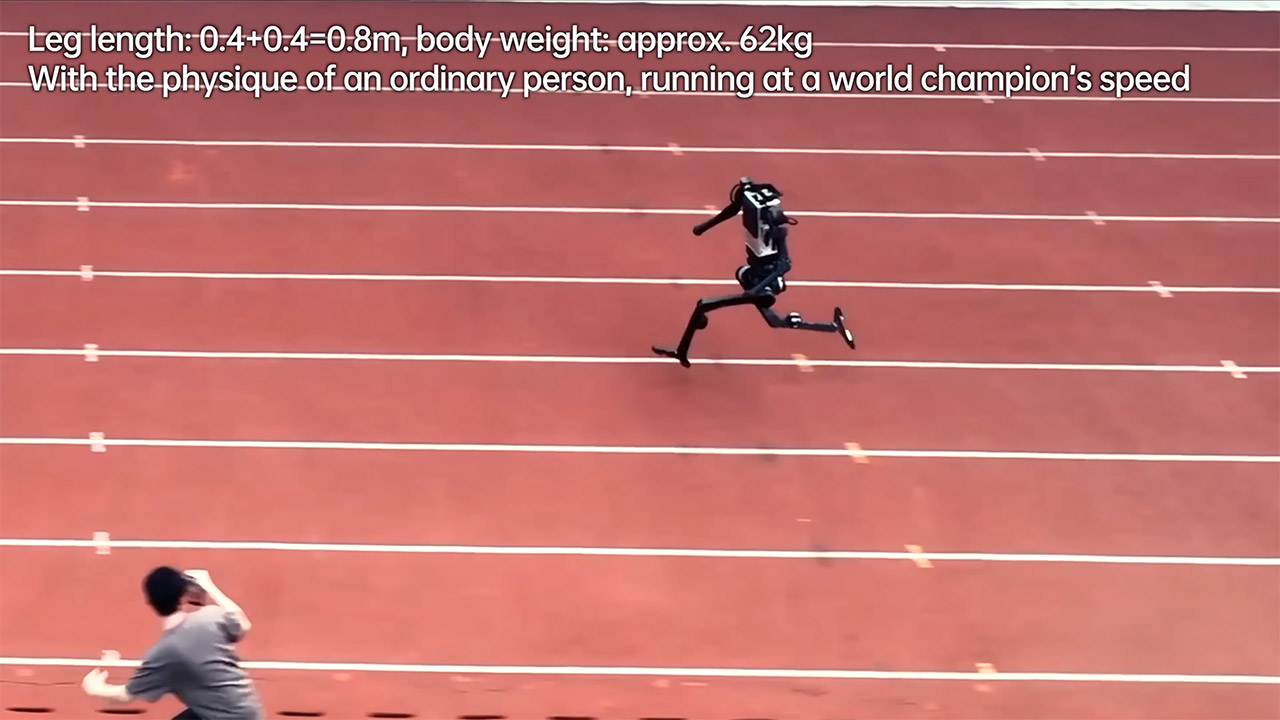
High torque motors that Unitree really designed in-house and a fairly ingenious gear arrangement make up the H1’s propulsion system. Each leg contains five independent joints to offer it some degree of movement flexibility, and each arm has an additional four joints for good measure. With a depth camera and a 3D LiDAR unit that allows it to instantly adjust its footing by getting a real-time reading of the ground beneath it, this device has it all. The entire device is powered by a quite good 0.863 kilowatt hours and a 15 ampere hour battery.

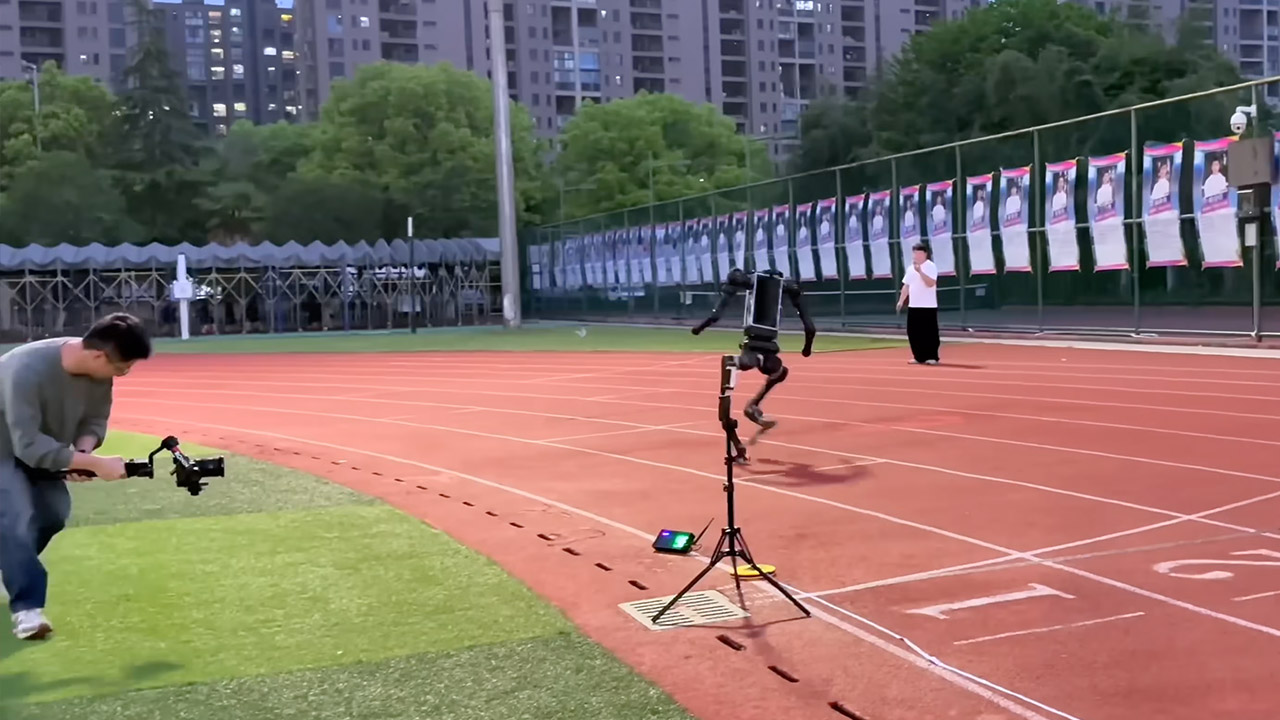
All of this follows other humanoid speed tests that have recently appeared everywhere. However, a few months ago, at last year’s Humanoid Games, another machine kind of stole the show when it won the 100-meter event with a respectable time of 21.5 seconds—quite amazing. A short while later, another Chinese team reached a max speed of 10 meters per second.
Unitree’s founder stated that he expects a humanoid to race around the 100-meter track in less than ten seconds in a year. However, they will need to continue refining the balance system, strengthening the joints, and enhancing the control software in order to achieve that breakthrough. It’s not bad that the most recent run provides you a decent picture of how far these systems have come even in a very short amount of time; every little adjustment helps the robot manage its leg swings a little bit quicker without face planting or tripping over.
[Source]
You must be logged in to post a comment Login