Tech
Using Camera Noise to Build a True Random Number Generator Isn’t Easy, But Possible

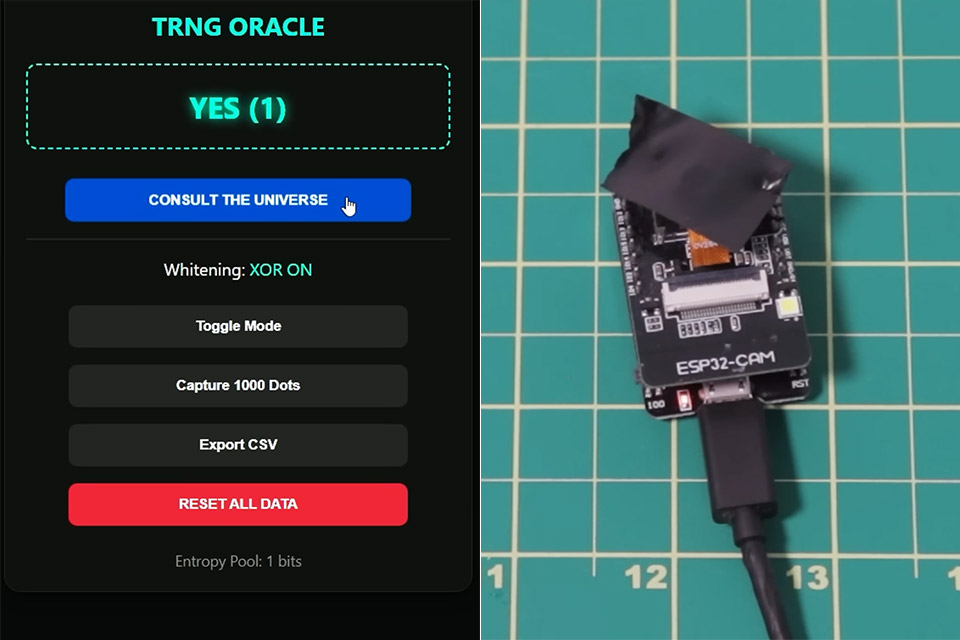
Since the power of a true random number generator comes from the actual unpredictability of the physical world, software equivalents are simply constrained by patterns in the algorithms they employ after the starting point is known. Hardware techniques become somewhat more intriguing, utilizing chaotic phenomena such as quantum effects or thermal movements. One project just followed the easiest route, extracting randomization directly from a camera sensor’s noise.


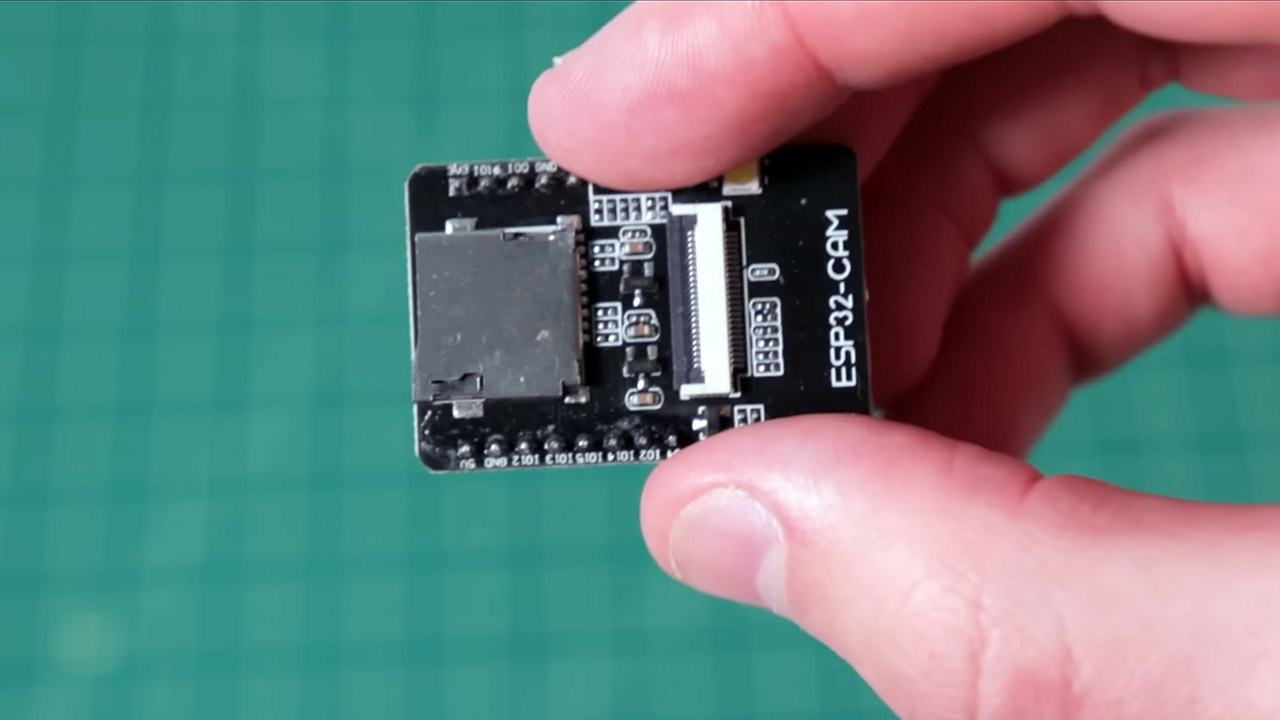
YouTuber “Maker Theory to Thing” started by attachin an OV3660 camera module to an ESP32 microcontroller. Then, to totally block light, they placed a sheet of black electrical tape directly over the lens. The sensor is still able to detect minute changes even in almost complete darkness. Heat builds up and begins to jostle the electrons inside each pixel as the device heats up and operates, producing a variety of noise speckles across what should be a nice, even black picture.
He began by focusing on the least important aspect of each individual pixel after obtaining the raw pixel data from a few frames. That one bit would oscillate between a zero and a one, reacting excessively to even slight variations. They gather all of those bits and combine them into streams of lovely, unpredictable data because even a single electron moving from one place to another can tip it.
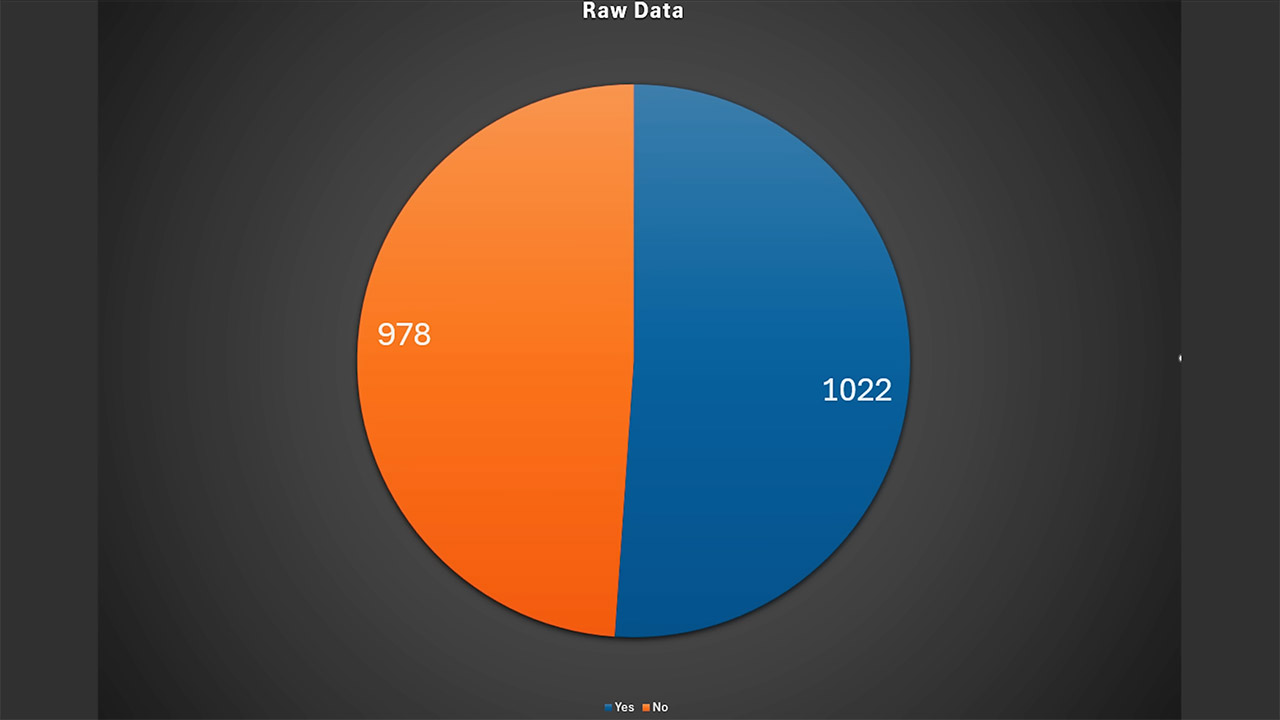
When he initially tested it, the findings weren’t very promising because there was a slight imbalance, with 51 percent ones and 49 percent zeros. As it happens, some of the camera’s pixels would remain fixed on the same value from frame to frame (due to dust, a scratch, or simply a manufacturing quirk somewhere along the line). Some predictable aspects would be added to the mix by those consistent pixels. They therefore devised a straightforward method for comparing the frames and eliminating the regions that remained unchanged. The distribution of ones and zeros became considerably closer to being lovely and even after that phase.

The results are collected and streamed over the air by the ESP32. Users can access a simple online interface and ask yes-or-no queries. When you press a button, you will receive a response from the noise-derived randomness. It’s much faster because everything stays local and you don’t require the internet. The camera’s ability to quickly scan across thousands of pixels is what gives it speed.

Though the real entropy comes from sensor noise in photos of the moving blobs, similar concepts have previously been applied, such as when Cloudflare employed lava lamps. While other builders used diode avalanche effects or optical mouse sensors, this version is notable for having fewer parts. Since no additional components produce the core entropy, a cheap ESP32-CAM board gets the job done.
Under controlled conditions, thermal noise in image sensors provides some fairly consistent unpredictability. Just be aware that bias may be introduced by light leaks or abrupt temperature changes, although this won’t be a problem if the lens is covered. All of the statistical checks verify that the output acts randomly, which is ideal for sporadic or experimental purposes.
[Source]