Tech
Webb Data Brings a Hidden Giant Planet Into View in the Beta Pictoris System

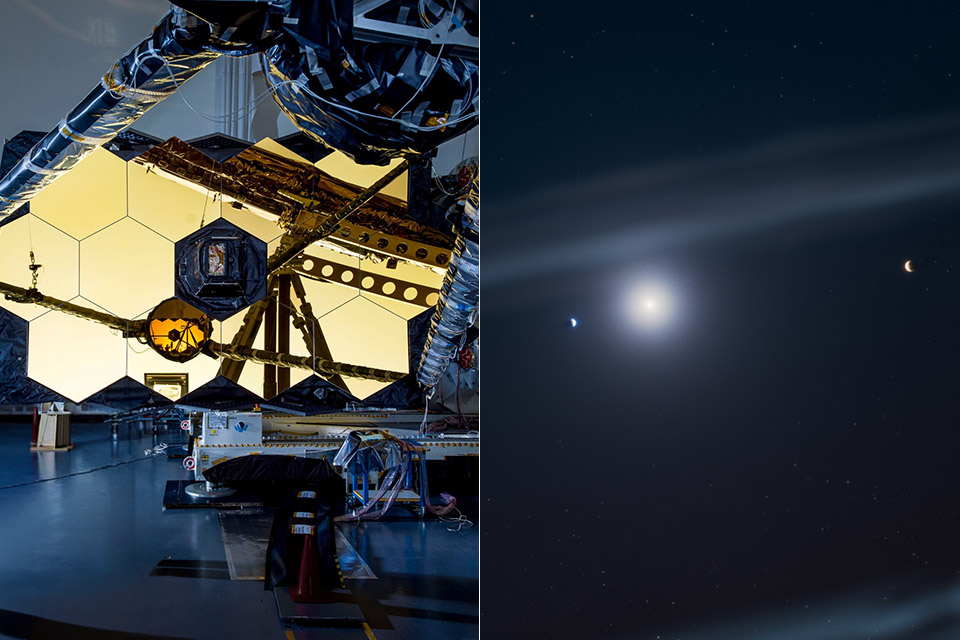
There has always been a lot of information that could be gathered from Beta Pictoris, which is the best place to learn about the formation of planets in our galaxy. It’s located just 63 light years away from us, and it was formed some 23 million years ago. There is a lot of debris material around this star, along with two heavy impacting planets.

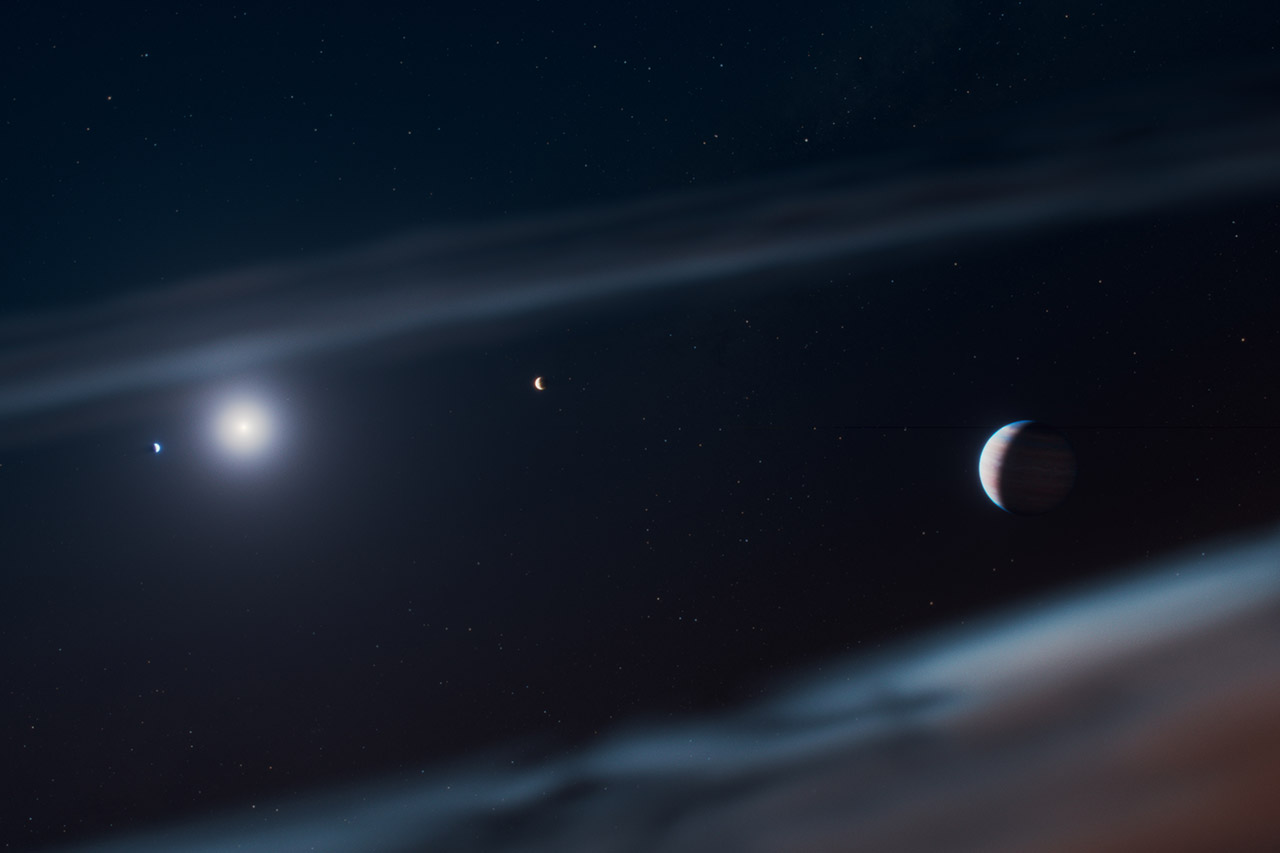
The James Webb Space Telescope was aimed at Beta Pictoris b, which is the innermost planet in this region. Scientists employed the NIRSpec integral field spectrograph for taking images of the sky region and the entire spectrum of it, hoping to study the gases around planet B. However, the results were not what they expected to see.


LEGO Technic NASA Artemis Space Launch System Rocket Building Toy for Boys & Girls – STEM Learning…
- BUILD AN OFFICIAL NASA ROCKET – Kids prepare to explore outer space with the LEGO Technic NASA Artemis Space Launch System Rocket (42221) building…
- 3-STAGE ROCKET SEPARATION – Young builders can turn the hand crank to watch the rocket separate in 3 distinct stages: solid rocket boosters, core…
- STEM BUILDING TOY FOR KIDS – This educational rocket kit was created in collaboration with NASA and ESA to showcase the authentic system that will…
As they were investigating one region of the disk where they expected to see a uniform light display, they saw a distinct pattern of absorption that shares a rather creepy similarity with carbon monoxide in the atmosphere of a planet, a uniform distribution of wavelengths, like some sort of clandestine message is being broadcast right under everyone’s nose, and was clearly more pronounced than the usual dust display. At a later date, they obtained spectra from the MIRI device on the Webb telescope, showing signs of water vapor and methane.
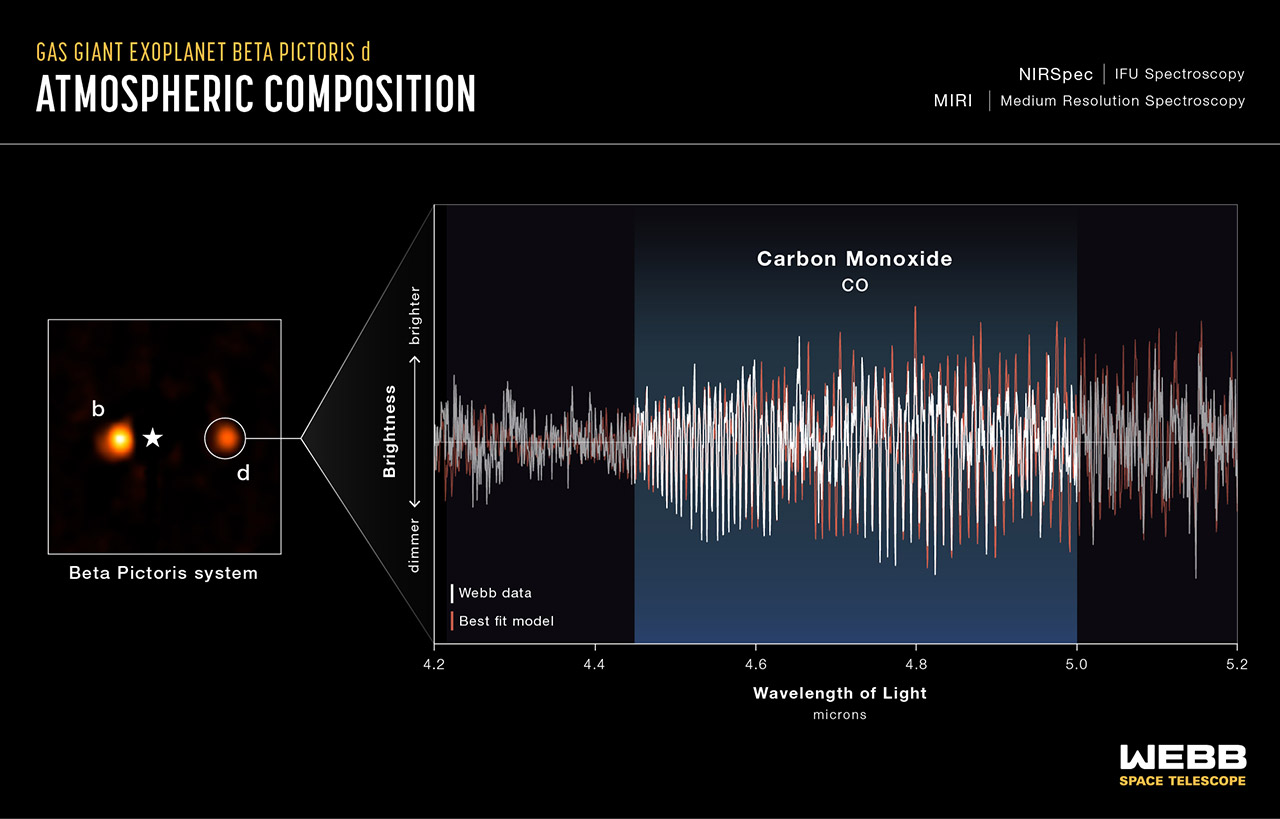
The team was then able to confirm the motion of the planet using the same data, by looking at how the lines were shifting, and that showed that the planet was orbiting around the sun in a plane similar to that of the two other bigger planets. This confirmation was achieved through the cooperation of the European Southern Observatory’s Very Large Telescope with the NIRCam on board the Webb space telescope

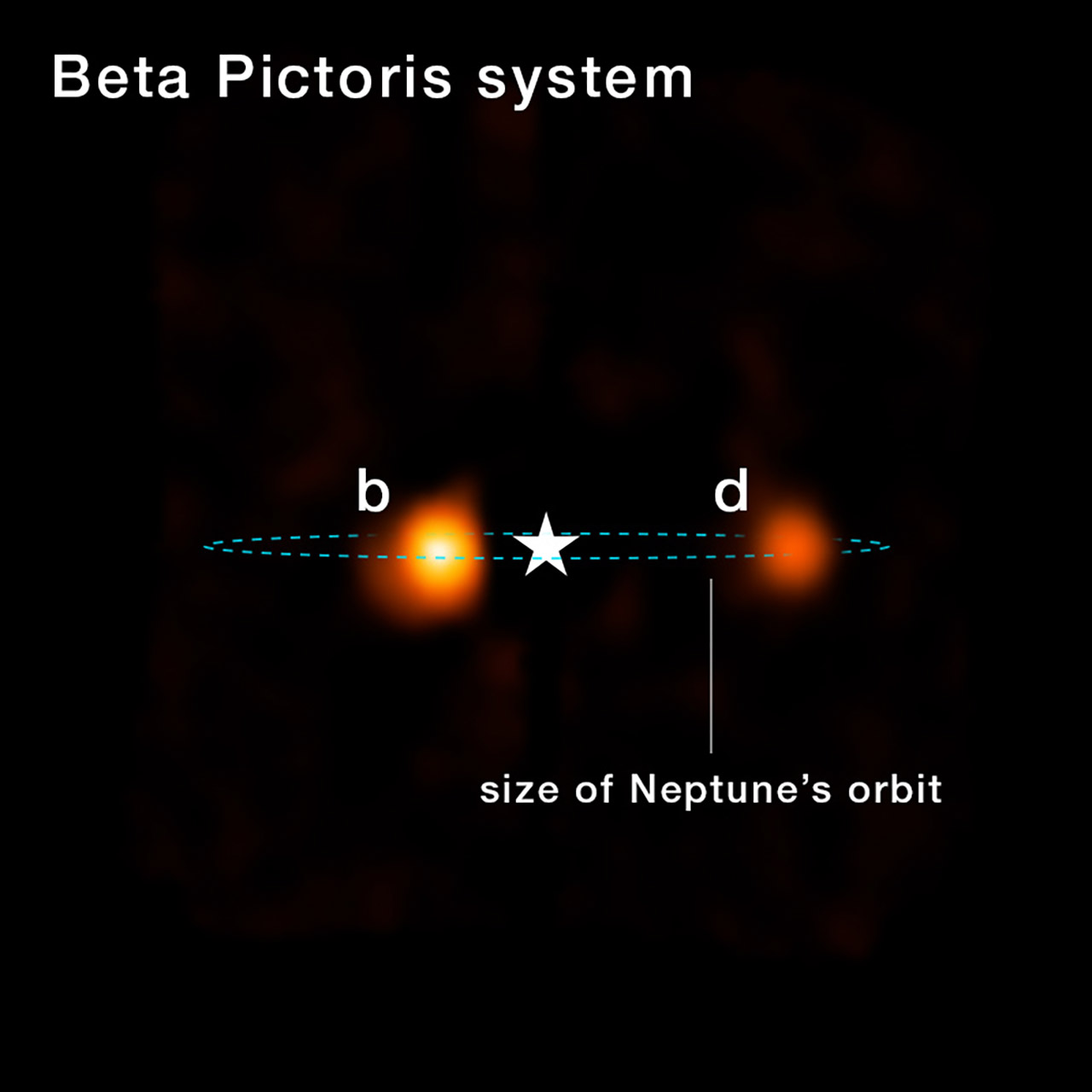
This particular planet has been named Beta Pictoris d because it is the smallest of the three planets that have been found until now. Being twice the size of Jupiter in terms of mass, it is indeed small, but then again it is a planet, and being at a distance 30 times farther from the sun than the Earth, it is quite far from the two other bigger planets, yet still inside the dust disk. This all results in the conclusion that as expected, this particular planet turned out to be everything we were hoping for.

You must be logged in to post a comment Login