Tech
What Are The 5 Ps For Pilots And Why Are They So Important?


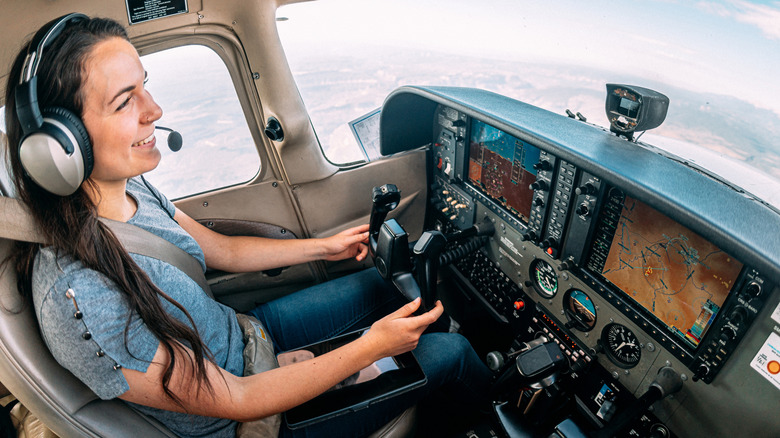
Safely piloting an aircraft requires training, skills, and experience. Take the 1500-hour rule for pilots for example, which requires those seeking to be licensed in airline transport to achieve a certain number of hours performing flights in different scenarios, totaling 1,500 hours. Even then, there’s still a number of factors to keep in mind, especially when you’re the sole aviator behind the controls. It’s for this reason, practices like the 5 P checklist are recommended as part of a successful single-pilot crew resource management (SRM) system.
The 5 P checklist is comprised of plan, plane, pilot, passengers and programming. Each one of these categories exist in order to help manage the level of risk for each flight. While on its face, the 5 P checklist seems fairly self-explanatory, going through each one helps to provide a thorough means of preparation and readiness. This isn’t something reserved for new pilots either, as repetitious checklists help even seasoned aviators ensure they’ve covered everything.
Each part of the 5 P checklist explained
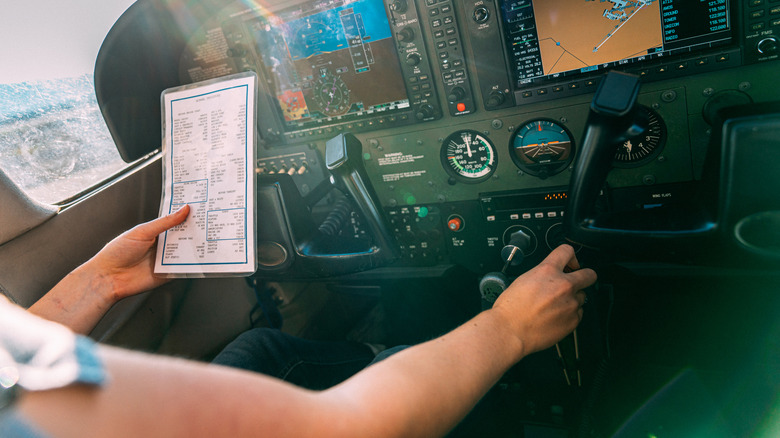
There should always be a plan in place, which takes into account specific aspects of the trip. Some things to consider include whether the destination airport has any of the runways shut down, alternate airports should a problem arise, current weather conditions, and contingencies in the event of an emergency.
Of course, the plane itself should also be subject to evaluation. Pilot’s must go through pre-flight checklists and consider the aircraft’s limitations versus the flight requirements. Double check that the plane is configured properly, such as the distribution of weight, which affects the aircraft’s center of gravity.
Pilots should be evaluating themselves as well, to ensure they aren’t contributing to risks. For example, a pilot’s health, mental state, and experience are crucial components of a safe journey. If a pilot has the flu, is highly fatigued or lacks specific knowledge relating to the flight, they can actively reduce the level of safety.
A pilot also can’t neglect their passengers, as this can lead to problems in the air. Explaining things like emergency procedures beforehand and what to anticipate during the flight can help limit risk and reduce stress in the passengers.
The last entry of the 5 P checklist is programming, which reminds a pilot to verify things like their route and navigation points in their GPS system. GPS is just one aspect of how pilots see at night, so it’s critical to verify the system is functioning properly.
The 5 P checklist is used throughout the flight
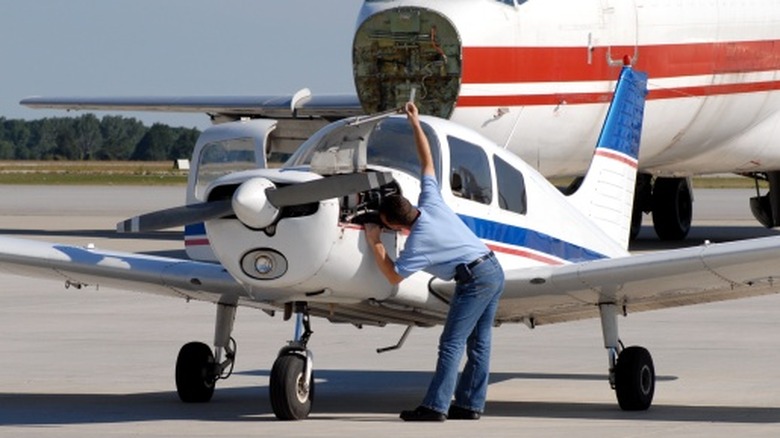
The 5 P checklist is something that’s employed not only before the flight, but throughout it as well. There are several different phases of a flight, and each one presents its own set of potential risks. Therefore, a pilot must reevaluate during each one of these phases, making choices to help reduce hazards and enhance safety.
These phases of a flight consist of pre-take off, navigating to the runway (taxiing), the plane lifting off the runway, gaining altitude, reaching cruising height for level flight, descending, and finally landing. During these phases some aviators employ procedures based off of FAA guidelines, like the 30/70 rule, which can make takeoffs safer.
Pilots don’t only rely on the 5 P checklist but also combines it with others like the PAVE checklist, which stands for the pilot in command, the aircraft, the environment, and any external pressures. So, if as a passenger you’ve ever wondered what the pilot is up to before and during a flight, it’s likely they’re running through some of these checklists among other responsibilities.
You must be logged in to post a comment Login