Tech
What Does ‘L’ Mean On An Automatic Gear Shift And When Should You Use It?

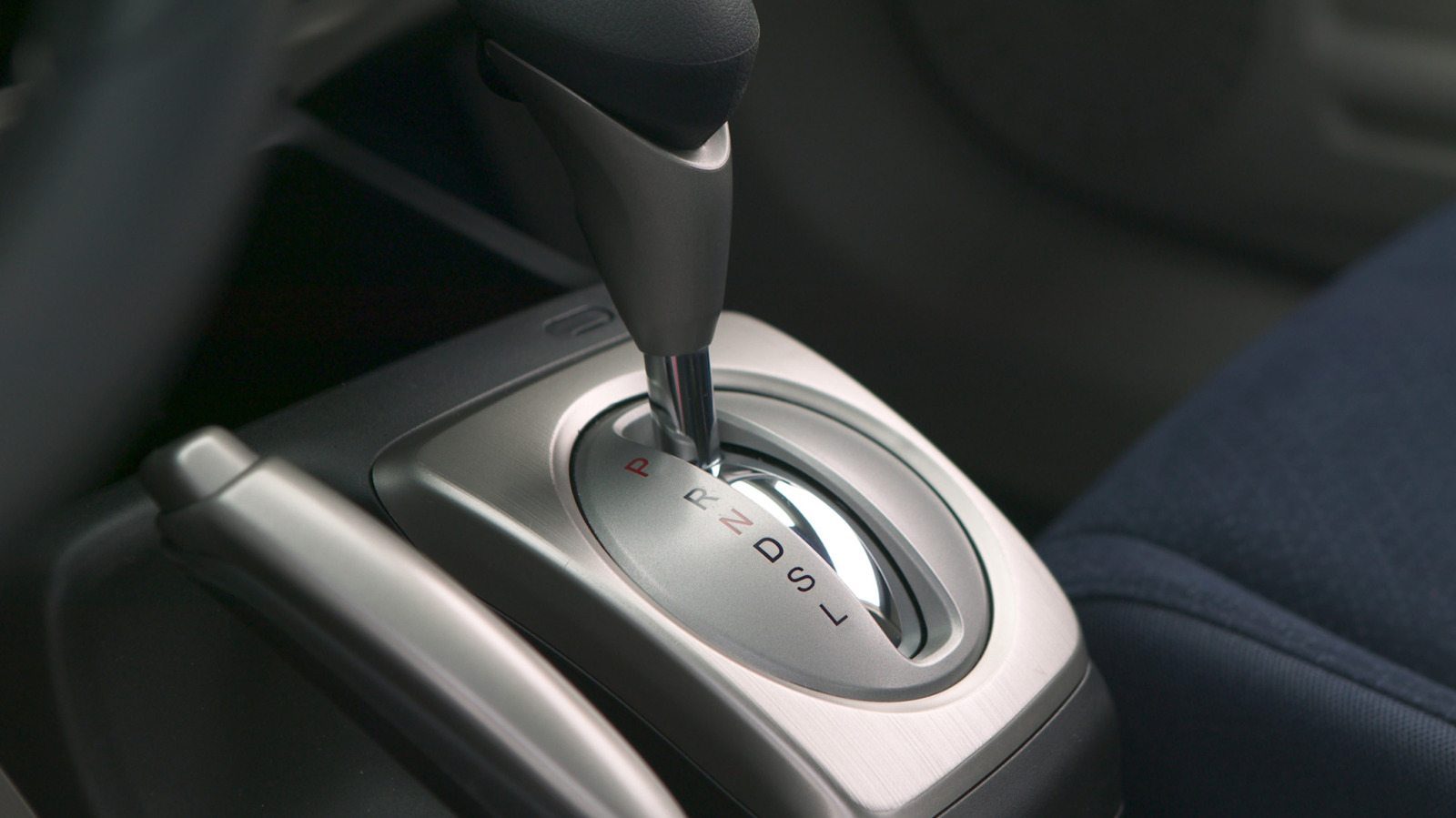

Chances are, you’ve looked at the gear selector in your car and realized that you know what P, R, N, and D stand for, but ‘L’ may not be familiar. You aren’t alone and there’s a good chance you’ve never used it, or at best you’ve shifted into “L” by accident, before throwing the selector back into drive.
Really, “L” refers to low gear. It allows your transmission to utilize more torque towards the lower end of the gearing. In practice, it often means restricting the transmission to stay in first gear (although some manufacturers use a different gear).
In the days of eight, nine, or even 10-speed automatic transmissions, “L” is still sometimes used, but in some cases, it has been replaced with a “+/-” or “S,” or “M,” indicating that you can manually select the gear you want. On sportier cars, the gear selection is done by paddle shifters behind the steering wheel.
When you need lower gears
Going back to the simple “L,” when is going into low gear needed? CarFax notes that going up a hill and going down a hill are times when shifting into “L” might help you out. The lower gearing helps your car attain and maintain enough torque to climb a steep hill. Additionally, while descending, it allows engine braking to take over, reducing wear on your brakes. It can also give you more torque for towing.
Modern automatic transmission are complex bits of machinery that give drivers a lot of flexibility when behind the wheel. Advanced, bleeding edge transmissions in new hybrids and mild hybrids even utilize the instant torque from an electric motor built into the transmission, like in the now-discontinued Jeep Wrangler 4xe giving the low gear more grunt. The electric motors in plug-in hybrids and electric cars do away with the need for selectable lower gear entirely. The motor decides for you.
Still, for people who like and drive older cars, there’s something nostalgic and even a little heartwarming about seeing “PRNDL” on a gear selector. There’s no mechanical wizardry involved.
You must be logged in to post a comment Login