


Connect with us
DAPA Banner

Tech

What The Air Force Changed (And Why It Matters)

Published

on


Since 2022, the Sikorsky HH-60W, dubbed the “Jolly Green II” (not to be confused with the much larger “Jolly Green Giant”), has been in service as the United States Air Force’s combat search and rescue (CSAR) helicopter. Its manufacturer, Lockheed Martin, claims that the HH-60W is the only helicopter made for the sole purpose of CSAR. 

That’s quite a claim, so what makes it different from the visually very similar UH-60 Black Hawk that’s been in service for decades? After all, the HH-60W borrows a lot from the platform. Aside from mechanical components, however, the similarities are little more than skin deep. 

What makes the Jolly Green II the perfect purpose-built CSAR helicopter? First, it’s built for survivability. It has chaff and flare launchers to thwart surface-to-air missiles and potential airborne threats, and it has tech onboard to warn the crew if the enemy is firing at it or has achieved missile lock. Additionally, the exhaust vents are configured in such a way that the infrared signature is less noticeable, according to the U.S. Air Force.That survivability is bolstered by the addition of mounted 7.62-millimeter rotary guns (also called miniguns) or .50 caliber heavy machine guns.

Advertisement

Bigger inside and easier to fly

The HH-60W has also been made better for the crew and overall usability. The avionics and navigation suite have been completely upgraded over the previous generation of search and rescue helicopters (called the “Pave Hawk”). It now has live map displays so crews can more easily navigate difficult terrain to find downed airmen or otherwise missing personnel. The interior cabin has been made larger for more crew space or to house extra medical equipment if needed. 

Advertisement

As for range, the HH-60W enjoys a much larger fuel tank compared to other Black Hawk variants at 644 gallons. The addition of a refueling probe for mid-air refueling gives the HH-60W the range it needs, at 690 miles, to make sure everyone gets home. 

Lockheed Martin says that it’s more aerodynamically capable than previous CSAR helicopters. The HH-60W Jolly Green II has a longer range, better tech, a bigger cabin, and more tricks up its sleeve to confound the enemy and bring people home from combat than a run-of-the-mill Black Hawk. 

Advertisement


Source link

Continue Reading
Click to comment

You must be logged in to post a comment Login

Leave a Reply

Tech

These are the best looks at the DJI Osmo Pocket 4P yet

Published

on

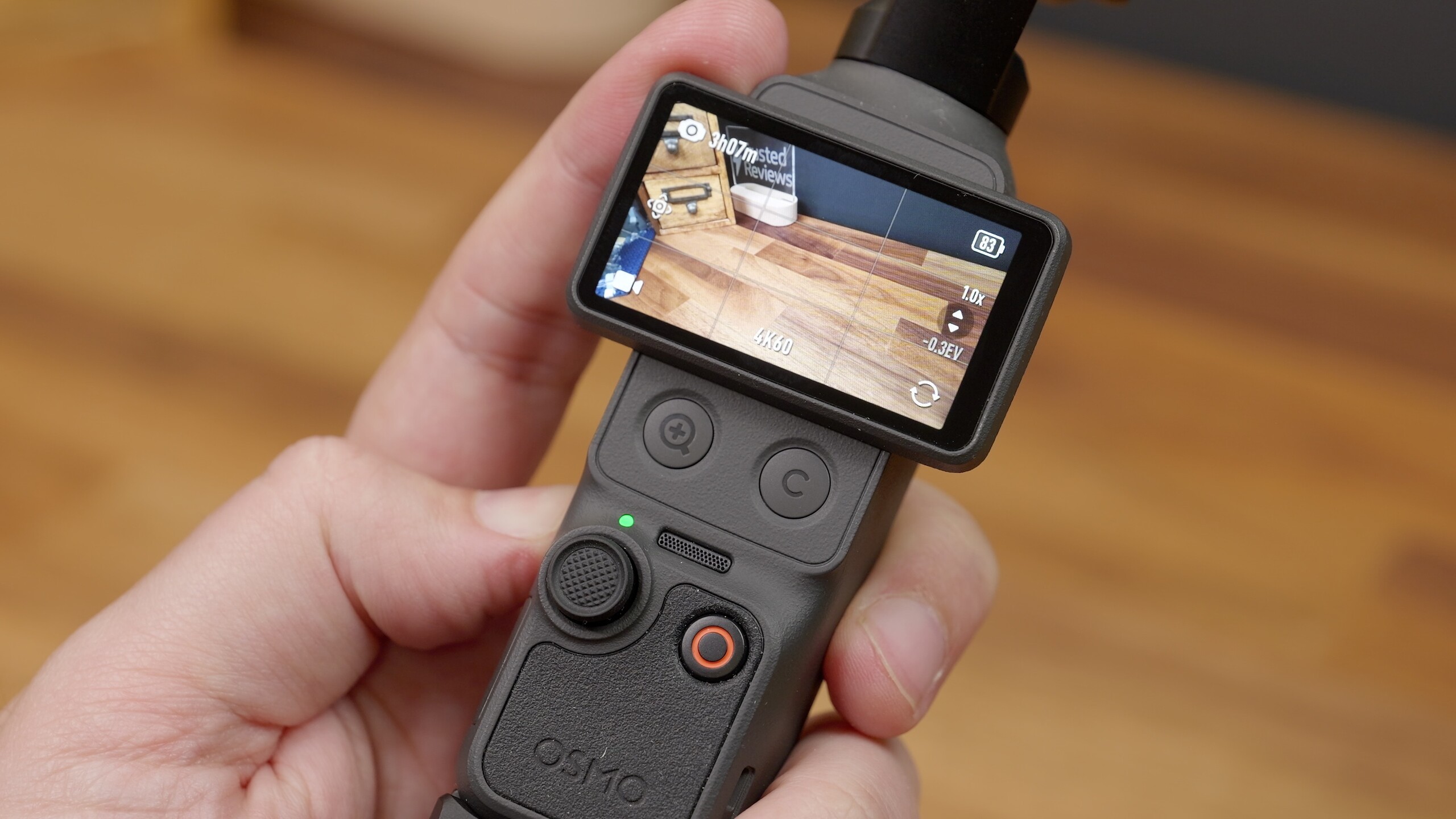
DJI’s first Pro-tier Osmo Pocket camera has surfaced in dozens of leaked images ahead of its official launch announcement, suggesting the company is already briefing influencers and press as part of a pre-release campaign for the Osmo Pocket 4P.

The images, reported by leaker Igor Bogdanov on X, show the Osmo Pocket 4P being tested alongside both the recently launched Osmo Pocket 4 and the older Osmo Pocket 3, offering a direct size and design comparison between all three generations of the compact vlogging camera line.

That side-by-side framing points to a marketing strategy built around showcasing the 4P as a step above the standard Osmo Pocket 4, which DJI released across most major markets last week as a direct replacement for the Osmo Pocket 3 at a retail price of $499.

The 4P is understood to separate itself from that standard model through a 1-inch primary sensor and a telephoto lens with 3x optical zoom, a hardware combination that would place it closer to DJI’s action camera range in terms of imaging capability than a typical compact vlogging device.

Advertisement

DJI has so far only officially acknowledged the Osmo Pocket 4P in China, though reports suggest the camera could reach the US market under a different brand name, a route the company has previously used to navigate regulatory restrictions on its products in that territory.

The Osmo Pocket 4P launch follows an unusually active stretch for DJI, with the Mic Mini 2, Osmo Mobile 8P, and two new Lito drones all arriving within the same period as the standard Osmo Pocket 4, reflecting a product pipeline the company appears to be clearing ahead of a broader summer cycle.

Advertisement

DJI has not confirmed pricing or a release date for the Osmo Pocket 4P in any market, though the maturity of the influencer testing phase, as seen in the leaked images, suggests an official announcement is unlikely to be far off.

Source link

Advertisement
Continue Reading

Tech

Researchers develop battery-free 3D-printed metal tags for smart tracking that use ultrasonic sound to record everyday actions

Published

on


  • Battery-free metal tags generate ultrasonic signals when objects move nearby
  • Different disk shapes create unique sound signatures that identify tracked actions
  • Simulation tools produced hundreds of tag designs for varied real-world tracking uses

Researchers at Georgia Tech have built tiny metal tags that record everyday actions without needing batteries, charging cables, or wired power – instead relying on simple motion and sound rather than electronics inside each tag.

Most smart home sensors rely on batteries or wall power, which requires maintenance over time. These tags work differently, using mechanical contact to generate a brief ultrasonic signal whenever something moves.

Source link

Continue Reading

Tech

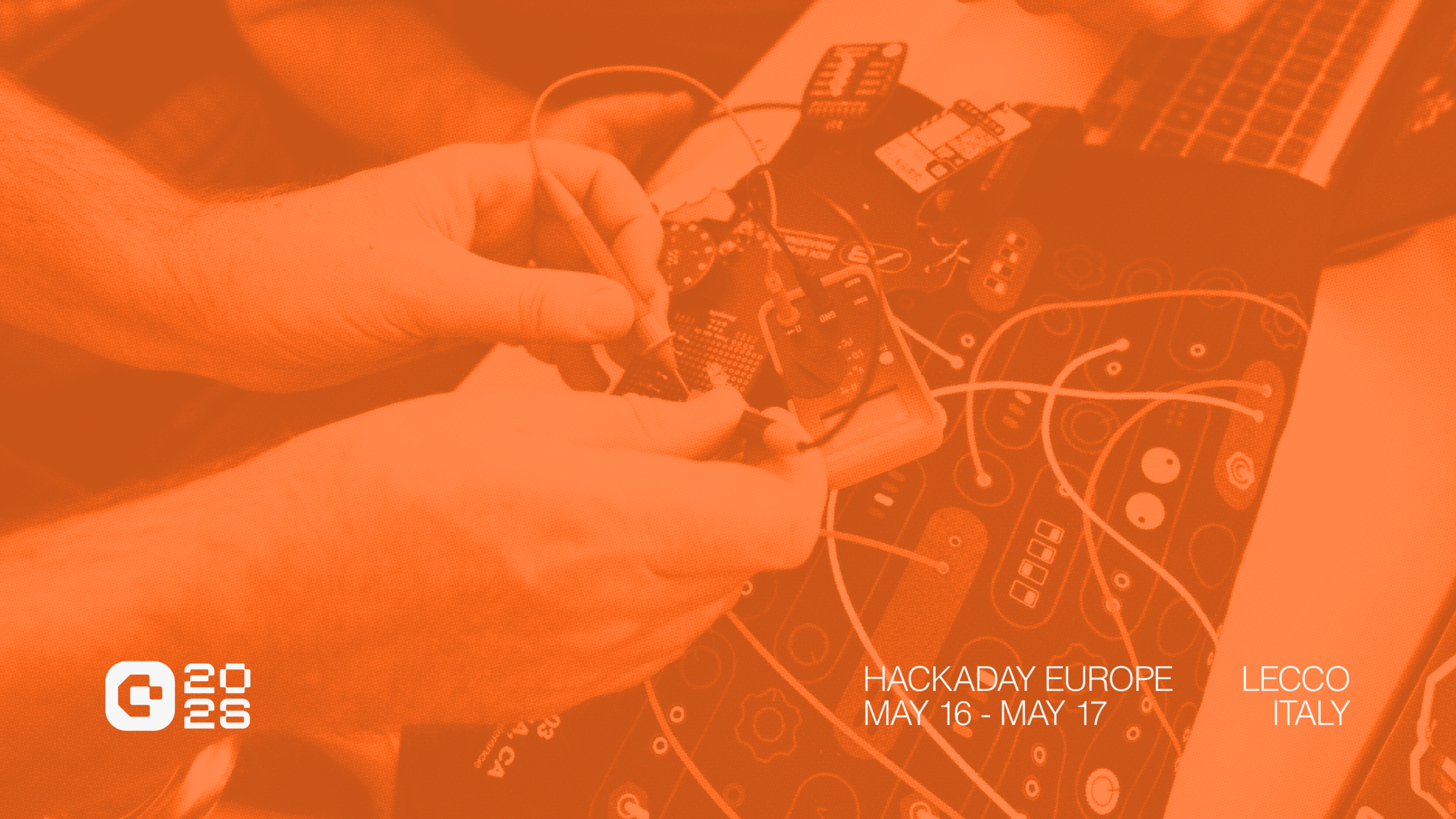
Hackaday Europe: Last Round Of Speakers, Workshops

Published

on

If you don’t already have your tickets to Hackaday Europe, pick them up now. The clock is ticking! Today, we’d like to announce our keynote speaker, the remainder of our featured talks, and two more workshops. (And if you want workshop tickets, which always go fast, get those soon!)

Hackaday Europe is super excited to welcome back Hackaday Superfriend [Sprite_tm] to kick off the event with a keynote talk on how he made a retrogaming PC from bare silicon. Don’t miss it.

Jeroen Domburg

Advertisement

Building a retro-PC…From Components

What if you could build a retro-gaming PC from bare chips? No emulation.  No ancient hardware. Jeroen walks through designing a compact 486 SBC with modern amenities, starting from the silicon up.


Edwin Hwu
PlayStation 4 to Psychometer: Skin Nanotexture Biometrics

Advertisement

Turn a PlayStation 4 optical pickup into a high-speed dermal atomic force microscope. Edwin shows how hardware hacking and deep learning combine to assess skin conditions and potentially detect stress non-invasively.

Erin Kennedy
Outdoors with Robots: Adventures and Lessons Learned

Ten years of taking robots into the real outdoors, through sand, mud, and wildfire zones. Erin shares what happens when nature-inspired machines meet nature itself, and what she’s learned building them.

Stephen Coyle
Making physically intuitive electronic instruments

Advertisement

Our physical intuitions about inertia, momentum, and gravity shape how we play instruments. Stephen explores what happens when digital instruments simulate these properties and what new musical possibilities emerge.

Sylvain Huet
Bare metal made easy

As tech grows more opaque, there’s an urgent need to return to simple, hackable systems. Sylvain presents an ambient computing vision; devices that blend into life rather than dominate it.

Alex Ren
Hack Club: How to get 2000 teenagers hacking their own hardware projects

Advertisement

A 3D printer made of Lego. DOOM running in a PDF. These are Hack Club projects built by teenagers. Alex shares the tools, culture, and community behind hardware hacking at scale for young makers.

Michael Wiebusch
Build a Cable Modem for your Arduino. For 2 Euros. But it’s not a Modem.

Electric signals travel in two directions in a coaxial cable, and they don’t mix on the way. Michael explains transmission line theory and demonstrates why it matters for RF and high-speed digital design.

Anders Nielsen
High Performance SDR on the cheap

Advertisement

RF, high-speed USB, analog chaos. Building a 20MHz continuous bandwidth, 3GHz-capable SDR without breaking a $50 BOM, achievable with a single FPGA on a carrier board.

Federico Terraneo
Fluid kernels and how to optimize C++ for microcontrollers

A 20-minute tour of the fluid kernel architecture, the Miosix RTOS as a practical implementation, and 18 years of hard-won tips for writing efficient C++ on microcontrollers.

Benjaminas Sulcas
Fault injection 101

Advertisement

A hands-on workshop covering the basics of hardware fault injection, power glitching, EMFI, and practical comparisons of tools available to hardware security researchers and curious makers.

Davide Gomba
Let’s Mesh!

A practical dive into mesh networking with Meshtastic and Reticulum; installing, configuring, and communicating across decentralized mesh programs. Leave with hands-on experience and a new view of off-grid connectivity.

If you’re joining us and you’re not on the list above, you can still take the stage!  We’ll have time for seven-minute Lightning Talks, hopefully enough for everyone. So bring your hack and bring a story. We want to hear it.

Advertisement

[If you read this far, you probably want tickets. Just sayin’.]

Source link

Advertisement
Continue Reading

Tech

Champions League Soccer: Stream PSG vs. Bayern Munich Live

Published

on

73% off with 2yr plan (+4 free months). Now only $3.49/month

ExpressVPN is our current best VPN pick for people who want a reliable and safe VPN, and it works on a variety of devices. It’s normally $120 a year for its most popular plan (Advanced), but if you sign up for an annual subscription for $90, you’ll get three months free. That’s the equivalent of $6 a month.

Advertisement


Jump to details


Pros

  • Cutting edge privacy and security
  • Excellent for streaming
  • Easy to use across platforms
  • Strong commitment to transparency
  • Privacy-friendly jurisdiction (British Virgin Islands)


Cons

  • Exceedingly expensive
  • No way to opt-out of potentially unneeded extra features
  • Speed performance getting progressively worse
  • Only eight simultaneous connections

When to watch PSG vs. Bayern Munich

  • Tuesday at 3 p.m. ET (12 p.m. PT).

Where to watch

  • PSG vs. Bayern Munich will air in the US on Paramount Plus.

Current UEFA Champions League holder Paris Saint-Germain hosts newly crowned Bundesliga champion Bayern Munich on Tuesday in the first leg of this eagerly anticipated UCL semifinal.

The Parisians booked their place in the last four of this tournament with a comfortable 4-0 aggregate win over Liverpool in the quarterfinals. They come into this clash after a confident 3-0 victory over Angers during the weekend, keeping them at the top of France’s Ligue 1.

Advertisement

Bayern, meanwhile, overcame Spanish giant Real Madrid to claim a memorable 6-4 aggregate win in their quarterfinal. Vincent Kompany’s team secured a 35th Bundesliga title earlier this month, but nevertheless worked hard for Saturday’s win over Mainz, battling back from a three-goal deficit to prevail 4-3. 

Paris Saint-Germain takes on Bayern Munich at the Parc des Princes on Tuesday, April 28. Kickoff is set for 9 p.m. CEST local time in France, making it an 8 p.m. BST kickoff in the UK, a 3 p.m. ET or 12 p.m. PT start in the US, and a 5 a.m. AEST kickoff in Australia on Wednesday morning.

Harry Kane of FC Bayern München  Shilling, looking upwards.

Bayern Munich striker Harry Kane has scored 12 goals so far in this season’s Champions League. 

Advertisement

Vitalii Kliuiev/Getty Images

Livestream PSG vs. Bayern Munich in the US without cable

American soccer fans can stream every game of this season’s tournament via Paramount Plus, which has exclusive live English-language broadcast rights in the US for the UEFA Champions League. 

It includes a multiview option that lets you watch up to four matches simultaneously and choose your preferred in-game audio. 

Sarah Tew/CNET
Advertisement

Paramount Plus has two main subscription plans in the US: Essential for $9 a month and Premium for $14 a month. Both offer coverage of the Champions League.

The cheaper Essential option has ads for on-demand streaming, but it lacks live CBS feeds and the ability to download shows to watch offline later. Students may qualify for a 25% discount.

How to watch UEFA Champions League games with a VPN

If you’re traveling abroad and want to keep up with Premier League action while away from home, a VPN can help enhance your privacy and security when streaming.

It encrypts your traffic and prevents your internet service provider from throttling your speeds. Additionally, it can be helpful when connecting to public Wi-Fi networks while traveling, providing an extra layer of protection for your devices and logins. VPNs are legal in many countries, including the US and Canada, and can be used for legitimate purposes such as improving online privacy and security. 

Advertisement

However, some streaming services may have policies restricting VPN use to access region-specific content. If you’re considering a VPN for streaming, check the platform’s terms of service to ensure compliance. 

If you choose to use a VPN, follow the provider’s installation instructions to ensure you’re connected securely and in compliance with applicable laws and service agreements. Some streaming platforms may block access when a VPN is detected, so verifying if your streaming subscription allows VPN use is crucial.

James Martin/CNET

Price $78 for two yearsLatest Tests No DNS leaks detected, 18% speed loss in 2025 testsJurisdiction British Virgin IslandsNetwork 3,000 plus servers in 105 countries

Advertisement

ExpressVPN is our current best VPN pick for people who want a reliable and safe VPN, and it works on a variety of devices. It’s normally $120 a year for its most popular plan (Advanced), but if you sign up for an annual subscription for $90, you’ll get three months free. That’s the equivalent of $6 a month.

Note that ExpressVPN offers a 30-day money-back guarantee.

Advertisement

73% off with 2yr plan (+4 free months). Now only $3.49/month

Livestream PSG vs. Bayern Munich in the UK

While TNT Sports broadcasts the lion’s share of Champions League matches, Prime Video has first pick of Tuesday games. It will show one match per week live exclusively on the platform, with today’s semifinal the pick for this week. 

Advertisement

James Martin/CNET

Prime Video standalone subscriptions start at £9 a month or £95 per year in the UK and include access to the Prime Video library of shows such as The Boys, Reacher and Fallout. The service is also included with an Amazon Prime membership.

Livestream PSG vs. Bayern Munich in Canada

If you want to stream Champions League games live in Canada, you’ll need to subscribe to DAZN Canada. The service has exclusive broadcast rights to every match this season, including this one.

A DAZN subscription currently costs CA$35 a month or CA$250 a year and will also give you access to Europa League and EFL Championship soccer, Six Nations rugby and WTA tennis.

As well as dedicated apps for iOS and Android, there’s a wide range of support for set-top boxes and smart TVs.

Livestream PSG vs. Bayern Munich in Australia

Soccer fans Down Under can watch UCL games on streaming service Stan Sport, which once again has exclusive rights to show all Champions League matches live in Australia this season.

Advertisement

Stan

Stan Sport will set you back AU$20 a month (on top of a Stan subscription, which starts at AU$12). It’s also worth noting that the streaming service is currently offering a seven-day free trial.

A subscription will also give you access to Premier League and Europa League action, as well as international rugby and Formula E.

Advertisement

Source link

Continue Reading

Tech

Deel’s global startup competition is giving away up to S$19M & you’ve got until May 2 to apply

Published

on

[This is a sponsored article with Deel.]

If you have a great startup idea that is gaining traction and ready to scale up, here’s your sign to seize that opportunity. 

Deel’s The Pitch, a global startup competition with up to US$15 million (S$19.1 million) in total funding on the line, is closing applications for its APAC regional round soon. 

It is set to be held in Singapore on May 12, 2026, but don’t wait because applications close on May 2.

Advertisement

And if you’re thinking you don’t have time, you probably do. Applications can be completed in under five minutes, and the best part? It’s completely free. Yes, really.

A global stage for early-stage founders

The Pitch is an international tournament designed to find and fund the world’s most promising seed-stage startups, regardless of where they’re based.

The whole premise is simple: your idea should compete on merit, not on your geography, your network, or your ability to win over the right VCs.

The Berlin Regional Finals on Apr 20 concluded successfully with 12 winners./ Image Credit: Deel

To make that happen, Deel is hosting regional competitions across seven global hubs, including Singapore, New York, and Berlin, with over 20,000 startups expected to participate worldwide. 

The competition is backed by serious names too, presented by J.P. Morgan with partners including a16z, Google, Stripe, and Ribbit Ventures.

Advertisement

Here’s how it works: founders apply online, and shortlisted teams will pitch live at a regional final in their respective locations. From there, up to 100 startups will receive US$50,000 (S$64,000) in Simple Agreement for Future Equity (SAFE) investment each, and progress to the global stage on May 18-19, with the location yet to be announced.

Grand finale winners, up to 10 startups, will receive a US$1 million (S$1.2 million) SAFE investment each to scale their visions.

Beyond the prize money, all participants gain access to networking opportunities and exposure to some of the world’s top-tier investors—not a bad upside even if you don’t take the top spot.

Who can apply?

Image Credit: Deel

If the prize pool has your attention but the eligibility criteria has you hesitating, don’t fret. The bar to entry is intentionally wide. 

The Pitch is open to pre-seed, seed, and Series A startups from anywhere in the world, as long as they have full-time founders, a registered legal entity, and are building a scalable product or service.

Advertisement

That said, don’t mistake accessible for easy. 

Deel says the final selection rate will be just 0.05%, making it more selective than many of the world’s top accelerators. 

Applications are assessed on product strength, market opportunity, team capability, traction metrics, and scalability potential, with both AI analysis and human expert review to keep things fair.

Last call for S’pore & APAC founders

For startup founders, opportunities like this don’t come around often, particularly ones that are open globally and free to enter. 

Advertisement

Although regional finals are already underway globally, there’s still time to throw your hat in the ring for the Singapore leg. 

Check out The Pitch’s website here to apply—it’ll take you less than five minutes.

Featured Image Credit: Deel

Advertisement

Source link

Continue Reading

Tech

5 ‘Bad’ Cars We Still Can’t Help But Love

Published

on


There are some cars that people just love to hate for one reason or another. Whether it’s because the cars are objectively bad or look like hot garbage, we’ve collectively hated on certain vehicles since the dawn of the mass-produced automobile.

I myself am guilty of this. I’ve been a proud car enthusiast all my life, developing my taste since I was a toddler. And even after several decades, certain cars just make me wince when I see them, like I’m swallowing a particularly dry and troublesome pill in the morning. But that’s just one side of the coin; after so many years studying and working around cars, I’ve also grown fond of some cars that are often the butt of car fans’ jokes.

Advertisement

This doesn’t extend to all of them, of course: I’ll openly admit my hatred of massive pickup trucks, boring crossovers, and excessive minimalism. But there are many cars that fans generally consider “bad” that I genuinely find appealing — and for objective reasons, too. In this article, I’ll go over some cars that history’s slammed and why they’ve been done way dirtier than they deserve, sticking with the oddballs so I don’t regurgitate points about why the Aztek was ahead of its time. Some of these cars are commercial failures, radical designs, or so rough that they’re barely a step above prototypes, with plenty of reasons to call them “bad.” But that doesn’t mean that they can’t be appreciated, or even beloved, for the unique traits they bring to the table. Let’s dive in and air out the skeletons in my automotive closet.

Advertisement

Ford Mustang II

“No, it’s not a Pinto. Yes, I know it looks like a Pinto, but I swear it’s not a Pinto. See the giant decal on the long hood? Not a Pinto,” is surely a conversation that’s occurred at least once or twice. And it irritates me so much because the Mustang II is absolutely not a Ford Pinto. Okay, they share some of the subframe and powertrain options, but you have to put the car into the Oil Crisis context here.

For those uninformed, the 1973 Oil Crisis was devastating for the American automotive industry. It effectively gutted muscle cars, transforming automotive culture quite literally overnight. Gas restrictions hit big-block V8s hard, and American automakers had no answers; this led to a huge drop in sales and incentivized people to buy small Japanese imports instead. And just as this era hit, Ford introduced the Mustang II for model year 1974. It was lethargically slow, small, and had a four-cylinder engine as standard. It was also the reason the Mustang name survives today.

Think about it — the 1973 Mustang was a midsize, V8-powered, half-sports, half-luxury coupe. If it continued unchanged into the mid-1970s, its engine would’ve been choked to within an inch of its life. It would’ve been saddled with all the restrictions that nearly killed the American full-size coupe, and the name would’ve gone away with a whimper. The Mustang II’s formula was incredibly successful, carrying the brand kicking and screaming through the Malaise Era. People hate it because it was the slowest Mustang; I love it because there would be no more Mustang without it, period. Also, I have to admit the King Cobra’s decals look really good.

Advertisement

Second-generation Toyota Prius

Here’s another example of a commercially successful car that the enthusiast community hated on for the longest time, and I genuinely have no idea why. Okay, yes, the Prius is abysmally boring to look at and drive, and it’s about as far from “enthusiast” car as one can get. But it’s still absolutely something I would daily. Why? It’s not because it’s exciting — okay, Toyota did race one in Super GT for some reason, but that’s beside the point. It’s because of what cars are supposed to do.

What is a car, but a box on four wheels that gets you from point A to B? I’m looking at it from an enthusiast’s perspective, granted. But if I were buying, say, a refrigerator, I’d buy something that fits enough groceries and doesn’t break down constantly. That’s the way I see the Prius. It’s the automotive equivalent of a boring kitchen appliance, and there’s nothing wrong with that.

Advertisement

There were so many memes about the second-gen Prius back in the 2000s and 2010s, and I can see why. Priuses are slow, bland, and thoroughly uninteresting, all of which runs counter to my instinct as someone passionate about cars. But that’s hardly the point; they were designed to haul people and their goods frugally, and they are still incredibly good at that. Objectively, it’s one of the most practical and economical vehicles money can buy today. I can say, hand on heart, that I’d drive one regularly without complaint, and that’s coming from a woman who dailies an R34 Skyline.

Advertisement

Plymouth / Chrysler Prowler

I actually had a die-cast model of one of these growing up, and I distinctly remember the day the suspension fell apart, throwing a plastic control arm under the couch and into the void. I imagine that’s how some non-car people see this, what with its kit-car looks. And enthusiasts dislike it because it has the same V6 engine as a minivan, married to a 4-speed slushbox automatic. The Prowler had a wild image, but let’s be real: this is no hot rod.

That said, well — just look at it. It’s so captivatingly strange that I can’t help but love it. The Prowler rode the crest of the retro-futurism wave, punctuated by other famously abhorrent 2000s-era designs like the PT Cruiser and Dodge Nitro. It was billed as a factory hot rod, with a front end that looked like a car that had run into a pencil sharpener. Then you have the protruding front bumpers and wheel arches, further contributing to its bizarreness. And yet, I see a yellow one now and then on the highway, and I still stare at the thing.

Sure, I know the Prowler’s V6 is famously lethargic, and I’m aware that it’s wildly impractical for anything other than joyriding. Don’t get me wrong, I should hate it. But then I see the thing in-person and I’m like, “Oh yeah, that’s why I love it.” It’s the king of wacky ’90s excess; the Insane Clown Posse of cars. And that’s what makes it special.

Advertisement

Honda Ridgeline

This goes back to my initial criticism of big American pickup trucks, perhaps further colored by my upbringing in suburbia. How much truck does the average American actually need? Statistically, not that much, considering the majority of Americans tend not to use their trucks for truck things. They’ve evolved from being agricultural and utility vehicles to massive, rolling showcases of technology with front ends that look like rolling garage doors. But back in the day, we had the first-gen Ford Ranger, the Mazda Pickup, the Jeep Comanche — and we liked them.

Now, yes, all of those trucks have more utility than a Ridgeline; they have bigger beds, for one. But that’s not the point, since we still have trucks for when we need that. Let’s instead take a critical look at what trucks have become in the 2020s. I understand the hate for the Ridgeline because it is indeed a crossover with a pickup bed. But that’s genuinely what a lot of these owners use their trucks for, anyway. Basically, we’re jamming a square peg into a round hole by using a big pickup to run around and grab groceries when something like the Ridgeline would absolutely suffice.

Ridgelines get hate for lackluster utility compared to purpose-built trucks, but they’re not purpose-built trucks — they’re daily drivers with pickup beds. They won’t break the bank, fit in the average parking spot, and are comfortable and reliable vehicles. I think it’s the perfect compromise outside of a ute, offering enough comfort, capacity, and towing capability to satisfy the general non-commercial audience. Just don’t mind the weird location of the spare tire.

Advertisement

Vector W8

This car is incredibly difficult to describe in a single sentence, but here goes nothing. The Vector W8 was the brainchild of Gerald Wiegert, who built a $450k (in 1989) supercar with a transverse 625-hp V8 coupled to a 3-speed auto from the Oldsmobile Toronado. It’s easily one of the most 1980s cars ever. It was also something of a technological marvel, utilizing top-tier materials and components of the era, with an interior that intentionally resembled a fighter plane — well before modern hypercars hopped on that bandwagon. Its vaporwave instrumentation is easily one of the weirdest dashboards ever designed, and that’s a bold statement when the Dome Zero exists.

Of course, that didn’t stop it from being a bad car. For instance, Car and Driver tested three Vector W8s, and all three broke down in different ways. Those advanced materials? They significantly increased the cost, meaning you’d have paid the equivalent of a million dollars to get a car that only ran properly some of the time.

Advertisement

Nevertheless, I love it. I remember the first time I found out about the W8; I was a little girl playing “Gran Turismo 2” and came across a purple one in-game. I remember thinking it was a knockoff Diablo or something, but it was fast and looked utterly captivating. Then I saw one at a car show, and that was that. Of course, actually owning one of these things would utterly drain my bank account. I imagine it’s, frankly, an absolute albatross. But for those rare instances where it works, it’d be as special and rare as coming across an elusive snow leopard.


Advertisement

Source link

Continue Reading

Tech

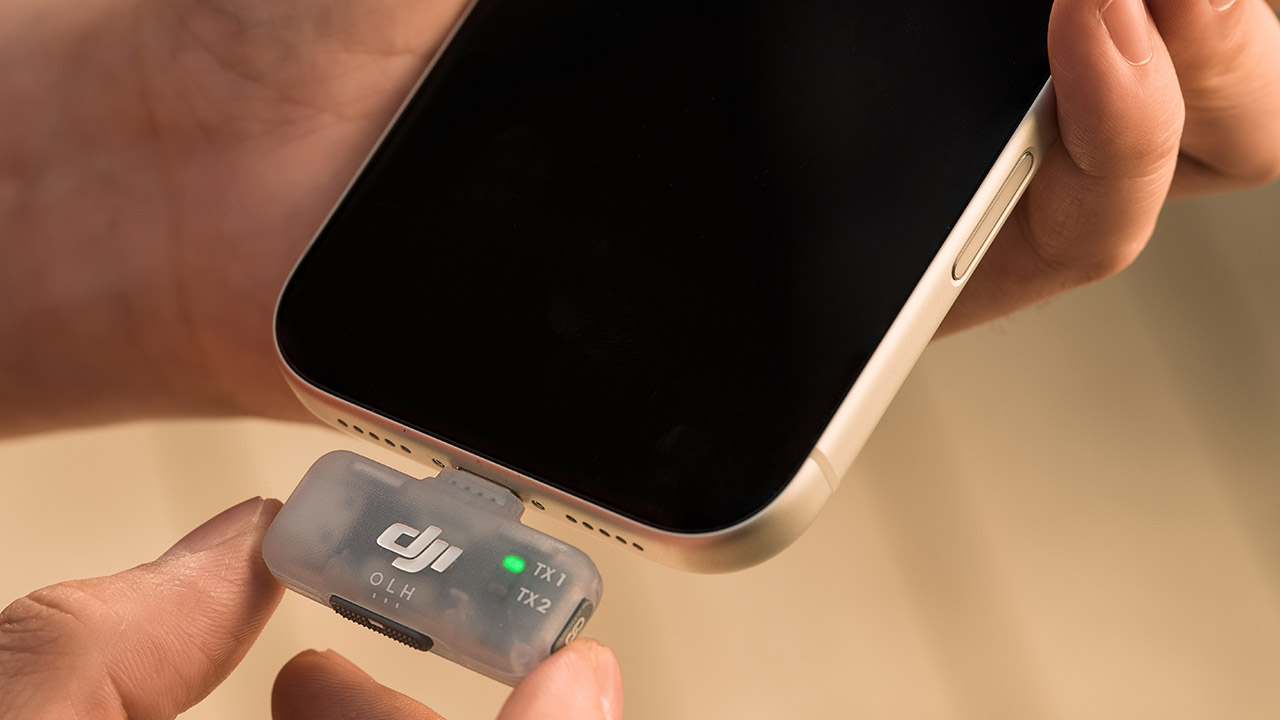
DJI Mic Mini 2 Brings Color and Everyday Ease to Wireless Audio

Published

on

DJI Mic Mini 2 Reveal
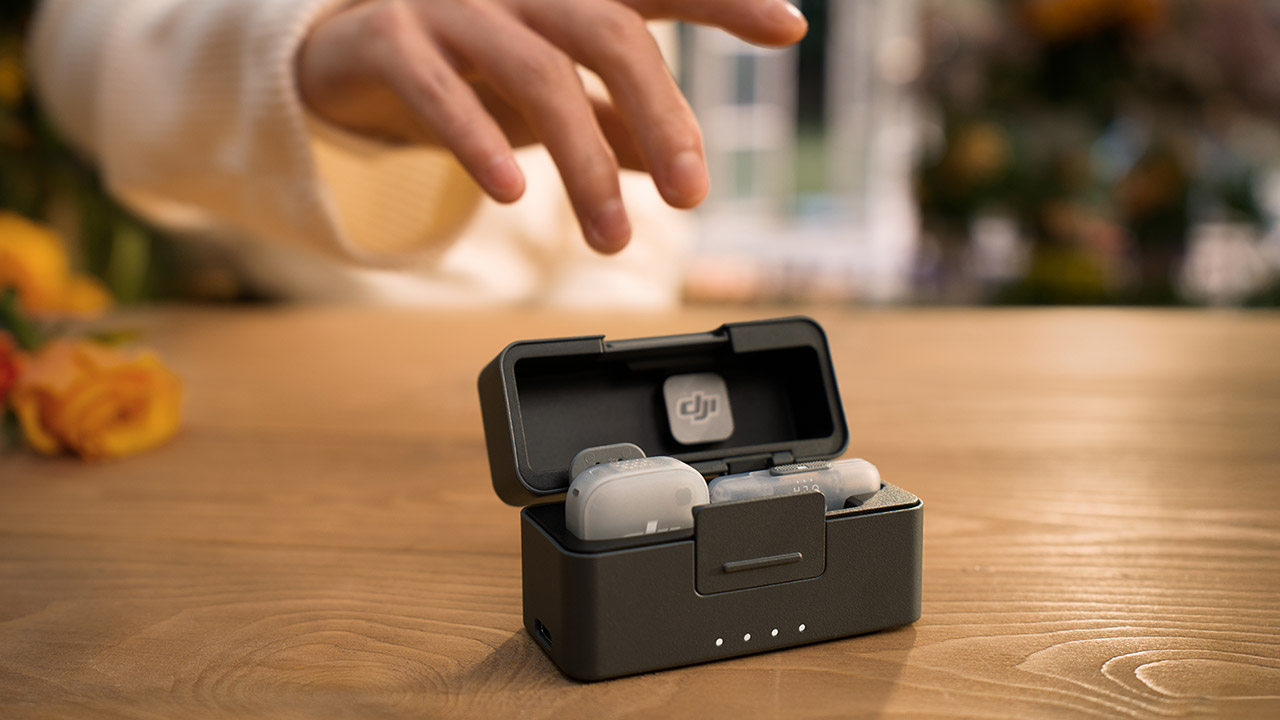
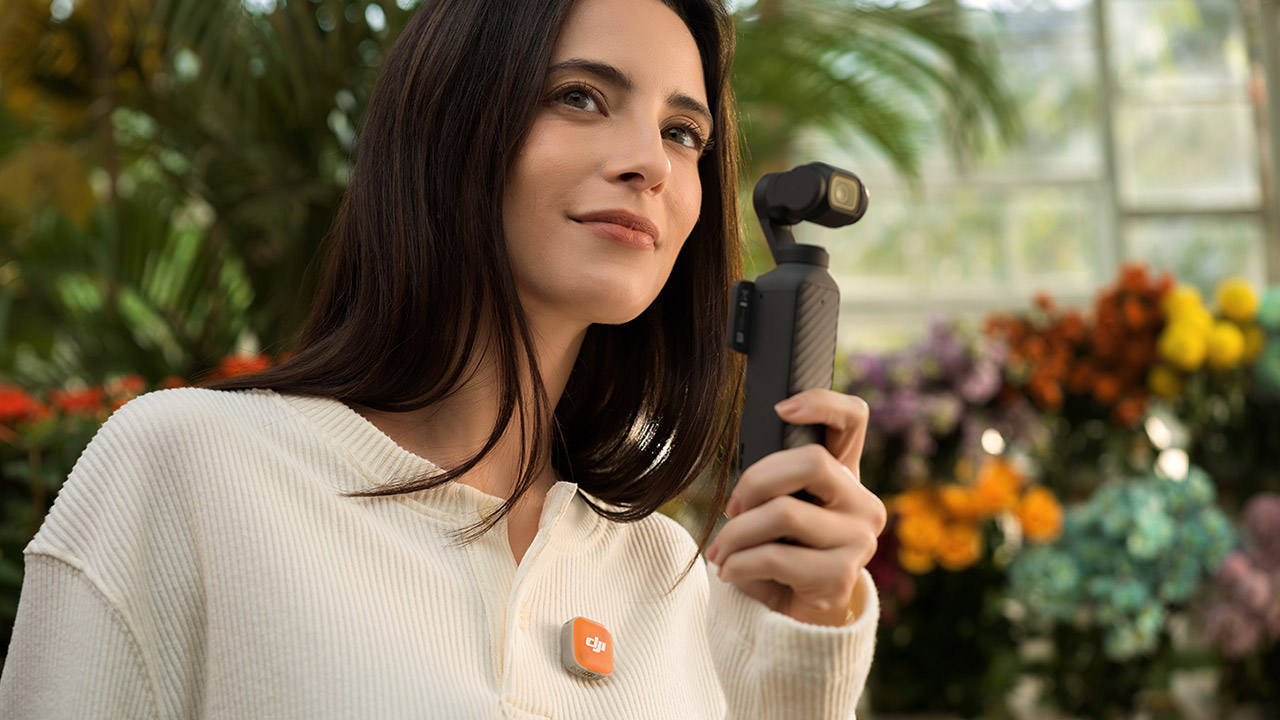
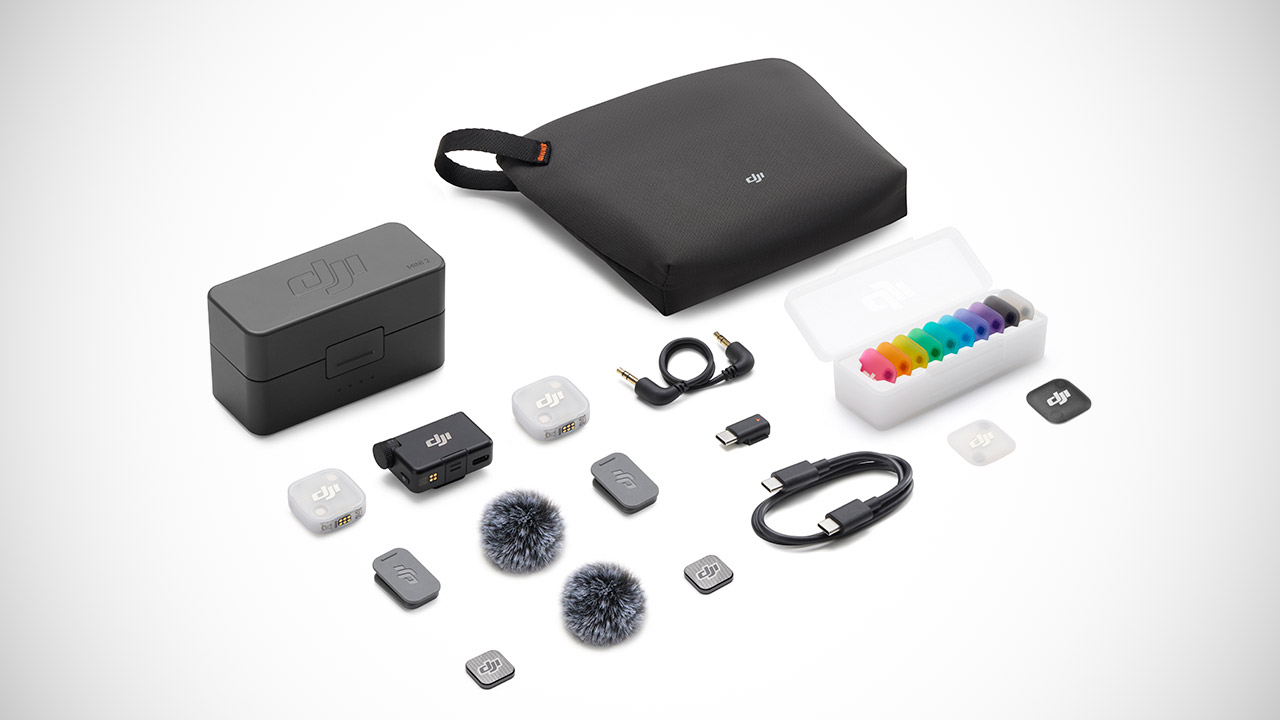
DJI finally revealed the Mic Mini 2 microphone system this morning, and the transmitter now has a nifty front cover that pops off in seconds thanks to magnets, giving you the option of plain black or white, or a few fancier designs done in Victo Ngai’s style, such as pink-purple swirls, blue-green blurs, fiery orange-red hues, or even black-gold, and then there are the brighter options like teal, yellow, and purple. It weighs only 11 grams, making it simple to cling to your shirt or lapel without anyone seeing, but it really pops out when you want it to complement whatever you’re wearing.


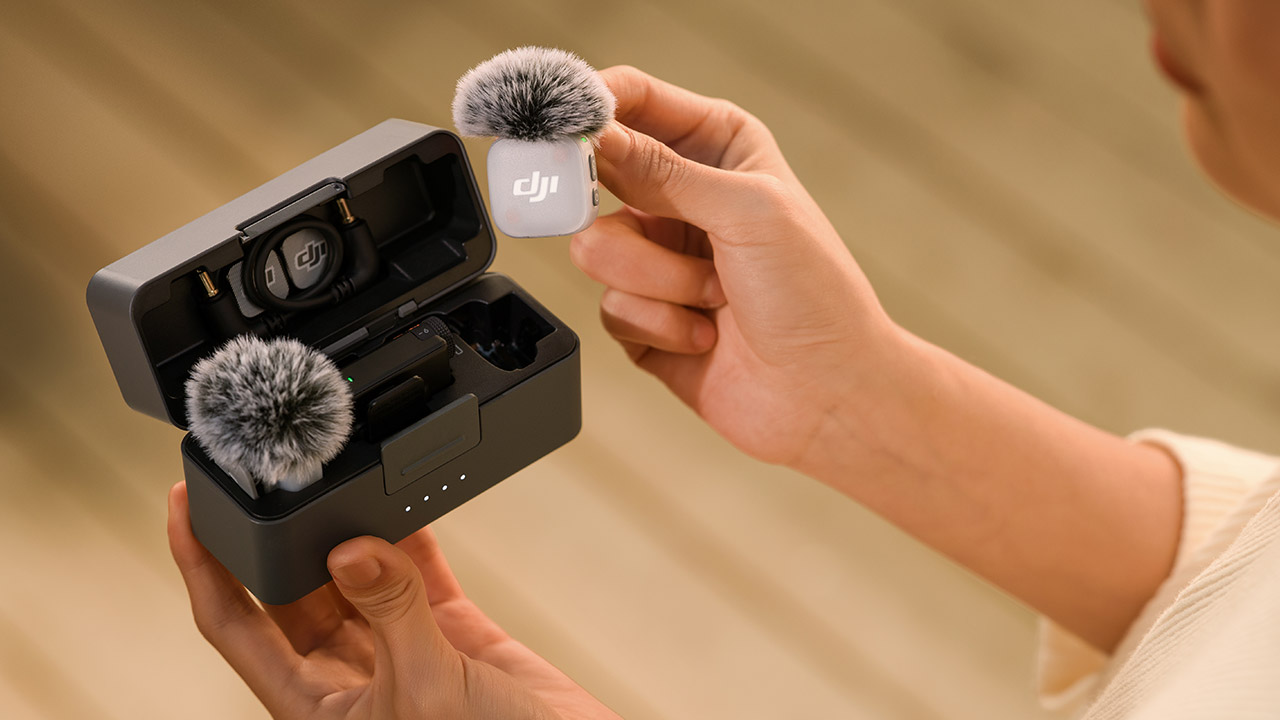
It still appears similar to the original Mic Mini, but the minor changes make it much easier to use on a daily basis. You also get a detachable magnetic attachment that allows you to spin the microphone to precisely direct it where the sound is coming from. Once the shot is finished, simply return everything to the small charging case that keeps the transmitter, receiver, and all of the cords in one neat location, eliminating the need to rummage around for the various bits and bobs. That one case also has a total run-time of 48 hours when full, as well as up to 11.5 hours for the transmitter alone and 10.5 hours for the receiver, and 5 minutes on the charger gets you about an hour of recording time, and the system will simply shut down if the receiver moves out of range.

Sale


DJI Mic Mini (2 TX + 1 RX + Charging Case), Wireless Lavalier Microphone for iPhone/Camera/Android…
  • Small but Mighty – The DJI Mic Mini lavalier microphone transmitter is small and ultralight, weighing only 10 g, [1] making it comfortable to wear…
  • Detail-Rich Sound – Mic Mini wireless microphones delivers high-quality audio. A 400m max transmission range [2] ensures stable recording, even in…
  • Extended Battery, More Recording Time – Mic Mini wireless lavalier microphone with Charging Case offers up to 48 hours of battery life, [3] ideal for…


Sound quality has improved significantly, with each recording made at a steady 48 kHz and 24 bit, resulting in extremely sharp clarity regardless of how close or far away the source is. You can also choose from three distinct speech tone settings to fit the situation and the speaker, as well as two levels of noise-canceling to deal with quiet rooms or bustling streets without having to tinker with settings. Another excellent feature is that the gain can be adjusted in five simple levels, and there is an automated limiter to prevent sudden loud moments from clipping. When paired with the free DJI Mimo app, you get dual recording and a safety track to protect against sudden volume surges.

Advertisement


The full-sized receiver has a remarkable range of 400m, while the smaller phone-plug version has a range of 300m. If you have an older DJI camera, such as the Osmo Pocket 3 or the Osmo Action, you can connect two transmitters directly without a receiver. The rest of the world will require the normal receiver to connect, although this setup works just fine with regular cameras, phones, laptops, and tablets. And, to ensure that no one needs to discard their old gear, it is still compatible with existing Mic Mini and mobile adapters.

DJI Mic Mini 2 Reveal
The new kit’s pricing is quite appealing when compared to what we saw when the original was released. In the UK, a two-transmitter bundle with receiver and case costs £89 (about $120 US), while a single-transmitter mobile kit costs £49. You may also purchase separate transmitters for roughly £29 apiece. It is currently available in several locations, with a US launch planned soon (fingers crossed) once all relevant clearances are completed.

DJI Mic Mini 2 Reveal
A new follow-up version, the Mic Mini 2S, will be available later this summer, but it’s worth noting that it includes built-in internal recording and supports up to four transmitters on a single receiver. That being said, the standard Mic Mini 2 already meets almost all of your daily needs as a vlogger, interviewer, or solo filmmaker looking for something lightweight, dependable, and simple to use, and the best part is that it never feels like a compromise.

Source link

Advertisement
Continue Reading

Tech

Inllie’s bracelet is the classiest fitness wearable I’ve ever seen, and it doesn’t cost a bomb

Published

on

Most fitness bands still look like tiny gym equipment strapped to your wrist. Inllie’s Luna Core Bracelet goes in a different direction, looking more like a polished piece of jewelry than something quietly counting your steps and judging your sleep.

It launches alongside the Sense Core Band, with both wearables taking a more refined, accessory-inspired approach to fitness tracking.

A fitness tracker you can dress up

Luna Core is the model that makes the stronger first impression. Its slim bracelet design gives it a jewelry-like look, making it easier to wear with office outfits, evening plans, or everyday casual fits. It has the kind of finish that would not look odd next to rings, watches, or other accessories.

The Sense Core Band takes a slightly more familiar route, while keeping the look clean. Its slim front display can show key information such as battery, steps, and heart rate at a glance, while the option of a metal Milanese or silicone strap gives it more flexibility. You can make it look polished for the day or more practical for workouts.

Beauty with health tracking built in

Both wearables are designed to fit into everyday life without dominating your wrist. They track heart rate, blood oxygen, stress, heart rate variability, menstrual cycles, sleep, steps, and a range of workout modes, covering the usual wellness metrics in a more understated form. You get the full set of health tracking features without having to wear something that leans heavily into a sporty look.

Inllie also says the Luna Core Bracelet and Sense Core Band have been tested for drop and vibration resistance, so they are built for regular use. Both devices are rated for five to seven days of use, so you won’t need to think about charging them every night.

Luna Core costs $149, while Sense Core is priced at $109. For a wearable that looks this polished, Inllie has kept the price surprisingly reasonable. The company is also offering a limited-time bundle on both models, saving customers $79.

Advertisement

Source link

Continue Reading

Tech

Amazon slashes $200 off M5 Max 16-inch MacBook Pro with month-end deal

Published

on

Pick up Apple’s new 16-inch MacBook Pro with M5 Max for $3,699 thanks to a triple-digit price cut at Amazon.

Silver MacBook Pro laptop with logo closed on a desk, Midnight AirPods Max headphones in front, small potted plant left, camera gear and orange drives right, bright green NEW badge above.
Save $200 on Apple’s M5 Max MacBook Pro 16-inch.

Amazon’s month-end 2026 MacBook Pro sale is in effect, with triple-digit savings on multiple models. This M5 Max 16-inch configuration is enticing at $200 off, bringing the price down to $3,699.
Buy 16″ MacBook Pro M5 Max for $3,699
Continue Reading on AppleInsider | Discuss on our Forums

Source link

Continue Reading

Tech

Seattle’s Sniffies lands $100M investment from Match Group in major bet on sex-positive tech

Published

on

Sniffies about page. (Screenshot)

Sniffies, a Seattle-based meetup platform for gay, bisexual and sexually curious men, has landed a $100 million investment from Match Group. The deal gives Match a significant minority ownership stake in the Grindr competitor, along with an option to acquire the company outright.

Match Group owns a suite of dating apps including Tinder, Hinge, Match and OKCupid. Its CEO is Spencer Rascoff, a serial entrepreneur who co-founded Zillow and later led the Seattle real estate giant, and who also co-founded the second-home marketplace Pacaso.

Blake Gallagher, Sniffies founder and CEO. (Sniffies Photo)

Blake Gallagher launched Sniffies more than eight years ago and serves as CEO. On LinkedIn, he describes the app as a “no-holds-barred, sex-positive platform that enables and encourages its users to genuinely explore their sexuality, fantasies, and kinks both virtually and physically.”

The platform claims roughly 3 million monthly active users worldwide and more than 20 million messages exchanged daily. It has 65 employees.

The investment — which is the startup’s first — “unlocks our ability to move faster on the things that matter most: stronger trust & safety, better product, and a more dynamic network,” Gallagher said in a LinkedIn post.

The company is profitable and will continue operating independently under Gallagher’s leadership, Bloomberg reported. As part of the arrangement, Match will phase out Archer app, its existing app for queer men that the company launched three years ago.

Advertisement

In a statement, Rascoff pointed to growing demand in this space, adding that “Sniffies feels genuinely different and authentic to its audience.”

Gallager studied architecture at the University of Washington, and then served as a project designer at HOK and McClennan Design where he worked on urban development projects across the globe and Microsoft’s Executive Briefing Center renovation project. The company’s chief marketing officer is Eli Martin, who studied business at Western Washington University and prior to Sniffies worked as a producer on broadcast and digital campaigns for PepsiCo and JPMorgan Chase.

In a LinkedIn post, Gallagher said “the product, the tone, and the community will continue to be shaped by the people who use it.”

Rascoff, meanwhile, responded that it’s clear the product “came from a strong founder instinct and a deep understanding of the community and how they actually want to connect.”

Advertisement

Source link

Continue Reading

Trending

Copyright © 2025