Tech
What’s The Average Lifespan Of A Generator Engine?


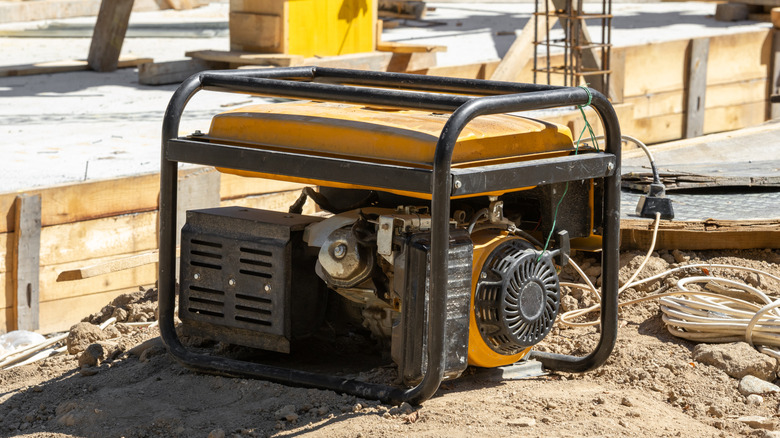
A power generator is great for emergencies, or any time you need power in areas where you don’t have access to it. But if you have a generator for your home, you may be wondering just how much life the engine has left. The answer isn’t exactly straightforward, and can vary depending on the type of generator you have. For example, an air-cooled generator usually has the shortest lifespan, often around 1,000 operating hours. This is due to higher engine temperatures and a more basic design.
But liquid-cooled generators built for more consistent use can last anywhere from 2,000 to 4,000 hours, depending on operating conditions. That number jumps to 15,000 to 20,000 hours for more advanced liquid-cooled gasoline automotive generators. But it varies based on the fuel being used. Small diesel generators typically last 14,000 to 30,000 hours, and heavy-duty liquid-cooled diesel engines can range from 60,000 to 90,000 hours. These engines are converted to use natural gas and are built for continuous operation.
It’s because of these differences that industry professionals typically don’t measure generator lifespan in years. Any such figure would not accurately factor in engine wear anyway. So if you only occasionally use a generator during a power outage, it could be many years before it needs replacing. But if you use that same generator more often and under a heavier workload, it will likely reach its end much sooner. It all depends on how hard the unit has worked, and how well it’s maintained.
How to properly maintain and store your power generator
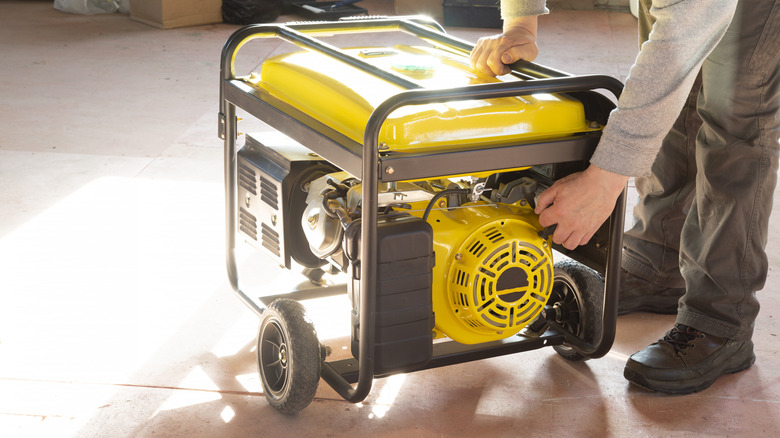
Getting the most out of your power generator means following a regular maintenance schedule. Every one to three months, start it up and plug in a device that is not on this list. Let it run for about 15 to 20 minutes, so the generator is working as designed. Once the time is up, turn off the fuel supply and let the generator shut down on its own. This allows any remaining fuel to be cleared from the system.
You’ll also need to check the oil regularly and change it every 100 to 200 operating hours. Replace the air filters every 300 to 400 hours depending on condition, and visually inspect the spark plug for any signs of damage. If you’re using an electric generator, keep a close eye on the battery. Be sure to test it to confirm it’s maintaining a charge.
Before storing your generator, use a stabilizer to keep the fuel from breaking down during inactive periods. Wipe off any dirt or debris and make sure the air intake and exhaust areas are clear. Keep the unit in a cool, dry place like a well-ventilated garage or shed. Don’t allow the generator to be in direct sunlight, as it can negatively impact the unit. It also shouldn’t be exposed to humidity or other conditions that can damage the generator’s parts. Keep it covered to ensure dust and moisture don’t build up over time.
You must be logged in to post a comment Login