Tech
What’s The Minimum Height Electrical Outlets Should Be From The Floor?


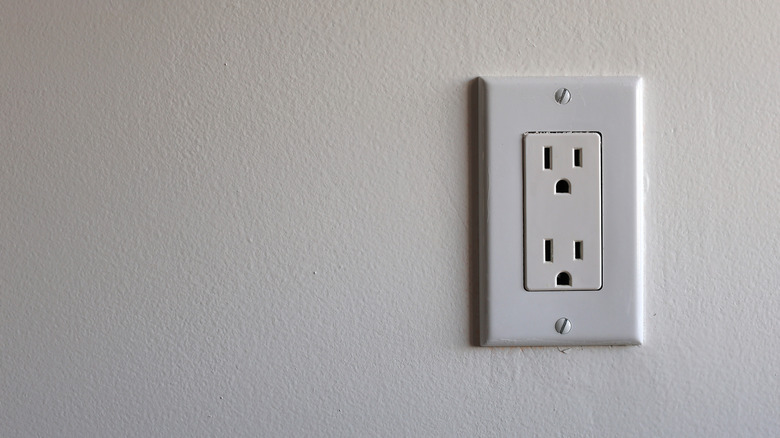
Placing power outlets around a home to use your local electrical plug format is a delicate dance of practicality, safety, and aesthetics. You want your power outlets to be in a spot that’s accessible, but not in the way of anything, though you can’t put them right on the floor or else someone may accidentally jam their toe into one. Surprisingly, there isn’t a mandatory outlet height set by the National Electric Code Association (NECA), but the general wisdom on the matter is that electrical outlets should be placed at least 12 inches up from a finished floor.
Placing an electrical outlet near the floor, without it actually being on the floor, is more or less the optimal positioning for typical residential usage. While not exactly considered official or mandated by any governing body, electricians will often stick to the unofficial “12-inch rule” for the sake of easy installation and identification, ensuring nobody makes any electrical mistakes in your home. It certainly helps that placing outlets in this particular spot is also convenient from a homeowner’s perspective, keeping wires off the ground while still being within easy reach.
Outlets are generally placed at least 12 inches up from the floor
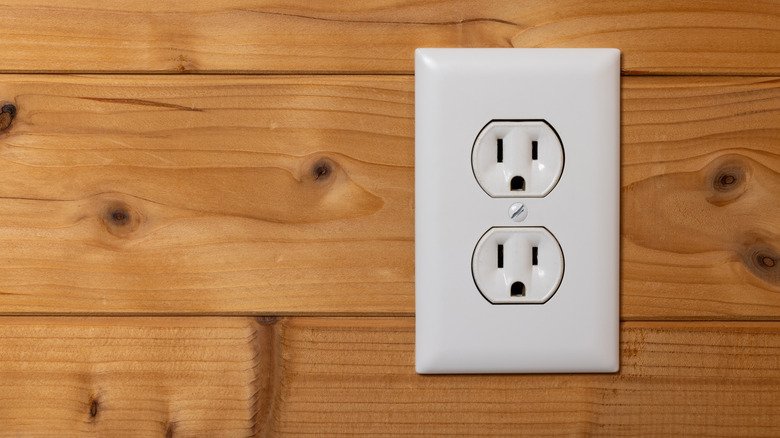
The 12-inch rule stipulates that electricians place general-purpose electrical outlets in a home 12 inches up a wall from a finished floor. That’s 12 inches from the bottom of the outlet panel, and 16 inches from the top of the panel, to be specific. Sticking to this unofficial standard across the industry helps to create consistency when measuring, installing, and servicing outlets, which generally makes life easier for contractors while still adhering to mandated electrical safety codes.
Installing outlets in this fashion is also convenient for homeowners. An outlet 12 inches up is easily accessed without having to bend all the way down to reach the floor, and it prevents excessive loose wire hanging that could result in tangling or tripping hazards. At the same time, since this elevation is below the eyeline, it’s also optimal for hiding wires out of sight and keeping your home looking nice and neat. It’s also away from the hard bottom edges of furniture like desks or couches, so you can push them flush against the wall without blocking anything or risking damage.
While the majority of outlets in your home will adhere to the 12-inch rule, some outlets may be placed differently in specialized rooms. For example, outlets in bathrooms and kitchens, the kind that usually have a reset button, are usually placed around 42 inches off the ground in order to accommodate counters and countertop appliances, as well as avoid the occasional splash of water. Outlets in a dedicated home office may also be placed slightly higher than usual, around 24 to 30 inches up to better accommodate equipment on a desk like computers or printers.
You must be logged in to post a comment Login