Connect with us

Tech

When robots outshine humans, I have to ask: Are we ready?

Published

on

If you tuned in to China’s 2026 CCTV Spring Festival Gala looking for traditional lion dances and nostalgic tunes, you may have done a double-take when what greeted you was a squad of humanoid robots performing kung fu, synchronized moves, and comedy sketches with more precision than most of us manage during family reunions.

It was not just spectacle; it was industrial policy with flair

This year’s gala, which is China’s equivalent of the Super Bowl meets cultural heritage broadcast, featured everything from high-speed martial arts sequences to choreographed routines done by humanoid robots from leading local makers like Unitree Robotics, Galbot, MagicLab and Noetix. 

Watching them flip, strike poses, and dance isn’t just futuristic entertainment; it’s a deliberate signal about where Chinese tech wants to sit at the global table.

From props to protagonists

Just last year, robot appearances were charming but clunky: think awkward “dances” that needed human help to keep upright.

Advertisement

The 💜 of EU tech

The latest rumblings from the EU tech scene, a story from our wise ol’ founder Boris, and some questionable AI art. It’s free, every week, in your inbox. Sign up now!

Instead, this year, they executed complex actions; backflips, martial arts inspired routines, even comedic timing that was surprisingly sharp for machines. C

lips of the robots went viral almost immediately, flooding social platforms and dominating international tech feeds.

Advertisement

Chinese state media and commentators have leaned into the moment as proof of rapid progress in humanoid robotics, placing it squarely within China’s “AI+manufacturing” industrial ambitions.

While some viewers showered praise on the displays, others grumbled that the new lineup made the gala feel more like CES Lite than a cosy celebration of culture, and yes, robots “stealing the Year of the Horse thunder” is now a real complaint.

Why robots at the Gala?

The optics are unmistakable. China’s robotics sector, already responsible for a lion’s share of worldwide humanoid robot production, is eager to tell a simple story: we don’t just build hardware in factories, we animate it with AI brainsthat can perform with finesse.

Whether it’s a crowd-pleasing kung fu sequence or a scripted comedy routine, these robots have become ambassadors of technological prowess on very prime cultural real estate.

Advertisement

But let’s not overstate their practical chops just yet. Despite impressive stage routines, robotics experts point out that most current humanoids are still best at pre-programmed movements and lack true autonomous adaptability in unpredictable environments.

In other words, they’re amazing performers on cue, not yet ready to be your personal caregiver or industrial line worker without a lot more training and development.

Still, the spectacle accomplishes something important: it thrusts humanoid robots into the public imagination while signalling to investors, startups and rival nations that robot development is now prime time tech theatre, not just a research lab curiosity.

Whether you see this as a fun blend of culture and innovation or a high-stakes display of national tech strategy, China’s robotics presence at the gala is now part of a broader conversation about where AI embodied in hardware might go next.

Advertisement

It’s less about whether robots will “replace us” and more about how they’re being introduced into narratives that billions of people watch together, shaping perceptions and expectations about the future.

China’s robots danced their way into billions of screens this Lunar New Year, and they did it with style, precision, and a well-timed cultural wink.

Source link

Advertisement
Continue Reading
Click to comment

Leave a Reply

Your email address will not be published. Required fields are marked *

Tech

The European Parliament pulls back AI from its own devices

Published

on

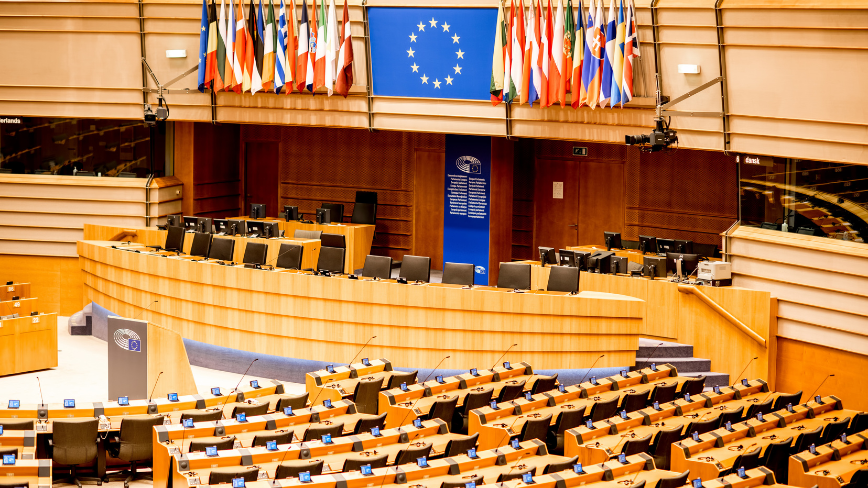
The European Parliament has taken a rare and telling step: it has disabled built-in artificial intelligence features on work devices used by lawmakers and staff, citing unresolved concerns about data security, privacy, and the opaque nature of cloud-based AI processing.

The decision, communicated to Members of the European Parliament (MEPs) in an internal memo this week, reflects a deepening unease at the heart of European institutions about how AI systems handle sensitive data.

The Parliament’s IT department concluded that it could not guarantee the safety of certain AI-driven functions, notably writing assistants, text summarization tools, virtual assistants, and web page summary features, because they rely on cloud-based processing that sends data off the device.

In a workplace where draft legislation, confidential correspondence, and internal deliberations circulate daily, even momentary exposure of sensitive information is viewed as unacceptable.

Advertisement

For now, the measures apply only to these native, built-in AI features on Parliament-issued tablets and smartphones, not to everyday apps like email or calendars. The institution has declined to specify which operating systems or device manufacturers are affected, citing the “sensitive nature” of cybersecurity matters.

Beyond the Parliament

The internal memo did more than announce a software rollback. It advised lawmakers to review AI settings on their personal phones and tablets, warning them against exposing work emails, documents, or internal information to AI tools that “scan or analyze content,” and urging caution with third-party AI applications that seek broad access to data.

This guidance implicitly acknowledges a larger truth: for many elected officials and staff, the boundary between official and personal devices is porous. The Parliament’s approach underscores that risks are not confined to issued hardware but extend into the consumer technology choices of its own members.

The move is the latest in a series of precautionary steps by EU institutions. In 2023 the Parliament banned the use of TikTok on staff devices over similar data concerns, and ongoing debates have questioned the use of foreign-developed productivity software. Some lawmakers have even suggested moving away from Microsoft products in favor of European alternatives, part of a broader push for digital sovereignty.

That push is not abstract. The EU’s Artificial Intelligence Act, the world’s first comprehensive regulatory framework on AI, has been in force since 2024 and imposes obligations on AI providers and users alike, categorizing systems by risk and demanding transparency, traceability, and human oversight.

Advertisement

Yet the Parliament’s latest action reveals a paradox: while Europe seeks to regulate and shape AI at scale, it is simultaneously wary of the very tools it aims to master. Stopping short of a full ban on AI use, the institution is essentially saying that in certain contexts, the technology is too unpredictable to trust, especially when critical information could leak outside secure boundaries.

What this means for EU tech policy

The Parliament’s decision may seem narrowly targeted, but it carries broader implications. It signals that even for progressive regulators who have championed innovation alongside rights protections, the practical limits of AI integration are now a central concern. Cybersecurity teams within government institutions are not merely technologists; they are custodians of trust in an era when data is both an asset and a vulnerability.

For businesses and citizens watching Europe’s regulatory trajectory, this episode is instructive. It suggests that the EU’s approach to AI will not only be legal and ethical but deeply pragmatic. Regulations may promote responsible innovation, but European institutions are prepared to pull back when security and control are at stake.

As AI capabilities continue to evolve and become embedded in devices worldwide, the Parliament’s cautionary step highlights a core tension of the digital age: balancing the potential of AI with its unseen and unquantified risks.

Advertisement

Whether other governments follow suit, or whether this stance influences corporate and product strategy, remains to be seen. In the meantime, the message from Brussels is unmistakable: when it comes to AI and sensitive data, trust but verify is no longer enough.

Source link

Advertisement
Continue Reading

Tech

eBay takes aim at Gen Z, buys Depop from Etsy for $1.2bn

Published

on

Etsy has been growing at a slowed pace in recent years. It bought Depop for $1.6bn, and sold it at a loss.

eBay is acquiring second-hand fashion marketplace Depop from Etsy in a bid to reach a younger, more “fashion-forward” resale-savvy customer-base. The deal is valued at approximately $1.2bn, expected to close in Q2 this year.

A sleeper hit among younger generations, Depop has around 7m active buyers – nearly all Gen Zs and Millennials under the age of 34 – and more than 3m active sellers. The platform recorded around $1bn in gross sales in 2025, a 60pc year-over-year growth in the US.

Depop competitor ThredUp reported that the US second-hand apparel market grew from $28bn in 2019 to $56bn just last year. While other analysts place the global second-hand fashion market at $210bn in 2025, expected to grow to more than $580bn by 2035.

Advertisement

Second-hand fashion is gaining traction among larger swathes of younger consumers looking for more affordable clothing. A 2025 analysis of fast fashion prices found an average rise of $17 across key categories of clothes in the US, with jackets and outerwear prices rising by 24pc.

Meanwhile, Business Insider finds that the fashion industry contributes to around 10pc of global carbon emissions annually, led by brands such as Shein and Zara. For eBay, fashion sales represents an annual gross merchandise volume of more than $10bn.

Etsy purchased Depop for $1.6bn in 2021. The same year, it bought Brazilian online marketplace Elo7 for $217m. In 2019, it purchased music gear marketplace Reverb. Since then, it has sold all three of them.

The 2005-found company has been seeing slowed growth in recent years. Its year-over-year revenue grew by just 2.2pc in 2024, down from 7.1pc in 2023.

Advertisement

Etsy chief executive said that the Depop sale allows the company to focus growing its core marketplace. It plans to use the sale proceeds for general corporate purposes, continued share repurchases and investment in its core marketplace.

“Depop has built a trusted, social-forward marketplace with strong momentum in the pre-loved fashion category, and we are confident that as part of eBay, Depop will be even more well-positioned for long-term growth, benefiting from our scale, complementary offerings, and operational capabilities,” said eBay chief Jamie Ianonne.

The company slashed 1,000 jobs in 2024, 9pc of its workforce at the time.

Don’t miss out on the knowledge you need to succeed. Sign up for the Daily Brief, Silicon Republic’s digest of need-to-know sci-tech news.

Advertisement

Source link

Continue Reading

Tech

OpenAI taps Tata for 100MW AI data center capacity in India, eyes 1GW

Published

on

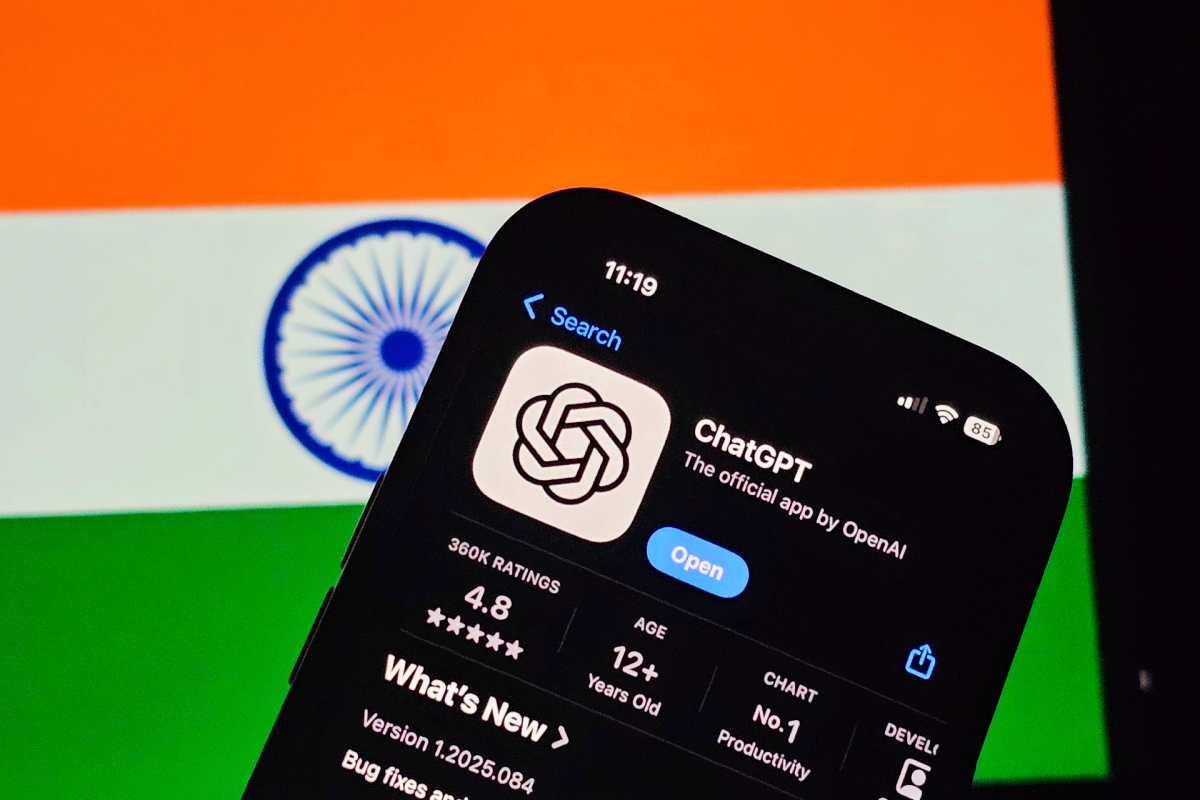
OpenAI has partnered with India’s Tata Group to secure 100 megawatts of AI-ready data center capacity in the country, with plans to scale to 1 gigawatt. The move is part of a broader push to deepen the company’s enterprise and infrastructure footprint in one of its fastest-growing markets.

OpenAI announced on Thursday that the partnership with the Tata Group is part of its Stargate project, which aims to build AI-ready infrastructure and expand enterprise adoption globally. OpenAI will become the first customer of Tata Consultancy Services’ HyperVault data center business, beginning with 100 megawatts of capacity. The deal also includes deploying ChatGPT Enterprise across Tata’s workforce and standardizing AI-native software development through OpenAI’s tools.

The partnership, which falls under the “OpenAI for India” initiative, highlights the company’s expanding footprint in the country, which according to recent estimates from CEO Sam Altman has more than 100 million weekly ChatGPT users spanning students, teachers, developers, and entrepreneurs. The scale of adoption has positioned India as one of OpenAI’s most important growth markets as it deepens enterprise and infrastructure investments in the country.

The local data center capacity will allow OpenAI to run its most advanced models within India, reducing latency for users while meeting data residency, security, and compliance requirements for regulated sectors and government workloads. Hosting compute domestically is critical for enterprises that handle sensitive data and operate under data localization and digital infrastructure rules. These circumstances could widen OpenAI’s access to enterprise customers that require in-country processing.

Advertisement

An initial 100 megawatts of capacity represents a substantial commitment in the context of AI infrastructure, where large-scale model training and inference require power-hungry clusters of graphics processing units, or GPUs. Scaling to 1 gigawatt over time would place the Tata facility among the largest AI-focused data center deployments globally, underlining the scale of OpenAI’s long-term ambitions in India.

Beyond infrastructure, OpenAI and Tata Group will pursue a strategic enterprise collaboration aimed at accelerating AI adoption across Tata’s businesses. The conglomerate plans to roll out ChatGPT Enterprise to its workforce over the coming years, beginning with hundreds of thousands of employees at Tata Consultancy Services (TCS), in what would rank among the largest enterprise AI deployments globally. TCS also intends to use OpenAI’s Codex tools to standardize AI-native software development across its engineering teams.

N Chandrasekaran, chairman of Tata Sons, said OpenAI’s partnership would help build “state-of-the-art AI infrastructure in India” while supporting efforts to skill the country’s workforce for the AI era.

Techcrunch event

Advertisement

Boston, MA
|
June 23, 2026

Financial terms of the deal were not disclosed, including whether OpenAI is making a capital investment in HyperVault or leasing capacity.

Advertisement

In November 2025, TCS secured backing from private equity firm TPG to develop AI-ready infrastructure in India under its HyperVault data center business. The platform is backed by about ₹180 billion (about $2 billion) in planned investment and is designed to support large-scale compute workloads for hyperscalers and enterprise customers.

OpenAI will also expand its certification programs in India, with TCS becoming the first participating organization outside the United States. The certifications are designed to help professionals build practical AI skills across roles and industries, the company said. The move follows OpenAI’s recent partnerships with leading Indian institutions in engineering, medicine, and design.

OpenAI plans to open new offices in Mumbai and Bengaluru later this year, adding to its existing presence in New Delhi as it deepens operations in the country. The expansion is expected to support enterprise partnerships, developer engagement, and local regulatory coordination as the company scales its footprint in India.

The announcement comes as India hosts its AI Impact Summit in New Delhi, where global AI leaders, including Sam Altman, Anthropic CEO Dario Amodei and Google CEO Sundar Pichai are participating alongside Indian startups and enterprises showcasing AI applications across sectors such as finance, healthcare, and education.

Advertisement

OpenAI has been expanding its presence in India through partnerships with companies including Pine Labs, JioHotstar, Eternal, Cars24, HCLTech, PhonePe, CRED, and MakeMyTrip, as it seeks to embed its models across consumer platforms, enterprise systems and digital payments infrastructure in one of the world’s largest internet markets.

Together, the data center build-out, enterprise deployments, and expanding partner ecosystem signal OpenAI’s most comprehensive push yet to anchor advanced AI infrastructure and applications in India.

Source link

Advertisement
Continue Reading

Tech

Taking Photos with Scotch Tape is Possible, Just Not Practical

Published

on

Taking Photos Scotch Tape
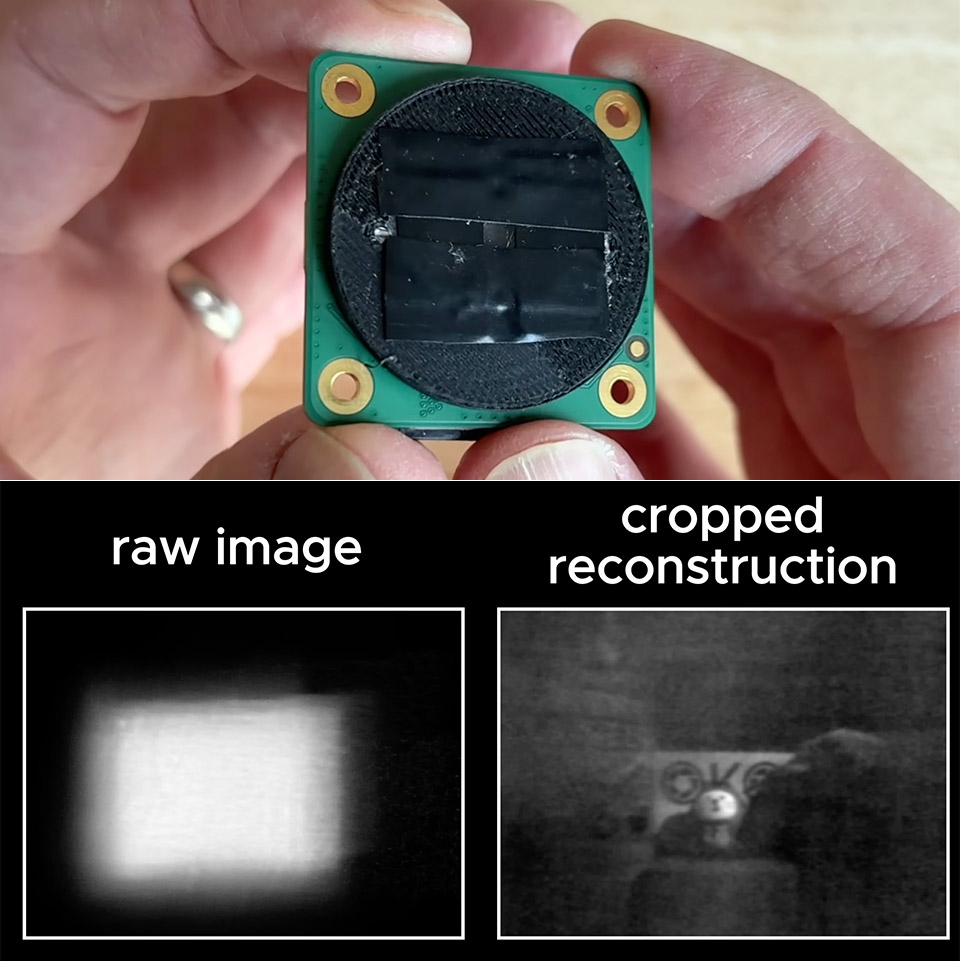
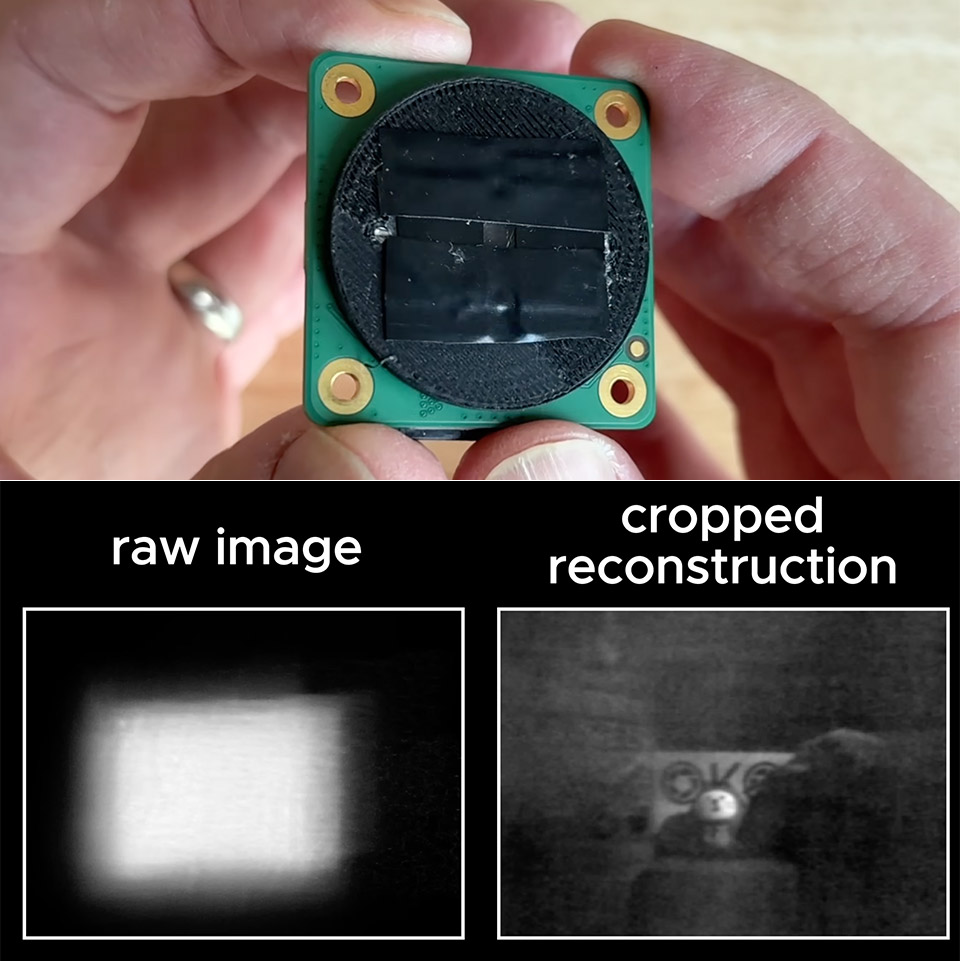
A roll of Scotch tape can do some truly unexpected things, such as completely replacing a camera lens. Maker okooptics puts this to the test in a recent project, transforming an ordinary sensor into a functioning camera using only Scotch tape, smart rigging, and some math after the fact.


Lensless imaging works on a fairly simple principle: light from a scene strikes the sensor in all directions rather than in a focused beam. Traditional lenses perform the job by bending light to create precise projections, but in this case, the Scotch tape diffuses the light in a predictable way, spreading each point in the scene across the sensor in what’s known as a point spread function, or PSF. The raw grab is a confused mess, yet the information is still contained inside it.

Sale


DJI Osmo Pocket 3, Vlogging Cameras with 1” CMOS & 4K/120fps Vlog Camera, 3-Axis Stabilization, Fast…
  • Capture Stunning Footage – This vlogging camera features a 1-inch CMOS sensor and records in 4K resolution at an impressive 120fps. Capture…
  • Effortlessly Frame Your Shots – Get the ideal composition with Osmo Pocket 3’s expansive 2-inch touch screen that rotates for both horizontal and…
  • Ultra-Steady Footage – Say goodbye to shaky videos. Osmo Pocket 3’s advanced 3-axis mechanical stabilization delivers superb stability. Enjoy smooth…

Taking Photos Scotch Tape
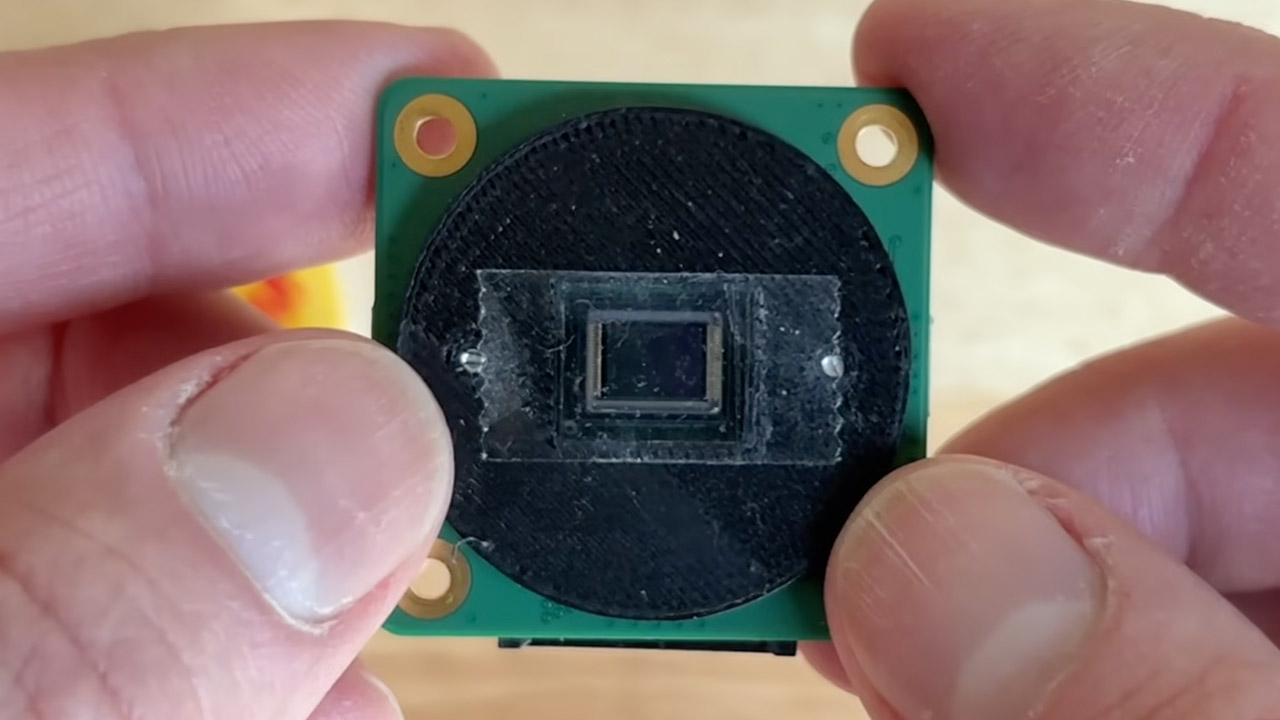
He starts with a Raspberry Pi camera and puts a small piece of Scotch tape around a 3D printed bit only 3 millimeters away from the sensor. A piece of electrical tape holds the tape in place and creates a frame for the image, ensuring that no PSF escapes and causes additional difficulties. Only 3mm was the sweet spot since it kept the PSF nice and small in the center of the sensor, which is where you want it for optimum results.

Taking Photos Scotch Tape
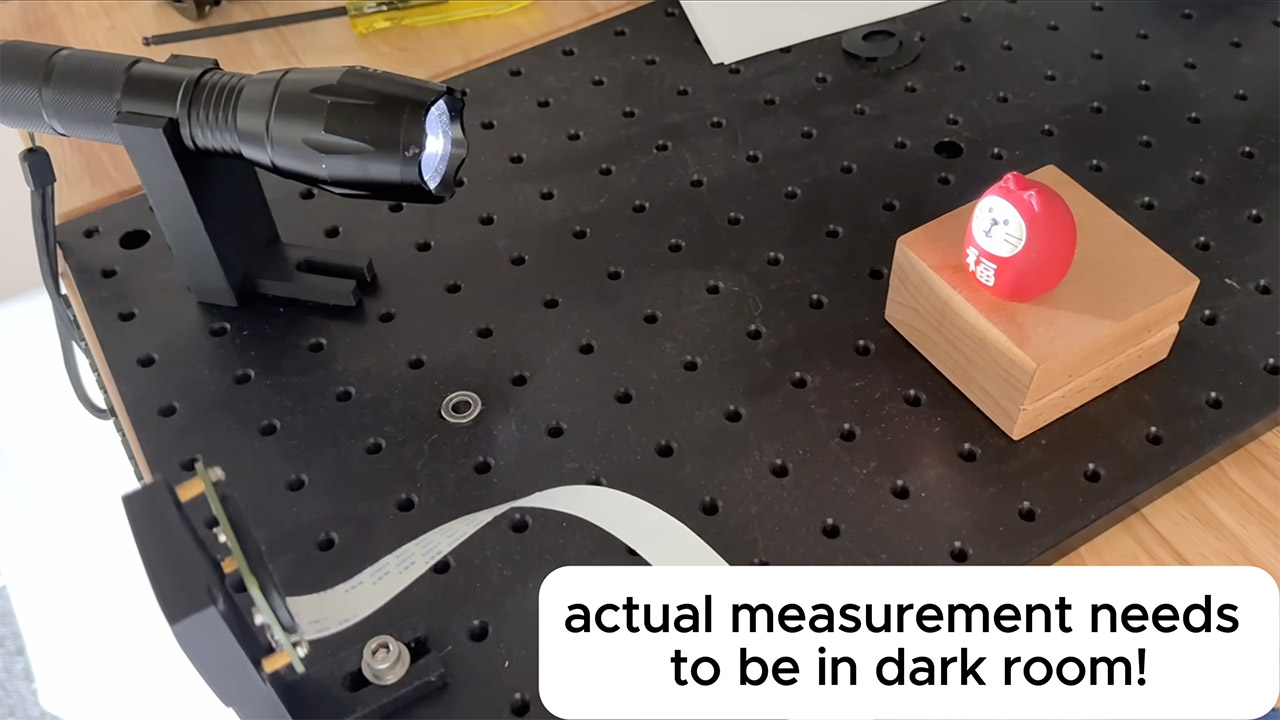
You set it up, point it at a subject, such as a cat, smartphone screen with text, or a turtle silhouette, and capture the shot. The sensor then catches the dispersed light field, which means there’s no need to mess with manual focus or particular exposure settings because everything is handled by the computer.

Taking Photos Scotch Tape
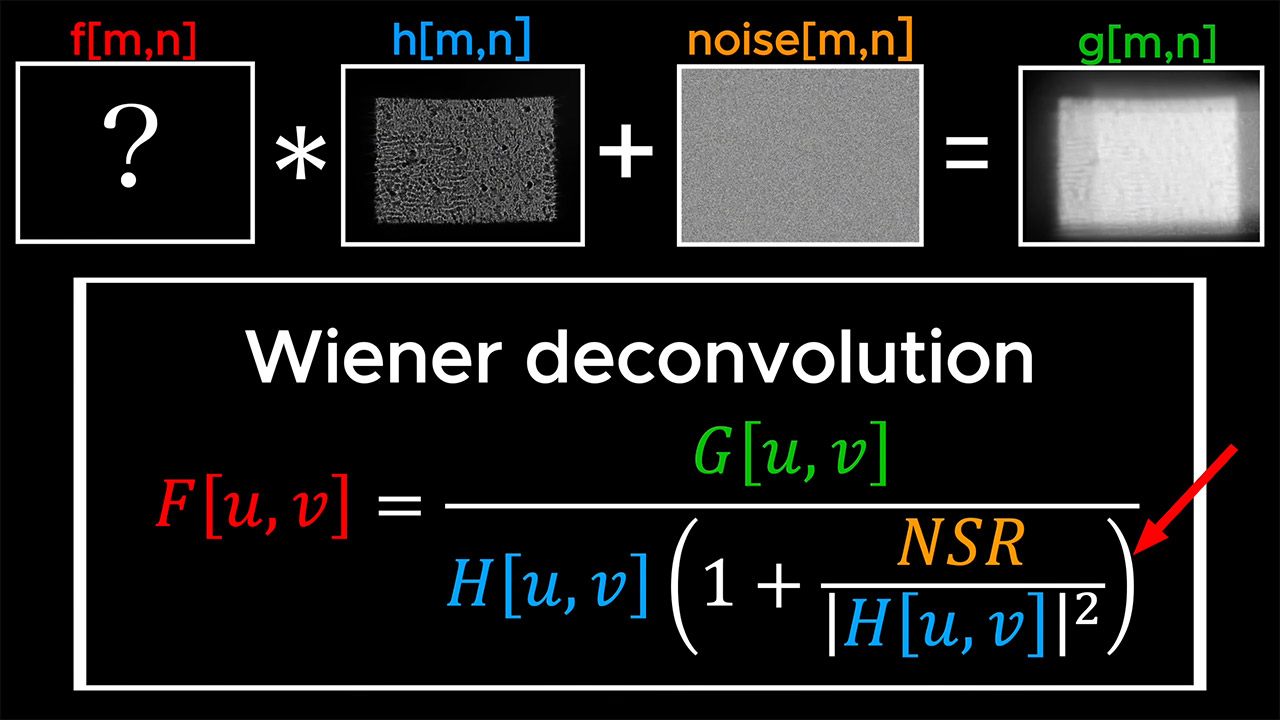
The magic happens during reconstruction, which uses a technique known as Wiener deconvolution. That’s because the PSF wiped out the true scene, resulting in the hazy image. In the Fourier domain, the convolution converts to a very easy multiplication, so all you have to do is divide by the PSF’s Fourier transform. However, there’s a catch: all that noise in the image causes issues. Wiener deconvolution adds a little extra math to balance out the noise, resulting in a cleaner image if the settings are correct.
[Source]

Advertisement

Source link

Continue Reading

Tech

Critical infra Honeywell CCTVs vulnerable to auth bypass flaw

Published

on

Critical infra Honeywell CCTVs vulnerable to auth bypass flaw

The U.S. Cybersecurity and Infrastructure Security Agency (CISA) is warning of a critical vulnerability in multiple Honeywell CCTV products that allows unauthorized access to feeds or account hijacking.

Discovered by researcher Souvik Kanda and tracked as CVE-2026-1670, the security issue is classified as “missing authentication for critical function,” and received a crtical severity score of 9.8.

The flaw allows an unauthenticated attacker to change the recovery email address associated with a device account, enabling account takeover and unauthorized access to camera feeds.

Wiz

“The affected product is vulnerable to an unauthenticated API endpoint exposure, which may allow an attacker to remotely change the “forgot password” recovery email address,” CISA says.

According to the security advisory, CVE-2026-1670 impacts the following models:

Advertisement
  • I-HIB2PI-UL 2MP IP 6.1.22.1216
  • SMB NDAA MVO-3 WDR_2MP_32M_PTZ_v2.0
  • PTZ WDR 2MP 32M WDR_2MP_32M_PTZ_v2.0
  • 25M IPC WDR_2MP_32M_PTZ_v2.0

Honeywell is a major global supplier of security and video surveillance equipment with a broad range of CCTV camera models and related products deployed in commercial, industrial, and critical infrastructure settings worldwide.

The company offers many NDAA-compliant cameras that are suitable for deployment in U.S. government agencies and federal contractors.

The specific model families named in CISA’s advisory are mid-level video surveillance products used in small to medium business environments, offices, and warehouses, some of which may be part of critical facilities.

CISA stated that as of February 17th there were no known reports of public exploitation specifically targeting this vulnerability.

Nonetheless, the agency recommends minimizing network exposure of control system devices, isolating them behind firewalls, and using secure remote access methods such as updated VPN solutions when remote connectivity is necessary.

Advertisement

Honeywell has not published an advisory on CVE-2026-1670, but users are advised to contact the company’s support team for patch guidance.

Modern IT infrastructure moves faster than manual workflows can handle.

In this new Tines guide, learn how your team can reduce hidden manual delays, improve reliability through automated response, and build and scale intelligent workflows on top of tools you already use.

Source link

Advertisement
Continue Reading

Tech

Hubble Discovers One of the Darkest Galaxies Known to Exist

Published

on

Hubble Dark Galaxy CDG-2
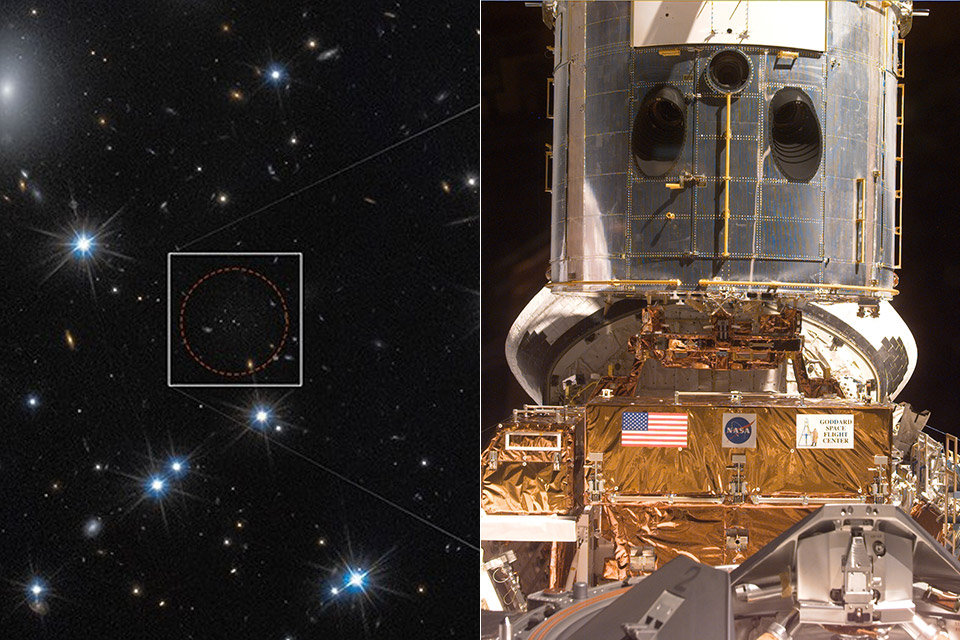
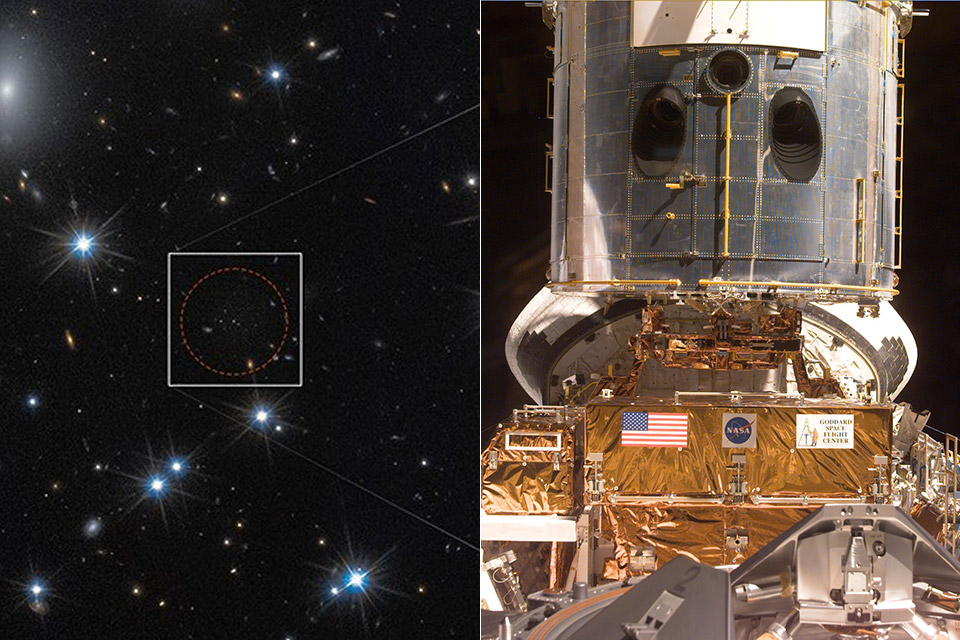
Hubble has just discovered one of the darkest galaxies known to exist. It’s named Candidate Dark Galaxy-2, or CDG-2 for short. This faint object is located in the Perseus galaxy cluster, around 300 million light years from Earth.


Most galaxies announce their presence with a dazzling display of illumination, but CDG-2 does the opposite, with hardly no light seen at all. It’s composed of approximately 99% dark matter, a mysterious, invisible substance that drags objects with its gravity but cannot be seen. The remaining 1% is merely ordinary matter, although even that appears scarce and dull.


Gskyer Telescope, 70mm Aperture 400mm AZ Mount Astronomical Refracting Telescope for Kids Beginners…
  • Superior Optics: 400mm(f/5.7) focal length and 70mm aperture, fully coated optics glass lens with high transmission coatings creates stunning images…
  • Magnification: Come with two replaceable eyepieces and one 3x Barlow lens.3x Barlow lens trebles the magnifying power of each eyepiece. 5×24 finder…
  • Wireless Remote: This refractor telescope includes one smart phone adapter and one Wireless camera remote to explore the nature of the world easily…

A team of researchers at the University of Toronto, led by David Li, discovered CDG-2 by using an innovative method. They were looking for compact, tightly packed globular clusters, which are large, ancient balls of stars that can stick together even in the most chaotic settings. Their computer calculations suggested that there might be hidden galaxies in there, and Hubble provided images that confirmed them correct.

Hubble Dark Galaxy CDG-2
Hubble’s high-resolution images revealed four of these globular clusters clumped together, as well as a faint light surrounding them, very definitely indicating the presence of an underlying galaxy. Then, after more observations of the glow from the Euclid satellite observatory and the Subaru Telescope in Hawaii, it was obvious that the clusters belonged to a single extremely faint galaxy.

CDG-2 actually shines with the brilliance of around 6 million suns at its peak, but this is spread out over a large area. The five clusters account for approximately 16% of the light we can see, with the remainder coming from a collection of extremely faint, scattered stars. To put that into context, the Milky Way has far more of these little globular clusters, as well as a lot more light from all of its billions of stars.

Advertisement

CDG-2 most likely lost much of its gas, the substance that allows stars to form in the first place, due to being located in such a busy area of the cosmos, the Perseus Cluster. This discovery demonstrates how important globular clusters may be in detecting other galaxies that might otherwise go unreported, and low light emitters like CDG-2 challenge our understanding of how galaxies develop, particularly in crowded areas of the universe.

Source link

Advertisement
Continue Reading

Tech

Tech for Secure Internet Access (2026 Layered Playbook)

Published

on

Travelling Abroad: Tech for Secure Internet Access

International travel pushes you into networks you don’t control, jurisdictions you may not understand, and recovery paths that fail at the worst time. Secure access abroad is engineered through layers: reduce exposure, encrypt what you must transmit, and pre-stage recovery so you can recover from lockouts or device loss without improvising.

1) Start with a travel threat model (5 minutes, worth hours)

Before you pack, decide which profile you’re in:

Advertisement
  • Low risk: tourism + casual accounts (streaming, social, personal email).
  • Medium risk: business travel (corporate email, client files, admin panels).
  • High risk: journalism/activism, sensitive IP, or destinations with aggressive filtering.

This choice determines how far you go (e.g., one device vs two, hardware keys vs app MFA, and whether you bring a “clean” travel laptop).

Field rule

If losing your phone would lock you out of email, you’re not ready to travel.

2) Account resilience (the layer most people skip)

Most travel “security failures” are availability failures: you get locked out when your bank flags a foreign login, your SIM stops receiving texts, or your authenticator is on the phone you just lost.

Do this before you leave

  • Enable MFA on primary accounts (email first, then password manager, then banking).
  • Add at least two independent second factors (e.g., authenticator app + hardware key, or authenticator app + backup codes).
  • Print or securely store backup codes for critical accounts.

Google’s own account recovery option guidance is explicit: create backup codes specifically for cases where you lose your phone, change numbers, or can’t receive codes via text/call/Google Authenticator. Google also states that backup codes are one-time use, and that generating a new set of 10 codes automatically deactivates the old set.

Backup codes: operational best practice

  • Store one copy with the physical travel documents and another in a secure vault accessible offline.
  • Treat backup codes like cash: Google explicitly warns against sharing them and notes That It never asks for a backup code except at sign-in.

When NOT to rely on SMS MFA

SMS can fail abroad for mundane reasons (roaming, SIM replacement, blocked messaging), and it creates fragile recovery chains; use it only as a fallback, not your primary plan.

3) Device hardening (reduce what can be stolen, not just what can be sniffed)

Think “travel device = elevated-risk endpoint.”

Minimum viable hardening (fast, high impact)

  • Update the OS, browsers, and security tooling before departure (don’t perform major upgrades mid-trip unless necessary).
  • Remove unused apps; revoke tokens/sessions for apps you don’t need.
  • Turn off auto-join for Wi‑Fi; disable Bluetooth/NFC when you’re not using them.
  • Use full-disk encryption and a strong passcode; avoid “easy unlock” shortcuts that trade away physical security.

If you handle sensitive work

  • Use a dedicated travel profile or device with minimal data.
  • Keep “source of truth” documents in encrypted storage with explicit offline copies for travel essentials (IDs, itinerary, emergency contacts).

4) Networks: prefer “known-good paths,” not “free Wi‑Fi”

Public Wi‑Fi is convenient, but it is also the most common place to encounter rogue access points, captive portal manipulation, and opportunistic monitoring.

NSA guidance explicitly recommends avoiding public Wi‑Fi and using a personal/corporate hotspot with strong authentication/encryption when possible; if you must use public Wi‑Fi, use a VPN to encrypt traffic.

Advertisement

Practical network priority order

  1. Your phone hotspot (or a dedicated travel router with a trusted SIM/eSIM)
  2. Corporate-managed connectivity (if provided)
  3. Hotel Wi‑Fi only when necessary
  4. Airports/cafés as a last resort

Wi‑Fi hygiene that prevents dumb losses

  • Confirm the SSID with staff (don’t guess).
  • Don’t install “helper apps” required by a captive portal.
  • After connecting, forget the network when you’re done (prevents silent auto-reconnect later).

5) VPNs as a core layer (configured like an engineer, not a tourist)

A VPN is useful because it reduces what local networks can observe or tamper with, but it doesn’t magically make unsafe behavior safe.

What to look for (2026 buyer/operator criteria)

  • Modern protocols (WireGuard/OpenVPN), stable clients on your OS, and predictable reconnect behaviour.
  • Kill switch / “block without VPN” mode to prevent accidental cleartext if the tunnel drops.
  • Obfuscation/stealth options if you expect active filtering.
  • Multi-region redundancy and a plan B provider (because “it worked yesterday” is not a plan).

VPN pitfalls (common, expensive)

  • Split tunnelling can leak DNS or app traffic if misconfigured; only use it when you have a tested reason.
  • “Always-on VPN” can break banking apps or corporate SSO flows; test your critical apps before departure.
  • If a country restricts VPNs, blindly installing random VPNs can create legal and personal risk—research your destination’s rules and your organisation’s policy. If you’re travelling to heavily filtered regions, review destination-specific guidance, such as this breakdown of the best VPN for China, to understand which providers consistently operate under active network controls.

6) Cloud + data access (design for partial failure)

Assume at least one of these will fail: your VPN, a cloud provider, your authenticator, or your ability to receive SMS.

Resilience patterns that work

  • Keep encrypted offline copies of critical documents (IDs, tickets, insurance, emergency numbers).
  • Pause automatic sync for sensitive work folders on untrusted networks.
  • Separate “travel comms” from “admin access” (e.g., don’t manage production systems from café Wi‑Fi).

Security tools live inside law and policy. Some jurisdictions regulate the use of encryption and VPNs, and some border environments involve device searches.

Practical stance

  • Know what tools are permitted where you’re going (and what your employer allows).
  • Reduce what you carry: fewer accounts signed in, fewer sensitive files locally, and a clear plan for what happens if a device is confiscated or wiped.

FAQ

  • Do I really need a VPN when travelling?
    If you must use public Wi‑Fi, NSA guidance recommends using a personal/corporate-provided VPN to encrypt traffic and avoiding public Wi‑Fi when more secure options are available.
  • What’s the #1 thing to do before an international trip?
    Make account recovery work without your phone—Google explicitly recommends creating backup codes for cases where you lose your phone or can’t get verification codes.
  • How should I store backup codes safely?
    Google warns not to share backup codes and states that Google never asks for a backup code other than at sign-in, so treat them as highly sensitive secrets.
  • Why not just rely on SMS MFA abroad?
    SMS can fail during travel (roaming, number changes, blocked services), so it’s best treated as a fallback rather than a primary factor.

Key takeaways

  • Design for resilience, not perfection: assume lockouts and partial connectivity failure, and pre-stage recovery.
  • Prefer hotspots/cellular over public Wi‑Fi when possible, and use a VPN if you must use public Wi‑Fi.
  • Use layered controls: accounts (MFA + backup codes), devices (hardening), networks (selection discipline), and legal awareness.

Source link

Continue Reading

Tech

Dyson announces the PencilWash wet floor cleaner

Published

on

Last year Dyson introduced the , which it immediately declared the “world’s slimmest vacuum cleaner.” Presumably, then, the title of world’s slimmest wet floor cleaner goes to the newly unveiled PencilWash.

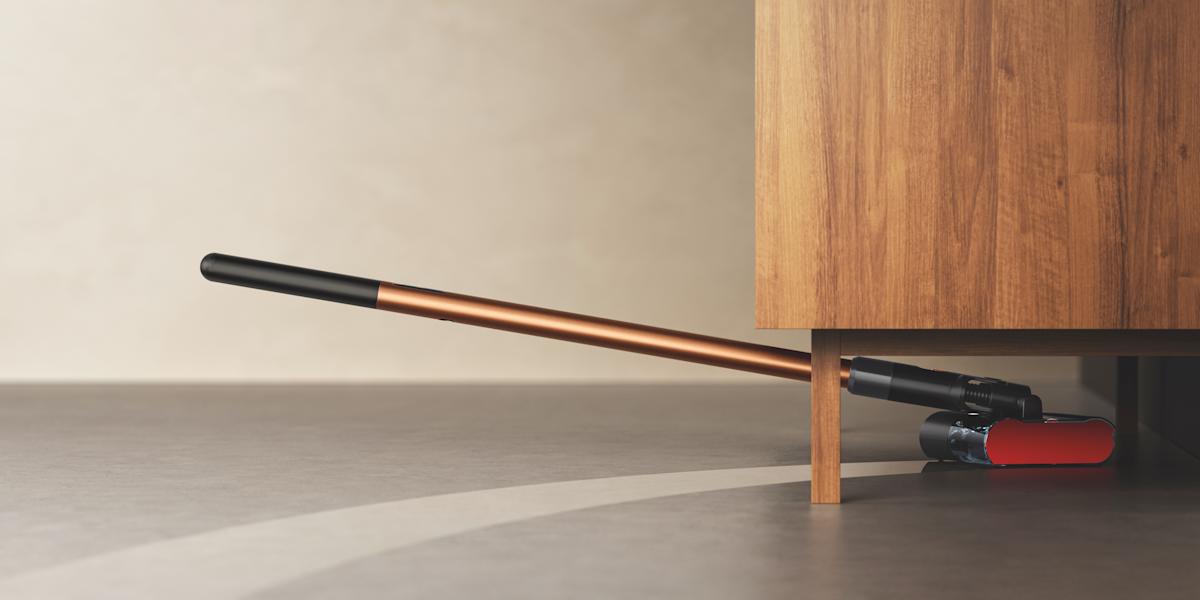
Promising a “lighter, slimmer and smaller solution to wet cleaning without compromising on hygiene,” the PencilWash is designed to let you clean everywhere you need to with minimal hassle. Like the vacuum cleaner with which it shares the first part of its name, the handle measures just 1.5 inches in diameter from top to bottom, and the whole thing weighs little more than 2kg.

The ultra-thin design allows the cleaner to lie almost completely flat, allowing you to get into tight corners or under low furniture, where more traditionally bulky devices might struggle. Its slender proportions also make it easier to store if your home is on the smaller side.

Dyson says the PencilWash only applies fresh water to floors, and after swiftly eliminating spills and stains it should dry up pretty quickly. Its high-density microfiber roller is designed to tackle both wet and dry debris in one pass, and because it doesn’t have a traditional filter, you won’t have to worry about trapped dirt or lingering smells.

Advertisement

Above the power buttons there’s a screen displaying remaining battery level, and the handle can be slotted into a charging dock when not in use.

The Dyson PencilVac will cost $349, with a release date yet to be announced.

Source link

Advertisement
Continue Reading

Tech

How Close Can AI Get To Writing A Techdirt Post?

Published

on

from the man-vs.-machine dept

I’ve talked on Techdirt about just a few of my AI-related experiments over the past few years, including how I use it to help me edit pieces, which I still write myself. I still have no intention of letting AI write for me, but as the underlying technology has continued to level up, every so often I’ll run a test to see if it could write a better Techdirt post than I can. I don’t think it’s there (and I’m still not convinced it will ever get there), but I figured I can share the process with you, and let you be the judge.

I wanted to pick a fairly straightforward article, rather than a more complex one, just to see how well it works. In this case, I figured I’d try it with the story I published last week about Judge Boasberg ruling against the Trump administration and calling out how the DOJ barely participated in the case, and effectively told him to “pound sand” (a quote directly from the judge).

I know that just telling it to write a Techdirt article by itself will lead to pretty bland “meh” content. So before I even get to the prompt, there are some steps I need to include. First, over time I continue to adjust the underlying “system prompt” I use for editing my pieces. I won’t post the entire system prompt here as it’s not that interesting, but I do use it to make it clear its job is to help me be a better writer, not to be a sycophant, not to try to change things just for the sake of change, and to suggest things that will most help the reader.

I also have a few notes in it about avoiding recommending certain “AI-style” cliches like “it’s not this, it’s that.” Also, a specific one for me: “don’t suggest changing ‘fucked up’ to ‘messed up.’” It does that a lot for my writing.

Advertisement

But that’s not all. I also feed in Techdirt samples, which are a collection of ten of my favorite articles, so it gets a sense of what a “Techdirt article” looks like. On top of that, I give it a “Masnick Style Guide” that I had created after feeding a bunch of Techdirt articles into three different LLMs, asking for each to produce a style guide, and then having NotebookLLM combine them all into a giant “Masnick style-guide.”

Then, I feed it any links, including earlier stories on Techdirt, that are relevant, before finally writing out a prompt that can be pretty long. In this test case, I fed it the PDF file of the decision. I also gave it Techdirt’s previous stories about Judge Boasberg.

Finally, I gave it a starting prompt with a fair bit of explanation of what angle I was hoping to see a Techdirt post on this topic. So here’s my full prompt:

Can you write a Techdirt style first draft of a post (see the attached Techdirt post samples, as well as the even more important Masnick style guide, which you should follow) about the attached ruling in the JGG v. Trump case by Judge James Boasberg. I have also attached a page of previous articles about Judge Boasberg which you should consider, especially as some reference this same case.

You may also want to highlight that Judge Boasberg just was vindicated after the DOJ filed a vexatious complaint against him because of earlier rulings in this case, but that complaint has been easily dismissed. The crux of this article, though, should be on the very strong language Boasberg uses, including the astoundingly candid statement that he felt the government “apparently was no interested in participating in this process” and how he read their response as telling “the Court to pound sand.” There are other parts of the ruling that are useful as well. It should also call out the specific remedy here, and how weak it feels, given the situation explained in the ruling and the DOJ’s actions. Yes, they lost the case, but this still feels like a slap on the wrist with no real consequences for the DOJ.

Advertisement

As always with Techdirt posts, instead of doing in-line quotes, we usually do blockquotes, often of one or even multiple paragraphs from the original sources, so please adhere to that style. Take all of this info and draft the best Techdirt post you can regarding the topic.

And… you can see the results embedded below. I’ve also embedded my original article (though you can just go read it on the site directly). I’m amused that it added a “from the such and such dept” line as well as tags, both of which are core parts of Techdirt posts, but not things I asked it for.

I’m extremely biased, as this is a question of who writes better, me or the machine, and I still think I’m better than the machine. But, I also have to admit it’s not bad. It’s decent. If I had that submitted by another writer, there are definitely changes and edits I’d make, especially to the crappy cliche’d ending. But it’s way better than what most people think of as traditional ChatGPT output, in part because of all the context and detailed instructions I fed it.

Just for fun, I then also asked my editing tool to do its own edit on its own writing (usually not a good idea to let it grade its own homework), but here’s what it had to say:

Advertisement

solid draft. the “pound sand” framing works well and the frustration comes through. few things:

the tension setup: you flag “frustratingly toothless” in graf 3 then say “on one level this is a win” much later. that’s the right editorial instinct—there IS genuine tension here—but you’re burying the lede on your own argument. consider setting up that complexity earlier so readers know they’re getting nuance, not whiplash.

missing a key detail from the ruling: Boasberg notes that “even Plaintiffs’ counsel could not represent how many of the 137 are still in Venezuela and how many wish to proceed with habeas.” that’s devastating. the chaos is so complete that the lawyers literally don’t know where everyone is. worth including.

the numbered remedies block: you cut it off mid-list. the 5th point actually matters—there’s a March 13 deadline for the government to file a Status Report explaining how/when they’ll transport people back. that’s your next milestone. either include it or acknowledge you’re excerpting.

the Venezuela carve-out: you mention it but undersell it. the ruling specifically says it’s “mindful” of the “situation in Venezuela remains in flux” given “the United States’s recent law-enforcement action there.” that’s pretty ominous language from a federal judge about whatever the hell the administration is doing in Venezuela right now. might be worth a parenthetical noting this deserves its own article.

Advertisement

the closer: “I wouldn’t hold my breath” is fine but feels like boilerplate. you’ve got stronger material to end on—maybe the March 13 deadline, or something that points forward rather than just shrugging.

one small thing: “a complaint that was summarily dismissed” in graf 2—might want “recently dismissed” or similar since it was just last week. “summarily” suggests procedure when really the story is how embarrassing the dismissal was.

overall structure is good. the piece does what Techdirt does well: walks through the actual document, quotes liberally, and doesn’t pretend the “win” is bigger than it is.

You’ll note that it also calls out its own weak ending, just like I did. It is kind of wild to see the AI call out its own weaknesses, while making you wonder—if that’s the case—why did it not catch those earlier and fix them? And that then makes you wonder if it’s just coming up with a critique for the sake of giving one (though, that ending really is weak).

Advertisement

The other thing I’ll note is, again, this actually was still a fair bit of work. It was less than writing the whole thing myself, but even just writing out the prompt itself took time, and this piece would still need a fair bit of editing anyway for publication which would probably take away any time benefit.

Overall, though, you can see how the technology is certainly getting better. I still don’t think it can write as well as I do, but there are some pretty good bits in there.

Once again, this tech remains quite useful as a tool to assist people with their work. But it’s not really good at replacing your work. Indeed, if I asked the AI to write articles for Techdirt, I’d probably spend just as much time rewriting/fixing it as I would just writing the original in the first place. It still provides me very good feedback (on this article that you’re reading now, for example, the AI editor warned me that my original ending was pretty weak, and suggested I add a paragraph talking more about the conclusions which, uh, is what I’m now doing here).

I honestly think the biggest struggle with AI over the next year or so is going to be between the people who insist it can totally replace humans, leading to shoddy and problematic work, and the smaller group of people who use it as a tool to assist them in doing their own work better. The problems come in when people overestimate its ability to do the former, while underestimating its ability to do the latter.

Advertisement


Filed Under: ai, prompting, writing

Companies: techdirt

Source link

Advertisement
Continue Reading

Tech

Vinay Prasad: The One Man Roadblocking An mRNA Flu Vaccine

Published

on

from the one-flu-over-the-cuckoo’s-nest dept

Dr. Vinay Prasad is currently the FDA’s top vaccine regulator. He’s also one of many medical goons hand-picked by RFK Jr. to help lead his decidedly anti-vaxxer movement. In fact, the last time we discussed Prasad, it was over his selective censorship attempts at avoiding public criticism for his anti-vaxxer nonsense. If you show clips of Prasad spewing his anti-vaxxer views to critique them, he’ll have your YouTube channel axed. If you show those same clips to praise his nonsense, you get to continue on unmolested.

He’s an asshat, in other words. An anti-science, anti-medicine asshat. And he’s also someone who is unilaterally keeping us from making progress on vaccines, apparently out of pure joy in exercising such power.

Moderna is producing a new influenza vaccine, this one utilizing mRNA technology, a la the COVID vaccine. Moderna sent an application to the FDA for a review of the vaccine it has produced, as well as the data from the trials the company conducted to demonstrate its efficacy. We learned last week that the FDA flatly refused to review any of this data.

In a news release late Tuesday, Moderna said it was blindsided by the FDA’s refusal, which the FDA cited as being due to the design of the company’s Phase 3 trial for its mRNA flu vaccine, dubbed mRNA-1010. Specifically, the FDA’s rejection was over the comparator vaccine Moderna used.

In the trial, which enrolled nearly 41,000 participants and cost hundreds of millions of dollars, Moderna compared the safety and efficacy of mRNA-1010 to licensed standard-dose influenza vaccines, including Fluarix, made by GlaxoSmithKline. The trial found that mRNA-1010 was superior to the comparators.

Advertisement

Moderna said the FDA reviewed and accepted its trial design on at least two occasions (in April 2024 and again in August 2025) before it applied for approval of mRNA-1010. It also noted that Fluarix has been used as a comparator vaccine in previous flu vaccine trials, which tested vaccines that went on to earn approval.

This looks for all the world like Moderna did what it was supposed to do in getting the proper sign-offs from the FDA to conduct its trials. Prasad himself sent the refusal notice to Moderna, however, and cited within it that the trials Moderna conducted, which were signed off on by the FDA, were not appropriate. The letter didn’t bother to indicate why.

But in a letter dated February 3, Vinay Prasad, the FDA’s top vaccine regulator under the Trump administration, informed Moderna that the agency does not consider the trial “adequate and well-controlled” because the comparator vaccine “does not reflect the best-available standard of care.”

In its news release, Moderna noted that neither the FDA’s regulation nor its guidance to industry makes any reference to a requirement of the “best-available standard of care” in comparators.

Everyone at Moderna was understandably confused. The company has already reached out asking to meet with the FDA, ostensibly to sit down in a conference room with them, look them in the eye, and ask “wut?”.

Advertisement

The answer is unlikely to be satisfying. And it should be quite alarming to the rest of us. That’s because the rejection of a review of all of this data reportedly came from Prasad and Prasad alone, over the objections of his own scientists at the FDA.

Vinay Prasad, the Trump administration’s top vaccine regulator at the Food and Drug Administration, single-handedly decided to refuse to review Moderna’s mRNA flu vaccine, overruling agency scientists, according to reports from Stat News and The Wall Street Journal.

Stat was first to report, based on unnamed FDA sources, that a team of career scientists at the agency was ready to review the vaccine and that David Kaslow, a top career official who reviews vaccines, even wrote a memo objecting to Prasad’s rejection. The memo reportedly included a detailed explanation of why the review should proceed.

According to those same sources, Prasad’s reason for refusing to review Moderna’s vaccine makes little sense. The story goes like this. As Moderna was seeking guidance for its trials for the vaccine, it chose a currently licensed flu vaccine against which to compare its own vaccine. At one point, the FDA suggested a different comparative vaccine be used. Moderna declined that suggestion and moved forward with the comparative vaccine it originally chose. Despite that difference the FDA reviewed the company’s plans for its trial on several occasions and at no point suggested its choices were a show-stopper.

That’s it. That’s the whole thing. Prasad is claiming that the choice Moderna made for a comparative vaccine, for which the company received only mild feedback from the FDA, is why the FDA is refusing to review this mRNA flu vaccine entirely.

Advertisement

Because that reasoning is almost certainly bullshit. As evidence of that, these same sources from within the FDA offered up this:

This wasn’t enough for Prasad, who, according to the Journal’s sources, told FDA staff that he wants to send more such refusal letters that appear to blindside drug developers. The review staff apparently pushed back, noting that such moves break with the agency’s practices and could open it up to being sued. Prasad reportedly dismissed concern over possible litigation. Trump’s FDA Commissioner Marty Makary seemed similarly unconcerned, suggesting on Fox News that Moderna’s trial may be “unethical.”

The explanation here is remarkably simple. This current government is being run by anti-vaxxers. And these anti-vaxxers are particularly anti-vaxxer-y about mRNA vaccines. And so folks like Prasad are throwing up every roadblock they can dream up to make it as difficult as possible to get new vaccines utilizing new technology approved. Or, as in this case, even reviewed.

Now, if that reads like the opposite of scientific progress to you, give yourself a gold star, because you’re right. Thomas Jefferson once said “I tremble for my country when I reflect that God is just” when, hypocritically, discussing slavery in America. I think we should tremble for our country as well when I reflect that we are getting sicker as a nation, given that we have morons at the helm of the nation’s health.

Filed Under: fda, flu, flu vaccine, health & human services, mrna, rfk jr., science, vaccines, vinay prasad

Companies: moderna

Advertisement

Source link

Continue Reading

Trending

Copyright © 2025