Tech
Which ASUS Radeon graphics card should you buy? A guide to finding the right fit

A graphics card is rarely bought in isolation. It has to fit the case, the cooling system, the display, the games or applications that will run on it, and increasingly, the kind of work a PC is expected to handle. A compact 1440p gaming machine has little in common with a 4K enthusiast build, while a workstation running local AI models can make entirely different demands on its GPU.
ASUS’s Radeon range reflects those differences rather than trying to force every buyer toward the same specification. The lineup stretches from the Radeon RX 9060 XT through the RX 9070 GRE and RX 9070 XT, with different card designs addressing everything from compact systems and carefully matched white builds to demanding gaming and local AI workloads. All of the graphics cards covered here also come with a three-year warranty, which matters when a GPU is likely to remain one of the most substantial components in a PC for several years.

Choosing between them, then, is less about finding a universally superior card and more about understanding where each one makes sense. The RX 9070 XT is built for buyers who want serious 1440p and 4K gaming performance. The RX 9070 GRE occupies a more measured position for 1440p systems, while the RX 9060 XT makes a stronger case where size and compatibility carry more weight. The Turbo Radeon AI Pro R9700 sits outside that gaming hierarchy altogether, targeting users who need the memory and compute capability for local AI and other demanding workloads.
Start with the kind of PC you are building
A graphics card can be powerful on paper and still be the wrong choice for a particular PC. Case dimensions, cooling, noise, display resolution and the kind of software you use all matter once the card is installed.
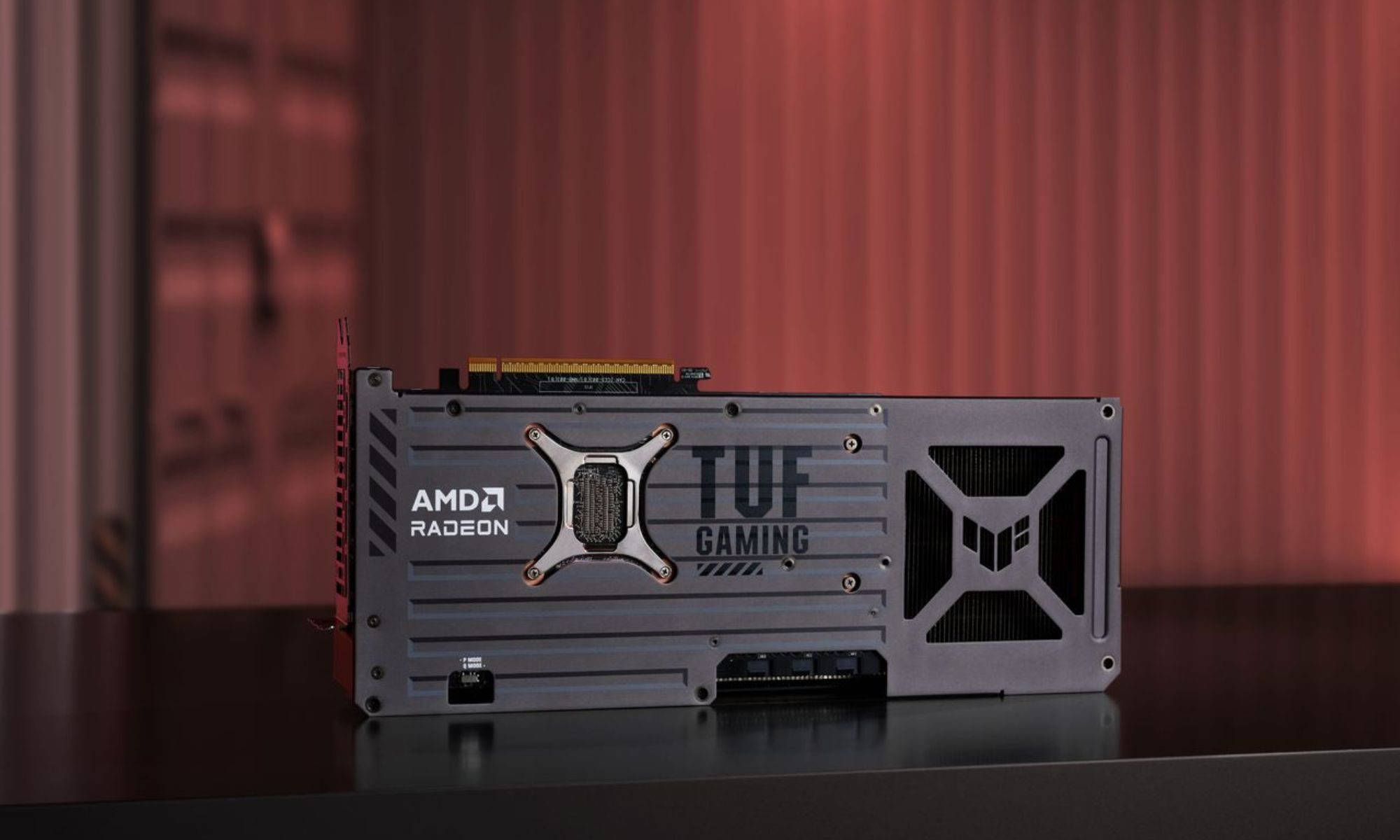
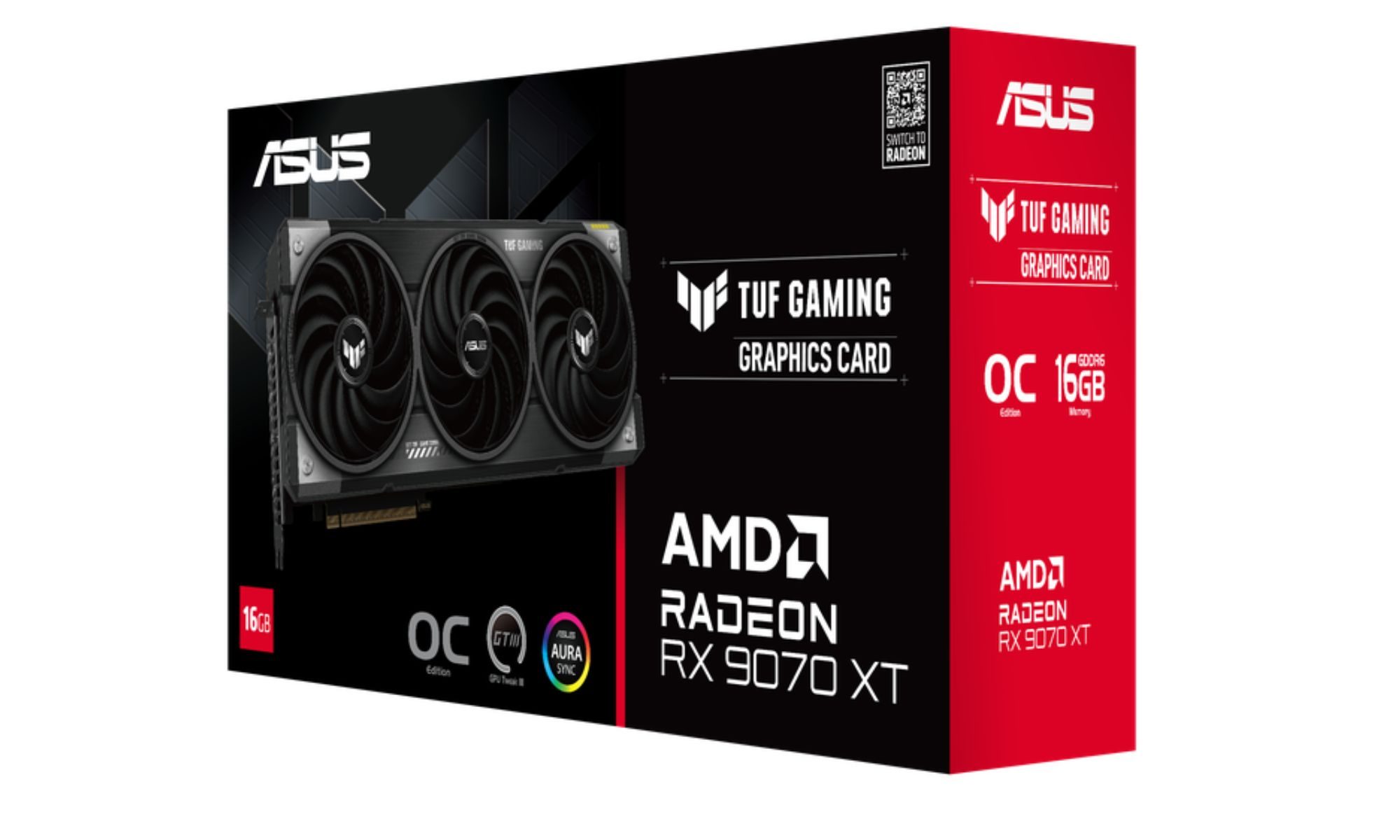
The ASUS TUF Gaming Radeon RX 9070 XT OC Edition is the straightforward choice for someone who wants to push gaming performance without treating the rest of the card as an afterthought. It is built around 16GB of GDDR6 memory and is designed for strong 1440p gaming as well as 4K, with an OC mode reaching up to 3080 MHz boost and 2540 MHz game clock according to ASUS.
The TUF’s cooling system is a major part of the card’s overall proposition. Its 3.125-slot design uses three Axial-tech fans, a large fin array and a phase-change GPU thermal pad, while dual-ball bearings are designed for long-term use. A metal exoskeleton adds rigidity while also allowing additional ventilation. The result is a card that makes sense when performance is the priority and the PC has enough room to accommodate a substantial cooler.
The TUF model also adds features not found on the Prime or Dual cards, including an illuminated TUF logo and a protective PCB coating designed to help guard against short circuits caused by moisture, dust and debris. ASUS also uses military-grade components designed to support long-term durability and reliable power delivery.
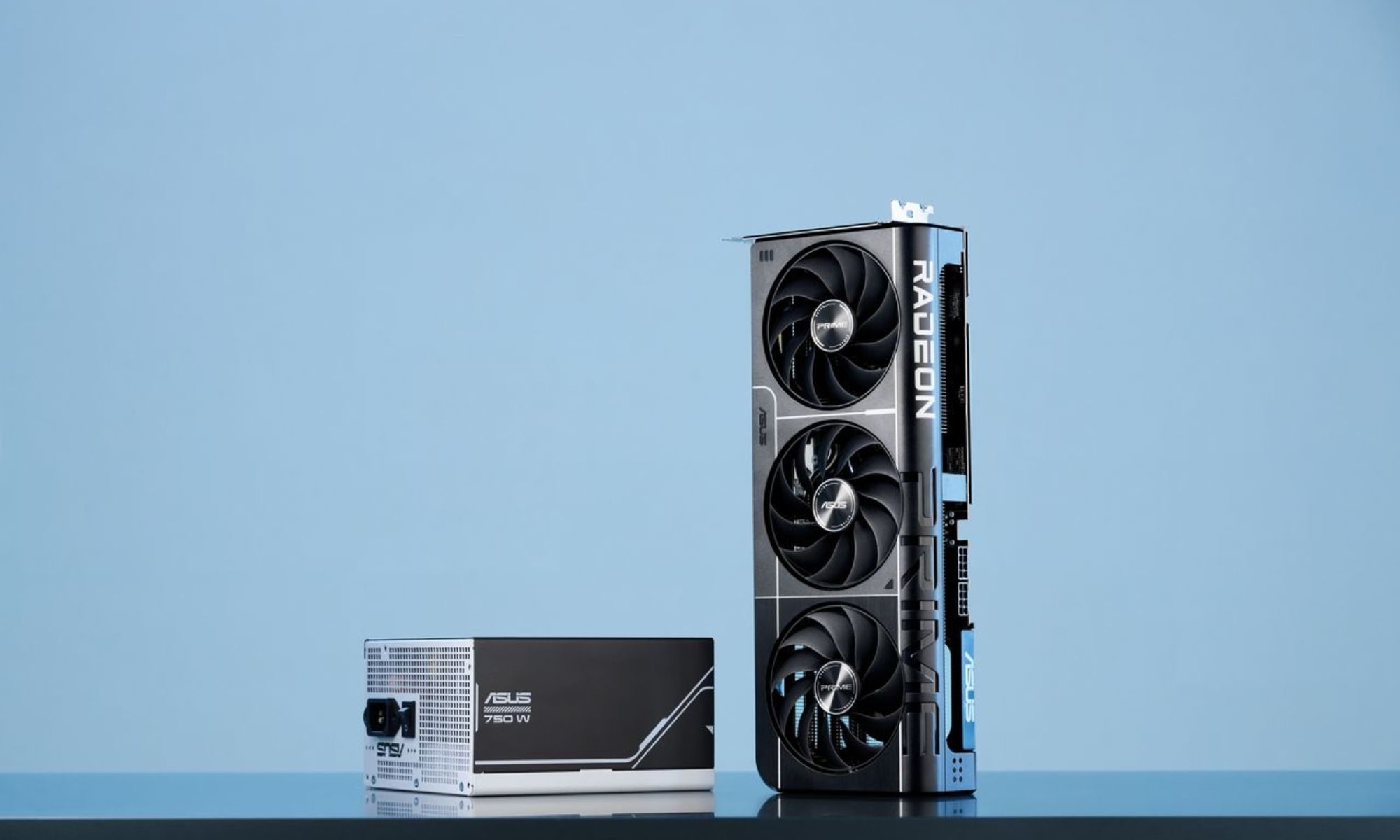
The ASUS Prime Radeon RX 9070 XT OC Edition takes much of the same performance proposition and puts it into a smaller package. It retains 16GB of GDDR6 and is built for 1440p and 4K gaming, but its 2.5-slot design gives compact builds more breathing room. Its OC mode reaches up to 3030 MHz boost and 2480 MHz game clock, while Axial-tech fans, a phase-change GPU thermal pad and dual-ball bearings handle the cooling.
The distinction between TUF and Prime is therefore less about raw performance than the space available inside the case. TUF gives the cooling system more room to work; Prime gives the builder more room to work around the GPU. For a large enthusiast build, TUF’s substantial cooler is an easy trade. In a more compact system, Prime’s smaller footprint can matter considerably more.
Gaming and AI workloads call for different priorities
Not every demanding GPU workload is a gaming workload. A card that makes sense for high-refresh 1440p or 4K gaming can have very different strengths from one designed to run large AI models locally, and the difference becomes particularly important once memory capacity enters the equation.
The ASUS Turbo Radeon AI Pro R9700 is built for that second category. Its 32GB of GDDR6 memory, 256-bit memory interface and bandwidth of up to 640GB/s are aimed at workloads that can quickly outgrow the memory available on a conventional gaming card. The card is designed for local LLMs, Stable Diffusion and Flux, AI development, content creation and other memory-heavy compute tasks.
Its specifications are tailored accordingly. The card uses RDNA 4 with 128 AI accelerators and up to 1,531 TOPS of INT4 performance, while PCIe 5.0 support and a 2-slot design make it suitable for dense multi-GPU workstation configurations. Its cooling system is also designed around sustained compute rather than short bursts of gaming, combining a diecast shroud and backplate with a wave-pattern design that ASUS says can reduce memory temperatures by up to 16%.
For a gaming PC, the RX 9070 XT and the other Radeon gaming cards make more sense because their strengths are aligned with that workload. The Turbo Radeon AI Pro R9700 becomes the more relevant choice when the machine is expected to handle local AI, large models or sustained GPU compute, where 32GB of VRAM and dedicated AI capability can matter far more than gaming-oriented specifications.
1440p gaming does not always require the biggest card
The step down from the higher-end gaming cards does not mean stepping away from serious 1440p performance. The mid-range options in this lineup are aimed at systems where smooth gaming matters, but power consumption, physical size and overall build balance deserve more attention.
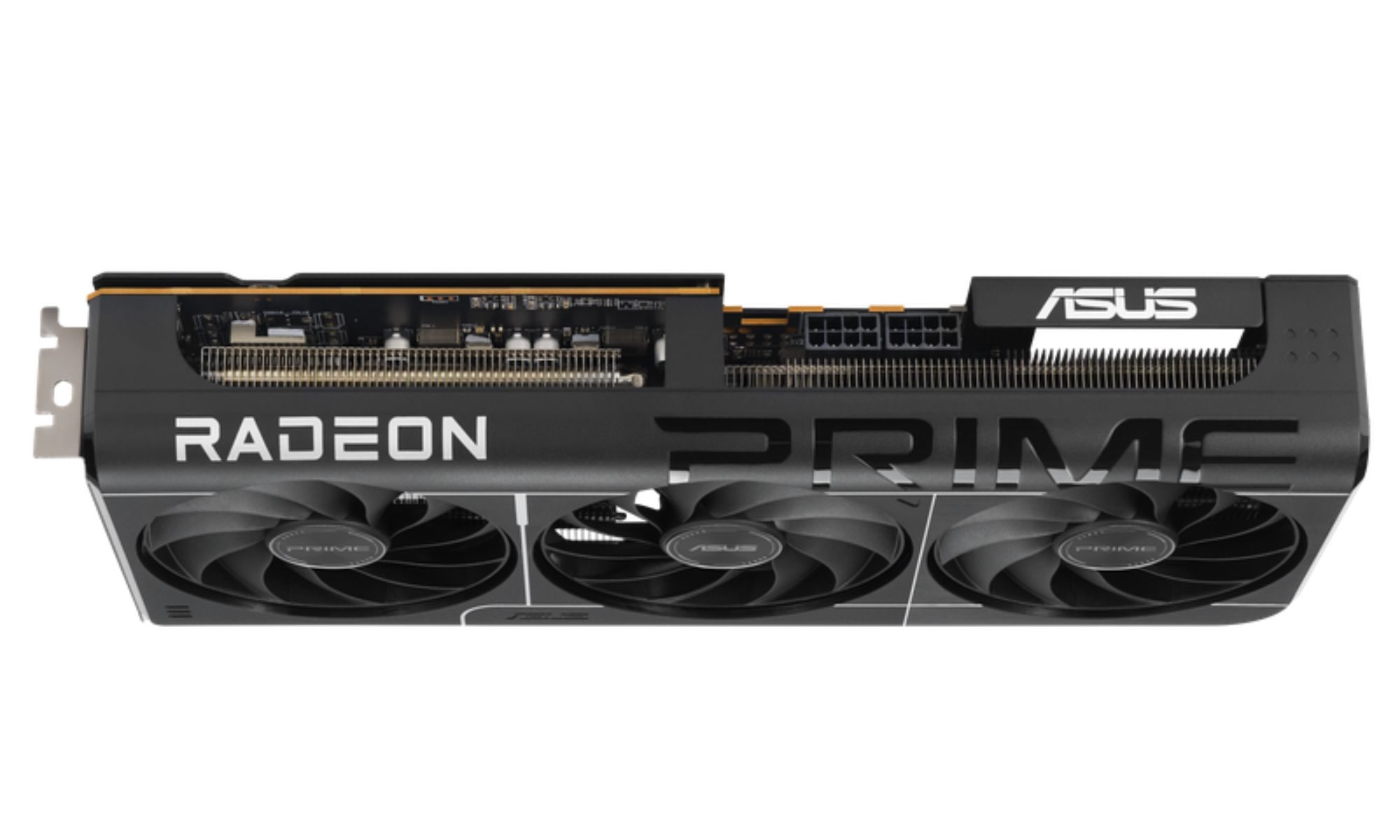
With 12GB of VRAM and an OC mode reaching up to 2880 MHz boost and 2300 MHz game clock, the Prime Radeon RX 9070 GRE EVO OC Edition is built around that balance. Its 2.5-slot design measures 304 × 126 × 50mm, making it slightly smaller than the Prime RX 9070 XT. Lower power consumption within the 9070 tier also makes the EVO a practical fit for a build where the GPU does not need to dominate the entire system.
A similar approach carries over to the ATS Radeon RX 9070 GRE OC Edition, which reaches the same 2880 MHz boost and 2300 MHz game clock figures and measures 305 × 126 × 50mm. Both cards use Axial-tech fans, a phase-change GPU thermal pad, dual-ball bearings and 0dB technology, so there is little value in repeating the same cooling specification list for each model.
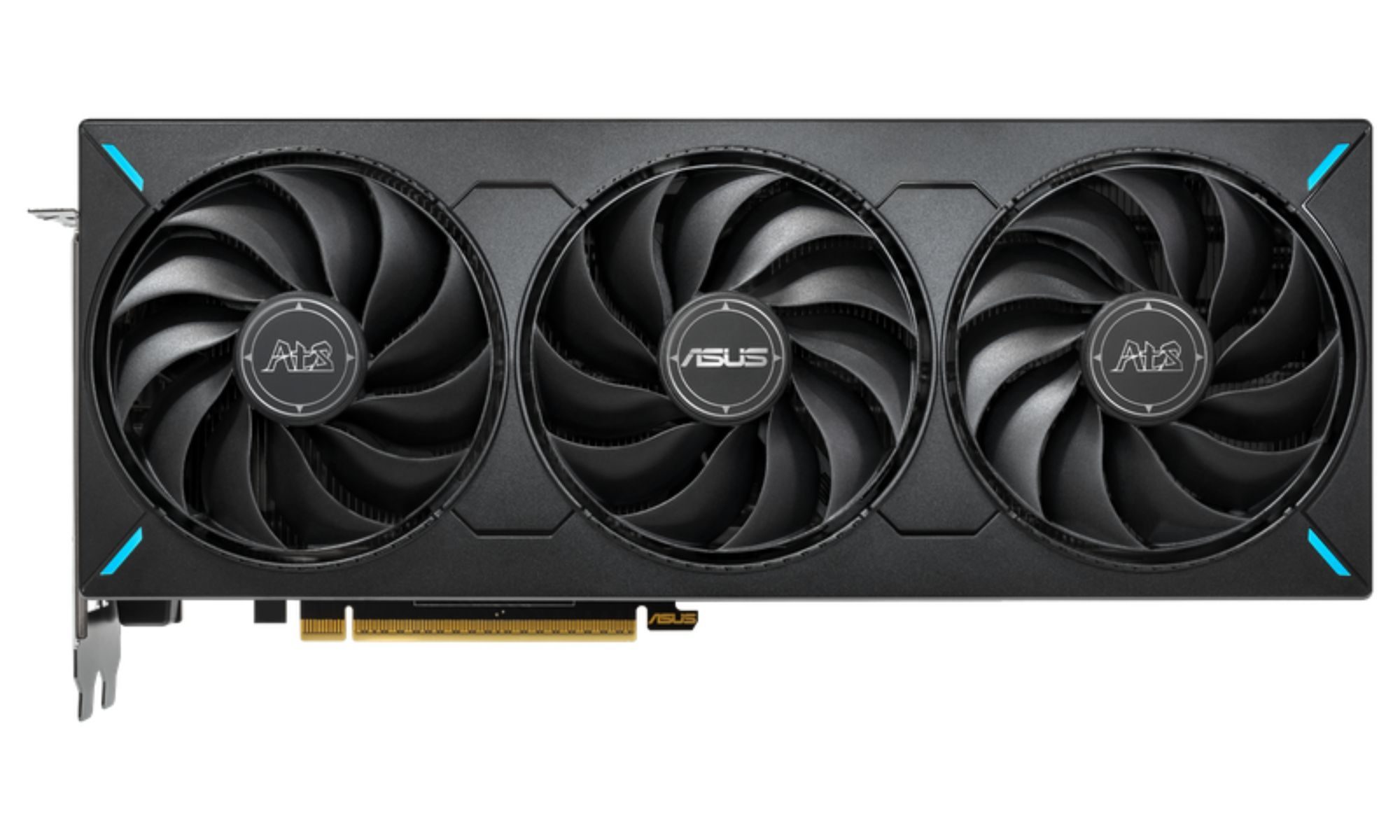
For a 1440p gaming PC, these cards occupy a useful middle ground. They offer the performance needed for that resolution without moving into the larger footprint and higher-end positioning of the RX 9070 XT, making them worth considering when the rest of the system needs to stay compact and balanced.
When size and design become part of the decision
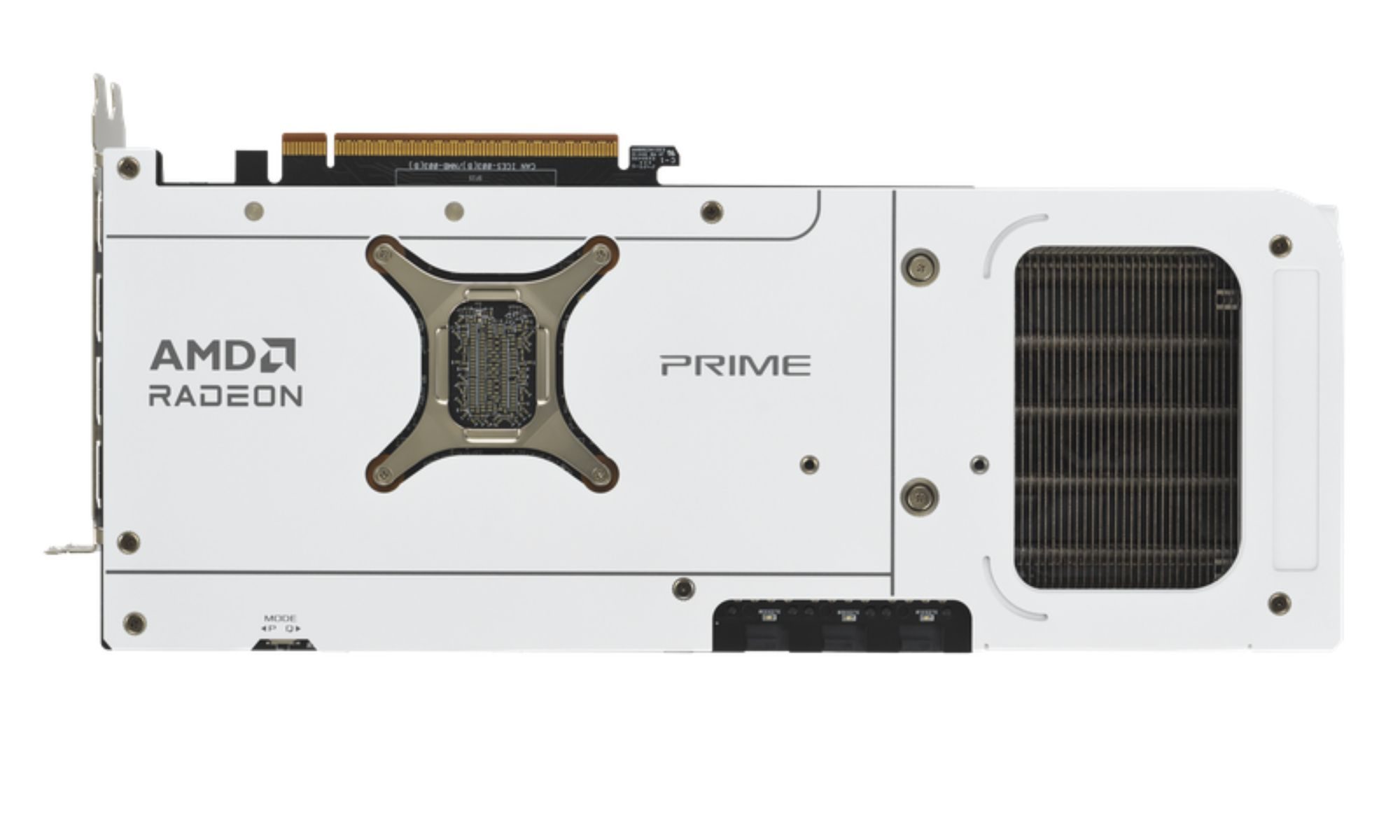
Physical compatibility is not always about fitting the largest GPU into the smallest case. In some builds, the graphics card also has to work with the visual language of the rest of the system. ASUS offers a white version of the Prime Radeon RX 9070 XT for precisely that kind of build, retaining the same 2.5-slot format as the standard Prime model.
There is no need to treat the white edition as a different performance tier. Its appeal is the white finish and sleek design, while the underlying cooling and performance proposition remains broadly aligned with the standard Prime RX 9070 XT.
A similar white edition is also available for the Radeon RX 9060 XT, giving buyers building smaller or more affordable systems another way to keep the graphics card consistent with an all-white setup.
Smaller builds still have options
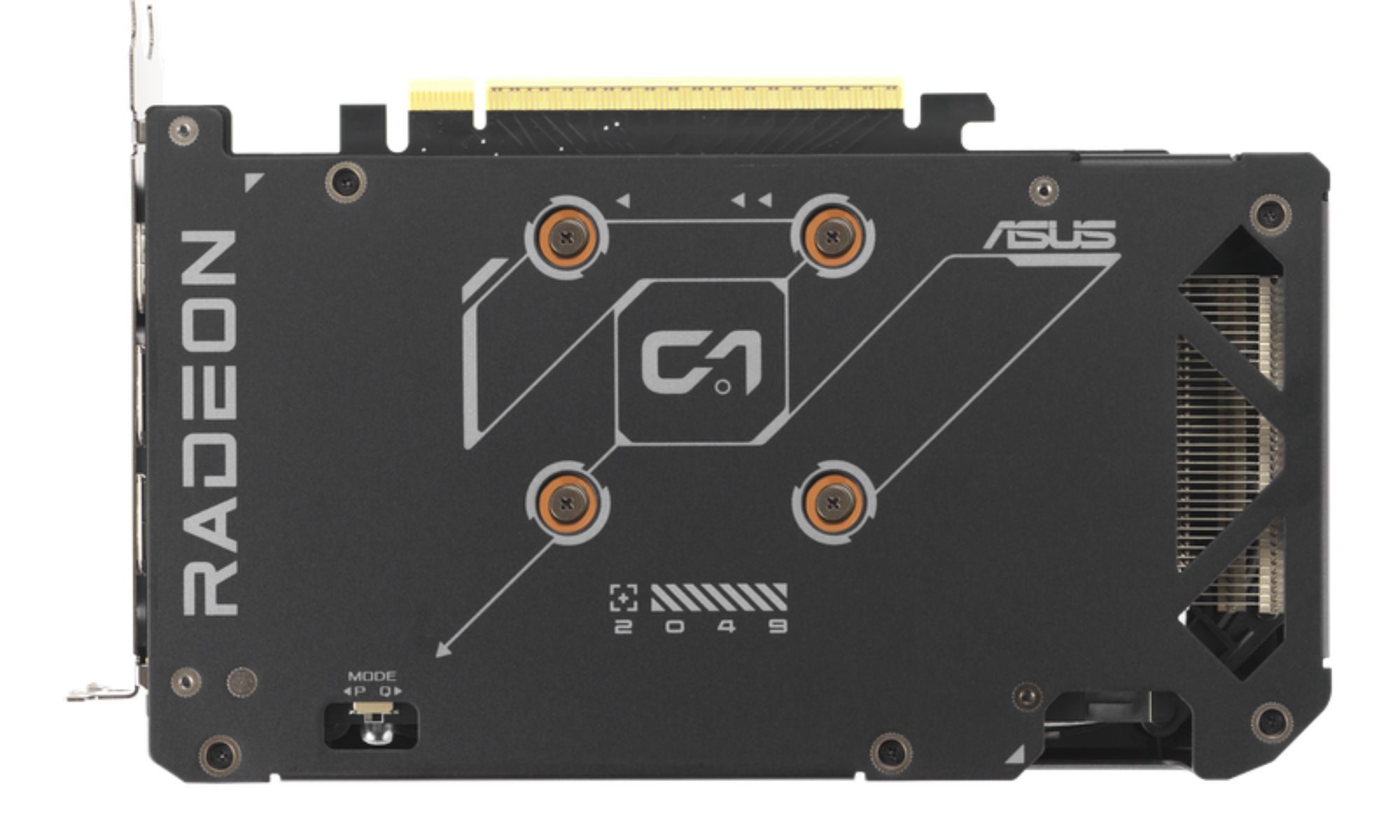
A compact PC does not necessarily mean settling for a compromised graphics card. The ASUS Dual Radeon RX 9060 XT 16GB GDDR6 is aimed at buyers who need to make better use of limited space, including those building in smaller form factor cases.
Its 2.5-slot design is intended to balance compatibility with cooling, while the Axial-tech fan design uses a smaller hub and longer blades to maintain airflow through the card. 0dB technology also allows the fans to remain off during lighter workloads, while dual-ball bearings are designed for long-term durability.
In a compact build, those dimensions can have consequences beyond the graphics card itself. A GPU that occupies less space leaves more room to work around adjacent components and makes overall component selection less restrictive. That makes the Dual Radeon RX 9060 XT a practical choice when building around a smaller chassis is the priority, rather than trying to squeeze a larger card into a case that was never designed for it.
GPU control does not end when the card is installed
ASUS also has a software layer that runs across much of this lineup. GPU Tweak III provides access to OC and Silent modes, fan controls, thermal settings and system monitoring, allowing users to adjust the behaviour of the card rather than treating its factory configuration as fixed. Profiles can store preferred voltage and clock settings, while the hardware monitor can track fan RPM and system power metrics.
Dual BIOS provides another level of control on the supported cards, allowing users to switch between Quiet and Performance profiles. The Turbo Radeon AI Pro R9700 is the exception in this lineup, with the supplied ASUS brief specifying that Dual BIOS is not available on that model.
The result is a lineup that is easier to understand when viewed through the PC being built rather than through a simple hierarchy of numbers. TUF is about substantial gaming performance and cooling. Prime RX 9070 XT makes high-end performance easier to fit into a compact build. Prime White is for buyers who want the graphics card to complement the rest of the system. The two RX 9070 GRE cards occupy the 1440p middle ground, while the RX 9060 XT brings dedicated graphics into smaller systems. Turbo AI Pro R9700 takes the conversation beyond gaming altogether.
Explore the ASUS Radeon graphics card range to compare the models and find the card that fits your build, workload and priorities.
You must be logged in to post a comment Login