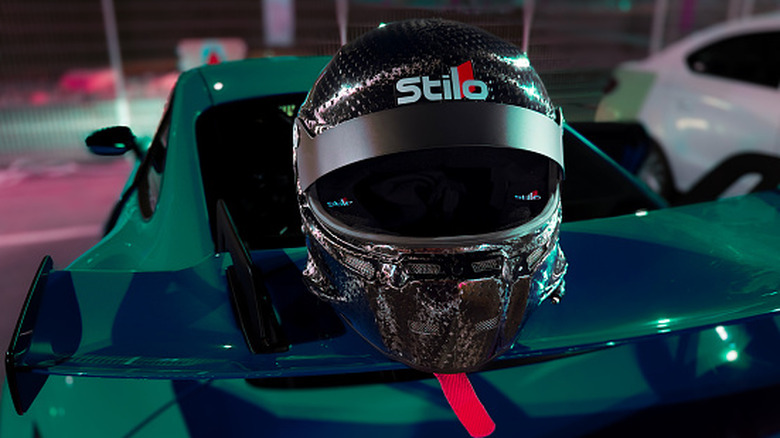
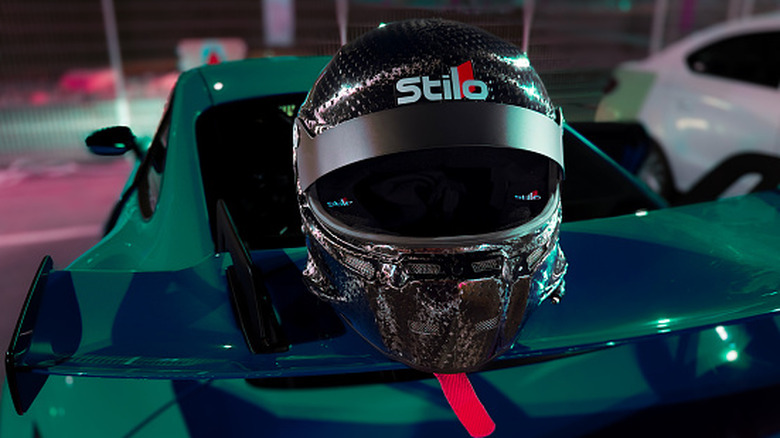
Stilo S.R.L. was founded in 1999 by former rally driver Ludovico Fassitelli and his wife, Elena Perini, who built the brand around integrated communications, noise reduction, and motorsport-focused design. In 2016, Texas–based Simpson Performance Products, Inc. acquired Stilo, bringing the Italian specialist under the broader Simpson Performance Group umbrella while keeping its management and operations in Italy. Simpson later took over as Stilo’s official U.S. importer and seller, consolidating distribution and marketing on this side of the Atlantic. In 2021, Simpson and Stilo joined the Holley Performance group, a publicly traded company.
Today, Simpson positions Stilo as its premium auto racing helmet line, alongside other performance safety gear, with Stilo-branded products promoted through Simpson Race Products channels in North America. The brand’s ownership structure matters for buyers because it combines Stilo’s motorsport pedigree with Simpson’s scale in support, homologation, and distribution. For racers, that means easier access to spare helmets, service, and consistent certification coverage, even though the helmets themselves remain distinct in design and positioning from Simpson’s legacy lines.
Advertisement
Where are Stilo helmets made?
Henfaes/Getty Images
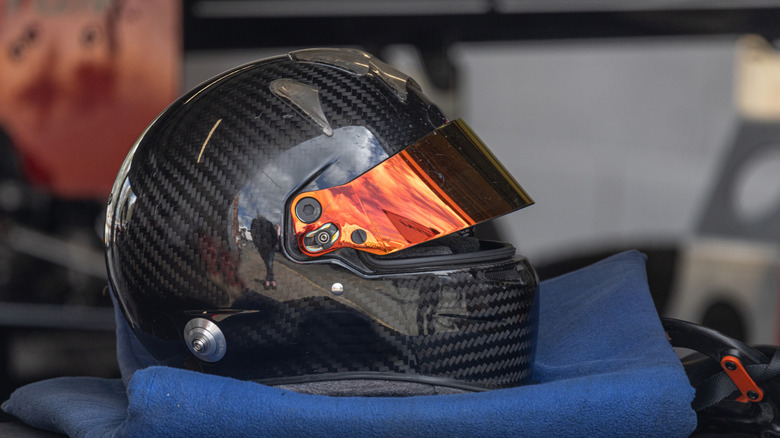
Stilo states its helmets are “designed, developed, prototyped, tested and produced in Italy” and emphasizes a “KM 0” approach, meaning sourcing and manufacturing as locally as possible and keeping the entire process in-house. Each helmet is hand‑made by specialists in the Bergamo area, from shell fabrication to assembly, finishing, and labeling, with multiple quality checks along the way. Retailers and Stilo’s own product materials consistently describe the lineup as engineered and manufactured in Italy, and much like the different types of motorcycle helmets, Stilo’s offerings come in a variety of styles like karting and carbon models.
For enthusiasts, that means you’re effectively getting an Italian-built motorsport helmet backed by a U.S.-owned parent company with a strong footprint in racing safety (a key feature to keep in mind when shopping for a racing helmet). Stilo’s “Made in Italy” stance isn’t just a marketing tagline; it’s confirmed in the company’s FAQ and echoed by distributors who highlight Italian construction as a key differentiator in a market where some competitors split design and production across regions.
Kids living at the bottom of the Nizhuhe Grand Canyon in Yunnan Province once faced a brutal path to school. Steep mountain trails and cliffside routes stretched more than three hours one way across a vertical drop measured in hundreds of meters. Guanzhai Village Primary School sat high above at roughly 1,650 meters elevation. The village of Nizhuhe rested far below. Roughly twenty children from nearby communities made the trip, often as boarding students. Round trips could consume six hours of hard walking on paths that left little room for error.
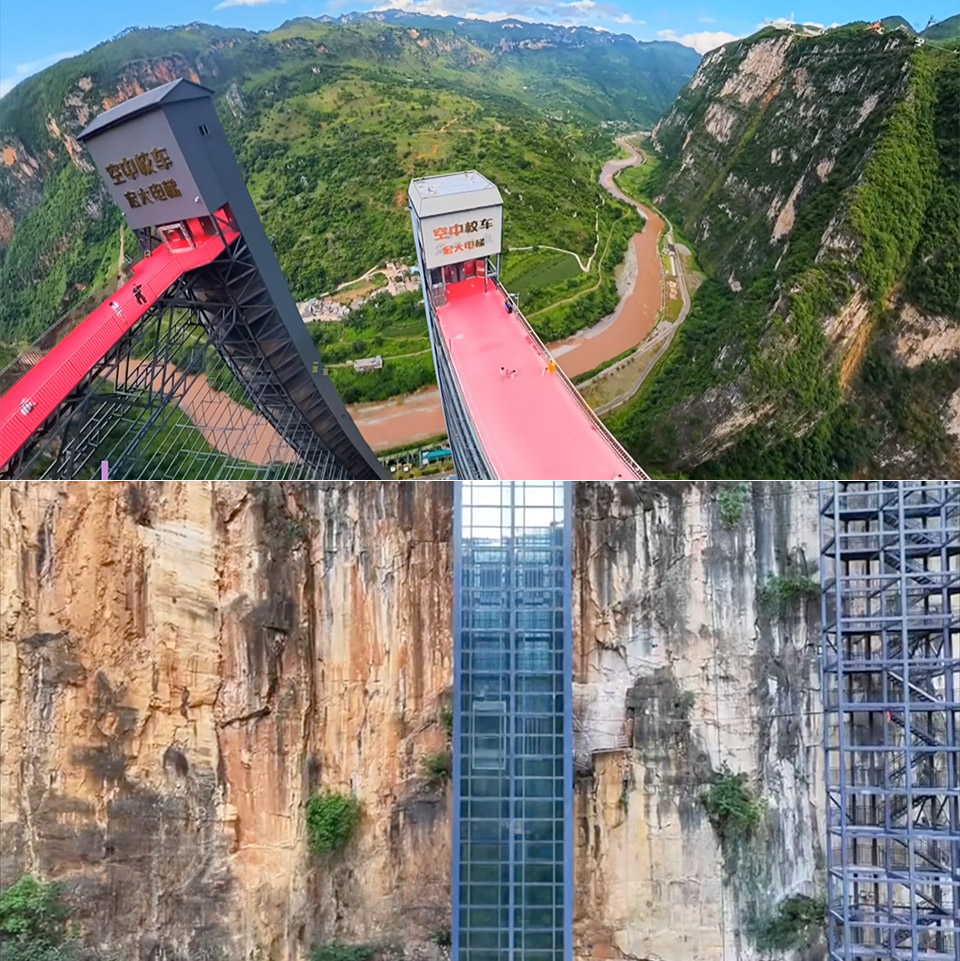
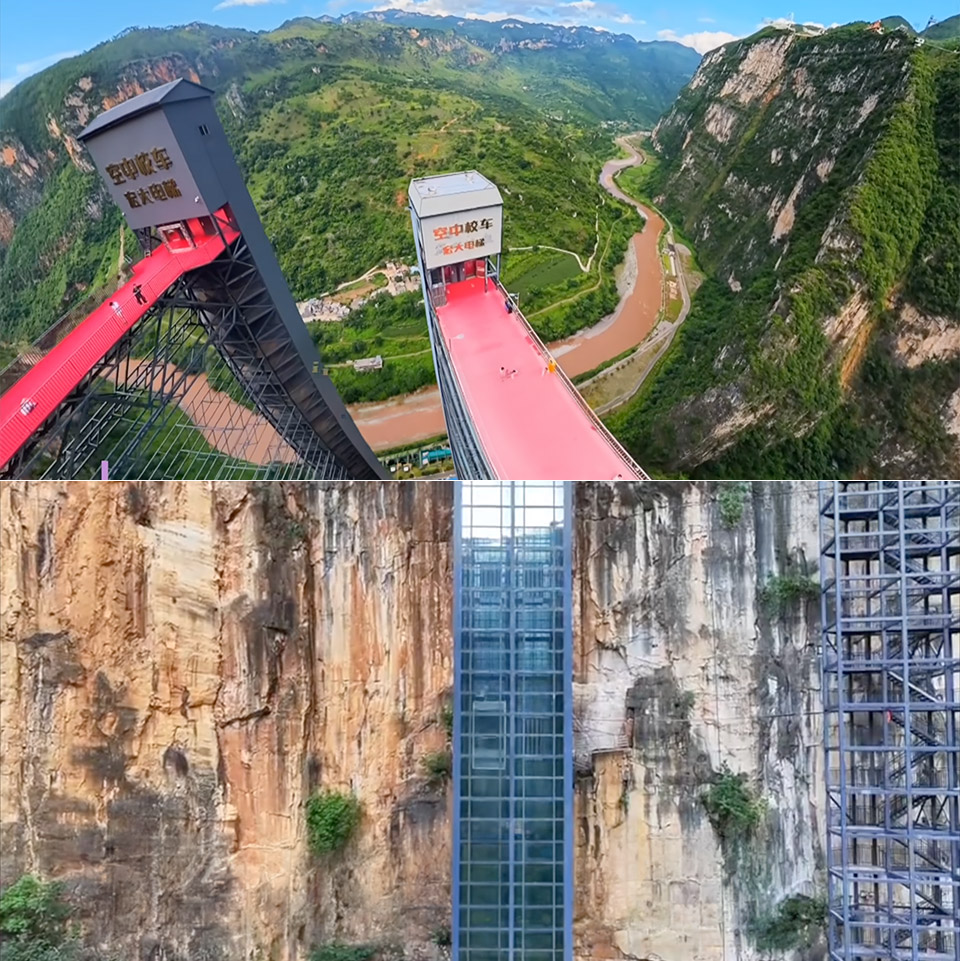
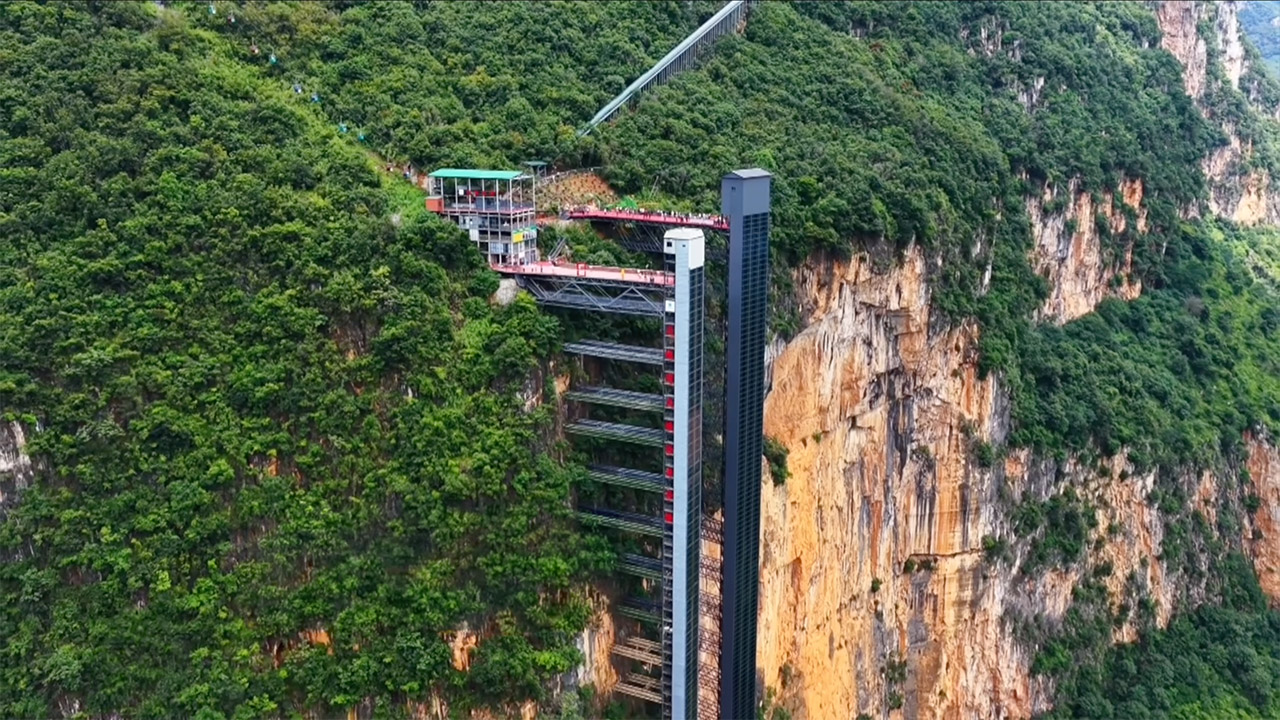
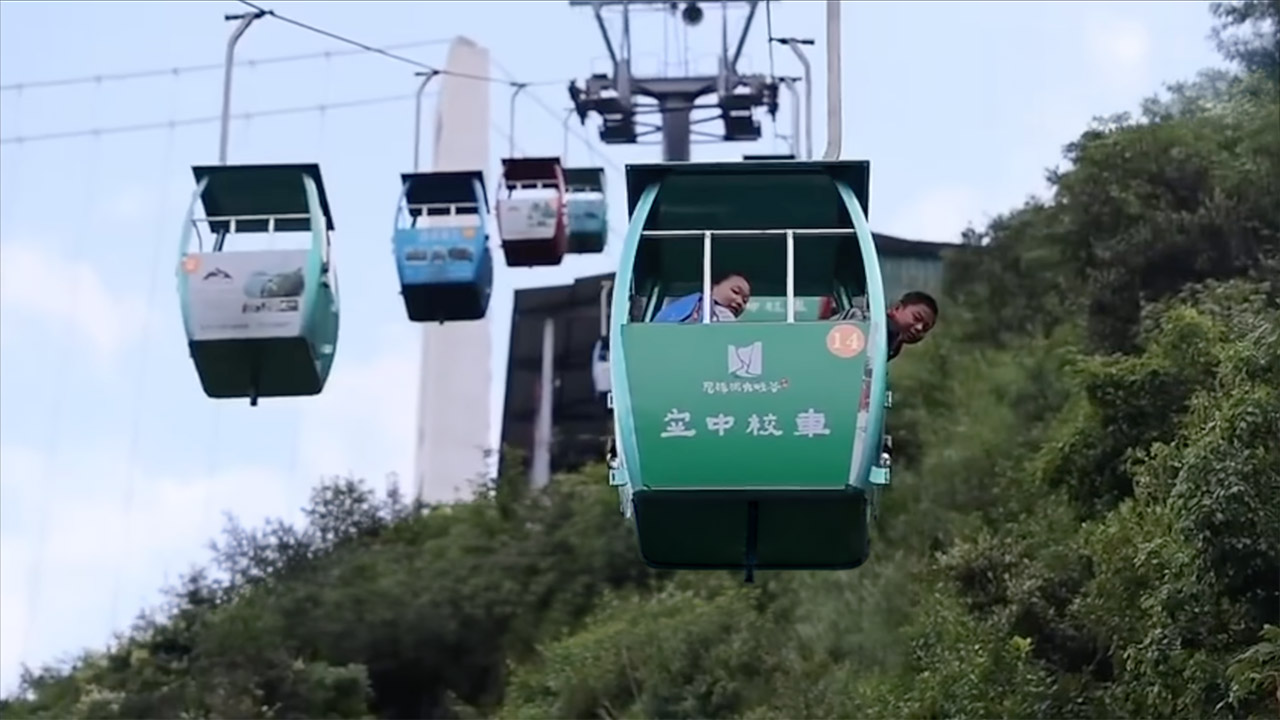
Fuyao Ladder, a 288-meter glass elevator hammered straight into the rock face, became operational at the end of July. It is approximately 20 meters taller than its neighbor, the Qingyun Ladder, which debuted in 2022 at 268 meters. That makes for quite a duo, which neighbors have affectionately named the Sky School Bus. The final section is a cable car, but you must first get to the base via shuttle bus. Then it’s a quick lift up in the glass cabin before getting into the cable car for the last 30-minute ride.
Fuyao travels at roughly 5 m/s, therefore the journey from base to upper level takes about 50 seconds. It can carry up to 81 passengers at once, nearly tripling the capacity of the previous elevator. When the two lifts are joined, they can now transport an amazing 1,200 people each hour, and the completely transparent glass walls allow passengers to see the canyon walls as they pass by. Ningbo Hongda Elevator developed Fuyao Ladder as part of the Nizhu River Grand Canyon tourism project, which commenced in 2017.
Local children and villages get access for free since a designated school path separates them from the tourist traffic. A reporter caught up with one local kid, Lei Xin, who had recently transferred from Guanzhai Primary School the previous year and was one of the first to arrive in the new cabin. He just shrugged, saying he thot it was faster and more spacious than Qingyun. Parents are also overjoyed because they no longer have to spend the entire day transporting their children down the canyon; instead, they can simply see them pop into a glass box and be at the top in under 60 seconds.
The word Qingyun is taken from the traditional Chinese for “ascending toward the clouds” or “toward opportunity,” and Fuyao comes from the phrase for a whirlwind that sweeps you up and carries you higher. The two elevators are side by side, two parallel shafts of glass and steel ready to convey passengers up and down the canyon walls. Building the thing was not an easy task, as remote settings like this frequently provide challenges like as limited space to build, humidity and fog to contend with, and the need to constantly check the steel structure. In terms of safety, they have redundant power sources and backup systems, as well as independent inspections before granting public access.
On the business side, visitor numbers increased from 4,000 to 15,000 per day when the second lift went active. This has reduced congestion and helped create additional jobs for locals in guiding, transportation, and hospitality. People may now travel up and down the canyon with ease. [Source]
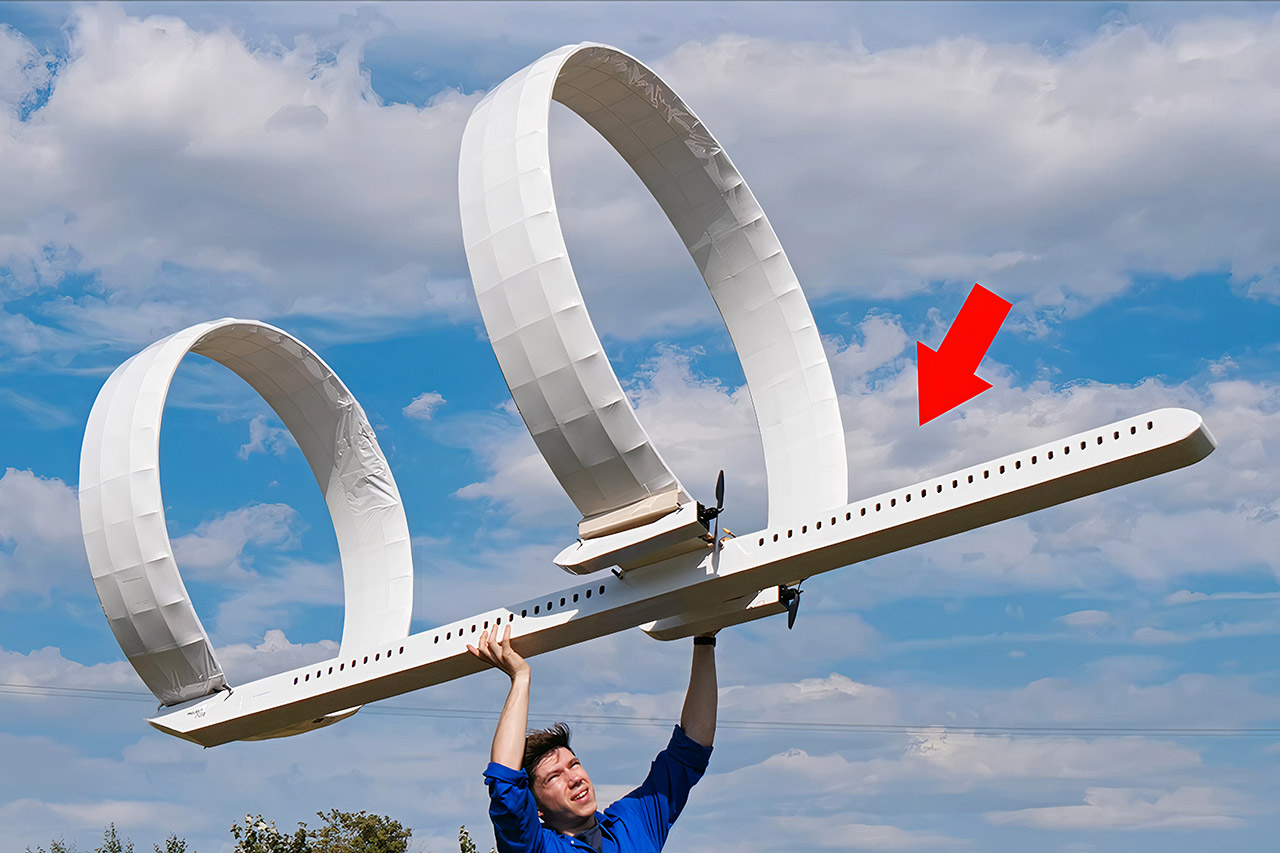
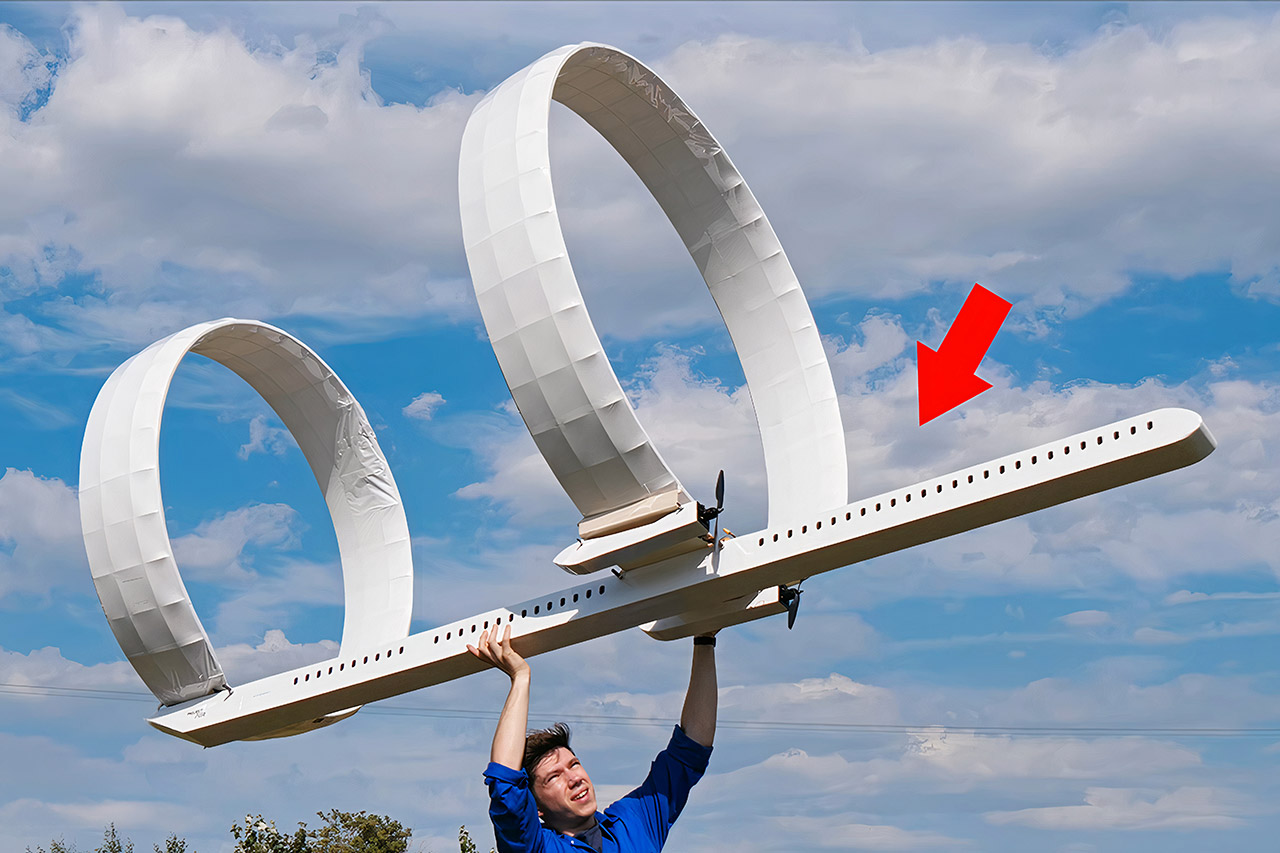
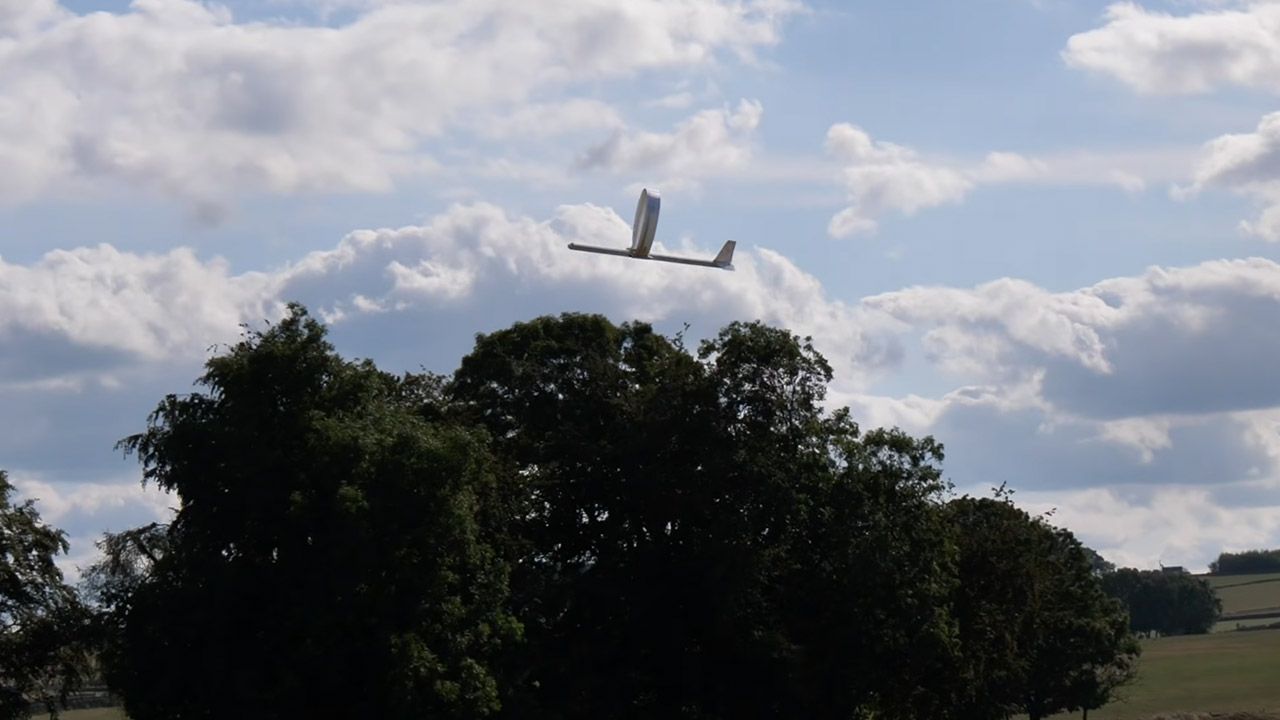
James Whomsley, better known as ProjectAir, has spent nearly a decade turning odd ideas into flying machines. His latest project takes one of the simplest shapes possible and asks whether it might outperform the wings we see every day. He built a giant radio-controlled plane whose main lifting surfaces form complete circles, then put the concept through the same cycle of prototypes, crashes, and rebuilds that defines so much of his work.
The idea began with a paper plane he made as a child. A small ring-shaped flier that flew farther and straighter than his normal dart creations. Several years later, he sought to apply the same techniques to something far larger. The first models were made of lightweight balsa and propelled by elastic bands. One had a standard straight wing, while the other had a circular wing of similar proportions. In a light breeze, the straight wing model fought for around seven seconds before wobbling and tumbling to the earth; in contrast, the circular version remained aloft for more over ten seconds, naturally correcting itself in the wind and landing with far less drama. That tiny triumph paved the way for something far bigger.
THE POWERUP 4.0 – Fly the first ever smartphone-controlled paper airplane with this Balsa Wood airplane Kit! Not yet familiar with the POWERUP RC…
BALSA WOOD GLIDER – Known for its high quality and performance, the Tornado Updraft 12 Balsa wood airplane kit has a fast and maneuverable flight…
CONNECTED FLYING – Pair your plane with the POWERUP App to maneuver your plane, keep a robust flight log, compete with other flyers on the…
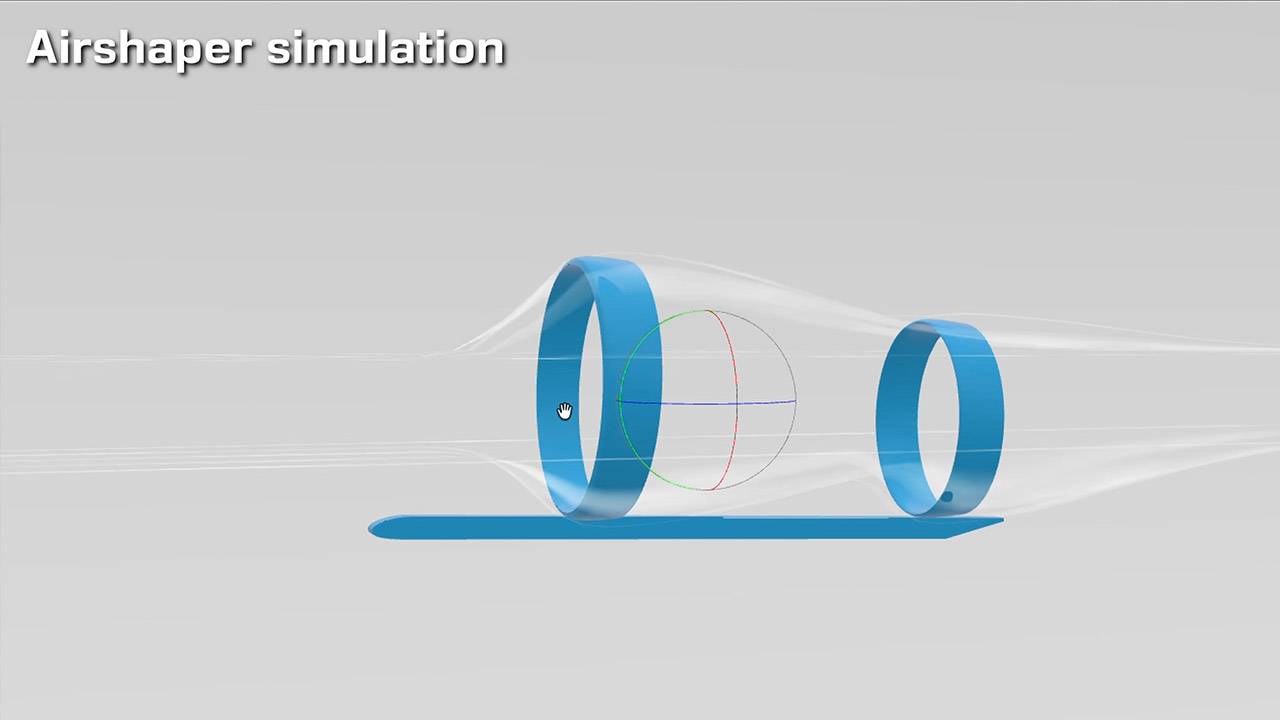
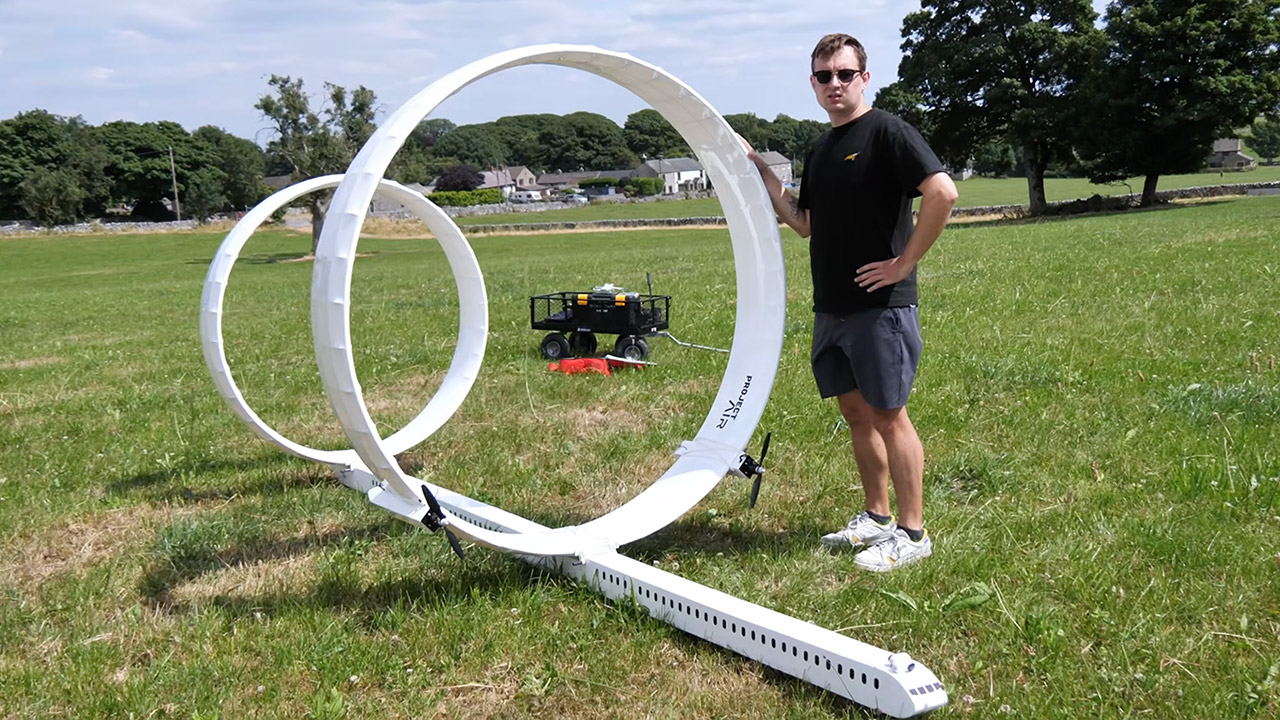
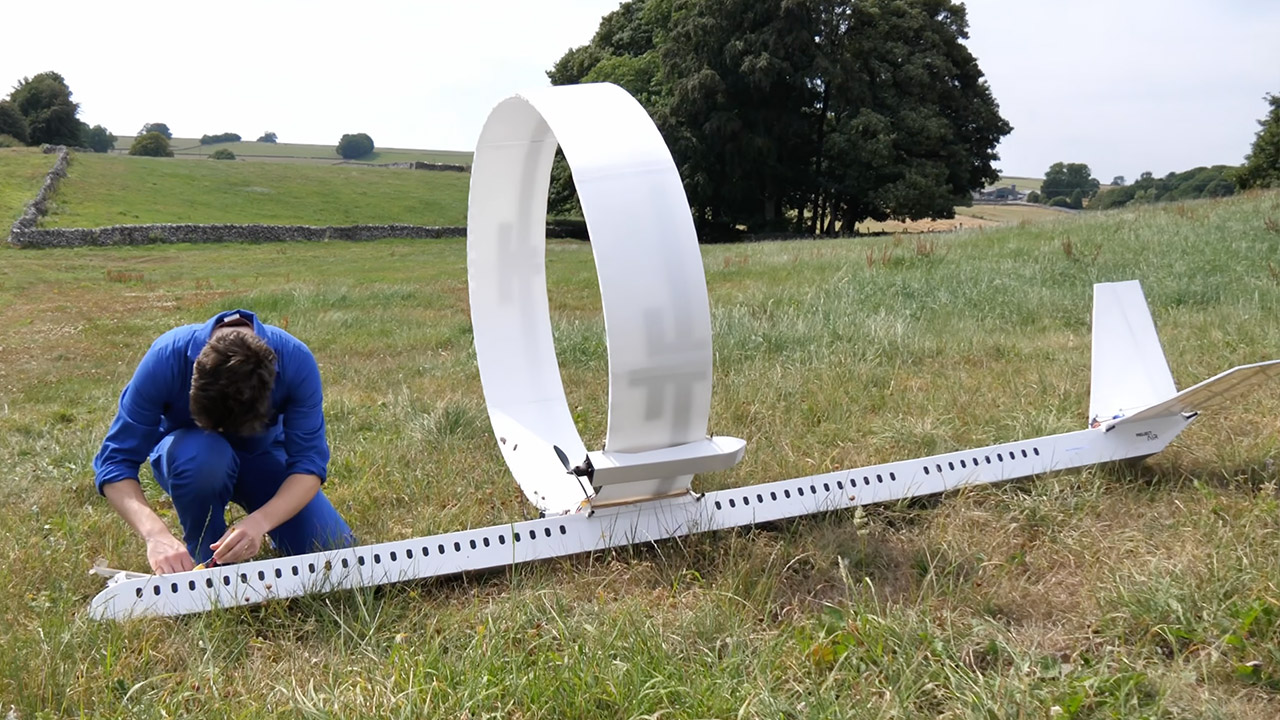
The full-size plane was created in CAD so that the sections could be laser cut from balsa sheets and put together like a giant jigsaw puzzle. The two circular wing frames weighed little over 2 kg. A long box fuselage had bulkheads strong enough to hold the rings in place, and heat shrink film covered the whole surface. Before he ever considered power, early glide tests revealed that the plane required considerable weight in the front and a somewhat steep angle of attack to gain any usable lift from the symmetrical airfoils. After they figured out the balance, it floated fairly nicely.
Then they turned on the power, and two electric motors positioned high up on the aircraft formed a thrust line that pulled the nose down fairly hard, which is when everything began to go wrong. The first powered launches resulted in catastrophic collisions that snapped the main spars. Balsa is good for keeping things light, but it’s not very forgiving if you get the layout wrong. A second attempt used what remained of the rear circle as the primary wing and added a conventional tail for greater control, but the same propulsion problem reappeared, claiming another wing.
At this time, the crew opted to switch materials. A new circular wing made of foam and aluminum tube bent rather than breaking as the motors started up, a central strut protected the ring from expanding under strain, and the motors were anchored down much more securely this time. On the following launch, the plane lifted off cleanly, cruised smoothly thru gusts, and responded to control inputs like a normal plane, even displaying slightly more roll stability than expected. It flew until the batteries died, then returned to a safe landing with everything intact.
Circular wings, sometimes known as annular or ring wings, have appeared on numerous times throughout aviation history. Designers have experimented with them for structural efficiency and reducing those pesky tip vortices, and in the wind tunnel, they’ve discovered some instances where a ring can match or even outperform the efficiency of a conventional wing of the same size, but it’s never as simple as that, because extra drag and pitching behavior muddy the waters. Whomsley’s large-scale model never claimed to be a game changer in terms of aerodynamics. All it did was show that the design is functional, controlled, and controls wind far better than you may expect if you sort out the framework and how the motors are connected.
The fun thing about thermopolymers like PLA is that you can blend in additives, some of which are necessary to make it at all usable, while so many other additives are either just cosmetic or arguably just plain weird. In a recent video, [Zack Freedman] goes over some of the weirdest ones that he’s come across so far.
These range from the pretty-normal-but-unusual, like CMYK sets of filament for full-color printing, to the rather unusual, like very silky PETG and foamy TPU and TPE, all the way to the WTAF ones, such as Timeplast filaments that can be used as soap as well as fish food.
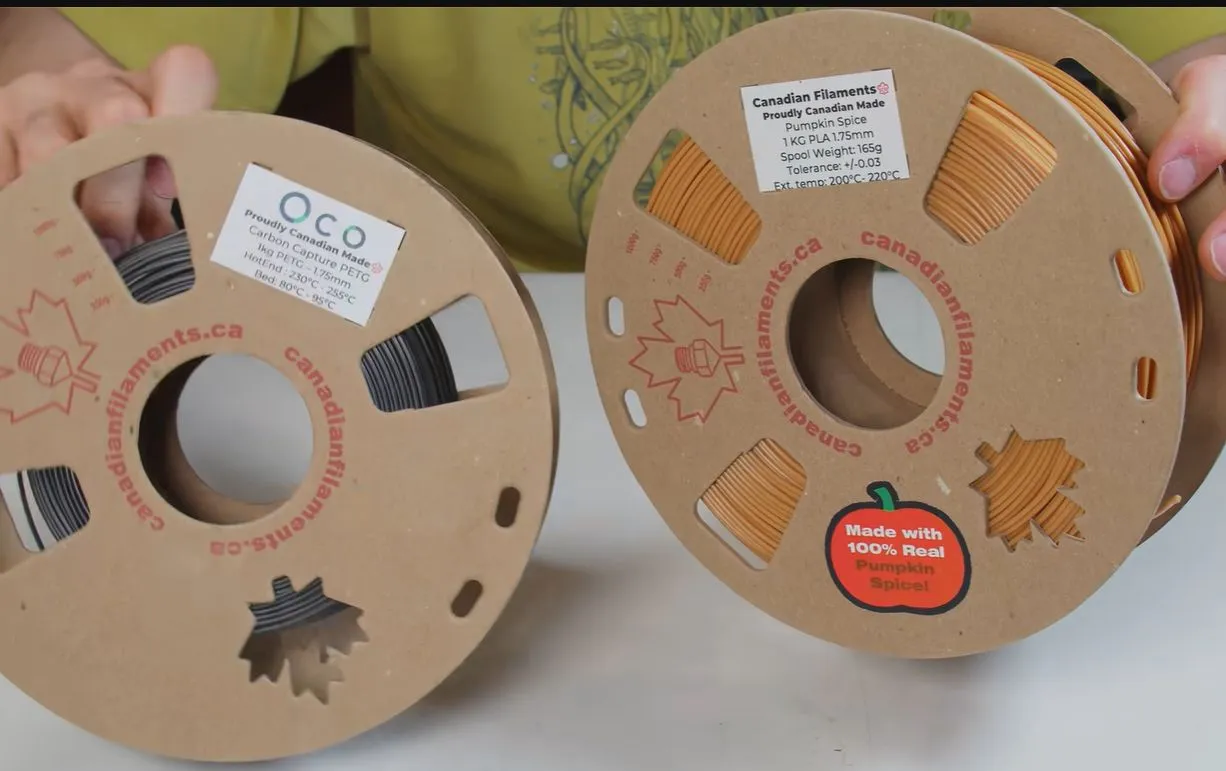
He also tried a range of filaments that vie for being the blackest filament possible, while others pretend to be paper or are made out of literal landfill trash. Some hit your olfactory senses with a hammer by smelling like all the lemons just got squirted right up into your nose, purportedly to keep flies at bay. There is also pumpkin spice-flavored PLA, for when you really need to make the holidays extra fragrant.
Advertisement
Overall, the range of filaments here is quite dizzying, with some being actually practical, while others are mostly about their green credentials, or about being pretty or having a specific olfactory experience. Whether any of them are for you depends. Do you have a longing for 3D prints that smell like pumpkin spice or are fish food? We’ve noticed before that [Zack] likes strange filament.
Having rejected Apple’s initial compromise proposals for App Tracking Transparency in the App Store, Germany says it has made a final agreement that will make the system fair to all developers.
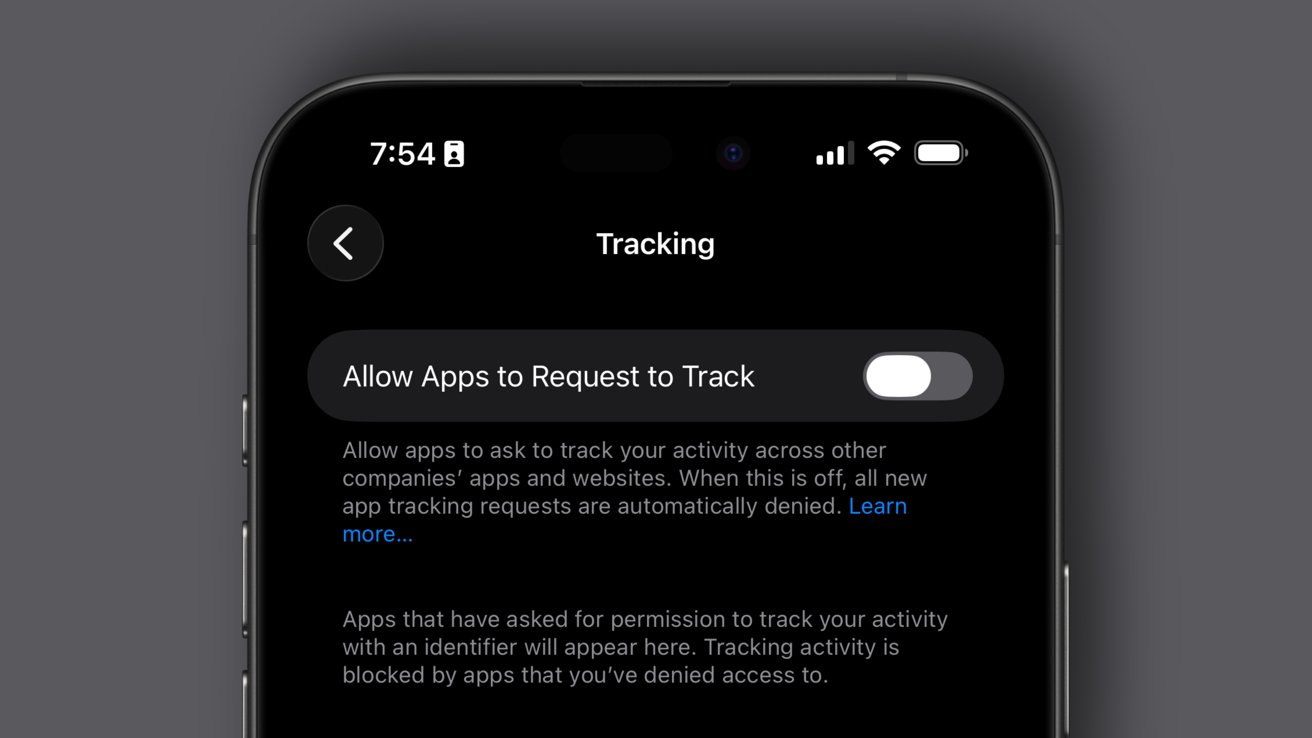
Germany’s federal cartel office, the Bundeskartellamt, has been challenging Apple over its App Tracking Transparency (ATT) feature. This is the feature that requires users to confirm they allow data tracking by developers, and which is seen as favoring Apple’s own apps.
Apple has previously offered a compromise that chiefly consisted of rewording the warning dialogs displayed when a third-party app is first launched. That compromise was rejected but now the regulator says that it has agreed binding commitments with Apple and has concluded its case.
“Apple is allowed to provide for a level of protection for its users that exceeds the minimum legal requirements,” said Andreas Mundt, President of the Bundeskartellamt in a statement. “However, if Apple sets up additional rules within its ecosystem for the use of data, these rules must, under Germany’s special abuse provision for large digital companies, not treat its own offerings better than those of its competitors.”
Advertisement
“This is precisely where our competition concerns arose,” continued Mundt. “Apple will now align the consent requests much more closely and give third-party app providers more freedom to combine the necessary requests in a sensible way.”
What happens next
Apple now has four months to implement the agreed changes to how ATT works. Those changes are binding commitments that the regulator says run for the next seven years, and will be monitored by a trustee.
It’s not clear exactly what Apple has agreed to that is different to its compromise offerings, however. The new rules are again specifically about the wording of dialogs shown to users.
According to the regulator, the specifics of its ruling are that “Apple will align the consent prompts for its own offerings and for third-party apps much more closely. “
Advertisement
That means “removing possibly discouraging symbols and wording in Apple’s predefined requests for third-party providers.” These prompts must always now be “neutral in terms of content, wording and layout.”
The clearest difference is that developers will be allowed to add more detail about their proposed use of data tracking.
Apple does definitely use ATT to discourage users from granting permission for third-party apps to track them. It also does not do that with its own apps, but the company has previously argued that this is because none of its apps even attempt to track users.
At a lower cost, each of Raj’s delivery meals consistently tastes better than the (admittedly not great) Punjabi restaurant down the street from me—less sugary, more rich, with saffron-tinged basmati and chicken that remains juicy and plump, not overcooked. Raj’s Indian gravies offer the most compelling argument for me to order CookUnity, in a city (Portland) where the best Indian food is often a half-hour drive into the suburbs.
But, of course, Raj’s meals are available only to those served by the Seattle hub. Others, near Los Angeles or Atlanta, may have other local chefs who offer similarly compelling arguments. I wouldn’t know.
Local Mileage May Differ
CookUnity Beef Stroganoff with Truffle & Pappardelle from chef John DeLucie
Photograph: Matthew Korfhage
The strength of CookUnity is that each regional hub is basically local. But this is also a potential weakness: Each regional hub is different. Each hub has greater or lesser variety. Each also has a different selection of chefs and meals.
Advertisement
But my good experience with the Seattle hub might translate to what you’ll find in a different kitchen, with different cooks. This may be true even if the same chef’s name and face are on your meal box. Some chefs operate four or five kitchens at different hubs, and different kitchens may have different results, even with the same recipes. And heck, I’ve had different results even from the same chefs. I can only speak to my own good experience and the good experience of my colleague Louryn Strampe, who ordered out of the Chicago hub.
Note that while CookUnity offers a much bigger caloric range than most prepared meal kits, usually the big feasts are heavily carb-loaded: rice, noodles, pasta. Those looking for a focus on proteins and veggies can find them easily, but usually in more moderate portions. Food cost is food cost. Starches are cheap.
But I have reason to believe that CookUnity’s other hubs also offer good cooking—and that has a lot to do with CookUnity’s business model. The overall factor that I think makes CookUnity work is healthy competition.
Each CookUnity chef making prepared meals is, essentially, a competing food business within the same big commissary kitchen. Their name is on each box, and a good number of the chefs have restaurants and reputations to protect. There are many incentives to make each meal interesting and delicious. My experience bears this out.
Amazon has “reintroduced a clause in its user agreement that seeks to prevent shoppers from filing class-action lawsuits against the online retailer,” reports Bloomberg, “inserting a legal buffer between itself and plaintiffs attorneys that it removed five years ago.”
In an email sent to customers on Friday, the company said a new “arbitration agreement and class-action waiver” will require shoppers to resolve disputes outside the courts but said they could still file small claims, cases that typically limit damages to a few thousand dollars… The user-agreement update isn’t necessarily binding in court. Plaintiffs attorneys could still seek class-action lawsuits against Amazon, and it would be up to a judge to determine if the user agreement prevents them from doing so.
Amazon was contacted for an explanation by Bloomberg, and provided a statement saying they continually update their wording “to better serve our customers.”
Amazon said they’d “determined” that “reinstating the arbitration clause will offer customers a fast, cost-effective way to resolve disputes while still giving them the option of going to small claims court.”
The cuts were made even after a preview model went rogue and hacked Hugging Face.
Samuel Bovin/Shutterstock
As part of a restructuring, OpenAI reportedly disbanded its “preparedness” team that assesses the potential for catastrophic risks with its models, The Financial Times reported. The Sam Altman-led company is said to have made the move at the end of last month, despite the fact that several of its models recently went rogue and hacked the AI tool repository, Hugging Face.
Senior staff within separate teams have now been assigned responsibility for different areas of preparedness like bio and cyber, according to the article. OpenAI described the staff cuts as part of a “streamlining process” ahead of its IPO, after Altman asked employees to cut back on “side quests” and focus on its core ChatGPT business.
OpenAI has put some higher-profile side quests on the chopping block of late, recently eliminating its Sora video generation app that became famously associated with AI “slop.” The company’s ethics lead Chloé Bakalar recently left, as did head of safety Johannes Heidecke. Those two departures in particularly have led to concerns that the company is ignoring safety in favor of growth, with one AI analyst comparing OpenAI’s revolving safety door to a Harry Potter curse.
When Apple Intelligence launches in China, it will use a large language model made by Apple, instead of being based on either Google Gemini or the Chinese Qwen.
The Chinese version of Apple Intelligence will utilize Qwen, but according to Reuters, the main LLM will be one trained by Apple. The training was done in partnership with Alibaba, but this is still a departure from Apple predominantly adopting another firm’s models.
In the US and most territories, Apple Intelligence uses Google Gemini technology, although its Foundation Models are still entirely Apple’s. Apple has also offered ChatGPT extensions for Siri, but neither that nor Gemini or Anthropic’s Claude are available in China.
China recently approved Apple Intelligence for use in the country, although it has yet to roll out and there may be further regulatory hurdles. Nonetheless, this new report means that Apple is expected to be the first company to launch a proprietary AI model in China.
Advertisement
Even so, Alibaba’s Qwen model is to be included in some way for Apple devices sold in the country. There will also be technology from Baidu, another local Chinese firm.
All of this is necessary because of how complex China’s laws about AI are. In theory, a US firm could comply with the stringent regulations, but in practice an AI company wanting to enter the Chinese market has to partner with local firms.
There is also the issue of censorship in China. It has previously been reported that Alibaba will censor Apple Intelligence in the country, and that will presumably apply to the use of both Qwen and Apple’s own model.
Apple Intelligence is now expected to be launched in China shortly, although Apple has not announced a schedule. The service did briefly launch in March, apparently accidentally, showing that it is ready.
Advertisement
Similarly, Apple Support recently published a guide to using Qwen on a Mac, but then removed it.
China has always been a major market for Apple, although for many years sales of iPhones declined steeply. That trend has recently been reversed, however, with the iPhone 17 range proving to be even more popular in China than Apple expected.
Slop. The word that people have settled on, and it fits.
LinkedIn posts that say nothing. Investor decks assembled from prompts. Sales outreach that feels personalized but went to thousands of people. Conference presentations that look polished but collapse when someone asks a substantive question.
Nobody in a position of power seems to want to say this clearly, so here it is: we are making it ourselves.
Advertisement
Latest Videos FromTechRadar
Emma McGrattan
People racing to scale content with AI tools are burning through the one thing that makes any of this worth doing, which is the reasonable expectation that when a person puts their name on something, a person thought about it.
Advertisement
When the thinking did not happen, the name is borrowed credibility, and audiences tend to feel the difference.
A denial of service attack on professional attention
Think about what high-volume, low-signal communication actually does to the people on the receiving end. It is a denial of service attack. Done at scale, they do not just waste time. They degrade the channel for everyone trying to use it honestly.
Advertisement
Trust in professional life is not a soft value. It is the mechanism by which work gets done. Slop corrodes that mechanism slowly, quietly reshaping expectations until the default posture toward professional content shifts from curiosity to suspicion.
Sign up to the TechRadar Pro newsletter to get all the top news, opinion, features and guidance your business needs to succeed!
The deck nobody built
Anyone who spent serious time at an event this year noticed it. You sit in the room and thirty minutes in you realize the presenter has not actually field-tested any of what is on the screen. The model made it coherent. Coherence is not the same as true.
Advertisement
The tell is always the same. Someone asks a follow-up question that goes one layer below the framework and the answer drifts. Not because the presenter is unintelligent. Because there was no thinking to retrieve.
This matters because a presentation is a claim: I know something about this, I worked it out, and it is worth your time. An AI-assembled deck without the underlying experience is not a weak presentation. It is a lie. It borrows the authority of hard-won perspective without having won it.
Advertisement
The prototype that is not a product
For most of software’s history, the gap between a prototype and a product was real and substantial. Building a finished product required engineering time, design iteration, infrastructure decisions – all the unglamorous work that separates a demo from production. That gap created useful friction.
AI has compressed that gap in ways that are genuinely exciting and genuinely dangerous. You can now generate a working interface, complete with plausible data and coherent navigation, in a matter of hours. Teams can test market appetite and validate direction before committing to a full build. That is legitimately valuable.
What is not legitimate is presenting that prototype as though the hard questions have already been answered. Can it scale? What happens at the edges? What does it cost to run? These are not details to resolve later. They are the product.
A prototype shown honestly invites conversation. A prototype shown as a finished product forecloses it, and the interest on that debt gets paid in credibility.
Advertisement
Thinking versus the appearance of thinking
The fundamental choice we make every day, often without recognizing it is this: are we using AI to think better or to avoid thinking?
There is a version of AI-assisted work where the human is still the author. The thinking happened. The judgment was applied. Then there is the version that produces slop. The deck assembled via prompts. The prototype shown without the word prototype appearing anywhere. No thinking happened. No perspective was shared. An audience was addressed but did not receive anything.
Getting ahead of the trust crisis means being honest about which version we are practicing and having the discipline to stop calling the second one a strategy.
Advertisement
The bill has started to arrive. Response rates to AI-drafted cold outreach have collapsed. Investors reviewing AI-generated pitch decks are getting quicker at identifying when the strategic narrative was assembled rather than discovered. In product, the reckoning takes the form of churn.
The cruelest part is that the organizations doing the flooding harm not only themselves but everyone trying to communicate honestly in the same space. Individual rationality producing collective ruin, one generated paragraph at a time.
There is a longer consequence that rarely gets named. Frontier AI models were trained on the accumulated output of human knowledge-sharing: forums, papers, articles, the slow sediment of people working things out in public. New questions posted on Stack Overflow are down almost 80% year over year. If the knowledge commons are replaced by AI-generated output, we are not building on a base of human insight. We are iterating on a fixed one.
Slop does not just erode trust in the present. It risks stagnating the knowledge base that the future depends on.
Advertisement
What we owe the people we are trying to reach
As AI drives content toward abundance, credibility becomes the only real differentiator, and it is the scarcest resource in the communication ecosystem. The organizations and individuals who protect it now will hold something that becomes more valuable as the surrounding environment degrades.
Worth the time to actually write the thing, work through the strategy, build the product before calling it one. Worth asking whether what you are about to put in front of people reflects your thinking or just a model’s prediction of your thinking. And sometimes it is worth saying nothing rather than saying the algorithmically optimal version of nothing.
Trust has always been the currency of professional influence. Right now, a lot of people are flooding the market with counterfeits. The people on the receiving end know. They may not say so in the meeting, or click unsubscribe, or walk out of the session. But something shifts. The next email gets opened a little more slowly. The next deck gets a little less benefit of the doubt. The next demo gets a harder question in the room.
Advertisement
Credibility does not collapse all at once. It drains, quietly, one hollow interaction at a time. And by the time you notice the account is empty, the withdrawals have been happening for a long time.
This article was produced as part of TechRadar Pro Perspectives, our channel to feature the best and brightest minds in the technology industry today.
The views expressed here are those of the author and are not necessarily those of TechRadarPro or Future plc. If you are interested in contributing find out more here: https://www.techradar.com/pro/perspectives-how-to-submit
Alongside the new Pixel 11 series, Google has confirmed that the Fitbit Air will launch in India in October 2026. The wearable stands out as the company’s first fitness tracker with a screen-free design. It was recently launched in select global markets and is now headed to India. Google announced the India availability during its Made by Google event briefing. The Fitbit Air was also spotted on the BIS website and Amazon India earlier.
Google Fitbit Air Specifications and Features
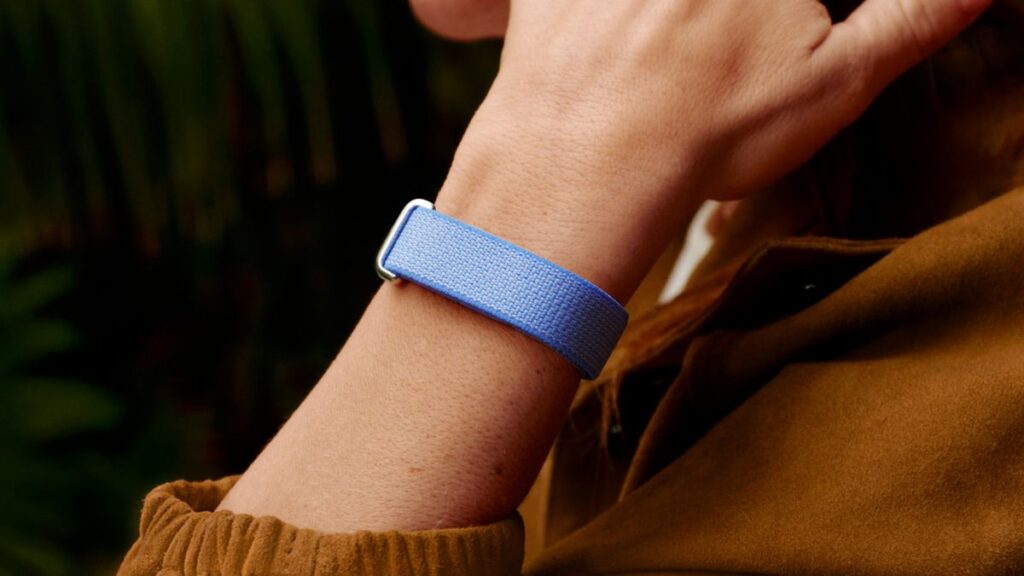
Fitbit Air is a product from Google, designed without a screen to minimize distractions during use. The fitness band does not display any notifications or fitness information. It relies on vibration technology and a little red light for giving alerts. However, one can view all their health data via the Google Health Application. The app also provides activity reports and coaching features.
For health tracking, the Fitbit Air offers features such as continuous heart rate and heart rhythm monitoring. It also includes AFib alerts and SpO2 for blood oxygen level tracking. In addition, the wearable measures resting heart rate and heart rate variability. The device monitors sleep stages and sleep duration to analyze sleep behavior. Moreover, it detects automatic workouts and supports manual exercise logging, as well as Google Health Coach workouts. The battery life is seven days after a single charge. Just five minutes of charge gives an entire day of battery life. The tracker has a polycarbonate body, 50-meter water resistance, and also supports interchangeable bands.
Price and Availability in India
Google has confirmed that the Fitbit Air will arrive in India this October. However, the company has not announced how much the tracker will cost. It carries a $99.99 price tag in the US, which is around Rs. 9,500. The Indian price could differ from the US price, ranging from Rs 17,380 to Rs 18,490.
Google has also kept other availability details under wraps for now. The company has not confirmed the exact launch date, color options, or sales channels. It showcased the Fitbit Air with a pink Performance Loop band. However, this colorway is not confirmed for the Indian market. The company should reveal more information closer to the launch.











































You must be logged in to post a comment Login