Tech
Why Don’t The Prices Rise At The Same Rate?


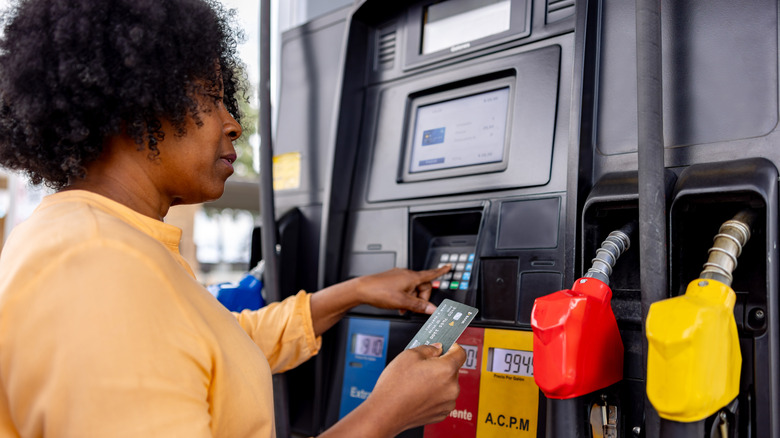
When the cost of oil goes up, immediate reactions among drivers in the U.S. vary from annoyed head shaking to full-blown panic mode, as people rush to the pumps before the price goes up. But while it’s easy to get wrapped up in the chaos, the question of why fuel prices don’t immediately increase as the oil does, can be tricky. In fact, the truth is nuanced.
The country’s existing gas supply provides a cushion from instant price hikes. This means gasoline stocks can delay price increases, preventing businesses from marking up their gas at the first sign of an oil price increase. Additionally, as long as oil refineries are running normally without disruptions, there’s no immediate pressure to raise prices. However, as supplies run thin and need to be restocked in one location to the next, you can expect a difference at the pump. This is also part of the reason why gas stations sometimes have different prices.
Other factors play a part in the price difference between oil and gasoline as well, including demand. That’s why you sometimes see gas prices increase with warm weather as more people hit the road. Seasonal variations, like the summer blend gas, are more expensive to produce because of their contents, which also impacts the price. The cost of refinery production can also fluctuate, because of different technology in some facilities. All of these factors go into what your gasoline will cost you.
Understanding gas prices beyond oil cost
Gasoline prices in the U.S. can vary by location, regardless of the relative cost of oil. As an example, prices tend to be higher in states and areas farther from oil refineries, ports, or pipelines. This is mostly due to transportation costs. There are also specific environmental requirements, like those in California, which causes the state’s gas to be completely different from the rest of the U.S. This affects the cost of production, storage, and distribution, thus resulting in higher prices at the pump.
But if a retailer increases their gas prices without a justifiable reason in the U.S., they could be subject to civil or criminal fines, depending on their location. Many U.S. states and territories have anti-price gouging laws in place, designed to prevent such premature markups.
In fact, aside from taxes and regulation, the U.S. government only gets involved during major supply disruptions. This is done with the Strategic Petroleum Reserve which is the country’s emergency oil supply. The decision to release oil from the reserve is made by the President, under federal law. When this happens, the oil is sold into the market to help keep the supply stable. This means that while the government can intercede when things get tough, it doesn’t happen on a regular basis.
You must be logged in to post a comment Login