Tech
Why the DJI Power 1000 Earns Its Place in Every Home Emergency Kit

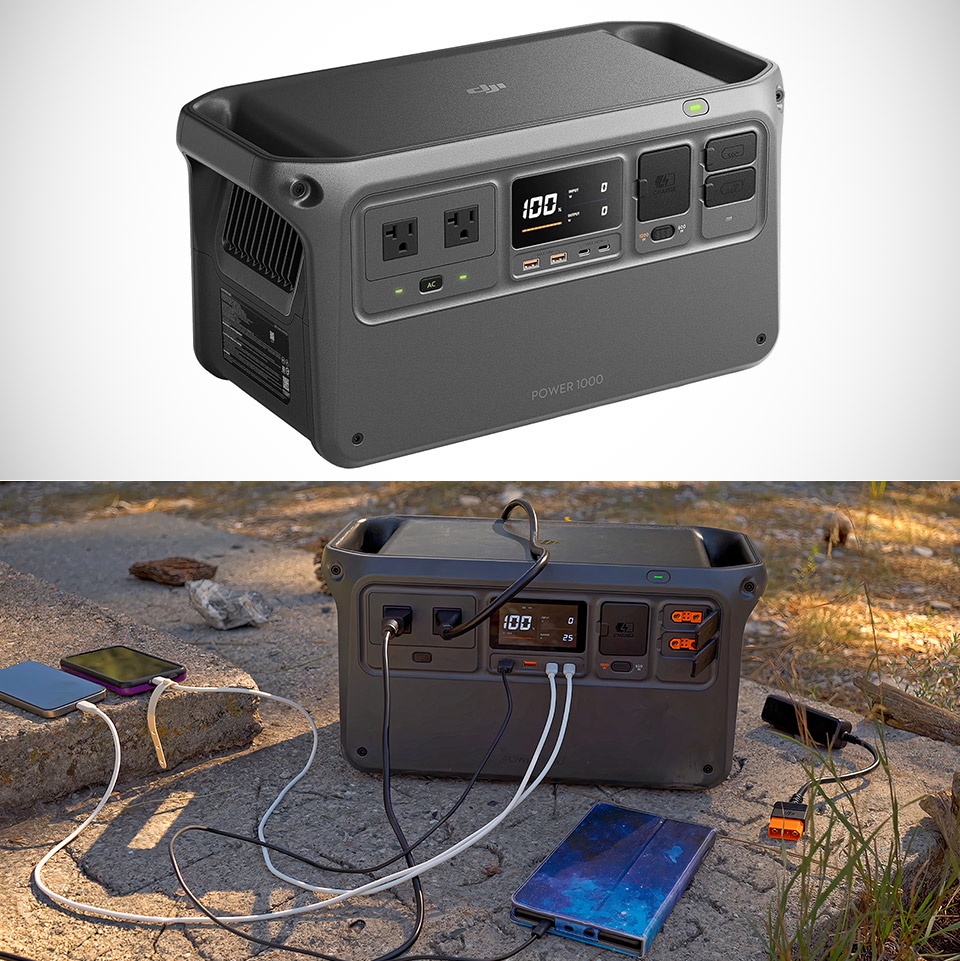
Summer temperatures keep pushing higher across the map, and grids feel the pressure. Air conditioners run nonstop, transformers strain, and outages arrive with little warning. In those hours a reliable backup power station stops being a nice-to-have and becomes the difference between a minor inconvenience and a real problem. The DJI Power 1000, priced at $349 (was $699), steps into that role with a combination of capacity, output, and practical design that matches the needs of actual emergencies.


A 1024 watt-hour Lithium ferrophosphate battery is packed into a unit that weighs only 29 pounds and measures 17.6 by 8.9 by 9.1 inches, making it compact enough to transport from room to room or fit into a vehicle if you ever need to make a rapid departure. Size isn’t everything; the relationship is what really matters. LFP cells have a reputation for delivering over 4,000 charge cycles while keeping more than 70% of their original capacity, equating to nearly a decade of regular use without significant drop down.
Sale


DJI Power 1000 Portable Power Station, 1024Wh LiFePO4 Battery, 2200W (Peak 2600W) AC/140W USB-C Output…
- Power 99% of Household Appliances – With a 2200W max continuous output power, DJI Power 1000 easily handles high-watt appliances like outdoor camping…
- Fully Recharged Fast – DJI Power 1000 can be fully recharged in just 70 minutes using grid power. Charge fast and save time so you get moving on your…
- Safe and Secure – An LFP battery provides up to 4000 cycles and a service life of approximately 10 years. The DJI Battery Management System (BMS…
Continuous AC power reaches 2200 watts with a short-term peak of 4400 watts, which is handled by two normal household outlets. A typical fridge or freezer consumes less power than that continuous rating, therefore the station should be able to keep your food safe for an extended duration. Medical gadgets, fans, phone chargers, routers, and laptop computers all remain operational without incident. Two USB-C connectors supply up to 140 watts each, enough to charge current laptops and phones simultaneously, while two USB-A ports power older devices and accessories.

When the power is restored, even momentarily, recharging occurs quickly, with 80 percent completed in approximately 50 minutes and a full charge in about 70 minutes under ideal conditions. That speed allows your station to recover from periodic outages rather than sitting idle for hours, which is an extra benefit. If you do have sun, the DJI adapter module is an alternative for getting through longer events. The unit’s quiet functioning at 23 dB allows it to sit in a bedroom or living room overnight without adding to the stress level.

In UPS mode, the station ensures a smooth transition. When you put it into a wall outlet and your gadgets consume power from it, a grid breakdown activates the battery power in roughly 0.02 seconds, with no interruption, data loss, or worry. Bypass charging keeps the battery charged while supplying power, ensuring that the system is ready for the next reduction in power.


An intelligent battery management system monitors for overcurrent, overvoltage, and overdischarge concerns. Individual circuits are protected by multiple fuses. The bright color display reveals remaining capacity, input and output levels, and status at a glance, allowing you to monitor things and make educated decisions even in low light conditions.
You must be logged in to post a comment Login