Tech
Why the IBM MWave Sound Card Could be One of the Most Disappointing Pieces of Hardware from the 1990s

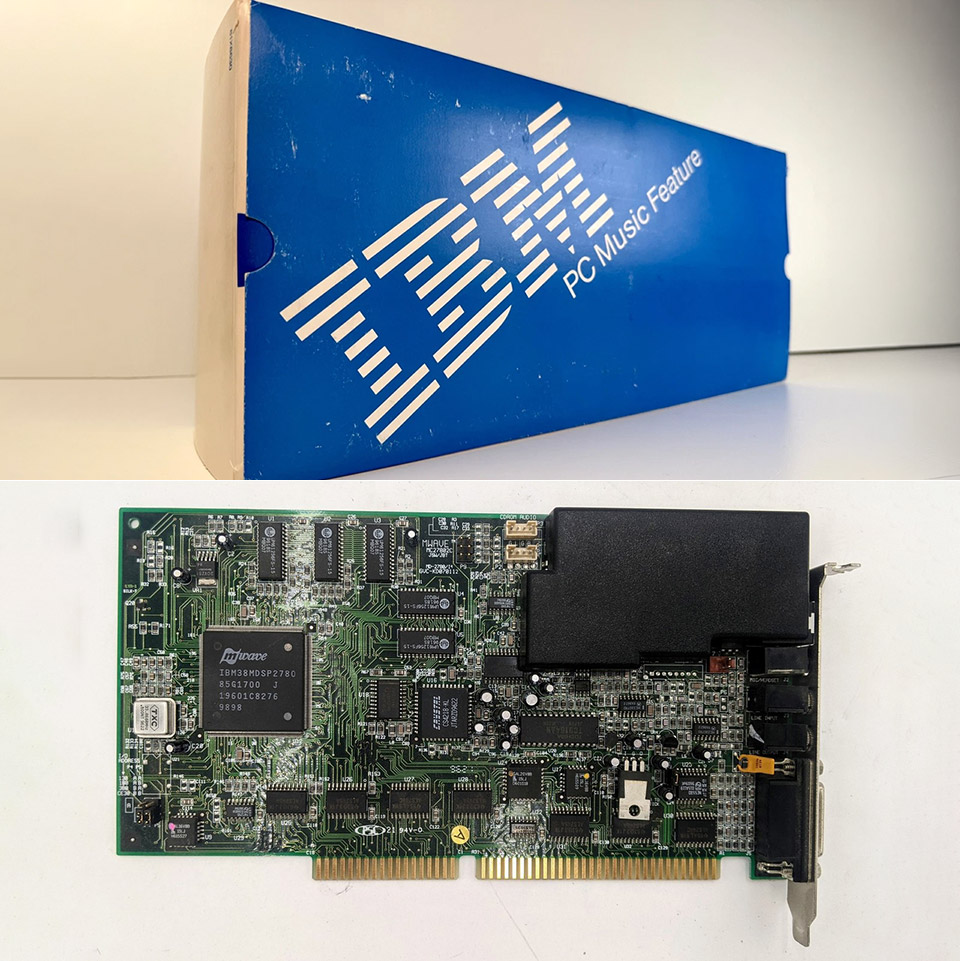
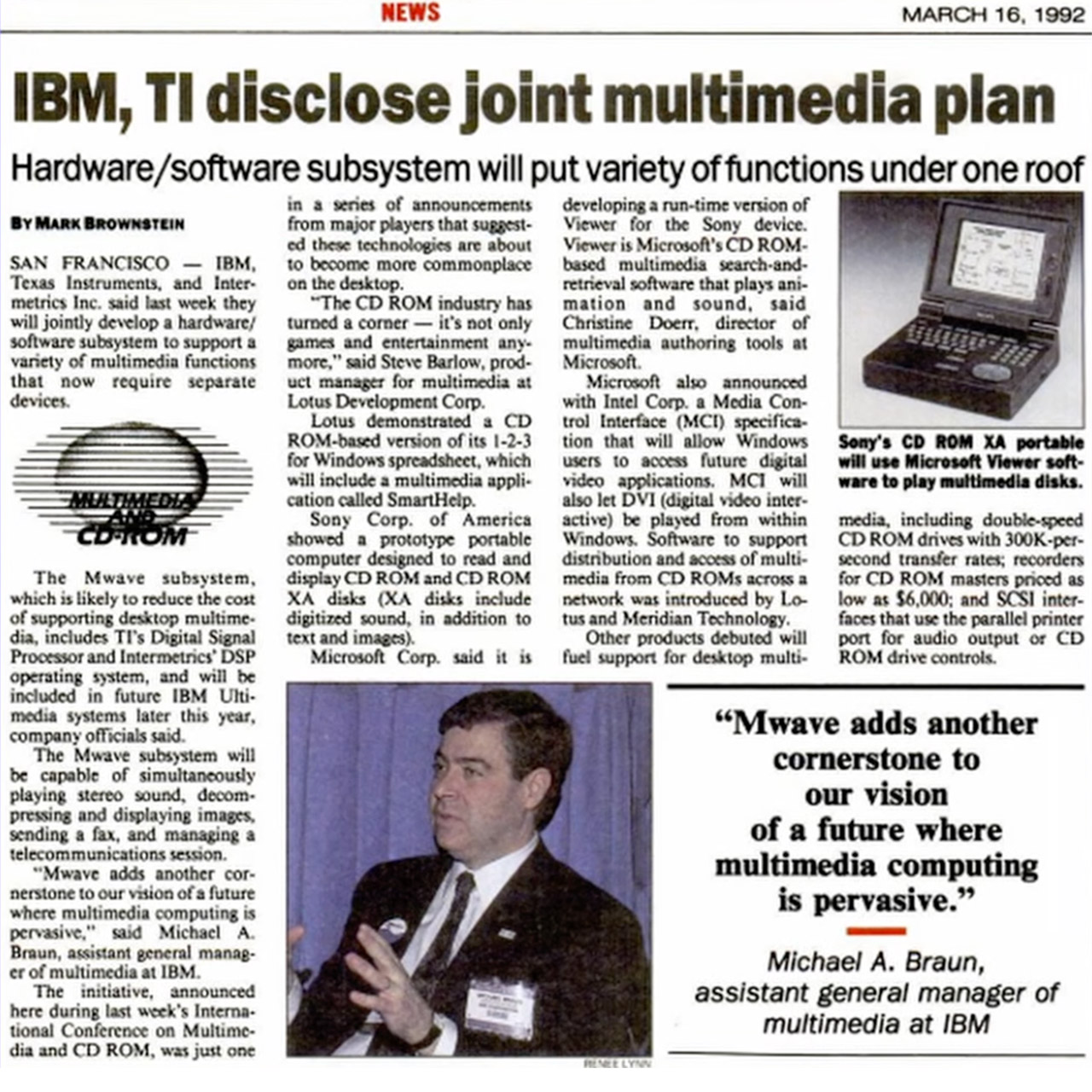
The IBM MWave sound card is still talked about in retro computing circles today, though not in a good way. It’s remarkable how many people can’t stop thinking about how disappointing it was. Launched around 1992 and utilized in IBM’s Aptiva desktops and ThinkPads, the MWave was designed to be a nifty little combo of sound playback and dial-up modem on a single chip. The idea promised convenience and cost savings during an era when sound cards carried prices similar to today’s graphics cards, but reality delivered something far different.


IBM created the MWave around a unique digital signal processor that was expected to handle audio and modem functions. It had a separate chip for digital to analog conversion and another for dealing with the very rudimentary game audio of FM synthesis, as well as General MIDI wavetables for fuller sound and, of course, modem functions up to 28.8 kbps. Later drivers touted 33.6 kbps, since this all appeared to be a forward-thinking approach at first, with one card handling game sound effects, MIDI backgrounds, and internet connections without the need for additional hardware. You have some useful features, such as wake on ring for the Aptivas resume functionality. Few other manufacturers were attempting this tight integration at the time.
Sale


Anker Soundcore 2 Portable Bluetooth Speaker with Stereo Sound, Bluetooth 5, Bassup, IPX7 Waterproof,…
- Outdoor-Proof Speaker: Portable design with IPX7 waterproof protection to safeguard against splashes, waves, and water vapor. Get incredible sounds at…
- 24H Non-Stop Music: With Anker’s world-renowned power management technology and a 5,200mAh Li-ion battery, the soundcore 2 speaker delivers a full day…
- Powerful Sound: The speaker features 12W power with enhanced bass from dual neodymium drivers. An advanced digital signal processor ensures pounding…
The compatibility concerns began almost immediately, with owners complaining about the modem and audio conflicts at startup. The shared CPU simply wasn’t powerful enough to manage both tasks. Owners experienced frequent failed connections, garbled audio, or no audio at all, with the modem failing in one instance while the audio worked in another. From the start, the drivers seemed suspicious. People frequently had to manually meddle with restarts and fiddling around the edges in the hopes that their system would even recognize the card.
Users who used Windows reported a host of issues, beginning with frequent crashes and system errors, particularly when attempting to run Sound Blaster emulation in Windows 95 and 98. DOS games had to be booted up in specific ways so that when you heard audio, it was actually there rather than just gone.

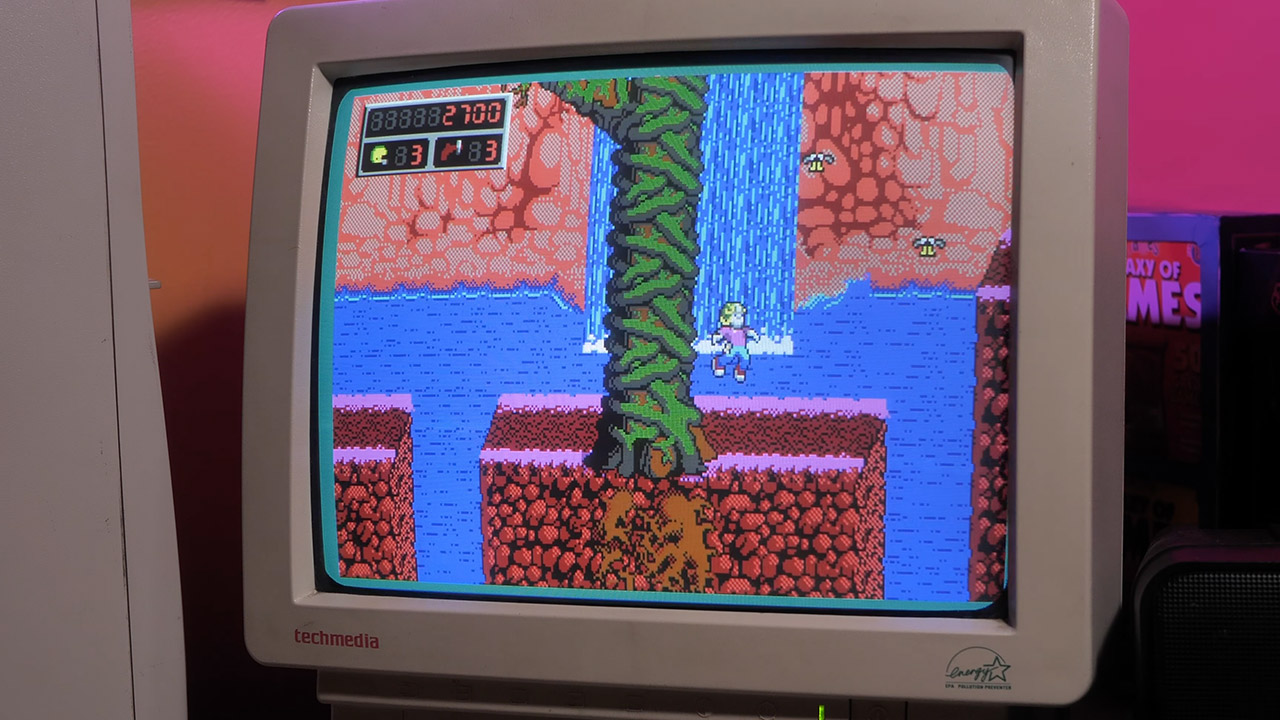
The audio quality suffered significantly as a result of FM synthesis, which was intended to replicate the iconic sound of the soundblaster but instead produced horrible distorted sound. Pitches would shift unexpectedly, notes would vanish, and percussion would just evaporate, while sound effects such as reverb, chorus, and so on would become muddy. The wavetable MIDI was considerably worse, with instruments sounding out of sync, missing vibrato pitch bends, and terrible timbres that sounded if a game’s original soundtrack had been blended. Some audio clips from games like as Duke Nukem 2, Commander Keen, Descent, and Tyrian 2000 demonstrate the severity of the issues, with severe artificial echoes, warped melodies, and what should have been magnificent sound effects reduced to glitches as well as awful basic tones.

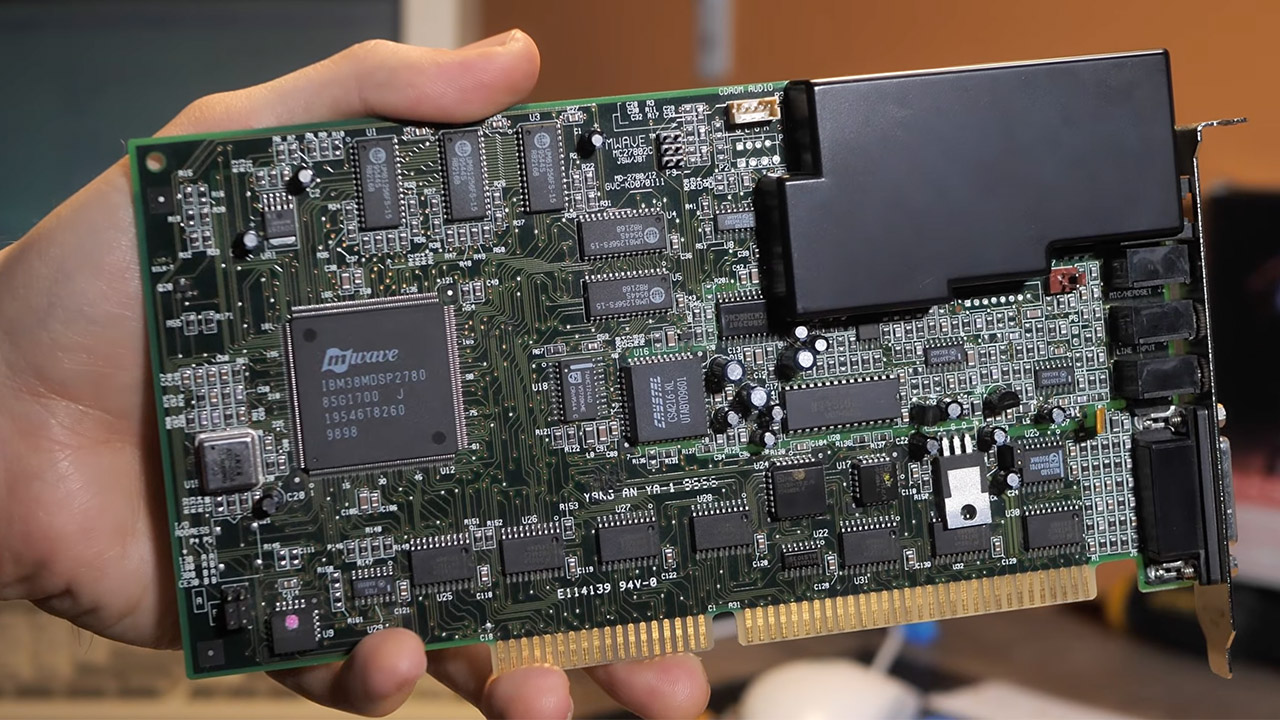
It wasn’t only Windows; even DOS-based games suffered from static and poor audio quality. Most consumers were vocal about their dissatisfaction, and IBM faced a class-action lawsuit in the late 1990s, which was eventually settled in 2001. Some customers received a check and a modem in exchange for their quiet and a non-disclosure agreement, while others just had their forum postings “disappear” when they dared to report difficulties. IBM eventually removed the MWave from new systems in 1998, nearly 6 years after it initially began failing, and replaced it with separate sound cards and a modem.
[Source]
You must be logged in to post a comment Login