Tech
Wilson Audio’s Autobiography Speakers Are Built for Ultra Rich Music Listeners With No Apologies

In 2026, the high-end loudspeaker market has taken a hard turn into what can only be described as flagship meshugas. One week it is Wilson Audio unveiling the Autobiography floorstanding speakers, the next it is Børresen Acoustics pushing even further into the stratosphere, and not long before that, YG Acoustics dropped the Titan in active sub configuration with a nickel finish at a cool $910,000 per pair. At this level, the question is no longer about system matching or room treatment. It is whether you need a bigger listening room or a real estate agent.
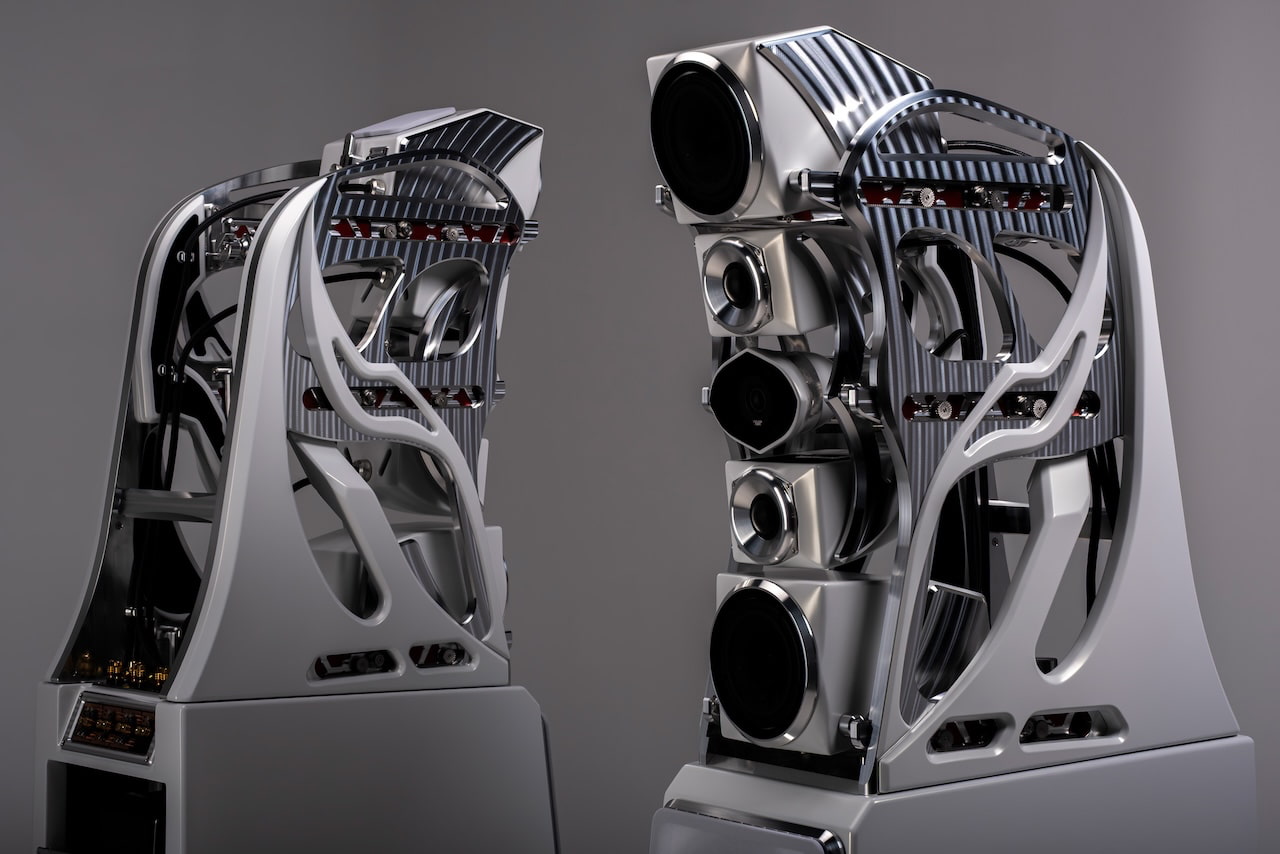
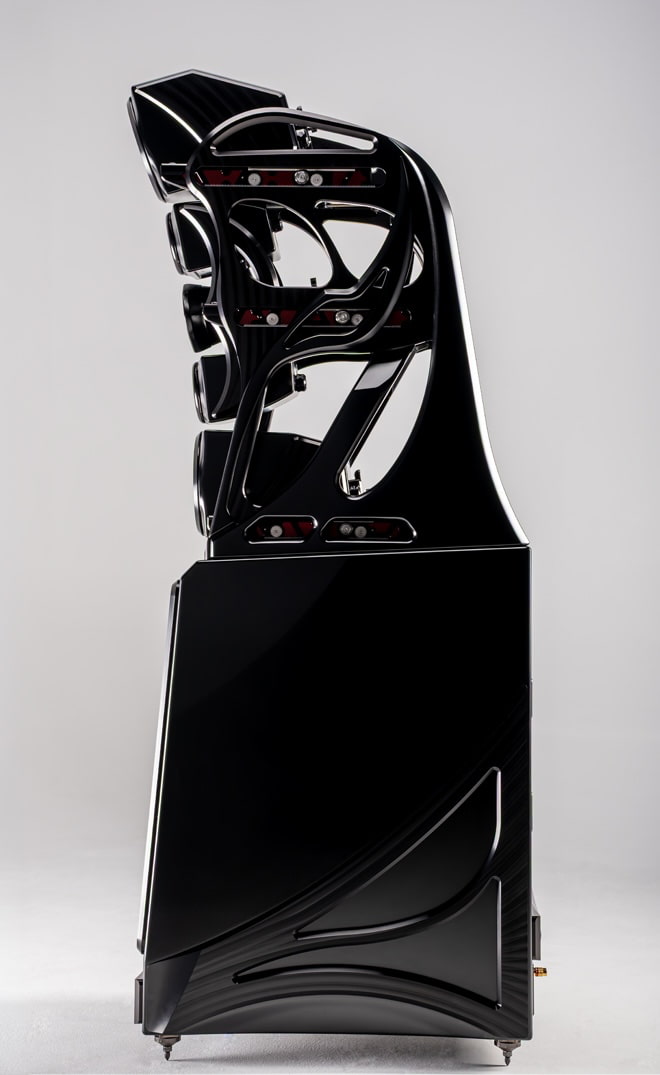
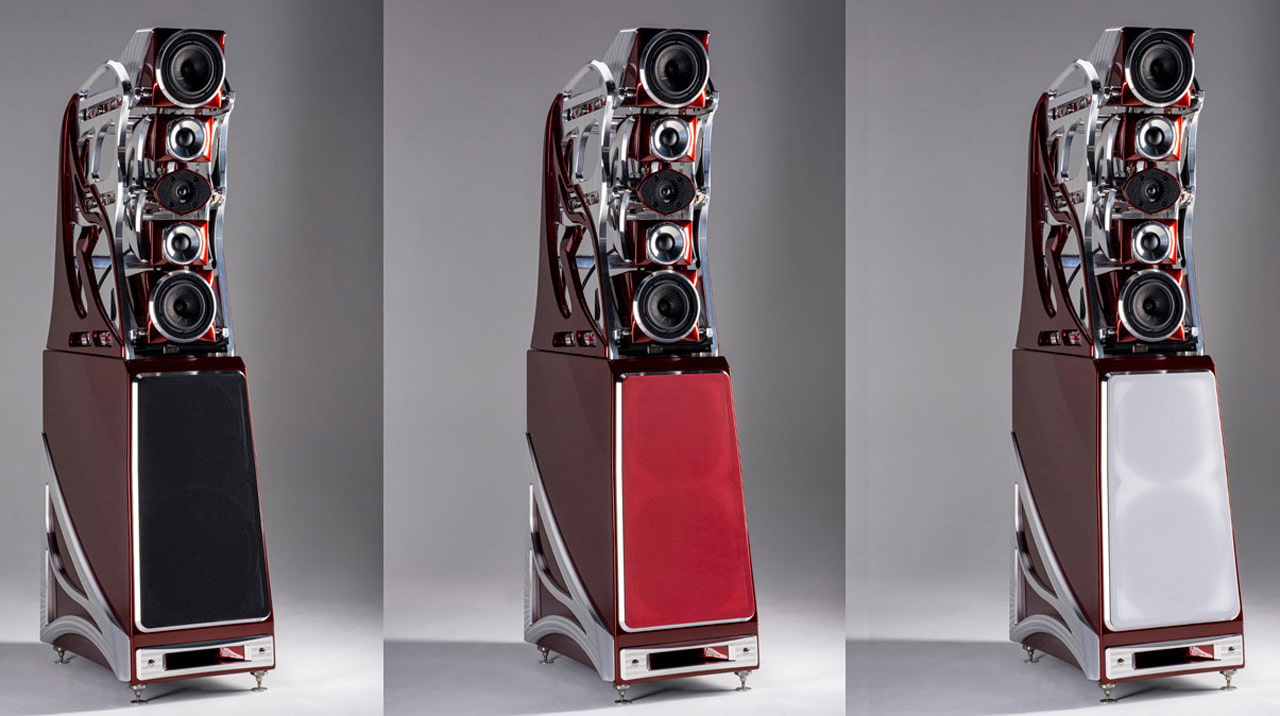
Against that backdrop, Wilson Audio believes it has answered the “ultimate speaker” question with the new Autobiography. Standing 81 inches tall and tipping the scale at over 800 pounds per speaker, built from the company’s proprietary V Material, X Material, and S Material composites, this is not a product designed to blend in. It is a statement piece in every sense, and one that demands a closer look.
The Story Behind the Flagship Speaker

An autobiography is a personal account shaped by time, intent, and refinement. That framing is not accidental. With the Autobiography, Wilson Audio is presenting what it sees as a physical expression of its design history and engineering priorities.
The Autobiography draws on more than five decades of work inside the company, from the late-David A. Wilson’s early experiments with time alignment, enclosure materials, and resonance control to the current generation’s continued focus on precision and consistency. Every aspect of the speaker, from cabinet geometry to material selection, is positioned as an extension of that ongoing development rather than a reset.
To be clear, this is not a retrospective product. Wilson Audio isn’t repackaging past ideas and calling it a day. The Autobiography builds on a lineage that stretches back to the original WAMM and WATT systems, but the goal here is forward momentum, taking what worked, understanding why it worked, and applying that knowledge with newer materials, tighter tolerances, and more advanced modeling.
If there’s a “story” here, it’s told through engineering choices rather than sentiment. The Autobiography is less about looking back and more about documenting where Wilson Audio believes it stands right now—and how far it can still push the envelope.

The Drivers
At the core of the Autobiography is an entirely new driver complement. This is a five-way loudspeaker built around an MTM array, and none of the drivers are off the shelf or repurposed. Wilson Audio designed each one specifically for this system, with the expectation that they function as a unified acoustic platform rather than a collection of individual parts.
The vertical layout is deliberate. A 7-inch midrange driver anchors both the top and bottom of the enclosure, while the center section uses a symmetrical MTM crescent array with dual 2-inch midrange drivers flanking Wilson’s CSLS front-firing tweeter. The goal here is controlled dispersion and consistent behavior through the critical midband, where most of the music actually lives.
Bass duties are handled by two dissimilar woofers, a 12-inch and a 15-inch unit, engineered to work together rather than cover separate ranges in isolation. Rounding things out is a rear-firing ambient tweeter intended to add spatial information without calling attention to itself.
On paper, the architecture is about maintaining timing, dynamic range, and tonal balance across the full spectrum. In practice, the intent is straightforward: every driver does its job without stepping on the others, so the system presents music as a single, coherent event rather than a stitched together performance.
CSLS Front Firing Tweeter

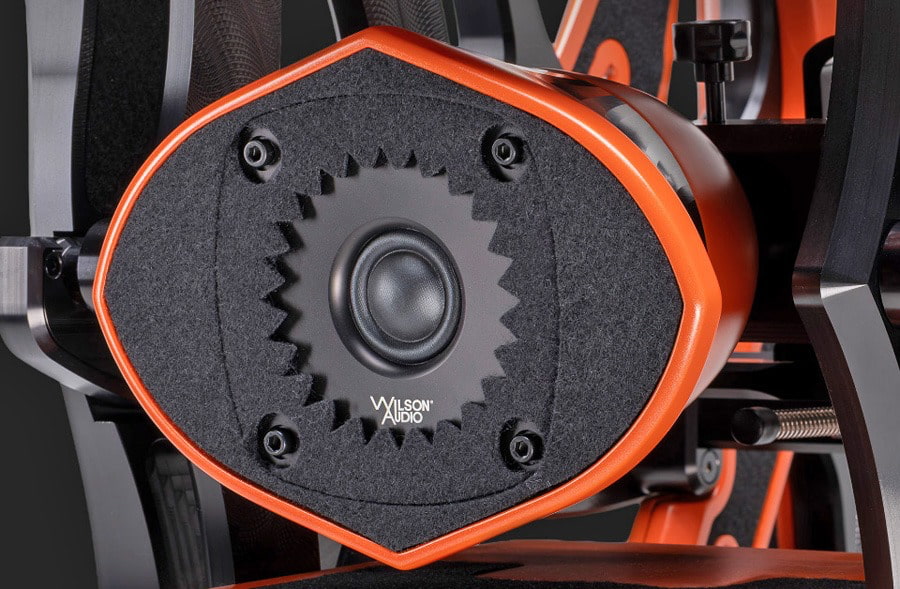
The Convergent Synergy Laser Sintered (CSLS) front firing tweeter represents the latest evolution of Wilson Audio’s Convergent Synergy platform. It is not a cosmetic update. The CSLS unit incorporates a redesigned rear wave chamber intended to better manage back wave energy and reduce internal reflections that can smear high frequency detail.
The focus here is lowering mechanical and acoustic noise at the source. By improving energy dissipation behind the diaphragm, the tweeter operates with less interference from its own enclosure, which in turn helps preserve low level information and spatial cues.
In practice, the goal is refinement rather than emphasis. The CSLS front firing tweeter is engineered to extend high frequency performance without adding edge or artificial detail, allowing micro dynamics and harmonic texture to come through with greater stability and less effort.
2-inch Midrange

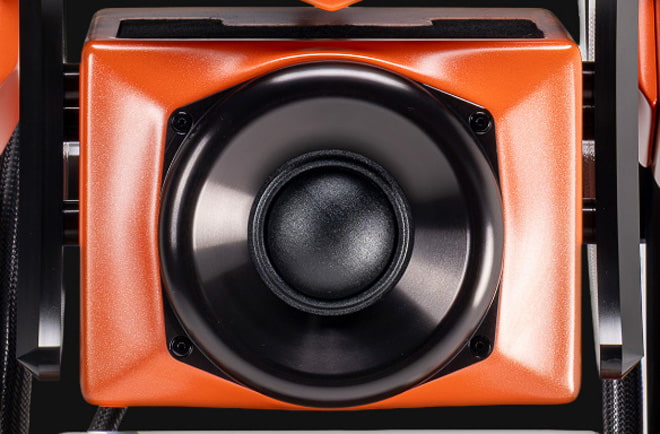
Flanking the CSLS tweeter are two newly developed 2-inch midrange drivers paired with optimized sonic faceplates. Referred to as the 2-inch MID (Midband Integration Driver), these units are designed to bridge the gap between the speed and articulation of the tweeter and the weight and texture of the larger midrange drivers. Their symmetrical placement supports even dispersion and consistent time alignment through the most sensitive region of human hearing, where small errors are easiest to detect. The intent is straightforward: Wilson Audio is using the 2-inch MID drivers to smooth the midband transition so the system behaves as a single acoustic source, allowing the listener to hear a continuous presentation rather than a collection of individual drivers.
PentaMag 7-inch Midrange Driver

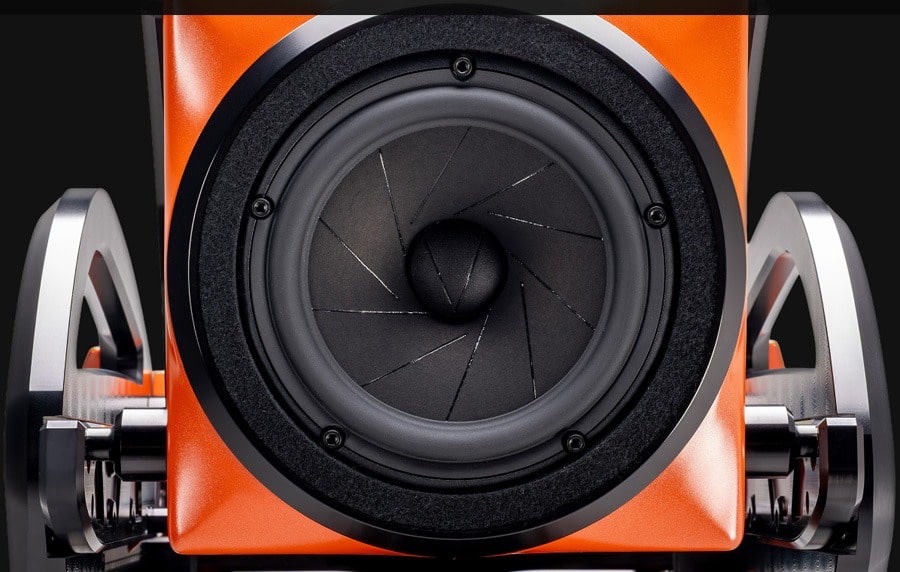
Above and below the MTM assembly sit two 7-inch PentaMag midrange drivers. These build on Wilson’s earlier QuadraMag platform, now using five AlNiCo (aluminum, nickel, cobalt) magnets arranged to increase motor strength, improve flux stability, and maintain linearity under dynamic load. The objective is better control through the midrange under real listening conditions, not just at lower levels. In practice, that translates into a presentation that can scale with volume while retaining clarity and tonal consistency, allowing voices and instruments to carry weight and detail without sounding congested or strained
Rear Firing Tweeter/RFT

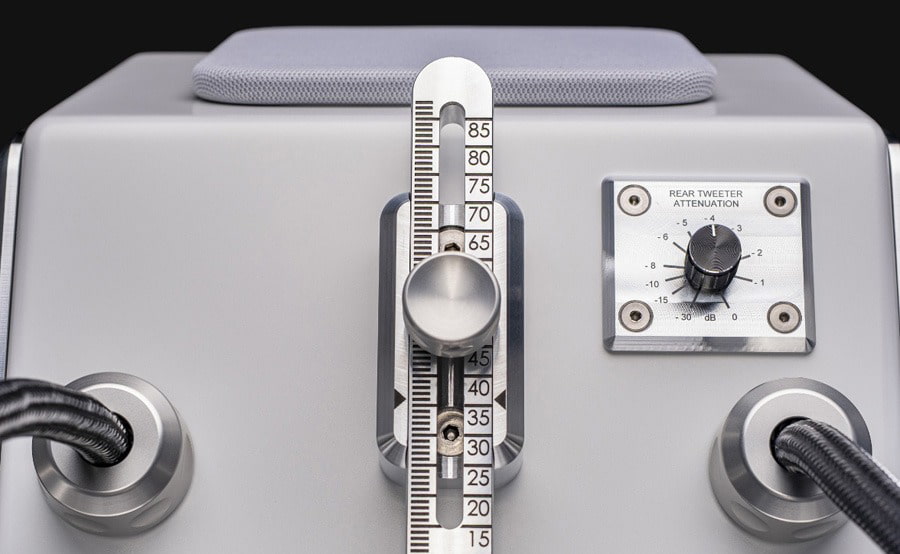
Autobiography incorporates an inverted dome rear firing tweeter designed to enhance spatial depth, ambient retrieval, and harmonic decay. The driver uses aerospace grade unidirectional spread carbon fiber, chosen for its stiffness, consistency, and predictable behavior under load. The diaphragm features a variable thickness profile to reduce inertia while maintaining structural integrity, which is critical for low level detail and decay.
This is a wide dispersion design intended to reproduce ambient information without drawing attention to itself. Its operating range extends from 6 kHz to 22 kHz, focusing on spatial cues rather than primary tonal content. An attenuation control allows adjustment from 0 dB to minus 40 dB, with the maximum setting calibrated to begin at minus 7 dB at 10 kHz relative to the front firing tweeter at typical listening distances.
The goal is flexibility without excess. Wilson Audio gives the user the ability to fine tune how much ambient energy is introduced into the room, allowing for subtle reinforcement of space and decay without compromising the system’s overall balance.
The Woofers

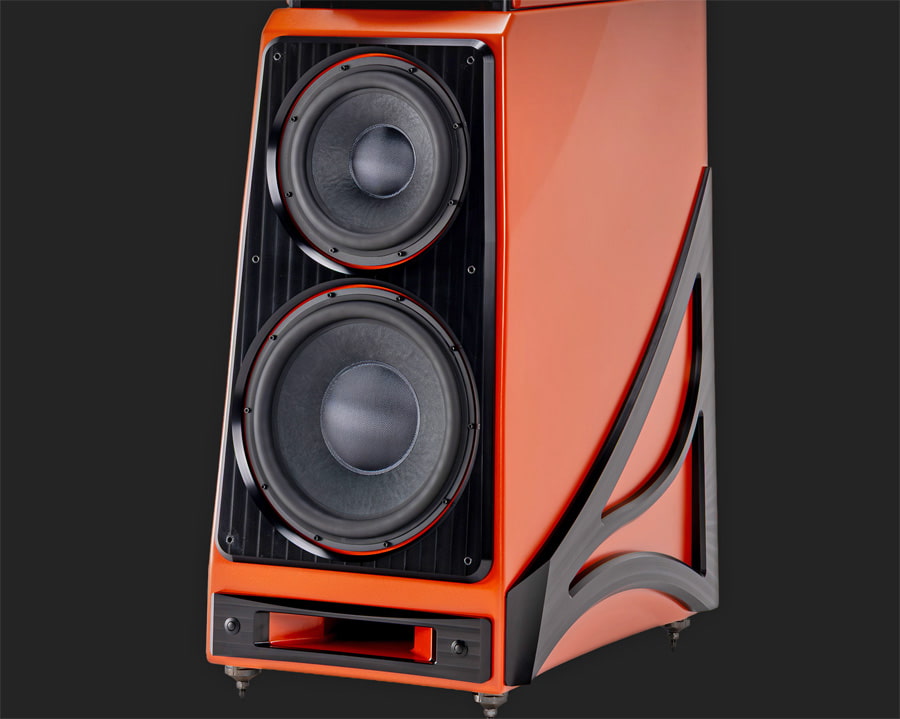
The low frequency architecture of Autobiography is built around a clear objective: deliver bass that is fast, controlled, and authoritative without losing tonal nuance as it transitions into the midrange. To achieve this, Wilson Audio employs two purpose built woofers, a 12-inch and a 15-inch unit, engineered to operate in parallel as a unified system rather than as separate contributors covering different bands.
Using different sized drivers in this way introduces challenges in timing, pressure loading, and harmonic consistency. Those are addressed through dedicated motor structures, tuned suspension geometries, and a shared enclosure that allows both woofers to function as a single acoustic source. The result is a low frequency foundation that prioritizes speed, control, and scale, delivering extension and impact without excess or overhang that can compromise integration with the rest of the system.
Port Integration

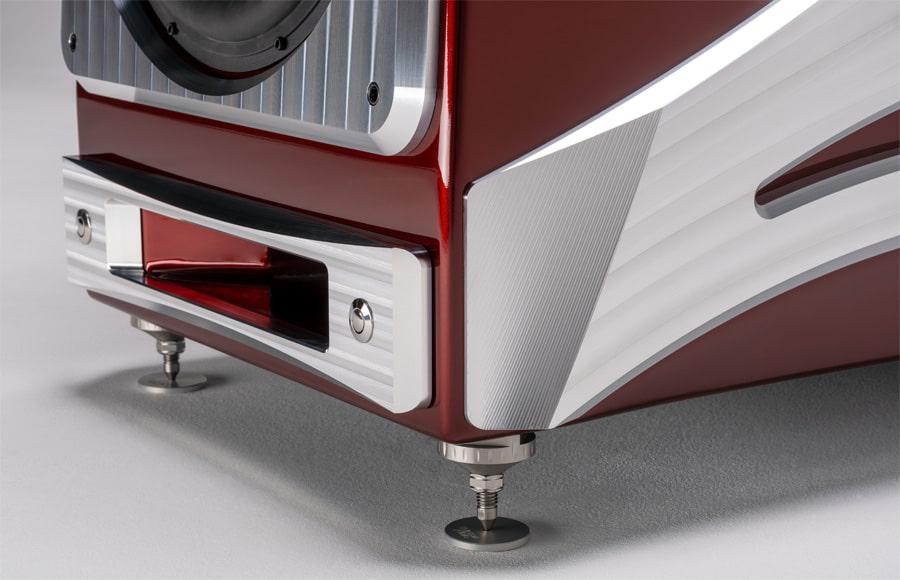
In addition to the woofers, Autobiography uses a slot type bass reflex port that can be sealed without tools. Adjustments to the port cover and port ring allow the user to fine tune how the system interacts with the room, without adding unnecessary complexity to setup. The cross load flow porting system is designed to provide controlled adjustment of low frequency behavior rather than a fixed response.
In a forward firing configuration, output in the 10 Hz to 75 Hz range is reduced by approximately 1.0 to 1.5 dB, while output between 75 Hz and 130 Hz increases by roughly 1.5 to 2.0 dB. Switching to a rear firing configuration reverses that balance. The intent is straightforward: give the user a practical way to adapt low frequency performance to room boundaries and placement constraints without resorting to external processing.
Addressing Alignment

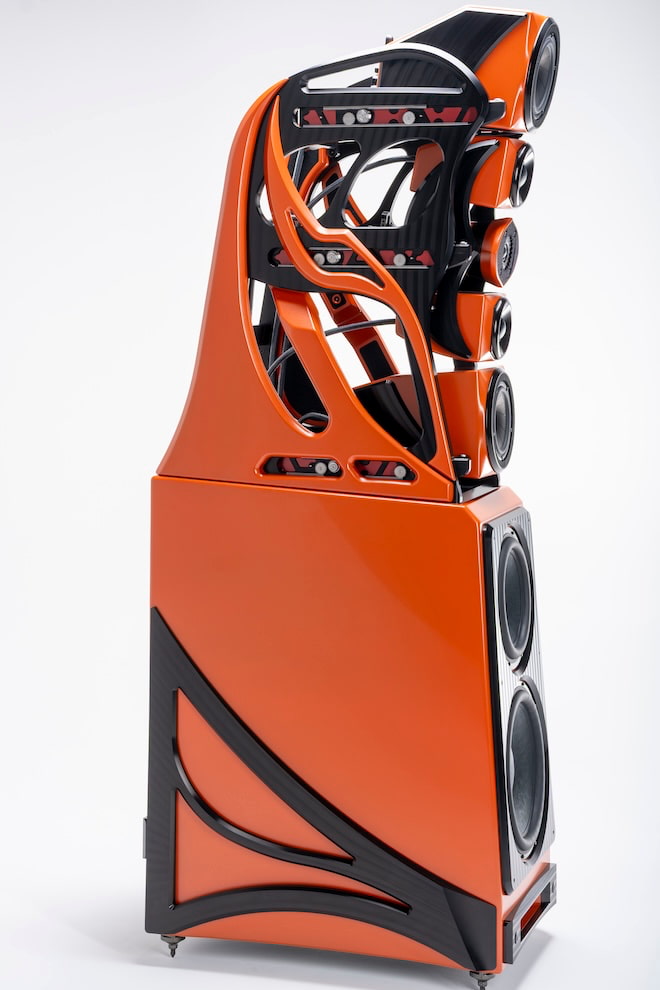
Wilson Audio designs have used different approaches to mechanical alignment over the years, but Autobiography introduces hardware developed specifically for this system, with a focus on improving how the individual driver modules are positioned for time alignment. From the module alignment sleds to the precision slide spikes, each element is designed to function as part of an integrated structure that supports consistent setup and repeatability. The emphasis here is on accuracy, durability, and ease of adjustment without adding unnecessary complexity.
Both the upper and lower 7-inch PentaMag midrange modules are independently adjustable using the alignment sled system. The indicators, gears, and reference scales are clearly marked and can be set using a rotating cam grip, allowing for precise positioning without specialized tools. The MTM crescent frame follows a similar approach. Compared to prior flagships like the WAMM Master Chronosonic and Chronosonic XVX, the goal is a higher degree of control over time domain alignment while making the process more straightforward to implement in an actual listening room.
Connectivity

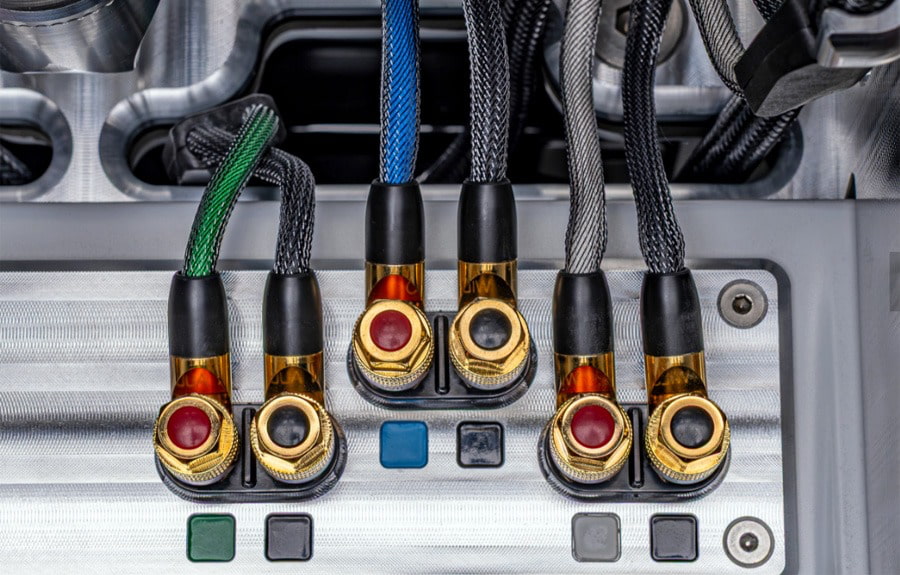
Custom Wilson Audio spade connectors are used throughout, designed to mate with the company’s proprietary binding posts to ensure a secure and consistent electrical connection. Machined wire clasps are integrated into the gantry to provide structured cable management and reduce strain on the terminals.
Resistors are mounted to pure copper heatsinks to improve thermal dissipation and reduce the potential for performance drift under load. These components are accessible via a framed resistor mount plate on the rear of the woofer enclosure, allowing changes to be made without tools.
Wilson Audio Autobiography Specifications
| Wilson Audio Model | Autobiography |
| Product Type | Floorstanding Loudspeaker |
| MSRP | $788,000 per pair |
| Speaker Configuration | 5-Way |
| Forward Firing Tweeter | One x 1-inch, Dome (2.54 cm) |
| Upper Midrange | Two x 2-inch (5.08 cm) |
| Lower Midrange | Two x 7-inch (17.78 cm) |
| Woofers | One x 12-inch (30.48 cm) One x 15-inch (38.10 cm) |
| Rear-Firing Tweeter | One x 1-inch, Inverted Dome (2.54 cm) |
| Front Port | Yes – slot design (can be sealed or opened) |
| Enclosure | Forward Firing Tweeter – Sealed Midrange (2 in) – Rear Vented Midrange (7 in) – Bottom Vented Woofers – Front or Rear Adjustable Ported |
| Sensitivity | 89.5 dB @ 1W @ 1m @ 1kHz |
| Nominal Impedance | 4 ohms / minimum 2.1 ohms @ 293 Hz |
| Minimum Amplifier Power | 100 watts/channel |
| Frequency Response | 18 Hz – 36 kHz: +/- 2 dB: Room Average Response [RAR] |
| Dimensions | Height: 81 3/16 inches (206 cm) w/o spikes [Variable] Width: 21 1/2 inches (55 cm) Depth: 34 7/8 inches (89 cm) |
| System Weight Per Channel (uncrated) | 821 lbs (372.40 kg) |

The Bottom Line
The Autobiography is clearly positioned as Wilson Audio’s current statement product and is less about chasing a single headline feature and more about consolidating decades of work in materials, driver integration, and time alignment into one platform. What makes it stand out is the level of system control: proprietary cabinet materials, a fully bespoke driver array, and a mechanical alignment scheme that is more refined than anything the company has previously offered.
It also sits in a very specific tier alongside products like the Børresen M8 Gold Signature and the Sonus faber Suprema. These are not incremental upgrades over “normal” high end speakers. They are part of a category where scale, cost, and engineering ambition are pushed to extremes, and where the conversation shifts from value to execution at any cost.
That leads to the real question: who is this for? Not someone building their first serious system, and not even most seasoned audiophiles. Buyers at this level already have the home, the space, and the budget. The issue is not whether you can afford the speakers — it is whether your room can support them. Systems built around speakers like the Autobiography typically involve six figure investments in amplification, sources, cabling, power, and acoustic work. You are not choosing between these and a more modest setup. You are deciding whether your environment can accommodate this level of scale and output without compromise.
Ultimately, the Autobiography and its peers are about removing limits as much as possible. Whether that translates into a meaningful improvement over less extreme systems will depend on setup and room more than anything else.

Price & Availability
The Wilson Audio Autobiography Floorstanding Loudspeakers are priced at $788,000 (US) per pair through Authorized Wilson Audio Dealers.
For more information: wilsonaudio.com
Related Reading:
You must be logged in to post a comment Login