Microsoft has released the KB5083631 optional cumulative update for Windows 11, which includes 34 changes, such as a new Xbox mode for Windows PCs, enhanced security and performance for batch files, and performance improvements for launching startup apps.
KB5083631 is a preview update that lets admins test Windows bug fixes, improvements, and new features, before they’re generally available during next month’s Patch Tuesday release. However, unlike cumulative updates, monthly optional updates do not include security fixes and only roll out quality improvements.
With the April 2026 optional update, Microsoft has improved the performance of launching apps listed under Settings > Apps > Startup when the device starts.
It also added a new Xbox mode for Windows 11 PCs (e.g., laptops, desktops, and tablets), which provides a full‑screen interface that puts games front and center while minimizing background distractions. Users can enter Xbox mode from the Xbox app, Game Bar settings, or by using the Windows logo key + F11 keyboard shortcut.
Advertisement
Additionally, this month’s preview update introduces improved security and performance for batch files and CMD scripts, a change that first rolled out in February to Windows 11 Insiders in the Beta and Dev channels.
“Starting with this release, administrators can enable a more secure processing mode for batch files. This mode prevents batch files from changing during execution,” Microsoft explained.
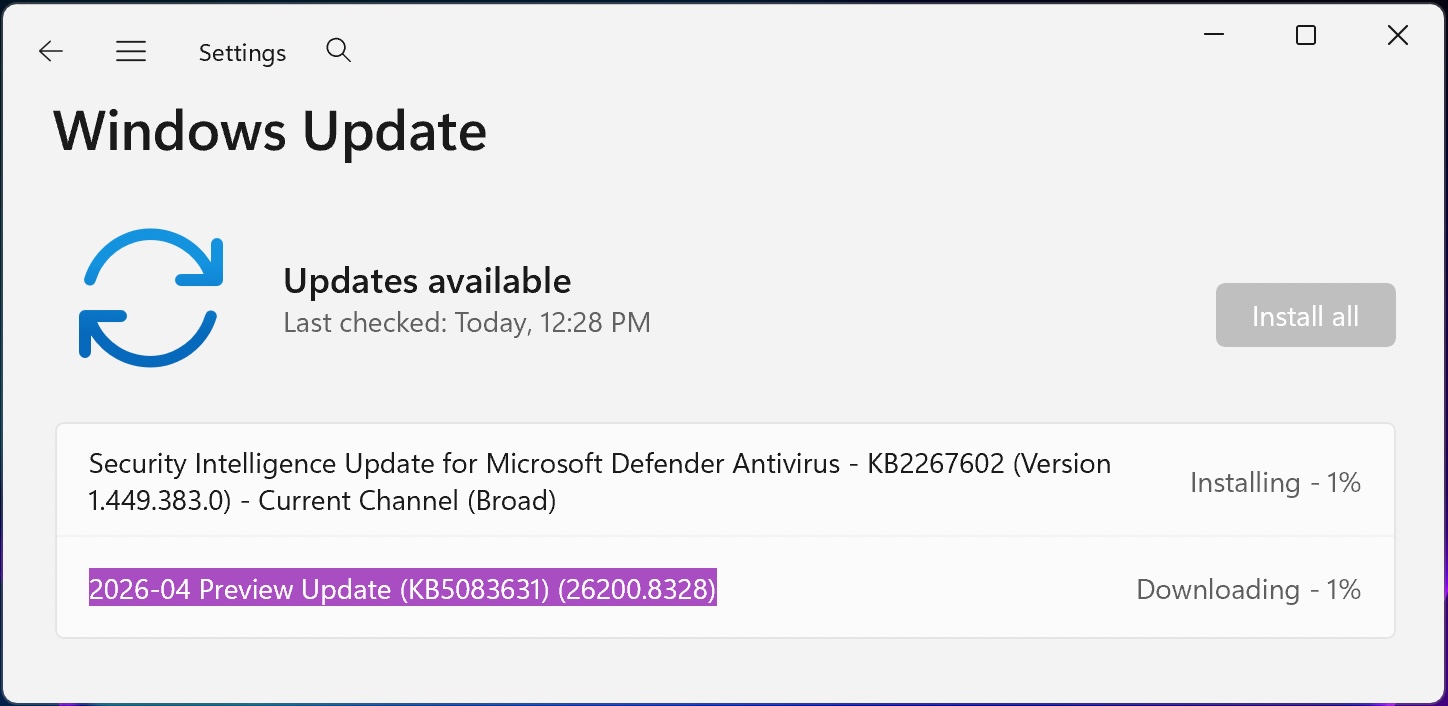
You can install KB5083631 by opening Windows Settings, clicking on Windows Update, and then on ‘Check for Updates.’ However, since this is an optional update, you will need to click the ‘Download and install’ link if you don’t want to install it manually from the Microsoft Update Catalog.
KB5083631 preview update (BleepingComputer)
KB5083631 update highlights
Once installed, this optional non-security update will update Windows 11 24H2 and 25H2 devices to builds 26100.8328 and 26200.8328, respectively.
The April 2026 preview update comes with dozens of other changes, some of the more important ones highlighted below:
Advertisement
You can now experience haptic feedback on supported input devices when performing certain actions, such as aligning objects in PowerPoint, snapping, or resizing windows. Haptic feedback can be managed in Settings > Bluetooth & devices > Mouse, Touchpad, or Pen > Haptic signals.
[Secure Boot] With this update, Windows quality updates include additional high-confidence device-targeting data, increasing the coverage of devices eligible to receive new Secure Boot certificates automatically. Devices receive the new certificates only after demonstrating sufficient successful update signals, thereby maintaining a controlled, phased rollout. For more information, see Windows Secure Boot certificate expiration and CA updates.
[Authentication (Kerberos)] This update improves Kerberos authentication for Remote Desktop sessions that use Remote Credential Guard, addressing error 0xc000009a.
[Windows Security] This update improves event logging related to CVE‑2024‑30098 by including the name of the affected application. This change makes it easier to identify applications that rely on smart card certificates and may need updates following recent security changes.
This update removes a white flash that could appear when opening This PC or while resizing the Details pane in dark mode.
This update improves the reliability of relevant explorer.exe processes so they stop after File Explorer windows are closed.
Microsoft also noted that updated Secure Boot certificates are rolling out to replace the original 2011 certificates that will expire in late June 2026. In January, Microsoft first revealed plans to refresh expiring Secure Boot certificates on eligible Windows 11 systems, after warning admins in November to update the security certificates before they expire.
It also added that some Windows Server 2025 devices with “an unrecommended BitLocker Group Policy configuration” will boot into BitLocker recovery and require users to enter the BitLocker recovery key on the first restart after deploying the KB5083631 update.
AI chained four zero-days into one exploit that bypassed both renderer and OS sandboxes. A wave of new exploits is coming.
At the Autonomous Validation Summit (May 12 & 14), see how autonomous, context-rich validation finds what’s exploitable, proves controls hold, and closes the remediation loop.
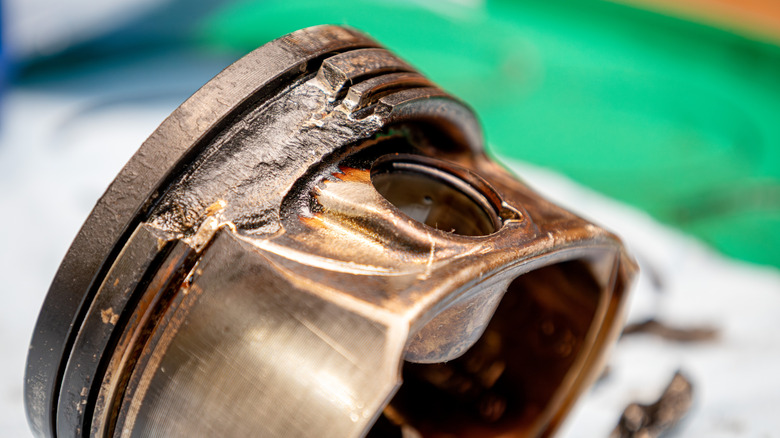
Your car’s engine is truly a marvel of engineering, relying on a combination of extreme tolerances and pressures to produce power. Think about it — you’re effectively creating hundreds of explosions per minute across multiple cylinders, and those explosions drive the crankshaft, which in turn transmits power to the running gear. The area which contains these explosions is called the combustion chamber, which relies on being a sealed environment to keep all the violence on the correct side. After all, what’s stopping the explosion from simply blowing past the piston, or the oil from shooting up into the combustion chamber? That’s where your car’s piston rings come in.
Unless you have a Wankel rotary – in which case you have apex seals – your car will likely contain somewhere between three and twelve pistons (unless you have a Veyron). Each of these pistons is collared with three rings, known as piston rings. Fairly obvious and intuitive so far, but why do they exist in the first place?
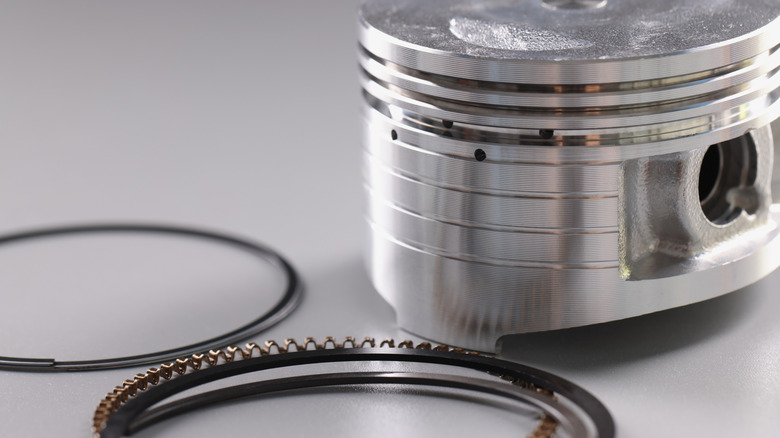
There’s a short and long answer to that question; the basic gist is that the piston rings act to seal the explosive half of the cylinder from the oily half, and they lubricate the cylinder walls. More specifically, the top two rings, known as the compression and wiper ring, respectively; maintain the compression in the cylinder. The bottom ring, also known as the oil ring, scrapes off excess oil on the cylinder wall and distributes what remains, keeping everything properly lubricated. Each of these three rings are designed in different ways and have different roles, so they’re not interchangeable. Let’s break it down further, going from the top down.
Advertisement
What each of the rings’ roles are
Ivan-balvan/Getty Images
The first two rings — the top and middle — are both responsible for maintaining adequate compression. In short, the piston acts like the plunger of a syringe — when it pulls back, it sucks the air/fuel mixture in. Now imagine that you cover the end of the syringe so the air can’t escape, then push the plunger down as hard as you can. That’s basically what the piston does before the spark plug ignites the mixture. It shrinks the air to within a fraction of its original volume, then the explosion expands that air and pushes the piston back down, creating work.
Much like the syringe, any leakage of air past the seals means you lose that compression. That’s the top ring’s job; it seals the sides of the piston against the cylinder. The second ring further maintains that fitment, keeping oil out of the combustion chamber, as the oil ring doesn’t provide an airtight seal on its own. The second ring, then, acts to divide the top and bottom halves, while the top ring is primarily responsible for maintaining compression.
Advertisement
Lastly, we have the oil ring. As the name implies, this piston ring primarily interacts with the engine oil. It’s designed to maintain a constant, thin film of oil on the cylinder wall, preventing the other piston rings from scraping against it. Moreover, it wipes away all the excess oil thrown up by the conrod bearings. That film is then further reduced by the first two rings, ideally leaving only trace levels by the time you reach the combustion chamber. It must be predictable, hence why oil weights are so important to keep track of.
Advertisement
What happens when the rings fail
Vladyslav Horoshevych/Shutterstock
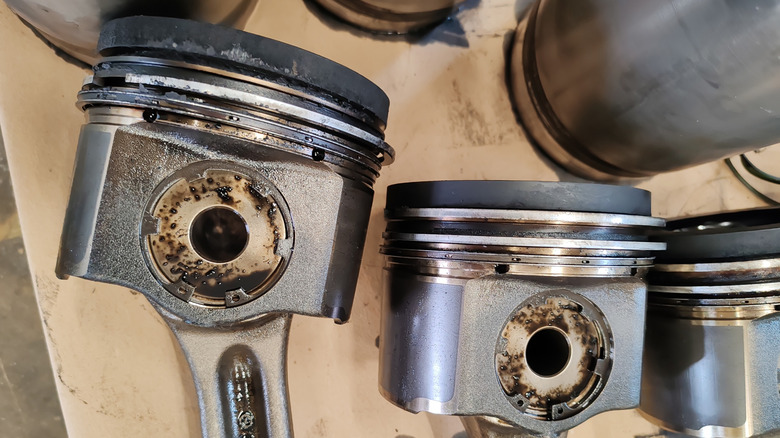
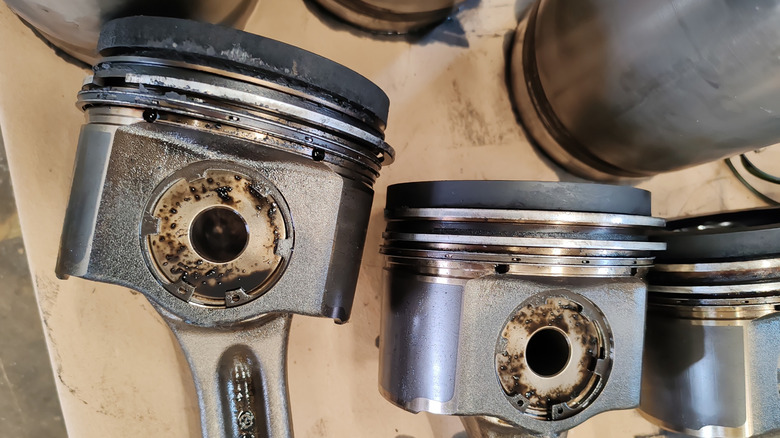
First and foremost, the most major signs of failing piston rings are performance loss and burning oil. This is because a gap has formed between the cylinder wall and piston ring, allowing the compression to seep through one side and oil through the other, and it’s typically punctuated by an odd-smelling blue smoke and the engine running rough. This is just one way your car can lose horsepower over time.
The top two rings also serve two other vital roles as well: Keeping the angle of the piston correct, and heat control. The former is fairly intuitive; you don’t want the piston at an angle, otherwise the top or bottom might grind against the cylinder. As for the latter, the materials the rings are made from conduct heat and transfer it to the cylinder walls. Knowing where the heat will go allows things to be predictable and materials placed accordingly, meaning a lighter, higher-performing engine, but that heat could build up from burnt oil forming excessive carbon deposits, further exacerbating the gap. No heat transfer means burning oil, hard starts, and high engine temperatures.
Getting to the piston rings is typically a highly labor-intensive job, requiring the engine’s bottom-end to be completely dismantled to access. Luckily, piston rings are typically made from hardened, heat-resistant materials, so unless your engine’s been abused or contaminants have snuck their way into the combustion chamber, they’re likely to last for around 100,000 to 150,000 miles, depending on your driving habits.
Former judge Roy Moore made quite a name for himself while attempting to convert his sketchy judicial career into a presumably equally sketchy career as US senator. Prior to his run for office in the 2018 mid-term election, Moore had already been suspended from the Alabama bench for a long list of violations:
disregarding a federal injunction.
demonstrated unwillingness to follow clear law.
abuse of administrative authority.
substituting his judgment for the judgment of the entire Alabama Supreme Court, including failure to abstain from public comment about a pending proceeding in his own court.
interference with legal process and remedies in the United States District Court and/or Alabama Supreme Court related to proceedings in which Alabama probate judges were involved.
failure to recuse himself from pending proceedings in the Alabama Supreme Court after making public comment and placing his impartiality into question.
A normal person may have decided to recede from the public eye and head to the private sector. But because Trump was now president, Roy Moore decided his past judicial indiscretions made him a perfect GOP candidate for a contested Senate seat.
Then came the steady stream of personal indiscretions, which began shortly after Moore tossed his tainted hat into the ring. The list of sexual misconduct allegations is so voluminous it requires its own Wikipedia page.
Moore’s alleged interactions with females as young as age 14 added to the self-inflicted damage Moore had created while still an Alabama judge.
Multiple entities reported on this. Moore responded by issuing legal threats and filing lawsuits. He also sued comedian Sacha Baron Cohen over being duped into an “interview” with a supposed Israeli newscaster (Baron Cohen) who subjected Moore to a supposed “pedophile detection device” created by the Israeli Army. The “device” lit up when Moore was scanned.
Had Judge Moore and Mrs. Moore known that Defendant Cohen had fraudulently induced Judge Moore into this interview, which as a “set up” to harm and thus damage Plaintiffs and the rest of their entire family, Judge Moore would not have agreed to appear.
Amazing. It’s like arguing in traffic court that if you had known there would be a speed trap set up to catch speeders, you wouldn’t have been speeding when you passed through it.
Suffice to say, Roy Moore has been suing a lot and losing a lot. Somehow, his lawsuit against a political action committee (the Senate Majority PAC) survived several motions to dismiss and was handed over to a jury. This jury awarded Moore $8.2 million in damages because the ad run against Moore’s Senate campaign featured consecutive (sourced!) quotes that may have led viewers to believe he had attempted to talk a 14-year-old “Santa’s helper” into sex while working at a Gadsden, Alabama shopping mall.
While it’s true the consecutive quotes dealt with two separate sets of allegations — the first being Moore’s banishment from the mall for constantly sexually harassing female workers and the second being a separate conversation with the “Santa’s helper” — the jury decided these quotes appeared close enough to each other in the PAC’s ad to infer a connection between these two otherwise unrelated incidents.
Advertisement
In 2019, Moore sued the Senate Majority PAC, claiming that the group libeled him and subjected him to false light invasion of privacy by suggesting that he sought sex from a 14-year-old girl working as a “Santa’s helper” at a shopping mall in Gadsden, Alabama.
At issue was an ad aired by SMP in the closing weeks of the election that included several frames displaying quotes from the news articles about Moore’s alleged conduct. One frame quoted a New American Journal article that reported “Moore was actually banned from the Gadsden Mall . . . for soliciting sex from young girls.” An immediately subsequent frame quoting the same article read “[o]ne he approached ‘was 14 and working as Santa’s helper.’”
While that may have been enough to convince a jury to give Moore an unearned win and $8.2 million in PAC cash, the Eleventh Circuit Appeals Court says [PDF] what’s seen in the ad doesn’t actually add up to a win for Roy Moore.
First off, even Roy Moore admits the quotations used in the ad are factually direct quotes from other sources.
Here, frame 2 of SMP’s ad contained the following quote: “Moore was actually banned from the Gadsden Mall . . . for soliciting sex from young girls.” The frame included a citation for the quote, and Moore admits that this quote is an accurate excerpt from the cited article. Frame 3 contained the following language: “One he approached ‘was 14 and working as Santa’s helper.’” The frame included a citation for the direct quote, and Moore does not dispute that the directly quoted phrase—“was 14 and working as Santa’s helper”—was an accurate excerpt from the AL.com article.
Since Moore has conceded that, all he can argue is that the quotes appearing consecutively in SMP’s ads add up to SMP deliberately creating a narrative that those making the ad absolutely knew wasn’t true (the actual malice standard).
Advertisement
Nope, says the Eleventh:
Lastly, Moore contends that SMP must have intended or recklessly disregarded that the ad conveyed the defamatory implication because SMP vetted or fact-checked the ad before publishing it. Moore asserts that because SMP’s research team “read all of the articles” cited in the ad and attempted to ensure the ad’s accuracy, and none of the articles supported the assertion that Moore solicited a 14-year-old girl working at the mall for sex, it necessarily follows that SMP intended, or recklessly disregarded, the ad’s defamatory implication. We disagree.
Before we get to the conclusion that undoes the jury verdict, let’s pause for a moment to appreciate the fact that Moore’s argument here isn’t that he did not solicit a 14-year-old girl for sex, but that he did not solicit a 14-year-old girl for sex at this particular mall.
Given that it’s come to this, it would have made far more sense for Moore to simply maintain his innocence and hope that his GOP voting bloc would simply issue a “who among us” shrug at the long list of alleged sexual harassment. Instead, Moore’s appears to be trying to line his pockets while being forced to state things like this on the public record, which includes the “had I known I was being tricked, I never would have agreed to be tricked” detailed in the opening of this post.
Anyway, this is how it’s going for Moore:
Advertisement
In sum, Moore points to, and our independent review has revealed, no other evidence in the record showing that SMP intended or recklessly disregarded that its ad implied that Moore solicited sex from Miller when she was 14 and working as Santa’s helper. Because the evidence discussed above is inadequate to support a finding of the necessary intent to defame for purposes of actual malice in a defamation-by-implication case, Moore’s defamation and false-light claims necessarily fail. As a result, the jury verdict cannot stand.
Moore is still out whatever he’s paid to fail repeatedly in US courts. He can, of course, appeal this ruling. But I can’t imagine the Supreme Court cares one way or another about Moore’s attempts to enrich himself by portraying protected speech as defamation. Moore did a considerable amount of damage to his own reputation long before he started suing. Whatever reputational damage has occurred since is so incremental it’s a rounding error. It certainly isn’t $8.2 million.
During Microsoft’s fiscal Q3 2026 earnings call, Nadella put consumer Windows front and center. As part of Microsoft’s broader push to reconnect with users across its platforms, he framed the Windows strategy as a back-to-basics project around performance, quality and core UX. “When it comes to our consumer business, we… Read Entire Article Source link
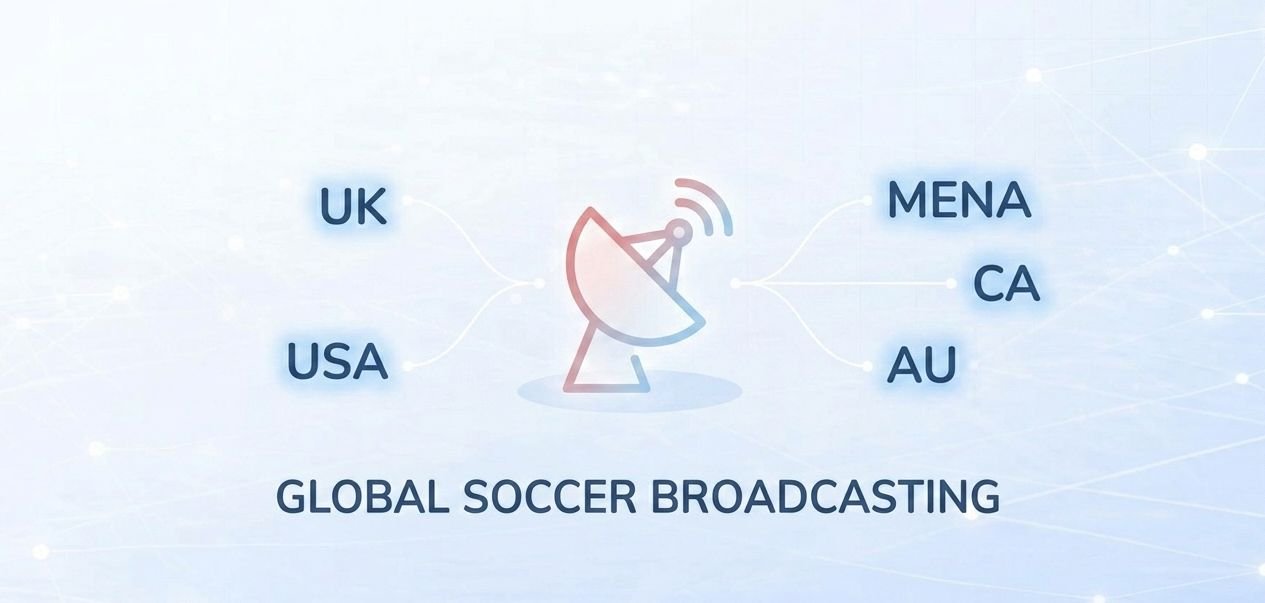
Broadcasting rights for soccer are split by territory, competition, and broadcaster — which means the service you need in London is completely different from the one you need in Los Angeles or Lagos. This guide cuts through that complexity. It covers the best official, legal streaming services for soccer in 2026, region by region, with accurate rights information drawn from official broadcaster and league sources.
Quick Take: Start Here
Best global free option:FIFA+ — free on any device, no subscription needed
USA (Premier League): Peacock (NBC) — all 380 matches
USA (Champions League): Paramount+
UK (World Cup 2026): BBC iPlayer + ITVX — all 104 games, free
Australia: Stan Sport (UCL + EPL) | SBS on Demand (World Cup, free)
MENA: beIN Sports / TOD app
Germany/Austria (La Liga): DAZN
Before diving into each region: rights deals expire, change, and get renegotiated. Always verify current availability on the official broadcaster’s website or use the Premier League’s official broadcasters directory to confirm the rights holder in your country. This guide reflects confirmed deals as of May 2026.
Free Options Worth Knowing First
Where You Can Watch Soccer for Free (Legally)
FIFA+: Free global platform from FIFA. Streams select live international matches, full match replays, highlights, and original documentaries. No subscription required — just download the app on iOS, Android, or smart TV.
BBC iPlayer + ITVX (UK): All 104 FIFA World Cup 2026 matches broadcast free on these platforms. No cost beyond a TV licence.
SBS on Demand (Australia): All 104 World Cup 2026 matches available free to stream.
YouTube (select clubs and leagues): Official club and league channels post full-match replays for certain lower-tier competitions and international friendlies. Content varies by rights deal.
United States
The US soccer streaming market is fragmented but well-covered. No single subscription gives you everything, but the major competitions are each cleanly assigned to one platform. Here’s how it breaks down for 2025–26:
Competition
Platform
Type
Notes
Premier League
Peacock / NBC / USA Network
Paid (Peacock Premium)
All 380 matches available; exclusive matches on Peacock; select games on NBC broadcast
UEFA Champions League
Paramount+
Paid subscription
Full coverage including knockouts and final
La Liga
ESPN+ / Fubo
Paid subscription
ESPN+ holds La Liga rights for the US market
Serie A
Paramount+
Paid subscription
Bundled with Champions League coverage
FIFA World Cup 2026
Fox / Telemundo
Free (broadcast TV) + streaming via Fox One app
All 104 matches; Telemundo covers Spanish-language broadcasts
MLS
Apple TV+ (MLS Season Pass)
Paid add-on
Every MLS match streamed globally via Apple TV+
Peacock carries the full 380-match Premier League season, making it the essential subscription for EPL fans in the US. If you also follow the Champions League and Serie A, adding Paramount+ covers both — these two subscriptions handle the majority of elite European club soccer in one setup.
The one caveat worth knowing: some Premier League matches air exclusively on the USA Network (cable channel), and their live stream is not included in the Peacock subscription — only replays are available. If you’re a cord-cutter, Fubo or YouTube TV bundles give you the USA Network live. You can also read our guide on how to watch football without a cable TV subscription for a full breakdown of cord-cutting options.
United Kingdom
The UK has the most competitive and densely covered soccer streaming market in the world — with the trade-off being that you often need multiple subscriptions to follow all the major competitions. The good news for 2026: the World Cup is completely free.
Advertisement
Competition
Platform
Type
Notes
Premier League
Sky Sports / TNT Sports / Amazon Prime Video
Paid
Rights split across three providers; Sky Sports holds majority of live matches
Rights shared between the two platforms for 2025–26
FIFA World Cup 2026
BBC iPlayer + ITVX
Free
All 104 matches streamed free; no subscription required
EFL Championship / League One
Sky Sports
Paid
Domestic pyramid coverage included in Sky Sports bundle
The FIFA World Cup 2026 will be broadcast free in the UK across BBC iPlayer and ITVX, covering all 104 matches — the most comprehensive free-to-air World Cup coverage available anywhere. For club football, Sky Sports remains the flagship subscription, but the cost of following all competitions can add up quickly when TNT Sports and Amazon Prime Video are also required for Champions League coverage.
Australia
Australia punches well above its weight for soccer streaming coverage, with two platforms covering the vast majority of elite football — one paid, one entirely free for the World Cup.
Competition
Platform
Type
Notes
Premier League
Stan Sport
Paid add-on to Stan
Every Premier League match live and on-demand
UEFA Champions League
Stan Sport
Paid add-on to Stan
Full UCL coverage including knockout rounds and final
FIFA World Cup 2026
SBS on Demand
Free
All 104 matches available free to stream; no account required
beIN Sports is the dominant — and in many cases, exclusive — provider of elite soccer in the MENA region. Its TOD streaming app extends that coverage to any internet-connected device.
Advertisement
Competition
Platform
Type
Notes
Premier League
beIN Sports / TOD app
Paid subscription
All 380 EPL matches live; exclusive rights through 2027–28 across 24 MENA territories
UEFA Champions League
beIN Sports / TOD app
Paid subscription
Exclusive UCL broadcast rights across 33 MENA + Asia markets until end of 2026–27
La Liga / Serie A
beIN Sports / TOD app
Paid subscription
Bundled into beIN’s comprehensive European football package
FIFA World Cup 2026
Varies by country
Paid / free-to-air (varies)
Check your national broadcaster for free-to-air agreements
Broadcasting rights in continental Europe are complex — each country has its own rights structure, and in most cases at least one major platform per country holds a dominant position. The table below covers the major markets:
Country
Competition
Platform
Notes
Germany
La Liga
DAZN
Rights extended for 5 years through 2029–30; also covers Austria and Switzerland
Germany
Champions League
DAZN / Amazon Prime Video
Split rights deal; DAZN covers majority
Spain
Champions League
Movistar+
Primary rights holder for Spanish market
Italy
Serie A
DAZN Italy
Exclusive domestic Serie A rights; Sky Italia carries select matches
France
Champions League
CANAL+
Primary UCL rights holder for France through current UEFA agreement
France
Ligue 1
DAZN France / beIN Sports France
Shared rights between platforms
DAZN is the closest thing to a pan-European soccer streaming platform, with rights across Germany, Austria, Switzerland, Italy, Spain, and France for various competitions. Coverage varies significantly by country, so always verify on your national version of the DAZN website before subscribing. For La Liga specifically, DAZN extended its rights deal in Germany and Austria for five years and added Switzerland — making it the confirmed home of Spanish top-flight soccer in the German-speaking market through at least 2029–30.
Canada
Canada’s soccer streaming landscape has simplified in recent years. DAZN Canada holds a dominant position for European club football, making it the main subscription for Canadian fans.
Advertisement
Competition
Platform
Type
Notes
Premier League
DAZN Canada
Paid subscription
Primary EPL broadcaster in Canada
UEFA Champions League
DAZN Canada
Paid subscription
Full UCL coverage
La Liga / Serie A
DAZN Canada
Paid subscription
Bundled into DAZN Canada’s European football offering
FIFA World Cup 2026
CTV / TSN / RDS
Free (CTV) + Paid (TSN)
As a host nation, Canada has broad free-to-air coverage; verify current schedule on CTV
Canadian Premier League
OneSoccer
Paid subscription
Dedicated domestic league streaming platform
What’s Coming: UEFA’s Own Streaming Service
The fragmented rights landscape described above may change significantly in the coming years. As of March 2026, UEFA is actively considering launching its own direct-to-consumer streaming service for the Champions League, with a trial reportedly planned from 2027 — initially targeting large Asian markets where existing broadcast deals are weaker. If launched, this would allow fans to subscribe directly to UEFA for Champions League coverage, bypassing national broadcasters. This is worth monitoring if you follow the UCL closely, as it could simplify (or complicate) your subscription setup depending on how existing rights deals are structured at renewal. For companion apps for live scores and stats alongside your stream, we cover those separately.
Key Takeaways
No single service covers everything globally. Rights are sold by territory and competition — expect to use 1–3 services depending on your region.
Start with FIFA+ for free. It’s the best no-cost baseline for international football, replays, and highlights — available everywhere.
World Cup 2026 is broadly free: UK (BBC/ITVX), Australia (SBS on Demand), USA (Fox broadcast), and Canada (CTV) all carry matches free-to-air.
USA: Peacock (EPL) + Paramount+ (UCL/Serie A) covers the core European competitions.
UK: Sky Sports + TNT Sports + Amazon Prime Video covers the Premier League and Champions League — but the cost adds up.
Australia: Stan Sport is the most efficient single subscription for European club football.
MENA: beIN Sports / TOD covers virtually everything in the region through 2027–28.
Verify before subscribing. Rights deals shift at season boundaries — always check the official league or broadcaster website for current-season accuracy.
Frequently Asked Questions
Is there one streaming service that covers all soccer competitions globally?
No. Broadcast rights are sold territory by territory and competition by competition, so no single platform has global rights to everything. The closest thing to a free global baseline is FIFA+, which offers live international matches, replays, and highlights worldwide at no cost. For club competitions, you’ll need a region-specific subscription.
Can I watch the 2026 FIFA World Cup for free?What is the cheapest way to watch the Premier League in the USA?
A Peacock Premium subscription is the most cost-efficient option for US-based Premier League fans, giving access to all 380 matches. Some matches also air free on NBC broadcast TV. Check the Peacock Premier League guide for the current subscription price and schedule.
What does FIFA+ offer for free?
FIFA+ streams select live international and lower-tier matches, full match replays of certain competitions, highlights packages, and original documentaries — all at no cost. It’s available as an app on iOS, Android, Apple TV, and smart TVs. It does not carry Premier League, Champions League, or domestic top-flight matches, which remain with national rights holders.
Which streaming service has Champions League in the USA?
Paramount+ holds the Champions League rights in the United States, including the group stage, knockout rounds, and final. It’s bundled alongside Serie A coverage on the platform.
Advertisement
How do I watch La Liga outside Spain?
Rights vary heavily by country. In the US, ESPN+ carries La Liga. In the UK, rights are shared between Premier Sports and Disney+. In Germany, Austria, and Switzerland, DAZN holds the rights. Check the official La Liga broadcasters page for your specific territory.
Is DAZN available everywhere?
No. DAZN operates in specific markets including Germany, Austria, Switzerland, Italy, Spain, France, Canada, Japan, and others — but is not available globally. Its soccer rights also vary by country; a DAZN subscription in Germany does not carry the same competitions as one in Italy. Always check DAZN’s local site for what’s covered in your territory.
Will UEFA launch its own streaming service?
As of March 2026, UEFA is reportedly planning a direct-to-consumer streaming trial for the Champions League from 2027, initially targeting Asian markets. This would allow fans to subscribe directly to UEFA rather than through national broadcasters. No confirmed launch date or pricing has been announced. Monitor UEFA’s official communications for updates as rights deals come up for renewal.
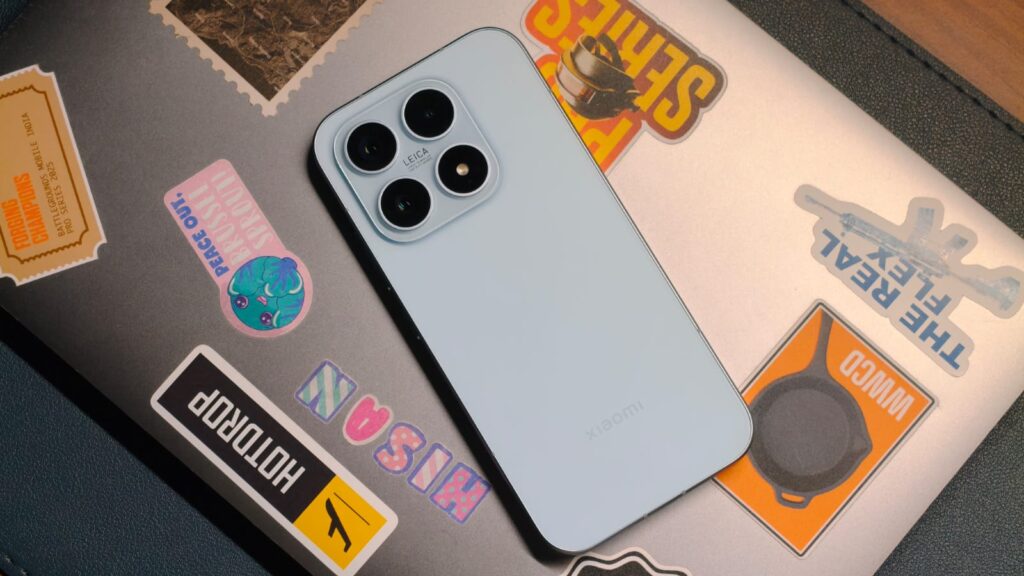
Xiaomi phones are a little tough to judge. After all, these guys do everything, from making phones to laptops and sometimes even record-breaking electric SUVs. The Xiaomi 17 is a bit like the quiet kid that never gets noticed, simply because its bigger brother, the 17 Ultra, is on a streak of collecting all the best smartphone camera awards. But here’s the thing: most people won’t ever splurge that much money on a non-Samsung or Apple Ultra flagship. The main sales driver will always be the base model, and that’s the question I had in mind. Can the Xiaomi 17 go head-to-head with the OPPO Find X9 and the vivo X300, especially since it’s more expensive than both? You can thank AI for that.
To answer this very question, I got the Xiaomi 17 for review and took it with me on a work trip to Phuket, Thailand. Here, I used the phone to capture about 500 photos in the summer heat, with temperatures soaring to 40 degrees, and constant GPS navigation to put the Snapdragon 8 Elite Gen 5 SoC through its paces. Spoiler alert, I really do love this phone, but there are a few quirks, too. Here’s why.
Xiaomi 17 Review
Hisan Kidwai
Advertisement
Summary
The Xiaomi 17 brings a lot of things to the table. You get the best-in-class performance that’s miles ahead of the competition. A design that’s understated yet premium. Battery life that can easily last two full days, and cameras that, instead of being same same but different, induce a character to each and every photo that makes them more memorable. Of course, it’s not perfect. I’d like the camera bugs fixed and ultrawide performance improved, but overall, the Xiaomi 17 gets my recommendation.
Advertisement
Design & Hardware
If Apple were ever going to make an Android phone, then they’d probably design something like the Xiaomi 17. I wouldn’t describe the build as flashy, but it’s super elegant and reminiscent of past Xiaomi flagships. I talked about this in my X300 Pro review, as creating a brand identity to compete against Samsung and Apple is super important, and Xiaomi has listened. While I was using it daily, many of my friends and family asked me what Xiaomi phone I was using—note the wording: “Xiaomi phone,” meaning they knew it was a particular brand, and that’s important. The Chinese smartphone maker said they thought of every curve, and I’ll just say it straight: the 17 is the best-feeling compact phone I’ve held this year.
The corners are crafted to perfection, the width is spot on, and even the way the aluminum frame blends into the glass without an abrupt edge makes carrying the phone a very enjoyable experience. Beyond that, the back glass is frosted to prevent the phone from slipping off glass surfaces, and the side frame doesn’t let go of its color inside a case.
Speaking of color, you get plenty of options, but my favorite is definitely the blue variant, as it has that breezy summer vibe. The buttons are tactile and positioned where your hand would naturally rest.
Moving to the camera module, Xiaomi has taken the iPhone route of individual stove-top camera cutouts. There are four of them (one houses the flash), and aside from the fact that dust is difficult to get out from between, I do quite like them. The ultrasonic fingerprint scanner is positioned at a comfy place where your thumb would naturally rest. I used it on the beach with wet hands, and it worked perfectly fine. Besides, the phone is IP69-rated for dust and water resistance, meaning it should technically withstand a swim. Did I dare take it inside the water on the beach? Absolutely not, because the IP rating is only for fresh water, and seawater can cause irreversible damage.
Display
I’ve said this before that all flagship displays are essentially the same, and that holds true for the Xiaomi 17, too. The phone features a 6.3-inch 1220 x 2656 OLED display, with an adaptive 120Hz refresh rate. This time, Xiaomi has trimmed the bezels even more for a more premium look, and I’m a fan. The panel is exceptionally color-accurate and vibrant for content consumption, as evidenced by my 3-hour run of The Pitt season 2 on the flight to Thailand. Even the HDR performance is exceptional.
Xiaomi claims a peak brightness number of 3,500 nits. Sadly, I don’t have a light meter to put the claim to the test, but from my experience using the panel in the 12 noon sun at Phi Phi Island, it’s plenty bright for outdoor use. The texts were legible, and I could use the phone for GPS navigation without squinting.
When it comes to durability, I usually don’t like to test that part myself and instead rely on user reports. However, I accidentally dropped the Xiaomi 17 on a concrete floor. The result was surprisingly good. I dropped it, without a case, from a tripod at chest height, meaning that, while the phone was in the air, all sorts of scary thoughts came to mind, including how much this repair was going to cost me. Thankfully, the phone escaped with only minor damage to the frame.
Advertisement
Performance & Software
Performance is what makes or breaks the smartphone experience, and it’s no surprise to anyone that the Xiaomi 17 delivers top-of-the-line performance. The Snapdragon 8 Elite Gen 5 is the best Android processor in the market, and it’s coupled with 12GB of LPDDR5X RAM and up to 512GB of UFS 4.1 internal storage. The results? The Xiaomi 17 is an absolute joy to use. It flies through the UI like nothing, and there’s ample headroom for literally any task. That being said, the phone runs on HyperOS 3, which, for the uninitiated, is a very altered version of Android that resembles more like iOS.
I don’t have a problem with the look, especially since HyperOS is one of the smoothest Android skins, with silky animations and a lot of customization. My issue is that, unlike other Chinese skins that allow you to tone down the iOS-ness, Xiaomi doesn’t.
For example, the notification shade is divided into two sections: the quick control and the panel. I don’t like that, but when I went digging in the settings to find a way to merge them, there wasn’t. Also, the back gesture is enabled in the keyboard, so when I tried deleting long text, it would often send me back instead.
There are a few silver linings I wish others would copy from HyperOS, one major one being the lockscreen customizations. There are so many options, and every one of them looks gorgeous. As this is 2026, there’s a host of AI features, such as object eraser, image upscaling, and inpainting. I tried them all, and they work exactly as you’d expect. The company also promises about six years of major software updates and security patches. This is better than vivo’s five years.
Benchmarks & Gaming
As this is a review, I also ran a series of benchmarks to test the Snapdragon 8 Elite Gen 5’s limits. The phone scored 3,415 in Geekbench’s single-core test and 10,008 in the multi-core test. These are insane numbers, especially when compared with the likes of the vivo X300 Pro and the Find X9, which score about 20%-30% lower in multi-core tests. The story remained similar on AnTuTu, where the Xiaomi 17 handsomely beat its Chinese rivals, scoring 3,423,349.
As expected, this performance translates extremely well in gaming. I’m a former PUBG (BGMI) eSports player, and my results were exceptional. The phone maintained 120 FPS gameplay even at high settings without a hint of stutter. I also like Xiaomi’s thermal management, which kept the phone from overheating during both gaming and photo capture in Thailand’s hot summer.
Battery Life & Charging
After all the chatter about the small form factor, you may expect the Xiaomi 17 to compromise on the battery life, just as other Apple and Samsung phones do. Well, you can’t be more wrong, as the Xiaomi 17 packs an even bigger battery, 6,330mAh to be precise, than the 17 Ultra. And the results are just fantastic. On the morning of my Thailand flight, I unplugged the phone at 5 am. I then continued using the phone for the rest of the day, including the three hours of The Pitt on the flight and map navigation when reaching Phuket airport. I ended the day with 20% remaining, and at 3 am the next morning, I had 20% remaining. For a more typical person, you’d be looking more at two days of usage without a hitch.
When it was finally time to charge, Xiaomi, unlike Samsung, bundles a 100W fast charger in the box that charges the phone from 20% to 80% in just 30 minutes. You also get 50W of reverse wireless charging, though that requires a specific charger.
Advertisement
Cameras
If a phone doesn’t fold in half or has dual screens, the only way to differentiate itself is through the cameras. They are the main reason why people lean towards a certain brand, and recently, both OPPO and vivo have been killing it. However, I think there’s room for a third king: the Xiaomi 17. Like others, it also houses a triple-sensor array, led by the 50MP LightFusion 950 sensor, a 50MP JN1 60mm telephoto, and another 50MP OV50M ultrawide lens. Colors are handled by Leica, and that’s the main strength of the Xiaomi 17. The photos it takes, with the different Leica filters, have a certain character you won’t find anywhere else. Every phone takes similar photos these days, and it’s these color profiles that matter the most.
Still, if you’re not a fan of poking around with the cameras, the default Leica Authentic profile produces colors that are very close to natural, with highlights and shadows handled extremely well. The details are crisp and plenty, the HDR performance is mostly spot on, and the contrast is slightly on the boosted side, which is what I like. Beyond the default camera profile, there are a myriad of filters, such as Negative, Positive, Sepia, Natural, Vibrant, and Blue. Each has a different style of capturing the colors and subject, and I really did find myself going through each and every one of them to decide which actually serves the scene the best. And the results speak for themselves. Every photo tells a different story, and that’s the Xiaomi 17’s biggest strength.
The telephoto lens is 2.5x, and I’d say the same about it, too. It serves as the main portrait camera, and the images deliver stellar detail, with excellent foreground separation and improved natural skin tones without the infamous beautification. Xiaomi doesn’t rely much on AI processing, so zooming past 5x-6x will result in blurry photos. Keep that in mind. The ultrawide hasn’t changed from the previous generation, so it still doesn’t have autofocus for macro photography. While it works great when the light is ample, I saw a significant drop in quality at night.
Speaking of the night, both the main and telephoto sensors benefit from Xiaomi’s mature image processing, which retains detail in shadows without making the image muddy or introducing noise. Videos, which can be shot at up to 8K, carry similar details in all lighting conditions, and I’m a fan. Sadly, it’s not all perfect. In Thailand’s heat, some of the videos I captured were choppy, even when I was in the hotel. This problem then carried over to India, where the first few seconds of every video would stutter. I’ve communicated this issue with the Xiaomi team, so a fix could be imminent. Overall, I love the Xiaomi 17’s cameras.
Verdict
Sure, the ₹89,999 price tag of the Xiaomi 17 might feel a bit much, considering it’s more than the vivo and OPPO competition. But the Xiaomi 17 brings a lot of things to the table. You get the best-in-class performance that’s miles ahead of the competition. A design that’s understated yet premium. Battery life that can easily last two full days, and cameras that, instead of being same same but different, induce a character to each and every photo that makes them more memorable. Of course, it’s not perfect. I’d like the camera bugs fixed and ultrawide performance improved, but overall, the Xiaomi 17 gets my recommendation.
Microsoft has updated a Windows 11 in-box app removal policy introduced in October to include a dynamic list that lets IT admins choose which preinstalled Store apps to uninstall.
The updated RemoveDefaultMicrosoftStorePackages policy enables admins to remove any preinstalled MSIX/APPX app by referencing its Package Family Name (PFN) using Group Policy Object (GPO) or a custom OMA-URI for mobile device management (MDM).
“IT admins, you can now simplify Microsoft Store app management with dynamic removal on more devices across your enterprise. Use policy to remove any preinstalled MSIX/APPX app by referencing its Package Family Name (PFN),” Microsoft said on Thursday.
To get this new feature, admins must ensure that their devices have at least the April 2026 Windows non-security update deployed. Windows Insiders can get it after installing the March 13, 2026, builds in the Dev and Beta channels.
Advertisement
To make it work using Group Policy, admins have to:
Microsoft has also extended support for the RemoveDefaultMicrosoftStorePackages policy to systems running Enterprise and Education editions of Windows 11 24H2. Microsoft introduced the policy in October 2025, but it was only made available on devices running Windows 11 25H2 or later.
“The updated app removal policy is now extended to Windows 11, version 24H2 Enterprise and Education editions. Originally, you could only use this feature on devices running Windows 11, version 25H2 or newer,” Microsoft added. “If your organization has standardized on the 2024 release, you can benefit from policy-driven app management without a full OS version upgrade.”
The complete list of supported apps and detailed guidance on applying the policy to a single device via the Local Group Policy Editor or to multiple Active Directory-joined devices are available here.
Advertisement
While the Intune entry for this policy does not include the dynamic list option, Microsoft has said it will become available in the coming months.
“When this feature becomes generally available in Intune, search for ‘Remove Default Microsoft Store packages’ in the settings picker to locate it,” it noted.
AI chained four zero-days into one exploit that bypassed both renderer and OS sandboxes. A wave of new exploits is coming.
At the Autonomous Validation Summit (May 12 & 14), see how autonomous, context-rich validation finds what’s exploitable, proves controls hold, and closes the remediation loop.
Valve’s Steam Machine was supposed to be an affordable gaming PC for the living room. Rising memory and storage prices have turned that dream into a pricing nightmare.
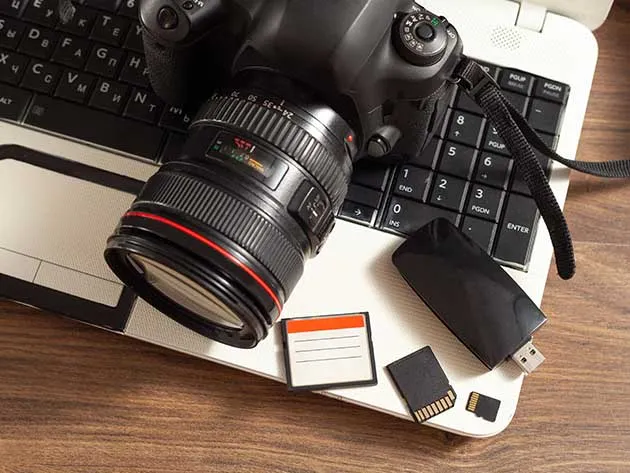
Capture emotions and tell stories through photography with the Photography Master Class Bundle. Transform your skills with six diverse courses, including Portrait Photography, DSLR Photography, Wedding Photography, Off Camera Flash photography, and more. Whether you’re a beginner or experienced, this bundle offers a wealth of knowledge and techniques to enhance your craft. It’s on sale for $40.
Note: The Techdirt Deals Store is powered and curated by StackSocial. A portion of all sales from Techdirt Deals helps support Techdirt. The products featured do not reflect endorsements by our editorial team.
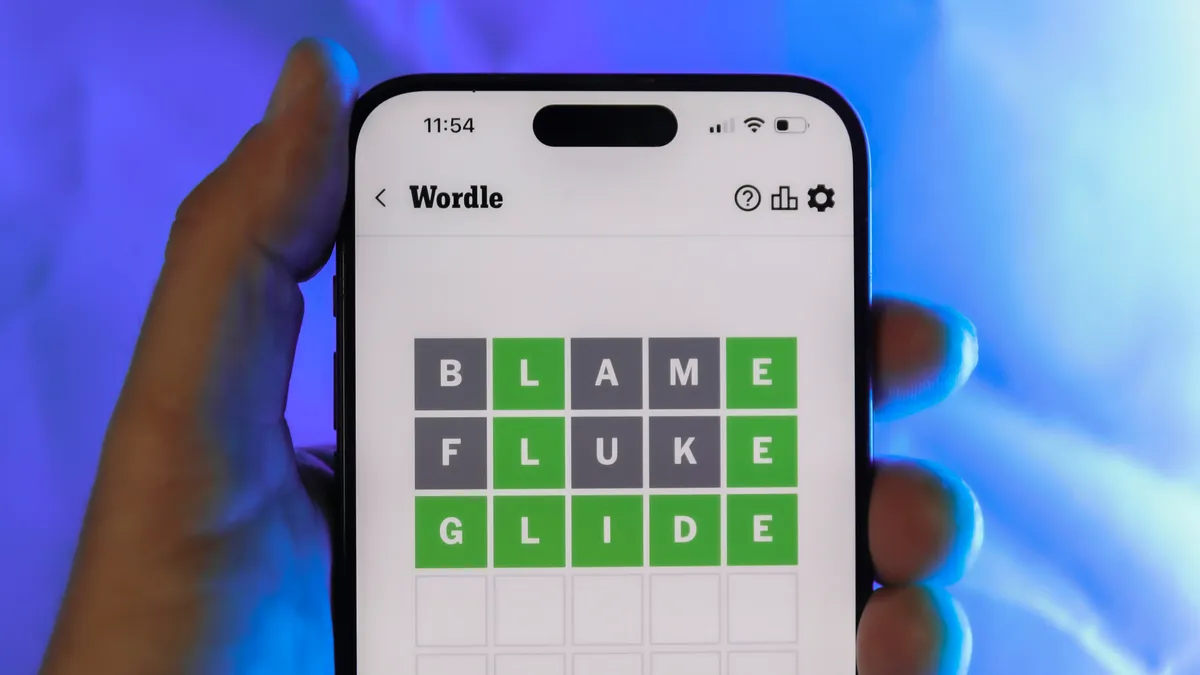
Looking for the most recent Wordle answer? Click here for today’s Wordle hints, as well as our daily answers and hints for The New York Times Mini Crossword, Connections, Connections: Sports Edition and Strands puzzles.
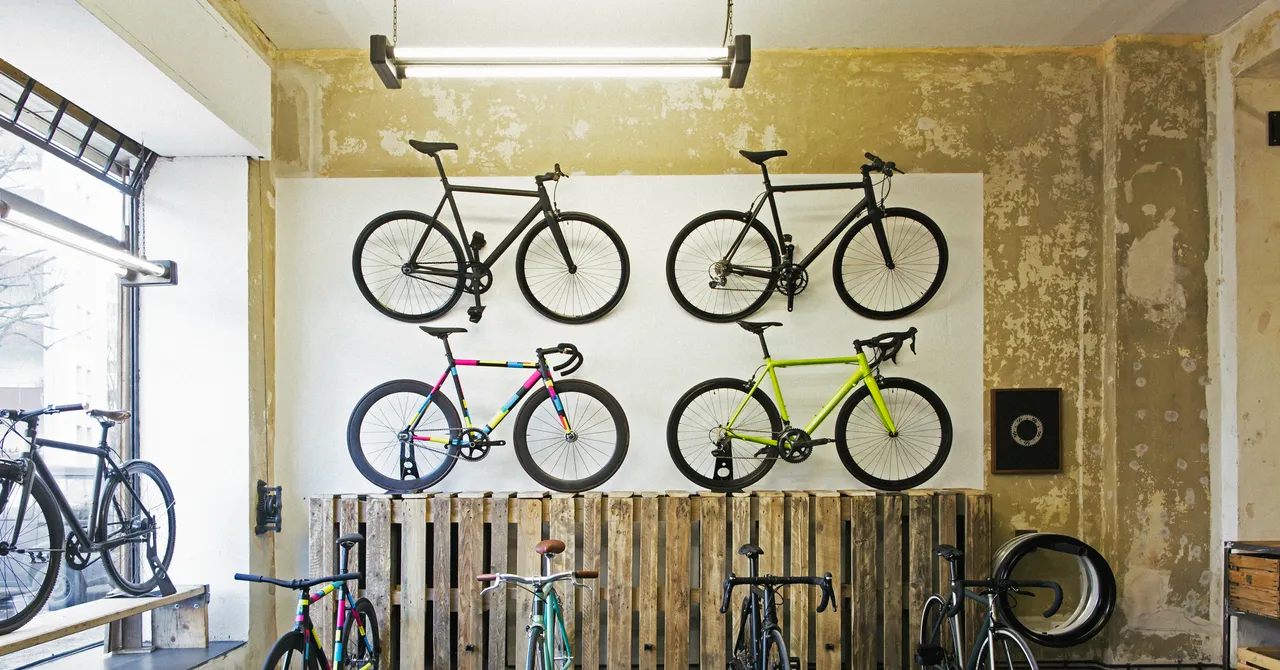
Riding a properly fitting bike can not only be the difference between comfort and discomfort (which is perhaps the most major factor in how much you want to ride). It can also mean the difference between whether or not you injure yourself, as spending huge amounts of time on a bike that is too big or too small for you can lead to a variety of maladies.
Whether you’re riding all the time or just getting into cycling, there are a few tips you can follow to make sure you’re buying the right sized bike and dialing it to your body in a way that will give you endless pain-free hours in the saddle. Because a bike that fits you well shouldn’t hurt at all.
If you’re experiencing pain, discomfort, or numbness anywhere, your bike fit is off. Of course, the pain and numbness in your butt after a 60-, 70-, or 100-mile ride is unavoidable and has nothing to do with fit. But riding a bike any distance shouldn’t result in pain or discomfort in your joints, neck, back, or anywhere else.
If you’re intending to spend a ton time in the saddle and/or dropping serious coin on a new bike, the best option is always to get a professional bike fit, which is a process where an expert fitter will analyze your body type, your riding style, even your ambitions, and dial your bike incrementally, that it perfectly fits you. My colleague Joe Ray can offer advice on getting a professional fit.
Advertisement
It’s also important to note that the rules for finding the best fit are different based on what style of bike you want, what your transportation needs are, and how much you intend to ride. If you want a drop-bar bike such as a road or gravel bike, a mountain bike, or a hybrid bike, the handlebar setup will affect other factors like the frame size and saddle height. Also, as men and women tend to be built differently, the design of bike frames and their components should be taken into account. Some brands such as Liv or Juliana are designed specifically for women, who tend to have narrower shoulders and shorter torsos relative to their legs than men.
Size Matters
It’s easy to wander deep into the weeds, but there are some basic things you can do to ensure you’re riding a properly fitting bike. Following these tips should help you make the most important decisions.
Start with the biggest thing! That is, your frame. There is no bigger single part of a bike than its frame. It’s also one of the only parts of a bike that is not adjustable. Your frame will always be the same shape and size, and there’s no changing that. So you want to start with the proper frame before anything else.
Most manufacturers size their frames using the small, medium, and large paradigm (with some brands offering XXS through XXL) or using measurements in centimeters. Typically, off-road bikes come in S, M, L, whereas road bikes use centimeters.
Advertisement
A good place to start is by researching a height chart. Considering not all bikes are built equally—not everyone’s “large” frame is the same size, for example—it’s especially helpful if you can find a chart from the brand you intend to buy.
Here’s a good example from the mega-brand Specialized. If I, at 76 inches, were interested in an Aethos model, I’d probably want to get a 61 cm frame.
If you can’t find a chart for the bike you’re interested in, you can just as easily find the bike itself at a local shop and swing your leg over a few different sizes. The general rule of thumb is that you should be able to fully stand over a bike with both feet flat on the ground with about 1 inch of clearance between your body and the bike’s top tube. Smaller bikes and bikes with compact designs have sloping top tubes; with those, you want to look for around two inches of space.





















![Sick Luke - MONEY MACHINE (feat. Lazza & Tony Effe) [Official Visual]](https://wordupnews.com/wp-content/uploads/2026/02/1770843044_maxresdefault-80x80.jpg)

![J MONEY - NA NHA NOME [VIDEO OFICIAL]](https://wordupnews.com/wp-content/uploads/2026/05/1777799968_maxresdefault-80x80.jpg)


































You must be logged in to post a comment Login