Tech
Woman’s $134K Solar Nightmare Shows Why You Should Always Read The Contract


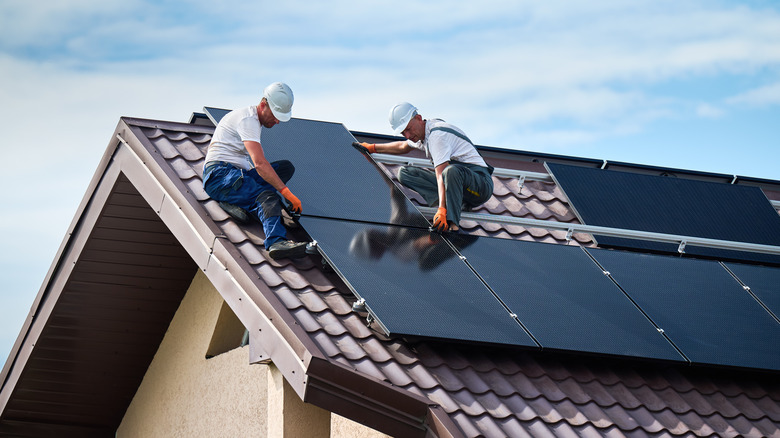
The future is bright — we mean that quite literally — and it’s on your roof, or at least, it could be. As of 2024, five million Americans had installed solar panels on their homes, and that number is expected to hit ten million by 2030, according to the Solar Energy Industries Association (SEIA). Most people install solar panels hoping to lower their electricity bills, but the upfront costs can be significant, and the average cost of installation is over $30,000. To avoid those initial costs, some people choose to lease the equipment, including the solar panels, and sign a contract to use the system. Whichever path you choose, however, you should always read the contract before you sign your name, and that’s one lesson that a Texas resident learned after receiving a six-figure bill for her solar panel installation.
Local Houston news station KPRC 2 News reported that Frances Holt answered the door to a solar panel salesperson in 2024. She reviewed and electronically signed a 43-page contract on the spot but admits that she didn’t thoroughly read the contract and never received a physical copy. Ultimately, a company called Sunrun installed the solar panels, a process which Holt claims damaged her roof. She then decided not to activate the system, only to receive a bill for $134,097.18, a balance she believes was supposed to have been spread out over 25 years had she activated her account. In the end, Sunrun agreed to remove the equipment at no cost and Holt is off the hook for that massive bill.
States lay groundwork to protect against fraud
The solar company involved in this particular incident, Sunrun, stated to KPRC 2 News that “[w]e regret the difficulties Ms. Holt has experienced and acknowledge that we did not meet our high customer service standards in this case.” It’s not clear if the company intentionally misled Holt or if she simply misunderstood the terms of the agreement, but one thing is obvious — it’s vital that you read the entire contract and understand all the terms and conditions before you enter into any agreement.
KPRC 2 News reports that AARP Texas has detailed a deluge of complaints related to solar panels in recent years, with a more than 500% increase from 2018 to 2023. One challenge for consumers is when contracts are presented only on electronic tablets, which can make them harder to read. Texas recently passed the Residential Solar Retailer Regulatory Act, which gives the state the ability to more closely regulate residential solar sales. It will take effect later in 2026. Other states have passed similar legislation, including Nevada and California.
There are simple steps that consumers can take to protect themselves from any kind of fraudulent contract. First, be prepared to say no to door-to-door salespeople and shut your door if you must! Never sign a contract without thoroughly reading it in its entirety, and research any company before you sign. Look for consumer reviews and complaints and be sure to completely understand both upfront and any continuing costs that may be associated with the product or service. Finally, in the case of solar panels, be sure your roof is suitable for such an installation.
You must be logged in to post a comment Login