Tech
Worth the Wait? Sony BRAVIA 7 II, BRAVIA 9 II True RGB TVs Are Here and We Have Thoughts
While Sony was technically first to market with an RGB backlit LCD TV in 2005, they’re just about last to the party in the new generation of RGB-lit LCD TVs. With models available from TCL, Hisense, LG and Samsung, Sony has taken its time in developing and perfecting its own offerings. They say, “good things come to those who wait” and the wait is over today with the release of not one but two models in Sony’s new True RGB line-up, the BRAVIA 7, Mark II and the BRAVIA 9, Mark II.

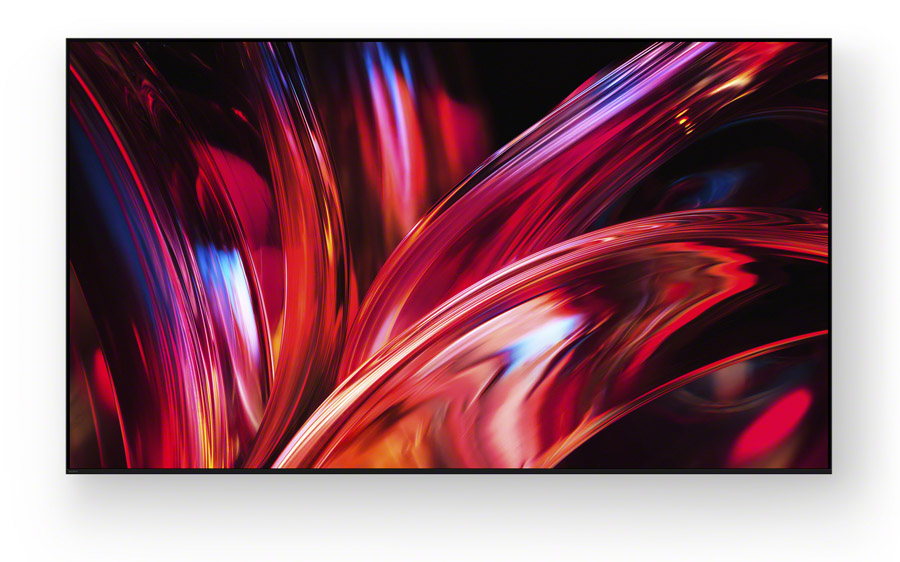
Replacing their Mini-LED predecessors, the BRAVIA 7 and BRAVIA 9, the new Mark II models feature an entirely new backlighting system which uses individual lighting elements for each of the primary colors: red, green and blue. With RGB backlights, Sony is able to reach higher peak brightness levels, improve both color accuracy and saturation and extend the color gamut so that more of the colors available in the real world can be captured by the TV.
We’ve been able to check out the new TVs up close against their predecessors and against competitive models, both in final production form but also with their backlighting system exposed so we could get a look at their inner workings. Unlike some competitive models, the BRAVIA 7 II and BRAVIA 9 II maintain their full RGB backlighting system even when multiple colors are on-screen at the same time, preserving their extended color gamut while avoiding the color crosstalk artifacts we’ve seen on some competitors’ sets.


Compared directly to the BRAVIA 9 Mini LED TV, the BRAVIA 9, II TRUE RGB TV exceeded the performance of that set in just about every measurable (and subjective) way, with wider color gamut reproduction, impressive peak brightness — over 4,000 nits peak brightness on a 5% window — freedom from artifacts like aliasing and color banding and black levels and contrast that will give an OLED TVs a run for their money.
The BRAVIA 9 II also offered excellent off-axis viewing with minimal dimming and color shift when viewing it from well off to the sides. And it did all this while actually using less power than its predecessor, thanks to highly efficient power management and precise control over its RGB backlighting system.


Mini LED TVs like the earlier BRAVIA 9 had and easier job when it came to color reproduction. The backlighting unit generated a single color, which means each pixel on the LCD panel itself created colors by adjusting the opaqueness of each LCD pixel’s red, green and blue subpixel. Because the backlight is uniform in color, the color filter process is entirely predictable and uniform from LCD pixel to LCD pixel. But with that simplicity came a narrower color gamut – that meant they simply couldn’t reproduce certain colors, at least not with useful brightness.

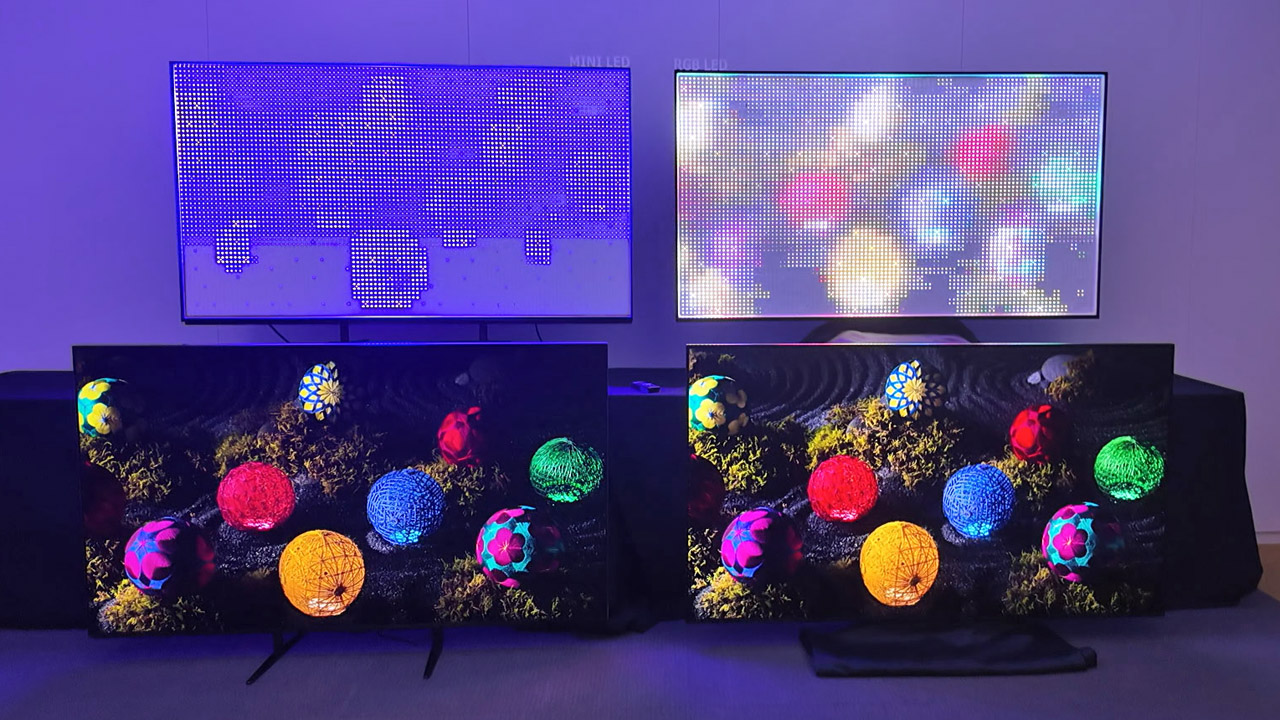
With an RGB backlit TV like the BRAVIA 9, II, the image processor has to decide how to adjust both the intensity of each individual red, green and blue diode in the backlight unit and do further adjustment at the pixel level adjusting each of the red, green and blue LCD subpixels. This two-step process can lead to better color accuracy, wider color gamut reproduction and higher overall brightness, but at the expense of more processing power and complexity. It is just this complexity that has led to Sony taking its time in releasing its first RGB-lit TVs of the new era.
BRAVIA 9 II, Optimized for Any Room Lighting
Brand new on the BRAVIA 9 II flagship TV is Sony’s Immersive Black Screen Pro – an integrated screen treatment which absorbs and disperses ambient room light such as open window shades, overhead lighting and lamps. Unlike some competitors’ matte screen coatings which can sacrifice black tonality, Immersive Black Screen Pro provides exceptional reduction of reflections without any color shift in the black levels. In Japan, we got to observe a BRAVIA 9 II which had half of its screen coating removed. This allowed us to see exactly what impact the screen coating had on the incoming video signal when faced with high ambient room lighting like an open window or even a bright spotlight.


Off-axis viewing and glare reduction were both exceptionally good on the True RGB TV, with the new TV able to maintain rich black levels when in a brightly lit room. While there was occasionally some mild blooming on brightly colored images set against a black background, the use of RGB lighting elements made these faint artifacts nearly imperceptible. On traditional LCD TVs, the bloom or halo around a bright object is typically white, while on a True RGB TV, the light bloom matches the color of the on-screen object, making it much less noticeable. While the BRAVIA 9 II couldn’t quite match an OLED in this regard, it wasn’t far off.

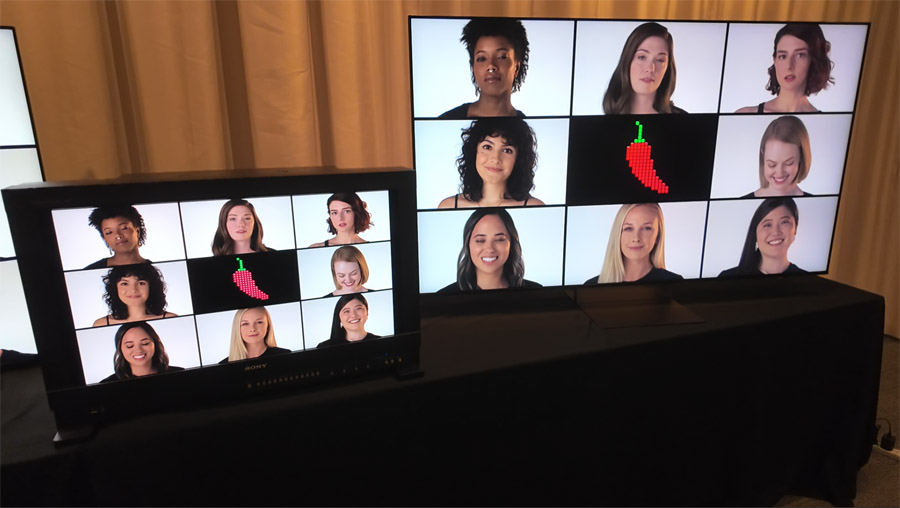
Color reproduction on the BRAVIA 9 II was outstanding. We did comparisons among the original BRAVIA 9, the BRAVIA 9 II and a Sony BVM-HX3110 professional broadcast monitor which sells for $30,000. The BRAVIA 9 II proved to be a very close color match to the BVM on most content and definitely edged out the Mini LED BRAVIA 9 for color saturation and wide color gamut coverage.

We also viewed several challenging 4K/HDR clips highlighting HDR tone mapping and found that the new True RGB set outperformed the BRAVIA 9 MiniLED TV in both specular highlights and shadow detail. And the BRAVIA 9 is already a strong performer for tone mapping, so this was a pretty impressive feat. The 65-inch BRAVIA 9 II measured over 4,000 nits of peak white brightness at a 5% window which makes it a strong performer with HDR content, even in a bright room.
A Unique Floating Look – the Mirage Stand
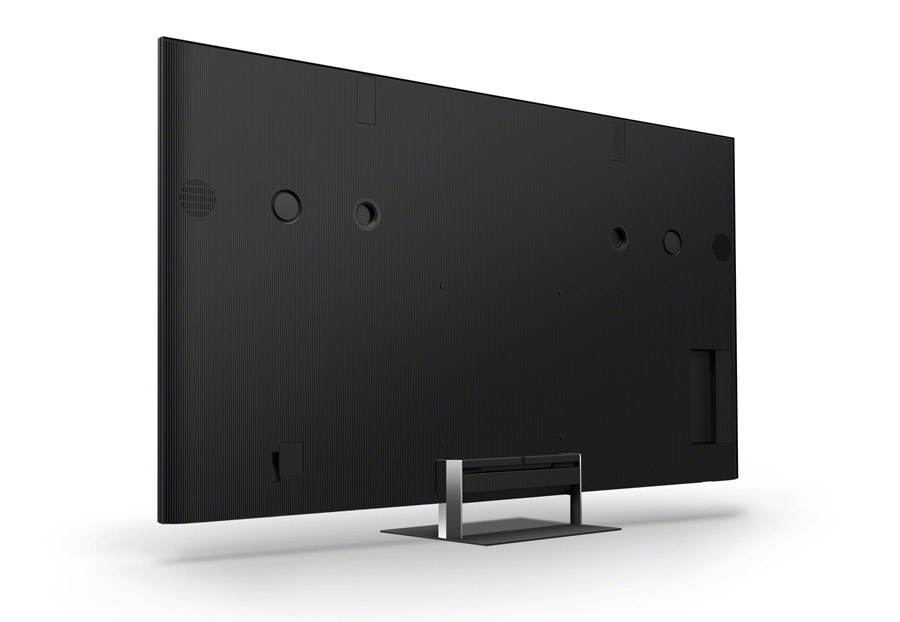
Both the BRAVIA 7 II and BRAVIA 9 II offer a new “Mirage” stand at sizes up to 85 inches. This base uses a lenticular translucent panel that allows light to pass through while power and HDMI cables that dangle behind the TV effectively disappear.

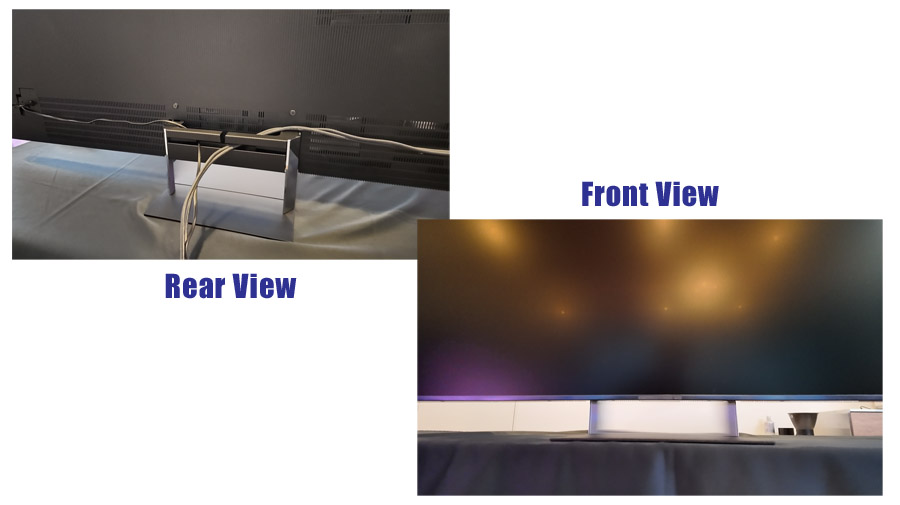
What’s The Difference? BRAVIA 7 II vs. BRAVIA 9 II
The BRAVIA 7 II and BRAVIA 9 II are more similar than they are different. They both include Sony’s TRUE RGB backlighting with RGB Backlight Master Drive Pro technology, the floating “Mirage” stand, four HDMI 2.1 inputs and similar ergonomic designs. However the BRAVIA 9 II features three times as many dimming zones compared to the BRAVIA 7 II for higher peak brightness, enhanced picture precision, reduced blooming and better image uniformity. The BRAVIA 9 II also includes the more powerful “Pro” version of Sony’s Luminance Booster processing (Luminance Booster Pro) for enhanced peak color and white brightness.

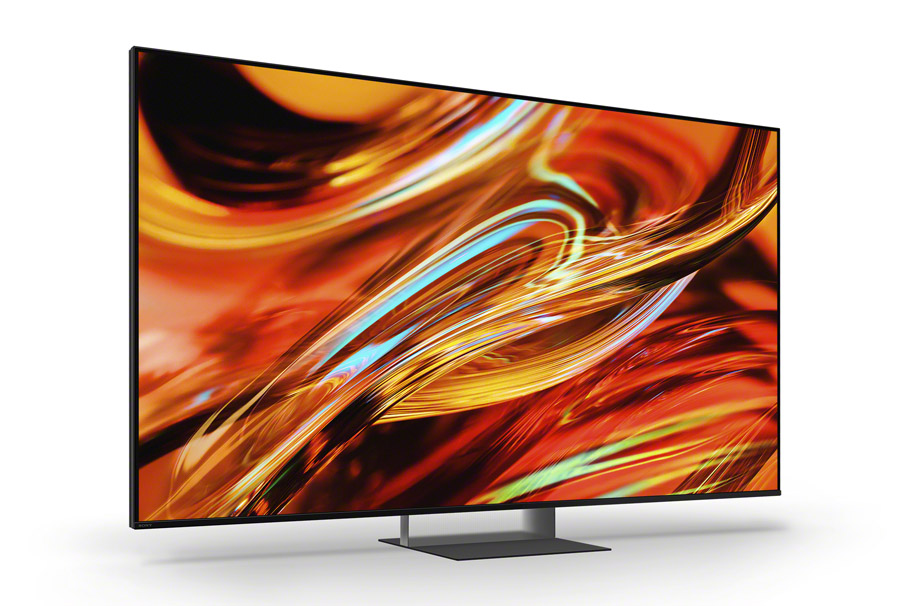
The Immersive Black Screen Pro screen coating is exclusive to the BRAVIA 9 II. The audio on the BRAVIA 9 II is also upgraded from the BRAVIA 7 II with Acoustic Multi -Audio+ technology which uses a Beam Tweeter at the top of the screen to make sure the sound perfectly matches the on-screen action.

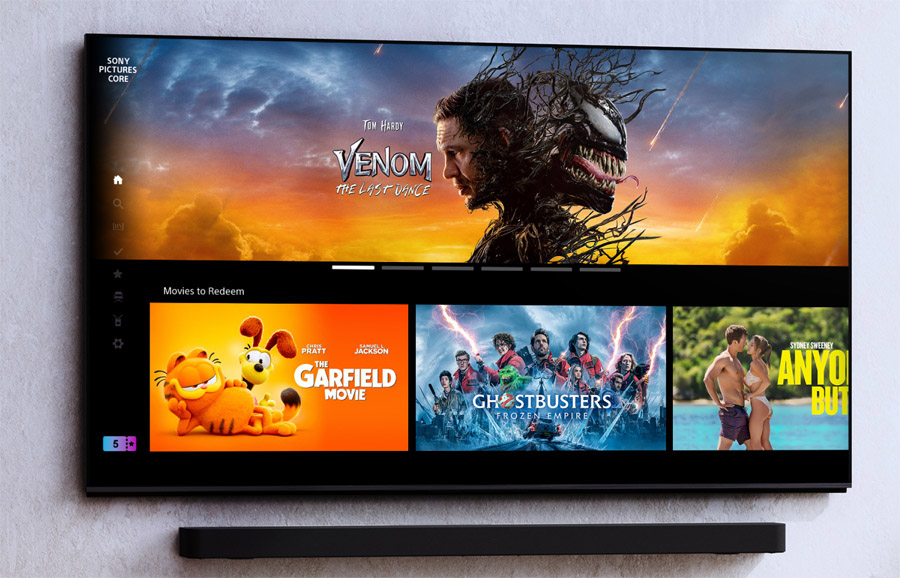
Both sets are built on the Google TV operating system, with access to thousands of audio and video streaming apps, including Sony’s exclusive Sony Pictures Core streaming app which can compete with physical media like Blu-ray Disc in both video and audio quality. Both models feature Google’s Gemini AI on board for enhanced content recommendations and natural language interaction with viewers.
The BRAVIA 7 II is available in screen sizes from 50 inches for $1,599 to 98 inches for $8,999. The BRAVIA 9 II is available in sizes from 65 inches at $3,599 to 115 inches at $30,999. Complete size and pricing details are included below.
“Reports of My Death Have Been Greatly Exaggerated” – OLED TV
While some manufacturers are positioning their RGB-backlit TVs as “OLED Killers,” Sony has not announced any intentions to phase out their current OLED TVs, namely the BRAVIA 8 and BRAVIA 8, II. There are still some areas of picture performance, like black level reproduction, blooming and contrast, where OLED TVs are difficult to match. Instead, Sony is positioning their True RGB TVs as being ideal for bright room viewing and for those who want screen sizes beyond what OLED can currently deliver.

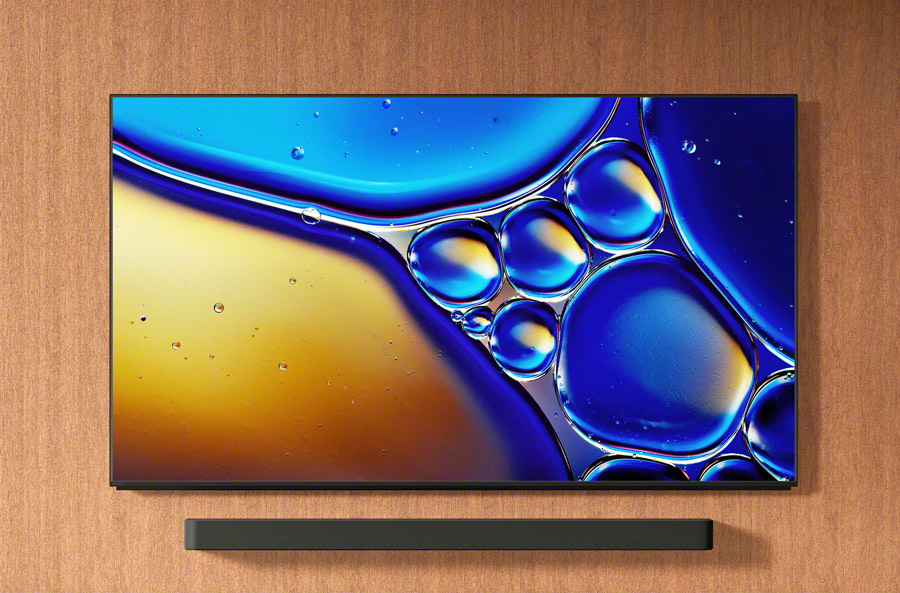
Based on Sony’s own research, 87% or more of TV viewing is done in non-ideal lighting conditions, e.g., rooms with open drapes with sunlight streaming in or moderate to bright room lighting. And, in these conditions, True RGB’s higher peak brightness and wider color gamut, as well as the Immersive Screen Pro light rejection tech on the BRAVIA 9 II, provide a superior overall viewing experience.
The Bottom Line
Sony has been working on its RGB backlighting system for several years and we’ve witnessed its path from prototype to production. They may be late to the RGB party, but from what we’ve seen so far, the wait has been worthwhile. By offering two lines of True RGB TVs at launch, starting at just under $1,600, Sony is hoping to appeal to TV buyers who are looking for the picture quality benefits of RGB backlighting without necessarily having to take out a home equity loan to pay for the privilege (unless you opt for the massive 115-inch model).
Having spent a fair amount of time with both the BRAVIA 7 II and the BRAVIA 9 II at events in New York City and Tokyo, my initial impression is that Sony’s TRUE RGB TVs will be among the top performers of 2026, of any TV technology. We’re looking forward to spending more quality time with both TVs over the coming weeks.
Pricing/Sizes of Sony’s 2026 True RGB TVs
Most models are available for pre-order now with expecting shipping dates as noted.
BRAVIA 9 II TRUE RGB TV (XR90M2):
- 65-inch: $3,599.99 USD MSRP / $4,999.99 CAD MSRP (June 3, 2026)
- 75-inch: $4,599.99 USD MSRP / $6,499.99 CAD MSRP (June 3, 2026)
- 85-inch: $6,499.99 USD MSRP / $8,999.99 CAD MSRP (June 12, 2026)
- 115-inch: $30,999.99 USD MSRP / $41,999.99 CAD MSRP (TBD)
BRAVIA 7 II TRUE RGB TV (XR70M2):
- 50-inch: $1,599.99 USD MSRP / $2,249.99 CAD MSRP (TBD)
- 55-inch: $2,099.99 USD MSRP / $2,999.99 CAD MSRP (May 27, 2026)
- 65-inch: $2,599.99 USD MSRP / $3,699.99 CAD MSRP (May 27, 2026)
- 75-inch: $3,099.99 USD MSRP / $4,399.99 CAD MSRP (June 1, 2026)
- 85-inch: $3,999.99 USD MSRP / $5,599.99 CAD MSRP (June 1, 2026)
- 98-inch: $8,999.99 USD MSRP / $12,999.99 CAD MSRP (TBD)
You must be logged in to post a comment Login