Tech
XENNS Mangird Tea Pro SE Review: A New Reference for Meta Tuned IEMs

If you’re into IEMs, you’ve heard of the Tea Pro. It’s about as close as you can get to a cult classic in the world of modern portable audio, and I said as much in my original review. Between its stellar all-metal construction, excellent out-of-the-box experience, voracious V-shaped sound signature, and top-tier technical capabilities, the original Tea Pro struck a chord that few listeners could ignore.
But the Tea Pro has been around for a while, and XENNS decided it was time for a refresh. The Tea Pro SE, the subject of today’s review, is an updated and retuned version of the original that seeks to explore what this capable platform can do in the meta-tuning arena.
For fans of the original Tea Pro, however, does the SE offer anything meaningful? Let’s get into it.

About My Preferences: This review is a subjective assessment and is therefore influenced by my personal preferences. While I try to mitigate those biases as much as possible during the review process, I’d be lying if I said they were completely erased. With that in mind, readers should know the following:
My ideal sound signature includes capable sub-bass, textured mid-bass, a slightly warm midrange, and extended treble.
I have mild treble sensitivity.
Testing equipment and standards can be found here.
Related Reviews:
Key Specs:
- Driver Configuration: Two custom neodymium dynamic drivers and six Knowles balanced-armature drivers
- Crossover: Three-way crossover with a 150 Hz low-frequency transition
- Frequency Response: 20 Hz to 22 kHz
- Sensitivity: 104 ± 1 dB
- Impedance: 13 ohms ± 1 ohm
- Cable: 1.2-meter, eight-core oxygen-free copper and ultra-pure silver Litz cable
- IEM Connection: 0.78 mm two-pin
- Terminations: Modular 3.5 mm single-ended and 4.4 mm balanced plugs
Build

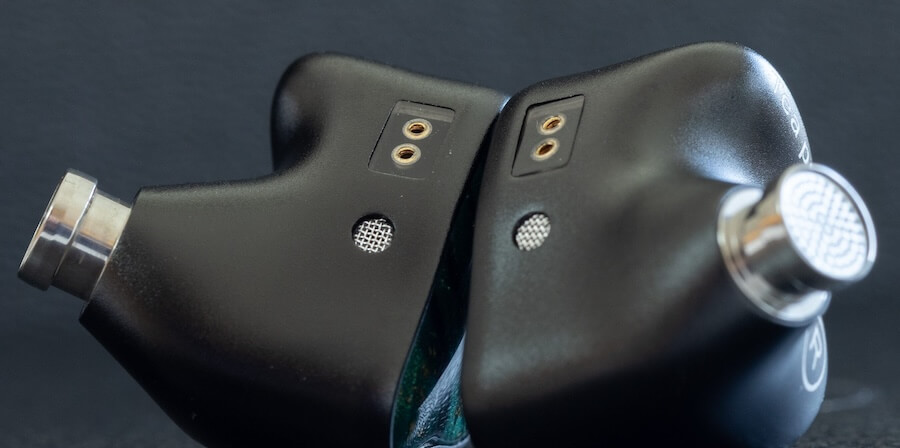
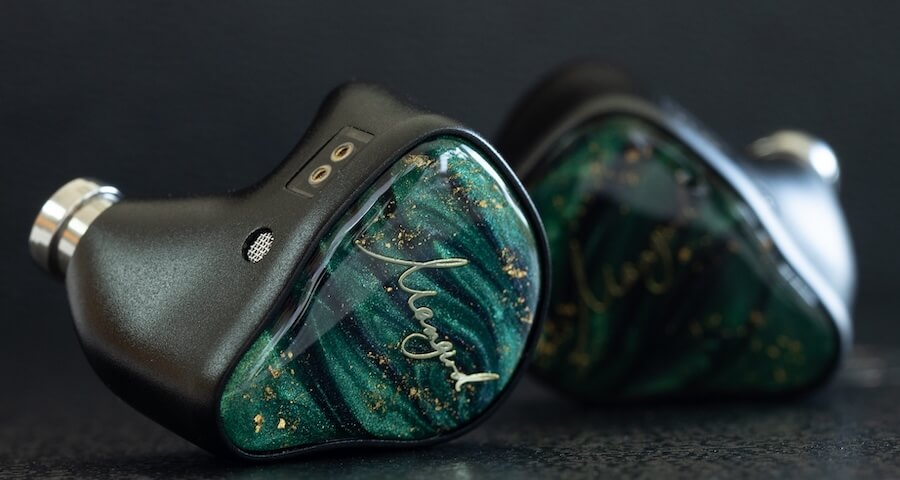
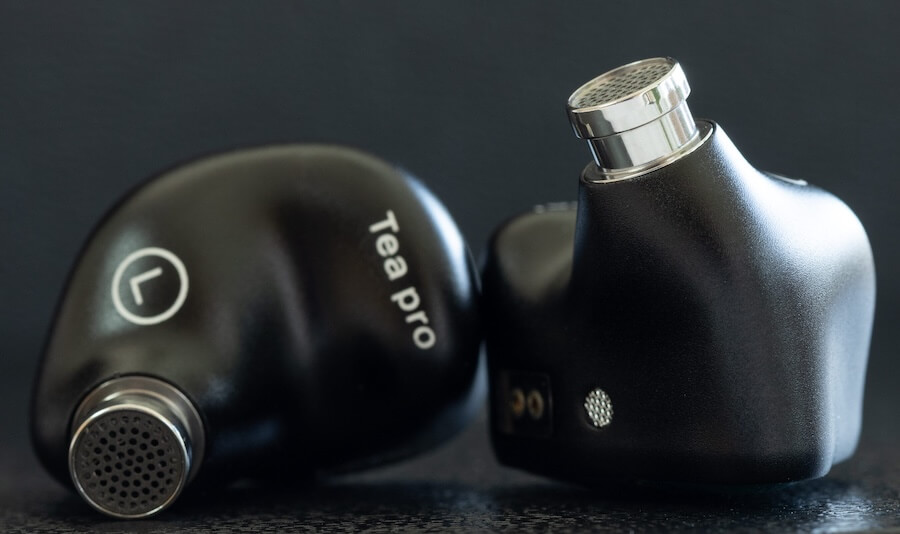
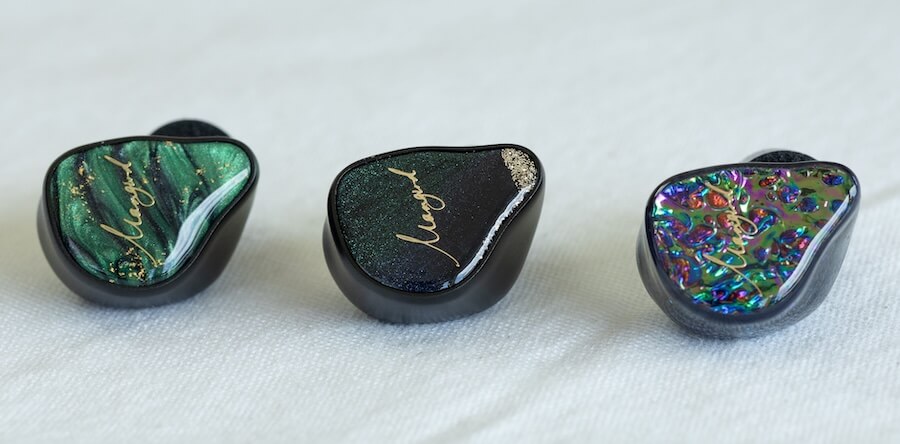
The Tea Pro SE’s build quality is excellent. Its shells are machined from aluminum, while the nozzles are made from steel. Each IEM features a hand-painted faceplate coated in clear resin.
The tops of the Tea Pro SE’s shells house the 0.78 mm two-pin sockets, which are set into plastic blocks. They feel sturdy, although the socket on my right earpiece does not sit as flush as the one on the left. The nozzles are average in both length and width, with nicely machined lips that hold the eartips securely in place.


The Tea Pro SE’s cable is unique within XENNS’ lineup, featuring a matching green outer sheath. Its metal modular termination uses a positive locking mechanism, making it sturdy and secure. The cable is also an improvement over the original Tea Pro’s, with a softer, more flexible feel and virtually no memory.
Comfort
Comfort is a metric that relies heavily on factors influenced by your individual ear anatomy. Mileage will vary.
Like its predecessor, the Tea Pro SE offers average comfort. I can listen to it for extended periods without issue, but I need to be mindful of my eartip selection and the positioning of each earpiece. The stock cable is generally comfortable and free from microphonics, although wearing a hat or sunglasses can cause it to exert pressure on the backs of my ears.
Accessories


Inside the box you’ll find:
- 1x Semi-hard carrying case
- 1x 0.78mm 2-pin cable
- 1x 3.5mm termination
- 1x 4.4mm termination
- 1x Microfiber cleaning cloth
- 6x Pairs silicone ear tips
- 3x Pairs foam ear tips
This is a solid accessory package that provides everything needed for an enjoyable experience out of the box. The stock silicone eartips are comfortable and provide a moderately secure seal, although I miss the liquid-silicone varieties ZiiGaat includes with its IEMs. The stock foam eartips are soft and compress easily, and I was able to use them to achieve excellent isolation.
The included carrying case feels good in the hand and looks quite attractive in person. Both aesthetically and tactilely, it represents a step up from the case included with the original Tea Pro. That said, the top and bottom are held together solely by friction. This means the lid can separate when the case is jostled around inside a bag or backpack, and the fit will almost certainly loosen over time until the case is no longer useful.
Perhaps XENNS could split the difference by using the same materials and adding a zipper.

Listening
The Tea Pro SE is a warm, north-of-neutral IEM with a reference-style sound signature. Its gently elevated bass is centered toward the sub-bass and tapers smoothly into a linear lower midrange. The upper midrange rises through the 2–3 kHz region, reaching a moderate peak before settling into a slightly less forward lower treble. The upper treble is more prominent, adding a healthy amount of sparkle and air.
Spaciousness and Air Through Refinement
The Tea Pro SE’s reference-style sound signature uses a moderate level of treble emphasis to produce a clear, articulate, and airy upper register. Some IEMs achieve this by sharply boosting the 8–10 kHz region, but excessive emphasis is not required to extract detail and precision from the drivers.
The Tea Pro SE’s lower and upper treble sit naturally just above the upper midrange, ebbing and flowing with the mastering of each track. Sharply mastered recordings such as Nero’s “Satisfy” sound somewhat brighter, while thinner tracks such as Harvey Danger’s “Flagpole Sitta” are rendered with greater delicacy.
The Tea Pro SE captures the leading edges of treble transients with precision, rendering brief hi-hat strikes and cymbal hits with tight definition. Even tracks with chronically congested upper registers, such as The Verve’s “Bitter Sweet Symphony,” remain layered and well separated.
Engaging Reference-Style Mids
Balancing organic tonality with engagement is challenging. The flatter the midrange, the more likely a listener is to perceive it as stuffy or muffled. Although the Tea Pro SE is certainly warmer and thicker sounding than its predecessor, it remains articulate and engaging.
There is plenty of contrast and texture, rooted primarily in the carefully tuned relationship between the SE’s relatively flat lower midrange and its upper-midrange lift. Vocals and instruments sound rich and full, only occasionally drifting into flatter territory on tracks that are already warmly mastered.
Mainstream productions such as Bring Me the Horizon’s “n/A” sound vibrant and high in contrast, while denser recordings such as Nominee’s “Weathered” can come across as somewhat tired. That said, a combination of brain burn-in and eartip rolling can mitigate this effect, particularly for listeners whose libraries contain a lot of warmer-sounding material.
Line-Toeing Bass
As a member of the Tea family, the Tea Pro SE is spiritually required to take bass seriously. While “reference-style” and “bass-friendly” do not usually go hand in hand, I think XENNS has threaded the needle quite well here. Yes, this represents a significant reduction in bass emphasis compared with the original Tea Pro, but the underlying technical ability and tonal quality remain intact.
Electronic tracks with substantial bass lines, such as Psylla’s “Better Times,” sound deep and robust, producing a moderate amount of rumble and a satisfying degree of punch. Extension is excellent, with the Tea Pro SE audibly reaching below 50 Hz without issue. The basshead in me still wants more, but the SE provides enough emphasis to render the track in a complete and convincing fashion.
Less bass-heavy genres such as rock and alternative also sound excellent through the Tea Pro SE, with the low end providing a solid, deep foundation for the rest of the instrumentation. Its tonality is neither dry nor flat, offering a welcome change of pace for listeners seeking relief from the onslaught of dry-sounding “meta IEM bass.”
For example, the drums on Thrice’s “Cataracts” pound through the mix with depth and harmonic completeness, even capturing subtle hints of punch. The rolling drums during the chorus of Blink-182’s “YOU DON’T KNOW WHAT YOU’VE GOT” possess a surprising amount of body and effectively demonstrate the Tea Pro SE’s excellent bass control.
Comparisons

Comparisons are selected solely based on what I find interesting. If you would like to see additional comparisons, feel free to leave a request in the comments below.
Xenns Mangird Tea Pro

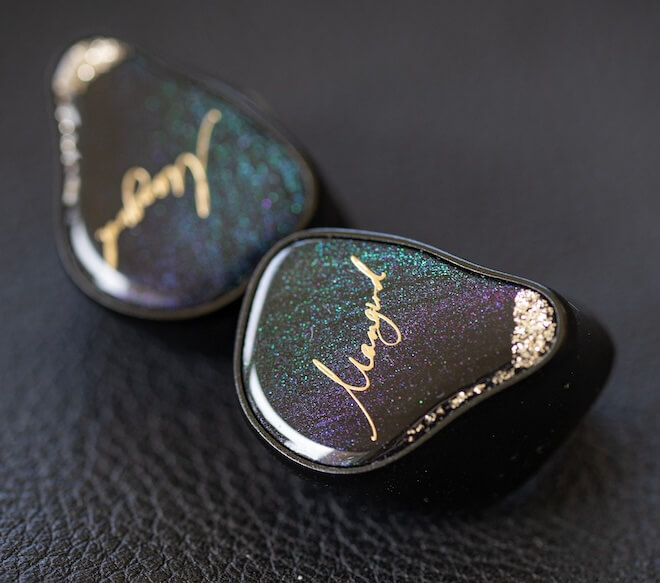
The Tea Pro is a well-known hybrid IEM featuring all-metal shells and a modular 0.78 mm two-pin cable. It is the Tea Pro SE’s predecessor, but it remains available alongside the newer model for $359, or roughly $90 less than the SE.
Physically, the two IEMs are very similar, with the primary differences found in their accessory packages. The SE includes a different carrying case and cable. Its cable is the nicer of the two, replacing the original’s multicolored braid with a softer, more flexible green outer sheath. Both cables use modular terminations with interchangeable 3.5 mm and 4.4 mm plugs.
Sonically, the original Tea Pro is more V-shaped, with greater bass emphasis and a cooler, more recessed lower midrange. The Tea Pro SE’s upper treble is less forward, sparing it from the occasional bite exhibited by the original. Its treble sounds exceptionally clean, rendering texture and microdetail with less grain and a more organic timbre.
Vocals are more forward on the original Tea Pro, but they are not as full bodied as they are on the Tea Pro SE, nor are they as intelligible during busy passages. The SE’s warmer, more linear presentation is smooth, relaxing, and satisfyingly rich, but it lacks the sheer engagement offered by the original.
Bass lovers may also find that certain low-frequency elements sound comparatively flat. Take the drums in the introduction to Silversun Pickups’ “Bloody Mary.” The original renders them with punch and substance, while the SE places them more timidly in the background. The same trend applies to electronic music. The bass line on Uppermost’s “Emotion” is delivered with depth and texture through the Tea Pro SE, but it is not as tactile or visceral as it is through the original.
Ultimately, the Tea Pro SE is designed to be a different beast from its predecessor. Sharing the Tea Pro name may therefore be something of a misnomer, because fans of the original will not find the same engagement and energy in the SE.
Instead, the Tea Pro SE does for listeners who prefer relaxed, reference-style tuning what the original did for fans of V-shaped tuning: it offers a detailed, refined, and compelling experience near the top of its niche. That said, my love for the original Tea Pro remains, and the SE does not replace it.
Xenns Mangird Top Pro

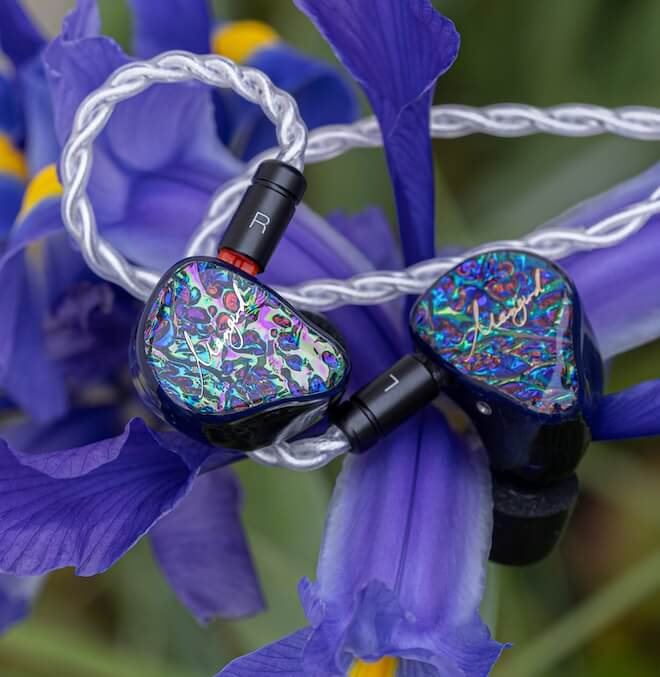
The Top Pro is a top-tier meta IEM featuring a hybrid driver configuration, resin shells, metal nozzles, and a modular cable. Like the Tea Pro SE, it comes with an excellent suite of accessories. The Top Pro costs $499, making it $50 more expensive than the Tea Pro SE. The Tea Pro SE’s all-metal construction feels much sturdier in the hand, and its cable is slightly thicker.
Let’s be honest: the Top Pro and Tea Pro SE are very similar-sounding IEMs. Even in technical terms, they are almost identically capable, rendering detail and texture without prejudice. At that point, deciding which one sounds “better” comes down to a purely subjective assessment of their tuning.
The Top Pro is tuned to sound slightly less warm and has a little less bass depth than the Tea Pro SE. It will occasionally punch harder on a drum strike or synthetic bass drop. The Tea Pro SE’s vocals are not as forward as the Top Pro’s, although their overall tonality is fairly similar. The Tea Pro SE is also slightly brighter, with a small increase in upper-treble energy that gives it a minor edge in airiness.
Between the two, I would choose the Tea Pro SE. For $50 less, you are essentially getting a Top Pro with sturdier metal shells and a better cable. The Top Pro’s case is slightly better, but buying a Pelican 1010 for around $20 thoroughly outclasses both stock cases and still leaves you with an effective $30 savings.
Once you account for the Tea Pro SE’s greater treble energy and mildly deeper-sounding bass, it offers a slightly more exciting experience, albeit by a narrow margin.
HiSenior Mega7

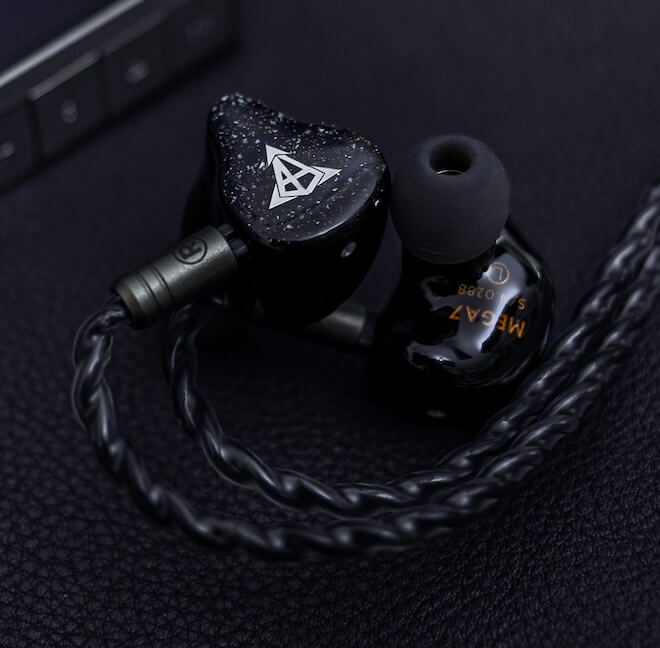
The Mega7 is a seven-driver hybrid IEM featuring resin shells and metal nozzles. It comes with a fixed 4.4 mm cable and costs $450, placing it neck and neck with the Tea Pro SE. Both IEMs include strong accessory packages, although I appreciate the Tea Pro SE’s inclusion of foam eartips. That said, the Mega7 comes with a useful USB-C adapter, making it much easier to use with smartphones and laptops right out of the box.
There is a great deal to say about the Mega7’s overall performance, but it largely targets a north-of-neutral, reference-style sound signature. The Tea Pro SE takes a similar approach, albeit with a different flavor. The Mega7 sounds cooler and places slightly more emphasis on the lower treble, while the Tea Pro SE has a modest increase in upper-treble energy.
Neither IEM is particularly bass-heavy, but the Mega7 has a slight advantage in sub-bass weight. The Tea Pro SE’s mid-bass sounds marginally tighter, although the difference is small. The Mega7’s upper midrange is also slightly more forward, giving vocals additional presence and separation.
Both IEMs are exceptionally capable, offering impressive technical performance at relatively accessible prices. The Mega7 will likely appeal to listeners who want greater sub-bass presence and more forward vocals, while the Tea Pro SE counters with additional air and sparkle from its brighter upper treble.
Kiwi Ears Astral

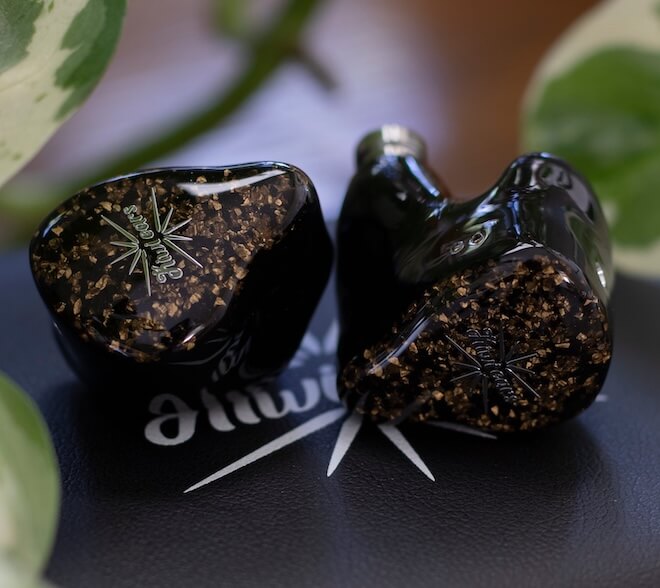
The Astral is a well-known hybrid IEM featuring resin shells and metal nozzles. It comes with a mediocre cable, includes a sparse accessory package, and costs $300. It occupies a lower price point than the Tea Pro SE, which offers all-metal construction, a much better cable, and vastly improved accessories. Both IEMs are above average in size, although the Tea Pro SE fits my specific ear anatomy better.
In terms of sound, the Astral is more U-shaped, delivering greater sub-bass emphasis, less mid-bass, and a colder, thinner lower midrange. Its upper midrange is more forward, and its treble is considerably brighter. The Astral’s upper treble, in particular, receives far more emphasis than the Tea Pro SE’s. This pushes hi-hats and cymbals much farther forward in the mix, but at the expense of a less organic and cohesive presentation. The additional brightness can also result in occasional sharpness and sibilance.
The Tea Pro SE’s warmer, more relaxed presentation sounds more organic and cohesive across a wider variety of genres, especially those with substantial mid-bass content. The Astral’s aggressive mid-bass scoop gives it a distinct “half-bass” tonality that emphasizes sub-bass elements while leaving the mid-bass sounding flaccid and uninspiring.
Between the two IEMs, I’m choosing the Tea Pro SE. Its metal shells, significantly better out-of-the-box experience, and more realistic tuning align more closely with my musical tastes and sonic preferences. Once you factor in its richer, friendlier tuning and complete absence of sibilance, the additional $150 begins to look increasingly worthwhile.
THIE Audio Hype 4 Mk II

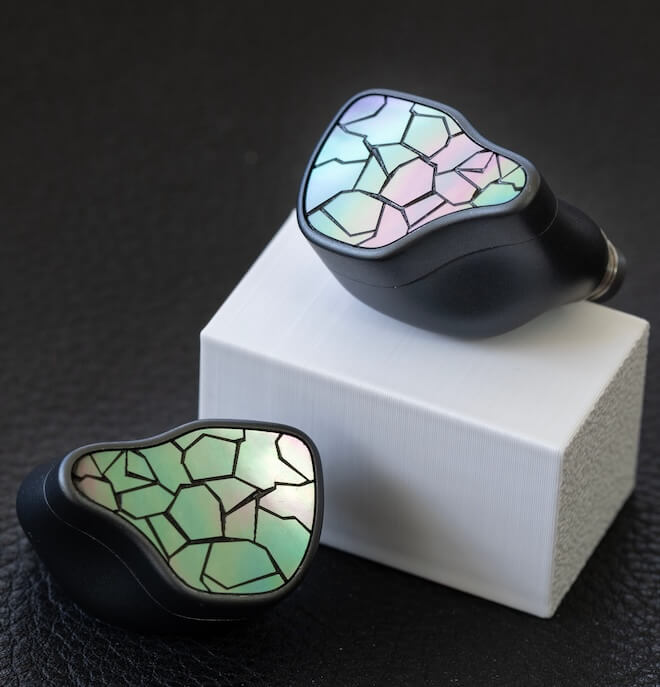
The Hype 4 Mk II is a metal-shelled hybrid IEM with a driver configuration similar to that of the Tea Pro SE, but it costs $50 less. Both IEMs include modular detachable cables, although the Tea Pro SE’s termination feels sturdier and uses a threaded locking mechanism. Both also come with strong accessory packages, though I prefer the Hype 4 Mk II’s case because of its greater internal volume and more protective design.
The Hype 4 Mk II has a more V-shaped tuning, with moderately greater mid-bass presence and a slight increase in sub-bass. Both IEMs sound tight and well controlled, but the Hype 4 Mk II’s mid-bass is slightly firmer and better defined.
Its midrange is cooler, with a deeper recession in the lower mids and a comparatively larger upper-midrange peak. The Hype 4 Mk II’s treble is considerably brighter, placing treble-heavy elements front and center on the soundstage. It surfaces subtle treble details more readily through emphasis alone, but it does not capture much more texture, if any, than the Tea Pro SE’s excellently tuned treble.
The Tea Pro SE renders vocals with greater richness and depth because of its warmer presentation. Both IEMs convey air and spaciousness well, but the Hype 4 Mk II’s exaggerated upper register can occasionally make the presentation sound overly sharp.
For listeners seeking a mildly V-shaped IEM with plenty of treble emphasis, the Hype 4 Mk II is the clear choice. Those who prefer a warmer presentation and less forward treble, however, will likely find the Tea Pro SE more appealing.
NiceHCK NX8 Ti


Like the Tea Pro SE, the NX8 Ti is a limited-edition revamp of an older IEM. At $399, it packs an upgraded tribrid driver configuration into resin shells with titanium faceplates and interchangeable tuning nozzles. Both IEMs come with removable two-pin cables, although the Tea Pro SE’s cable is lighter, softer, and modular. The NX8 Ti’s cable does not feel cheap, but it is far less practical for daily use, particularly when commuting and trying to fit it into a space-constrained case.
Sonically, the NX8 Ti is bassier, with a more forward upper midrange and upper treble. It offers a similar, though perhaps slightly lower, degree of warmth than the Tea Pro SE, but leans into a more dramatic presentation. The Tea Pro SE delivers a comparable amount of sub-bass, but less mid-bass. The NX8 Ti’s mid-bass is nicely toned and punchy, although it sounds slightly softer around the edges than the Tea Pro SE’s.
The NX8 Ti’s upper midrange is considerably more forward, placing vocals closer to the front of the mix. The Tea Pro SE’s vocals sit slightly farther back on the soundstage, but sound richer and more natural. Its midrange is similarly detailed and textured, but carries the warm, organic tonality that I crave.
The NX8 Ti’s treble is likewise more dramatic, with additional lower-treble presence and a noticeable increase in upper-treble energy. Vocals and metallic instruments do not quite become sibilant, but they can sound stiffer and more tightly wound. On some tracks, this creates a greater sense of cleanliness, but it does not engage me in the same way as the Tea Pro SE’s effortless airiness.
These are both highly capable IEMs, but they have entirely different objectives. The NX8 Ti has no interest in a reference-style presentation, nor does it acknowledge the trendy tuning choices associated with the current meta. It is much closer to a traditional V-shaped IEM, albeit with some audiophile influence.
That said, it simply does not draw me in the way the Tea Pro SE does, and I am usually a V-shaped kind of listener. Perhaps it is merely a matter of brain burn-in, but I am sticking with the warmer, lusher Tea Pro SE.


The Bottom Line
The XENNS Tea Pro SE stands out by combining modern reference-style tuning with genuine warmth, body, and organic timbre. Its smooth midrange, clean treble, excellent detail retrieval, and sturdy metal construction make it a compelling alternative to the cooler, leaner sound of many current meta-tuned IEMs.
It is not a direct upgrade to the original Tea Pro. Bass impact and overall energy have been reduced, comfort remains only average, and listeners who prefer a vivid V-shaped presentation may find the SE too relaxed. For those seeking a refined, slightly warm, north-of-neutral IEM without sharp treble or sterile tonality, however, the Tea Pro SE is one of the strongest options in its price range.
Pros:
- Excellent treble and bass extension
- Delicate, detailed treble
- Cohesive and organic midrange timbre
- Fantastic, full-spectrum detail
- Rich and complete-sounding
- Great build quality
- Solid accessory package
- Pretty, bespoke cable
Cons:
- A bit lacking in sub-bass intensity
- Mid-bass needs a little more weight
- Carrying case held together by friction
- Stock cable uncomfortable when wearing glasses
Our Ratings
★★★★★★★★★★ Sound Quality
★★★★★★★★★★ Build Quality
★★★★★★★★★★ Comfort
★★★★★★★★★★ Value
You must be logged in to post a comment Login