Tech
Xiaomi And Motorola Launched Phones At Snapdragon Summit. Here’s Why I’m Excited For Each One


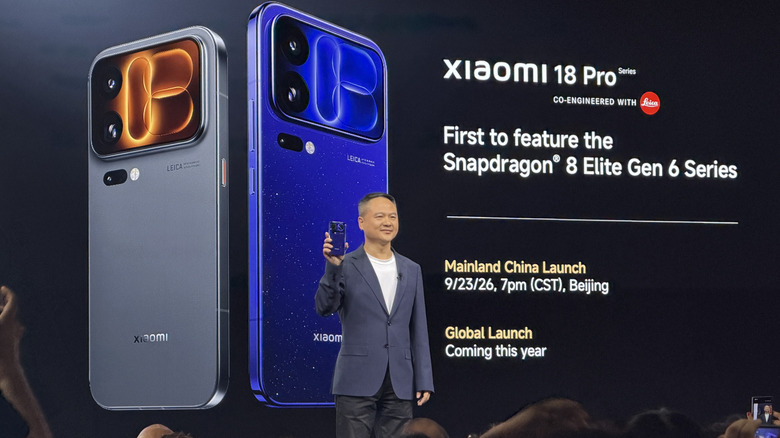
Snapdragon Summit in Maui, Hawaii, has come and during the show, Qualcomm (who paid for my travel and accommodations) announced two new top tier phone processors. They are the Snapdragon 8 Elite Gen 6 and the Snapdragon 8 Elite Extreme Gen 6. The former is the successor to last year’s flagship while the latter is a new even more premium tier of performance.
Both chips run off of two 5GHz prime cores and six 4GHz performance cores built on a 2nm process. The key differences between the two include Matrix cores included in the Extreme’s GPU, additional video processing (8K/60fps) on the Extreme, and more. For the average consumer, you probably won’t notice a ton of differences between the two in day-to-day tasks, but when it comes to gaming, AI (agentic AI was a key theme at the conference), and sustained performance, that’s when you’ll notice the difference.
According to Qualcomm, the reason for the two premium tiers stems from phone maker demand. Consumers have been vying for more premium options in the smartphone space, and these chips are designed to address that need. Speaking of phones, there were two major phone announcements at Snapdragon Summit. The Xiaomi 18 Pro and Pro Max will run the Elite and Extreme processors respectively. The Motorola Signature 27 will also run the Extreme chip, and both of those phones are exciting for different reasons.
Motorola Signature 27 brings Motorola back into flagship territory
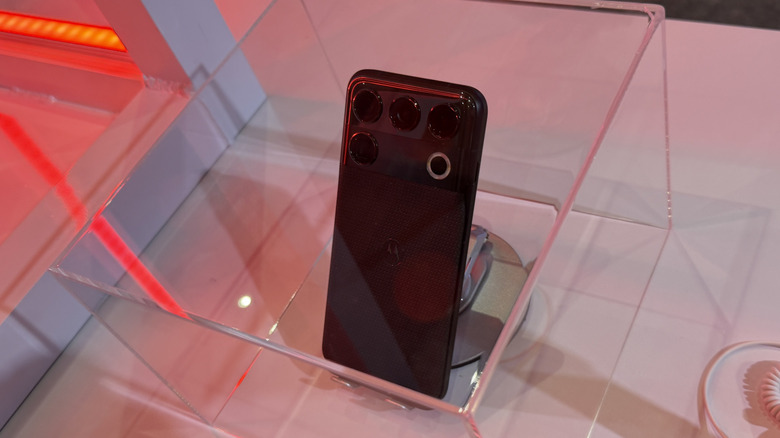
Motorola’s Signature series of smartphones have typically been reserved for overseas sales only, with no presence in the U.S. That looks to change with the Signature 27, which will get a North American release. The Signature 27 is peak Motorola flagship material — Snapdragon 8 Elite Extreme Gen 6, a six-antenna design, a 200-megapixel telephoto lens, and Bang & Olufsen audio, which was recently announced.
Those specs all sound great, but it’s mostly just great to see a Motorola flagship on U.S. shores again. Motorola has been doing very well with its flip phones and midrange candybar phones, but it’s been a while since a real flagship came to the States, so that alone is worth celebrating. That’s especially true in light of OnePlus’s exit from the U.S. market — there’s another premium flagship taking its place, and it looks like a real beast. Stay tuned to SlashGear for more news about the Motorola Signature coming — hopefully — soon.
Xiaomi 18 Pro and 18 Pro Max split the difference
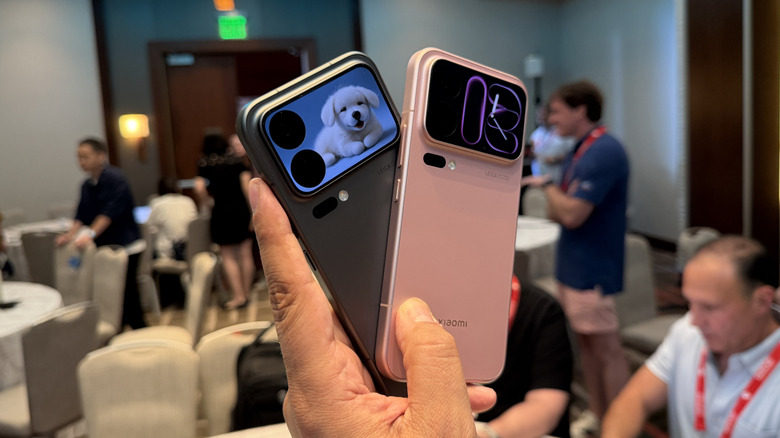
Xiaomi is a phone that will not come to the U.S., though it will likely be relatively easy to import if you so choose. The 18 Pro series brings a boatload of great specifications to the table, and it also represents the diversity that Qualcomm was talking about. Both phones have similar specifications and capabilities, and they also bring a couple of neat features to the lineup as well.
The first is the rear-facing screen. Picture an iPhone 18 Pro, and replace the camera island with a rear facing screen. You can use this for taking selfies with the main cameras, but Xiaomi will also bring some apps and functionality to the rear screen as well. The options we could play with were limited to things like answering calls, playing music, and some AI-generated animals, which were admittedly pretty cute, but not terribly functional.
The other cool thing, and honestly the thing that excites me the most, is the privacy display. This works basically the same as the Samsung Galaxy S26 Ultra’s display with pixels that turn off, and software that runs the whole thing. Xiaomi re-did the subpixels a bit, which is supposed to give better color even with the privacy display on, and it was not terribly noticeable, but it’ll take more experimentation to determine. But I mainly like the idea that someone else beyond Samsung is making this feature. Hopefully it’s only a matter of time before it catches on with more phone makers.
You must be logged in to post a comment Login