Tech
Your TV’s HDMI Port May Be Spying On You


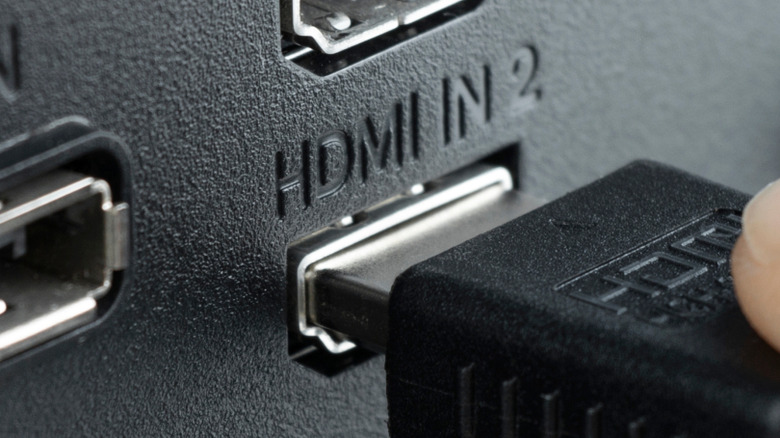
While there are multiple reasons why you may want to stop using HDMI cables, this largely comes down to issues with the cables themselves rather than their ports. As it turns out, though, there may be a good reason to look twice at HDMI ports as well, specifically those on the back of TVs. If you have a smart TV, there’s a good chance that those seemingly innocuous ports are spying on you when in use via automatic content recognition (ACR): a method of data collection that utilizes the connection between a smart TV, an HDMI cable, and an external device like a laptop or gaming console.
Like seemingly everything in the technological world, ACR has become so wide-reaching thanks to its ability to make money. As mentioned, it exists to collect data on the media you consume; this way, your TV can more effectively push content that fits your viewing profile. On top of that, it also helps those in marketing send targeted advertisements that are catered to your needs and interests, increasing the likelihood you’ll buy the products or services your TV displays. Worse yet, like anything on the Internet, once it’s out there, it’s out there. All you can do is try to prevent it from getting into the hands of other entities to begin with.
If this level of snooping through your TV’s HDMI port makes you uncomfortable, know you aren’t entirely powerless against it. There are things you can do to counteract ACR and its shady data collection practices.
Protecting your data from smart TV HDMI port-enabled ACR
Unfortunately, in the modern era, data collection is everywhere. The best thing we can do is a little bit of digital maintenance to keep those wanting to exploit our information at bay. As mentioned, ACR is an issue with smart TVs, meaning those that can connect to the Internet. Without this connection, data transfer just isn’t possible. Therefore, if you really want to be free of it, getting an older “dumb” TV is a good way to do so. Unfortunately, not only do these models lack features, but they’re becoming increasingly difficult to find. It may take some time, effort, and money to get a strong non-Internet-connectable model.
Alternatively, if you want to keep your smart TV around, a key safeguard lies in its settings. While the specifics vary from brand to brand, Consumer Reports found that most major smart TV labels allow you to go into your privacy settings and disable data collection in some form or fashion. Some, like Google, for example, don’t technically collect data via ACR, though most that do let you opt out once the initial setup is complete. At the end of the day, it’s worth doing some research into your specific TV or TVs and the companies behind them, to know exactly what you’re dealing with.
There are signs that things like apps are stealing your data, but with a smart TV and ACR technology, it’s far more difficult to figure out. That’s why it’s crucial to know what you’re signing up for with such a device and the ways to protect your data to the extent possible.
You must be logged in to post a comment Login