

Business
Is Abu Dhabi Airport Open Right Now? Latest Status on March 13, 2026 Amid Regional Airspace Issues


Abu Dhabi, United Arab Emirates — Zayed International Airport (AUH), the main gateway to Abu Dhabi, continues to operate on March 13, 2026, though under a significantly reduced schedule due to ongoing regional airspace disruptions stemming from the escalating conflict involving Iran, the United States, and Israel.

Airport authorities and Etihad Airways, the primary carrier at AUH, confirm the facility is open and processing a limited number of flights. Passengers are strongly advised not to travel to the airport without a confirmed booking and explicit notification from their airline, as access remains restricted to ticketed travelers only for security and operational reasons.
The partial resumption follows a period of near-total suspension in late February and early March triggered by ballistic missile exchanges and retaliatory strikes that prompted precautionary closures across Gulf airspace. Etihad Airways resumed limited commercial services starting March 6, 2026, after coordination with UAE authorities and the Emergencies, Crises and Disasters Management Center – Abu Dhabi (ADCMC). Operations have gradually expanded, with more flights added through March 13-15 schedules.
As of March 13, Etihad’s confirmed departures from AUH include early morning services such as EY061 to London at 01:55, EY031 to Paris at 02:00, and others to major European, North American, and Asian hubs throughout the night and early hours. Arrivals feature flights from destinations like Doha, Calicut, and others, with baggage delivery reported for several late-night arrivals. Flight tracking sites like FlightStats, FlightAware, and the official Zayed International Airport website show active departures and arrivals, albeit at roughly 40-60% of normal capacity based on industry estimates.
Etihad has emphasized that all flights remain subject to real-time operational approvals and airspace conditions. The airline urges passengers to check etihad.com or the flight status tracker before heading to the airport, as schedules can change rapidly. Rebooking options continue for affected travelers from earlier disruptions, with free changes available for eligible tickets.
The airport’s official site advises: “Passengers are advised not to travel to the airport unless they hold a confirmed ticket and have been explicitly advised by their airline to do so.” This measure helps manage crowds and ensures smooth processing amid reduced staffing and security protocols.
Broader regional impacts persist. Major carriers like British Airways have suspended Abu Dhabi services until year’s end due to “continuing uncertainty” and airspace instability. Other airlines, including Lufthansa, have curtailed flights to UAE destinations through mid-March. Emirates, operating primarily from Dubai, maintains reduced operations through late March, reflecting similar challenges across the UAE.
The disruptions trace back to late February when U.S.-Israeli strikes targeted Iranian facilities, prompting Iranian retaliation including missile and drone attacks on Gulf cities. This led to temporary airspace closures in the UAE, Qatar, Bahrain, Kuwait, and Iran, stranding thousands and forcing airlines to reroute or cancel. Abu Dhabi’s Zayed International Airport — rebranded and expanded in recent years — reopened on a skeleton schedule by early March, prioritizing key routes to Europe, Asia, and select Middle Eastern points.
Airport officials highlight resilience in the recovery. Limited operations allow essential travel, cargo, and repatriation flights while authorities monitor missile activity and diplomatic developments. Analysts project gradual ramp-up to near-normal levels if no further escalations occur, though full restoration depends on stabilized regional security.
Travelers planning to use AUH should monitor multiple sources: the official Zayed International Airport website (zayedinternationalairport.ae) for live arrivals/departures, Etihad’s flight status page, and third-party trackers like Flightradar24 or Skyscanner. The airport offers complimentary high-speed Wi-Fi, Airport Express shuttles to Dubai (subject to availability), and services like Salam Meet & Assist for premium passengers.
For those affected, Etihad provides rebooking assistance and urges updating contact details in bookings. Safety remains the top priority, with enhanced security screenings and restricted access in place.
As the Middle East conflict enters its critical phase, Zayed International Airport’s limited but functional status underscores the UAE’s efforts to maintain connectivity amid extraordinary challenges. Passengers are encouraged to stay flexible, confirm details directly with airlines, and prepare for potential delays or changes.
The situation evolves hourly; check official channels for the most current information before any travel to or from Abu Dhabi.


FBI investigating fatal Virginia university shooting as act of terrorism

President Donald Trump sits down with FOX Business host Larry Kudlow to discuss ongoing Federal Reserve renovations, scrutiny of Fed Chair Jerome Powell and more on ‘Kudlow.’
In what has become a now-familiar refrain, President Donald Trump on Thursday pressed Federal Reserve Chair Jerome Powell to cut interest rates immediately, rather than wait for the next policy meeting.
“Where is the Federal Reserve Chairman, Jerome “Too Late” Powell, today? He should be dropping Interest Rates, IMMEDIATELY, not waiting for the next meeting,” Trump wrote in a Truth Social post using a mocking nickname for Powell.
The comments come ahead of the Federal Open Market Committee’s March 17 meeting, when the Fed’s 12-member rate-setting panel will decide whether to change its key interest rate. That benchmark rate helps determine what consumers and businesses pay to borrow money — including for mortgages, car loans and credit cards.
The meeting also comes as the conflict involving Iran has fueled a run-up in energy prices, adding to inflation pressures the Fed is watching closely — and complicating Trump’s pledge to lower costs for Americans.
GAS PRICES SURGE, PINCHING AMERICANS AND HANDING THE GOP A NEW MIDTERM HEADACHE

Oil and gas prices have surged following the depressed flow of tankers through the Strait of Hormuz. (Lori Van Buren/Albany Times Union via Getty Images)
This week, oil prices surged past $100 a barrel for the first time since 2022 as fallout from the U.S.-Israeli conflict with Iran continued to roil global markets and investors priced in the risk of tighter supply.
With oil higher, gasoline and diesel prices are rising fast.
Trump’s demand, however, runs up against how the Fed typically operates.
Rate changes are typically made at scheduled meetings. Still, the Fed has cut rates between meetings during crises, most recently in 2020 during the COVID-19 pandemic.
Trump, who nominated Powell to lead the Fed in 2017, has intensified his public campaign in recent months, calling for rates to fall as low as 1% as part of his push to stimulate growth.
For his part, Powell held off initially on rate cuts as the Fed assessed the economic impact of Trump’s evolving trade agenda. That wait-and-see posture kept the Fed’s benchmark rate at 4.25% to 4.5% for a period. The Fed has since lowered rates, and the target range now stands at 3.50% to 3.75%. But even after rate cuts, Trump has escalated his attacks on Powell and the central bank.
TRUMP VS THE FEDERAL RESERVE: HOW THE CLASH REACHED UNCHARTED TERRITORY

President Donald Trump walks behind Jerome Powell of the Federal Reserve during an announcement in the Rose Garden of the White House in Washington, D.C. on Thursday, Nov. 2, 2017. (Olivier Douliery/Bloomberg/Getty Images)
Trump’s renewed demands also sharpen the long-running tension between the White House and an institution designed to operate independently, with Fed officials insisting rate decisions will be driven by economic data, not political pressure.
That tension has now expanded beyond monetary policy. Federal prosecutors have opened a criminal investigation tied to Powell’s prior testimony to Congress about cost overruns on the Fed’s headquarters renovation project.
Powell, in a rare video statement, called the probe “unprecedented” and described it as another salvo in what he described as Trump’s pressure campaign on the central bank to cut rates.
POWELL’S BEHIND-THE-SCENES MOVE AFTER TRUMP’S DOJ OPENED ITS CRIMINAL PROBE
Federal Reserve Chairman Jerome Powell confirmed the central bank had been served by the Justice Department in connection with allegations related to congressional testimony on the renovation of the bank’s headquarters. (Credit: Federal Reserve)
The unusually public response followed days of private consultations with advisors and stood out for a Fed chair known for a measured approach.
GET FOX BUSINESS ON THE GO BY CLICKING HERE
The political stakes are heightened by the timing: Powell’s term as chair ends May 15.
Trump has nominated former Fed governor Kevin Warsh to succeed him, putting the Fed’s next moves and Powell’s final months under even brighter scrutiny.

OLeary Ventures Chairman Kevin OLeary joins Varney & Co. to weigh in on California’s proposed billionaire tax, the growing wealth exodus from blue states and why America is falling behind China in the AI power race.
A new hotspot has emerged for homebuyers looking to leave California, and it’s outdrawing a larger and more well-known metro area within its state in the process.
Reno is the second-largest metropolitan area in the state of Nevada and has surpassed Las Vegas, the Silver State’s largest city, as a more attractive destination for Californians looking to move, a report by Realtor.com found.
The analysis of housing data by Realtor.com found that in 2025, almost 43% of views of online listings in the Reno area came from users in California metropolitan areas, which the outlet said was the highest share in the history of the data series dating back to 2019.
By contrast, about 25% of views of Las Vegas area listings came from California metros, a decrease from a 2023 peak of 27%.
AMERICA’S 10 MOST EXPENSIVE ZIP CODES REVEALED

Reno has emerged as a popular locale for Californians looking to move, surpassing Las Vegas according to a Realtor.com analysis. (iStock)
“The data suggests that Reno has long been popular with California home shoppers, and its popularity is continuing to grow perhaps due to its relative affordability and lower cost of living,” said Realtor.com senior economic research analyst Hannah Jones.
Jones noted that in 2025, Reno brought in more prospective homebuyers from locations throughout the state of California than shoppers from within the local market, who accounted for just over 30% of listing views.
By contrast, homes listed in Las Vegas had 38% of their views came from within the metro area and surpassed those from shoppers in California by more than 12%.
AMERICAN HOMEBUYERS GAIN MOST PURCHASING POWER SINCE 2022

The Truckee River flows through downtown Reno, Nevada. (Andri Tambunan/AFP via Getty Images)
Reno is known as “the Biggest Little City in the World” and is located near Nevada’s border with California, close to Lake Tahoe and the Sierra Nevada mountains as well as metro areas in Northern California. Its climate is relatively mild in comparison to that of Las Vegas, which endures sizzling temperatures in the summer months.
Much like Sin City further south in Nevada, Reno is home to casinos and has a significant gambling industry. However, the region’s economy is diversified and major employers in the Reno metro area include Tesla and Panasonic as well as Caesars Entertainment.
US HOME PRICES ARE RISING – BUT THESE FAST-GROWING MARKETS REMAIN AFFORDABLE

Reno’s housing market and metro area is significantly smaller than that of Las Vegas. (iStock)
The median home listing price in Reno was $636,800 in February, an increase of over 11% from a year ago, according to the Realtor.com report. Median prices in Las Vegas were lower at $464,950 and were down 1.1% from the prior year amid a 23% increase in inventory.
Experts told Realtor.com that the pricing disparity was largely due to market size, with Reno being much smaller and having a more limited supply of houses. That can translate to larger increases in prices when demand rises.
GET FOX BUSINESS ON THE GO BY CLICKING HERE
Despite the disparity, Bay Area residents looking at Reno will find much cheaper houses than what they’re used to in places like San Francisco, which had a median price of $907,000, as well as San Jose with its $1.35 million median price.
Nevada also lacks a state income tax, which makes it an appealing destination for homebuyers looking to preserve more of their income. It also has become popular among high-earning Californians who could be affected by a proposed wealth tax.

The Lucid display is seen at the New York International Auto Show on April 16, 2025.
Danielle DeVries | CNBC
NEW YORK — Lucid Group expects to be cash flow positive late this decade as it plans to grow its vehicle lineup and significantly increase its software and technology offerings, the all-electric vehicle maker announced Thursday during its first investor day in nearly five years as a public company.
The EV company aims to accomplish positive cash flow generation through market expansion into midsize vehicles and robotaxis, as well as international expansion in markets such as Europe and Saudi Arabia. It also expects to achieve efficiency gains and software revenue growth with the introduction of improved advanced driver assistance systems and a new Lucid artificial intelligence assistant, executives told dozens of investors and Wall Street analysts on Thursday.
Lucid stock closed Thursday at $9.84, down 7.9%. Shares were off roughly 6% to 8% during much of the event despite the company giving its most detailed product and expansion plans to date, highlighting the tough market conditions for EV companies.
“We view the midterm and late decade targets as an important benchmark against which investors can measure LCID’s progress which will improve transparency,” Baird analyst Ben Kallo said in a Thursday investor note. “The near-term backdrop for EVs remains challenging with headwinds such as tariffs and policy muting investor sentiment.”
Lucid’s cash flow target is challenging given the automaker’s current performance and waning demand for EVs in the U.S. While Lucid has been able to increase sales and narrow losses, the company lost $2.7 billion on revenue of $1.35 billion in 2025. It had negative free cash flow of $3.8 billion in 2025, a loss that was roughly 31% larger than a year earlier.

Lucid interim CEO Marc Winterhoff — who unexpectedly took over for company founder Peter Rawlinson last year — said the company’s “north star” is “accelerating to profitability,” reiterating the investor event’s theme. He and other executives declined to disclose an exact year the company aims to be cash flow positive.
The automaker has been trying to increase investor interest in the company as it prepares to launch a new midsize vehicle at the end of this year. Its largest shareholder, Saudi Arabia’s Public Investment Fund, has also changed its investment strategy in the company from capital investment to revolving credit.
Robotaxi, autonomy plans
Lucid on March 12, 2026, previewed plans for a new two-seat robotaxi that the company is developing off its upcoming midsize electric vehicle platform.
Michael Wayland / CNBC
Lucid on Thursday said it expects to achieve roughly $1 billion in annual incremental, non-vehicle revenue through services such as recurring software subscriptions by later this decade. It also previewed plans for a two-seat robotaxi, including a design concept car, but it did not specify a timeframe for the vehicle.
Winterhoff told CNBC after the event that the dedicated robotaxi is a “mid-term” target for the company in the coming years.
Company executives spent a significant amount of the event discussing Lucid’s upcoming driving technologies, including robotaxis, and plans to launch a subscription service by early 2027 that will range from $69 to $199 a month, based on capabilities.
“Autonomy plays an outside role in the future of Lucid,” said Kay Stepper, Lucid vice president of advanced driving systems, adding that the company plans to offer vehicles capable of driving themselves under certain circumstances by 2029.
Winterhoff and Uber President and Chief Operating Officer Andrew Macdonald on Thursday announced they are planning to expand a previously announced tie-up for robotaxis to include upcoming midsize vehicles.
Expansion into midsize and autonomy is expected to significantly increase Lucid’s total addressable market, or TAM, from $40 billion for its current Air sedan and Gravity SUV to $700 billion, executives said Thursday.
Winterhoff said he sees the company’s autonomy technologies essentially growing to match Tesla’s current FSD by next year.
Midsize vehicles
Lucid on Thursday said it plans to produce three midsize vehicles, starting with a vehicle called Cosmos this year, followed by a model called Earth roughly a year later and an unnamed vehicle during an unspecified time frame after that.
“We think these three unique products will give us maximum opportunity to hit the widest audience possible. And that audience is where we are today, but it’s a different audience than our current market,” said Derek Jenkins, Lucid senior vice president of design and brand.
A Lucid-supplied teaser image of its upcoming midsize vehicle behind its current Gravity SUV.
Lucid
A preview of the Cosmos shown to event attendees Thursday featured a more muscular look with thinner headlights and a silhouette reminiscent of the automaker’s current Gravity SUV but in smaller packaging. The interior of the vehicle continues Lucid’s focus on a spacious cabin with significant storage and a large one-piece screen traversing most of the car’s front dash.
The three midsize vehicles are targeted at upscale buyers, younger “trendsetting achievers” and outdoor enthusiasts, Jenkins said. The last would be a direct competitor to fellow EV competitor Rivian Automotive, which is expected to release a new R2 midsize vehicle this spring, beginning with a roughly $58,000 version of the vehicle.
Lucid has said its midsize vehicle is expected to begin at roughly $50,000. That would position it in line with the average transaction prices of new vehicles in the U.S. as well as entry-level models of Rivian’s R2.
Both Rivian and Lucid are attempting to reassure investors that they can not only compete in a troubled EV market but thrive through the expansion of new vehicles and technologies to better compete against U.S. EV leader Tesla. Lucid said its new midsize EV platform will be class-leading in efficiency, something the company has strived to do with all its vehicles.
Both have touted having enough capital to get them through near-term initiatives but their long-term viability is still a major question for investors.
Lucid has said its total liquidity of $5.5 billion, including a roughly $2 billion delayed draw term loan credit facility from Saudi’s PIF, is enough to get through the first half of 2027.
Rivian ended the fourth quarter with $6.59 billion in total liquidity, including nearly $6.1 billion in cash, cash equivalents and short-term investments, as the company attempts to ramp up production this year of its midsize vehicle and new autonomy technologies.
— CNBC’s Michael Bloom contributed to this report.

Truist cuts Gambling.com stock price target on guidance miss

BofA raises Scorpio Tankers stock price target on tanker rate surge

Raymond James raises Akamai stock price target on compute growth

Medical Properties Trust: High Safety Margin
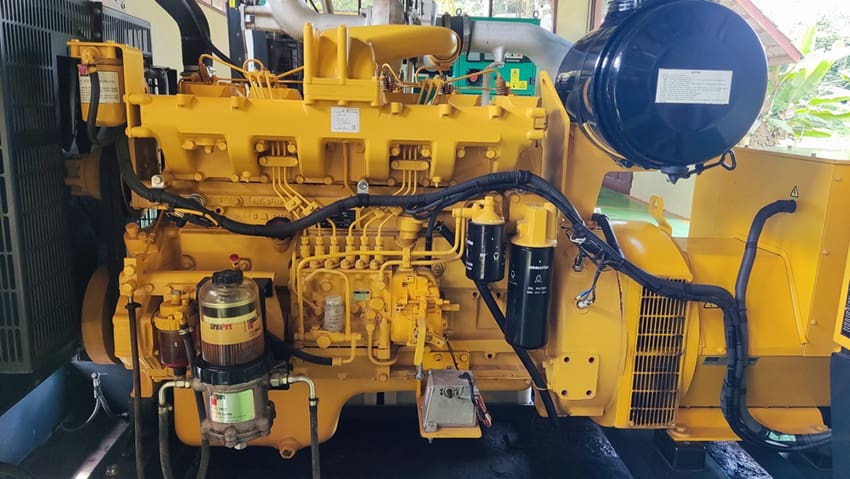
Running a fleet means keeping your trucks on the road without constant mechanical failures. Reliable power defines how well a delivery or service company can scale and meet tight deadlines.
Diesel remains the backbone for moving massive loads across long distances. It provides the torque needed for heavy hauling that other fuel types just cannot match.
The Scale Of The Heavy Duty Market
Many companies are putting massive investments into new engine technology to stay ahead of logistics demands. A global report on the industry estimated that the market for powerful motors will hit $58.8 billion by the year 2026.
Businesses that rely on shipping need to understand market trends to plan for future costs. When the market grows, it usually means better parts availability and more technicians who know how to fix your gear.
Investment in diesel tech leads to better fuel systems and longer lifespans for newer models. You can expect machines to last longer than those built a decade ago. Stronger materials and better cooling designs are making modern diesel units more durable for everyday work.
Dominance Of Class 8 Engines
Large trucks carry most of the freight across the country, so they need the strongest possible heart. Data from market insights shows that Class 8 engines make up about 58% of the total heavy-duty engine market. Big rigs are the primary choice for businesses that need to move heavy equipment or bulk supplies.
The weight of a Class 8 vehicle requires an engine that can handle extreme stress for hours at a time. Drivers often prefer these setups because they offer the most control when descending steep grades or pulling through mud. Having much power on tap keeps your operations moving regardless of the terrain.
Service businesses often use slightly smaller units, but the technology from the big rigs usually trickles down. It means your medium-duty trucks benefit from the research done on the largest haulers. Reliability improves across the board when the most demanding segment of the industry is doing well.
Selecting The Right Power Unit
Choosing the right engine for your business requires looking at long-term maintenance costs and part availability. When looking into Cummins engine replacements, many owners find that swapping an old unit for a refurbished one saves thousands of dollars. Having a plan for engine failure keeps your transport operations running without massive downtime.
Buying a brand-new truck is not always the best move for a growing service company. Sometimes it makes more sense to keep a reliable chassis and just upgrade the engine when it gets tired.
Older trucks are often easier to work on because they have fewer complex electronics to fail. Many fleet managers prefer simple designs that their own mechanics can fix in the shop. Finding a balance between modern power and simple maintenance is the secret to a high profit margin.
Key Manufacturers Shaping The Industry
A small group of companies continues to lead the way in diesel innovation and production. Research indicates that a few big names like Caterpillar and Volvo hold around 70% of the market share today.
Choosing a brand with a large market share makes it easier to find a mechanic when you are far from home. Most truck stops and repair centers keep parts for common engines in stock at all times.
Competition between top players drives down the cost of new technology. They are constantly trying to outdo each other with better warranties and improved fuel mileage.
Maintenance Strategies For Fleet Longevity
Keeping machines running requires a strict schedule of oil changes and filter inspections. Neglecting a simple sensor can lead to a catastrophic failure that puts a truck out of commission for weeks. Regular care is the only way to avoid the high cost of a total engine teardown.
- Regular oil analysis to check for metal shavings.
- Cooling system flushes to prevent overheating under load.
- Turbocharger inspections to keep the air intake clean.
Monitoring points daily helps drivers catch small issues before they turn into major repairs. Long-term health is the only way to keep a service business profitable in a competitive world. Every hour a truck sits in the shop is an hour it is not making money.
Small service businesses can set up a basic checklist for every driver to follow at the start of their shift. Checking fluid levels and looking for leaks only takes 5 minutes, but it saves thousands in the long run. Teaching your team to respect the equipment is just as important as the oil you use.
Fuel Efficiency And Modern Standards
Newer models use high-pressure fuel injection to squeeze every bit of power out of each drop of diesel. Tech helps businesses lower their operating costs while still hauling the same weight. Older engines often lack computer-controlled systems that optimize fuel spray for better combustion.
Fuel is the biggest expense for most transport companies after the cost of the truck itself. Even a small 2% improvement in mileage can add up to thousands of dollars across a whole fleet. Modern diesel engines are designed to run at lower RPMs to save fuel without losing any pulling power.
Upgrading to a more efficient engine can pay for itself in just a few years of heavy use. You should look at the fuel maps of any engine you plan to buy for your service vehicles. Knowing where the engine is most efficient helps your drivers stay in the sweet spot on the highway.
Emissions Systems And Fleet Compliance
Regulations continue to change how diesel engines are designed and operated in urban areas. Most modern units come with complex scrubbers and filters that reduce the smoke coming from the exhaust pipe. Staying compliant with rules prevents heavy fines and allows trucks to enter more delivery zones.
Some cities have strict idling laws that require special auxiliary power units to keep the cab warm. Modern engines are getting better at handling requirements without clogging up their internal filters. It is a trade-off between keeping the air clean and keeping the engine running smoothly.
If you operate in areas with strict environmental rules, you must choose your engines carefully. Older diesel units might be banned from certain ports or downtown areas in the near future. Investing in cleaner tech now protects your business from future legal changes.
Torque Requirements For Service Businesses
Service trucks carry heavy tools that stress the drivetrain. Low-end torque helps pull away from stoplights without burning the clutch. Diesel engines provide more force than gas options.
Traits make diesel the best pick for bucket trucks or heavy vans. Gas engines struggle with a full load. You want a motor that stays smooth with a full trailer.
- High torque for easy towing.
- Strong braking on steep hills.
- Steady power for PTO work.
Low-end power reduces wear on other truck parts. Transmissions shift less when the engine holds a gear easily. It leads to a better drive and fewer repairs.
Keeping your business moving means trusting the equipment under the hood of every vehicle. Diesel power remains the most practical solution for anyone hauling heavy freight or running service routes.
Staying updated on market trends and maintenance helps you make better decisions for your fleet. Reliable engines are the foundation of a successful transport company.
As runners gear up for spring training and marathons in 2026, Nike continues to offer strong value in its entry-level and mid-tier lineup, with several reliable men’s road running shoes available under $100. While premium models like the Pegasus Premium and Vomero series command higher prices, budget-conscious athletes can still access durable, cushioned options from the Swoosh brand that deliver everyday mileage without breaking the bank.
Nike’s official site and major retailers highlight a dedicated category of men’s running shoes priced at $100 and under, featuring models optimized for road use, casual training, and beginners. These picks emphasize breathable uppers, responsive cushioning, and Nike’s signature traction, often incorporating recycled materials for sustainability.
Here are the top five best Nike running shoes for men in 2026 that stay under $100, based on current availability, expert reviews, lab tests, and runner feedback as of mid-March.
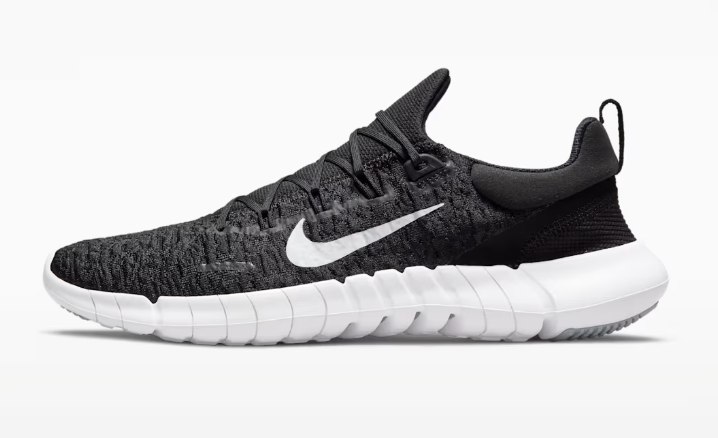
1. **Nike Free Run 5.0** — This minimalist-inspired road runner tops many lists for its natural feel and flexibility. Priced around $90-$100 (often on sale), the Free Run 5.0 features a lightweight design with a flexible sole that promotes foot strength and natural stride. The engineered mesh upper provides breathability, while the foam midsole offers just enough cushioning for short to medium runs. Runners praise its sock-like fit and versatility for gym work or casual jogging. Recycled materials in the construction align with Nike’s sustainability goals, making it a smart choice for eco-aware athletes seeking a low-profile shoe under $100.
2. **Nike Flex Experience Run 12** — A perennial favorite in Nike’s budget segment, the Flex Experience Run 12 delivers reliable performance for daily training at $80-$95. The shoe’s flexible forefoot grooves enhance ground feel, paired with soft foam cushioning for comfort on pavement. Available in extra-wide options, it suits a broader range of foot shapes. The durable rubber outsole grips well in wet conditions, and the breathable mesh keeps feet cool during longer sessions. Lab reviews highlight its value as an entry-level daily trainer, ideal for beginners building mileage or experienced runners seeking a lightweight secondary pair.
3. **Nike Downshifter 14** — Often found discounted to $70-$90, the Downshifter series remains a go-to for affordable reliability. The latest iteration features an updated mesh upper for better ventilation, a full-length foam midsole for plush underfoot protection, and a waffle-inspired outsole for multi-surface traction. It’s versatile enough for road running, walking, or casual wear, with a 10mm drop that suits most heel strikers. Runners appreciate its durability and no-fuss design, making it perfect for high-volume training on a budget or as a starter shoe for new enthusiasts in 2026.
4. **Nike Revolution 8** — Priced as low as $75, the Revolution 8 offers exceptional entry-level value with EVA foam cushioning inspired by higher-end models like the Vomero. The soft midsole provides step-in comfort, while the non-removable insole adds plushness without excess weight. The waffle rubber outsole ensures longevity and grip, and the engineered mesh upper breathes well for warmer runs. Experts note it’s ideal for easy runs, 10K distances, or casual fitness, delivering functional performance far beyond its price tag in Nike’s affordable lineup.
5. **Nike Winflo 11** (on sale/deals) — While MSRP hovers around $105-$110, frequent promotions drop the Winflo 11 under $100 at retailers like Amazon or Nike outlets, often to $70-$90. This standout budget trainer boasts plush cushioning with a full-length Air unit for bounce, making it feel more premium than its cost suggests. The engineered mesh upper fits snugly, and the durable outsole handles road abuse well. Reviews from 2025-2026 call it one of the best value daily trainers, with surprising responsiveness and comfort for long runs or beginners transitioning to higher mileage.
These selections reflect Nike’s strategy in 2026 to make quality running footwear accessible, even as flagship shoes push toward $150+. Models like the Free Run and Flex Experience emphasize flexibility and natural movement, appealing to runners who prioritize feel over maximal stack heights. The Downshifter and Revolution lines focus on straightforward durability, while discounted Winflo options bridge budget and performance.
Availability fluctuates with sales, so checking Nike.com’s “Men’s Shoes $100 & Under” section or sites like Dick’s Sporting Goods and Hibbett yields the best deals. Many incorporate recycled content, supporting sustainability trends in athletic gear.
For men shopping under $100, these Nike options provide solid cushioning, breathability, and traction without premium pricing. Whether logging easy miles, building fitness, or racing casually, they prove that high performance doesn’t require a high spend in 2026’s running market.
Runners should consider fit preferences—try in-store if possible—and pair with proper socks for optimal comfort. As the season progresses, expect more discounts on these models to clear inventory for upcoming releases.
Disclosure: This post contains affiliate links. We may receive a commission for purchases made through these links at no additional cost to you.
Love Is Blind’s Alex Gives Job Update After Reunion Drama

Jo Malone sued by Estee Lauder group over use of her own name in Zara collaboration
FBI investigating fatal Virginia university shooting as act of terrorism


-
Business6 days ago
Form 8K Entergy Mississippi LLC For: 6 March
-

 News Videos3 days ago
10th Algebra | Financial Planning | Question Bank Solution | Board Exam 2026
-

 Fashion6 days ago
Weekend Open Thread: Ann Taylor
-

 Crypto World3 days ago
Paradigm, a16z, Winklevoss Capital, Balaji Srinivasan among investors in ZODL
-
 Tech2 days ago
A 1,300-Pound NASA Spacecraft To Re-Enter Earth’s Atmosphere
-

 Tech2 days ago
ChatGPT will now generate interactive visuals to help you with math and science concepts
-

 Politics6 days ago
Top Mamdani aide takes progressive project to the UK
-

 Business2 days ago
ExxonMobil seeks to move corporate registration from New Jersey to Texas
-

 Sports5 days ago
Three share 2-shot lead entering final round in Hong Kong
-

 Sports5 days ago
Braveheart Lakshya downs Lai in epic battle to enter All England Open final | Other Sports News
-

 NewsBeat1 day ago
Residents reaction as Shildon murder probe enters second day
-

 Entertainment6 days ago
Hailey Bieber Poses For Sexy Selfies In New Luscious Lip Thirst Traps
-

 Business4 days ago
Search for Nancy Guthrie Enters 37th Day as FBI Probes Wi-Fi Jammer Theory
-

 Business2 days ago
Search Enters Sixth Week With New Leads in Tucson Abduction Case
-
 NewsBeat3 days ago
Pagazzi Lighting enters administration as 70 jobs lost and 11 stores close across Scotland
-

 Tech3 days ago
Despite challenges, Ireland sixth in EU for board gender diversity
-

 Business3 days ago
Search Enters 39th Day with FBI Tip Line Developments and No Major Breakthroughs
-

 NewsBeat1 day ago
I Entered The Manosphere. Nothing Could Prepare Me For What I Found.
-

 Business6 days ago
Iran war enters second week as Trump demands ’unconditional surrender’
-

 Sports3 days ago
Skateboarding World Championships: Britain’s Sky Brown wins park gold