
Business
Explained: Why gold prices remain subdued despite West Asia tensions


Strong U.S. Dollar Limits Safe-Haven Gains
One of the biggest factors suppressing gold is the renewed strength of the U.S. dollar. During periods of geopolitical stress, global investors flock not only to gold but also to the dollar, which offers superior liquidity and global acceptance.
The U.S. Dollar Index (DXY) has risen sharply from around 97 in mid-February to 100.15 by mid-March, reflecting strong safe-haven flows into the greenback. Since gold is dollar-priced, a stronger USD makes bullion costlier for other currency holders, dampening investment and physical demand. As a result, the usual geopolitical boost for gold has been overshadowed by the dollar’s resurgence.
Rising U.S. Treasury Yields and Higher Oil Prices Pressure Bullion
Gold has also faced pressure from rising U.S. Treasury yields. Higher yields increase the opportunity cost of holding non-yielding assets like gold, making government bonds more attractive in comparison. At the same time, surging oil prices amid the Iran–Middle East conflict have intensified inflation worries. Investors now expect central banks, especially the U.S. Federal Reserve, to keep interest rates elevated for longer. This environment strengthens yield-bearing assets and weakens gold’s appeal, even during geopolitical upheavals.

Overvaluation and Heavy Profit-Taking
Gold had already staged a robust rally before the West Asia conflict erupted. After such a steep climb, the metal entered what many considered overvalued territory. Investors were reluctant to increase their exposure at elevated levels. When volatility spiked after the conflict intensified, traders seized the opportunity to book profits, leading to liquidation pressure instead of the typical safe-haven inflows. Markets tend to react this way after extended rallies, where investors prefer locking in gains rather than adding fresh positions. This wave of profit-taking diluted the potential upside from geopolitical tensions.
Liquidity-Driven Selling and Geopolitical Risk Already Priced In
During periods of sharp market stress, investors often prioritise liquidity above all else. Gold, being one of the most liquid assets globally, frequently becomes a source of cash to cover losses, meet margin calls, or rebalance portfolios. This liquidity-driven selling has been a key factor in the recent correction, overpowering safe-haven demand. Additionally, much of the geopolitical premium was already factored in gold prices at the start of 2026. Earlier conflicts, global recession fears, and currency volatility had kept gold elevated. With markets already positioned for ongoing instability and upcoming U.S. political developments, fresh upside triggers were limited.
Shift in Interest Rate Expectations and Overbought Technicals
Expectations around future U.S. interest rates have also influenced gold’s trajectory. Speculation surrounding potential changes in Federal Reserve leadership and delays in rate cuts have kept real yields high, reducing gold’s relative attractiveness.
On the technical front, both gold and silver were significantly overbought, which was reflected in elevated RSI readings. This indicated stretched speculative positioning and increased vulnerability to corrections. Traders took advantage of these technical signals to unwind bullish positions, adding to the downside pressure.
Why Indian Gold Prices Stayed Steady Despite a Weak Rupee
Despite the Indian rupee weakening to record lows, an event that typically pushes domestic gold prices higher by increasing import costs, gold prices in India have remained relatively steady. This unusual trend is largely due to the sharp decline in international gold prices, which has offset the higher landed cost caused by currency depreciation. At the same time, domestic demand has been subdued, as months of elevated prices have dampened jewellery buying and kept household budgets under pressure. Importers have also adopted a cautious stance, avoiding aggressive purchases amid volatile global conditions. These factors have prevented domestic prices from rising in proportion to the rupee’s weakness.
Outlook: Choppy Near Term, Constructive Long Term
Looking ahead, bullion is expected to remain choppy in the near term, with strong U.S. dollar conditions, elevated real yields, and uncertainty surrounding the Federal Reserve’s policy outlook likely to dominate price movement. Periodic bouts of liquidity-driven selling may add to short-term volatility, keeping gold and silver rangebound. However, the long-term outlook for precious metals remains constructive.
Persistent geopolitical fragmentation, ongoing central bank diversification away from major reserve currencies, underlying inflation risks, and tightening supply, particularly in silver, continue to support a favourable multi-year outlook for precious metals. As global growth moderates and monetary authorities eventually shift toward easing cycles, both gold and silver are poised to strengthen their roles as strategic hedges. With structural demand remaining firm and supply constraints becoming more pronounced, the long-term upside potential for both metals appears increasingly compelling.
(The author of the article is Hareesh V, Head of Commodity Research, Geojit Investments Limited)

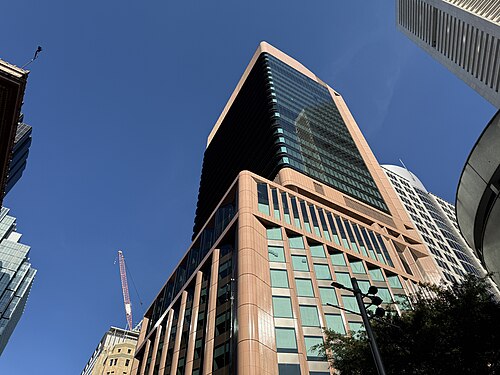
SYDNEY — The Australian share market extended its recent losses Friday, March 20, 2026, with the benchmark S&P/ASX 200 index declining 69.4 points or 0.82% to close at 8,428.40 — its lowest finish in four months and marking a third straight weekly drop amid persistent Middle East tensions and commodity price pressure.

Trading volume reached around 2.39 billion shares, with the index ranging from a low of 8,427.20 to a high of 8,497.80 before settling lower. The broader All Ordinaries index fell 62.4 points or 0.72% to 8,628.30. Year-to-date in 2026, the ASX 200 is down 3.28%, though it remains 6.27% higher than a year ago.
The sell-off reflected ongoing fallout from the U.S.-Israeli conflict with Iran, now in its eighth week, which has driven oil prices higher while weighing on metals and broader growth-sensitive sectors. Brent crude remained elevated, supporting energy stocks but pressuring miners as iron ore, copper and aluminium prices softened.
The materials sector led declines, sliding 1.5% as mining giants faced heavy selling. BHP Group dropped 1.8%, Rio Tinto fell 2.9%, and gold miners retreated sharply with bullion under pressure from inflation fears tied to the conflict. The resources sub-index lost 1.15% for the day, contributing significantly to the index’s drop.
Banking stocks also weighed, ending 1.1% lower as the big four lenders traded in the red. Energy names provided a rare bright spot, rising 0.7% to their highest level since February 2024 on oil gains following Iranian attacks on regional energy infrastructure. European and Japanese support for Strait of Hormuz shipping security and U.S. supply-boost measures offered some offset, but the broader market tone stayed defensive.
The week’s performance was grim: the ASX 200 shed 2.19% over five days and about 7% (roughly $250 billion in market value) since the conflict escalated, according to ABC News and other reports. Thursday’s session had seen a modest rebound, but Friday’s weakness resumed the trend of volatility driven by geopolitical risks and commodity swings.
Broader influences included China’s low growth target and global rate uncertainty. Money markets have dialed up bets on potential rate rises as energy costs feed inflation, adding pressure on consumer and cyclical stocks. The Australian dollar traded around 71.8 US cents, up modestly but still reflecting caution.
Analysts noted the ASX 200’s breach of key support levels, including its 50-day moving average, as a technical signal for further downside risk if tensions persist. Energy stocks’ relative strength provided a hedge, but materials’ heavy weighting dragged the benchmark lower.
Looking ahead, investors will monitor oil developments, any de-escalation signals from the Middle East, and upcoming domestic data. With the index at a four-month low, bargain hunters may emerge on dips, though persistent inflation and geopolitical uncertainty could cap rebounds.
The close capped a turbulent week for Australian equities, with miners and banks bearing the brunt while energy offered limited relief. As global crosscurrents dominate, the ASX 200 remains vulnerable to further swings in commodity prices and risk sentiment.
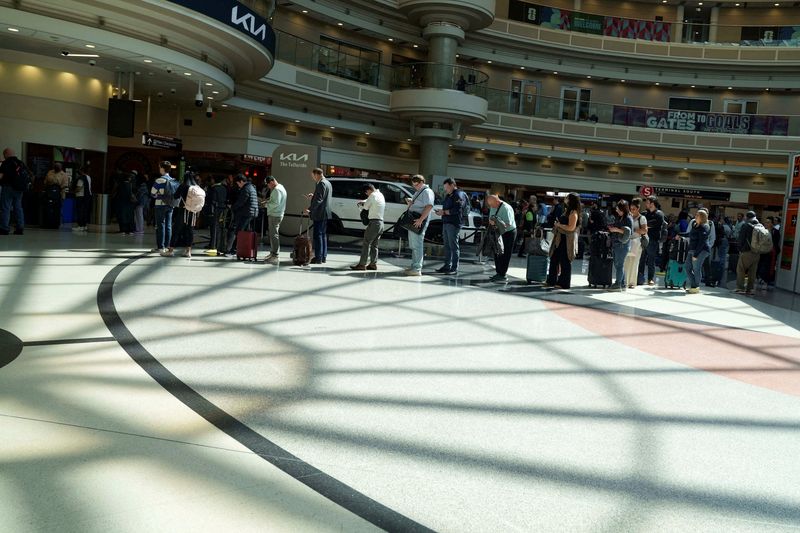

Elon Musk offers to pay TSA salaries amid budget battle, airport lineups

Trump threatens to deploy ICE agents to U.S. airports
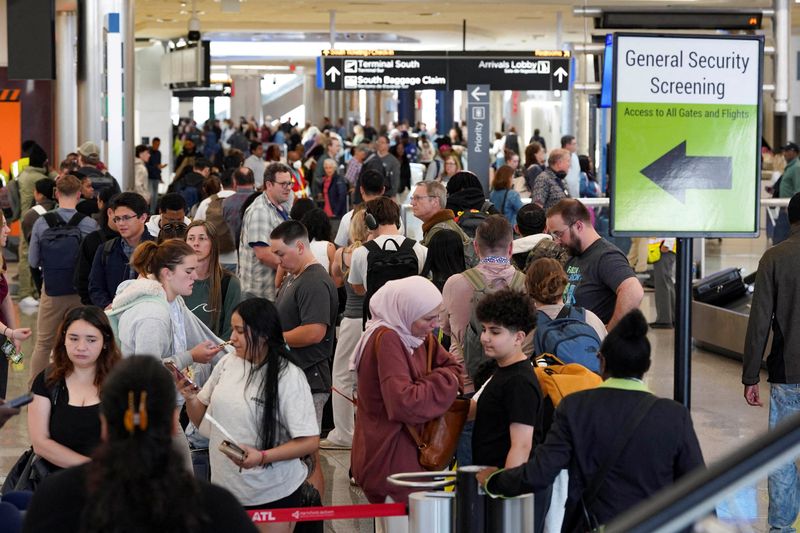

Trump threatens to put ICE agents in airports over funding impasse


Exclusive-Bahrain cites Patriot interception in March 9 Iranian drone incident
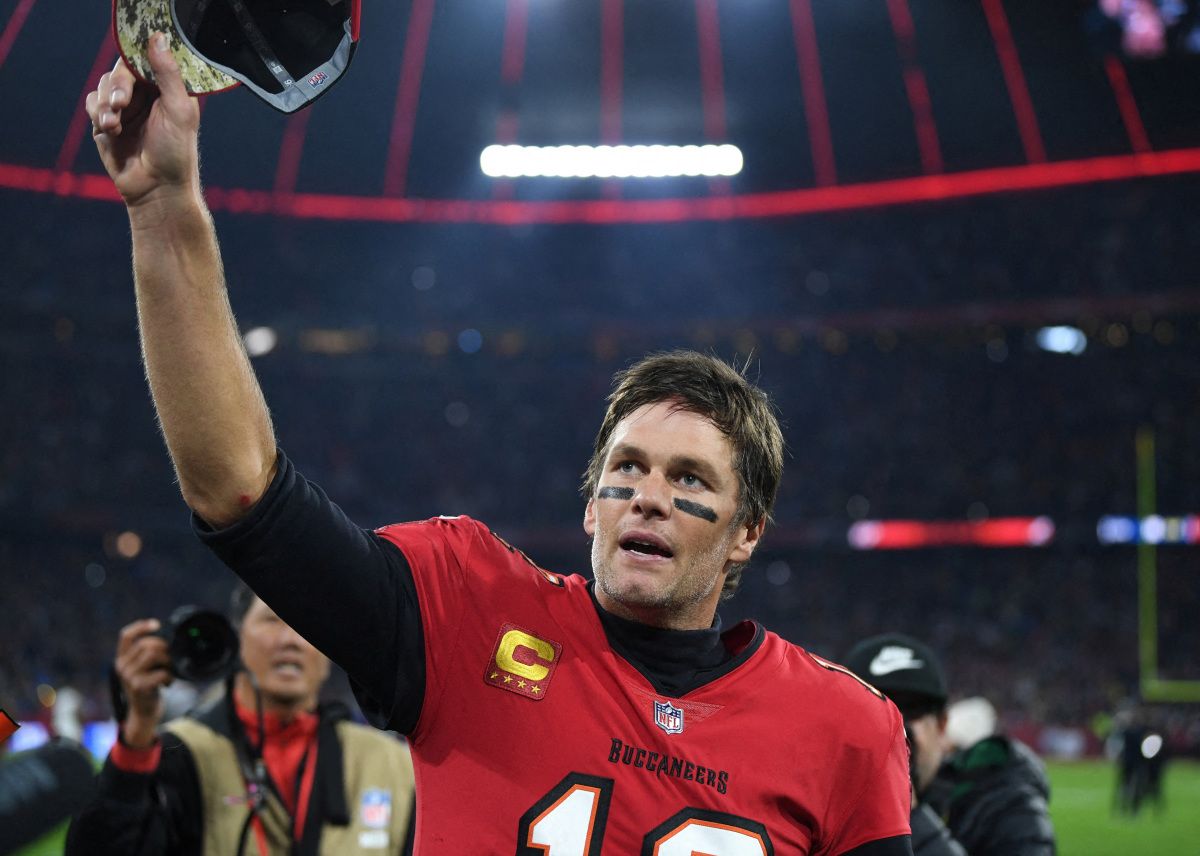
LOS ANGELES — Tom Brady, the seven-time Super Bowl champion now retired, assembled a formidable squad for the inaugural Fanatics Flag Football Classic, drafting longtime teammate Rob Gronkowski, rising star Ashton Jeanty and veteran playmaker Stefon Diggs among others in a star-studded draft held March 19, 2026, at the Waldorf Astoria Beverly Hills.

The event, set for Saturday, March 21, at BMO Stadium in Los Angeles, features three 12-player teams competing in a round-robin tournament followed by a championship game. Brady co-captains Team Founders FFC alongside Philadelphia Eagles quarterback Jalen Hurts, with Denver Broncos coach Sean Payton leading the squad and Robert Saleh serving as defensive specialist.
The draft results, announced Wednesday and widely shared across sports media, highlight Brady’s strategic picks blending NFL talent, former teammates and crossover athletes. His full Team Founders roster includes:
– Tom Brady (QB, retired)
– Jalen Hurts (QB, Philadelphia Eagles)
– Ashton Jeanty (RB, Las Vegas Raiders)
– Alvin Kamara (RB, New Orleans Saints)
– Rob Gronkowski (TE, retired)
– Antoine Winfield Jr. (DB, Tampa Bay Buccaneers)
– DeVonta Smith (WR, Philadelphia Eagles)
– Stefon Diggs (WR, free agent)
– Von Miller (LB, free agent)
– Damar Hamlin (DB, free agent)
– Patrick Peterson (DB, retired)
– Terence Crawford (ATH, boxer)
Brady’s selections emphasize proven winners and versatility. Gronkowski, his frequent target during Super Bowl runs with the New England Patriots and Tampa Bay Buccaneers, reunites for flag football after years of speculation. Jeanty, the dynamic Raiders rookie known for explosive speed, adds youth and athleticism to the backfield alongside Kamara’s elusive style. Diggs and Smith provide elite receiving threats, while defensive standouts like Winfield Jr., Miller, Hamlin and Peterson bolster the back end. Crawford, a boxing champion, brings crossover appeal and physicality as an athlete.
The opposing Wildcats FFC, captained by Washington Commanders quarterback Jayden Daniels and Cincinnati Bengals quarterback Joe Burrow (coached by San Francisco 49ers’ Kyle Shanahan), features a mix of current stars and veterans: Saquon Barkley (RB), Kyle Juszczyk (RB), Odell Beckham Jr. (WR), Davante Adams (WR), DeAndre Hopkins (WR), Derwin James Jr. (DB), Luke Kuechly (LB), Jalen Ramsey (DB), Logan Paul (ATH) and IShowSpeed (ATH).
A third team, the U.S. men’s national flag football squad, rounds out the competition with established flag specialists like QB Darrell “Housh” Doucette III and DB/WR Aamir Brown.
The Fanatics Flag Football Classic, backed by the sports merchandise giant, aims to blend NFL talent with celebrity draw ahead of flag football’s Olympic debut in 2028. The event includes a four-game round-robin starting at 1 p.m. PT Saturday, with the top two teams advancing to the title game. Broadcast details and streaming options are expected via Fanatics platforms and partners.
Brady’s involvement has generated significant buzz, especially after recent verbal exchanges with Logan Paul (on the Wildcats roster), adding a promotional edge. The draft emphasized entertainment and competition, with captains selecting from a pool of NFL players, retired stars and non-football athletes.
Analysts praised Brady’s team for balance: elite quarterbacks, dynamic skill players and veteran defense. Gronkowski’s return alongside his former QB fuels nostalgia, while Jeanty’s inclusion highlights emerging talent. The event tests flag football’s appeal as a faster, less-contact alternative, potentially boosting its visibility.
With rosters locked and the tournament hours away, anticipation builds for on-field matchups featuring future Hall of Famers, current Pro Bowlers and crossover stars. The Fanatics Flag Football Classic could serve as a blueprint for future celebrity-flag events.

The World Gold Council is the market development organization for the gold industry. Our purpose is to stimulate and sustain demand for gold, provide industry leadership, and be the global authority on the gold market. We are a unique organization that delivers tangible benefits to the gold industry. We are an active force within the market, working with a large and diverse set of partners to create access, drive innovation and stimulate demand, while providing a collective voice for our members. We provide insights into the international gold markets, helping people to understand the investment qualities of gold and its role in meeting the social and environmental needs of society. For more information visit www.gold.org.

Police body camera footage from Justin Timberlake’s June 2024 drunken driving arrest in the Hamptons was released to the media Friday, March 20, 2026, after an agreement between Sag Harbor officials and the singer’s attorneys allowed redacted portions to be made public.
The video, obtained and published by outlets including TMZ, ABC7 New York and CBS New York, shows Timberlake performing field sobriety tests after being pulled over for allegedly running a stop sign and veering out of his lane. Officers suspected impairment, and the footage captures the 44-year-old singer struggling with tasks requiring him to walk a straight line and stand on one leg.

At one point, Timberlake tells officers, “These are like really hard tests,” and mentions his heart is “racing.” The video also includes moments from his booking at the Sag Harbor Police Department, where he interacts with officers and appears unsteady during balance evaluations. A friend reportedly referenced Timberlake’s *NSYNC background during the encounter, though details remain limited in the released clips.
Timberlake was arrested on June 18, 2024, after police observed erratic driving in Sag Harbor, a village on Long Island’s South Fork. He was charged with driving while intoxicated, a misdemeanor. In a subsequent plea deal, he pleaded guilty to a reduced charge of driving while ability impaired by alcohol, avoiding a trial. The outcome included a $500 fine, 25 hours of community service and a temporary driver’s license suspension.
The release of the footage comes nearly two years after the incident and follows legal negotiations. Timberlake’s attorneys and village officials reached an agreement for redactions to protect privacy and comply with disclosure rules, though the exact nature of the edits has not been detailed publicly. Sag Harbor Police confirmed the video’s authenticity and noted it was released voluntarily under the accord.
The footage has circulated widely online, with clips shared on platforms like YouTube, Instagram, TikTok and X drawing millions of views and comments. Many observers noted Timberlake’s apparent difficulty with the tests, while others criticized the handling of the arrest or questioned the delay in public release. Public reaction has been mixed, with some fans defending the singer and others expressing disappointment over the incident.
Timberlake has not issued a new statement since the plea deal in 2024, when he apologized and said he accepted responsibility. The singer, known for hits with *NSYNC and solo work including “Cry Me a River” and “Mirrors,” has maintained a lower public profile in recent years amid family life and selective performances.
The Sag Harbor case drew national attention due to Timberlake’s celebrity status and the high-profile nature of DWI enforcement in the affluent Hamptons area. No further charges or related incidents have been reported since the plea.
As the bodycam video spreads, it renews focus on celebrity accountability in traffic offenses and the role of police transparency in high-profile cases. The footage serves as a visual record of the arrest that previously relied on police reports and court documents.
Timberlake continues professional commitments, including music and acting projects, though no immediate impact from the released video has been confirmed. The incident remains a notable chapter in his public life as he navigates career and personal matters.


The Investment Doctor is a financial writer, highlighting European small-caps with a 5-7 year investment horizon. He strongly believes a portfolio should consist of a mixture of dividend and growth stocks.
He is the leader of the investment group European Small Cap Ideas which offers exclusive access to actionable research on appealing Europe-focused investment opportunities not found elsewhere. The a focus is on high-quality ideas in the small-cap space, with emphasis on capital gains and dividend income for continuous cash flow. Features include: two model portfolios – the European Small Cap Ideas portfolio and the European REIT Portfolio, weekly updates, educational content to learn more about the European investing opportunities, and an active chat room to discuss the latest developments of the portfolio holdings. Learn more.
Analyst’s Disclosure: I/we have a beneficial long position in the shares of SHO.PR.I either through stock ownership, options, or other derivatives. I wrote this article myself, and it expresses my own opinions. I am not receiving compensation for it (other than from Seeking Alpha). I have no business relationship with any company whose stock is mentioned in this article.
I also have a long position in SHO.PR.H. No position in SHO’s common stock
Seeking Alpha’s Disclosure: Past performance is no guarantee of future results. No recommendation or advice is being given as to whether any investment is suitable for a particular investor. Any views or opinions expressed above may not reflect those of Seeking Alpha as a whole. Seeking Alpha is not a licensed securities dealer, broker or US investment adviser or investment bank. Our analysts are third party authors that include both professional investors and individual investors who may not be licensed or certified by any institute or regulatory body.
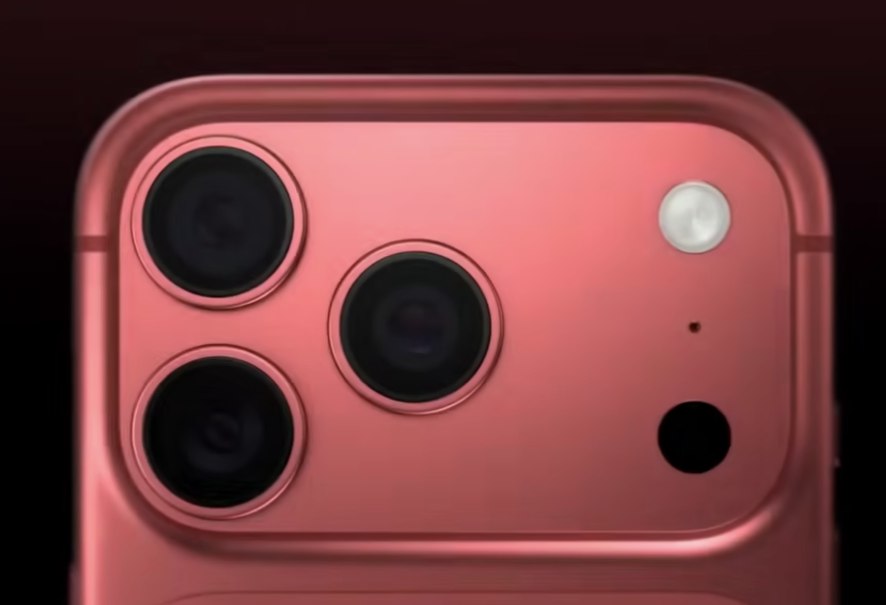
CUPERTINO, Calif. — Apple’s iPhone 18 Pro and iPhone 18 Pro Max are shaping up as major upgrades when they launch in September 2026, with leaks pointing to under-display Face ID, a variable aperture main camera, a record-breaking battery and the A20 Pro chip built on advanced 2nm process technology.
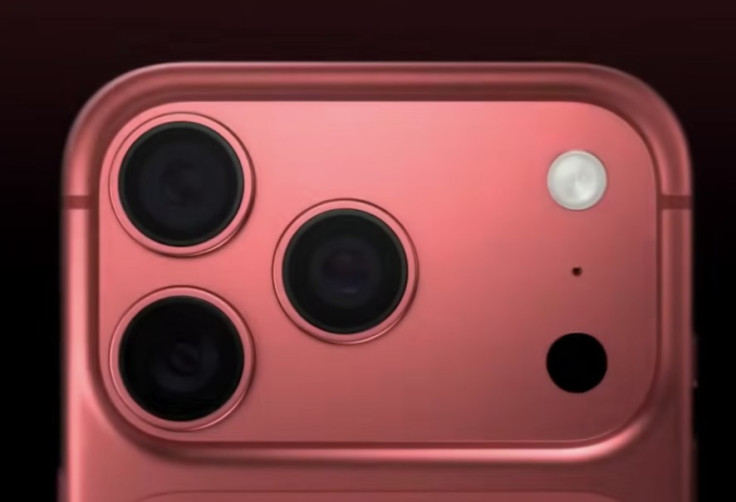
The premium models will debut alongside Apple’s first foldable iPhone in the fall, while the standard iPhone 18 and lower-end variants shift to spring 2027. Production testing for the iPhone 18 Pro series reportedly began in late 2025, with trial manufacturing underway by February 2026, signaling a timeline on track for the traditional September event.
A key highlight is the rumored shift to under-display Face ID, eliminating the Dynamic Island pill on Pro models. Multiple sources, including supply chain reports from South Korea and Chinese leakers like Digital Chat Station, indicate Samsung-supplied LTPO+ OLED panels will embed infrared Face ID sensors beneath the screen. This leaves only a punch-hole front camera (potentially shifted slightly left) visible, creating a cleaner, more seamless display. The redesign could shrink the visible cutout significantly compared to the iPhone 17 series, while maintaining full Face ID functionality and security.
Display sizes are expected to remain similar: around 6.3 inches for the iPhone 18 Pro and 6.9 inches for the Pro Max, with LTPO+ technology enabling higher refresh rates at lower power draw for improved efficiency and battery life.
Camera upgrades dominate speculation. Leaks suggest the 48-megapixel Fusion main sensor gains variable aperture, allowing users to adjust depth of field and light intake dynamically — a first for iPhone — offering greater creative control in photos, especially portraits and low-light shots. The telephoto lens could see a wider aperture than the current f/2.8, enhancing zoom performance and subject isolation. Additional rumors mention refined Camera Control hardware (version 2.0) and potential new color options like deep red, brown, purple or burgundy to refresh the aesthetic.
Battery capacity is another major rumored leap. The iPhone 18 Pro Max could feature a 5,000mAh+ cell — possibly 5,100-5,200mAh depending on SIM configuration — delivering up to 40 hours of usage on a single charge, shattering previous iPhone records. This stems from internal space optimizations, including eSIM-only models in some regions freeing room for larger cells, combined with the power-efficient A20 Pro chip.
The A20 Pro processor, fabricated on a 2nm process (likely by TSMC), promises substantial gains in speed, efficiency and thermal management over the A19 series. Paired with an in-house C2 or N2 modem for improved Wi-Fi, Bluetooth and cellular performance, the chip should enable smoother multitasking, enhanced Apple Intelligence features and longer endurance.
Design remains evolutionary rather than revolutionary. The rear camera plateau and overall form factor are expected to carry over from the iPhone 17 Pro, with minor refinements like a more unified two-tone look or slightly thicker, heavier build for some models. No major redesign is anticipated until a potential 20th-anniversary overhaul in 2027.
Pricing is projected to hold steady at $1,099 for the iPhone 18 Pro and $1,199 for the Pro Max, though global economic factors and component costs could influence final figures. The foldable companion, rumored at around $1,999-$2,399, may reshape perceptions of premium pricing.
As trial production advances and supply chain chatter intensifies, the iPhone 18 Pro series appears poised to deliver meaningful upgrades in photography, battery life and display tech without dramatic overhauls. With the foldable iPhone entering the mix, Apple’s fall 2026 lineup could mark one of its most ambitious in years, balancing familiarity with forward-looking innovation.

Erica Banks Keeps It Real About Tina Knowles’ Cooking Skills

‘Gripping’ BBC murder mystery soars up Netflix top 10 after being quietly added

Australian Shares Close Lower as ASX 200 Falls 0.82% to 8,428 on Mining Weakness


-

 Tech6 days ago
Your Legally Registered ‘Motorcycle’ Might Not Count Under Proposed US Law
-

 Politics22 hours ago
Jenni Murray, Long-Serving Woman’s Hour Presenter, Dies Aged 75
-
 Tech4 days ago
Are Split Spacebars the Next Big Gaming Keyboard Trend?
-

 Fashion22 hours ago
Weekend Open Thread: Adidas – Corporette.com
-

 Business6 days ago
Search for Savannah Guthrie’s Mother Enters Seventh Week with No Arrests
-

 News Videos3 days ago
RBA board divided on rate cut, unusually buoyant share market | Finance Report | ABC NEWS
-
 Crypto World7 days ago
Coinbase and Bybit in Investment Talks: Could Bybit Finally Enter the US Crypto Market?
-
 Crypto World17 hours ago
NIO (NIO) Stock Plunges 6.5% as Shelf Registration Sparks Dilution Worries
-

 Business5 days ago
Australian shares drop as Iran war enters third week
-

 Crypto World5 days ago
Crypto Lender BlockFills Enters Chapter 11 with Up to $500M in Liabilities
-

 Politics3 days ago
The House | The new register to protect children from their abusers shows Parliament at its best
-

 Fashion5 days ago
25 Celebrities with Curly Hair That Are Naturally Beautiful
-

 Tech1 day ago
inKONBINI Lets You Spend Summer Days Behind the Register
-

 Crypto World3 days ago
Canada’s FINTRAC revokes registrations of 23 crypto MSBs in AML crackdown
-
 Politics4 days ago
Real-time pollution monitoring calls after boy nearly dies
-

 Crypto World7 days ago
Crypto Losses Drop 87% in February, But Hackers Are Now Targeting People, Not Code
-
 NewsBeat3 days ago
Residents in North Lanarkshire reminded to register to vote in Scottish Parliament Election
-

 Business5 days ago
Meta planning major layoffs as AI spending and automation reshape workforce
-

 News Videos3 days ago
PARLIAMENT OF MALAWI – PAC MEETING WITH REGISTRAR OF FINANCIAL ON AMARYLLIS HOTEL – INQUIRY LIVE
-

 Politics6 days ago
9 Stylish Leather Jackets Perfect For Spring 2026
You must be logged in to post a comment Login