
Business
Is Istanbul Airport Opened Today? Airport Remains Fully Open and Operational

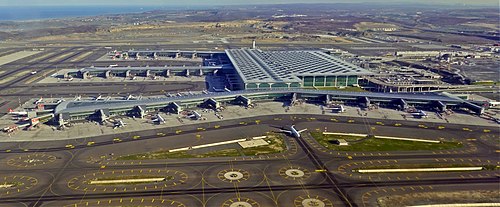
ISTANBUL — Istanbul Airport (IST), one of the world’s busiest aviation hubs, is fully open and operating normally on Saturday, March 21, 2026, with no widespread closures, major shutdowns or emergency restrictions reported, according to official airport data, live flight trackers and Turkish authorities.
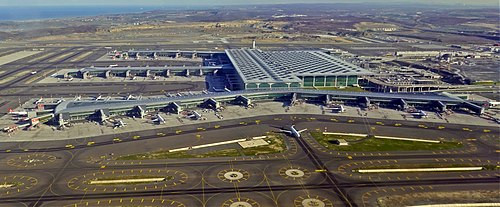
The massive facility — handling over 1,400 scheduled flights daily — shows active arrivals and departures across domestic and international routes. Real-time dashboards from the official iGA Istanbul Airport website display check-in counters open, boarding gates active and passenger processing moving smoothly. Live waiting times remain low: terminal entrance checkpoints at 1-3 minutes, passport control at 13-14 minutes in busiest areas, and domestic controls at 1-2 minutes. Weather conditions are mild with broken clouds, 7-9°C (45-48°F) temperatures, and north winds at 16-18 knots, posing no significant operational threats.
Flight tracking platforms like Flightradar24, FlightStats and FlightAware confirm ongoing activity. Arrival and departure boards list hundreds of flights in progress, including Turkish Airlines services from Guangzhou, Moscow, Ashgabat and Delhi landing or departing as scheduled. Delay indices stand at very low to low levels (0.25-0.4 arrival delay index), with no systemic cancellations or ground stops. Turkish Airlines’ flight status page and third-party aggregators like Skyscanner and Trip.com show real-time updates without blanket alerts for IST.
The airport has maintained operations throughout the ongoing regional tensions stemming from the U.S.-Israeli conflict with Iran, now in its seventh week. While airspace restrictions over Iran, Iraq, Syria, Lebanon, Jordan and parts of the Gulf have forced route diversions, increased congestion in Turkish airspace and temporary suspensions for certain Middle East destinations, Istanbul Airport itself has not faced closure. Turkish Transport Minister Abdulkadir Uraloğlu extended flight halts to Iran, Iraq, Syria, Lebanon and Jordan until March 9 (with some carriers like Turkish Airlines and Pegasus extending to March 12-20), but emphasized that domestic and non-restricted international traffic continues unimpeded.
Earlier disruptions peaked around March 5-6, when airspace closures diverted 15 flights (nine to IST) and caused scattered delays. By mid-March, reports indicated 141 delays and nine cancellations across Istanbul airports on select days, primarily affecting carriers like Pegasus, Qatar Airways, Gulf Air and others on Gulf routes. However, these were route-specific rather than airport-wide shutdowns. Istanbul Airport absorbed diverted traffic efficiently, with no evidence of capacity overload or operational halts.
Officials stress that Turkish airspace remains safe and open, with air traffic services maintained without major interruptions. Istanbul Airport’s role as a global transfer hub has continued, though passengers on affected routes face longer flight times due to rerouting around closed corridors.
Travel advisories from airlines and governments recommend checking individual flight status before heading to the airport. Turkish Airlines and Pegasus have issued notices for suspended or adjusted services to certain Middle East cities, advising passengers to monitor updates via official channels. No new advisories indicate IST-specific closures or major disruptions as of late March 21.
The airport’s live stream and operation center feeds show normal activity in terminals, with passengers moving through security, retail and gates without unusual congestion. Exhibition spaces, including artist Beyazıt Öztürk’s “Things” display, remain open, underscoring the facility’s focus on passenger experience amid external challenges.
Experts note that Istanbul Airport’s design — with three parallel runways, advanced ATC systems and vast capacity — has enabled it to handle increased traffic from diversions while maintaining high on-time performance (around 75-89% in recent metrics). The hub’s strategic location continues to make it a preferred rerouting point for international carriers.
Travelers planning to use IST today or in coming days should verify their specific flight via airline apps, the official airport site (istairport.com) or trackers like Flightradar24. Allow extra time for potential minor delays from regional airspace adjustments, but the airport remains fully accessible for departures, arrivals and connections.
As geopolitical tensions persist, Istanbul Airport’s resilience highlights its critical role in global aviation. No immediate threats to full operations have emerged, and authorities continue monitoring the situation in real time.

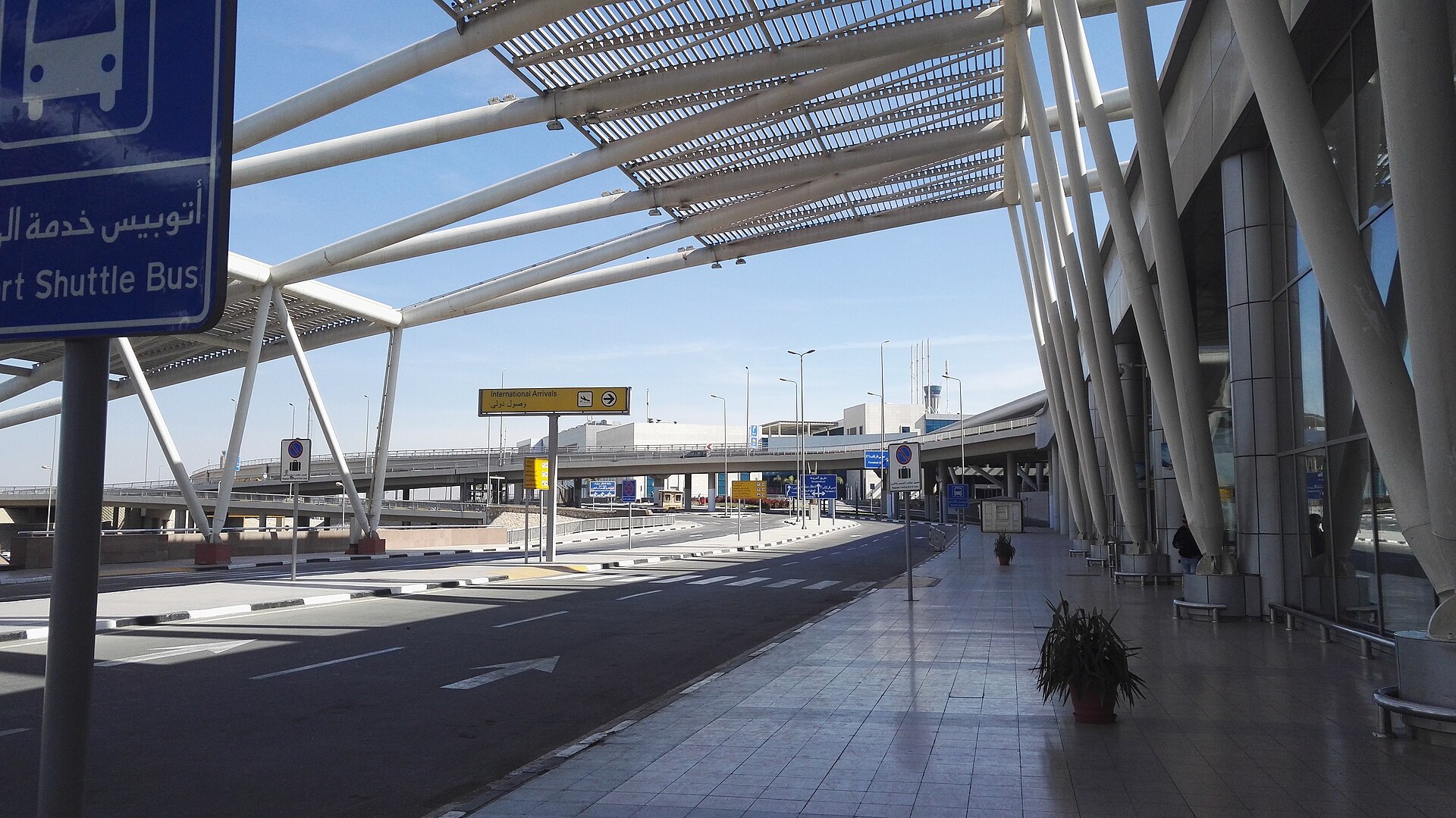
CAIRO — Cairo International Airport (CAI), Egypt’s busiest aviation hub and a key gateway between Africa, Europe, the Middle East and Asia, remains fully open and handling regular commercial passenger traffic on March 21, 2026, despite widespread disruptions across the broader Middle East due to the ongoing U.S.-Israeli conflict with Iran.
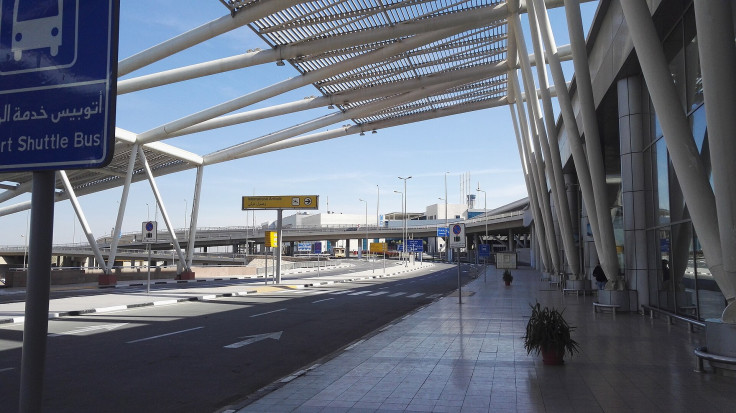
Live flight tracking data from the official Cairo Airport website (cairo-airport.com), FlightStats, Flightradar24 and Trip.com confirm active arrivals and departures throughout the day. As of mid-morning local time (UTC+2), the arrivals board lists numerous flights marked as “Landed,” including services from Athens (A3934), Sharm El Sheikh (SM07), Abu Dhabi (MS1915) and others into Terminals 1, 2 and 3. Departures show scheduled operations to destinations such as Luxor, Sharm el Sheikh, Jeddah, Riyadh and international points, with low reported disruption rates — around 2% impact noted on some trackers like Wego.
The airport’s flight information page displays hundreds of movements, with EgyptAir, Air Cairo and other carriers maintaining core domestic routes to Hurghada, Aswan and Luxor alongside international services. EgyptAir’s flight status tool and third-party platforms report on-time performance in the 74% range for recent days, with minimal cancellations tied to the regional crisis. No blanket suspension or closure notices appear on official channels, and the airport continues to promote services like Ahlan passenger assistance and terminal updates.
Egypt’s airspace has stayed open throughout the conflict, positioning Cairo as a vital rerouting and diversion hub. As neighboring countries — including Iran, Iraq, Kuwait, Bahrain, Qatar and parts of the Gulf — imposed full or severe airspace restrictions following missile exchanges and strikes starting late February 2026, airlines diverted long-haul flights over Egyptian territory. Cairo absorbed overflow from closed hubs like Dubai, Doha and Abu Dhabi, with reports of increased traffic from Europe-to-Asia routings avoiding higher-risk corridors.
Early in the escalation, EgyptAir temporarily suspended flights to 13 regional cities including Dubai, Doha, Beirut, Amman and Baghdad due to direct threats and airspace issues in those areas. However, by mid-March, many carriers gradually resumed or maintained services via safer paths, and Cairo’s operations normalized for unaffected routes. Domestic tourism corridors along the Nile (Cairo-Luxor-Aswan) and Red Sea resorts (Hurghada, Sharm el Sheikh) face no major interruptions.
Authorities placed airports on high alert from the conflict’s outset, coordinating with military and civil aviation bodies to ensure safety amid potential spillover risks. No direct strikes or significant damage have been reported at CAI, unlike incidents affecting facilities in Kuwait and other Gulf states. Egyptian officials emphasized readiness to handle diversions, with contingency measures including enhanced security and radar monitoring.
The U.S. State Department and other governments issued broad advisories urging caution in the Middle East, including Egypt, but stopped short of prohibiting travel or mandating evacuations specific to Cairo. Tourism stakeholders highlighted Egypt’s relative stability, with record visitor numbers projected for 2026 despite regional volatility.
Travelers should verify individual flight status directly with airlines, as dynamic changes can occur due to overflight permissions, fuel considerations or last-minute adjustments. EgyptAir, the primary operator at CAI, urges passengers to check its app or website before heading to the airport. Third-party trackers like FlightAware and Skyscanner provide real-time updates, showing consistent activity even during peak hours.
Cairo’s resilience underscores its strategic role in global aviation networks. With Terminals 1, 2 and 3 operational and ongoing infrastructure projects (including Terminal 4 expansions) progressing, the airport serves as a stable anchor while much of the Gulf aviation sector grapples with prolonged closures.
Passengers planning travel to or through Cairo today or in coming days should monitor official sources: the Cairo Airport website, airline notifications and live trackers. As the conflict remains fluid, situational awareness is key, but current data confirms normal commercial operations at one of Africa’s largest hubs.
Business
NetApp: Robust Profitability And AI Inference Tailwind Poised To Propel This Stock To New Heights (NASDAQ:NTAP)

My investing approach is finding companies with leadership economics associated with their business models and selling at a reasonable price. My articles will primarily discuss a company’s strategy to drive growth, competitive advantage that drives superior return on capital, capital structure, capital allocation, and management incentives. I consider myself a value investor looking for permanent ownership of strong companies with trustworthy management.
Analyst’s Disclosure: I/we have no stock, option or similar derivative position in any of the companies mentioned, and no plans to initiate any such positions within the next 72 hours. I wrote this article myself, and it expresses my own opinions. I am not receiving compensation for it (other than from Seeking Alpha). I have no business relationship with any company whose stock is mentioned in this article.
Seeking Alpha’s Disclosure: Past performance is no guarantee of future results. No recommendation or advice is being given as to whether any investment is suitable for a particular investor. Any views or opinions expressed above may not reflect those of Seeking Alpha as a whole. Seeking Alpha is not a licensed securities dealer, broker or US investment adviser or investment bank. Our analysts are third party authors that include both professional investors and individual investors who may not be licensed or certified by any institute or regulatory body.
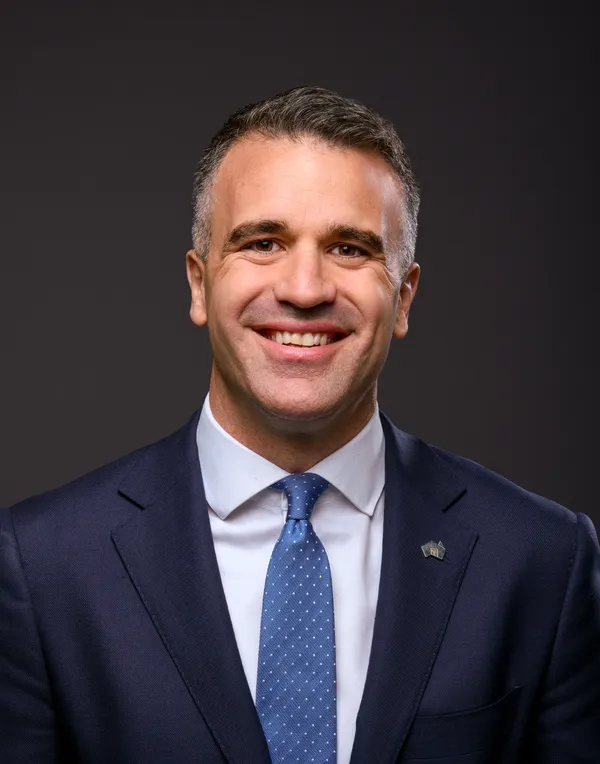
ADELAIDE, Australia — South Australian Premier Peter Malinauskas led the Labor Party to a decisive second-term victory in the March 21, 2026, state election, expanding its majority in the House of Assembly amid a dramatic collapse of the Liberal opposition and a stunning surge by One Nation that reshaped the political landscape.

With counting ongoing late Saturday night, Labor was projected to secure at least 30 seats in the 47-member lower house — up from 27 before the election — while the Liberals appeared headed for a historic low of just four seats. Independents were on track to claim at least four, with preferences still flowing in key marginals. The result delivered Malinauskas a commanding mandate after a campaign dominated by cost-of-living pressures, housing affordability and immigration debates.
Labor captured nearly 38% of the primary vote, comfortably ahead of One Nation’s 21% and the Liberals’ dismal 19%. On a two-party-preferred basis, Labor held a commanding lead of around 59-41 against both major opponents, marking what analysts described as the party’s strongest performance in state history. The swing toward Labor reached 4-5% in many seats, fueled by strong urban and suburban turnout.
The outcome devastated the Liberal Party, led by Ashton Hurn, who assumed the leadership only in December 2025. The Liberals suffered their worst result since federation in any state or federal contest, with early concessions from Hurn at Morphettville Racecourse acknowledging defeat. The party hemorrhaged support in traditional strongholds, particularly outer metropolitan and regional areas where voters shifted to One Nation’s anti-establishment message.
One Nation, under Pauline Hanson’s national banner and with local candidates including Cory Bernardi in some contests, achieved its best-ever primary vote in South Australia. The party’s 21% primary share — up dramatically from just 2.6% in 2022 when it ran in fewer seats — reflected deep discontent with the major parties. Support was particularly strong in regional electorates and outer suburbs, where voters cited economic hardship, immigration concerns and distrust of elites. Despite the surge, One Nation appeared unlikely to win any lower-house seats due to preference flows favoring Labor or independents, though its vote split the conservative bloc and indirectly aided Labor’s gains.
Malinauskas declared victory shortly after 10 p.m. ACDT, thanking voters for endorsing his government’s record on jobs, health and infrastructure. “South Australians have spoken clearly: they want a government focused on delivery, not division,” he said in his victory speech. The premier highlighted achievements like hospital expansions, renewable energy projects and cost-of-living relief measures that resonated with working families.
The campaign featured unusual dynamics, with Malinauskas directly confronting Hanson’s anti-immigration rhetoric in debates and media appearances. Hanson responded sharply, accusing Labor of ignoring regional concerns. The exchange amplified One Nation’s visibility, contributing to its breakthrough performance.
Early voting turnout reached record levels, with more than 454,000 pre-poll ballots cast — a significant portion of the electorate — helping Labor build an insurmountable lead by election night. The South Australian Electoral Commission reported smooth polling day operations, with final results expected over coming days as postal and absentee votes are processed.
The election outcome carries national implications. Labor’s dominance in a traditionally competitive state bolsters federal prospects ahead of potential early polls, while the Liberals’ collapse raises questions about opposition strategy under federal leader Peter Dutton. One Nation’s rise signals growing populist sentiment, echoing trends in other states and potentially influencing Senate dynamics.
Malinauskas, who became premier in 2022 after ending 16 years of Liberal rule, now commands a strengthened majority to pursue ambitious reforms in housing, energy transition and economic diversification. Critics within the party and independents will watch closely for delivery on promises amid fiscal constraints.
As counting continues, the 2026 South Australian election will be remembered as a landslide for Labor, a humiliation for the Liberals and a watershed moment for One Nation’s breakthrough into mainstream contention.


Hi, I’m Yiannis. Spotting winners before they break out is what I do best.Experience: Previously worked at Deloitte and KPMG in external/internal auditing and consulting. Education: Chartered Certified Accountant, Fellow Member of ACCA Global, with BSc and MSc degrees from U.K. business schools. Investment Style: Spotting high-potential winners before they break out, focusing on asymmetric opportunities (with at least upside potential of 3-5X outweighing the downside risk). By leveraging market inefficiencies and contrarian insights, we seek to maximize long-term compounding while protecting against capital impairment.Risk management is paramount—we seek a strong margin of safety to protect against capital impairment while maximizing long-term compounding. Our 2-3 year investment horizon allows us to ride out volatility, ensuring that patience, discipline, and intelligent capital allocation drive outsized returns over time.
Analyst’s Disclosure: I/we have no stock, option or similar derivative position in any of the companies mentioned, but may initiate a beneficial Long position through a purchase of the stock, or the purchase of call options or similar derivatives in CRDO over the next 72 hours. I wrote this article myself, and it expresses my own opinions. I am not receiving compensation for it (other than from Seeking Alpha). I have no business relationship with any company whose stock is mentioned in this article.
Seeking Alpha’s Disclosure: Past performance is no guarantee of future results. No recommendation or advice is being given as to whether any investment is suitable for a particular investor. Any views or opinions expressed above may not reflect those of Seeking Alpha as a whole. Seeking Alpha is not a licensed securities dealer, broker or US investment adviser or investment bank. Our analysts are third party authors that include both professional investors and individual investors who may not be licensed or certified by any institute or regulatory body.

Prestige Consumer Healthcare Inc. (PBH) Breathe Right – M&A Call – Slideshow


I am a private, long-term individual investor with more than 10 years of experience in the equity markets. Over that time I have developed a fundamentally driven, value-oriented approach with a particular interest in companies that are either undervalued or at an inflection point where a turnaround is possible. I spend most of my time looking for situations where market sentiment is overly pessimistic relative to a company’s underlying fundamentals and long-term prospects. For example i initiated positions shortly before meaningful positive re-ratings and fundamental turnarounds for JAMF and Unity Software. I am not a professional fund manager and do not work in the financial industry; I write purely from the perspective of an engaged, research-driven retail shareholder. My educational and professional background is outside of formal finance, which I see as an advantage: it forces me to explain my theses in clear, practical language instead of relying on jargon. My motivation for writing on Seeking Alpha is to share my investment theses, stress-test my ideas with a broader audience and contribute to a serious, data-driven discussion around businesses I follow closely. I hope my work can be useful to other investors who are interested in deep dives on valuation. The views I express are my own as an individual shareholder and do not constitute investment advice.
Analyst’s Disclosure: I/we have a beneficial long position in the shares of SPT either through stock ownership, options, or other derivatives. I wrote this article myself, and it expresses my own opinions. I am not receiving compensation for it (other than from Seeking Alpha). I have no business relationship with any company whose stock is mentioned in this article.
Seeking Alpha’s Disclosure: Past performance is no guarantee of future results. No recommendation or advice is being given as to whether any investment is suitable for a particular investor. Any views or opinions expressed above may not reflect those of Seeking Alpha as a whole. Seeking Alpha is not a licensed securities dealer, broker or US investment adviser or investment bank. Our analysts are third party authors that include both professional investors and individual investors who may not be licensed or certified by any institute or regulatory body.
Business
(VIDEO) BTS Comeback Concert Draws 40,000 Fans to Gwanghwamun Square in Emotional Seoul Return

SEOUL — BTS performed their first full-group concert in nearly four years Saturday, March 21, 2026, at Gwanghwamun Square in central Seoul, drawing an estimated 40,000 to 42,000 fans to the historic plaza despite initial expectations of up to 260,000 attendees.

The one-hour free event, titled “BTS THE COMEBACK LIVE | ARIRANG,” marked the septet’s official return after completing mandatory military service and the release of their fifth studio album *Arirang* on March 20. The seven members — RM, Jin, SUGA, j-hope, Jimin, V and Jung Kook — delivered a set heavy on new material from the album, blending Korean cultural motifs with their signature sound in front of a sea of purple light sticks.
Seoul Metropolitan Government and police estimates placed attendance at 40,000-42,000 in the Gwanghwamun area as the show began at 8 p.m. KST, significantly below pre-event projections of 260,000 that prompted massive security preparations including 15,000 personnel, anti-drone systems and traffic restrictions. About 22,000 fans with free tickets accessed a cordoned-off standing area near the stage, while others watched from surrounding streets on temporary screens or via Netflix’s global livestream to 190 countries.
The lower turnout reflected stricter crowd controls and the symbolic yet compact venue choice — Gwanghwamun Square, flanked by Gyeongbokgung Palace and statues of King Sejong and Admiral Yi Sun-sin — rather than a larger stadium. Authorities designated the area “crowded” but managed dispersal smoothly, with Gwanghwamun Station resuming service by 10 p.m. as fans exited.
The concert opened with RM greeting the crowd: “Hello, Seoul,” before launching into tracks like “Body to Body” and “Swim,” the lead single. The setlist emphasized *Arirang*’s themes of Korean identity and resilience, with fan-favorite moments including group harmonies on “Into the Sun” and a medley nod to older hits. Jung Kook’s high notes, Jimin’s emotive delivery and SUGA’s rap intensity drew cheers, while the members appeared energized despite the long hiatus.
HYBE, BTS’s agency, described the event as a “historic milestone,” with the title *Arirang* — drawn from Korea’s beloved folk song — symbolizing roots and renewal. RM reflected on the wait: “We’ve been away, but our hearts never left.” The show also served as a prelude to the *Arirang World Tour*, starting April 9-12 in Goyang, South Korea, with 82 dates planned across continents through 2027.
The free, open-air format aimed to reach as many fans as possible, with Netflix handling the global stream. While physical attendance fell short of hype, the broadcast reached millions, reaffirming BTS’s worldwide influence. Fans chanted and danced safely, with police praising orderly behavior amid the massive gathering.
The event underscored K-pop’s cultural weight in Korea, temporarily transforming a political and historical landmark into a celebration space. Security was tight — body checks, barricades and restricted access — but the atmosphere remained festive, with purple lights illuminating the square long after the performance ended.
As BTS embarks on their next chapter, the Gwanghwamun show will be remembered as a heartfelt reunion blending intimacy with spectacle, even if the crowd size surprised some observers. The group’s return signals renewed momentum for K-pop’s biggest act.
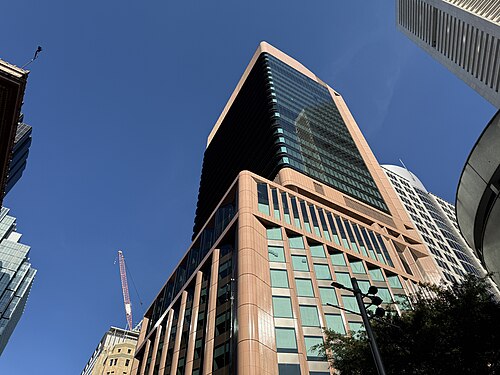
SYDNEY — The Australian share market extended its recent losses Friday, March 20, 2026, with the benchmark S&P/ASX 200 index declining 69.4 points or 0.82% to close at 8,428.40 — its lowest finish in four months and marking a third straight weekly drop amid persistent Middle East tensions and commodity price pressure.

Trading volume reached around 2.39 billion shares, with the index ranging from a low of 8,427.20 to a high of 8,497.80 before settling lower. The broader All Ordinaries index fell 62.4 points or 0.72% to 8,628.30. Year-to-date in 2026, the ASX 200 is down 3.28%, though it remains 6.27% higher than a year ago.
The sell-off reflected ongoing fallout from the U.S.-Israeli conflict with Iran, now in its eighth week, which has driven oil prices higher while weighing on metals and broader growth-sensitive sectors. Brent crude remained elevated, supporting energy stocks but pressuring miners as iron ore, copper and aluminium prices softened.
The materials sector led declines, sliding 1.5% as mining giants faced heavy selling. BHP Group dropped 1.8%, Rio Tinto fell 2.9%, and gold miners retreated sharply with bullion under pressure from inflation fears tied to the conflict. The resources sub-index lost 1.15% for the day, contributing significantly to the index’s drop.
Banking stocks also weighed, ending 1.1% lower as the big four lenders traded in the red. Energy names provided a rare bright spot, rising 0.7% to their highest level since February 2024 on oil gains following Iranian attacks on regional energy infrastructure. European and Japanese support for Strait of Hormuz shipping security and U.S. supply-boost measures offered some offset, but the broader market tone stayed defensive.
The week’s performance was grim: the ASX 200 shed 2.19% over five days and about 7% (roughly $250 billion in market value) since the conflict escalated, according to ABC News and other reports. Thursday’s session had seen a modest rebound, but Friday’s weakness resumed the trend of volatility driven by geopolitical risks and commodity swings.
Broader influences included China’s low growth target and global rate uncertainty. Money markets have dialed up bets on potential rate rises as energy costs feed inflation, adding pressure on consumer and cyclical stocks. The Australian dollar traded around 71.8 US cents, up modestly but still reflecting caution.
Analysts noted the ASX 200’s breach of key support levels, including its 50-day moving average, as a technical signal for further downside risk if tensions persist. Energy stocks’ relative strength provided a hedge, but materials’ heavy weighting dragged the benchmark lower.
Looking ahead, investors will monitor oil developments, any de-escalation signals from the Middle East, and upcoming domestic data. With the index at a four-month low, bargain hunters may emerge on dips, though persistent inflation and geopolitical uncertainty could cap rebounds.
The close capped a turbulent week for Australian equities, with miners and banks bearing the brunt while energy offered limited relief. As global crosscurrents dominate, the ASX 200 remains vulnerable to further swings in commodity prices and risk sentiment.
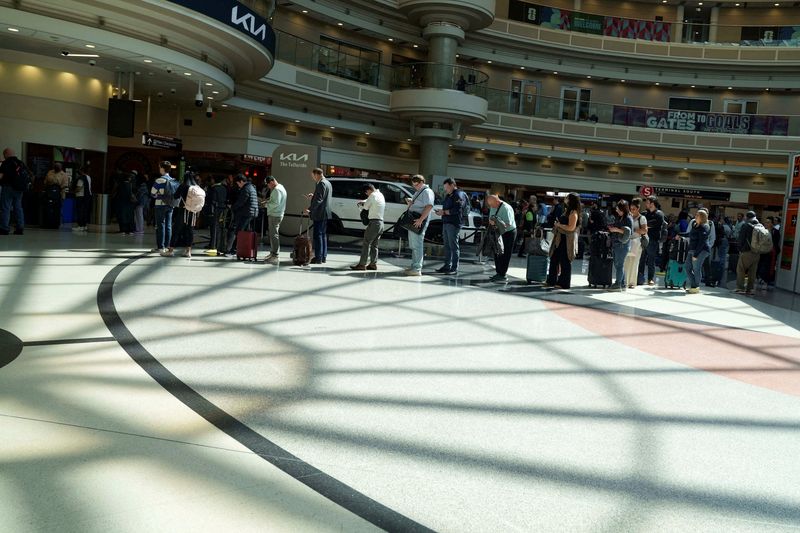

Elon Musk offers to pay TSA salaries amid budget battle, airport lineups

Trump threatens to deploy ICE agents to U.S. airports

People on PIP do not need to report 6 changes under DWP rules – full list

Is Cairo International Airport Open? Airport Fully Operational with Hundreds of Flights

How DeFi is quietly rebuilding the fixed-income stack for institutional capital


-

 Tech6 days ago
Your Legally Registered ‘Motorcycle’ Might Not Count Under Proposed US Law
-

 Politics23 hours ago
Jenni Murray, Long-Serving Woman’s Hour Presenter, Dies Aged 75
-

 Fashion23 hours ago
Weekend Open Thread: Adidas – Corporette.com
-
 Tech4 days ago
Are Split Spacebars the Next Big Gaming Keyboard Trend?
-

 Business6 days ago
Search for Savannah Guthrie’s Mother Enters Seventh Week with No Arrests
-

 News Videos3 days ago
RBA board divided on rate cut, unusually buoyant share market | Finance Report | ABC NEWS
-
 Crypto World7 days ago
Coinbase and Bybit in Investment Talks: Could Bybit Finally Enter the US Crypto Market?
-
 Crypto World18 hours ago
NIO (NIO) Stock Plunges 6.5% as Shelf Registration Sparks Dilution Worries
-

 Business5 days ago
Australian shares drop as Iran war enters third week
-

 Crypto World5 days ago
Crypto Lender BlockFills Enters Chapter 11 with Up to $500M in Liabilities
-

 Politics3 days ago
The House | The new register to protect children from their abusers shows Parliament at its best
-

 Fashion5 days ago
25 Celebrities with Curly Hair That Are Naturally Beautiful
-

 Tech2 days ago
inKONBINI Lets You Spend Summer Days Behind the Register
-

 Crypto World3 days ago
Canada’s FINTRAC revokes registrations of 23 crypto MSBs in AML crackdown
-
 Politics4 days ago
Real-time pollution monitoring calls after boy nearly dies
-

 Crypto World7 days ago
Crypto Losses Drop 87% in February, But Hackers Are Now Targeting People, Not Code
-
 NewsBeat3 days ago
Residents in North Lanarkshire reminded to register to vote in Scottish Parliament Election
-

 Business5 days ago
Meta planning major layoffs as AI spending and automation reshape workforce
-

 News Videos3 days ago
PARLIAMENT OF MALAWI – PAC MEETING WITH REGISTRAR OF FINANCIAL ON AMARYLLIS HOTEL – INQUIRY LIVE
-

 Politics6 days ago
9 Stylish Leather Jackets Perfect For Spring 2026
You must be logged in to post a comment Login