

Business
Kylie Jenner Shines on 2026 Oscars Red Carpet in Bold Schiaparelli Gown


Kylie Jenner turned heads at the 98th Academy Awards on March 15, 2026, stepping out in a striking red Schiaparelli gown to support boyfriend Timothée Chalamet, while her Vanity Fair cover story revealed plans for more children and sparked discussions about her evolving personal and professional life.
The 28-year-old entrepreneur and reality star arrived at the Dolby Theatre in a custom cherry-red bodycon dress featuring a halter neck and dramatic keyhole cutout at the chest, accessorized with Lorraine Schwartz diamond jewelry. Jenner shared the look first on Instagram, posting a video that quickly went viral and drew praise from family members. Sister Khloé Kardashian commented, “My heart skipped a beat,” while mother Kris Jenner responded with a string of red heart emojis. Friend Stassie Karanikolaou added, “OMG YES.”

Jenner attended the Oscars to cheer for Chalamet, nominated for Best Actor in “Marty Supreme,” though he did not win. The couple made their way back to seats together during commercial breaks and later posed at the Vanity Fair Oscar Party, marking a rare joint public appearance on the carpet. They were spotted chatting with Elle Fanning and boyfriend Gus Wenner, fueling “double date” speculation among fans.
The high-profile night followed Jenner’s Spring 2026 Vanity Fair cover, shot by Mert Alas and styled by Paul Sinclaire. The image showed her lighting a cigarette in a mix of Dolce & Gabbana, Hermès, Balenciaga and David Webb pieces. In the accompanying interview published March 11, Jenner opened up about her priorities in her late 20s: focusing on herself, businesses, work and time with children Stormi Webster, 8, and Aire Webster, 4, whom she shares with ex Travis Scott.
“I want to focus on just me, my businesses, my work, traveling with my kids, enjoying my kids,” she said. When asked about expanding her family, she affirmed, “I do want to have more kids,” hinting at future possibilities amid her three-year relationship with Chalamet. She blushed recalling Chalamet’s onstage shout-out to her at the 2026 Critics Choice Awards, calling it “of course” fun.
The Vanity Fair cover drew mixed reactions. Some fans criticized her darkened skin tone, accusing an “ethnicity change” and sparking backlash over beauty standards. Others defended the artistic choice, while the cigarette pose prompted health discussions. Editor-in-Chief Mark Guiducci’s decision to feature Jenner was seen by some as a bid to boost interest in awards season coverage, with one outlet joking the magazine “came begging” to her ahead of the Oscars because “no one cares anymore.”
Jenner’s awards circuit presence extended earlier in the year. She supported Chalamet at the 2026 BAFTAs in London on Feb. 22, opting for a bejeweled black Mugler gown from Tab Vintage and skipping the red carpet before reuniting inside. She also missed the Actor Awards on March 1, where Chalamet attended solo with his mother.
Beyond red carpets, Jenner ventured into music with a surprise feature on Yeat’s track “Let King Tonka Talk,” released in March 2026. Her brief “King Kylie” verse generated buzz and divided opinions—some called it peak crossover, others an instant skip—highlighting her expanding cultural footprint.
Out and about in Los Angeles earlier in the month, Jenner was photographed March 3 in casual outings, maintaining a low-key vibe amid her busy schedule. Kylie Cosmetics continues as a cornerstone of her empire, with recent product drops like the Dewy Balm promoted on social media.
The couple’s relationship, public since 2023, remains a focal point. Speculation about engagement swirled post-Oscars, though no announcements emerged. Chalamet’s supportive gestures and Jenner’s presence at events underscore their bond, even as minor moments—like a perceived cool interaction with his sister Pauline during an Oscars break—sparked online chatter about family dynamics.
As Jenner balances motherhood, business and Hollywood adjacency, her 2026 trajectory shows confidence in personal choices. From bold fashion statements to candid family talks, she navigates scrutiny while embracing growth. With more kids on the horizon and continued spotlight, Jenner’s next chapter promises further evolution.



I’m a full-time individual investor with over ten years of experience in the stock market. I look for asymmetric opportunities—situations where the potential upside is much bigger than the downside—even if the timing or exact path is uncertain. I often lean toward classic value ideas, but I’m happy to explore growth or tech opportunities when the risk-reward ratio is compelling. I especially enjoy digging into businesses that are overlooked or out of favor in the current market environment. Writing on Seeking Alpha gives me the chance to share my thoughts and investment ideas with a broader audience. My aim is to provide clear and useful analysis, but I also simply enjoy the process. Investing is something I’m genuinely passionate about, and writing allows me to turn that passion into conversations with other investors.
Analyst’s Disclosure: I/we have a beneficial long position in the shares of SIVEF either through stock ownership, options, or other derivatives. I wrote this article myself, and it expresses my own opinions. I am not receiving compensation for it (other than from Seeking Alpha). I have no business relationship with any company whose stock is mentioned in this article.
Seeking Alpha’s Disclosure: Past performance is no guarantee of future results. No recommendation or advice is being given as to whether any investment is suitable for a particular investor. Any views or opinions expressed above may not reflect those of Seeking Alpha as a whole. Seeking Alpha is not a licensed securities dealer, broker or US investment adviser or investment bank. Our analysts are third party authors that include both professional investors and individual investors who may not be licensed or certified by any institute or regulatory body.

TeraWulf: Entering Execution Phase
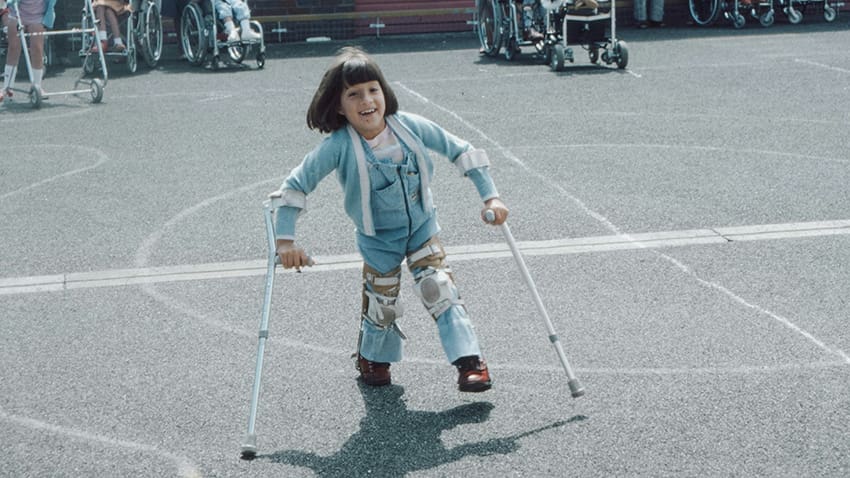
When parents receive a cerebral palsy diagnosis for their child, one of the first questions that surfaces is whether anything could have been done differently.
According to the CDC’s 2024 surveillance data, cerebral palsy affects approximately 3.3 per 1,000 children in the United States, making it the most common motor disability in childhood. As medical understanding of brain development and pregnancy complications has advanced, researchers have identified specific risk factors that contribute to cerebral palsy—some preventable, others beyond our current control.
The question of prevention matters more than ever as prenatal care standards evolve and birth practices continue to improve. For expectant parents and families already navigating this diagnosis, understanding the complex web of factors that can lead to cerebral palsy provides both clarity and a foundation for informed decision-making. This knowledge doesn’t change what’s already happened, but it can guide future pregnancies and help families understand the intricate biological processes that affect brain development during the most vulnerable periods of a child’s life.
Why Understanding Cerebral Palsy Causes Matters Today
Cerebral palsy represents a group of permanent movement and posture disorders caused by damage to the developing brain, typically occurring before, during, or shortly after birth. The complexity of this condition stems from the fact that multiple pathways can lead to the same outcome—brain injury that affects motor control and development.
Current research has moved far beyond the outdated assumption that most cerebral palsy cases result from birth trauma or oxygen deprivation during delivery. Scientists now understand that the majority of cases—roughly 70 to 80 percent—actually originate from events that occur during pregnancy, when the brain is forming its fundamental structures. This shift in understanding has profound implications for prevention strategies and helps explain why some children develop cerebral palsy despite what appears to be an uncomplicated birth.
The brain damage that causes cerebral palsy most commonly affects areas responsible for movement, balance, and posture. Depending on which brain regions are impacted and the extent of the damage, children may experience anything from mild coordination difficulties to severe physical disabilities affecting multiple limbs. What makes this condition particularly challenging to predict is that similar brain injuries can produce vastly different outcomes—one child might have subtle learning differences, while another requires extensive physical support.
Modern medical imaging and genetic testing have revealed that cerebral palsy often results from a combination of factors rather than a single catastrophic event. A child might have a genetic predisposition that makes their brain more vulnerable to injury, experience a maternal infection during a critical development window, and then encounter additional stress during birth. This layered risk model explains why prevention efforts must address multiple potential causes rather than focusing solely on delivery complications.
Understanding these complexities becomes crucial when families face decisions about future pregnancies or when pursuing complex birth injury cases that require detailed analysis of medical care standards. The timeline of brain development and the specific periods when different types of damage can occur directly influence both medical prevention strategies and legal considerations about when preventable harm may have occurred.
What Prenatal and Perinatal Factors Increase Cerebral Palsy Risk?
The period from conception through the first month after birth represents the highest-risk window for the brain injuries that cause cerebral palsy. During pregnancy, the developing brain undergoes rapid cell division and organization, making it particularly vulnerable to disruption from infections, inflammation, or reduced blood flow.
Maternal infections during pregnancy pose one of the most significant modifiable risk factors. When a pregnant woman contracts certain viral or bacterial infections—including cytomegalovirus, toxoplasmosis, rubella, or even severe urinary tract infections—the resulting inflammatory response can cross the placenta and interfere with fetal brain development. The timing of infection matters critically; infections during the second trimester often prove most damaging because that’s when crucial brain structures are forming.
Pregnancy complications that reduce oxygen or nutrient flow to the developing baby also increase cerebral palsy risk substantially. Placental problems like placenta previa or placental abruption can starve the brain of oxygen during critical development periods. Similarly, severe maternal conditions such as uncontrolled diabetes, high blood pressure, or thyroid disorders can compromise the intricate environment the developing brain requires.
Multiple pregnancies carry inherently higher risks, not just because of the increased likelihood of premature birth, but because of complications specific to sharing space in the womb. Twin-to-twin transfusion syndrome, where one baby receives too much blood flow and the other too little, can cause brain damage in either child. Even when one twin is lost during pregnancy, the surviving twin faces elevated cerebral palsy risk due to the sudden changes in blood flow and potential clotting complications.
The timing of birth itself plays a crucial role, with babies born before 32 weeks facing dramatically higher cerebral palsy rates—sometimes 40 to 100 times higher than full-term infants. Premature babies’ brains are not only less developed but also more susceptible to bleeding and infection. The delicate blood vessels in their developing brains can rupture under stress that a full-term baby’s brain would handle without injury.
How Genetic Factors Influence Cerebral Palsy
While environmental factors during pregnancy often take center stage in cerebral palsy discussions, genetic influences play a more significant role than many families realize. Recent research suggests that genetic factors may contribute to 10 to 15 percent of cerebral palsy cases, either as direct causes or by making children more vulnerable to other risk factors.
Single gene mutations can directly cause cerebral palsy-like symptoms, particularly in cases involving metabolic disorders or abnormal brain development. Mutations affecting genes responsible for brain cell migration, blood vessel formation, or cellular energy production can lead to the motor and cognitive challenges characteristic of cerebral palsy. These genetic forms often run in families and may be identifiable through genetic testing.
More commonly, genetic variations increase susceptibility to brain injury without directly causing cerebral palsy. Some children inherit genetic traits that make their brains more sensitive to inflammation, less able to recover from oxygen deprivation, or more prone to bleeding. When these children encounter additional risk factors—like maternal infection or premature birth—they’re more likely to sustain brain damage than genetically typical children facing the same challenges.
Chromosomal abnormalities represent another genetic pathway to cerebral palsy. Conditions like Down syndrome often include cerebral palsy as one component of a broader pattern of developmental differences. In these cases, the altered genetic blueprint affects multiple body systems, including the brain regions controlling movement and coordination.
The interaction between genetic predisposition and environmental factors explains why some families experience cerebral palsy in multiple children despite similar pregnancy care, while others face significant pregnancy complications without any lasting effects. Understanding these genetic components is increasingly important for family planning decisions and for developing personalized prevention strategies.
How Environmental Factors Affect Cerebral Palsy Development
Environmental influences during pregnancy extend far beyond obvious toxins to include factors that many families don’t recognize as risks. Maternal stress, whether from major life events, chronic illness, or socioeconomic pressures, can trigger inflammatory responses that affect fetal brain development. While normal daily stress poses little risk, severe or prolonged stress may increase cerebral palsy likelihood by disrupting the hormonal environment crucial for healthy brain formation.
Nutritional deficiencies during pregnancy, particularly deficits in folate, iron, or omega-3 fatty acids, can impair brain development and increase vulnerability to other risk factors. Maternal malnutrition doesn’t need to be severe to affect fetal brain development; even moderate deficiencies during critical development windows can have lasting consequences.
Exposure to certain medications during pregnancy requires careful risk-benefit analysis. While most prescription medications are safe, some antibiotics, anticonvulsants, and psychiatric medications may increase cerebral palsy risk if used during specific developmental periods. The challenge lies in balancing maternal health needs against potential fetal risks—sometimes treating maternal conditions actually reduces overall risk to the developing baby.
Environmental toxins including lead, mercury, and certain pesticides can cross the placental barrier and interfere with normal brain development. Even low-level exposures that wouldn’t affect adult health may disrupt the precise cellular processes required for proper brain formation. Geographic factors, occupational exposures, and household environments all contribute to cumulative toxin loads during pregnancy.
Which Birth Complications and Brain Development Issues Cause Cerebral Palsy?
The birth process itself, while representing only a small percentage of cerebral palsy causes, involves intense physical stresses that can occasionally overwhelm a baby’s developing brain. Prolonged labor or difficult deliveries sometimes reduce oxygen flow to the brain for periods long enough to cause permanent damage. However, contrary to historical assumptions, most babies tolerate even challenging deliveries without lasting neurological effects.
Hypoxic-ischemic encephalopathy—brain injury from oxygen deprivation—represents the most serious birth-related cause of cerebral palsy. This condition occurs when blood flow to the brain is severely compromised during delivery, often due to umbilical cord complications, placental problems, or maternal blood pressure crises. The extent of brain damage depends on both the severity and duration of oxygen deprivation, with some children recovering completely while others develop severe disabilities.
Neonatal strokes affect approximately 1 in 2,000 newborns and can occur before, during, or immediately after birth. These strokes—caused by blood clots or bleeding in the brain—often go unnoticed initially because newborns can’t communicate symptoms. Brain imaging may reveal stroke damage months later when parents notice delayed motor development or asymmetric movement patterns.
Infections during the newborn period pose particular dangers because babies’ immune systems are still developing. Bacterial meningitis, viral encephalitis, or severe sepsis can cause brain inflammation and damage that leads to cerebral palsy. Group B strep infections, transmitted from mother to baby during delivery, represent one of the most preventable causes of newborn brain infection.
Severe jaundice that goes untreated can cause a condition called kernicterus, where high levels of bilirubin damage brain cells controlling movement and hearing. While routine newborn screening has made kernicterus rare in developed countries, it remains a preventable cause of cerebral palsy when appropriate monitoring and treatment are delayed.
Brain hemorrhages in premature infants represent another critical pathway to cerebral palsy. The fragile blood vessels in developing brains can rupture from changes in blood pressure, oxygen levels, or blood flow that occur during intensive care treatment. While neonatal intensive care saves many lives, the interventions required for survival sometimes contribute to brain injury in the most vulnerable babies.
The period immediately following birth continues to pose risks as newborns adapt to breathing, maintaining body temperature, and managing blood sugar independently. Severe complications during this transition—particularly prolonged low blood sugar, persistent breathing difficulties, or temperature regulation problems—can stress the brain enough to cause lasting damage.
What Prevention Strategies Can Lower Cerebral Palsy Risk?
Modern prevention strategies focus on reducing known risk factors rather than eliminating cerebral palsy entirely, since many contributing factors remain beyond medical control. Comprehensive prenatal care represents the most effective prevention approach, starting with pre-conception counseling that addresses genetic risks, maternal health optimization, and lifestyle modifications that support healthy brain development.
Infection prevention during pregnancy offers some of the most tangible risk reduction opportunities. This includes routine screening for and treatment of urinary tract infections, group B strep testing near delivery, vaccination against preventable diseases, and careful food safety practices to avoid toxoplasmosis and listeria. While not all infections can be prevented, reducing exposure and ensuring prompt treatment when infections occur significantly lowers cerebral palsy risk.
Management of maternal health conditions before and during pregnancy can prevent many of the complications that threaten fetal brain development. Controlling diabetes, treating high blood pressure, managing thyroid disorders, and addressing blood clotting problems all contribute to creating the stable environment developing brains require. Sometimes this means adjusting medications or increasing monitoring frequency, but untreated maternal conditions typically pose greater risks than carefully managed treatment.
Timing of delivery decisions has evolved substantially as research reveals the optimal balance between fetal maturity and pregnancy risks. While preventing premature birth remains a priority, understanding when the risks of staying in the womb outweigh the risks of early delivery helps guide decisions about timing interventions. Advanced fetal monitoring and improved neonatal care have expanded the safety margin for these complex decisions.
Magnesium sulfate administration to mothers in preterm labor has emerged as one of the most evidence-based cerebral palsy prevention strategies. Research shows that magnesium sulfate given to women delivering before 32 weeks can reduce the risk of cerebral palsy in their babies by approximately 30 percent. This relatively simple intervention demonstrates how targeted prevention strategies can have meaningful impacts.
The reality is that many cerebral palsy cases occur despite excellent medical care and optimal conditions. Current prevention strategies can reduce risk but cannot eliminate it entirely. For families navigating this complex landscape, understanding both the possibilities and limitations of prevention provides a realistic framework for making informed decisions about pregnancy care and family planning. The goal is not perfection, but rather the best possible outcomes given current medical knowledge and individual circumstances.
Business
The Kraft Heinz Company 2026 Q1 – Results – Earnings Call Presentation (NASDAQ:KHC) 2026-05-09

Q1: 2026-05-06 Earnings Summary
EPS of $0.58 beats by $0.08
| Revenue of $6.05B (0.80% Y/Y) beats by $167.59M

Seeking Alpha’s transcripts team is responsible for the development of all of our transcript-related projects. We currently publish thousands of quarterly earnings calls per quarter on our site and are continuing to grow and expand our coverage. The purpose of this profile is to allow us to share with our readers new transcript-related developments. Thanks, SA Transcripts Team

Bernstein SocGen raises Sony stock price target on profitability focus
Target Hospitality delivers 63% return after Fair Value call

Author of The Macro Obsession | Investment Advisor | Economics Wonk | Top 5% on TipRanks | Long Signal, Short Noise. The Macro Obsession is my weekly newsletter on what’s actually moving finance, tech, and the real economy. My work is built around a single pursuit: catching narrative shifts before mainstream financial media catches up. I call it the hunt for information alpha. The approach is chart-heavy, macro-oriented, and data-driven. I invest across securities and asset classes, with a focus on ETFs, and I’m best known as a macro analyst. I also cover individual names I’m trading or considering—typically technology, next-gen energy, and large caps with a story worth telling. Off page, I’m a financial planner and investment advisor at Fintent Invest Inc., a Monrovia,CA-based RIA.”Successful investing requires holding uncomfortably idiosyncratic positions.” — Howard Marks, paraphrasing David Swensen “History does not repeat, it instructs.” — Timothy Snyder, On Tyranny
Analyst’s Disclosure: I/we have a beneficial long position in the shares of XYZ either through stock ownership, options, or other derivatives. I wrote this article myself, and it expresses my own opinions. I am not receiving compensation for it (other than from Seeking Alpha). I have no business relationship with any company whose stock is mentioned in this article.
Seeking Alpha’s Disclosure: Past performance is no guarantee of future results. No recommendation or advice is being given as to whether any investment is suitable for a particular investor. Any views or opinions expressed above may not reflect those of Seeking Alpha as a whole. Seeking Alpha is not a licensed securities dealer, broker or US investment adviser or investment bank. Our analysts are third party authors that include both professional investors and individual investors who may not be licensed or certified by any institute or regulatory body.
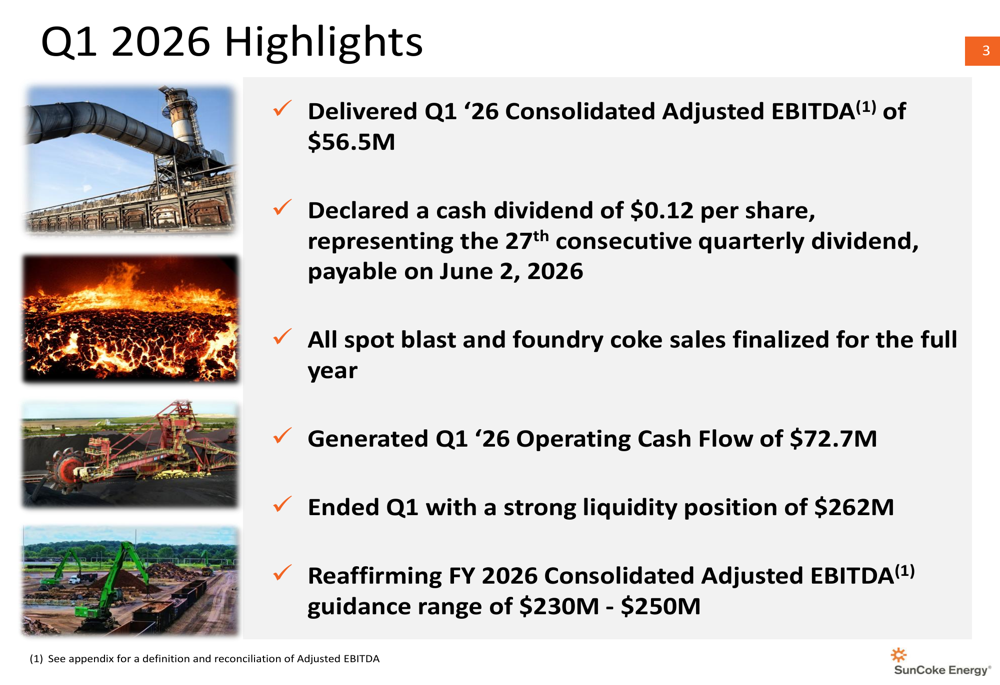
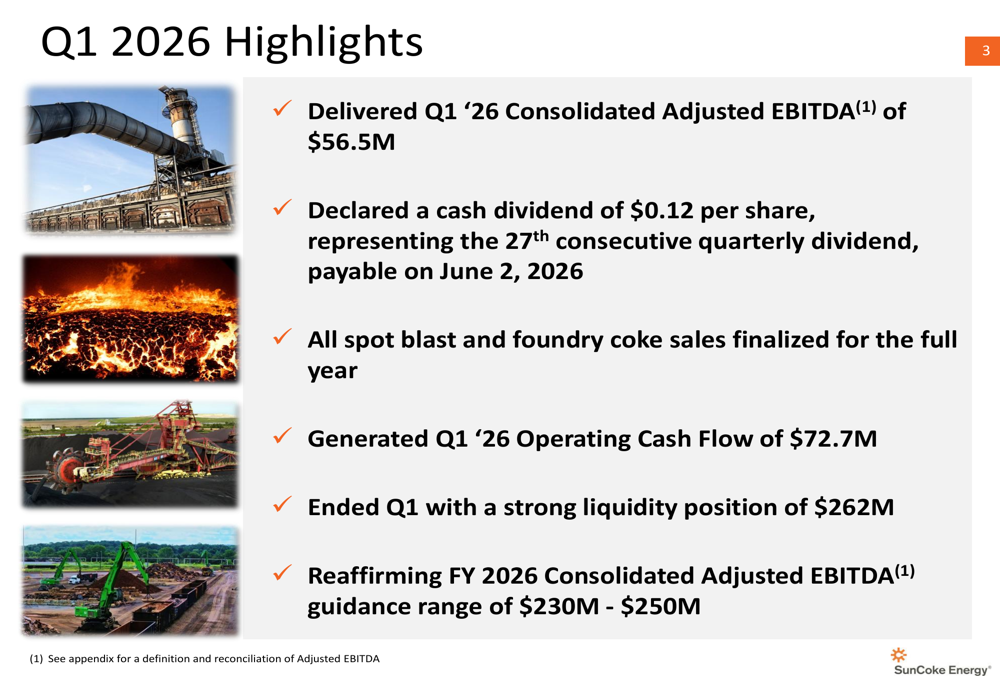
SunCoke Energy Q1 2026 slides: EBITDA dips as weather, turbine hit coke
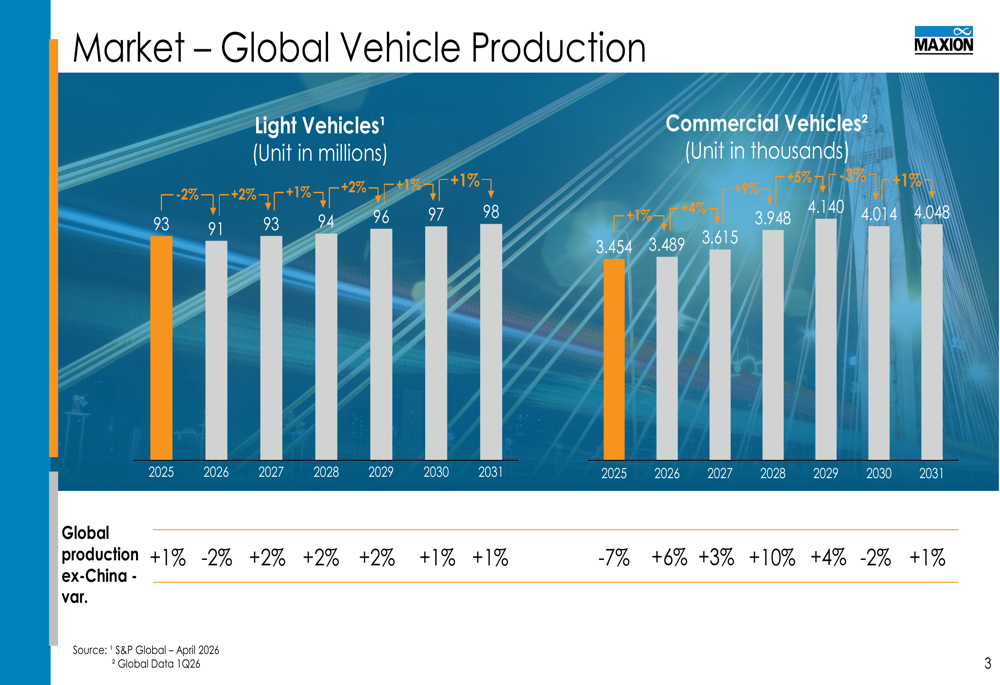
Iochpe-Maxion Q1 2026 slides: margins expand despite revenue miss

On Friday, FIIs sold domestic shares to the tune of Rs 4,110.60 crore while domestic institutional investors (DIIs) were net buyers at Rs 6,748.13 crore.
Despite DIIs throwing around their weight, benchmark indices ended with sharp cuts on Friday, recording their second successive decline amid significant selling in the financial stocks. While Nifty plunged 150.50 points or 0.62% to close at 24,176.15, the BSE Sensex settled at 77,328.19, down 516.33 points or 0.66%.
Commenting on the current trends, N. ArunaGiri, CEO at TrustLine Holdings said domestic markets continue to see FII selling despite a nearly $50 billion sell-off since September 2024 at a time when South Korea received nearly $4 billion and Taiwan around $5.5 billion in flows.
“India is still not getting its due share of emerging market allocations. This clearly indicates that FIIs currently do not find India as attractive from an allocation perspective. As a result, large caps have relatively underperformed, while strong domestic flows have continued to support the SMID segment. As long as FIIs do not meaningfully increase India allocations, the market is likely to remain highly stock-specific, driven by earnings visibility and bottom-up opportunities rather than momentum rally led by large caps,” ArunaGiri said.

Outlook
Bajaj Broking said institutional activity is expected to be largely driven by global developments, going forward. The progress or deterioration of the U.S.–Iran negotiations will remain a key factor to monitor, he said, outlining significant implications for geopolitical stability and the potential impact on crude oil price volatility.
FIIs in 2026
War-induced sell-off in March made it the worst month this year, witnessing an exodus worth Rs 1,17,775 crore. April was not kind too, with outflows of Rs 60,847 crore. Foreign investors turned net buyers in February, buying shares worth Rs 22,615 crore in the domestic markets so far. In January, they sold Rs 35,962 crore worth of shares.
In 2025, the FIIs buying trends remained patchy, but the overall trend was bearish. They took Rs 1,66,286 crore from Indian markets as trade deal delay and premium valuations weighed on the sentiments.
Also read: FII ownership hits 14-year low to 14.7%; DII cushions Indian markets with 18.9% rise: Report
(Disclaimer: Recommendations, suggestions, views and opinions given by the experts are their own. These do not represent the views of Economic Times)

Sivers Semiconductors: A Small Cap Bet On AI’s Next Bottleneck (OTCMKTS:SIVEF)

ValiDrive helps detect fake USB drives and storage devices
Bitcoin vs. The Hantavirus: Is BTC Bracing for Another ‘Black Swan’ Event?

Manchester United reach agreement with Casemiro over contract clause amid transfer speculation

US brings back mandatory military draft registration

Steven Gerrard disagrees with Gary Neville over ‘shock’ Chelsea and Arsenal claim | Football


-
 Crypto World1 day ago
HarrisX Poll Found 52% of Registered Voters Support the CLARITY Act
-

 NewsBeat6 days ago
Channel 5 – All Creatures Great and Small series 7 new post
-

 Crypto World2 days ago
Upbit adds B3 Korean won pair as Base token gains Korea access
-

 Tech5 days ago
Image AI models now drive app growth, beating chatbot upgrades
-

 News Videos6 days ago
AP Dhillon – Old Money (Official Audio)
-
 NewsBeat2 days ago
NCP car park operator enters administration putting 340 UK sites at risk of closure
-

 Fashion18 hours ago
Weekend Open Thread: Marianne Dress
-

 Sports6 days ago
Five killed in Texas plane crash identified as Amarillo pickleball players
-
Entertainment7 days ago
New Netflix Movies in May 2026 — My Top 3 Picks to Stream
-
 Crypto World7 days ago
Pi Network Mandates Protocol 23 Upgrade for All Mainnet Nodes Before May 15 Deadline
-
Entertainment6 days ago
Anna Nicole Smith’s Daughter Attends 2026 Kentucky Derby
-

 Crypto World6 days ago
Bitcoin mining equities rise in 2026 as BTC lags behind
-

 Entertainment6 days ago
Melissa Joan Hart and More Stars Attend 2026 Kentucky Derby
-
Entertainment6 days ago
Venus Williams’ Best Met Gala Looks Over the Years
-

 Business6 days ago
Luka Doncic Injury Update: Doncic’s Hamstring Recovery Slows Lakers’ Hopes Against Thunder: Can He Run Yet?
-
Entertainment6 days ago
“Storage Wars” star Darrell Sheets' ex-wife breaks silence on his death
-

 Sports6 days ago
Is Man United v Liverpool on TV? Channel, streaming and how to watch Premier League fixture
-

 Business7 days ago
Kuwait International Airport Resumes Operations After Closure as Regional Tensions Ease in 2026
-
 Entertainment7 days ago
Netflix’s 10-Part Miniseries Based on a True Story Is a Perfect Weekend Binge
-
Crypto World7 days ago
Q1 2026 Tech Layoffs AI Wave Hits 81,747 as Firms Shift to AI Infrastructure
You must be logged in to post a comment Login