Mary Barra, CEO of General Motors, attends the annual Allen and Co. Sun Valley Media and Technology Conference at the Sun Valley Resort in Sun Valley, Idaho, on July 8, 2025.
David A. Grogan | CNBC
DETROIT — General Motors is proving to be a star tightrope walker when it comes to balancing its profits, vehicle portfolio and political whiplashing under the Trump administration.
Advertisement
The Detroit automaker’s 2025 results propelled GM’s stock Tuesday to a fresh record high as the company beat earnings expectations and projected an even better 2026, including a 20% increase in its dividend and a new $6 billion stock buyback authorization.
Those kinds of results are nothing new for GM, but Wall Street analysts say the company is drawing more investor interest than its peers amid the U.S. auto industry’s slowing sales, political turmoil and tariffs.
“GM stands out for strong execution, proven resilience, high earnings quality (i.e. strong [free cash flow] amid inventory de-stock), capital allocation and a unique NA Truck Franchise sporting far better fundamentals vs. traditional passenger auto,” TD Cowen analyst Itay Michaeli wrote in a Tuesday investor note.
Shares of GM are up more than 70% during the past year, with multiple Wall Street analysts raising their price targets to record levels after earnings, including TD Cowen, which hiked its target Tuesday by 10% to $122 per share.
Advertisement
GM is also increasingly standing out from its closest U.S. rivals Ford Motor and Stellantis when it comes to earnings performance and capital execution, according to many analysts.
“We rate GM Overweight for its best-in-class execution amongst North America–based auto OEMs, consistent management team and strategy, and strong product portfolio allowing for above-industry pricing and margin,” JPMorgan analyst Ryan Brinkman wrote in a Tuesday investor note.
Ford’s shares are up more than 35% during the past year, but its adjusted earnings forecast for the year is roughly half of what GM reported for 2025. Its adjusted free cash flow expectations also are billions below GM’s in recent years.
Advertisement
GM, Ford and Stellantis stocks
U.S.-listed shares of Stellantis, which is going through a major restructuring, are off roughly 27% over the past year. The company’s results have largely disappointed Wall Street recently, as it attempts to focus on a U.S. turnaround.
GM’s 2025 results included $2.7 billion in net income attributable to stockholders, or earnings per share of $3.27; adjusted earnings before interest and taxes of $12.7 billion, or $10.60 per share; and adjusted automotive free cash flow of $10.6 billion.
The biggest challenge for the automotive industry as a whole has been increased costs due to tariffs and inflation. GM expects tariffs will cost it $3.5 billion and inflation will be a $1.25 billion, at the midpoints, in 2026.
But GM plans to mitigate some of that. The automaker expects to offset those costs with $500 million to $750 million in regulatory savings under Trump policies, narrower EV losses of $1 billion to $1.5 billion from lower production, and billions of dollars in other benefits such as pricing and warranty expenses.
“For ’26, commodity and onshoring headwinds could be offset by regulatory benefits, warranty improvements, narrowing EV losses, and lower tariffs resulting from USMCA negotiations,” RBC Capital analyst Tom Narayan said in a Tuesday investor note.
GMC SUVs parked outside a GMC Buick dealership in Edmonton, Alberta, Canada, on March 22, 2025.
Advertisement
Artur Widak | Nurphoto | Getty Images
More broadly, the automaker’s EV retreat, including $7.9 billion in write-downs last year, means it’s going to continue to sell more profitable traditional vehicles with internal combustion engines.
And GM can now produce as many gas-guzzling vehicles as the company would like without federal penalties, which were eliminated by the Trump administration. It will also save billions of dollars on purchasing credits to offset such penalties.
GM CFO Paul Jacobson said on a call with investors Tuesday that no matter what changes come to the auto industry, GM’s success depends on its ability to adapt to new environments and the profitability of its vehicles.
Advertisement
“In the face of a rapidly evolving industry and significant macro challenges, the resilience and adaptability of the GM team have been truly exceptional,” he said.
Cash is king
GM’s balancing act is easier when it can fall, if needed, onto piles of cash. Jacobson on Tuesday noted the company had more than $20 billion to end last year, referring to its $12.7 billion of EBIT-adjusted earnings and $10.6 billion of adjusted automotive free cash flow in 2025.
The Detroit automaker has been able to increase its average annual free cash flow generation from $3 billion to $10 billion over the past five years.
“This robust cash generation enables us to execute confidently across all pillars of our capital allocation framework,” Jacobson said. “Looking ahead to 2026 and 2027, we expect to invest $10 billion to $12 billion annually, including approximately $5 billion to expand U.S. manufacturing capacity for some of the highest-demand vehicles and further reduce our tariff exposure.”
Advertisement
That cash flow has been in addition to returning $23 billion back to shareholders through repurchases since November 2023. That has helped boost the company’s stock price by eliminating more than 465 million shares, or nearly 35%, of its outstanding shares that are now at about 930 million.
GM was among the first major automakers to report its fourth-quarter and 2025 earnings. Its performance puts pressure on others to prove their tightrope-walking ability as well.
“We think it’s important to remember this is a very different business today vs. the GM of a decade ago, with a much more resilient earnings profile than appreciated, and a more balanced and pragmatic approach to investment. GM seems on track to return to the same robust earnings level achieved in recent years, even with tariff costs in its cost structure,” Barclays analyst Dan Levy said in a Wednesday investor note.
GM also alluded to its costs and earnings continuing to improve post-2026 as it works to realign its lineup, improve costs and onshore more production to the U.S.
Advertisement
GM’s 2026 earnings guidance includes net income attributable to stockholders of between $10.3 billion and $11.7 billion; adjusted earnings before interest and taxes of $13 billion to $15 billion; and earnings per share of between $11 and $13 for the year.
A council report shows that an administrative deadline had been missed by the applicant with the previous planning permission then expired in July 2022. A new application was entered in February 2023.
The co-founder of a major Northern Ireland distribution company has had plans for a Lisburn home refused despite a previous approval.
Planning officers had recommended a refusal of the Glenavy Road house and garage by applicant ‘Lynne Morrow’, but the building had already been granted permission in 2019.
In chambers, Matrix planning agent for the applicant, Andy Stephens said:”The critical issue here is over one not two dwellings.
“Officers say the gap on the site does not comply, but it is common sense dictates to approve these plans as the policy makes no sense.”
The PRM Group co-founded by Ms Morrow, which transports chilled and frozen foods, has announced plans (April 2025) to build a new £25m facility at its Lisburn headquarters, for which it has received planning permission.
The firm, founded in 1988, delivers well known food brands with over 300,000 cases of food every week transported across the island of Ireland.
Advertisement
A council report shows that an administrative deadline had been missed by the applicant with the previous planning permission then expired in July 2022. A new application was entered in February 2023.
Lisburn North UUP councillor Nicholas Trimble said:”I think that the gap of 45 metres on the site can be for two houses.
“When you look at the other house on the site, right on the doorstep of these plans we have a precedent.
“Should there ought to be two dwellings in the gap? Probably not.
Advertisement
“Perhaps we have been heavy handed in the past.
“However, to me this is a ribbon development with a gap for two dwellings.
“So there is enough wriggle room for me to go against the officers’ recommendations.”
The size issue before the chamber centres around a change in planning policy (June 2023) on space for an infill rural house being enough for two dwellings.
Advertisement
The size of the new builds are compared to what is already on the site and a gap measured in between buildings.
Council officers suggest that there is not enough space at the Glenavy site and it is not an acceptable application for the countryside.
This led to a site visit by the planning committee (Jan 22) which caused a split in chambers over how councillors viewed the
Castlereagh East Alliance Alderman Martin Gregg added:”I would agree with Councillor Trimble in many things, but not that we have been heavy handed.
Advertisement
“The policy has now shifted since and is being applied fairly.”
The planning committee voted with six supporting the refusal and three against.
For all the latest news, visit the Belfast Live homepage here.To sign up to our FREE newsletters, see here.
Scientists are calling for urgent action on free-living amoebas – a little-known group of microbes that could pose a growing global health threat. Here’s what you need to know.
Free-living amoebas are single-celled organisms that don’t need a host to live. They are found in soil and water, from puddles to lakes.
What makes them remarkable is their ability to change shape and move using temporary arm-like extensions called pseudopodia – literally “false feet”. This allows them to thrive in an astonishing range of environments.
What is the ‘brain-eating amoeba’ and how dangerous is it?
The most notorious free-living amoeba is Naegleria fowleri, commonly known as the “brain-eating amoeba”. It lives naturally in warm freshwater, typically between 30°C and 40°C – lakes, rivers and hot springs. But it is rarely found in temperate countries such as the UK, due to the cold weather.
Advertisement
The infection happens when contaminated water enters through the nose, usually while swimming. From there, the amoeba travels along the nasal passages to the brain, where it destroys brain tissue. The outcome is usually devastating, with a mortality rate of 95%-99%.
Occasionally, Naegleria fowleri has been found in tap water, particularly when it’s warm and hasn’t been properly chlorinated. Some people have become infected while using contaminated tap water to rinse their sinuses for religious or health reasons.
Fortunately, you cannot get infected by drinking contaminated water, and the infection doesn’t spread from person to person.
Nasal rinsing with contaminated tap water is risky. Zaruna/Shutterstock.com
Why are these amoebas so difficult to kill?
Brain-eating amoebas can be killed by proper water treatment and chlorination. But eliminating them from water systems isn’t always straightforward.
Advertisement
When they attach to biofilms – communities of microorganisms that form inside pipes – disinfectants like chlorine struggle to reach them, and organic matter can reduce the disinfectants’ effectiveness.
The amoeba can also survive warm temperatures by forming “cysts” – hard protective shells – making it harder to control in water networks, especially during summer or in poorly maintained systems.
What is the ‘Trojan-horse effect’ and why does it matter?
Free-living amoebas aren’t just dangerous on their own. They can also act as living shields for other harmful microbes, protecting them from environmental stress and disinfection.
While amoebas normally feed on bacteria, fungi and viruses, some bacteria – like Mycobacterium tuberculosis (which causes TB) and Legionella pneumophila (which causes legionnaires’ disease) – have evolved to survive and multiply inside them. This helps these pathogens survive longer and potentially become more dangerous.
Advertisement
Amoebas also shelter fungi such as Cryptococcus neoformans, which can cause fungal meningitis. It can also shelter viruses, such as human norovirus and adenovirus, which cause respiratory, eye and gastrointestinal infections.
By protecting these pathogens, amoebas help them survive longer in water and soil, and may even help spread antibiotic resistance.
How is climate change making the problem worse?
Climate change is probably making the threat from free-living amoebas worse by creating more favourable conditions for their growth.
Naegleria fowleri thrives in warm freshwater. As global temperatures rise, the habitable zone for these heat-loving amoebas has expanded into regions that were previously too cool. This potentially exposes more people to them through recreational water use.
Advertisement
Several recent outbreaks linked to recreational water exposure have already raised public concern in multiple countries. These climate-driven changes – warmer waters, longer warm seasons, and increased human contact with water – make controlling the risks more difficult than ever before.
Are our water systems adequately checked for these organisms?
Most water systems are not routinely checked for free-living amoebas. The organisms are rare, can hide in biofilms or sediments, and require specialised tests to detect, making routine monitoring expensive and technically challenging.
Instead, water safety relies on proper chlorination, maintaining disinfectant levels, and flushing systems regularly, rather than testing directly for the amoeba. While some guidance exists for high-risk areas, widespread monitoring is not standard practice.
Beyond brain infections, what other health risks do these amoebas pose?
Free-living amoebas aren’t just a threat to the brain. They can cause painful eye infections, particularly in contact lens users, skin lesions in people with weakened immune systems, and rare but serious systemic infections affecting organs such as the lungs, liver and kidneys.
Advertisement
What’s being done to address this threat?
Free-living amoebas such as Naegleria fowleri are rare but can be deadly, so prevention is crucial. These organisms don’t fit neatly into either medical or environmental categories – they span both, requiring a holistic approach that links environmental surveillance, water management, and clinical awareness to reduce risk.
Environmental change, gaps in water treatment and expanding habitats make monitoring – and clear communication of risk – more important than ever.
Keeping water systems properly chlorinated, flushing hot water systems, and following safe recreational water and contact lens hygiene guidelines all help reduce the chance of infection. Meanwhile, researchers continue to improve detection methods and doctors work to recognise cases early.
Should people be worried about their tap water or going swimming?
People cannot get infected with free-living amoebas like Naegleria fowleri by drinking water, even if it contains the organism. Infection occurs only when contaminated water enters the nose, allowing the amoeba to reach the brain. Swallowing the water poses no risk because the amoeba cannot survive or invade through the digestive tract.
Advertisement
The risk from swimming in well-maintained pools or treated water is extremely low. The danger comes from warm, untreated freshwater, particularly during hot weather.
What can people do to protect themselves?
People can protect themselves from free-living amoebas by reducing exposure to warm, stagnant water. Simple steps include avoiding putting your head underwater in lakes or rivers during hot weather, using nose clips when swimming, choosing well-maintained pools, and keeping home water systems properly flushed and heated.
Contact lens users should follow strict hygiene and never rinse lenses with tap water. For nasal rinsing, only use sterile, distilled, or previously boiled water.
Awareness is key. If you develop a severe headache, fever, nausea, or stiff neck after freshwater exposure, seek medical attention immediately – early treatment is critical.
Asked by reporters about Trump’s unambiguous call “to nationalise the voting,” White House press secretary Karoline Leavitt attempted to spin his authoritarian urge as merely an endorsement of Republicans’ desire for a voter ID law.
“What the president was referring to is the SAVE Act,” she said Tuesday, referring to Republican legislation that would likely disenfranchise millions of voters. “Because it provides very common sense measures for voting in our country, such as voter ID.”
Leavitt added that Trump “believes there has obviously been a lot of fraud and irregularities that have taken place in American elections.”
Beyond Trump’s constant lies about the 2020 presidential election, there’s no evidence that’s the case.
Advertisement
Leavitt’s spin is a stark departure from Trump’s actual comments Monday on Dan Bongino’s podcast, where, without any evidence, he claimed to have won states in 2020 he actually lost and urged Republicans “to take over the voting.”
“We have states that I won that show I didn’t win,” Trump told Bongino, who resigned as deputy FBI director in December.
“I won in a landslide. I won everything. I won a thing called counties,” Trump said.
“The Republicans should say, ‘We want to take over — we should take over the voting in at least, many, 15 places,’” he continued. “The Republicans ought to nationalise the voting. We have states that are so crooked, and they’re counting votes.”
Advertisement
The president then pointed to last week’s FBI raid of the election headquarters of Fulton County, Georgia, and ominously predicted people are “going to see something” result from it.
Federal agents walked off with “24 pallets, which encompassed 656 boxes of 2020 election documents,” WSB-TV reports.
Trump lost Georgia in 2020 and has spent the last six years fuelling conspiracies to the contrary. After he lost, he infamously told Republican Secretary of State Brad Raffensperger during a private phone call to “find” 11,780 more votes so Trump could declare himself the winner.
People with cancer who eat a lot of ultra-processed foods (UPFs) could be almost 60% more likely to die from their disease, research suggests. Those with the highest intake were far more likely to die earlier than those who consumed the least, researchers in Italy found.
UPFs have been linked to poor health, including an increased risk of obesity, heart disease, cancer and early death. Examples of UPFs include ice cream, processed meats, crisps, mass-produced bread, some breakfast cereals, biscuits, many ready meals and fizzy drinks.
UPFs often contain high levels of saturated fat, salt, sugar and additives, which experts say leaves less room in people’s diets for more nutritious foods. They also tend to include additives and ingredients that are not used when people cook from scratch, such as preservatives, emulsifiers and artificial colours and flavours.
Advertisement
The new study was published in Cancer Epidemiology, Biomarkers & Prevention, a journal of the American Association for Cancer Research. Researchers followed 24,325 people from 2005 to 2022 who were 35 or older at the start of the study and living in the southern Italian region of Molise.
Within this group, 802 cancer survivors (476 women and 326 men) had filled in detailed questionnaires on their diet at the start of the study. Experts then calculated UPF food and drink intake by the weight consumed each day, and they also looked at the calories.
People were then divided into three groups based on the weight ratio of how much UPFs they had, with researchers also taking factors such as smoking, body mass index, exercise, medical history, cancer type, and overall diet quality into account. The study found that during an average follow-up of 14.6 years, there were 281 deaths among the 802 cancer survivors.
Advertisement
Those in the highest third of UPF intake had a 48% higher rate of death from any cause and a 59% higher rate of death from cancer compared with those in the lowest third. A higher calorie ratio of UPFs showed similar results for cancer death, but not other causes.
Dr Marialaura Bonaccio, from the department of epidemiology and prevention, IRCCS Neuromed in Italy, said: “The substances involved in the industrial processing of foods can interfere with metabolic processes, disrupt gut microbiota, and promote inflammation.
“As a result, even when an ultra-processed food has a similar calorie content and nutritional composition on paper compared to a minimally processed or ‘natural’ food, it could still have a more harmful effect on the body.”
Advertisement
Dr Bonaccio and colleagues also looked at the ways the body may be affected by processing in UPFs, including examining inflammatory, metabolic and cardiovascular biomarkers in people in the study. She said: “These results suggest that increased inflammation and elevated resting heart rate may partially explain the link between higher consumption of ultra-processed foods and increased mortality, and help to clarify how food processing itself could contribute to worse outcomes among cancer survivors.”
The team also examined data for seven specific groups of UPFs such as sugar-sweetened beverages, artificial sweeteners, and spirits; processed meat and salty snacks and savoury foods. Some food groups were linked to higher mortality, while others showed no clear pattern.
Dr Bonaccio said therefore that working out the differences in UPFs can be challenging, but added: “The main message for the public is that overall consumption of ultra-processed foods matters far more than any individual item. Focusing on the diet as a whole and reducing ultra-processed foods overall and shifting consumption toward fresh, minimally processed, home-cooked foods is the most meaningful and beneficial approach for health.
Advertisement
“A practical way to do this is by checking labels: Foods with more than five ingredients, or even only one food additive, are likely to be ultra-processed.”
From the police angle, it all reeks of self-congratulatory back-patting. We’re led, step by step, through how their case came together: babies at the neonatal unit started dying, but those deaths stopped when Letby was taken off the unit. People started getting suspicious. She was arrested three times, and each time, the police trawled through her house in search of evidence. Eventually, they found some, which, paired with apparently suspicious interviews, saw her charged with murder.
Drivers over the age of 70 will be affected by some major changes as the government seeks to make the roads safer
Older drivers could be facing a new slate of rules, tests and mandatory requirements if they want to continue being on the roads once the government’s Road Safety Strategy comes into play. The proposed strategy will have a wide-reaching impact from car manufacturers to town planners and drivers.
Advertisement
One of the headline proposals in the strategy will introduce mandatory eyesight testing for drivers over the age of 70 as well as options for cognitive testing for older drivers. The strategy notes: “The government is consulting on introducing mandatory eyesight testing for drivers over age 70 and will develop options for cognitive testing for older drivers These measures aim to reduce deaths and injuries involving older drivers, without unnecessarily restricting their mobility and personal freedom.”
As the population ages there is more older drivers on the roads. The strategy recognises the independence driving provides for this age group but warned that issues like declining vision, cognitive function and increased frailty can pose a danger to all road users.
Since 2012, the number of licenses held by people over 70 has almost doubled from 3.9 million to 6.2 million according to DVLA statistics. The Older Drivers Forum noted: “No one wants unsafe drivers on the road, and regular vision checks can actually help people continue driving for longer by identifying issues early and enabling timely treatment.”
When facing these eye tests, a driving licence will only be withdrawn if a person’s eyesight no longer meets the legal standard for safe driving. People over the age of 60 are already entitled to free NHS-funded eye tests in England.
Advertisement
Older motorists with certain medical conditions could also face cognitive assessments in the future in order to keep their licenses. This is also meant to emphasise the importance of telling the DVLA if you have a notifiable medical condition.
Cognitive tests like this are already available through platforms like Driving Mobility, which provides personalised advice, vehicle adaptation recommendations and clear reports for the DVLA, all in an effort to ensure drivers can be on the road safely for as long as possible.
There is no statutory age at which you’re required to stop driving, although over-70s must renew their licence every three years. When you choose to cease driving or are advised by your GP to do so, you’ll need to inform the DVLA and send them your licence.
Secretary of State for Transport, Heidi Alexander, wrote in the foreword of the strategy: “Bereaved families don’t need sympathy, they deserve action. This strategy, the first in over a decade, shows a government that’s not just listening, but leading.
Advertisement
“Our vision is clear: to ensure that people can travel safely on our roads however they choose. This strategy is not just a document; it is a call to action for government, local authorities, road safety groups, emergency services and the public. Together, we can build a safer future for all road users.”
Other proposed changes in the strategy include stricter drink-drive limits, a minimum three or six-month learning period for new drivers before taking their practical test and the National Work-Related Road Safety Charter for businesses that require people to drive or ride for them.
The meeting forms part of the committee’s inquiry on the State Pension age.
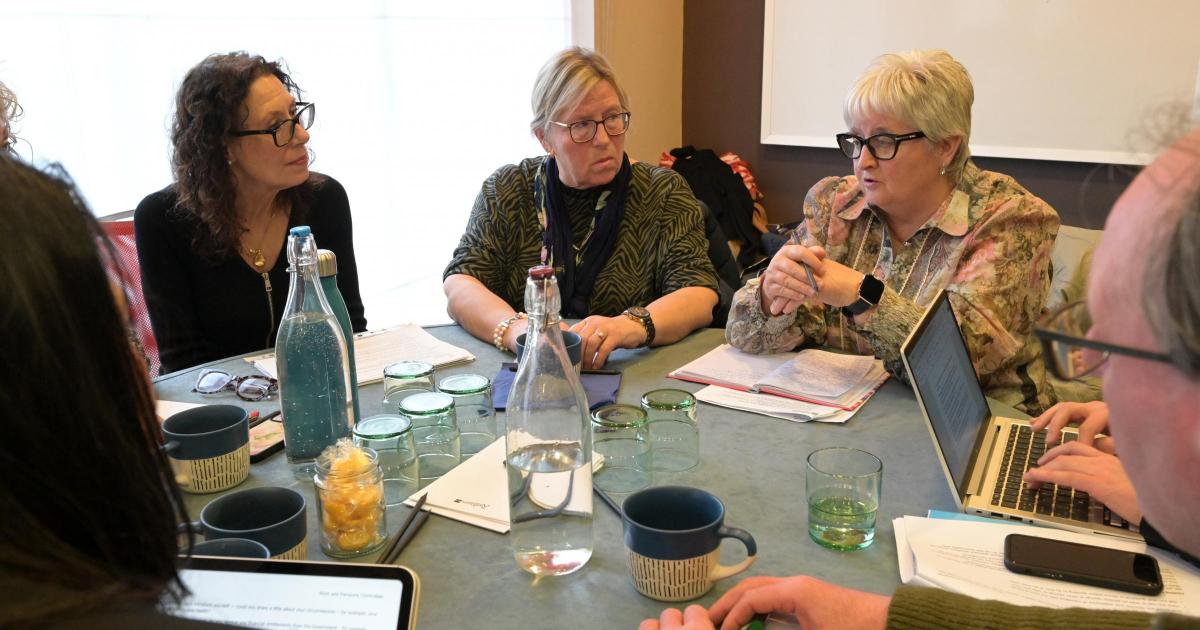
Nineteen people aged over 50, some not yet of State Pension age, met with committee members in a session organised by Age UK County Durham.
Participants spoke openly about the financial pressures they face after leaving work due to health issues or caring commitments, and their struggle to get by without a pension.
Advertisement
Debbie Abrahams, chair of the Work and Pensions Committee, said: “We heard today from people in their 50s and 60s, some of whom have been forced to retire ahead of State Pension age due to the issues they face, either due to caring responsibilities or health conditions.
“That people approaching State Pension age face particular issues, such as increased hardship, is something we came across in a previous inquiry, which is why we decided to look specifically at this problem.”
Attendees described being pushed into debt or relying on dwindling savings and insecure work to survive.
Many said they felt too proud to seek help, while others criticised the lack of clear, accessible information about their options.
Advertisement
Robyn Holmes, CEO of Age UK County Durham, said: “This has been an excellent opportunity for people aged over 50 who live and work in County Durham to be heard on many issues that potentially have a huge impact on their well-being.
“We’ve heard some real concerns about income gaps, particularly from those who care for others, and those with long-term health issues.
“We’ve heard very clearly about the need for quality, local advice, for information and support on these issues.”
Gender differences also came to light: women often faced lower retirement incomes due to gaps in their National Insurance record from time taken out to care for family, while men who had spent years in manual work were likely to have fewer healthy years in retirement.
Advertisement
Participants also raised issues with Jobcentre support and the loss of Carer’s Allowance when they claim the State Pension.
Suggested solutions included better access to free financial advice, simpler communications about retirement, and practical help for those with limited digital skills.
Tackling ageism in the workplace was also flagged as a priority.
One attendee, Steve, said: “I’ve been looking forward to actually have a say to MPs to maybe make a tiny little bit of difference to other people’s lives.
Advertisement
“We talked mainly about our experiences. We all had things to say and it was absolutely brilliant.
“I think the event was great and I am chuffed to have had the experience and the chance to do this.”
Age UK County Durham runs a support programme for people aged 50 to 69, offering guidance on financial planning, health, and preparing for retirement.
The risk of poverty is high: nearly one in four people over 60 live below the poverty line, and when the State Pension age last rose to 66, poverty rates among 65-year-olds doubled.
Advertisement
The committee will publish its findings from the inquiry later this year.
Ms Abrahams said: “We needed to hear of the impact that the challenges pre-pensioners encounter as they aim to get the comfortable retirement they deserve.”
Ms Holmes said: “That’s why Chapter 50: Future You, a piece of work initiated by Age UK County Durham, is so important in raising awareness of leaving employment, of impending retirement, and preparing financially, socially, and physically for a more sustainable and enjoyable later life.”
A 23-YEAR-old man plunged five floors to his death after checking on a pizza delivery order from his flat.
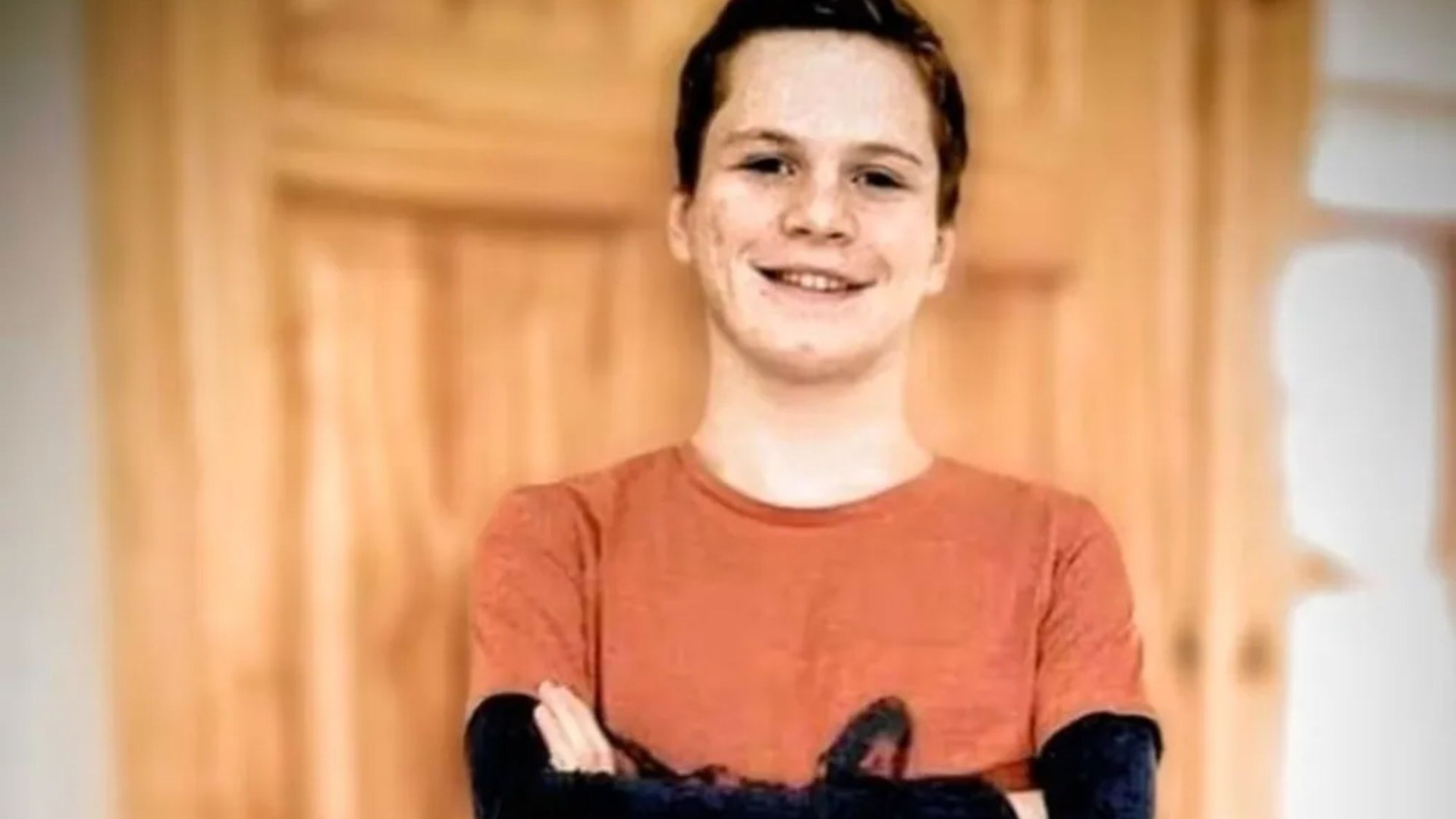
Joshua Robbins was at his central London flat on January 29 when he heard his flat buzzer ring.
Sign up for The Sun newsletter
Thank you!
Advertisement
Assuming it was a pizza deliver, he leaned over a railing to check and fell to his death after the railing reportedly gave way.
In a joint statement, his devastated parents Fiona Garrett and Mr Robbins Snr said: “Josh fell from a height of five floors and died on impact.
“Josh’s father Will witnessed the immediate aftermath of his son’s fall, something no parent should ever have to see. He is deeply traumatised by what he witnessed.
Advertisement
“This is not an allegation or speculation. The railing gave way. Our son did not climb it or behave recklessly. A safety barrier that was meant to prevent a fall gave way, with catastrophic consequences.”
The incident occurred at the Holland and Thurston Dwellings apartment block in Holborn London.
Joshua,originally from Claudy, Co Derry inNorthern Ireland, was living with his father at the apartment at the time.
After falling five floors while checking on a pizza deliver, police were called to the residency at 8:91pm following reports of a fall from height.
Despite the best efforts of emergency services, Joshua was pronounced dead.
Advertisement
His next of kin had been informed of his death, who are being supported by specialist officers.
Joshua’s parents said that he loved watching the GAA growing up in Claudy.
Advertisement
“He had a smile that lit up every room and was widely described as kind, funny, and full of charisma, with impeccable manners and an ease with people that made him instantly likeable,” they added.
The family said that they were grateful for the support they got from The Katie Trust, a charity that supports families following sudden, unexplained or traumatic deaths.
Expressing their sadness, the parents said: “Our family is absolutely devastated.
“We have lost our son. We should not be planning a cremation. We should not be waiting for pathology reports. We should not be writing statements like this or trying to navigate trauma and bureaucracy at the same time. Yet here we are.”
Advertisement
The parents have been in contact with the Metropolitan Police and Islington and Shoreditch Housing Association for answers surrounding their son’s death.
Pippa Fleetwood-Read, chief executive at Islington and Shoreditch Housing Association, said: “The death of Joshua Robbins is deeply saddening, and everyone at ISHA sends our sincere condolences to his family and friends at this difficult time.
“We are fully cooperating with the police and their investigation, but at this early stage it would be inappropriate to comment further until the full facts surrounding the incident have been established.”
The Met Police has been approached for comment.
Advertisement
The 23-year-old fell to his death after checking on a pizza deliver from his apartment on the fifth floor
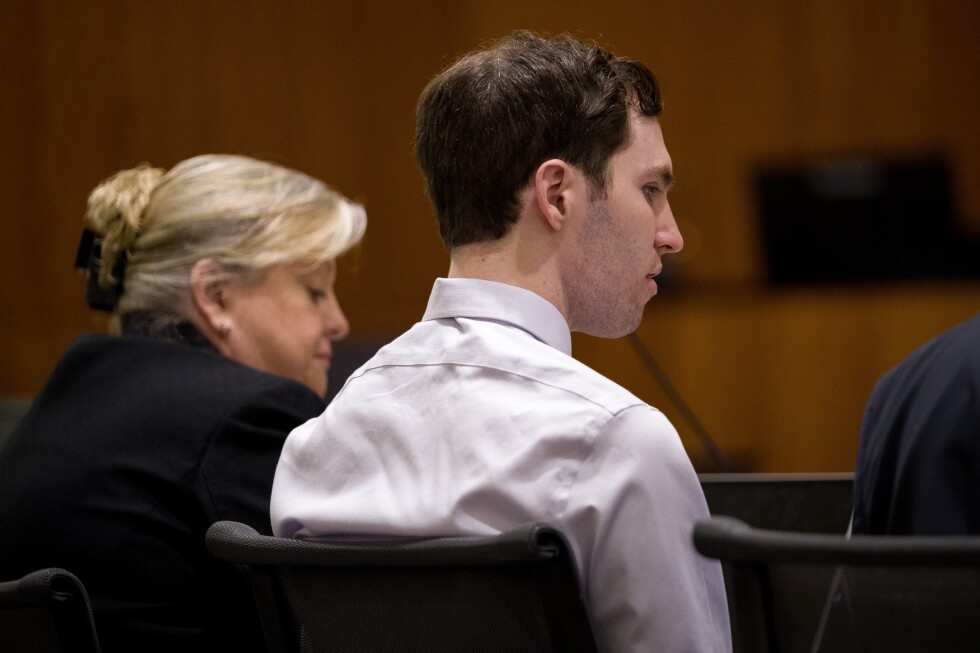
Screenshots from such videos were offered Tuesday as evidence in the murder case against Tyler Robinson, the man charged in Kirk’s killing. But the full videos were not shown in court, after defense attorneys objected out of concern that the footage would undermine Robinson’s right to a fair trial.
Legal experts say the defense team’s worries are real: Media coverage in high-profile cases like Robinson’s can have a direct “biasing effect” on potential jurors, said Cornell Law School Professor Valerie Hans.
“There were videos about the killing, and pictures and analysis (and) the entire saga of how this particular defendant came to turn himself in,” said Hans, a leading expert on the jury system. “When jurors come to a trial with this kind of background information from the media, it shapes how they see the evidence that is presented in the courtroom.”
Advertisement
Defense attorneys also want to oust TV and still cameras from the courtroom, arguing that “highly biased” news outlets risk tainting the case.
Prosecutors, attorneys for news organizations, and Kirk’s widow urged state District Judge Tony Graf to keep the proceedings open.
“In the absence of transparency, speculation, misinformation, and conspiracy theories are likely to proliferate, eroding public confidence in the judicial process,” Erika Kirk’s attorney wrote in a court filing.
Prosecutors intend to seek the death penalty for Robinson, 22, who is charged with aggravated murder in the Sept. 10 shooting of Kirk on the Utah Valley University campus in Orem. He has not yet entered a plea.
Advertisement
An estimated 3,000 people attended the outdoor rally to hear Kirk, a co-founder of Turning Point USA, who helped mobilize young people to vote for President Donald Trump.
To secure a death sentence in Utah, prosecutors must demonstrate aggravating circumstances, such as that the crime was especially heinous or atrocious. That’s where the graphic videos could come into play.
Watching those videos might make people think, “‘Yeah, this was especially heinous, atrocious or cruel,’” Hans said.
Utah County Attorney Jeffrey Gray testified Tuesday that he thought about seeking the death penalty before an arrest had been made. He could not recall exactly when he told the governor and federal officials about his plan. Asked why he announced so early his intent to seek the death penalty, Gray said the case was already drawing enormous public attention.
Advertisement
“The more delay, then it just creates all this unnecessary public speculation,” he said, adding that he didn’t want Erika Kirk to have to sit with the uncertainty.
Defense attorneys are seeking to disqualify local prosecutors because the adult daughter of Chad Grunander, a deputy county attorney helping prosecute the case, attended the rally where Kirk was shot. The defense alleges the relationship represents a conflict of interest.
Grunander’s daughter testified Tuesday that she did not video the shooting or the aftermath. She said she was looking at the crowd when she heard a loud pop and a man sitting nearby shouted, “He’s been shot.” She never turned to look back at Kirk and did not know he was the person shot until after she ran to safety, she said.
Judge Graf said he would issue his ruling on whether to disqualify prosecutors on Feb. 24.
Advertisement
Utah State Bureau of Investigation agent David Hull testified Tuesday that DNA on a firearm found wrapped in a black towel in a wooded area just off campus matched Robinson’s. Robinson also reportedly texted his romantic partner that he targeted Kirk because he “had enough of his hatred.”
Robinson’s attorneys have ramped up claims of bias as the case has advanced, even accusing news outlets of using lip readers to deduce what the defendant is whispering to his attorneys during hearings.
“Rather than being a beacon for truth and openness, the News Media have simply become a financial investor in this case,” defense attorneys wrote in a request for the court to seal some of their accusations of media bias.
Further complicating efforts to ensure a fair trial is the rhetoric swirling around Kirk’s death because of his political prominence. Even before Robinson was charged, people jumped to conclusions about who the shooter could be and what kind of politics he espoused.
Advertisement
“People are just projecting a lot of their own sense of what they think was going on, and that really creates concerns about whether they can be open to hearing the actual evidence that’s presented,” said University of Utah law professor Teneille Brown.
The school was officially launched as one of the first integrated primaries in Northern Ireland by football star and Killyleagh native David Healy in 2016.
19:30, 03 Feb 2026Updated 19:32, 03 Feb 2026
A Co Down school’s development plans are being delayed amid a Northern Ireland Water non-disclosure due to “national security”.
A local parent of a pupil claims he has also been blocked from NIW sewer connection plans as “essential” £9m Waste Water Treatment Work upgrades could delay the future of the school with a planning decision that ultimately rests with Newry, Mourne and Down District Council.
Speaking to the Local Democracy Reporting Service, the parent said: “I asked for data on the WWTW in Killyleagh, and NIW has officially refused, claiming it’s a ‘National Security’ risk.
“DfI -Rivers now has a building block on Killyleagh Integrated Primary, with £9million needed to fix non-compliant sewerage points, but no plans in place to fix them.”
The LDRS has seen the correspondence from the government bodies confirming the environmental breaches.
However, Killyleagh Integrated Primary principal, Jason Milligan says the EA has kept him in the dark over the storm sewer problems, saying:”Unfortunately I know nothing about this issue, as the EA have not been in contact with me in relation to the School Enhancement Programme for almost a year.
“I fail to see how a storm sewer would be an issue – is there not an existing one for the school?
Advertisement
“The plan for the school was to refurbish the existing building and add on a multi-purpose hall, so I can’t see how this would have a major difference to the school’s existing sewage requirements.”
The school was officially launched as one of the first integrated primaries in Northern Ireland by football star and Killyleagh native David Healy in 2016.
Its enrollment numbers were capped in 2019 by the Department of Education from 175 to 126 children, due to “undersized classrooms and substandard accommodation”.
It is understood that the new enhancement would allow for more pupils of mixed religious backgrounds to enter the school.
A spokesperson said: “In May 2018 the Minister for Education announced the second call for the School Enhancement Programme.
“Killyleagh Integrated Primary School was announced as part of this SEP call and the project is being taken forward in planning.
“An Integrated Consultant Team are leading the project from technical feasibility through to completion. The Business Case for the proposed project was approved by the Department of Educationin April 2024.
Advertisement
“The ICT has completed stage two of the design and awaits formal instruction to commence stage three.
“A Pre-Application Discussion meeting was held with Newry and Mourne District Council’s Planning Department, the outcome of which stated that there is ‘no public storm sewer available which can serve this proposal.
“As such the applicant should liaise with DFI Rivers Agency to see if discharge would be possible to any local watercourses’.
“With regard to a potential solution to this issue, once approval to proceed has been received from DE, the Education Authority will instruct the ICT to explore solutions to be submitted for approval as part of the design and planning process.”
Advertisement
The concerned parent also put forward a Freedom of Information request on Killyleagh WWTC upgrades and stormwater assets due to their concerns over the school upgrade delays.
The NIW responded: “A public authority may refuse to disclose information to the extent that its disclosure would adversely affect international relations, defence, national security or public safety.
“It is the adverse effect on national security and on public safety to which NIW is referring in areas where there is uncontrolled access by the general public.
Advertisement
The letter adds: “Any information that places the public, public infrastructure and/ or the environment at an increased risk of being targeted must be protected at all costs and carries significant weight in favour of non-disclosure.
“It is felt by NIW therefore that the public interest arguments in favour of disclosure are wholly outweighed by those in favour of safeguarding the withheld information from wider public dissemination.”
The enhancement plans for Killyleagh have been mooted since 2018 with pre-application discussion underway for some time between Newry, Mourne and Down District Council and the EA.
But, due to a said lack of storm sewer water connections and a publicly announced tightening of the NIW purse, it seems Killyleagh Integrated Primary will not be enhanced until at least the turn of the next decade.
Advertisement
A DfI -Rivers letter reads: “Killyleagh WWTC currently has treatment capacity, however there are 13 discharging assets in the catchment, 10 of which are classified as unsatisfactory intermittent discharges.
“These assets discharge more frequently than designed causing out of sewer flooding and environmental pollution.
“NIW’s high level estimates indicate that around £9m would be required to bring all these assets in the catchment into compliance with environmental requirements.
“NIW further advises it has no plans at present to upgrade these assets, however it has commenced business planning for the next price control period. (2028/29-2032/2033).”
Advertisement
Furthermore, DAERA has also confirmed that the no enfocement action has been taken against NIW for its existing ‘Innishmore overflow in Killyleagh following pollution incidents at an “unconsented asset”.
The DAERA letter reads:”Regarding pollution incidents from Innishmore combined sewer overflow in Killyleagh.
“NIEA recorded two pollution incidents at Innishmore Wastewater Pumping Station in 2024.
“One was recorded as low severity and the other as no pollution found. No enforcement action was taken against NIW in relation to these incidents.
Advertisement
“Innishmore is currently an unconsented asset. NIW has applied to DAERA for the asset to be added to the Killyleagh collection system.”
The LDRS contacted NMDDC. A spokesperson said: “The council is unable to comment on the Pre Application Discussion, which is a non-statutory process.
“Once any planning application is made, updates are made available to view on the Northern Ireland Planning Portal.”