

Business
'I couldn't afford rent in London as a nurse so I commuted from Wales while pregnant'




Form 10Q Elme Communities For: 11 May

Mark Norwell reflects on his leadership journey at one of the state’s biggest mining services firms.
Business
Lamine Yamal, 18, Shatters Cristiano Ronaldo Record as Barcelona Wonderkid Rewrites History

BARCELONA — At just 18 years and 237 days old, Lamine Yamal has already reached a career milestone that took Cristiano Ronaldo until age 21 and Lionel Messi until age 20: 100 senior goal contributions for club and country. The Barcelona and Spain sensation continues to rewrite football’s record books at a pace that defies logic, cementing his status as one of the greatest teenage talents the game has ever seen.
Yamal’s latest landmark came during Barcelona’s dominant 2025-26 campaign, where the winger has dazzled with blistering pace, visionary passing and clinical finishing. His 100th combined goal or assist arrived far quicker than either of the modern greats achieved at the same stage, sparking fresh debates about his trajectory compared to Ronaldo and Messi.
A prodigy rewriting the script
Born in 2007 in Rocafonda, Yamal made his Barcelona first-team debut at 15 years and 290 days old — already the youngest in club history. By 18, he has eclipsed multiple Ronaldo benchmarks, including becoming the youngest player to score 20 goals in a single La Liga season for Barcelona, surpassing Brazilian Ronaldo’s mark from the 1996-97 campaign.
In the Champions League, Yamal became the youngest player ever to reach 20 goal contributions (goals plus assists), achieving the feat in just 32 matches at 18 years and 275 days. Ronaldo and Messi required significantly more time and games to hit similar numbers at comparable ages.
His performances this season have been nothing short of spectacular. Yamal has terrorized defenses with trademark dribbles, precise crosses and growing goal threat. A recent hat-trick against Villarreal not only delivered a statement win but also broke a 92-year La Liga record for the youngest player to score a first senior treble.
Comparisons to Ronaldo and Messi
At the same age, Ronaldo was a promising but raw talent at Sporting Lisbon and early Manchester United, showing flashes of brilliance but lacking the consistent output Yamal now delivers. Messi, while exceptional, needed more time to reach triple-digit goal contributions. Yamal’s numbers at 18 already rival or surpass what both legends produced in their early 20s.
Statistics paint a staggering picture. Yamal has accumulated his 100 G/A in far fewer matches than Ronaldo (who reached it around age 21) and Messi. His dribble success rate, chance creation and big-game performances have drawn inevitable comparisons, though Yamal himself remains humble, crediting teammates and coaches for his rapid rise.
Barcelona’s reliance and future
Under Hansi Flick, Yamal has flourished in a fluid attacking system that maximizes his creativity. Barcelona’s La Liga title push this season has been powered significantly by the teenager, who many view as the club’s next generational superstar following in the footsteps of Messi.
His contract runs until 2030 with a massive release clause, but interest from Europe’s elite — particularly Real Madrid — remains a constant backdrop. For now, Yamal insists his focus is solely on Barcelona and winning more silverware.
International stardom
On the international stage, Yamal was instrumental in Spain’s Euro 2024 triumph and continues shining for La Roja. His ability to perform at the highest level as a teenager has drawn praise from legends including Ronaldo and Messi themselves, who have publicly applauded the youngster’s talent.
What makes Yamal special
Beyond raw statistics, Yamal’s fearlessness, technical brilliance and football intelligence set him apart. His low center of gravity, explosive acceleration and ambidextrous finishing make him a nightmare for defenders. Coaches describe him as a “once-in-a-generation” talent with the maturity of a veteran.
Off the pitch, Yamal maintains a grounded demeanor despite global fame. His rapid ascent from La Masia to world stardom serves as inspiration for young players worldwide.
Broader impact on football
Yamal’s records fuel debates about player development, the intensity of modern schedules and expectations placed on young stars. His success validates Barcelona’s famed academy system while highlighting how exceptional talent can accelerate timelines once thought impossible.
As the 2025-26 season nears its climax, Yamal shows no signs of slowing. With Barcelona chasing domestic and European glory, the teenager remains central to their ambitions. His journey is only beginning, yet he has already surpassed benchmarks set by two of football’s greatest icons.
Legacy in the making
Whether Yamal ultimately challenges Messi and Ronaldo’s all-time records remains to be seen. What is undeniable is his current dominance and the joy he brings to fans. At 18, he has achieved what most players dream of in entire careers.
The football world watches with bated breath as Lamine Yamal continues his extraordinary ascent — a teenager already making history and redefining what’s possible in the beautiful game.

The local share market has slipped after the US rejected Iran’s latest peace proposal to end the Middle East war, and as a huge plunge by a prominent biotech name weighed on the bourse.
Business
SME Funded Launches UK’s First One-Stop Finance Platform for Construction & Manufacturing SMEs

A new specialist finance platform aimed squarely at the UK’s construction and manufacturing sectors has launched in a bid to ease one of the most persistent headaches facing small business owners: getting the bank to say yes.
SME Funded, founded by construction mergers and acquisitions specialist Bradley Lay, has positioned itself as the country’s first genuine one-stop shop for funding in these two capital-hungry industries. The platform combines access to more than 130 lenders with its own deployable capital, promising faster decisions and more flexible terms than the traditional high street route.
The timing is pointed. British SMEs have spent the past two years navigating tighter lending criteria, lengthening approval times and a noticeable retreat from small business banking by the major clearers. The Federation of Small Businesses has repeatedly warned that funding bottlenecks are throttling growth at precisely the moment the country needs it most, while construction insolvencies remain stubbornly high and manufacturers wrestle with input cost volatility.
Lay, who knows the construction sector intimately after helping scale a business from £12 million to more than £150 million in revenue before exiting in 2022, is blunt about the problem he is trying to solve.
“SMEs are the backbone of the UK economy, yet when it comes to finance, they’re often underserved,” he said. “Traditional lenders are slow, restrictive and risk averse. When businesses are growing, they hold them back, and when they’re under pressure, they step away. We built SME Funded to change that. This is about giving business owners real access to capital, quickly, intelligently and without unnecessary barriers.”
The product range is deliberately broad: business loans, asset and equipment finance, bridging and property finance, motor finance and software finance, each structured around the individual borrower rather than slotted into a generic template. The pitch is that working capital, growth funding and trading lifelines should look different for a Midlands precision engineer than they do for a London-based subcontractor, and the platform is built around that distinction.
What separates SME Funded from the broker pack, the company argues, is service. Rather than acting as a matchmaker and walking away, the team takes what it calls a “white-glove” approach, structuring deals, positioning the borrower’s story to lenders and managing the process end to end. A three-step application aims to get business owners from enquiry to funds in days rather than weeks.
The team has already worked with more than 600 UK business owners, an experience base that informs both the platform’s design and its sector focus. A spokesperson for the firm said: “Too many strong businesses are held back by slow processes, rigid criteria and a lack of understanding from traditional lenders. Our role goes beyond simply finding a lender. We structure funding properly, tell the right story and manage the entire process, so our clients can focus on running and growing their business.”
Lay’s pedigree adds weight to the proposition. As co-founder of Peak Capital Group and founder of TrueNorth Capital Group, he has led strategic acquisitions across the UK and European construction markets and has advised more than 100 SME owners on growth, financial strategy and exit planning. Having sat on both sides of the deal table, he understands what lenders actually want to see and where SMEs typically fall short in presenting it.
With the economic outlook still uncertain and high street appetite for SME lending showing few signs of recovery, SME Funded is betting that a sector-specialist, capital-backed platform can carve out meaningful share. If the company delivers on its promise of speed, certainty and proper deal structuring, it may have identified one of the more compelling gaps in Britain’s small business finance market.

Amy Ingham
Amy is a newly qualified journalist specialising in business journalism at Business Matters with responsibility for news content for what is now the UK’s largest print and online source of current business news.

Micron, SK Hynix Stocks Rise. Thank Trouble at Samsung.

This copy is for your personal, non-commercial use only. Distribution and use of this material are governed by our Subscriber Agreement and by copyright law. For non-personal use or to order multiple copies, please contact Dow Jones Reprints at 1-800-843-0008 or visit www.djreprints.com.

The steelworks has been under government control for almost a year, but leglistation to nationalise it will be put forward this week.
Business
(VIDEO) Body of Alleged Triple Murderer Julian Ingram Found Near Lake Cargelligo After Four-Month Manhunt

LAKE CARGELLIGO, Australia — Police have discovered a body believed to be that of Julian Ingram, the 37-year-old man wanted for the alleged triple murder of his pregnant former partner, her new boyfriend and her aunt in this central-west New South Wales town in January.
The grim discovery, made Monday beside an abandoned ute about 50 kilometres northwest of Lake Cargelligo, ends a sprawling four-month manhunt that gripped the region and drew national attention. Formal identification and a cause of death are pending, but police sources told the ABC the remains are those of Ingram.
Ingram had been the subject of one of the largest searches in recent NSW history after the Jan. 22 shootings that killed Sophie Quinn, 25 and seven months pregnant, her friend John Harris, 32, and Quinn’s aunt Nerida Quinn, 50. A 19-year-old man, Kaleb Macqueen, was seriously injured but survived.
The day that shattered a small town
On that summer afternoon, police say Ingram opened fire in a suspected domestic violence-related rampage. He allegedly shot Quinn and Harris as they sat in a car, then drove to Nerida Quinn’s nearby home and killed her before wounding Macqueen. Ingram fled the scene in a stolen Lachlan Shire Council ute, sparking an immediate and intense pursuit.
Despite extensive ground and air searches covering more than 60,000 acres, multiple reported sightings and a $250,000 reward, Ingram had evaded capture for 109 days. Police had publicly stated they believed he was receiving assistance from someone in the community while surviving in the arid outback.
Discovery brings mixed emotions
Assistant Commissioner Andrew Holland, Western Region Commander, was scheduled to address the media Monday afternoon. Families of the victims have been notified. Community members expressed a complex mix of relief that the manhunt is over and sorrow for all those affected by the violence.
Aboriginal and Torres Strait Islander readers are advised that this story contains names of Indigenous people who have died, used with permission from their families. Ingram and some of the victims were known in local Indigenous communities.
Ingram’s background and prior history
Court documents later revealed Ingram had a history of domestic violence. A decade earlier, he allegedly threatened a former partner with a gun and made violent statements about her new partner. He had faced bail decisions in the months leading up to the January shootings, raising questions about the handling of his prior matters.
The former council gardener was last seen driving away from Lake Cargelligo shortly after the shootings. His phones and bank accounts remained untouched, adding to the mystery of how he survived for months in harsh terrain.
Impact on victims’ families
The Quinn and Harris families have endured months of painful waiting while grieving. Sophie Quinn’s unborn child also died in the shooting. Relatives described the victims as beloved community members whose loss left deep scars in the tight-knit town of about 1,500 people.
Support services have been offered to affected families and the broader Lake Cargelligo community as news of the body’s discovery spreads. Counselling and victim support remain available through NSW police and local organizations.
The long manhunt
Police conducted one of the most extensive operations in regional NSW history. Strike Force Janko involved hundreds of officers, drones, helicopters and tracking dogs. Numerous reported sightings kept hope alive that Ingram was still alive and could face justice, but many also feared he may have perished in the outback.
The $250,000 reward offered in March generated new tips but no breakthrough until Monday’s discovery. Police had repeatedly appealed for community help, stressing that anyone harbouring Ingram could face serious charges.
Broader questions raised
The case has prompted renewed discussion about domestic violence responses, bail laws and support for regional communities facing violence. Advocacy groups have called for stronger protections for victims and better coordination between agencies handling high-risk offenders.
Small towns like Lake Cargelligo often struggle with visibility and resources when tragedy strikes. The prolonged manhunt placed additional strain on local residents, many of whom knew both the victims and the accused.
What comes next
Forensic examinations, including autopsy and formal identification, will confirm the body’s identity and determine cause of death. Police have not yet commented on whether foul play or self-inflicted injuries are suspected.
The discovery effectively closes the active manhunt phase, but the investigation into the January shootings continues. Coronial inquiries and any related proceedings will provide further answers for the victims’ families.
As Lake Cargelligo processes this latest development, the focus returns to healing and supporting those left behind. The discovery of Ingram’s body brings an end to one chapter of a painful saga while leaving many questions about the events of January 22 still unanswered.
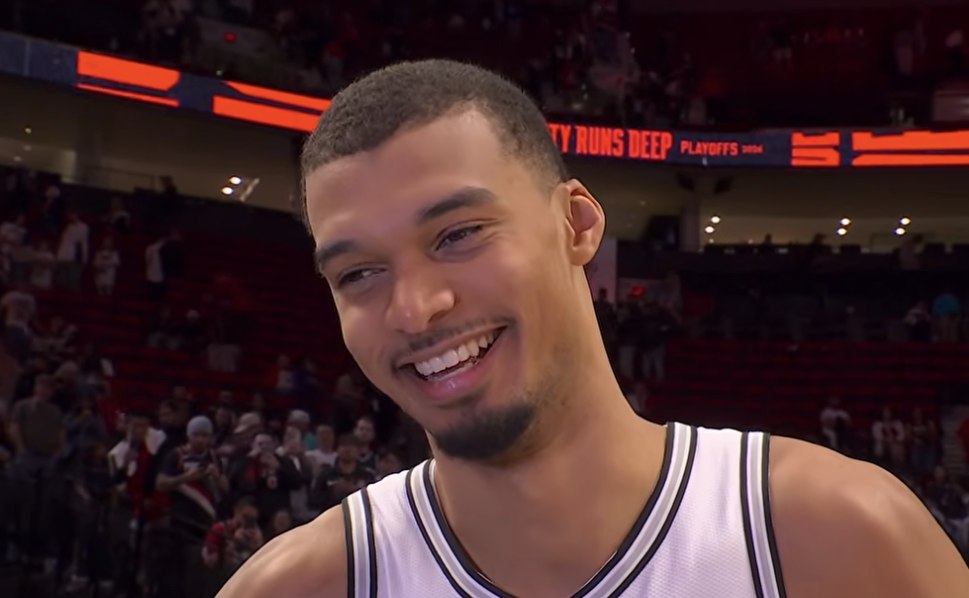
SAN ANTONIO — Victor Wembanyama’s availability for Game 5 of the Western Conference semifinals remains uncertain Monday as the NBA reviews his flagrant-2 ejection from Game 4, leaving the San Antonio Spurs bracing for the possibility of facing the Minnesota Timberwolves without their franchise cornerstone on Tuesday night.

The 22-year-old superstar was tossed with 8:39 left in the second quarter of Sunday’s 114-109 loss in Minneapolis after swinging his right elbow into the jaw and neck area of Timberwolves forward Naz Reid while battling for a rebound. Officials upgraded the foul to a flagrant-2 for excessive and unnecessary contact above the shoulders, resulting in an automatic ejection — the first of Wembanyama’s NBA career.
With the series now tied 2-2 and Game 5 shifting back to the Frost Bank Center, the league’s decision on supplemental discipline could dramatically alter the matchup. Spurs coach Mitch Johnson expressed strong confidence that Wembanyama will be available, calling any further punishment “ridiculous” and emphasizing zero intent on the play.
What the league is considering
NBA officials are expected to deliver a ruling by Monday evening or early Tuesday. While flagrant-2 ejections do not carry automatic suspensions, the review focuses on the nature of the contact, Wembanyama’s history (clean until now), and the high-stakes playoff context. Precedent shows the league sometimes issues one-game suspensions for similar incidents involving contact to the head or neck.
Kendrick Perkins and other analysts suggested a suspension could shift momentum decisively toward Minnesota, especially after Anthony Edwards’ dominant 36-point performance in Game 4. However, Spurs insiders told reporters they do not anticipate missing their defensive anchor and MVP candidate.
Wembanyama himself appeared stunned by the ejection on the bench and later expressed regret for the play’s outcome while defending his physicality in a physical series. Reid downplayed the incident postgame, saying he was fine and that “basketball happens.”
Series context and Spurs’ challenge
San Antonio led the series 2-1 before Sunday’s loss. Wembanyama had been dominant through the first three games, averaging elite production and anchoring a defense that frustrated Minnesota’s attack. His absence in the second half of Game 4 allowed the Timberwolves to exploit mismatches and pull away late.
If Wembanyama sits, the Spurs will lean heavily on Stephon Castle, De’Aaron Fox, Harrison Barnes and a thin frontcourt. Coach Johnson has emphasized depth and resilience all postseason, but losing the 7-foot-4 Defensive Player of the Year would represent a massive blow at home.
Game 5 carries enormous weight. A Spurs win would give them a 3-2 lead with a chance to close out the series in Minnesota. A loss would hand the Timberwolves the momentum heading back to Target Center for a potential elimination game.
Wembanyama’s growth and the physical toll
At just 22, Wembanyama has transformed the Spurs into contenders ahead of schedule. This postseason marks his deepest playoff run, and the physicality has tested his composure. Opponents have targeted him with hard fouls and physical play throughout the series, a reality for young big men in the playoffs.
Johnson defended his star’s reaction: “I’m glad he took matters into his own hands… at some level, you have to protect yourself.” The coach made clear he did not condone the elbow but understood the context of repeated physical battles.
Analysts note Wembanyama’s rapid maturation. His ability to dominate on both ends while navigating superstar attention has drawn comparisons to generational talents. A suspension, however brief, would test the team’s growth in his absence.
Timberwolves’ perspective
Minnesota enters Game 5 with renewed confidence after even the series. Edwards has thrived, and the supporting cast stepped up without Wembanyama on the floor. Coach Chris Finch praised his team’s composure after the physical play and believes they can capitalize if San Antonio is shorthanded.
The Wolves have shown resilience all season and view the series as winnable regardless of Wembanyama’s status. Their length, athleticism and defensive versatility could pose problems for a depleted Spurs frontcourt.
Fan and league-wide reaction
The ejection and its potential aftermath dominated basketball conversation Monday. Social media erupted with debates over intent, officiating consistency and playoff physicality. Many defended Wembanyama as a young star learning boundaries, while others called for accountability to protect players.
League officials face a delicate balance: maintaining player safety standards without overly punishing a franchise cornerstone in his first deep playoff run. The decision will be scrutinized by players, coaches and fans alike.
What to watch in Game 5
If Wembanyama plays, expect heightened physicality and emotional intensity at the Frost Bank Center. The Spurs will look to protect him better while leveraging his rim protection and scoring gravity. If he sits, San Antonio must find collective energy to match Minnesota’s momentum.
Tip-off is set for Tuesday night in San Antonio. Regardless of the final ruling, the series has delivered compelling basketball and now hinges on one young star’s availability and how both teams respond to adversity.
The Western Conference semifinals have already produced drama. Wembanyama’s potential absence would add another layer to a compelling narrative centered on one of the NBA’s brightest young talents.
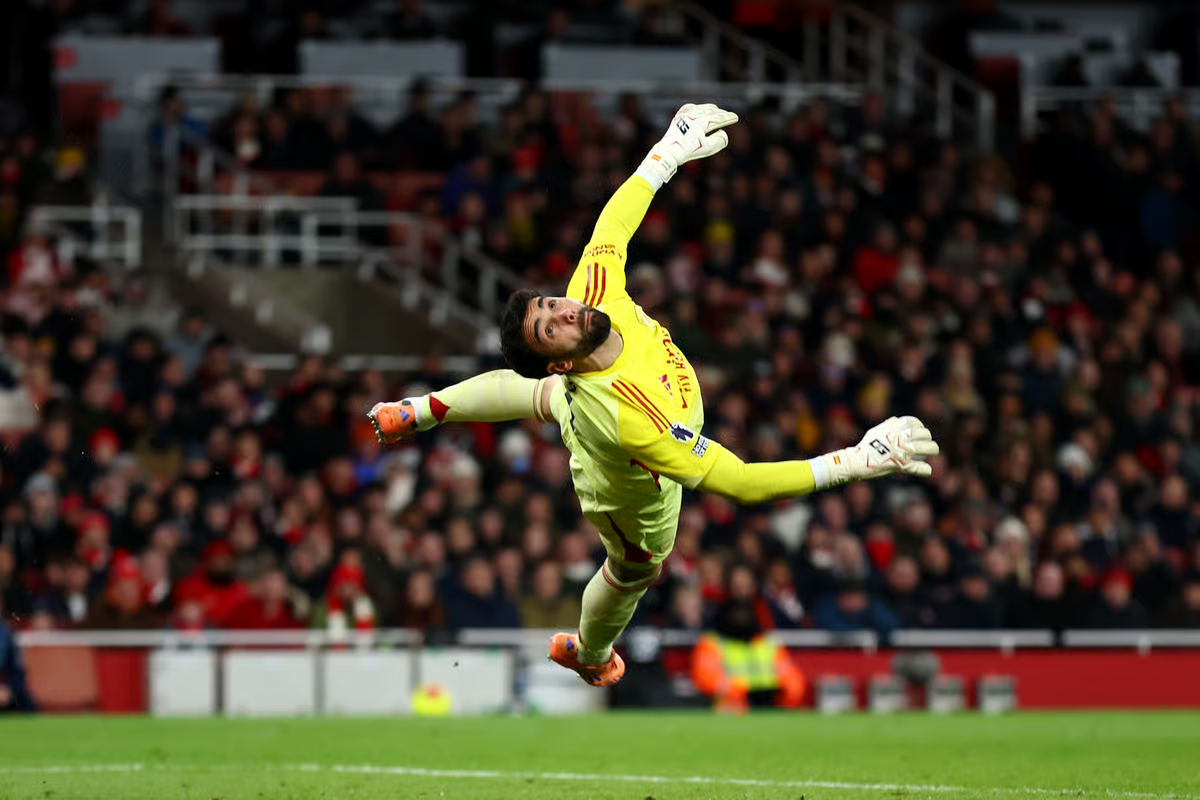
‘My heart almost stopped’: David Raya’s six best saves as Arsenal FC close in on Premier League title
Form 10Q Elme Communities For: 11 May

AI Stocks Drive Nearly All of S&P 500’s Gains, Data Reveals

Manchester United reach agreement with Casemiro over contract clause amid transfer speculation

US brings back mandatory military draft registration

Steven Gerrard disagrees with Gary Neville over ‘shock’ Chelsea and Arsenal claim | Football

How a 3% Mortgage Became a Financial Prison #businesssecrets #corporatestrategy #motivation

Bank of Baroda I Financial Results I Year Ended March 31, 2026.

From Financial Crisis to Multi-Millionaire: The Power of World-Class Coaching| #financetips #stock
-
 Crypto World3 days ago
HarrisX Poll Found 52% of Registered Voters Support the CLARITY Act
-

 Crypto World4 days ago
Upbit adds B3 Korean won pair as Base token gains Korea access
-

 Fashion3 days ago
Weekend Open Thread: Marianne Dress
-

 Tech7 days ago
Image AI models now drive app growth, beating chatbot upgrades
-
 NewsBeat4 days ago
NCP car park operator enters administration putting 340 UK sites at risk of closure
-

 Politics2 days ago
Politics Home Article | Starmer Enters The Danger Zone
-
 Business2 days ago
Ignore market noise, India’s long-term story intact, say D-Street bulls Ramesh Damani and Sunil Singhania
-

 Tech4 hours ago
GM Agrees To Pay $12.75 Million To Settle California Lawsuit Over Misuse Of Customers’ Driving Data
-

 Crypto World6 days ago
UAE Free Zone Deploys Blockchain IDs to Verify Registered Firms
-
 Sports7 days ago
2026 NHL playoff picks: Second-round predictions, series odds, Stanley Cup bracket
-

 Tech1 day ago
Auto Enthusiast Carves Functional Two-Stroke Engine from Solid Metal
-

 Crypto World5 days ago
BlackRock CEO Larry Fink Discusses a New Asset Class
-

 Crypto World4 days ago
Robinhood says Wall Street is building onchain
-
Entertainment6 days ago
Serena Williams hits Met Gala in metallic dress after GLP-1 reveal
-

 Tech5 days ago
Apple and Samsung are dominating smartphone sales so thoroughly that only one other company makes the top 10
-

 Entertainment7 days ago
Skai Jackson Responds To AI Baklash After Viral Snapchat Photos
-

 Politics6 days ago
Met Gala 2026: Madonna’s Dramatic Red Carpet Look Steals The Show
-

 Tech5 days ago
I tested the Xiaomi 17 Ultra’s camera and I don’t think I’ll ever go back to an iPhone
-

 Fashion5 days ago
The Best Work Pants for Women in 2026
-
 Sports7 days ago
Hearts v Rangers LIVE: Prediction, team news and line-ups as Scottish Premiership title rivals meet at Tynecastle
You must be logged in to post a comment Login