
Business
Average Waits Often Between 7 and 15 Minutes

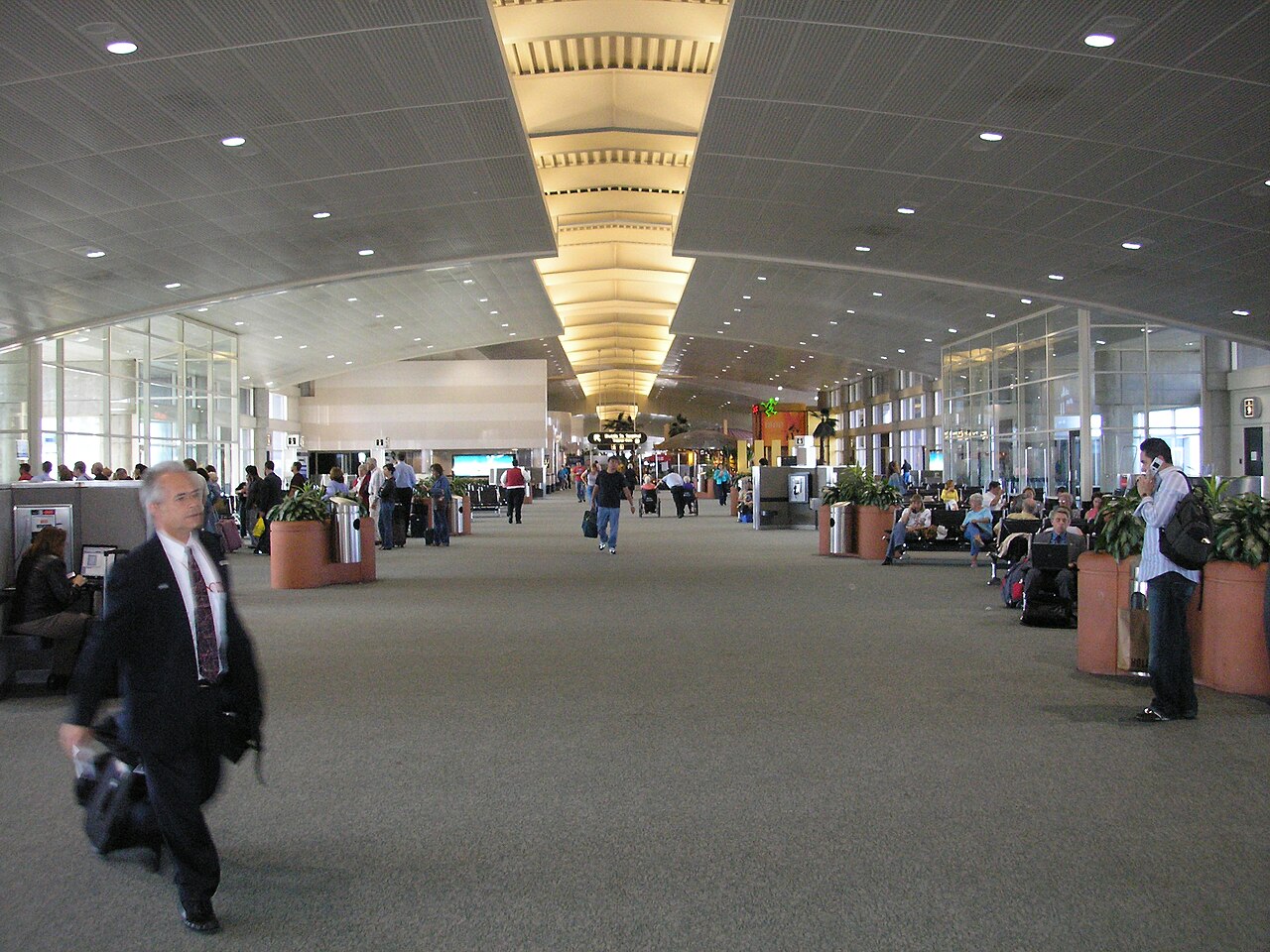
TAMPA, Fla. — Travelers passing through Tampa International Airport are experiencing relatively smooth security lines this spring, with TSA wait times averaging under 15 minutes on most days in late March 2026, even as spring break crowds push passenger volumes higher than usual.

Tampa International Airport (TPA), one of Florida’s busiest gateways, reports that standard security checkpoints are moving efficiently, with average waits often between 7 and 15 minutes according to real-time tracking services. TSA PreCheck lanes are typically clearing in 5 minutes or less. Airport officials continue to recommend arriving two hours before domestic flights and three hours for international departures to account for check-in, security and gate time.
The airport’s four airside checkpoints — A, C, E and F — handle screening for passengers heading to gates via the automated people mover system. Current data from monitoring sites such as OnAirParking and Flight Queue show fluctuating hourly averages, with some early morning slots dipping as low as zero reported minutes and occasional peaks reaching 20-30 minutes during busier periods. As of recent updates, overall averages hovered around 7 to 11 minutes.
Tampa airport’s official guidance notes that wait times vary throughout the day. The busiest windows typically fall between 6 a.m. and 9 a.m., with additional pressure on days surrounding holidays and school breaks. Even during these peaks, waits rarely exceed 30 to 45 minutes, a contrast to longer delays reported at some other major U.S. airports amid staffing challenges and high travel demand.
Spring break season has increased passenger traffic at TPA, yet officials emphasize that lines have not seen significant backups. “While TPA is currently experiencing high passenger volume due to spring break, our TSA security checkpoints are not seeing any significant delays or backups,” the airport stated in recent updates. This efficiency persists despite a broader U.S. government shutdown affecting some federal operations, including aspects of TSA staffing at certain facilities nationwide.
TSA PreCheck remains available at all four airsides, offering expedited screening for approved members. The program continues to provide faster throughput for frequent travelers who have completed background checks. Global Entry and CLEAR services are also accessible, further reducing times for eligible passengers.
Hourly breakdowns from tracking platforms illustrate the pattern. Early overnight hours can show sporadic higher waits due to lower staffing or overnight cleaning, while midday periods often dip into the 10-20 minute range. Afternoon and evening slots occasionally climb toward 25-30 minutes but generally stay manageable. Travelers using apps like MyTSA can check crowd-sourced reports in real time for the most current picture.
Airport operators have invested in technology and layout improvements over the years to keep security flowing. The main terminal’s design funnels passengers efficiently to airside checkpoints, and digital signage or planned monitors aim to display live wait times for standard and PreCheck lanes. Staff training and flexible deployment help mitigate spikes in demand.
For context, TPA handled millions of passengers annually before the latest travel rebound, serving as a key hub for leisure and business travelers heading to Florida beaches, theme parks and beyond. Airlines including Delta, American, United, Southwest and international carriers operate extensive schedules from the facility.
Despite the ongoing government shutdown mentioned in recent local reports, TPA lines have moved smoothly according to passenger feedback and local news coverage. Videos and social media posts from mid-March showed steady but not overwhelming crowds, with TSA agents processing travelers without the hours-long backups seen at airports like Atlanta or certain New York facilities.
Travel experts advise several strategies to minimize time at security. Enrolling in TSA PreCheck or Global Entry can cut waits dramatically. Packing liquids in compliance with the 3-1-1 rule, removing laptops and large electronics early, and wearing easy-to-remove shoes all help speed the process. Avoiding peak morning departures when possible can also reduce stress.
Real-time resources include the official Tampa Airport website, the MyTSA mobile app from the Transportation Security Administration, and third-party trackers like Flight Queue or OnAirParking. These tools pull data from passenger reports and airport feeds, though actual times can shift quickly based on flight schedules, staffing levels and random screening protocols.
TSA emphasizes that all travelers must follow standard screening procedures unless enrolled in trusted traveler programs. Prohibited items continue to trigger secondary checks, potentially lengthening individual experiences even when overall lines move well. Common delays stem from forgotten liquids, oversized carry-ons or items requiring additional inspection.
Comparisons with other Florida airports show TPA performing favorably. Orlando International (MCO) often sees longer averages during peak season, while smaller gateways like Fort Lauderdale or Jacksonville report variable times. Nationwide, TSA processes millions of travelers daily, with wait time data helping passengers plan amid fluctuating conditions.
Airport parking, rideshares and ground transportation also factor into overall arrival planning. TPA offers ample on-site parking, cell phone lots for pickups and convenient shuttle connections. Officials urge allowing buffer time not just for security but for potential flight delays or gate changes.
As spring break continues into early April, passenger volumes are expected to remain elevated before tapering. Summer travel patterns will bring another wave, with Fourth of July and back-to-school periods testing capacity once more. TPA has consistently ranked highly among large U.S. airports for passenger satisfaction, partly due to manageable security experiences and modern amenities.
The airport features a wide array of dining and shopping options post-security, including local Florida flavors and national chains with mobile ordering to save time. Quiet zones, charging stations and family-friendly areas add to the traveler experience once through screening.
For families, TSA offers special accommodations such as dedicated lanes or assistance for travelers with children, disabilities or medical needs. Families on the Fly participants at TPA can benefit from streamlined processes where available.
International travelers should factor in additional time for customs and immigration on arrival, though departure screening follows standard domestic protocols. Nonstop service expansions, including recent announcements to destinations in Costa Rica and the Dominican Republic, reflect TPA’s growing global reach.
TSA and airport leaders continue monitoring staffing and operational needs amid federal budget uncertainties tied to the shutdown. Local reports indicate that core security functions at TPA have not faced major disruptions, thanks to contingency planning and cross-training.
Travelers with questions about prohibited items or screening procedures can consult the TSA website or use the MyTSA app’s “What Can I Bring?” tool before heading to the airport. Advance preparation remains the best defense against unexpected delays.
As of late March 2026, the consensus from multiple sources points to short TSA waits at Tampa International Airport making it one of the more traveler-friendly large airports during a busy travel period. Officials and analysts credit efficient design, proactive staffing and passenger compliance for keeping lines moving.
Passengers are reminded that conditions can change rapidly. Checking multiple sources — including the airport’s guest experience page and real-time apps — provides the most reliable picture on the day of travel.
With Florida’s tourism economy in full swing, TPA stands out for balancing high volume with reasonable throughput. Travelers departing in the coming weeks can expect a generally positive security experience if they build in the recommended arrival buffers and follow best practices.
The combination of technology, trained personnel and clear communication helps Tampa International Airport maintain its reputation as an efficient gateway even when the terminals fill with spring breakers and vacationers eager for sunshine and relaxation.
For the absolute latest updates, visitors should visit flytpa.com or download the MyTSA app before leaving home. Safe travels remain the shared goal of airport staff, TSA officers and the millions who pass through TPA each year.


Berkshire Hathaway: Why I Set A $450 Limit Buy Order

Check out what’s clicking on FoxBusiness.com.
Police in Southern California busted a toy theft ring this week, recovering $10,000 worth of stolen LEGO sets and other merchandise.
The Hemet Police Department’s Organized Retail Theft Team, along with Southwest Cities SWAT, served a search warrant Wednesday at a residence on South Gilbert Street, leading to the arrest of Hugo Omar Sanchez-Sanchez.
Sanchez-Sanchez, 37, was charged with possession of stolen property and organized retail theft, police said.
LEGO TO INVEST $366M IN 2 MILLION-SQUARE-FOOT VIRGINIA WAREHOUSE: ‘AN EXCITING NEW CHAPTER’

Boxes of stolen LEGO sets and other toys, including Hot Wheels, were recovered by police following a retail theft bust in Southern California. (Hemet Police Department / Unknown)
Photos released by police show numerous boxes of LEGO sets and other items, including Hot Wheels, recovered by authorities.
“This operation sends a clear message that organized retail theft will not be tolerated in the City of Hemet. By recovering this stolen merchandise and returning it to our local businesses, we are not only holding offenders accountable but also helping to reduce the financial impact these crimes have on our business partners,” Hemet Police Chief Michael Arellano said in a statement.
Investigators said they learned through partnerships with local retailers that large quantities of expensive LEGO sets and other merchandise were being stolen.
AMERICAN GIRL’S ‘MODERN ERA’ MAKEOVER OF BELOVED DOLLS DRAWS SWIFT BACKLASH FROM LOYAL FANS

Police in Southern California recovered $10,000 worth of stolen LEGO sets and other merchandise after busting a toy theft ring, authorities said. (Hemet Police Department)
Detectives identified a suspect who was allegedly selling the stolen merchandise at a local swap meet.
Police said the activity was tied to a local organized retail theft operation and that Sanchez-Sanchez was allegedly purchasing stolen goods from multiple individuals before reselling them for profit.
GET FOX BUSINESS ON THE GO BY CLICKING HERE
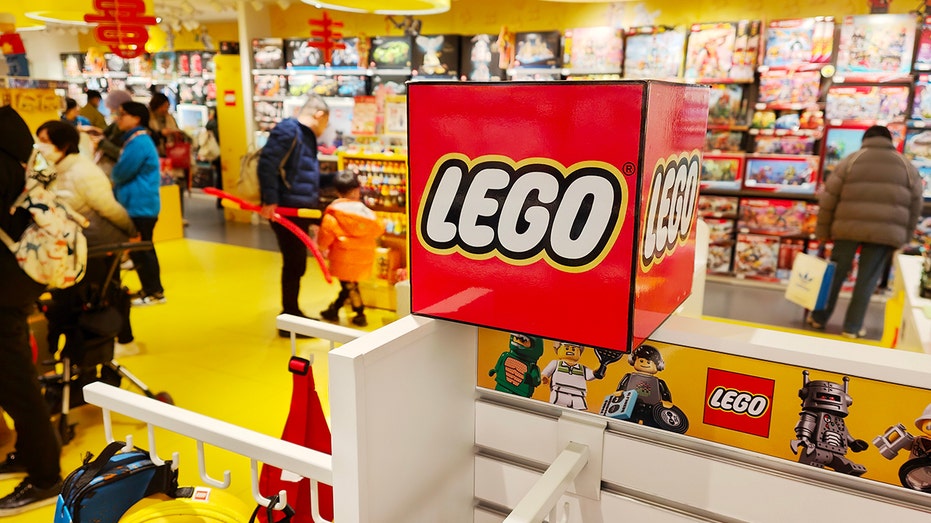
Police recovered thousands of dollars in stolen LEGO sets and toys after a retail theft investigation in Southern California. (Photo credit should read CFOTO/Future Publishing via Getty Images / Getty Images)
After executing the search warrant, police recovered roughly $10,000 worth of stolen merchandise.
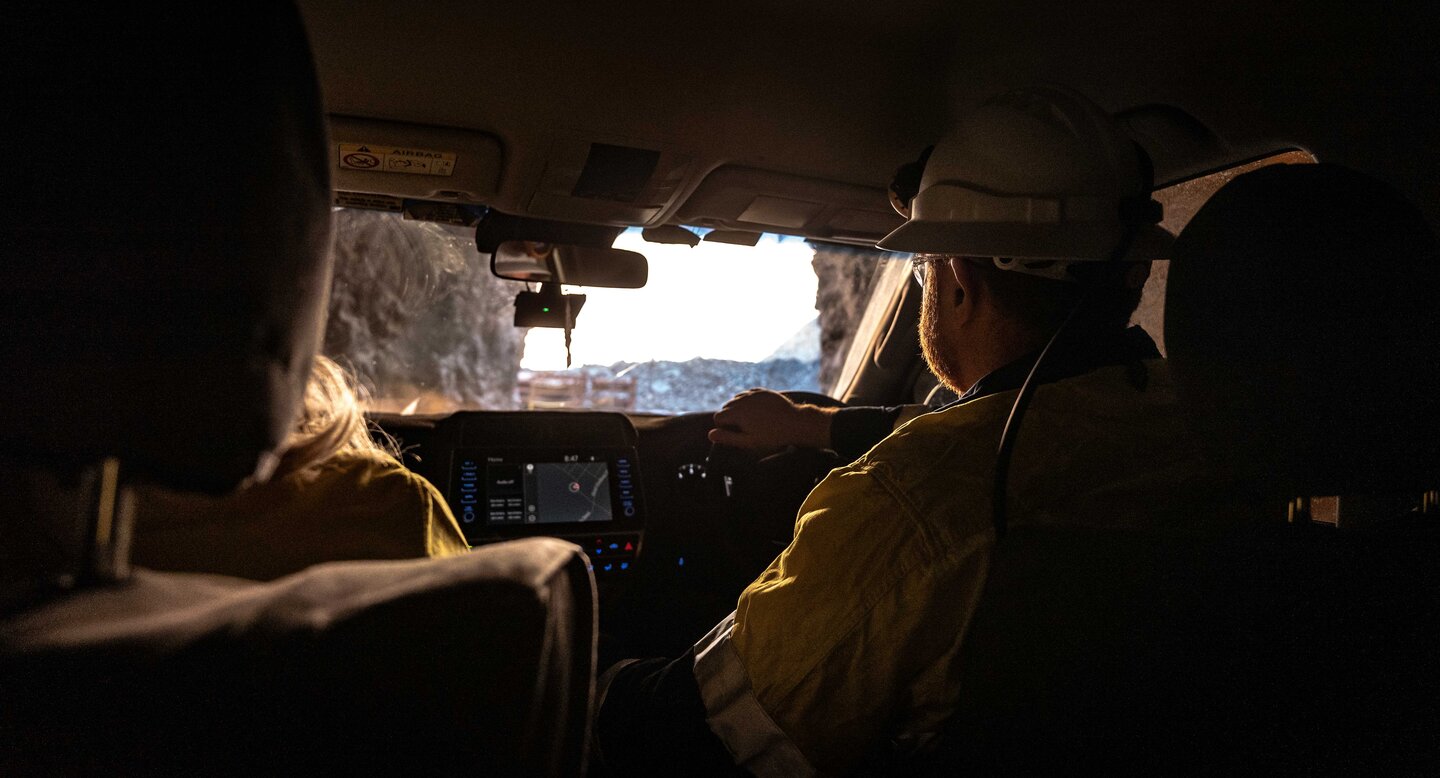
Westgold Resources’ spin-out Valiant Gold surged around 20 per cent on its first day of trading on the Australian Securities Exchange following its $75 million IPO.

As the Middle East conflict intensifies, rising oil prices may embolden Russia’s aggression in Ukraine, impacting global energy markets and Russia-China relations while influencing Putin’s strategy and concerns.
Key Points
- As the Middle East conflict escalates, Russia’s aggression in Ukraine may increase, driven by rising oil prices and evolving energy market dynamics, impacting Russia-China relations.
- The recent killing of Iranian leader Khamenei heightens Putin’s paranoia, as he fears being targeted next. This incident may embolden Russia to intensify its war in Ukraine, despite long-term outcomes remaining uncertain.
- Global energy instability from Middle Eastern tensions, including struggles over oil exports, presents Russia with potential advantages in financing its ongoing conflict while fostering deeper ties with China.
The current escalation of the Middle East conflict has significant implications for Russia’s ongoing aggression in Ukraine, catalyzed by rising oil prices and shifting global energy dynamics, particularly influencing the relationship between Russia and China. Despite the geographical distance of approximately 2,500 kilometers, the intensifying Middle East conflict could encourage the Kremlin to adopt a more aggressive stance in Ukraine. However, this short-term boldness is unlikely to lead to a decisive advantage for Russia in the long term.
The potential targeted assassination of Iranian supreme leader Ayatollah Ali Khamenei by a US military strike serves as a stark reminder of past geopolitical actions, prompting memories for Russian President Vladimir Putin of his emotional reaction to the 2011 killing of Libyan leader Muammar Gaddafi. Online commentary from Russian nationalist figures highlights a sense of vulnerability among Russian allies, with fears that similar fates could await them. This situation exacerbates Putin’s already precarious position as he navigates between paranoia and indignation regarding the strike on Khamenei, leading him to express outrage without directly confronting the US’s role.
Moreover, the violence in the Middle East presents Russia with advantageous opportunities, primarily through the substantial increase in oil prices. This surge not only enhances Moscow’s financial resources for its military endeavors but also complicates China’s energy dependence on Iran, which has historically made up over 80% of its oil imports. As China holds large oil reserves, it is likely to strengthen its energy ties with Russia amid ongoing regional instability.
The closure of the Strait of Hormuz and Iranian military actions against Gulf oil facilities further complicate global energy markets, affecting a significant portion of global oil and liquefied natural gas trade. The overall landscape suggests that as the Middle East conflict unfolds, and with Russia’s cautious yet aggressive posture towards Ukraine, the ramifications for international relations, particularly between Russia and its energy allies, will be profound and multifaceted.
Read the original article : What the conflict in Iran means for Putin and Ukraine
Other People are Reading

The price of a wide range of goods – from food, to smartphones, to medicines – could be affected by the US-Israel war with Iran.
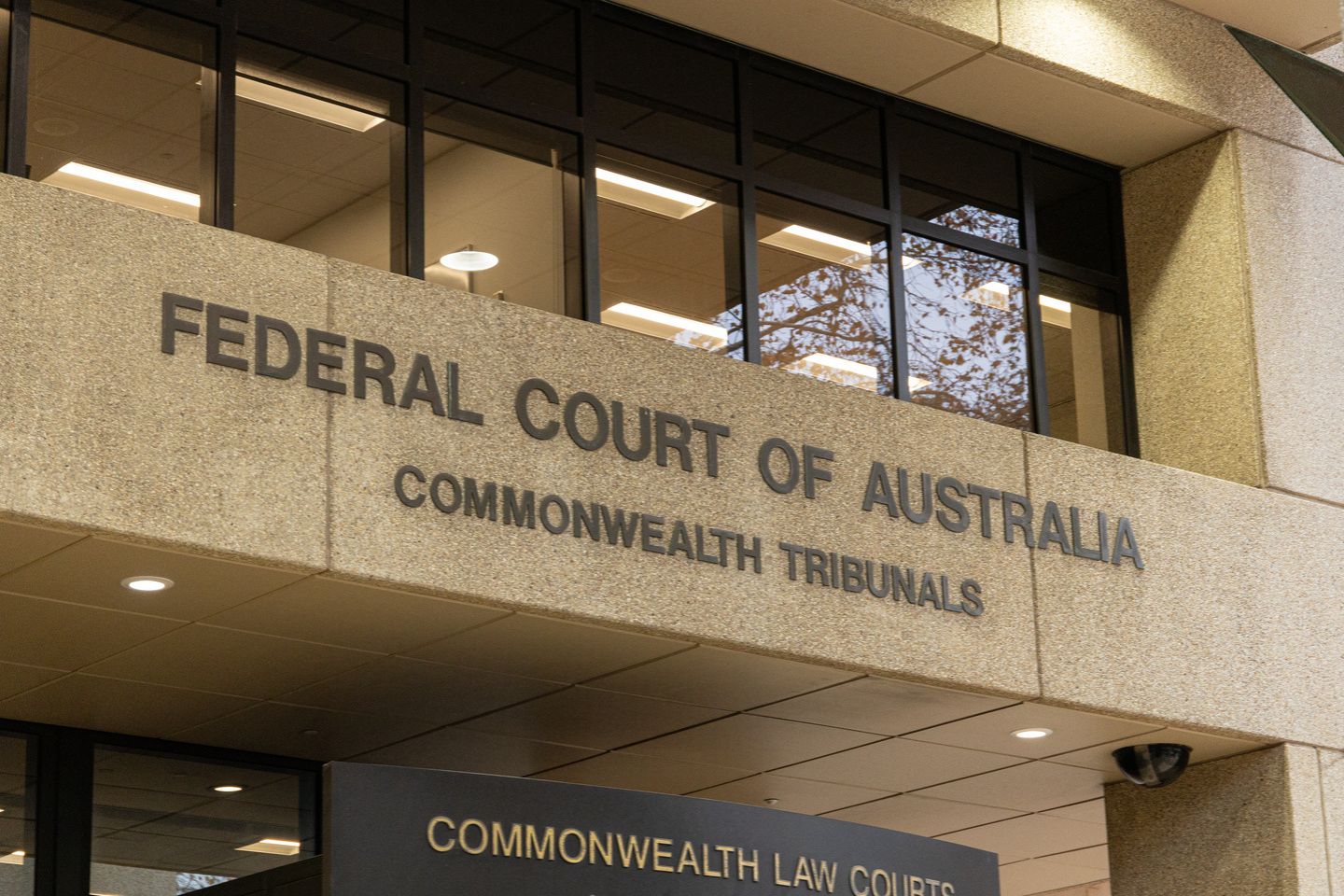
The federal court has handed down its highest penalty for a competition law breach, ordering Qteq and its Perth-based director Simon Ashton to pay $6 million.

Nebius: Massive AI Deals Drive Growth, But Dilution Risks Loom
Business
Govt’s fuel duty cut seen as timely cushion; markets may have passed peak panic: Deven Choksey

Responding to ET Now on whether it is premature to start factoring in earnings downgrades for Indian companies, Choksey suggested that the government’s actions could help soften the blow from global headwinds.
“I guess government should be complimented for acting in time. I guess they did so during the covid times, they are doing this activity of cutting down the excise on fuel at a time when entire world is desperate on other side. By way of cutting down the excise duties, they are ensuring few things. The consumer prices are not increasing, the fuel-related activities, as a result of which the inflationary pressure would remain under control. Though one may argue that on a fiscal deficit side it may have an impact of 35 to 40 bps from what it projected at 4.3, it could possibly go up to 4.7 if the full-year accounts are to be taken into account,” he said.
But suppose if this is a temporary measure, good credit should go to government that in advance time they are taking care of inflationary pressure, making sure that the corporates do not end up losing money and at the same time the consumer demand continues to remain buoyant. So, overall I believe that it is a welcome move, consumer benefits, OMCs benefits,” he added.
Relief for Consumers, Cushion for OMCs

A key question, however, is whether the benefits of the excise duty cut will be directly felt by consumers or primarily serve as a buffer for oil marketing companies (OMCs).
Choksey clarified that the impact is already indirectly benefiting consumers by preventing further price hikes.
“Yes, the point is important that if they are not increasing the price, that means effectively they have passed it on to the consumer. Otherwise, the OMCs have no choice but to increase the prices in the rising crude oil scenario. Now with this excise duty cut coming in their favour, they have a cushion of Rs 10 per litre on petrol and on diesel. They do not pass it on to the consumer and that is the benefit that the consumer gets eventually,” he explained.
Balancing Domestic Needs and Global Opportunities
The government has also raised export duties on petroleum products such as ATF, diesel, and petrol—a move that could potentially impact private refiners. However, Choksey views this as part of a broader balancing strategy.
“Even if it is increase in export duty, the price is still at parity level or slightly at the discounted level compared to the overall global prices. So, government is playing a balancing act according to me. On one side, when the global consumer is willing to pay the price, they are charging the price. On the other side, the domestic consumer should be protected, they are reducing the price. It is a perfect balancing act. Good credit goes to government for this again,” he noted.
Market Outlook: Panic Phase Likely Over
On the broader equity market outlook, Choksey indicated that the worst of the fear-driven selling may be behind us, with markets now awaiting positive triggers—particularly on the geopolitical front.
“The market has possibly completed the panic portion. I believe the fear factor is probably going out at this point of time. Entire market, including the global markets, is waiting for positive news to come on the war. Should it happen, then you will be seeing the upside which is unprecedented. So, in my viewpoint, instead of keeping the fear at the back of mind, I think that things are looking relatively more positive on prospects of war-related situation bringing up some positive news,” he said.
A Tactical Policy Move with Broader Implications
While concerns around fiscal slippage remain, the government’s decision appears to be aimed at preserving macroeconomic stability in the near term. By cushioning fuel prices, policymakers are attempting to protect both consumption and corporate margins—two critical pillars for sustaining economic growth.
For investors, the message seems clear: while global risks persist, domestic policy support and easing panic could provide a constructive backdrop for markets in the months ahead.

TFI International: Too Risky, Or Ready To Recover?
Business
Chinese universities with military links bought Super Micro servers with restricted AI chips


Chinese universities with military links bought Super Micro servers with restricted AI chips

Updated All-Time Elite 8 Appearances by Schools in West

Anime streaming service Crunchyroll is now available in Apple TV channels

How to Invest Like a Millionaire #shorts #finance


-
 Crypto World6 days ago
NIO (NIO) Stock Plunges 6.5% as Shelf Registration Sparks Dilution Worries
-
 NewsBeat2 days ago
Manchester United reach agreement with Casemiro over contract clause amid transfer speculation
-

 Fashion7 days ago
Weekend Open Thread: Adidas – Corporette.com
-

 Politics7 days ago
Jenni Murray, Long-Serving Woman’s Hour Presenter, Dies Aged 75
-

 Crypto World5 days ago
Best Crypto to Buy Now: Strategy Just Spent $1.57 Billion on Bitcoin During Fear While Early Investors Quietly Enter Pepeto for 150x Potential
-

 Crypto World5 days ago
Bitcoin Price News: Bhutan Sells $72 Million in BTC Under Fiscal Pressure, but the Smart Money Entering Pepeto Sees What the Market Does Not
-

 News Videos1 day ago
Parliament publishes latest register of MPs’ financial interests
-

 Sports4 days ago
Remo Stars and Kano Pillars Strengthen Survival Hopes in NPFL
-

 Sports4 days ago
Gary Kirsten Accuses Pakistan Cricket Board Of ‘Interference’, Mohsin Naqvi Responds
-

 Tech4 days ago
Give Your Phone a Huge (and Free) Upgrade by Switching to Another Keyboard
-

 Business5 days ago
No Winner in March 21 Drawing as Prize Rolls to $133 Million for Next
-

 Sports7 days ago
2026 Kentucky Derby horses, odds, futures, preview, date: Expert who nailed 12 Derby-Oaks Doubles enters picks
-

 Tech4 days ago
AI enters the chat: New Seattle dating app relies on tech to facilitate meaningful human connections
-
Business6 days ago
Columbia Sportswear enters $500 million credit agreement with JPMorgan Chase
-

 News Videos4 days ago
Ch 9 Financial Management Part 1 | Detailed One Shot | Class 12 Business Studies Boards 2026
-

 Tech5 days ago
Today’s NYT Connections Hints, Answers for March 22 #1015
-

 Business11 hours ago
Instagram, YouTube Found Responsible for Teen’s Mental Health Struggle in Historic Ruling
-
 Crypto World7 days ago
Small-cap Russell 2000 enters correction territory
-

 Business5 days ago
Will Duke Basketball Win It All? Duke Basketball Enters Second Round as Third Favorite to Claim NCAA Title
-

 Business7 days ago
(VIDEO) BTS Drops ‘ARIRANG’ Album Today, Marking Epic Post-Military Comeback With Live Concert
You must be logged in to post a comment Login