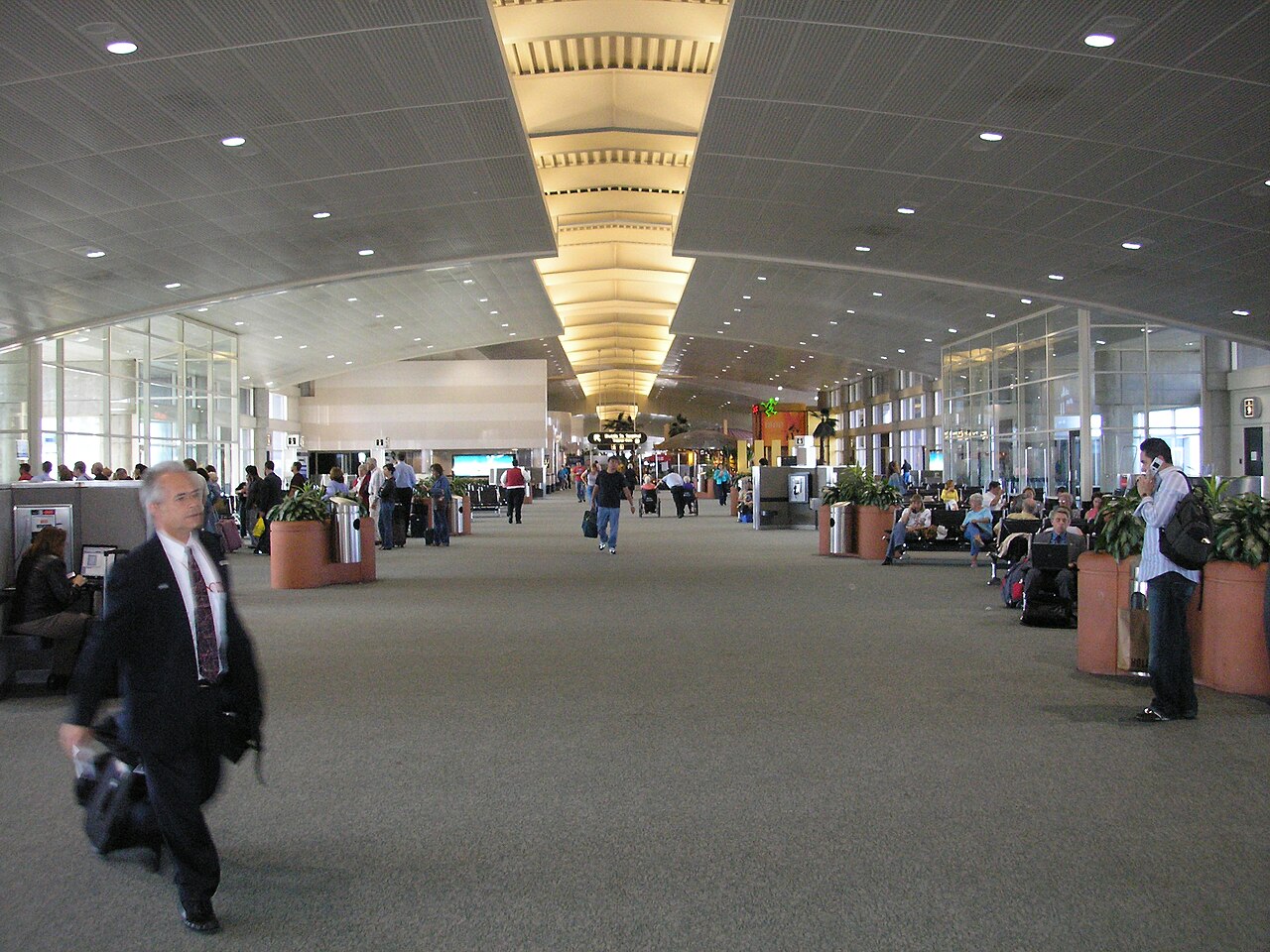
TAMPA, Fla. — Travelers passing through Tampa International Airport are experiencing relatively smooth security lines this spring, with TSA wait times averaging under 15 minutes on most days in late March 2026, even as spring break crowds push passenger volumes higher than usual.
Tampa International Airport
Tampa International Airport (TPA), one of Florida’s busiest gateways, reports that standard security checkpoints are moving efficiently, with average waits often between 7 and 15 minutes according to real-time tracking services. TSA PreCheck lanes are typically clearing in 5 minutes or less. Airport officials continue to recommend arriving two hours before domestic flights and three hours for international departures to account for check-in, security and gate time.
The airport’s four airside checkpoints — A, C, E and F — handle screening for passengers heading to gates via the automated people mover system. Current data from monitoring sites such as OnAirParking and Flight Queue show fluctuating hourly averages, with some early morning slots dipping as low as zero reported minutes and occasional peaks reaching 20-30 minutes during busier periods. As of recent updates, overall averages hovered around 7 to 11 minutes.
Tampa airport’s official guidance notes that wait times vary throughout the day. The busiest windows typically fall between 6 a.m. and 9 a.m., with additional pressure on days surrounding holidays and school breaks. Even during these peaks, waits rarely exceed 30 to 45 minutes, a contrast to longer delays reported at some other major U.S. airports amid staffing challenges and high travel demand.
Spring break season has increased passenger traffic at TPA, yet officials emphasize that lines have not seen significant backups. “While TPA is currently experiencing high passenger volume due to spring break, our TSA security checkpoints are not seeing any significant delays or backups,” the airport stated in recent updates. This efficiency persists despite a broader U.S. government shutdown affecting some federal operations, including aspects of TSA staffing at certain facilities nationwide.
Advertisement
TSA PreCheck remains available at all four airsides, offering expedited screening for approved members. The program continues to provide faster throughput for frequent travelers who have completed background checks. Global Entry and CLEAR services are also accessible, further reducing times for eligible passengers.
Hourly breakdowns from tracking platforms illustrate the pattern. Early overnight hours can show sporadic higher waits due to lower staffing or overnight cleaning, while midday periods often dip into the 10-20 minute range. Afternoon and evening slots occasionally climb toward 25-30 minutes but generally stay manageable. Travelers using apps like MyTSA can check crowd-sourced reports in real time for the most current picture.
Airport operators have invested in technology and layout improvements over the years to keep security flowing. The main terminal’s design funnels passengers efficiently to airside checkpoints, and digital signage or planned monitors aim to display live wait times for standard and PreCheck lanes. Staff training and flexible deployment help mitigate spikes in demand.
For context, TPA handled millions of passengers annually before the latest travel rebound, serving as a key hub for leisure and business travelers heading to Florida beaches, theme parks and beyond. Airlines including Delta, American, United, Southwest and international carriers operate extensive schedules from the facility.
Advertisement
Despite the ongoing government shutdown mentioned in recent local reports, TPA lines have moved smoothly according to passenger feedback and local news coverage. Videos and social media posts from mid-March showed steady but not overwhelming crowds, with TSA agents processing travelers without the hours-long backups seen at airports like Atlanta or certain New York facilities.
Travel experts advise several strategies to minimize time at security. Enrolling in TSA PreCheck or Global Entry can cut waits dramatically. Packing liquids in compliance with the 3-1-1 rule, removing laptops and large electronics early, and wearing easy-to-remove shoes all help speed the process. Avoiding peak morning departures when possible can also reduce stress.
Real-time resources include the official Tampa Airport website, the MyTSA mobile app from the Transportation Security Administration, and third-party trackers like Flight Queue or OnAirParking. These tools pull data from passenger reports and airport feeds, though actual times can shift quickly based on flight schedules, staffing levels and random screening protocols.
TSA emphasizes that all travelers must follow standard screening procedures unless enrolled in trusted traveler programs. Prohibited items continue to trigger secondary checks, potentially lengthening individual experiences even when overall lines move well. Common delays stem from forgotten liquids, oversized carry-ons or items requiring additional inspection.
Advertisement
Comparisons with other Florida airports show TPA performing favorably. Orlando International (MCO) often sees longer averages during peak season, while smaller gateways like Fort Lauderdale or Jacksonville report variable times. Nationwide, TSA processes millions of travelers daily, with wait time data helping passengers plan amid fluctuating conditions.
Airport parking, rideshares and ground transportation also factor into overall arrival planning. TPA offers ample on-site parking, cell phone lots for pickups and convenient shuttle connections. Officials urge allowing buffer time not just for security but for potential flight delays or gate changes.
As spring break continues into early April, passenger volumes are expected to remain elevated before tapering. Summer travel patterns will bring another wave, with Fourth of July and back-to-school periods testing capacity once more. TPA has consistently ranked highly among large U.S. airports for passenger satisfaction, partly due to manageable security experiences and modern amenities.
The airport features a wide array of dining and shopping options post-security, including local Florida flavors and national chains with mobile ordering to save time. Quiet zones, charging stations and family-friendly areas add to the traveler experience once through screening.
Advertisement
For families, TSA offers special accommodations such as dedicated lanes or assistance for travelers with children, disabilities or medical needs. Families on the Fly participants at TPA can benefit from streamlined processes where available.
International travelers should factor in additional time for customs and immigration on arrival, though departure screening follows standard domestic protocols. Nonstop service expansions, including recent announcements to destinations in Costa Rica and the Dominican Republic, reflect TPA’s growing global reach.
TSA and airport leaders continue monitoring staffing and operational needs amid federal budget uncertainties tied to the shutdown. Local reports indicate that core security functions at TPA have not faced major disruptions, thanks to contingency planning and cross-training.
Travelers with questions about prohibited items or screening procedures can consult the TSA website or use the MyTSA app’s “What Can I Bring?” tool before heading to the airport. Advance preparation remains the best defense against unexpected delays.
Advertisement
As of late March 2026, the consensus from multiple sources points to short TSA waits at Tampa International Airport making it one of the more traveler-friendly large airports during a busy travel period. Officials and analysts credit efficient design, proactive staffing and passenger compliance for keeping lines moving.
Passengers are reminded that conditions can change rapidly. Checking multiple sources — including the airport’s guest experience page and real-time apps — provides the most reliable picture on the day of travel.
With Florida’s tourism economy in full swing, TPA stands out for balancing high volume with reasonable throughput. Travelers departing in the coming weeks can expect a generally positive security experience if they build in the recommended arrival buffers and follow best practices.
The combination of technology, trained personnel and clear communication helps Tampa International Airport maintain its reputation as an efficient gateway even when the terminals fill with spring breakers and vacationers eager for sunshine and relaxation.
Advertisement
For the absolute latest updates, visitors should visit flytpa.com or download the MyTSA app before leaving home. Safe travels remain the shared goal of airport staff, TSA officers and the millions who pass through TPA each year.
NEW YORK — Blackpink superstar Lisa is set to take center stage at the 2026 FIFA World Cup opening ceremony, according to multiple reports circulating Friday, marking a major coup for the global pop phenomenon and promising an electrifying start to the world’s most-watched sporting event.
Sources close to FIFA and the joint United States-Canada-Mexico organizing committee confirmed that negotiations with Lisa’s team have reached an advanced stage, with the Thai-born rapper and singer expected to deliver a high-energy solo performance during the July 2026 kickoff show in Los Angeles. The performance would represent one of the biggest musical moments in World Cup history and significantly boost the event’s appeal to younger, global audiences.
The news quickly spread across social media, with fans celebrating what many called a “perfect match” between the K-pop icon and football’s universal stage. Lisa, who has amassed hundreds of millions of followers across platforms, has previously collaborated with major brands and performed at large-scale events, but a World Cup opening ceremony would represent her biggest live audience to date.
FIFA has not officially confirmed the booking, but insiders say the decision aligns with the organization’s strategy to blend sports, music and culture for the 2026 tournament, which will be the first 48-team edition hosted across three countries. Previous World Cup opening ceremonies have featured global stars such as Shakira, Jennifer Lopez, Ricky Martin and Oprah Winfrey, setting a precedent for high-profile entertainment.
Advertisement
Lisa’s Rising Global Influence
Since breaking out with Blackpink in 2016, Lisa has become one of the most influential entertainers on the planet. Her solo career, including hits like “Lalisa” and “Money,” has topped charts worldwide, while her fashion partnerships with brands like Celine and her dance challenges on TikTok have made her a cultural force beyond music. A performance at the World Cup would further cement her status as a global ambassador.
Industry analysts say Lisa’s selection makes strategic sense. The 2026 World Cup is expected to draw record viewership, particularly in Asia, where football’s popularity continues to surge and Blackpink maintains an enormous fanbase. Her dynamic stage presence, sharp choreography and multilingual appeal position her perfectly to energize a worldwide audience.
Details of the Performance Still Under Wraps
While the exact setlist and duration remain confidential, sources indicate Lisa is preparing a medley that could include both solo tracks and Blackpink favorites. Production elements are expected to be spectacular, potentially incorporating advanced visuals, dancers and cultural references blending her Thai heritage with global football themes.
The opening ceremony itself will take place at SoFi Stadium in Los Angeles on July 11, 2026, just hours before the first match. Organizers have promised a celebration of unity, diversity and passion — themes that align closely with Lisa’s public image and massive international reach.
Advertisement
FIFA’s chief of global football development, Arsène Wenger, has previously emphasized the need to engage younger generations. “Music and football are universal languages,” Wenger said in earlier comments about entertainment plans. “We want the opening ceremony to reflect the joy and excitement of the beautiful game.”
Fan and Industry Reaction
The rumored booking has already generated massive excitement. Blackpink’s dedicated fanbase, known as BLINKs, flooded social media with celebration posts, trending hashtags and fan art imagining Lisa on the World Cup stage. Many football fans who may not follow K-pop also expressed intrigue at the crossover.
Music industry executives called the potential performance a smart move for both sides. “Lisa brings star power, cultural relevance and a truly global audience,” said one senior talent agent who was not involved in the negotiations. “For FIFA, it’s a way to make the opening ceremony feel modern and inclusive.”
Some critics, however, questioned whether a solo K-pop performance might overshadow the host nations’ own musical talents. Organizers are expected to feature additional artists from the United States, Canada and Mexico to create a balanced, multicultural show.
Advertisement
Broader Context for 2026 World Cup
The 2026 tournament will be historic in scale, with 48 teams competing across 16 host cities in three countries. FIFA has placed heavy emphasis on innovation, sustainability and fan experience. High-profile entertainment is seen as key to driving global interest and ticket sales.
Previous World Cups have used music to create unforgettable moments — Shakira’s “Waka Waka” became a global anthem in 2010, while the 2018 ceremony in Russia featured a memorable performance by Robbie Williams. Lisa’s rumored appearance would continue this tradition while pushing it into new cultural territory.
Blackpink as a group has already performed at major sporting events, including the 2019 Coachella headline slot and various award shows. Lisa’s solo career has taken off even further, with her dance-focused content and fashion influence making her one of the most marketable stars in entertainment.
What This Means for Fans
For BLINKs and football fans alike, the potential performance offers a rare convergence of two massive global passions. Tickets to the opening ceremony are expected to be in extremely high demand, and viewership projections for the broadcast could break records if Lisa’s involvement is confirmed.
Advertisement
Lisa herself has not publicly commented on the reports, maintaining her usual low-profile approach to upcoming projects. Her representatives have also remained silent, which is typical ahead of major announcements.
As anticipation builds, all eyes turn to official confirmation from FIFA and the Local Organizing Committee. If the reports prove accurate, Lisa’s World Cup performance could become one of the defining cultural moments of 2026 — a powerful fusion of music, sport and global youth culture.
The news also highlights the increasing intersection between K-pop and mainstream Western entertainment. Blackpink’s previous collaborations with Western artists and brands have paved the way for greater crossover success, and Lisa’s solo trajectory suggests even bigger stages ahead.
Whether performing a solo set or potentially reuniting with her Blackpink bandmates for a special appearance, Lisa’s presence would bring an undeniable energy to the World Cup’s grand opening. For millions of fans around the world, it would be a moment where sport and music perfectly collide.
Advertisement
As the countdown to July 2026 continues, this reported booking adds another layer of excitement to an already historic tournament. Football fans and music lovers alike will be watching closely for official word — and preparing to witness what could be one of the most memorable opening ceremonies in World Cup history.
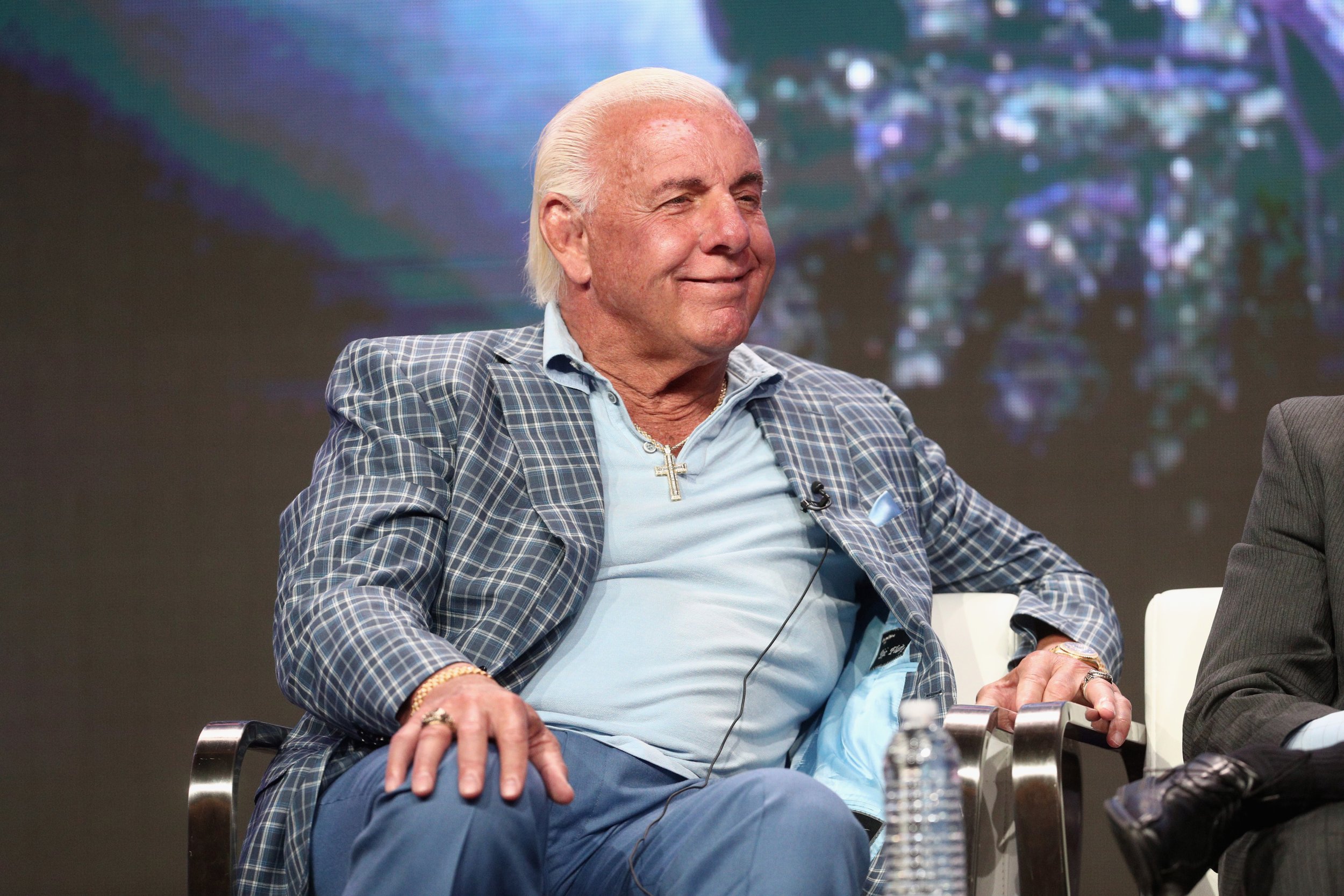
LOS ANGELES — Wrestling legend Ric Flair unleashed a fiery public criticism of Luka Doncic on Sunday, accusing the Lakers superstar of failing to play through his hamstring injury despite earning $46 million this season, in a viral X post that has ignited heated debate about player toughness and the realities of modern sports medicine.
In the post, which quickly amassed more than 2 million views within hours, Flair tagged Doncic and wrote: “@lukadoncic, There Is Only One Word That I Can Possibly Say, And That’s DISAPPOINTED. 46 Million Dollars, And You Can’t Play. OMG, I Would Jump Off The Empire State Building With A Parachute For 46 Million Dollars A Year, And I Don’t Even Know How To Pull The Cord To Open It — But I Would Take My Chances.”
.@lukadoncic, There Is Only One Word That I Can Possibly Say, And That’s DISAPPOINTED. 46 Million Dollars, And You Can’t Play. OMG, I Would Jump Off The Empire State Building With A Parachute For 46 Million Dollars A Year, And I Don’t Even Know How To Pull The Cord To Open It-… pic.twitter.com/Q4KsivXySB
The tweet, accompanied by a photo of a visibly frustrated Doncic in a Lakers jersey, has drawn sharp backlash from fans defending the Slovenian guard’s recovery process while others sided with Flair’s old-school view of playing through pain.
Advertisement
Doncic has been sidelined since early April with a Grade 2 left hamstring strain suffered in the regular-season finale. The injury, which involves a partial tear, typically requires six to eight weeks of recovery. He has been progressing through rehabilitation, including running and light on-court work, but the Lakers have taken a cautious approach to avoid a setback that could sideline him for months or risk long-term damage.
The Lakers trail the Oklahoma City Thunder 3-0 in the Western Conference semifinals without their star acquisition. LeBron James has shouldered much of the offensive load, but the team has struggled to generate consistent scoring and spacing without Doncic’s elite playmaking and floor gravity.
Flair, a 16-time world champion and WWE Hall of Famer known for his larger-than-life persona, has a history of outspoken social media commentary. His post echoes a generational divide in sports, where older athletes often emphasize mental toughness and playing through pain while modern medical standards prioritize long-term health and career longevity.
Lakers coach JJ Redick defended the organization’s handling of the injury after Friday’s practice. “We’re not rushing Luka,” Redick said. “His long-term health is the priority. We want him back when he’s truly ready, not when the outside noise demands it.”
Advertisement
Sports medicine experts largely back the Lakers’ conservative timeline. Dr. Brian McKeon, an orthopedic surgeon who has treated numerous NBA players, noted that Grade 2 hamstring strains carry a high risk of re-injury if athletes return prematurely. “You can’t simply ‘tough it out’ with this type of tear,” McKeon said. “Pushing too soon can turn a six-week absence into a six-month problem.”
Fan reactions to Flair’s tweet have been sharply divided. Many Lakers supporters defended Doncic, pointing to the seriousness of the injury and the team’s medical staff’s guidance. “Ric Flair doesn’t understand modern sports medicine,” one popular reply read. “This isn’t wrestling — you can’t pop painkillers and limp through a partial tear.”
Others echoed Flair’s frustration, especially as the Lakers face elimination. “Flair is right,” one user wrote. “$46 million a year and you’re sitting while LeBron is out there at 41 carrying the team.”
The tweet has also sparked broader conversations about player accountability, contract value and the pressure on star athletes during the playoffs. Some analysts noted that high salaries come with expectations of availability, while others argued that protecting long-term health ultimately benefits both player and franchise.
Advertisement
Doncic has not publicly responded to Flair’s criticism. In his last comments on the injury, the two-time MVP expressed frustration with the slow recovery but emphasized he was following medical advice. “I want to be out there helping my teammates,” he said. “But I have to trust the process.”
The Lakers’ playoff struggles without Doncic have intensified scrutiny on the blockbuster trade that brought him to Los Angeles last offseason. The move was intended to create a championship window alongside James, but injuries have tested those plans at a critical time.
James, who has averaged nearly 28 points in the series, has shouldered an enormous burden. After Game 3, he declined to comment directly on external criticism of his teammate. “We focus on what we can control,” James said. “Luka is working hard to get back. When he’s ready, he’ll be a huge boost for us.”
The NBA has seen a shift in recent years toward more cautious injury management, driven by better diagnostics, advanced rehabilitation techniques and a greater emphasis on career longevity. High-profile cases like Kevin Durant’s Achilles tear and Kawhi Leonard’s repeated knee issues have reinforced the importance of proper recovery timelines.
Advertisement
Flair’s post, while provocative, taps into a nostalgic view of sports toughness that resonates with some fans but clashes with contemporary medical realities. The 76-year-old wrestling icon has frequently used social media to share unfiltered opinions on current events and athletes.
As the Lakers prepare for Game 4 on Sunday at Crypto.com Arena, the focus remains on survival without their Slovenian star. A 3-0 deficit is historically daunting, with only four teams in NBA history ever coming back from such a hole.
Whether Flair’s comments motivate Doncic or simply highlight the generational gap in sports culture, they have added another layer of drama to an already intense playoff narrative. For now, the Lakers must find answers on the court while their star continues his recovery on the sidelines.
The viral nature of Flair’s tweet underscores how quickly sports commentary can spread in the social media era. What began as one man’s opinion has become a national conversation about money, injury and what it means to be a professional athlete in 2026.
Advertisement
As the series continues and Doncic’s return timeline remains uncertain, one thing is clear: the pressure on both the player and the organization has never been higher.
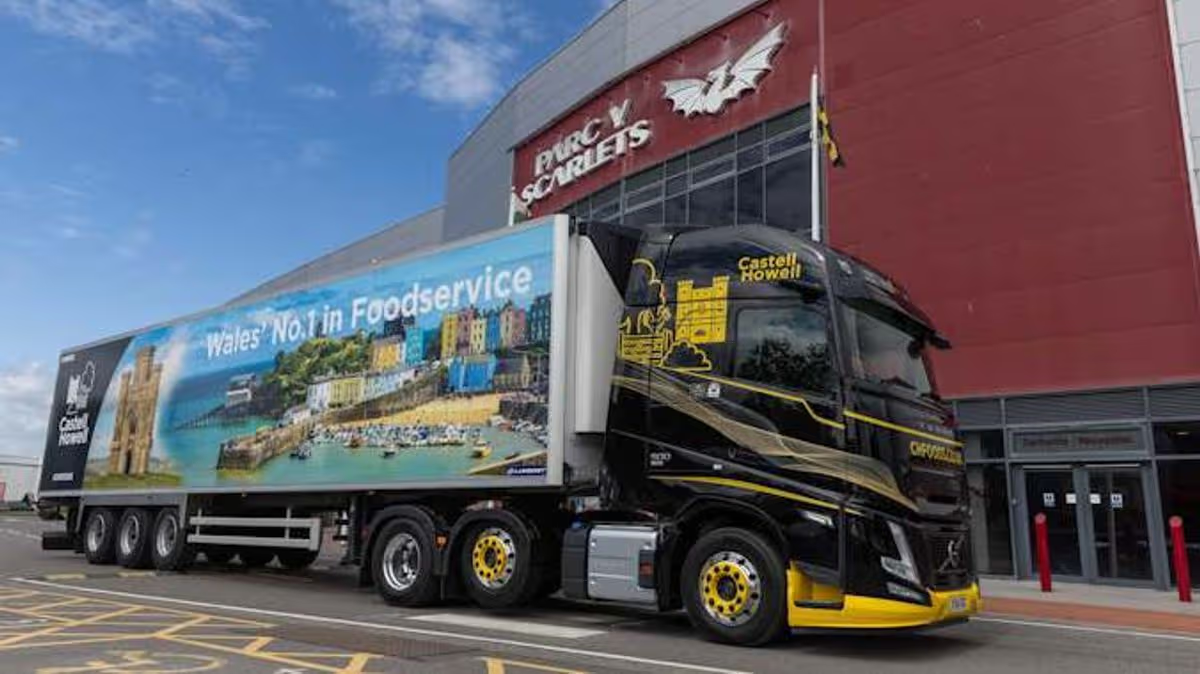
Castell Howell was formed by Scarlets director Brian Jones on his farm in 1988
Scarlets Rugby has extended a long-standing partnership with one of west Wales’ leading brands Castell Howell.
As part of the renewed agreement leading food wholesaler Castell Howell, which is headquartered in Cross Hands, will continue as the official south stand sponsor, with new branding set to be unveiled in and around the concourses at Parc y Scarlets.
Castell Howell also remains a key kit partner, retaining a prominent position on the Scarlets jersey.
Expanding its role within Parc y Scarlets, Castell Howell, which according to latest accounts published with Companies House regenerated revenues of £230m in 2024, will continue as the primary supplier of food and beverage services across Parc y Scarlets. The company has secured new “pourage partner” rights, overseeing the supply of alcohol throughout the stadium
Castell Howell was formed by Scarlets director Brian Jones on his farm in 1988 and has established itself as a dominant force in the UK foodservice industry.
Advertisement
Castell Howell will work closely with the Scarlets Community Foundation on a range of initiatives, including providing healthy street food samples to children during selected fixtures to promote healthier lifestyle choices among young fans.
Parc y Scarlets will also remain a venue for Castell Howell’s trade shows. The value of the deal sponsorship deal has not been disclosed.
Garan Evans, Scarlets commercial manager, said: “We are delighted to extend our partnership with Castell Howell, a company that has been a valued and trusted partner of the Scarlets for many years. Their continued commitment across multiple areas of the club, from matchday experience to community initiatives, highlights the strength of our relationship.
Advertisement
“We are forever grateful to the ongoing support of Brian, Martin and the family, and by reinforcing our partnership it not only enhances what we can offer our supporters at Parc y Scarlets, but also allows us to work together on community projects that benefit people across west Wales.”
Martin Jones, Castell Howell director of transport operations, said: “As a Welsh business, we fully recognise the vital role that Scarlets Rugby and local grassroots clubs play in developing the next generation of players – something we are genuinely passionate about supporting.
“Being a proud family business, our commitment goes far beyond the playing field. With matches played at Parc y Scarlets, we’re delighted to support not only the team but also the many local businesses we supply across the region. Supporters coming to cheer on the Scarlets also bring a welcome boost to neighbouring hospitality and retail businesses, helping to add real vibrancy to the local community.
“Continuing as the primary supplier of food and beverage services, along with securing the new ‘pourage partner’ rights, is tremendous news for the Welsh supply chain. It also creates further opportunity to expand the Welsh produce range already supplied throughout the stadium, strengthening our shared commitment to supporting local producers and showcasing the very best of Wales.
Advertisement
“For us, the vision remains clear – to ensure that everyone, from rugby supporters to local businesses and suppliers, benefits from our involvement. Making a positive difference to the communities we care deeply about is at the heart of who we are as a family business.”
The WRU is seeking to reduce the number of rugby regions from four to three at end of the 2027-28 season. It said it will update plans on how this will be achieved this summer. If there is no merger, a competitive bidding process for a west Wales licence could be fought over by the Scarlets and Y11 Sport and Media owned the Ospreys. A bid by Y11 to acquire Cardiff Rugby out of WRU ownership was abandoned last year.
The Scarlets and the Ospreys are now looking to sign off on an improved funding deal with the union through Professional Rugby Agreement 2025. They had previously declined to sign up raising concerns over what was perceived as union over reach by acquiring Cardiff out of administration and taking on the liabilities of having to fund the club’s trading losses.
NEW YORK — With Mother’s Day 2026 falling on Sunday, May 10, shoppers are turning to meaningful, experience-driven and tech-enhanced gifts that reflect the evolving roles of today’s mothers. From personalized wellness tools and sustainable fashion to AI-powered keepsakes and memorable experiences, this year’s top recommendations blend practicality with emotional resonance as families seek ways to honor the women who juggle careers, caregiving and personal growth.
Mother’s Day card
Retailers report strong demand for gifts that support self-care, family connection and sustainability. According to the National Retail Federation, Americans are expected to spend a record $35.7 billion on Mother’s Day this year, with experiences and personalized items leading the surge. Here are 10 standout gift ideas for 2026 that balance thoughtfulness, innovation and practicality.
1. Personalized Smart Jewelry with Health Tracking Oura Ring Gen4 or a custom-engraved Whoop band with a mother’s birthstone offers discreet wellness monitoring. These sleek pieces track sleep, stress and activity while allowing engraving for a personal touch. Prices range from $299 to $499, making them premium yet practical for health-conscious moms.
2. Custom Family Digital Photo Frame The latest Aura Carver or Skylight frames with AI curation automatically organize and display family photos from shared cloud albums. New 2026 models include voice-activated controls and unlimited storage. At $169–$299, these frames deliver ongoing joy long after Mother’s Day.
3. Luxury Sustainable Skincare Subscription Brands like Dieux and Merit offer curated, refillable skincare sets using clean, planet-friendly ingredients. Many now include personalized quizzes that tailor products to individual skin needs and environmental concerns. A full-year subscription starting around $180 shows ongoing care.
Advertisement
4. Immersive Experience Gift A mother-daughter cooking class with a celebrity chef, a weekend glamping trip or private yoga retreat delivers memories over material items. Platforms like Viator and Airbnb Experiences have seen 40% growth in family-oriented bookings for 2026, with prices ranging from $150 to $1,500.
5. Noise-Cancelling Headphones with Wellness Features Sony’s WH-1000XM6 or Bose QuietComfort Ultra include built-in meditation guides, spatial audio for audiobooks and exceptional battery life. Many moms report these as game-changers for finding quiet moments in busy lives. Expect to spend $350–$429.
6. Personalized Wellness Journal with AI Insights The Intelligent Change Five Minute Journal now integrates with companion apps that analyze mood patterns and suggest personalized prompts. Leather-bound versions with custom monogramming make this both beautiful and functional, priced around $45–$85.
7. High-End Eco-Friendly Cashmere or Linen Sustainable brands like Naadam and Quince offer traceable cashmere sweaters or premium linen sets. Many provide customization options including embroidery. These timeless pieces support ethical fashion while delivering luxury moms will reach for daily, starting at $89.
Advertisement
8. Smart Garden Kit with App Guidance AeroGarden’s latest models or Click and Grow smart planters allow year-round herb and flower growing with AI-driven lighting and reminders. Perfect for moms who love gardening but lack time or space, these kits range from $79 to $299 and include starter seed pods.
9. Custom Recipe Book or Family Cookbook Services like Shutterfly and Artifact Uprising turn family recipes and photos into beautiful hardcover books. New 2026 features include QR codes linking to video messages from children and grandchildren. Prices typically range from $60 to $150.
10. Charitable Donation Plus Personalized Keepsake Many mothers appreciate gifts that give back. Platforms like GreaterGood and charity-focused jewelers allow donations to causes like women’s education or maternal health paired with custom jewelry or engraved items. This combination creates emotional impact while supporting meaningful missions.
Emerging Trends Shaping Mother’s Day 2026
Sustainability remains a dominant theme, with 68% of consumers saying they prefer eco-friendly gifts according to recent surveys. Personalized technology also continues gaining traction as families seek ways to stay connected across distances. Experiences over material goods reflect a broader shift toward creating memories, particularly among millennial and Gen Z gift-givers.
Advertisement
Retail experts note that hybrid gifts — combining something tangible with an experience or charitable element — perform especially well. Many mothers also express preference for items supporting their own well-being rather than traditional flowers or chocolate, though those classics still hold strong when paired with personalized notes.
Shopping Tips for a Meaningful Mother’s Day
Start early to avoid shipping delays on personalized items. Consider your mother’s specific interests and current life stage — a new grandmother may appreciate different gifts than a working mom with young children. Budget-friendly options exist across all categories, and many brands offer flexible payment plans or gift cards for last-minute shoppers.
Most importantly, pair any gift with a heartfelt handwritten note. In an increasingly digital world, the personal touch remains the most valued element of any Mother’s Day present.
This year’s gift landscape offers more thoughtful, useful and memorable options than ever before. Whether choosing high-tech wellness tools, sustainable fashion or unforgettable experiences, the best gifts celebrate the unique role each mother plays while supporting her individual journey through life.
Advertisement
As families prepare for May 10, these ideas provide a strong starting point for expressing gratitude in ways that truly resonate in 2026.

















































You must be logged in to post a comment Login