
Business
Pakistan to host regional summit on Monday amid Iran cease-fire talks- report





On Canada’s tariff frontline, business stalls over US trade deal jitters

A company of Manulife Investment Management, John Hancock Investment Management serves investors through a unique multimanager approach, complementing our extensive in-house capabilities with an unrivaled network of specialized asset managers, backed by some of the most rigorous investment oversight in the industry. The result is a diverse lineup of time-tested investments from a premier asset manager with a heritage of financial stewardship. Note: This account is not managed or monitored by John Hancock Investment Management, and any messages sent via Seeking Alpha will not receive a response. For inquiries or communication, please use John Hancock Investment Management’s official channels.


I am Gen Alpha. I have more than 14 years of investment experience, and an MBA in Finance. I focus on stocks that are more defensive in nature, with a medium- to long-term horizon. I provide high-yield, dividend growth investment ideas in the investing group iREIT®+HOYA Capital. The group helps investors achieve dependable monthly income, portfolio diversification, and inflation hedging. It provides investment research on REITs, ETFs, closed-end funds, preferreds, and dividend champions across asset classes. It offers income-focused portfolios targeting dividend yields up to 10%. Learn more.
Analyst’s Disclosure: I/we have a beneficial long position in the shares of FRT either through stock ownership, options, or other derivatives. I wrote this article myself, and it expresses my own opinions. I am not receiving compensation for it (other than from Seeking Alpha). I have no business relationship with any company whose stock is mentioned in this article.
I am not an investment advisor. This article is for informational purposes and does not constitute as financial advice. Readers are encouraged and expected to perform due diligence and draw their own conclusions prior to making any investment decisions.
Seeking Alpha’s Disclosure: Past performance is no guarantee of future results. No recommendation or advice is being given as to whether any investment is suitable for a particular investor. Any views or opinions expressed above may not reflect those of Seeking Alpha as a whole. Seeking Alpha is not a licensed securities dealer, broker or US investment adviser or investment bank. Our analysts are third party authors that include both professional investors and individual investors who may not be licensed or certified by any institute or regulatory body.
Available for over a year
It’s a tough time for any young person looking for a job at the moment. While overall unemployment is running at just over 5 percent, there’s particular concern about a large group of 16 to 24 year olds – almost a million of them (12.8%) who are not in employment, education or training. And that includes recent graduates in that age bracket. They’re known as NEETS. David Aaronovitch and guests discuss why they’re in this situation – is it down to the state of the economy, their own ability to work or that ever present fear – AI?
Guests:
Jack Kennedy, Senior Economist, Indeed Hiring Lab
Lindsay Judge, Research Director, The Resolution Foundation
Xiaowei Xu, Senior Research Economist, Institute for Fiscal Studies.
John Burn-Murdoch, Chief Data Reporter, The Financial Times
Presenter: David Aaronovitch
Producers: Caroline Bayley, Nathan Gower, Kirsteen Knight
Production Co-ordinator: Maria Ogundele
Sound Engineer: James Beard
Editor: Richard Vadon
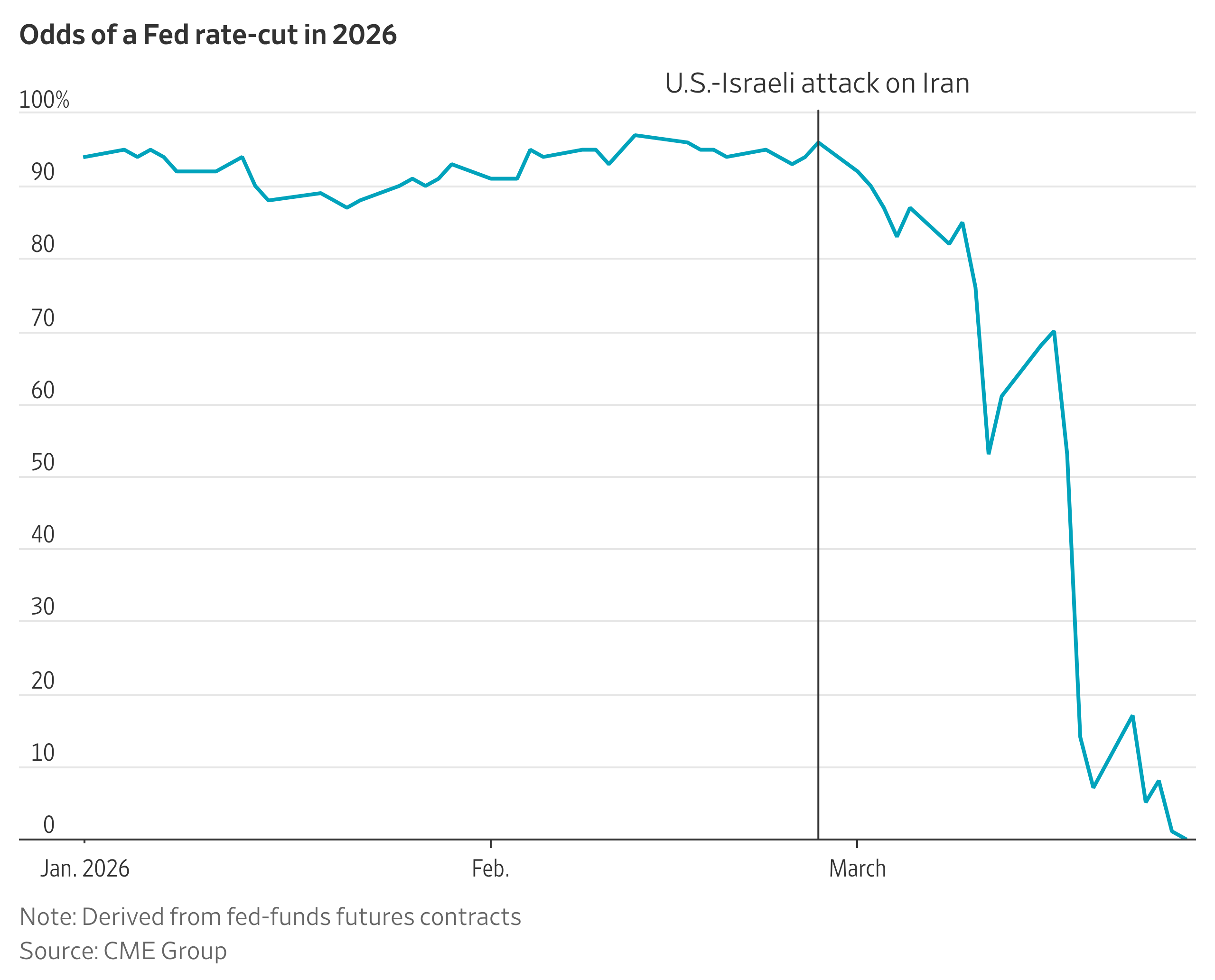
Financial markets have fully abandoned bets on rate cuts from the Federal Reserve this year, with the war in the Middle East set to drive up inflation.
Derivatives markets show zero odds of a rate cut this year, down from 1.3% on Thursday, according to CME Group data. Markets are pricing a 54% chance of at least one hike.
The energy price shock unleashed by the conflict has dramatically altered the outlook for central banks around the world, which now face both higher inflation and slower growth. As disruptions to energy markets grow, so do the risks that inflation pressure spill over into broader price pressures.

Parag Parikh Liquid Fund ranks among the top low-cost funds delivering strong one-year returns with high liquidity and stability.
Business
FIIs sell Indian equities worth Rs 1.14 lakh crore in March; 2026 outflow balloons to Rs 1.27 lakh crore

This has turned out to be the worst month so far, as foreign investors continue pulling out from their Indian investments amid the Iran-Israel war.
Commenting on the current trends, Dr. VK Vijayakumar, Chief Investment Strategist, Geojit Investments said the weakness in global equity markets following the war in West Asia, the steady depreciation of the rupee, fears of decline in remittances from the Gulf region and concerns surrounding the impact of high crude price on India’s growth and corporate earnings contributed to the sustained selling by FPIs.
“It is important to understand that FPIs were sellers in other emerging markets, too, like Taiwan and South Korea. There is a risk-off trend in equity markets, globally after the war broke out in West Asia. The poor returns from India vis-a-vis other markets – both developed and emerging- during the last eighteen months is the principal reason for FPI’s indifference towards India. If their sustained selling strategy is to change, there should be an end to the hostilities in West Asia and decline in crude prices,” Vijayakumar said.
On Friday, FIIs sold domestic shares at Rs 4,367.30 crore while DIIs were net buyers at Rs 3,566.15 crore.

Indian frontline indices ended their two-session rally amid sharp cuts as a failure in the Iran-US negotiations dented the market mood. Elevated energy prices and a plunging rupee aggravated troubles for domestic investors. Amid high volatility, markets were mainly dragged by financials, auto and consumer stocks. Nifty settled at 22,819.60, falling by 486.85 points or 2.09% while the BSE Sensex closed at 73,583.22, declining 1,690.23 points or 2.25%.
FIIs in 2026
Foreign investors turned net buyers in February, buying shares worth Rs 22,615 crore in the domestic markets so far. In January, they sold Rs 35,962 crore worth of shares.
In 2025, the FIIs buying trends remained patchy, but the overall trend was bearish. They took Rs 1,66,286 crore from Indian markets as trade deal delay and premium valuations weighed on the sentiments.
(Disclaimer: Recommendations, suggestions, views and opinions given by the experts are their own. These do not represent the views of Economic Times)

asbe/iStock via Getty Images
The CME Comex is the exchange where futures are traded for gold, silver, and other commodities. The CME also allows futures buyers to turn their contracts into physical metal through delivery. You can find more detail on the CME
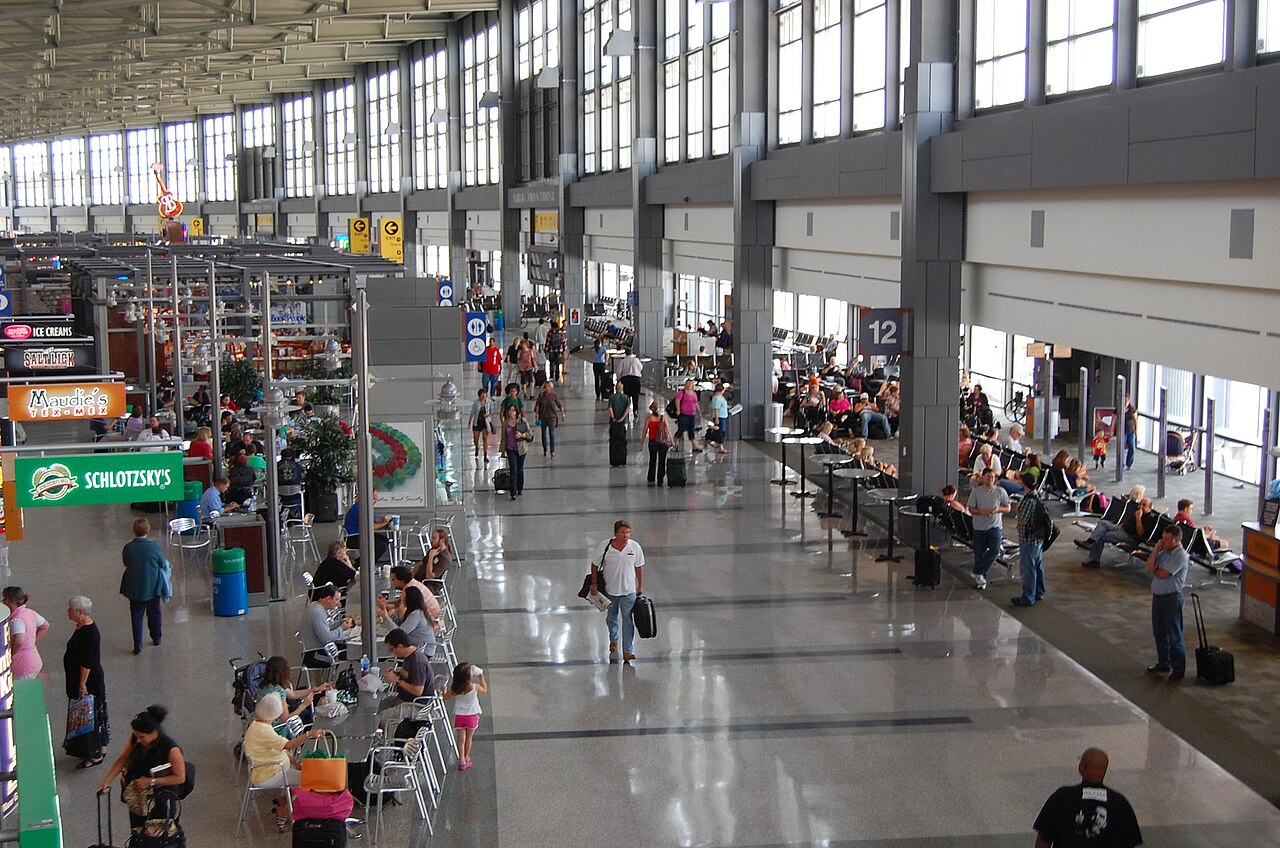
AUSTIN, Texas — Travelers asking about TSA wait times at Austin-Bergstrom International Airport (AUS) on Saturday, March 28, 2026, can expect relatively smooth security screening for most of the day, with average waits under 15 minutes at many times, though early morning peaks and occasional spikes up to 30-35 minutes remain possible amid ongoing spring break and high passenger volumes.

As of late morning into the afternoon, multiple real-time trackers reported standard security lines averaging around 0-12 minutes, with TSA PreCheck lanes often clearing in 5 minutes or less. However, airport officials continue to urge passengers to arrive 2.5 to 3 hours before domestic flights — and even earlier for international departures — due to the busy travel season that has strained operations in recent weeks.
Austin-Bergstrom, the primary gateway to the Texas capital known for its live music vibe and “Keep Austin Weird” spirit, has seen significant passenger surges this March. The airport warned of “high passenger volume days” stretching from mid-March through early April, coinciding with spring break for many school districts and lingering effects from major events like South by Southwest.
On peak days earlier in the month, such as March 13-16, security lines spilled outside the terminal doors, with some travelers reporting waits of 45 to 90 minutes during the busiest pre-dawn hours between 4 a.m. and 8 a.m. Videos and social media posts showed long queues snaking through the check-in areas and onto sidewalks, prompting airport alerts and media coverage of the chaos.
Officials emphasized that the extended lines were driven primarily by record-breaking passenger numbers rather than TSA staffing shortages alone, though a partial government shutdown affecting federal agencies added pressure with higher callouts reported nationwide. U.S. Sen. John Cornyn and airport representatives noted that TSA screening itself was not the core bottleneck; instead, the sheer volume of travelers checking bags, returning rental cars and navigating parking contributed to the backups.
Checkpoint operations at AUS typically begin around 3 a.m., with multiple lanes opening progressively. Checkpoint 2 often serves as the main hub, while others provide overflow capacity. On Saturday, data from trackers like OnAirParking and iFly showed fluctuating hourly averages: as low as 0 minutes in some slots, climbing to 27-33 minutes during traditional rush periods like 5-7 a.m. and 10-11 a.m. Afternoon hours have generally trended lighter.
TSA PreCheck and CLEAR members continue to enjoy significantly shorter experiences, often bypassing standard lines entirely. Enrollment in these programs has proven especially valuable during busy periods, with PreCheck waits frequently under 10 minutes even when general lines lengthen.
The MyTSA app remains a recommended tool for real-time crowd-sourced updates, though some users note that official estimates can lag during disruptions. Third-party sites such as Takeoff Timer and FlightQueue provide supplementary live data, showing standard security around 11-35 minutes depending on the exact moment of check. Travelers are advised to cross-reference multiple sources and monitor the official @AustinAirport social channels for alerts.
Airport management has increased staffing where possible and adjusted lane configurations to handle demand. Despite the challenges, flight operations have largely remained on schedule, with only minor delays reported on most days. FAA data indicated low airborne and gate delays as of late March.
For those departing today, the busiest window remains early morning departures. Travelers with flights before 9 a.m. should plan conservatively, factoring in parking, bag drop and potential rental car returns. Midday and evening flights have seen more predictable flows in recent reports.
AUS offers several amenities to ease the journey, including diverse dining options featuring local Austin flavors — from barbecue to breakfast tacos — and shopping that highlights Texas artists and musicians. Free Wi-Fi, charging stations and family-friendly areas help passengers pass the time if they arrive with extra buffer.
The surge reflects broader trends in Texas aviation. Austin’s rapid growth as a technology and music hub has driven consistent increases in enplanements, making AUS one of the faster-growing medium-sized airports in the country. Officials expect the high-volume period to ease after early April as spring break concludes for most districts.
Passengers can further speed their experience by preparing in advance: removing liquids and electronics from carry-ons, wearing slip-on shoes, and ensuring ID and boarding passes are readily accessible. The TSA’s 3-1-1 liquids rule remains strictly enforced, and prohibited items can cause secondary screening delays.
International travelers face additional considerations, with longer recommended arrival windows to account for customs and immigration on return, though outbound international security follows similar domestic protocols at AUS.
Looking ahead, the airport continues infrastructure improvements to handle future growth. While Checkpoint 3 remains closed through parts of 2026 for upgrades, the remaining facilities have proven resilient during the current busy stretch.
Travelers with disabilities or needing assistance can request expedited or accessible screening through TSA Cares. Families with young children benefit from dedicated lanes when available.
As Saturday evening approaches, lines are expected to remain manageable unless a late surge occurs. Real-time conditions can shift quickly with flight banks or unexpected events, so checking 30-60 minutes before heading to the airport is wise.
Austin-Bergstrom’s convenient location just minutes from downtown continues to make it a favorite for both business and leisure travelers. Its compact layout generally allows efficient movement once past security, with gates easily accessible.
In summary, while TSA wait times at AUS are currently short for much of Saturday, March 28, the lesson from recent weeks is clear: build in extra time during this high-volume spring travel season. Arriving early ensures a smoother experience and reduces stress, allowing passengers to enjoy the airport’s unique Austin character rather than worrying about missing their flight.
For the absolute latest updates, consult the MyTSA app, third-party wait time trackers, or the airport’s official website and social media. Safe travels to all departing from Austin-Bergstrom today and throughout the busy period.


US carrier Ford arrives in Croatia for repairs

Tiger Woods: Where does latest arrest leave golf great’s legacy?

On Canada’s tariff frontline, business stalls over US trade deal jitters

Bitcoin drops $6K in 48 hours as altcoins follow lower


-
 NewsBeat3 days ago
Manchester United reach agreement with Casemiro over contract clause amid transfer speculation
-

 News Videos2 days ago
Parliament publishes latest register of MPs’ financial interests
-

 Crypto World7 days ago
Best Crypto to Buy Now: Strategy Just Spent $1.57 Billion on Bitcoin During Fear While Early Investors Quietly Enter Pepeto for 150x Potential
-

 Crypto World7 days ago
Bitcoin Price News: Bhutan Sells $72 Million in BTC Under Fiscal Pressure, but the Smart Money Entering Pepeto Sees What the Market Does Not
-

 Sports5 days ago
Remo Stars and Kano Pillars Strengthen Survival Hopes in NPFL
-

 Sports5 days ago
Gary Kirsten Accuses Pakistan Cricket Board Of ‘Interference’, Mohsin Naqvi Responds
-

 Business6 days ago
No Winner in March 21 Drawing as Prize Rolls to $133 Million for Next
-

 Tech6 days ago
Give Your Phone a Huge (and Free) Upgrade by Switching to Another Keyboard
-

 Tech6 days ago
AI enters the chat: New Seattle dating app relies on tech to facilitate meaningful human connections
-

 News Videos5 days ago
Ch 9 Financial Management Part 1 | Detailed One Shot | Class 12 Business Studies Boards 2026
-

 Tech7 days ago
Today’s NYT Connections Hints, Answers for March 22 #1015
-

 Business2 days ago
Instagram, YouTube Found Responsible for Teen’s Mental Health Struggle in Historic Ruling
-

 Business6 days ago
Will Duke Basketball Win It All? Duke Basketball Enters Second Round as Third Favorite to Claim NCAA Title
-

 Sports5 days ago
2026 Kentucky Derby horses, odds, futures, preview, date: Expert who hit 12 Derby-Oaks Doubles enters picks
-

 NewsBeat15 hours ago
The Story hosts event on Durham’s historic registers
-
 NewsBeat6 days ago
Update on Wisbech river crash as search for teenage boy enters fifth day
-
 Entertainment5 days ago
Cynthia Bailey Dishes on ‘RHOA’ Season 17, Discusses Kandi
-

 Tech5 days ago
Samsung will soon let you control smart home devices from your car’s dashboard
-
 NewsBeat3 days ago
Tesco is selling new Cadbury Dairy Milk bar and people can’t wait to try it
-

 Tech6 days ago
SteamOS update adds support for Steam Machine and other non-Valve hardware
You must be logged in to post a comment Login