Connect with us
DAPA Banner

Tech

Sony’s Patent Reveals How a Smartphone Could Snap Onto the DualSense and Unlock New Ways to Play

Published

on

Sony PlayStation DualSense Controller Patent Smartphone
Photo credit: Sarang Sheth | Yanko Design
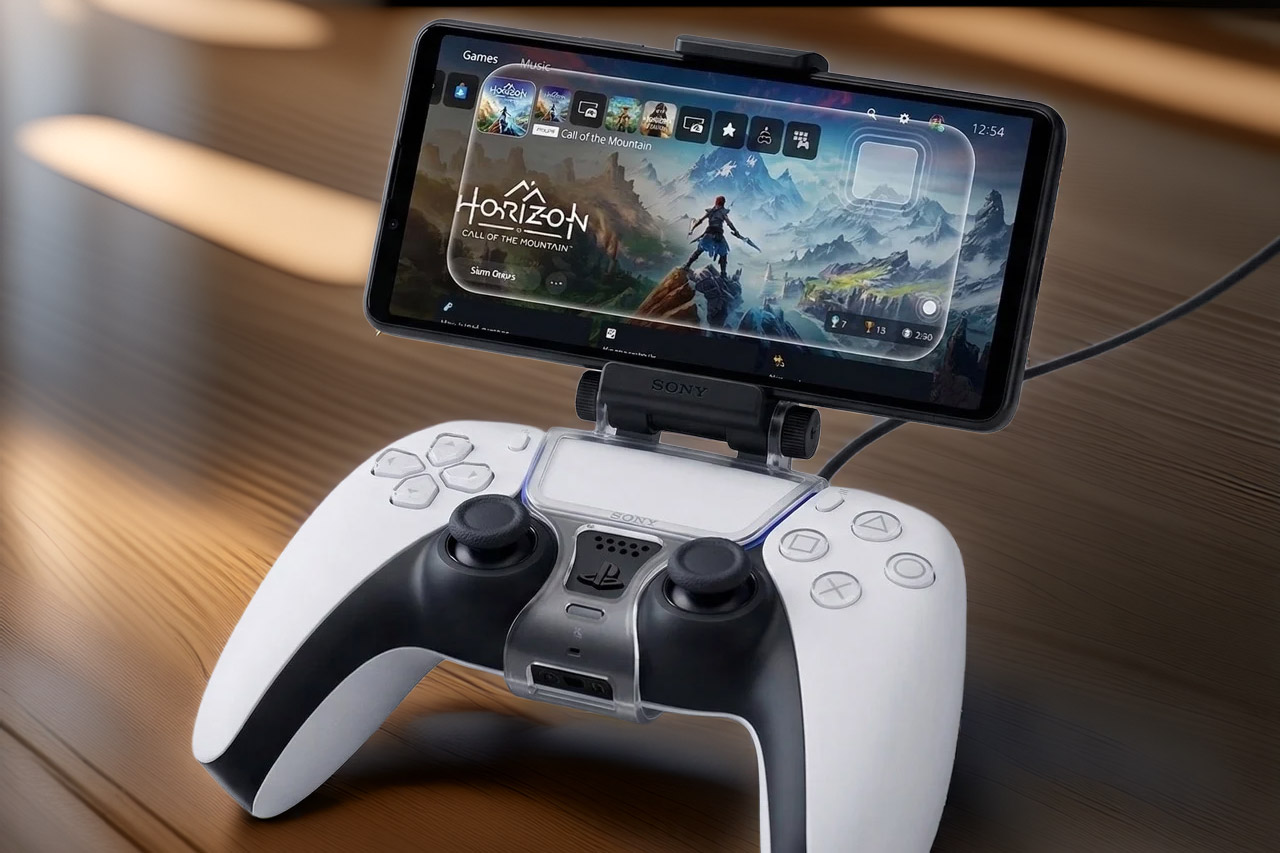
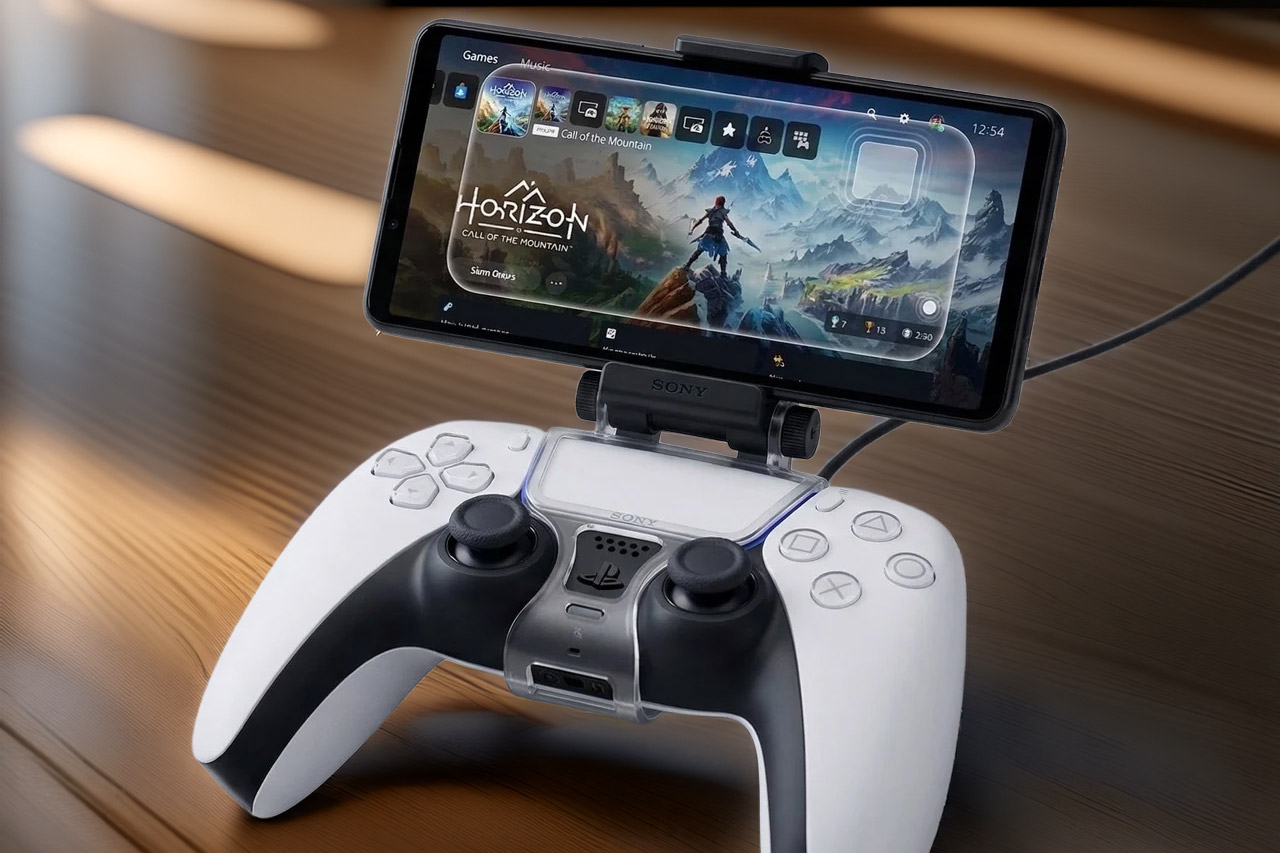
A recently uncovered Sony patent shows how users could connect a smartphone directly to the DualSense controller. The entire concept revolves around connecting two pieces of hardware that most people already own and using them to create a seamless gaming experience directly into PlayStation. Some drawings included with the application show a phone simply placed on top of the controller’s analog sticks and triggers. A magnetic thingy holds everything together, so you can simply plug your phone in and it transforms into a single, compact handheld item.


Sony PlayStation DualSense Controller Patent Smartphone
The console will automatically detect the connected phone, and games will begin to instruct the controller to use the buttons and sticks while simultaneously accessing all of the phone’s functionality. So developers have fast access to almost the entire phone, including the touchscreen for taps and swipes, the built-in motion sensors for tracking movements and orientations, the camera for quick snaps, and the position data for extremely precise steering hints.


PlayStation 5 Portal Remote Player – Midnight Black
  • Play Your Game Collection with Remote Play – PlayStation Portal Remote Player can play compatible games you have installed on your PS5 console…
  • Cloud Streaming from the Game Catalog and Classics Catalog – Discover an awesome library of PS5 games on the PlayStation Portal Remote Player with…
  • Cloud Streaming for PS5 Games in Your Library – With PlayStation Plus Premium, stream select digital PS5 games in Your Library from PlayStation Store…

A no-brainer benefit is how information appears during gameplay, as the phone screen can handle all of the extra information, such as maps, gear lists, or side views, whilst the TV focuses on the main action. You can also tap on the phone screen to pick settings in a far more straightforward way than fumbling through menus with the sticks alone, and tilting the entire device, smartphone and controller, makes steering or aiming really simple.

Sony PlayStation DualSense Controller Patent Smartphone
Even character creation has been easier, with the phone’s camera capturing a fast facial photo or an item photo and inserting it directly into your in-game avatar. The motion sensors can detect even the smallest motions of the combined device, offering up entirely new possibilities for puzzles that respond to how you hold it.

Sony developed this concept around the idea of leveraging hardware that almost everyone has in their pockets, and they are not the first to try this. Yes, there have been phone clips that attach to controllers for years, but this idea does far more than just mount the phone; it instructs the game engine to use the phone for genuine control data rather than merely mirroring a feed.

Sony PlayStation DualSense Controller Patent Smartphone
Sony attempted to experiment with phone pairings with older controllers a few years ago, but they ran into time and connection quality concerns. In comparison, phones today are far more advanced, with crisper screens, quicker CPUs, and more dependable sensors – and consoles are far more capable of handling all of these additional input streams without issue.

The real question is if it’s worth it; do game developers care enough about this to begin producing games that make use of the extra controls? A racing game might employ phone tilt for steering, whereas an adventure game might use the phone screen for item listings. Overall, the configuration provides a lot of flexibility without requiring you to buy any additional gear.
[Source]

Advertisement

Source link

Continue Reading
Click to comment

You must be logged in to post a comment Login

Leave a Reply

Tech

I Was Amazed That this Oppo Camera Slammed the iPhone 17 Pro in My Tests

Published

on

The iPhone 17 Pro is absolutely worthy of its ranking among the best camera phones you can buy in 2026. Thanks to its trio of lenses and features like ProRaw, It’s capable of taking stunning images — in broad daylight or in the dead of night — that would rival professional mirrorless cameras. But while Apple may have held its crown as mobile photography champ for a long time, there are an increasing number of flagship Android phones that offer incredible camera skills as well — and the Oppo Find X9 Pro is just such a device. Its camera setup is excellent and I’ve taken some beautiful images with it using both its wide and 200-megapixel zoom cameras. 

The Find X9 Pro is a powerhouse phone in all respects, which is why it scored so highly in my full review — and why it was given a coveted CNET Editors’ Choice Award. So to see just how it stacks up against the iPhone 17 Pro, I took it out on a series of photo missions around my beautiful home city of Edinburgh. 

Before we dive in, a quick note about the images. They were all shot with each phone’s default camera mode in JPEG with no other settings applied (the Photographic Style on the iPhone was set to Standard). The images have been imported into Lightroom for the purposes of comparison and exporting at file sizes that will play nicely on the internet, but no other edits, sharpening or noise reduction have been applied. 

Advertisement

Watch this: One Month Later: The iPhone 17 Pro Strikes Back

Remember that while some decisions about which images look better might be obvious (such as a lack of detail or image processing aberrations), others will simply come down to personal opinion. I’m a professional photographer, so I typically look for an image that captures the scene more naturally. You may like a more vibrant image with high contrast, so take my findings with a pinch of salt.

With that said, let’s dive in.

Wide cameras comparison

iPhone 17 Pro, shot on the main camera.

Andrew Lanxon/CNET

Oppo Find X9 Pro, shot on the main camera.

Andrew Lanxon/CNET

Starting off with this easy snap overlooking the train tracks. Both phones have exposed their images above well but the Oppo’s shot has more natural warm tones on the brickwork on the wall — the iPhone’s look more magenta. The Oppo’s colors are more vibrant, too, but not overly so. 

iPhone 17 Pro, shot on the ultrawide camera.

Andrew Lanxon/CNET

Oppo Find X9 Pro, shot on the ultrawide camera.

Advertisement

Andrew Lanxon/CNET

Switching to the ultrawide lens, the blue sky definitely looks oversaturated in the Oppo’s shot. And here’s where we have to dive deeper; Oppo’s image has had more digital sharpening applied to it, which helps some details look crisp, but it’s also got a lot of noise reduction, which smooths details in other areas.

Detail crop with the iPhone 17 Pro on the left and Oppo Find X9 Pro on the right.

Advertisement

Andrew Lanxon/CNET

If we look up close at this section of wall, we can see that the strong lines of mortar between the bricks look sharper in the Oppo’s photo on the right. But the bricks themselves look almost polished as they’ve been stripped of detail by the noise reduction. The iPhone’s image has retained that detail.

iPhone 17 Pro, shot with the main camera.

Advertisement

Andrew Lanxon/CNET

Oppo Find X9 Pro, shot with the main camera

Andrew Lanxon/CNET

Another weird one to analyze. The wooden box of the library is unquestionably sharper on the Oppo’s shot, with even the minute scratches on the perspex being clearly visible. But as soon as we look further out toward the edges of the frame, that detail plummets. 

Advertisement

Detail crop with the iPhone 17 Pro on the left and Oppo Find X9 Pro on the right.

Andrew Lanxon/CNET

Zooming in close on a section to the right side of the frame, it’s clear that the Oppo’s image severely lacks detail compared to the iPhone’s image. Whether this is an image processing issue or due to the quality of the lens, I’m not sure, but it’s surprising to see, especially given how sharp the rest of the image is.

Advertisement

iPhone 17 Pro, shot with the main camera.

Andrew Lanxon/CNET

Oppo Find X9 Pro, shot with the main camera.

Andrew Lanxon/CNET

This indoor shot on the main camera feels like a slightly easier win for the Oppo. Its image is brighter and colors look richer without being too punchy. As before, it both sharpens some areas and reduces texture in others. There’s a lack of detail toward the edge of the frame, but you’d only notice if you really get up close to the pixels. Overall, I prefer the look of the Oppo’s shot. 

iPhone 17 Pro, shot with the ultrawide camera.

Andrew Lanxon/CNET

Oppo Find X9 Pro, shot with the ultrawide camera.

Andrew Lanxon/CNET

And it’s the same when I switched to the ultrawide lens — the Oppo takes the win here.

iPhone 17 Pro, shot with the main camera.

Andrew Lanxon/CNET

Oppo Find X9 Pro, shot with the main camera.

Advertisement

Andrew Lanxon/CNET

I love the balanced exposure from both phones in this vibrant outdoor scene, but I prefer the warmer tone of the Oppo’s shot. The iPhone’s photo looks like it saw all the golden colors and set its auto white balance on the cooler side to compensate. The Oppo produced a more true-to-life image and I think it’s a great shot as a result.

iPhone 17 Pro, shot with the main camera.

Advertisement

Andrew Lanxon/CNET

Oppo Find X9 Pro, shot with the main camera.

Andrew Lanxon/CNET

I don’t like the Oppo’s effort here, though. It artificially brightened the shadows way too much, giving this scene a fake HDR look that screams, “I took this on an Android phone.” The iPhone takes an easy win with its more natural handle on shadows.

Advertisement

iPhone 17 Pro, shot with the main camera.

Andrew Lanxon/CNET

Oppo Find X9 Pro, shot with the main camera.

Andrew Lanxon/CNET

I’m conflicted on this one. The Oppo’s shot is brighter and more vibrant, but it’s almost too much. The blue sky is a bit on the electric-blue side for my taste, while the buildings in the center of the frame look slightly too bright. Still, I think I prefer its rendition to the iPhone’s, which does look a little drab by comparison.

iPhone 17 Pro, shot with 2x zoom.

Andrew Lanxon/CNET

Oppo Find X9 Pro, shot with 2x zoom.

Andrew Lanxon/CNET

At 2x zoom, this indoor scene looks solid on both phones. Overall, I think the Oppo’s shot takes the win as it’s brighter and sharper than the iPhone’s. 

iPhone 17 Pro, shot with 8x zoom.

Andrew Lanxon/CNET

Oppo find X9 Pro, shot with 6x zoom.

Advertisement

Andrew Lanxon/CNET

Taking each phone up to its maximum default zoom levels (8x on the iPhone, 6x on the Oppo), the results look quite dramatically different. The color balance is wildly different for one thing, with the iPhone leaning more into teal tones while the Oppo’s photo has a more magenta cast to it. Honestly, neither one looks especially realistic, with both phones going a bit too hard in different directions. What I have noticed is that the Oppo’s image has gone overboard with the digital sharpening, resulting in a crunchiness to the details that I’m not a fan of. 

Detail crop with the iPhone 17 Pro on the left and Oppo Find X9 Pro on the right.

Advertisement

Andrew Lanxon/CNET

The huge amount of digital sharpening on the Oppo’s shot is clear when you zoom in on the details.

iPhone 17 Pro, shot with 8x zoom.

Advertisement

Andrew Lanxon/CNET

Oppo Find X9 Pro, shot with 6x zoom.

Andrew Lanxon/CNET

This is an odd one; at max zoom, the Oppo has catastrophically failed to render the details on the side of the building. 

Advertisement

Detail crop with the iPhone 17 Pro on the left and Oppo Find X9 Pro on the right.

Andrew Lanxon/CNET

Check out this detailed crop; I don’t know what the Oppo was doing in its image, but that building has been turned into a bizarre, smeary mess. The iPhone has done a superb job of capturing those distant fine details.

Advertisement

iPhone 17 Pro, shot with 8x zoom.

Andrew Lanxon/CNET

Oppo Find X9 Pro, shot with 6x zoom.

Andrew Lanxon/CNET

Seagulls on a log. There’s very little to choose between either phone in this example. Take your pick!

iPhone 17 Pro, shot with 8x zoom.

Andrew Lanxon/CNET

Oppo Find X9 Pro, shot with the Hasselblad zoom lens.

Andrew Lanxon/CNET

The Oppo Find X9 Pro does have a secret weapon when it comes to zoom, though, in the form of the Hasselblad telephoto zoom accessory. This optional lens attaches to the phone and gives huge zoom lengths — up to 40x — while retaining excellent quality. You can see the difference here in the maximum zoom range of the iPhone against the zoom of the Find X9 Pro with the lens attached; it’s both closer and sharper.

The telephoto lens looks just like a real Hasselblad camera lens. It’s great fun to play with.

Andrew Lanxon/CNET

Oppo Find X9 Pro, shot with the Hasselblad telephoto zoom lens.

Advertisement

Andrew Lanxon/CNET

I absolutely love using the lens add-on for street photography, as you can get some great candid moments without anyone noticing. It’s worth keeping in mind, though, that the Hasselblad lens for the phone is an eye-watering £435 or $580 (based on a rough conversion of the 499 euro price), and third-party telephoto lenses from the likes of Sandmarc are also available for the iPhone. 

Night photography

iPhone 17 Pro, shot with the main camera, night mode.

Advertisement

Andrew Lanxon/CNET

Oppo Find X9 Pro, shot with the main camera, night mode.

Andrew Lanxon/CNET

The iPhone’s night mode shot here does look brighter, but I prefer the richer contrast on the Oppo’s shot. Otherwise, it’s a pretty even match here.

Advertisement

iPhone 17 Pro, shot with the main camera, night mode.

Andrew Lanxon/CNET

Oppo Find X9 Pro, shot with the main camera, night mode.

Andrew Lanxon/CNET

But it’s a much easier win for the Oppo here. The deeper contrast has helped keep some of the flare from the lights at bay, while the details on the front of the building are much sharper. 

iPhone 17 Pro, shot with the main camera.

Andrew Lanxon/CNET

Oppo Find X9 Pro, shot with the main camera.

Andrew Lanxon/CNET

This indoor scene is brighter, warmer and more vibrant on the Oppo and I much prefer it as a result. 

iPhone 17 Pro, shot with the main camera, night mode.

Andrew Lanxon/CNET

Oppo Find X9 Pro, shot with the main camera, night mode.

Advertisement

Andrew Lanxon/CNET

The iPhone’s image is brighter here, especially in the sky, but if you zoom in on the details, the Oppo’s image is sharper. 

iPhone 17 Pro, shot with the ultrawide camera, night mode.

Advertisement

Andrew Lanxon/CNET

Oppo Find X9 Pro, shot with the ultrawide camera, night mode.

Andrew Lanxon/CNET

And it’s basically the same story when you switch to the ultrawide lens. 

Advertisement

iPhone 17 Pro, shot with 8x zoom, night mode.

Andrew Lanxon/CNET

Oppo Find X9 Pro, shot with 6x zoom, night mode.

Andrew Lanxon/CNET

When we jump to the zooms, though, the Oppo has ramped up the sharpening again, resulting in an image that looks rather over-processed.

iPhone 17 Pro, shot with 2x zoom.

Andrew Lanxon/CNET

Oppo Find X9 Pro, shot with 2x zoom.

Andrew Lanxon/CNET

I caught a glorious sunset on one evening but only the iPhone managed to do it justice. I love the iPhone’s natural tones and deep shadows, whereas the Oppo has delivered an oversaturated shot that looks like I’ve applied a tacky filter before posting it to Instagram.

iPhone 17 Pro, shot with the main camera.

Andrew Lanxon/CNET

Oppo Find X9 Pro, shot with the main camera.

Advertisement

Andrew Lanxon/CNET

And it’s the same here with the Oppo’s shot looking saturated against the iPhone’s more realistic version. 

iPhone 17 Pro, shot with 8x zoom.

Advertisement

Andrew Lanxon/CNET

Oppo Find X9 Pro, shot with 6x zoom.

Andrew Lanxon/CNET

But the difference was most obvious when using the zoom lenses on both phones. The iPhone’s shot not only has more natural colors, but the Oppo’s heavy-handed processing has given the lighthouse an unpleasant halo (a light haziness around its edges) that really spoils the shot. 

Advertisement

iPhone 17 Pro, shot with the selfie camera.

Andrew Lanxon/CNET

Oppo Find X9 Pro, shot with the selfie camera.

Andrew Lanxon/CNET

I ended on a selfie and here both phones went in interesting directions. The Oppo is certainly the winner to my eye — it’s shot is considerably sharper (without overdoing it) with more natural skin tones and an accurate orange hue on my jacket. The background is a bit overly cyan but it’s certainly a better-looking attempt than the iPhone’s.

iPhone 17 Pro vs. Oppo Find X9 Pro: Which takes better photos?

I was surprised at the results. Oppo’s phones — and its sister company OnePlus’s phones — have had a history of leaning hard into image processing with often wildly brightened shadows, too much sharpening and inaccurate colors that resulted in shots that were only really okay for casual snaps. The Find X9 Pro does have some of that (the image of the red restaurant front is a particularly egregious example of shadow brightening) but it’s way more toned down than I expected.

Advertisement

In fact, it delivered shots in many instances that I preferred over the iPhone’s. The golden hues of the tree-lined pathway shot looked sublime on the Oppo, while the warmer, brighter tones inside the pub were a clear victory for the X9 Pro. Most of the images from the Oppo’s main camera I preferred over the iPhone’s, including some at night. It wasn’t a win in every instance and it just goes to show that each phone’s image processing will still trip up in different scenarios. 

But overall, I think I have to give the win to the Oppo Find X9 Pro. Its ability to capture scenes accurately with just enough processing to help give images that little pop but without going overboard is admirable. It’s safe to say then, if you’re looking for a high performance Android camera phone, the Find X9 Pro is certainly one to consider.

Source link

Advertisement
Continue Reading

Tech

Anthropic wins first round in case against US administration ban

Published

on

A US judge did not mince her words in a ruling that described the US administration’s designation of Anthropic as a supply chain risk as ‘arbitrary and capricious’.

Anthropic has won its first round in the court case it has taken against the US administration’s ban on the use of its products in government, with US district judge Rita F Lin issuing a preliminary injunction yesterday (26 March) pausing the US administration’s plan to ban all use of Claude products. The administration now has seven days to appeal the judgement.

Anthropic drew the ire of the US administration after a standoff with the Pentagon, where Anthropic refused to change its safeguards related to using its AI for fully autonomous weapons, or for mass surveillance of US citizens.

Anthropic confirmed on 5 March that it received a letter from the Department of Defense saying it had been designated a ‘supply chain risk’ by the US administration, and said it had no choice but to challenge the decision in the courts.

Advertisement

Many in Silicon Valley supported Anthropic’s relatively principled stand, and general users sent it to the top of the US Apple charts for free downloads at the time – beating OpenAI’s ChatGPT for the first time.

The US ‘supply chain risk’ designation was seen by most as a way of punishing Anthropic for not bowing to government pressure, and now a district judge has backed that premise and granted a temporary injunction on the ban.

“These broad measures do not appear to be directed at the government’s stated national security interests,” the judge said in her ruling. “If the concern is the integrity of the operational chain of command, the Department of War [sic] could just stop using Claude. Instead, these measures appear designed to punish Anthropic.

“One of the amicus briefs described these measures as ‘attempted corporate murder’. They might not be murder, but the evidence shows that they would cripple Anthropic. The record supports an inference that Anthropic is being punished for criticising the government’s contracting position in the press.”

Advertisement

She continued: “Punishing Anthropic for bringing public scrutiny to the government’s contracting position is classic illegal First Amendment retaliation. Moreover, Defendants’ [US government] designation of Anthropic as a ‘supply chain risk’ is likely both contrary to law, and arbitrary and capricious.”

“We’re grateful to the court for moving swiftly, and pleased they agree Anthropic is likely to succeed on the merits,” an Anthopic spokesperson told SiliconRepublic.com. “While this case was necessary to protect Anthropic, our customers and our partners, our focus remains on working productively with the government to ensure all Americans benefit from safe, reliable AI.”

Don’t miss out on the knowledge you need to succeed. Sign up for the Daily Brief, Silicon Republic’s digest of need-to-know sci-tech news.

Advertisement

Source link

Continue Reading

Tech

What Will It Take to Build the World’s Largest Data Center?

Published

on

The undying thirst for smarter (historically, that means larger) AI models and greater adoption of the ones we already have has led to an explosion in data-center construction projects, unparalleled both in number and scale. Chief among them is Meta’s planned 5-gigawatt data center in Louisiana, called Hyperion, announced in June of 2025. Meta CEO Mark Zuckerberg said Hyperion will “cover a significant part of the footprint of Manhattan,” and the first phase—a 2-GW version—will be completed by 2030.

Though the project’s stated 5-GW scale is the largest among its peers, it’s just one of several dozen similar projects now underway. According to Michael Guckes, chief economist at construction-software company ConstructConnect, spending on data centers topped US $27 billion by July of 2025 and, once the full-year figures are tallied, will easily exceed $60 billion. Hyperion alone accounts for about a quarter of that.

For the engineers assigned to bring these projects to life, the mix of challenges involved represent a unique moment. The world’s largest tech companies are opening their wallets to pay for new innovations in compute, cooling, and network technology designed to operate at a scale that would’ve seemed absurd five years ago.

At the same time, the breakneck pace of building comes paired with serious problems. Modern data-center construction frequently requires an influx of temporary workers and sharply increases noise, traffic, pollution, and often local electricity prices. And the environmental toll remains a concern long after facilities are built due to the unprecedented 24/7 energy demands of AI data centers which, according to one recent study, could emit the equivalent of tens of millions of tonnes of CO2 annually in the United States alone.

Advertisement

Regardless of these issues, large AI companies, and the engineers they hire, are going full steam ahead on giant data-center construction. So, what does it really take to build an unprecedentedly large data center?

AI Rewrites Building Design

The stereotypical data-center building rests on a reinforced concrete slab foundation. That’s paired with a steel skeleton and poured concrete wall panels. The finished building is called a “shell,” a term that implies the structure itself is a secondary concern. Meta has even used gigantic tents to throw up temporary data centers.

Still, the scale of the largest AI data centers brings unique challenges. “The biggest challenge is often what’s under the surface. Unstable, corrosive, or expansive soils can lead to delays and require serious intervention,” says Robert Haley, vice president at construction consulting firm Jacobs. Amanda Carter, a senior technical lead at Stantec, said a soil’s thermal conductivity is also important, as most electrical infrastructure is placed underground. “If the soil has high thermal resistivity, it’s going to be difficult to dissipate [heat].” Engineers may take hundreds or thousands of soil samples before construction can begin.

GPUs

Yellow microchip icon on a black background.

Modern AI data centers often use rack-scale systems, such as the Nvidia GB200 NVL72, which occupy a single data-center rack. Each rack contains 72 GPUs, 36 CPUs, and up to 13.4 terabytes of GPU memory. The racks measure over 2.2 meters tall and weigh over one and a half tonnes, forcing AI data centers to use thicker concrete with more reinforcement to bear the load.

Advertisement

A single GB200 rack can use up to 120 kilowatts. If Hyperion meets its 5-gigawatt goals, the data-center campus could include over 41,000 rack-scale systems, for a total of more than 3 million GPUs. The final number of GPUs used by Hyperion is likely to be less than that, though only because future GPUs will be larger, more capable, and use more power.

Money

Black hand and dollar symbol combined on an orange background.

According to ConstructConnect, spending on data centers neared US $27 billion through July of 2025 and, according to the latest data, will tally close to $60 billion through the end of the year. Meta’s Hyperion project is a big slice of the pie, at $10 billion.

Data-center spending has become an important prop for the construction industry, which is seeing reduced demand in other areas, such as residential construction and public infrastructure. ConstructConnect’s third quarter 2025 financial report stated that the quarter’s decline “would have been far more severe without an $11 billion surge in data center starts.”

Advertisement

There’s apparently no shortage of eligible sites, however, as both the number of data centers under construction, and the money spent on them, has skyrocketed. The spending has allowed companies building data centers to throw out the rule book. Prior to the AI boom, most data centers relied on tried-and-true designs that prioritized inexpensive and efficient construction. Big tech’s willingness to spend has shifted the focus to speed and scale.

The loose purse strings open the door to larger and more robust prefabricated concrete wall and floor panels. Doug Bevier, director of development at Clark Pacific, says some concrete floor panels may now span up to 23 meters and need to handle floor loads up to 3,000 kilograms per square meter, which is more than twice the load international building codes normally define for manufacturing and industry. In some cases, the concrete panels must be custom-made for a project, an expensive step that the economics of pre-AI data centers rarely justified.

Simultaneously, the time scale for projects is also compressed: Jamie McGrath, senior vice president of data-center operations at Crusoe, says the company is delivering projects in “about 12 months,” compared to 30 to 36 months before. Not all projects are proceeding at that pace, but speed is universally a priority.

That makes it difficult to coordinate the labor and materials required. Meta’s Hyperion site, located in rural Richland Parish, Louisiana, is emblematic of this challenge. As reported by NOLA.com, at least 5,000 temporary workers have flocked to the area, which has only about 20,000 permanent residents. These workers earn above-average wages and bring a short-term boost for some local businesses, such as restaurants and convenience stores. However, they have also spurred complaints from residents about traffic and construction noise and pollution.

Advertisement

This friction with residents includes not only these obvious impacts, but also things you might not immediately suspect, such as light pollution caused by around-the-clock schedules. Also significant are changes to local water tables and runoff, which can reduce water quality for neighbors who rely on well water. These issues have motivated a few U.S. cities to enact data-center bans.

Data Centers Often Go BYOP (bring your own power)

Meta’s Richland Parish site also highlights a problem that’s priority No. 1 for both AI data centers and their critics: power.

Data centers have always drawn large amounts of power, which nudged data-center construction to cluster in hubs where local utilities were responsive to their demands. Virginia’s electric utility, Dominion Energy, met demand with agreements to build new infrastructure, often with a focus on renewable energy.

The power demands of the largest AI data centers, though, have caught even the most responsive utilities off guard. A report from the Lawrence Berkeley National Laboratory, in California, estimated the entire U.S. data-center industry consumed an average load of roughly 8 GW of power in 2014. Today, the largest AI data-center campuses are built to handle up to a gigawatt each, and Meta’s Hyperion is projected to require 5 GW.

Advertisement

“Data centers are exasperating issues for a lot of utilities,” says Abbe Ramanan, project director at the Clean Energy Group, a Vermont-based nonprofit.

Ramanan explains that utilities often use “peaker plants” to cope with extra demand. They’re usually older, less efficient fossil-fuel plants which, because of their high cost to operate and carbon output, were due for retirement. But Ramanan says increased electricity demand has kept them in service.

Meta secured power for Hyperion by negotiating with Entergy, Louisiana’s electric utility, for construction of three new gas-turbine power plants. Two will be located near the Richland Parish site, while a third will be located in southeast Louisiana.

Entergy frames the new plants as a win for the state. “A core pillar of Entergy and Meta’s agreement is that Meta pays for the full cost of the utility infrastructure,” says Daniel Kline, director of power-delivery planning and policy at Entergy. The utility expects that “customer bills will be lower than they otherwise would have been.” That would prove an exception, as a recent report from Bloomberg found electricity rates in regions with data centers are more likely to increase than in regions without.

Advertisement

CO2

Diagram of CO2 molecule with black carbon and red oxygen atoms connected by lines.

Research published in Nature in 2025 projects that data-center emissions will range from 24 million to 44 million CO2-equivalent metric tonnes annually through 2030 in the United States alone. While some materials used in data centers, such as concrete, lead to significant emissions, the majority of these emissions will result from the high energy demands of AI servers.

Estimating the carbon emissions of Hyperion is difficult, as the project won’t be completed until 2030. Assuming that the three new natural gas plants that are planned for construction as part of the project produce emissions typical for their type, however, the plants could lead to full life-cycle emissions of between 4 million and 10 million metric tons of CO2 annually—roughly equivalent to the annual emissions of a country like Latvia.

Concrete

Silhouette of a cement truck on an orange background.

Data centers are typically built from concrete, with steel used as a skeleton to reinforce and shape the concrete shell. While the foundation is often poured concrete, the walls and floors are most often built from prefabricated concrete panels that can span up to 23 meters. Floors use a reinforced T-shape, similar to a steel girder, measuring up to 1.2 meters across at its thickest point. The largest data centers include hundreds of these concrete panels.

The America Cement Association projects that the current surge in building will require 1 million tonnes of cement over the next three years, though that’s still a tiny fraction of the overall cement industry, which weighed in at roughly 103 million tonnes in 2024.

Advertisement

The plants, which will generate a combined 2.26 GW, will use combined-cycle gas turbines that recapture waste heat from exhaust. This boosts thermal efficiency to 60 percent and beyond, meaning more fuel is converted to useful energy. Simple-cycle turbines, by contrast, vent the exhaust, which lowers efficiency to around 40 percent.

Even so, total life-cycle emissions for the Hyperion plants could range from 4 million to over 10 million tonnes of CO2 each year, depending on how frequently the plants are put in use and the final efficiency benchmarks once built. On the high end, that’s as much CO2 as produced by over 2 million passenger cars. Fortunately, not all of Meta’s data centers take the same approach to power. The company has announced a plan to power Prometheus, a large data-center project in Ohio scheduled to come online before the end of 2026, with nuclear energy.

But other big tech companies, spurred by the need to build data centers quickly, are taking a less efficient approach.

Advertisement

xAI’s Colossus 2, located in Memphis, is the most extreme example. The company trucked dozens of temporary gas-turbine generators to power the site located in a suburban neighborhood. OpenAI, meanwhile, has gas turbines capable of generating up to 300 megawatts at its new Stargate data center in Abilene, Texas, slated to open later in 2026. Both use simple-cycle turbines with a much lower efficiency rating than the combined-cycle plants Entergy will build to power Hyperion.

Demand for gas turbines is so intense, in fact, that wait times for new turbines are up to seven years. Some data centers are turning toward refurbished jet engines to obtain the turbines they need.

AI Racks Tip the Scales

The demand for new, reliable power is driven by the power-hungry GPUs inside modern AI data centers.

In January of 2025, Mark Zuckerberg announced in a post on Facebook that Meta planned to end 2025 with at least 1.3 million GPUs in service. OpenAI’s Stargate data center plans to use over 450,000 Nvidia GB200 GPUs, and xAI’s Colossus 2, an expansion of Colossus, is built to accommodate over 550,000 GPUs.

Advertisement

GPUs, which remain by far the most popular for AI workloads, are bundled into human-scale monoliths of steel and silicon which, much like the data centers built to house them, are rapidly growing in weight, complexity, and power consumption.

Memory

Outlined head with a microchip brain on blue background, symbolizing AI and technology.

In addition to raw compute performance, Nvidia GB200 NVL72 racks also require huge amounts of memory. An Nvidia GB200 NVL72 rack may include up to 13.4 terabytes of high-bandwidth memory, which implies a data-center campus at Hyperion’s scale will require at least several dozen petabytes.

The immense demand has sent memory prices soaring: The price of DRAM, specifically DDR5, has increased 172 percent in 2025.

Power

Hyperion is expected to use 5 gigawatts of power across 11 buildings, which works out to just under 500 megawatts per building, assuming each will be similar to its siblings. That’s enough to power roughly 4.2 million U.S. homes.

Advertisement

Just one Hyperion data center built at the Richland Parish site will consume twice as much power as xAI’s Colossus which, at the time of its completion in the summer of 2024, was among the largest data centers yet built.

Nvidia’s GB200 NVL72—a rack-scale system—is currently a leading choice for AI data centers. A single GB200 rack contains 72 GPUs, 36 CPUs, and up to 17 terabytes of memory. It measures 2.2 meters tall, tips the scales at up to 1,553 kilograms, and consumes about 120 kilowatts—as much as around 100 U.S. homes. And this, according to Nvidia, is just the beginning. The company anticipates future racks could consume up to a megawatt each.

Viktor Petik, senior vice president of infrastructure solutions at Vertiv, says the rapid change in rack-scale AI systems has forced data centers to adapt. “AI racks consume far more power and weigh more than their predecessors,” says Petik. He adds that data centers must supply racks with multiple power feeds, without taking up extra space.

Advertisement

The new power demands from rack-scale systems have consequences that are reflected in the design of the data center—even its footprint.

In 2022 Meta broke ground on a new data center at a campus in Temple, Texas. According to SemiAnalysis, which studies AI data centers, construction began with the intent to build the data center in an H-shaped configuration common to other Meta data centers.

LAND

Black location pin icon on orange background.

Meta CEO Mark Zuckerberg kicked off the buzz around Hyperion by saying it would cover a large chunk of Manhattan. Many took that to mean Hyperion would be a single building of that size, which isn’t correct. Hyperion will actually be a cluster of data centers—11 are currently planned—with over 370,000 square meters of floor space. That’s a lot smaller even than New York City’s Central Park, which covers 6 percent of Manhattan.

Advertisement

Meta has room to grow, however. The Richland Parish site spans 14.7 million square meters in total, which is about a quarter the area of Manhattan. And the 370,000 square meters of floor space Hyperion is expected to provide doesn’t include external infrastructure, such as the three new combined-cycle gas power plants Louisiana utility Entergy is building to power the project.

Map with site layout and regional location in Louisiana, showing roads and distances.

Construction was paused midway in December of 2022, however, as part of a company-wide review of its data-center infrastructure. Meta decided to knock down the structure it had built and start from scratch. The reasons for this decision were never made public, but analysts believe it was due to the old design’s inability to deliver sufficient electricity to new, power-hungry AI racks. Construction resumed in 2023.

Meta’s replacement ditches the H-shaped building for simple, long, rectangular structures, each flanked by rows of gas-turbine generators. While Meta’s plans are subject to change, Hyperion is currently expected to comprise 11 rectangular data centers, each packed with hundreds of thousands of GPUs, spread across the 13.6-square-kilometer Richland Parish campus.

Advertisement

Cooling, and Connecting, at Scale

Nvidia’s ultradense AI GPU racks are changing data centers not only with their weight, and power draw, but also with their intense cooling and bandwidth requirements.

Data centers traditionally use air cooling, but that approach has reached its limits. “Air as a cooling medium is inherently inferior,” says Poh Seng Lee, head of CoolestLAB, a cooling research group at the National University of Singapore.

Instead, going forward, GPUs will rely on liquid cooling. However, that adds a new layer of complexity. “It’s all the way to the facilities level,” says Lee. “You need pumps, which we call a coolant distribution unit. The CDU will be connected to racks using an elaborate piping network. And it needs to be designed for redundancy.” On the rack, pipes connect to cold plates mounted atop every GPU; outside the data-center shell, pipes route through evaporation cooling units. Lee says retrofitting an air-cooled data center is possible but expensive.

The networking used by AI data centers is also changing to cope with new requirements. Traditional data centers were positioned near network hubs for easy access to the global internet. AI data centers, though, are more concerned with networks of GPUs.

Advertisement

These connections must sustain high bandwidth with impeccable reliability. Mark Bieberich, a vice president at network infrastructure company Ciena, says its latest fiber-optic transceiver technology, WaveLogic 6, can provide up to 1.6 terabytes per second of bandwidth per wavelength. A single fiber can support 48 wavelengths in total, and Ciena’s largest customers have hundreds of fiber pairs, placing total bandwidth in the thousands of terabits per second.

a piece of land with a big platform in the middle.

This is a point where the scale of Meta’s Hyperion, and other large AI data centers, can be deceptive. It seems to imply the physical size of a single data center is what matters. But rather than being a single building, Hyperion is actually a set of buildings connected by high-speed fiber-optics.

“Interconnecting data centers is absolutely essential,” says Bieberich. “You could think about it as one logical AI training facility, but with geographically distributed facilities.” Nvidia has taken to calling this “scale across,” to contrast it with the idea that data centers must “scale up” to larger singular buildings.

The Big but Hazy Future

The full scale of the challenges that face Hyperion, and other future AI data centers of similar scale, remain hazy. Nvidia has yet to introduce the rack-scale AI GPU systems it will host. How much power will it demand? What type of cooling will it require? How much bandwidth must be provided? These can only be estimated.

Advertisement

In the absence of details, the gravity of AI data-center design is pulled toward one certainty: It must be big. New data-center designers are rewriting their rule book to handle power, cooling, and network infrastructure at a scale that would’ve seemed ridiculous five years ago.

This innovation is fueled by big tech’s fat wallet, which shelled out tens of billions of dollars in 2025 alone, leading to questions about whether the spending is sustainable. For the engineers in the trenches of data-center design, though, it’s viewed as an opportunity to make the impossible possible.

“I tell my engineers, this is peak. We’re being engineers. We’re being asked complicated questions,” says Stantec’s Carter. “We haven’t got to do that in a long time.”

This article appears in the April 2026 print issue.

Advertisement

Source link

Continue Reading

Tech

5 Of The Best Goodyear Tires For SUVs

Published

on


Goodyear has been a household name in the world of tires since 1898. No matter if you own a sports car, a family minivan, or an SUV, Goodyear’s tire offering truly has something for everyone. However, with so many options available across Goodyear’s SUV and 4×4 catalog, choosing the right tire can feel overwhelming. On top of everything that Goodyear offers, there are also 12 other tire brands owned by Goodyear, each with their own extensive lineup.

This means that choosing the best option for your needs can feel like a Ph.D.-level decision. To narrow it down and help you make the right decision, we looked at five standout Goodyear SUV tires — each built for a different kind of driver and a different kind of environment. The only thing you need to do is figure out your priorities, what type of tire you want, and what your budget looks like. With that in mind, here are five of the best Goodyear tires for SUVs.

Advertisement

Best SUV summer tire – Goodyear EfficientGrip 2 SUV

SUVs are, in theory, designed as rugged machines capable of trailblazing sand dunes, winter slopes, and muddy marshes. Although many SUVs today still hold onto that legacy, the reality is that most people use them like any other car, and that means everything besides off-roading. Moreover, if you live in a climate where snow and ice are novelties, a solid summer tire is likely all you’ll ever need. This is where Goodyear earned its keep as one of the best major tire brands out there.

In that sense, it is hard to argue against the Goodyear EfficientGrip 2 (EG2). On TyreReviews, the EG2 enjoys a near-perfect 9.8 out of 10 score, based on six professional tests and 16 owner reviews covering nearly 200,000 miles driven. It is the highest-rated Goodyear tire in TyreReviews’ database, tied for first place with the ultra-performance Goodyear Eagle F1 Asymmetric 6.

The tire also won the “Green Tyre” award in the 2025 Auto Bild EV tire test — finishing third overall (the only Goodyear tire on the test) — largely due to a tread life of 49,050 km (about 30,500 miles), the highest of any tire in that test. The only question here is how serious you’re willing to get. If you own a performance SUV and you value dynamics over touring and comfort, maybe the Goodyear Eagle F1 Asymmetric 6 is more your style. However, for comfort and quietness, the EG2 takes the cake.

Advertisement

Best SUV all-season tire – Goodyear Vector 4Seasons Gen 3 SUV

For SUV owners who want a single set of tires to handle rain, cold, light snow, and dry summer roads without swapping twice a year, the Goodyear Vector 4Seasons Gen 3 SUV (V4S) is one of the best-backed options on the market. The V4S carries a 9.3 out of 10 score on TyreReviews and has built its reputation specifically around wet and cold-weather safety. Keep in mind that these are the exact conditions where many all-seasons disappoint.

The SUV-specific version achieved a final rating of “Good” and finished 3rd in the 2025 Autobild Crossover SUV all-season test, praised for stable handling on both wet and dry surfaces, high aquaplaning safety, and short wet braking distances. The Gen 3 platform was awarded a top “Very Good” rating by ADAC in their 2024 all-season test and confirmed by Austria’s ÖAMTC as having excellent wet grip with a grade of 2.28 for wet braking, which was among the best in its class according to an Autodoc independent review summary.

Advertisement

AllTyreReviews also praised the V4S thanks to an overall quality rating of 96.4%, courtesy of 40 different measurements across four independent tests. With over four decades of development, the V4S also carries the Three-Peak Mountain Snowflake (3PMSF) symbol for its performance in snowy conditions and is available in tons of sizes. Although an all-season tire cannot be compared to a dedicated winter tire, the V4S is arguably the closest you can get to a winter tire without actually buying one, at least from Goodyear’s catalog.

Advertisement

Best SUV off-road tire – Goodyear Wrangler DuraTrac RT

If you take off-roading seriously, It’s unlikely you need to be educated why dedicated off-road tires matter. We’ll just cut to the chase: In Goodyear’s catalog, the most prominent off-road SUV tires are the Goodyear Wrangler All‑Terrain Adventure, the hardcore kevlar-reinforced Goodyear Wrangler MT/R, and the trusty Goodyear Wrangler DuraTrac RT (DTRT). Out of all of these, the Goodyear DTRT is likely the most coveted one.

A few years ago, Goodyear reported how its Goodyear Wrangler DuraTrac won “Off-Road” magazine’s Reader’s Choice award for five years in a row. Nowadays, the DTRT is the latest iteration from the DuraTrac line, which promises even better performance. According to Tyre Reviews, the DuraTrac RT features DuPont Kevlar technology woven into the tread construction to resist punctures, a three-ply sidewall reinforced with a Durawall compound for cut and abrasion resistance in rough terrain, and a 3PMSF certification confirming severe snow service capability.

It also comes in 42 sizes and is backed by a 50,000-mile treadwear warranty. When we covered five great off-road tires that will get you off-roading in no time, we picked the original DuraTrac from the Goodyear camp. It’s also worth noting that, although the original was criticized for being noisy on the road, the new-gen DTRT features resized and smaller lug voids that make the DTRT a whole lot quieter but still as capable as the original.

Advertisement

Best SUV winter tire – Goodyear Ultra Grip Performance 3

When temperatures drop consistently below 45 degrees Fahrenheit and roads turn wet, slushy, or snowy, an all-season tire could very easily prove insufficient. For SUV owners who want Goodyear’s best cold-weather option, the UltraGrip Performance 3 is the most tested and consistently recommended choice in the brand’s winter lineup. According to ADAC’s winter test of the very best winter tires for 2024/25 (as covered by TiresVote), the Goodyear Ultra Grip Performance 3 (P3) earned the top spot.

In 2025, AutoExpress also tested several winter tires to determine which was best, and the Goodyear UltraGrip Performance 3 finished second, just behind the Continental WinterContact TS 870 by a few points. However, the Goodyear P3 won in multiple categories, including snow braking, snow traction, wet braking, straight aquaplaning, and curved aquaplaning — categories many people would deem the most important when it comes to winter tires.

KBB’s list of the best winter tires in 2025 included the Goodyear WinterCommand Ultra (WS), and frankly, choosing between these two is indeed difficult. The WS Ultra is more tailored towards strict snow and ice, while the Ultra Grip 3 Performance is the more dynamic offering. In the end, it all depends on what you value more. If it’s strict snow and ice traction, it’s the WS Ultra. If it’s not just snow and ice, the Goodyear P3 is likely a better choice.

Advertisement

Best SUV tire for longevity – Goodyear Assurance MaxLife 2

What if you just want a set of tires that will give you the longest and most carefree experience from the entire Goodyear catalog? In that case, your best bet is likely the Goodyear Assurance MaxLife 2 (ML2). We could go into great detail about why this might be Goodyear’s longest-lasting tire, but there’s no need — Goodyear itself reports that the ML2 is “Goodyear’s longest-lasting tire, backed by an 85,000-mile (136,765 km) limited treadlife warranty.”

What we can do is provide a bit more context as to how “the real-world” views such claims, and according to Tires Easy, which analyzed over 2,500 user reviews, approximately 90% of owners praised the tire’s long-lasting mileage, with many reporting holding up well for over 70,000 miles. When we were looking for all-season tires with the best treadwear ratings, we had to include the ML2 because both real‑world reviews and official data confirm its high mileage capability. There are even owners out there who managed to stretch these up to 100,000 miles before replacing them. 

One criticism of the ML2 is that this tire is not the best in wet traction, especially as they accumulate miles. On the other hand, the ML2 is widely praised for dry traction, comfort, and quietness.

Advertisement

How we made our list

With such a large catalog and rich history, it can be difficult to single out five Goodyear tire models that offer SUV drivers the very best experience. To do so, we reviewed dozens of tests and assessments, including those carried out by TyreReviews, AutoExpress, KBB, TiresVote, AllTyreReviews, AutoBild, Autodoc, and many more. We also explored owner forums, expert reviews, product impressions, marketing materials, warranty coverage, and long-term impressions, building on the work of previous writers on similar topics. 

After going far and wide to find credible and defensible information supporting why these tires deserve praise, it’s important to stress that not everyone’s experience will match. Individual experiences vary, and many factors ultimately affect whether a tire will suit your needs. Even so, that was not the goal of this article. Instead, we set out to highlight the best Goodyear tires for SUV drivers in most environments, and we believe these tires are some of the very best the company has to offer.

Advertisement


Source link

Advertisement
Continue Reading

Tech

The Best Pixel 10 Cases and Accessories (2026): We’ve Tested Dozens

Published

on

Enter the MagSafe Accessory World

Belkin

BoostCharge Pro Car Charger

I have been testing MagSafe accessories for years, and you should totally take advantage of the vast ecosystem with your new Pixel. Whether you want a magnetic wallet or phone tripod, we have plenty of WIRED-tested recommendations in our guides. Most of them should work without fail on the Pixel 10 series. Here they are:

Advertisement

Other Screen Protectors to Consider

The Best Pixel 10 Cases and Accessories  Weve Tested Dozens

Photograph: Julian Chokkattu

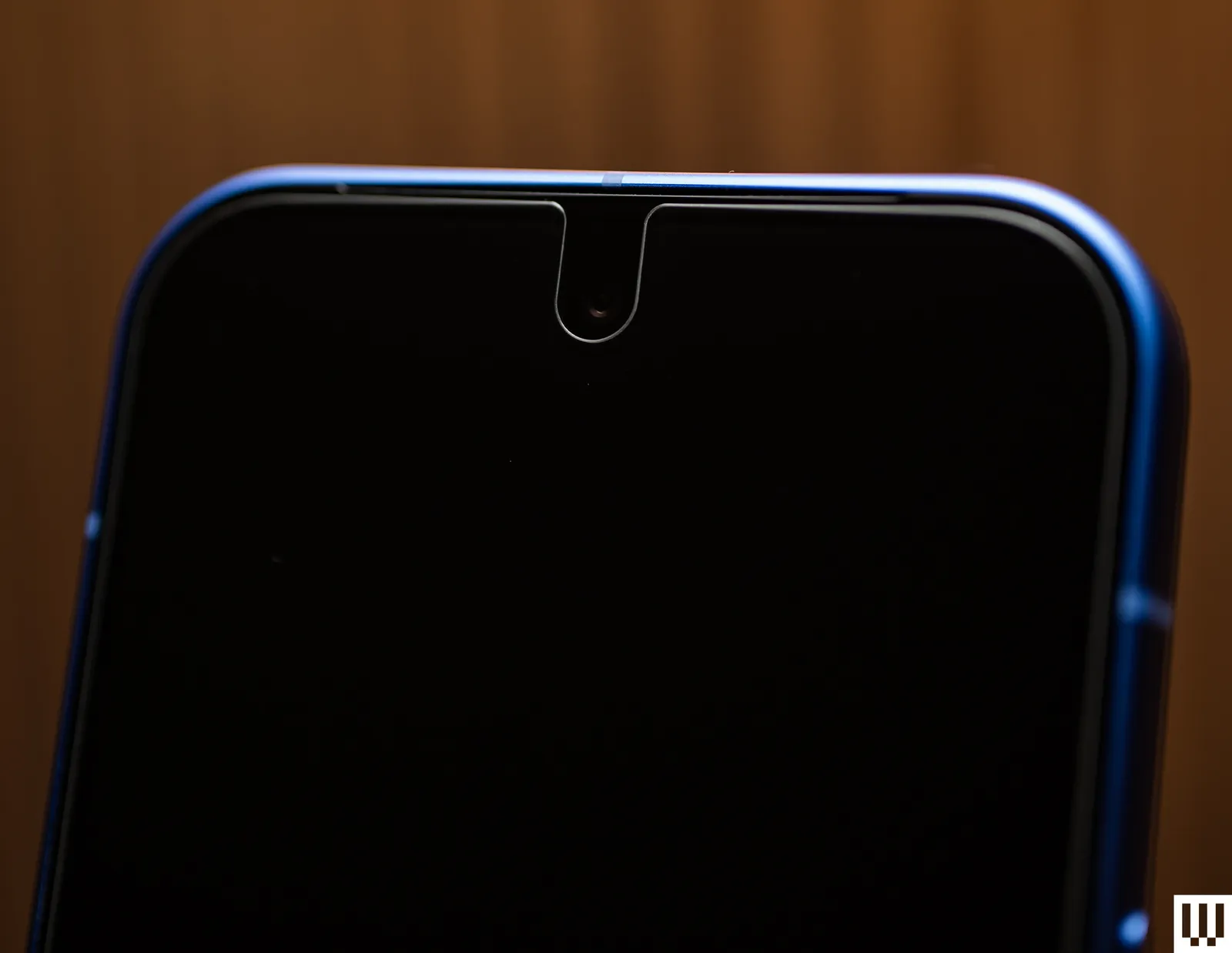
Zagg Glass Elite, Glass Elite Privacy, and XTR4 for $60: I have tested these screen protectors from Zagg on the Pixel 10. Zagg has a streamlined installation process that’s very easy to apply; my application was perfect. The Glass Elite uses aluminosilicate glass that isn’t too thick nor terribly thin, and the edges are rounded so they don’t feel sharp. (They don’t quite extend all the way past the bezels.) I don’t love the notch for the selfie camera because it stands out quite a bit. The Glass Elite Privacy is a two-way privacy screen protector, meaning folks on either side of you on a train can’t see what you’re looking at (though someone standing above you can). Text can look a bit fuzzy if you look closely with this protector, and you take a small hit to overall screen brightness, but it’s an otherwise solid option. Finally, the XTR4 covers more of the display, uses a stronger tempered glass, and strips away blue light (though whether that’s really helpful isn’t set in stone). Sadly, for all of these, you only get one in the box.

Spigen GlasTR EZ Fit Tempered Glass Screen Protector for $20 (2 Pack): This is the best bang for your buck when it comes to screen protection. Spigen gives you two in the box, and its application tool makes it impossible to make a mistake when installing the tempered glass protector. There’s even a squeegee tool to push out air bubbles. All that for $20.

Advertisement

UAG Glass Shield Screen Protector for $40: UAG includes the usual wet wipe, dust removal sticker, and microfiber cloth, and there’s a plastic shell you place on top of your Pixel to use as a guide when applying the tempered glass screen protector. It’s not the easiest method I’ve tried, as there’s room for some error (and potential to get grime or a smudge on the underside as you apply), but it was fairly quick and painless, and the air bubbles disappeared quickly.

Other Cases We Like

The Best Pixel 10 Cases and Accessories  Weve Tested Dozens

Photograph: Julian Chokkattu

Bellroy Pixelsnap Leather Pixel Folio for $75: A serviceable folio case for the Pixel 10 Pro Fold, this case spruces up your folding phone with leather in various colors. There’s a slot on the inside of the flap that lets you store a credit card or two, and the flap magnetically sticks to the front edges of the Fold to stay shut. It’s an elegant look, but the bend when you flip the folio open is a bit too thick and makes holding the phone feel a bit wobbly. Using it with the phone fully open isn’t too bad, but the whole thing doesn’t feel that protective.

The Best Pixel 10 Cases and Accessories  Weve Tested Dozens

Photograph: Julian Chokkattu

Casetify Impact Magnetic Case for $52: Casetify still leaves a bad taste in my mouth after it was caught stealing artwork from Dbrand and JerryRigsEverything. Its cases are still solid, with a thick and grippy bumper and clicky buttons. It is one of the few places that offer an insane amount of design options for Pixel phones (if you can trust they weren’t stolen).

The Best Pixel 10 Cases and Accessories  Weve Tested Dozens

Photograph: Julian Chokkattu

Casetify Pixel 10 Pro Fold Impact Magnetic Case for $60: This case is more protective than the Bellroy above, but the lip around the screen is a little too thick for my taste. It makes it hard to swipe in from the edges of the screen. If you don’t mind that, then you’ll appreciate that Casetify doesn’t use adhesives all over the case, but only in one spot (it provides extra stickers in the box if it comes off). It’s one of the only folding case options with dozens of fun designs to choose from. The $60 price is cheaper than many of its peers, and there’s a magnet for Pixelsnap wireless charging. It’s a shame the clear version Casetify sent me attracts so much dust and lint.

Advertisement
The Best Pixel 10 Cases and Accessories  Weve Tested Dozens

Photograph: Julian Chokkattu

Zagg Crystal Palace Lite for $30 and Crystal Palace Snap for $49: A super-simple, no-frills clear case, this Zagg option will do the job. There are two versions of the case. If you don’t care about the Qi2 magnetic function of your Pixel, go for the Lite, as it doesn’t have magnets baked into the case. (No Qi2 magnetic accessories will stick to it.) I’m not sure why you’d want to kill that functionality, especially since you can get magnetic cases for less than $20. Alternatively, you can buy the Crystal Palace Snap, which adds the classic magnetic ring on the back. It also has textured edges for better grip. Either way, the buttons are responsive, the edges are nicely raised over the screen, and the clear back shows off your Pixel’s color. I still think Dbrand’s Ghost Case 2.0 is the better clear case, because the Snap seems to pick up scuffs easily.

Zagg Rainier Snap Magnetic Case for $70: Also available for the Pixel 10 Pro XL, this rugged case has two pieces. Plop your Pixel into the thick back piece, and snap the front polycarbonate frame over it. It feels very rugged and protective without adding too much bulk, but the design leaves a lot to be desired. (Just a bit too tactical for me.) There’s a sizable lip over the screen for great glass protection, even if it means swiping in from the edges is a bit trickier. The buttons are responsive, but require a tiny bit more force to press. At least there are built-in magnets, so you can take advantage of Qi2.

Mous Clarity Pixelsnap Case for $65: This is my second-favorite clear case after Dbrand’s Ghost 2.0. There’s a thick bumper around the phone to absorb impacts, a solid magnetic connection, and a nice lip around the screen to keep it off the ground. The buttons are clicky, too.

Advertisement

OtterBox Symmetry Clear Pixelsnap Case for $42: This is a nice, clear case that’s also Pixelsnap-certified. The cutouts are accurate, the edges are slightly raised over the screen, and it offers a decent grip. If you prefer a completely clear case without a separate bumper, this will satisfy.

Spigen Parallax, Nano Pop, Tough, and Liquid Air Pixelsnap Cases for $19: I’ve tried several Spigen cases, and the Rugged Armor is my top pick. These other options have different designs, but they’re solid cases for the money. I found the Parallax slippery, and the sides also felt a bit cheap. The Nano Pop had a decently grippy texture on the edges, but the Liquid Air is one of my favorite Spigen designs. The buttons are just a little stiffer than I’d like. The Tough has a built-in kickstand that’s nice, although it can be a little tough to pop out if you have short nails. These are minor nitpicks, though. They’re great cases for under $20, especially considering they’re all Made for Google–certified.

UAG Pathfinder Pixelsnap Case for $60: Someone probably likes how this case looks. That person is not me, but clearly, there’s a market for this styling. If you fall in that camp, there’s not much to complain about the Pathfinder, except I found the buttons slightly stiffer than usual. It checks off all the other boxes, with a raised lip over the screen, but I just don’t find it that attractive (sorry).

Advertisement

Burga Tough Case for $50: This is one of the few nonmagnetic cases I’ve tested for the Pixel 10 series. If you absolutely don’t care for Qi2 and magnets in these phones, this is a perfectly fine case, and Burga has tons of designs you can choose from. The exterior is a hard plastic shell, but the phone is wrapped in a soft rubbery shell that absorbs impacts. The buttons are fairly clicky—not the most responsive—and there’s a solid lip around the screen.

Poetic Guardian, Poetic Spartan, and Poetic Revolution Case for $25: One thing to note is that Poetic includes a screen protector that embeds itself into the case, like old-school cases that offered full protection. You can opt not to use it as the case will work with or without it. The Revolution doesn’t have any magnets but has a built-in kickstand and a cover that can completely protect your cameras; I find this a little extreme, so I don’t care for it. It also, in my humble opinion, looks hideous. The Guardian looks much better, with a thick bumper, raised edges, and a covered port. The buttons are a little stiff, but at least it has built-in magnets for Qi2 (not certified). Finally, the Spartan (for Pixel 10a) has a built-in MagSafe ring stand that lets you use MagSafe accessories, grip your phone securely, and prop it up in kickstand mode. The buttons could be more responsive, but it’s an option worth considering if you want a sort of multitool phone case.

Avoid These Cases

The Best Pixel 10 Cases and Accessories  Weve Tested Dozens

Photograph: Julian Chokkattu

Peak Design Gnar Case for $60: I have historically liked Peak Design’s cases, but that hasn’t been true with the Gnar case for the iPhone 17 range and the Pixel 10. The edges of the phone feel way too slippery, and they also push in a little too much into the front screen, which disrupts my screen protector and creates a small air bubble. The lip around the display is also very lackluster, and I find it a little too hard to pull out the flap that protects the USB-C charging port. I don’t love the two-tone material choice on the back; it feels cheap and dull. The SlimLink square adds an extra layer of security for the Pixelsnap magnetic attachment, but you’ll have to pair it with relevant SlimLink docks and mounts to get the most out of it. I think you should just stick with the Everyday Case if you want to make use of Peak Design’s mounts.


Advertisement

Power up with unlimited access to WIRED. Get best-in-class reporting and exclusive subscriber content that’s too important to ignore. Subscribe Today.

Source link

Continue Reading

Tech

UK sanctions Xinbi marketplace linked to Asian scam centers

Published

on

Marketplace

The United Kingdom’s Foreign, Commonwealth and Development Office (FCDO) has sanctioned Xinbi, a Chinese-language online marketplace that sells stolen data and satellite internet equipment to scam networks in Southeast Asia.

The Telegram-based marketplace Xinbi is also believed to have helped North Korean threat actors launder cryptocurrency stolen in large heists from companies and individuals worldwide.

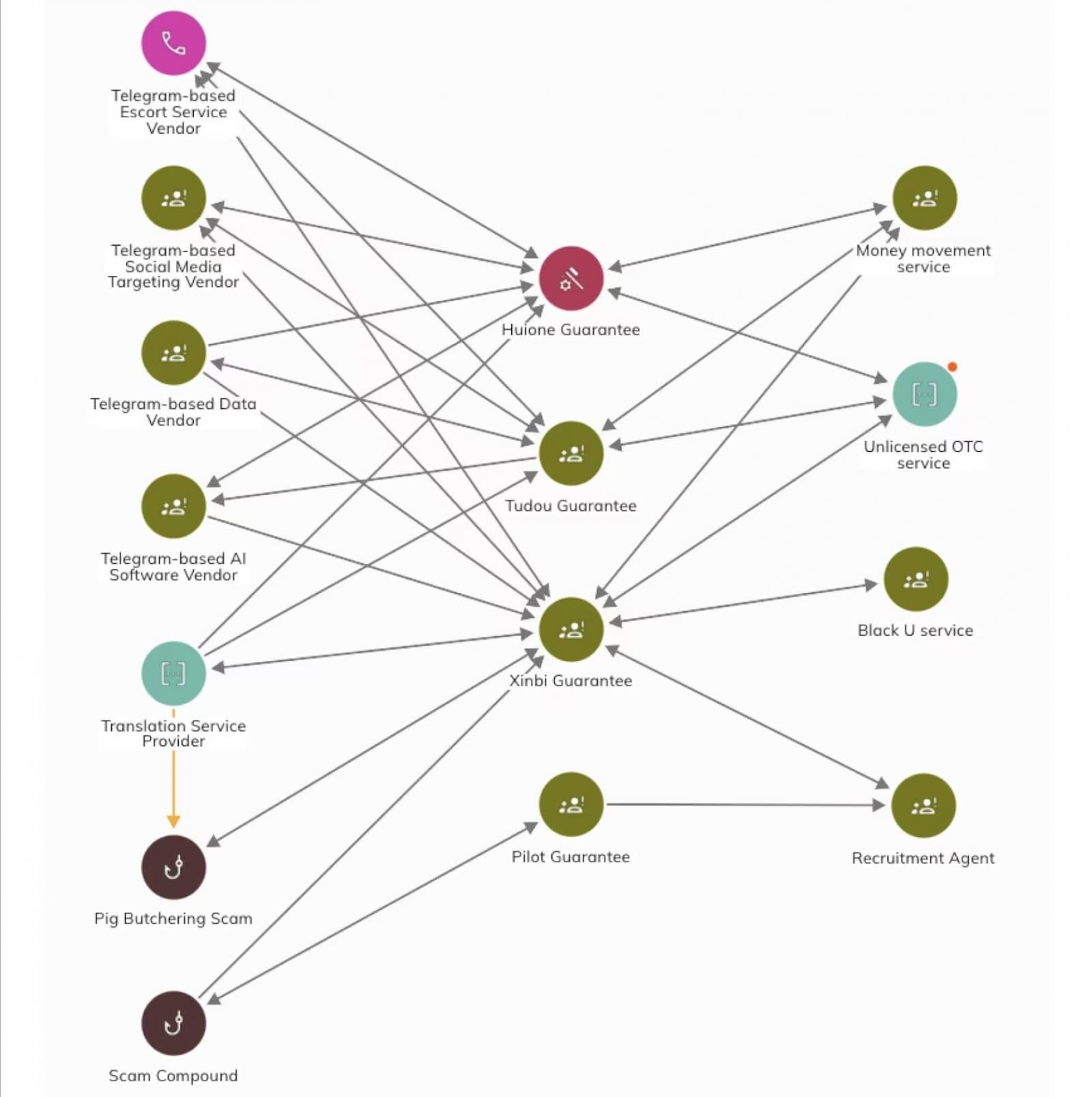
According to blockchain analysis firm Chainalysis, Xinbi has processed over $19.9 billion between 2021 and 2025, facilitating everything from unlicensed OTC trades and money laundering to the sale of stolen personal databases.

Today’s sanctions also target #8 Park (a massive-scale scam compound linked by blockchain analytics firm Elliptic to the Prince Group crime ring) and Legend Innovation Co (the operator of #8 Park).

Advertisement

“Today the government has stepped up its fight against these scam centres, targeting the owners and operators of a recently identified facility known as ‘#8 Park,’ believed to be Cambodia’s largest scam compound, with capacity to accommodate 20,000 trafficked workers,” the FCDO said on Thursday.

“The UK is also the first country to sanction Xinbi, one of the largest illicit marketplaces in Southeast Asia, which provides cryptocurrency-based services to scam centres – including #8 Park.”

FCDO’s sanctions aim to isolate Xinbi from the legitimate crypto ecosystem, disrupting its operations by making it impossible to send or receive cryptocurrency payments, as happened when the Byex Exchange cryptocurrency platform shut down after being sanctioned by the U.K. last year.

Xinbi connections with other illicit services and platforms
Xinbi connections with other illicit services and platforms (Chainalysis)

Scam centers across Myanmar, Cambodia, and Laos are criminal-run operations often operated by Chinese crime syndicates that coerce people (many of them foreigners) to become accomplices in large-scale criminal operations that target victims worldwide in cryptocurrency investment scams, also known as pig butchering or romance baiting.

They usually contact targets through social media, messaging apps, and dating sites, using stolen information bought from dedicated online platforms like Xinbi, to lure victims into fake investment schemes. However, the scammers steal the money by moving it into accounts they control rather than investing it.

Advertisement

“Our sanctions today send a clear message: We will not allow British people to become victims of these dreadful scams or tolerate the awful human rights abuses perpetrated in these scam centres,” said Stephen Doughty, the U.K.’s Minister of State for Europe, North America and Overseas Territories.

“We must keep up the pressure on dirty money and those who benefit from it. At the Illicit Finance Summit in June, the UK will drive international action to tackle the ways in which ill-gotten profits are laundered and moved around the world.”

Today’s action follows another wave of seizures, asset freezes, and the shutdown of hundreds of scam centers in October 2025 after the FCDO and the U.S. Department of the Treasury’s Office of Foreign Assets Control (OFAC) jointly sanctioned the Cambodian Prince Group crime ring and its leader, Chen Zhi. The U.S. Department of Justice also seized $15 billion in bitcoin from Zhi, who remains at large.

Automated pentesting proves the path exists. BAS proves whether your controls stop it. Most teams run one without the other.

This whitepaper maps six validation surfaces, shows where coverage ends, and provides practitioners with three diagnostic questions for any tool evaluation.

Advertisement

Source link

Continue Reading

Tech

New Infinity Stealer malware grabs macOS data via ClickFix lures

Published

on

New Infinity Stealer malware grabs macOS data via ClickFix lures

A new info-stealing malware named Infinity Stealer is targeting macOS systems with a Python payload packaged as an executable using the open-source Nuitka compiler.

The attack uses the ClickFix technique, presenting a fake CAPTCHA that mimics Cloudflare’s human verification check to trick users into executing malicious code.

Researchers at Malwarebytes say this is the first documented macOS campaign combining ClickFix delivery with a Python-based infostealer compiled using Nuitka.

Because Nuitka produces a native binary by compiling the Python script into C code, the resulting executable is more resistant to static analysis.

Advertisement

Compared to PyInstaller, which bundles Python with bytecode, it’s more evasive because it produces a real native binary with no obvious bytecode layer, making reverse engineering much harder.

“The final payload is written in Python and compiled with Nuitka, producing a native macOS binary. That makes it harder to analyze and detect than typical Python-based malware,” Malwarebystes says.

Attack chain

The attack begins with a ClickFix lure on the domain update-check[.]com, posing as a human verification step from Cloudflare and asking the user to complete the challenge by pasting a base64-obfuscated curl command into the macOS Terminal, bypassing OS-level defenses.

The ClickFix step
ClickFix step used in Infinity attacks
Source: Malwarebytes

The command decodes a Bash script that writes the stage-2 (Nuitka loader) to /tmp, then removes the quarantine flag, and executes it via ‘nohup.’ Finally, it passes the command-and-control (C2) and token via environment variables and then deletes itself and closes the Terminal window.

The Nuitka loader is an 8.6 MB Mach-O binary that contains a 35MB zstd-compressed archive, containing the stage-3 (UpdateHelper.bin), which is the Infinity Stealer malware.

Advertisement
The malware's disassembly view
The malware’s disassembly view
Source: Malwarebytes

Before starting to collect sensitive data, the malware performs anti-analysis checks to determine whether it is running in a virtualized/sandboxed environment.

Malwarebytes’ analysis of the Python 3.11 payload uncovered that the info-stealer can take screenshots and harvest the following data:

  • Credentials from Chromium‑based browsers and Firefox
  • macOS Keychain entries
  • Cryptocurrency wallets
  • Plaintext secrets in developer files, such as .env

All stolen data is exfiltrated via HTTP POST requests to the C2, and a Telegram notification is sent to the threat actors upon completion of the operation.

Malwarebytes underlines that the appearance of malware like Infinity Stealer is proof that threats to macOS users are only getting more advanced and targeted.

Users should never paste into Terminal commands they find online and don’t fully understand.

Automated pentesting proves the path exists. BAS proves whether your controls stop it. Most teams run one without the other.

This whitepaper maps six validation surfaces, shows where coverage ends, and provides practitioners with three diagnostic questions for any tool evaluation.

Advertisement

Source link

Continue Reading

Tech

‘Ads Are Popping Up On the Fridge and It Isn’t Going Over Well’

Published

on

The Wall Street Journal reports:
Walking into his kitchen, Tim Yoder recoiled at a message on his refrigerator door: “Shop Samsung water filters.” Yoder, a supply-chain manager in Chicago, owns a Samsung Electronics Family Hub fridge. He paid $1,400 for an appliance that came with a 32-inch screen on the door that allows him to control other Samsung gadgets, pull up recipes or stream music. But since last fall, it’s been intermittently serving up ads, part of a pilot program being tested on some of Samsung’s smart fridges sold in the U.S. The response? Not warm. “I guess this is another place for somebody to shove an ad in your face,” said the 47-year-old Yoder, recalling the first time he noticed one…

The ads are only on certain Family Hub fridges that have screens and internet connectivity. They run as a rectangular banner at the bottom — part of a widget that also shows news, the weather and a calendar. Samsung declined to say how long the pilot might last or whether it would end. The firm recently unveiled a “Screens Everywhere” initiative that also includes washers, dryers and ovens…. Samsung launched the banner-type fridge ads that come as part of the widget via an October software update. In a footnote of a news release at the time, Samsung pledged to “serve contextual or non-personal ads” and respect data privacy. The banner ads can be turned off in settings.

Samsung said the purpose of the pilot is to explore whether ads relevant to home chores can be useful to owners, and that overall pushback has been negligible. The “turn-off” rate for the pilot ad program remains in the bottom single-digit range, it said… While owners can turn off the banner ads, doing so eliminates the widget altogether, a bummer for Brian Bosworth, a media-industry engineer who liked the feature. Bosworth thinks it’s wrong to take away the new feature as a condition. Wanting to keep the widget but not the ads, the 49-year-old in Edgewater, Md., made sure his home router’s ad-blocking software extended to his fridge. He hasn’t seen another since.
One 27-year-old plans to return his refrigerator after the entire display “lit up with a full-screen ad for Apple TV’s sci-fi show Pluribus,” according to the article. The all-caps ad beckoned him “with an oft-used refrain directed at protagonist Carol Sturka: ‘We’re Sorry We Upset You, Carol.’”

Thanks to Slashdot reader fjo3 for sharing the article.

Advertisement

Source link

Continue Reading

Tech

What Is the Best Garmin Watch Right Now? (2026)

Published

on

Last year, Garmin introduced a Pro version that incorporates the inReach’s satellite communications savvy. Not only does it cost at least $400 more than the Apple Watch Ultra and $200 more than the regular Fenix 8, but you also have to pay for the inReach subscription plan, which has several tiers and ranges from $8/month to $50/month depending on whether you want features like unlimited texting or sending photo messages.

What you get for this mind-boggling price is a sports watch that can do anything and everything. It has best-in-class battery life (every Fenix can last for weeks on a single charge, and up to a month with solar charging) and features like the depth sensor from Garmin’s Descent line, which means this watch works as a full-on dive computer for scuba and free diving. It has a microphone and speaker for basic voice commands (although no onboard cellular connectivity), the surprisingly useful built-in LED flashlight, and Garmin’s signature built-in topographic maps, 24/7 health monitoring, and tracking for over a hundred different activities.

I’ve taken the 51-mm version on pretty much every outdoor sport—snowboarding, trail running, mountain biking, and rock climbing. Every time I use it, its capabilities far outclass my own. I have irritated many a fellow climber by attempting to track route difficulty, duration, and falls while integrating my Body Battery metrics and so on. The danger is always that you’ll spend more time fiddling with your Garmin Fenix 8 than you do with your actual sport. I have the version with the sapphire glass face and the titanium bezel, and have smashed it into rock faces with nary a scratch. If you’re up for paying the price and want a good-looking watch that will last forever (I have friends who are still wearing their Fenix 5s and 6s, and honestly, they’re fine), this is the one to get.

Best Running Watch

Advertisement

The Garmin Forerunner series launched in the early 2000s and has become the quintessential runner’s watch. Like all Garmins, the Forerunner comes in a range of price points, each offering different features. Last year, Garmin released the Forerunner 570 ($550), a midrange model with no LED flashlight or onboard maps, and the Forerunner 970 ($750), which is the premium version. Before I go into detail about why the Forerunner 970 is the best option, I should also say that I have tested many previous Garmin Forerunners at various price points. If you’re not a triathlete, the older Forerunners are still worth considering, and the entry-level $200 Forerunner 165 is aimed explicitly at runners, instead of including triathletes as the more expensive models do.

Source link

Continue Reading

Tech

Samsung's new QuantumBlack coating reduces QD-OLED reflections by 20%

Published

on


Samsung’s newly introduced QuantumBlack technology adds a film to the company’s QD-OLED panels, enhancing immersion and reducing reflections from external light sources. The South Korean company said QuantumBlack improves both reflection control and surface hardness, and it will become a standard feature on all QD-OLED monitors expected to launch in 2026.
Read Entire Article
Source link

Continue Reading

Trending

Copyright © 2025